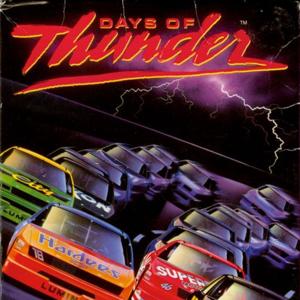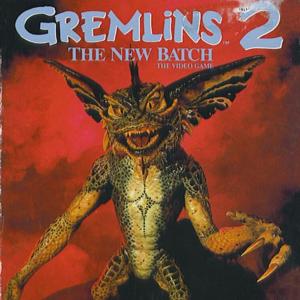
The Top 10 NES Games of 1990
Our ranking of the ten best NES games of 1990, counted down from Jackie Chan's Action Kung Fu to Super Mario Bros. 3, with the year's numbers and how each one did on the Essential Games List.
1990 in numbers, counting every NES game we covered that year.
The year in numbers
1990 was the year the wait ended. Super Mario Bros. 3 had been out in Japan since October 1988, and after a year of previews and a movie it reached American stores in February. In Japan, Nintendo's next console, the Super Famicom, launched on November 21. None of that slowed the NES down, and for us it was the biggest year yet.
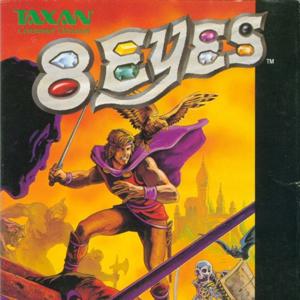
We covered 170 games from 1990, starting with 8 Eyes and ending with Ultima IV: Quest of the Avatar. Only 13 of them were published by Nintendo. Action had the most games with 28, Sports was right behind it with 27, and Platformers and Adventures followed with 19 and 15. Rare released 14 of the year's games, Beam Software 10, Konami eight and Capcom seven.
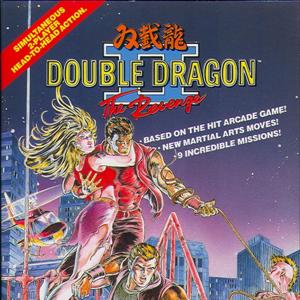
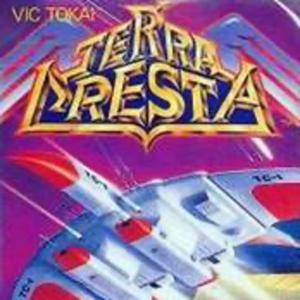
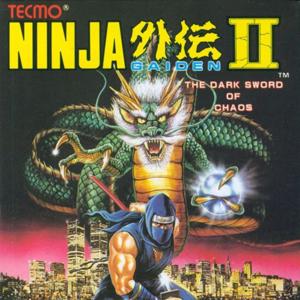
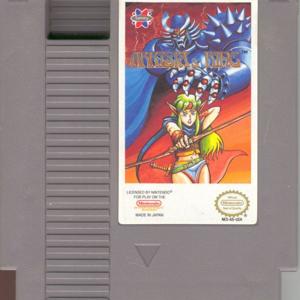
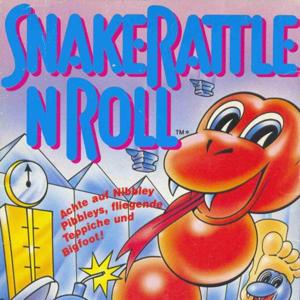
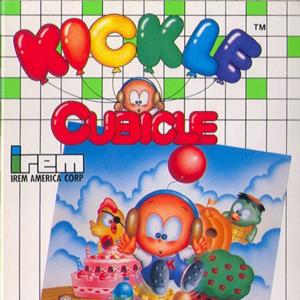
It was also a big year for the Essential Games List. Fifteen 1990 games are on it, more than any year before, and the first to get there was Double Dragon II: The Revenge, at episode 257. At the Best of 1990 episode we added Ninja Gaiden II: The Dark Sword of Chaos and Maniac Mansion, and took Terra Cresta and Dragon Spirit: The New Legend off, so both are now Play its. All ten games below are on the list. The other five are Double Dragon II, Ninja Gaiden II, Chip 'n Dale: Rescue Rangers, Snake Rattle 'n' Roll and Kickle Cubicle.
The ten below are our favorites of the year. Konami developed two of them, Castlevania III and Super C, and Nintendo developed two, Super Mario Bros. 3 and StarTropics. SNK, Square, Capcom, Technos Japan, Lucasfilm Games and Now Production have one each. They are counted down from number ten to number one, and every game links to the episode where we covered it.
Our top ten
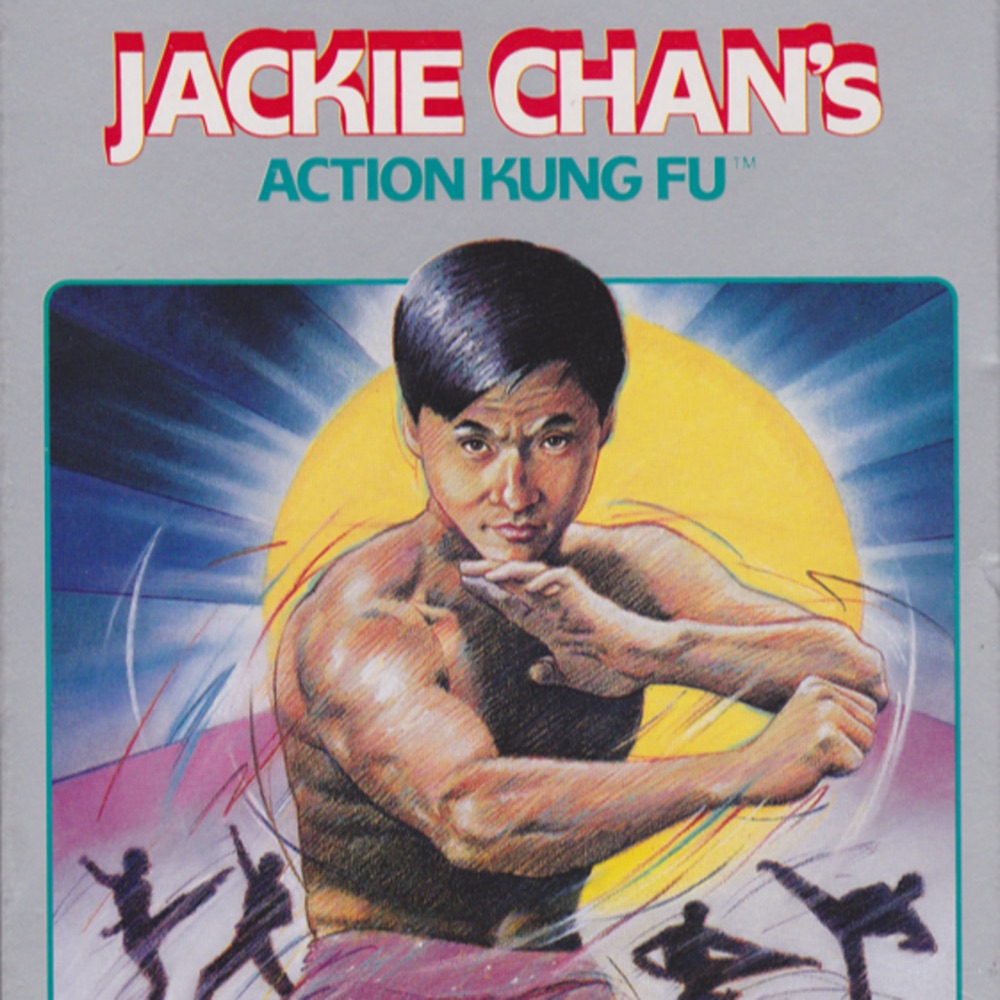
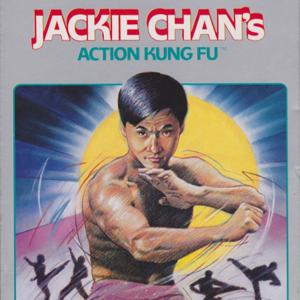
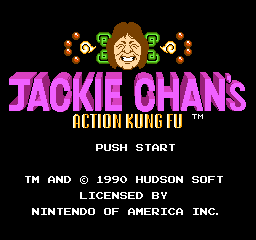
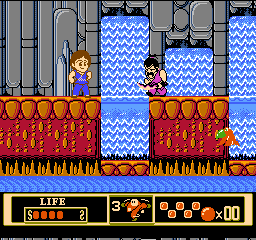
The game opens by telling us that Jackie and his sister Josephine are "tough on tyrants," so we checked. Jackie has two half-siblings, and neither is named Josephine. Now Production developed it and Hudson Soft published it, and it is a side-scrolling action platformer where a chibi Jackie crosses five stages to save that invented sister from a wizard.
It earned its spot by being readable. The sprites are clean drawings with single colors and no shading, the hitboxes are generous, and enemies are placed deliberately instead of spawning in piles. That walk cycle has "frames for days." Punching frogs makes them burp up power-ups, and the interface shows the motion of the backflip or somersault you picked up. Special moves are up plus attack, borrowed from Castlevania. It is forgiving too: fall into water and you swim out. It "doesn't waste your time." We said it is "as fun to play moment to moment as the original Super Mario Brothers," which we agreed was "a crazy thing to say out loud." The game over screen has Jackie holding a brown thing that looks like poop or an acorn, and when you run out of continues, it crushes him.
The continues are the sore spot. There are no lives, only continues that act like lives, and when they run out you start the whole game over. We wanted unlimited continues. The cloud-hopping bonus stage came out of nowhere, and there is little martial arts: you mostly fight snakes, tigers and frogs. We also wondered how much is there beyond the polish.
The vote split. Mike voted yes, calling it a welcome surprise after the garbage we had been playing. Sean voted no: a really good Play it, but he did not trust himself yet. Joe voted yes, though replaying the whole thing nearly stopped him. Two yeses were enough to add it to the Essential Games List.
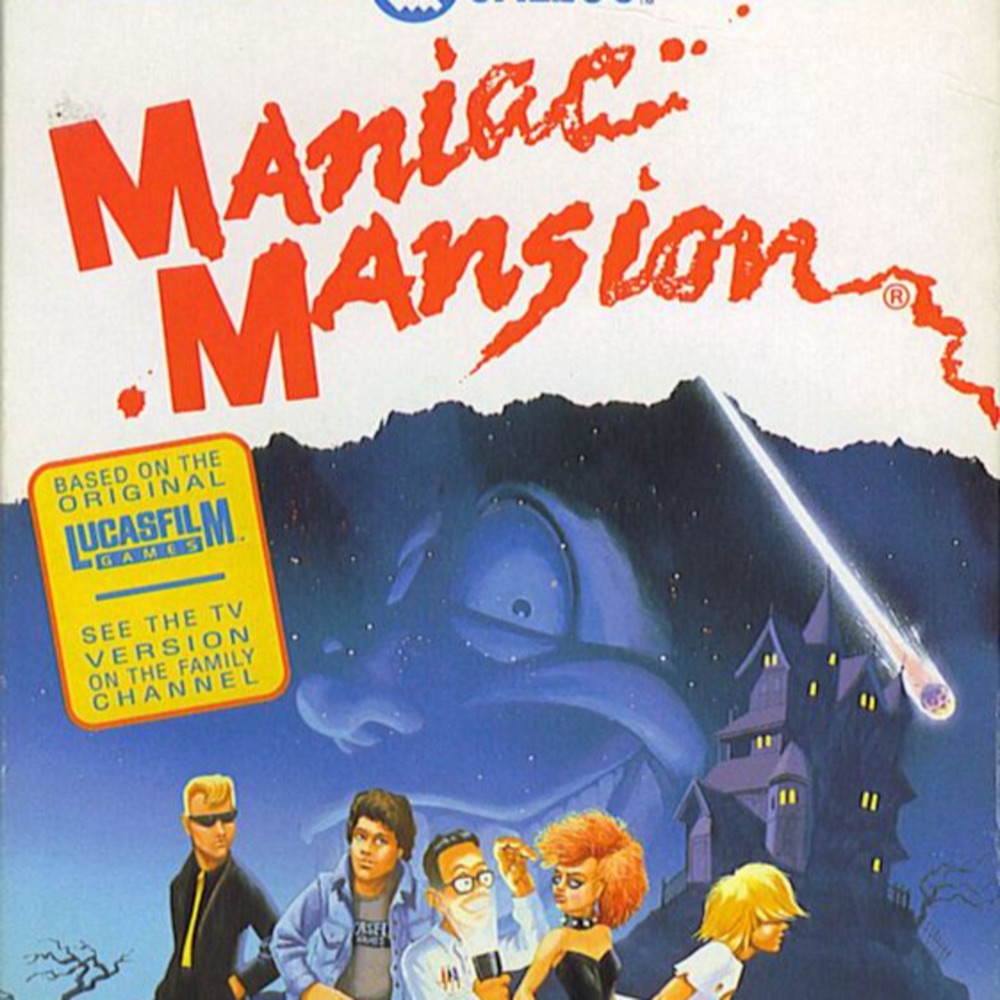
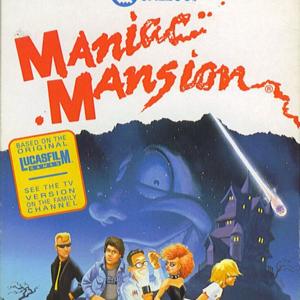
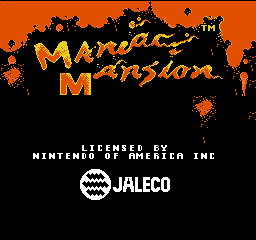
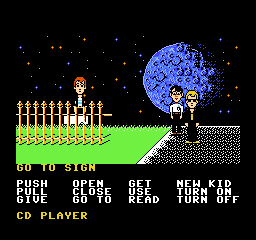
Why is there a chainsaw in the kitchen? We opened the episode on that question, because the back of the box shows one and, as far as we could tell, you can't use it for anything: try, and it tells you it has no gas. Lucasfilm Games and Realtime Associates brought this point-and-click adventure to the NES for Jaleco. You always play as Dave, who picks two other teens to help rescue his girlfriend Sandy from Dr. Fred Edison.
What it does best is let you poke around. Nobody tells you the next step, but each discovery hints at another: a hunk-o-matic upstairs gets you strong enough for the garage door. It is slapstick, with a plant you can feed Pepsi, a hamster you should not microwave, and a sentient meteor with its own meteor police. The teens you pick change the puzzles and open different endings. The verb system could have been a slog on a controller, but hotkeys on select kept it moving. Each character has a song, and the main menu is maybe one of our favorites so far on the NES.
It stumbles on dead ends. There are at least 12 known, and the paint thinner on the wrong thing is one. We needed a guide for a few things near the end, and lifting the mailbox flag to mail the memoir would stump kids today. The music also plays at full blast.
The vote split. Mike voted no, saying he ended up playing it with a mouse and keyboard and could not in good faith put the NES version on the list, and Sean agreed even though he was charmed throughout. Joe voted yes, called it a blast, and said the D-pad was not that big of a deal. Mike also predicted it might end up on the list anyway, and it did: it was added to the Essential Games List at the Best of 1990 episode.
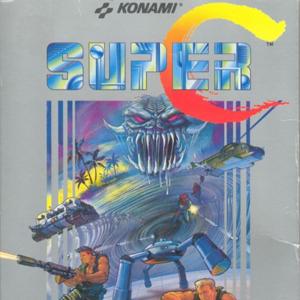
Super C
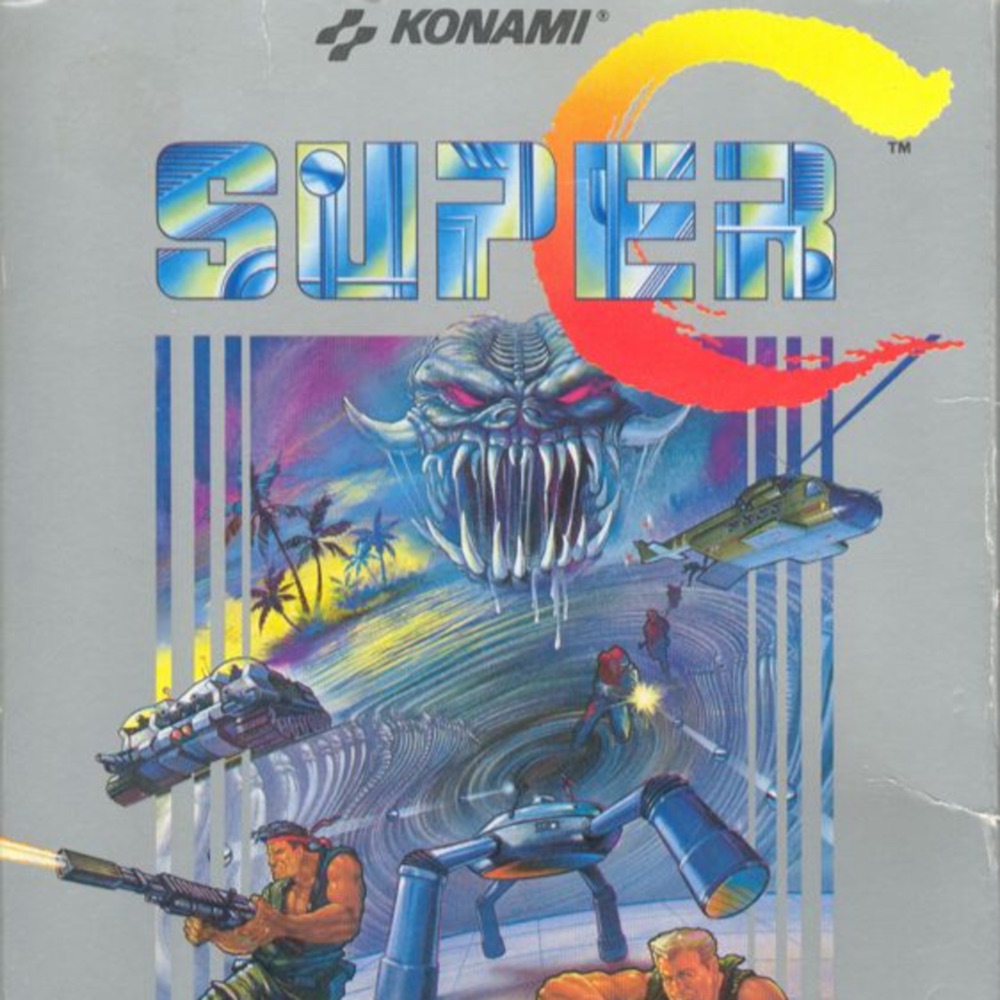
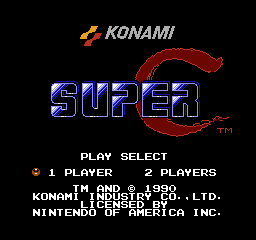
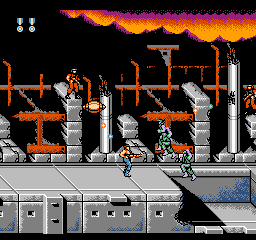
We opened by picking at the back of the box, which promises "forget about the questions" after a "shooting first" that does not quite match it grammatically. It still sounded truly badass. Super C is Konami's 1990 follow-up to Contra, and the C is for Contra. The Japanese release was Super Contra, The Alien Strikes Back, so the subtitle got trimmed along with the name. Same power-ups, same shooting.
What it does best is never settle. The over-the-shoulder pseudo-3D stages give way to top-down ones, which are easier to control, and three of them (the high tech base, a mountain level and the alien nest) exist only in the NES version. Around them are an elevator level and hills full of chasms, so there is no filler. The slopes add rolling rocks and a new crouch sprite so your feet are not sticking out of the ground. Then the base turns alien and mouths open under your feet. The final boss looks like a woman's face being swallowed by a monster. The controls are tight.
It is hard in ways that sting. The Konami code is gone, the other code gives ten lives instead of 30, and after three continues you are done. Respawning into a bullet felt cheap, and a jump in area five, where a purple rock falls on your landing spot, works like a jump scare in a movie. A no-hit run is about 15 minutes, so more areas would not have hurt. Two players is more fun but harder, thanks to an invisible wall that killed us again and again.
The vote split. Mike voted no, preferring to keep Contra on the Essential Games List as basically the same experience, a little more accessible, citing the missing Konami code and the difficulty. Sean voted yes, saying there is room for two Contras. Joe voted yes too, calling it at least as good as the original, with the continues as his only pause. Two votes were enough.
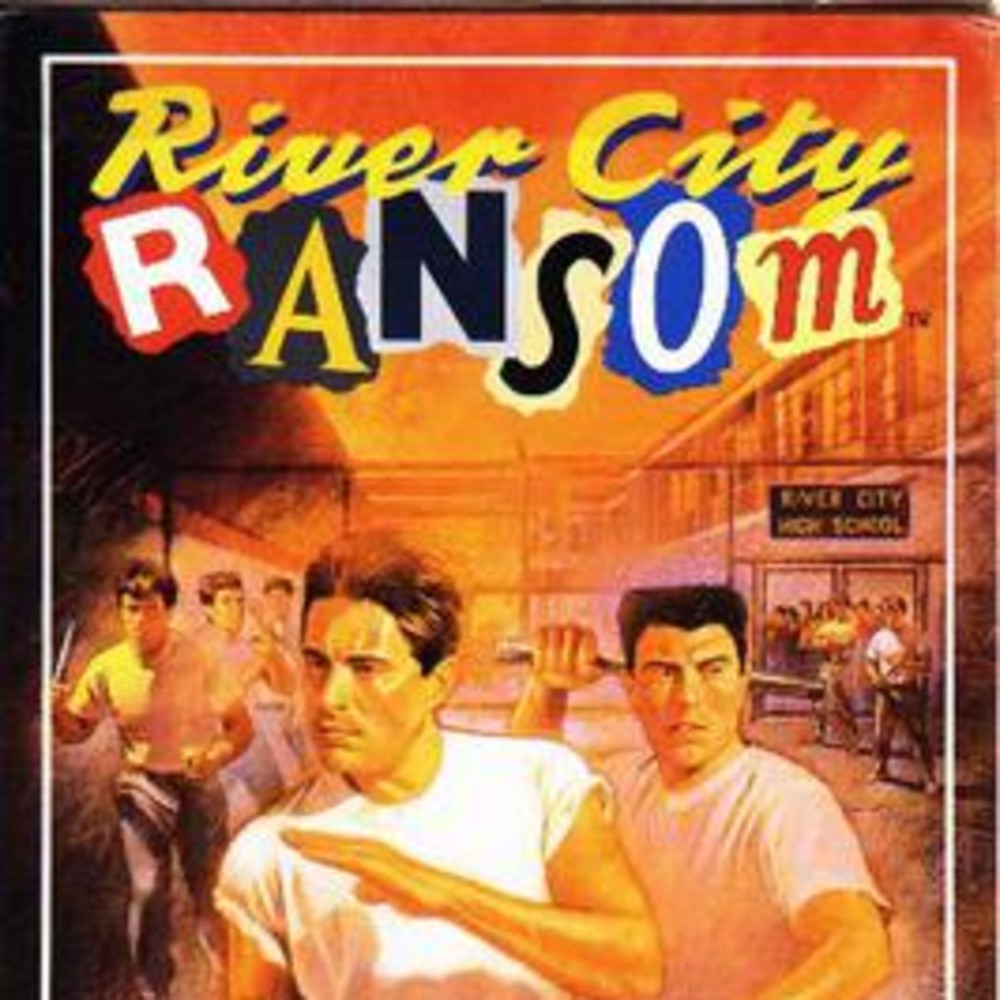
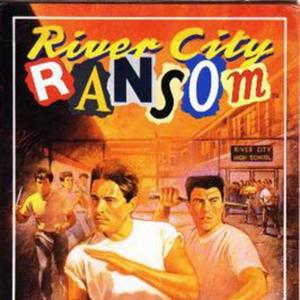
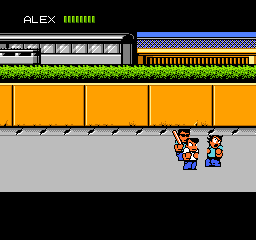
River City Ransom opens with a note from the bad guys: "I hold your high school captive." They also have Ryan's girlfriend, which felt like a smaller crime than a captive city, so we wondered whether anybody had checked in on the mayor. Technos Japan's game is an open world beat-em-up. You fight gang members for money, spend it at the malls on items that raise your stats. We did not think that was possible on the NES.
The loop is why it earned this spot. Fighting gets you money, money buys upgrades, and the upgrades change how you fight. The charm carries it too. Defeated enemies yell "barf," and they all have names, so you are fighting guys named Greg. You can order a smile for free and then blush, and you can walk into a mall with a trash can over your head. In co-op we took turns dying while the other player collected cash for the dragon feet and stone hands. Dying only costs half your money.
The city is less open than it looks: a long line with short dead ends, and the RPG side is only an economy of stats, with no side quests. Only two enemies appear at a time, and the gangs mostly change shirt color, so harder fights just mean more hit points. The shops never say what an item does until you buy it, and renaming your characters never changes the dialogue.
The vote split. Mike said no: not believing it was possible on the NES is not enough to make the list, and once you notice you are not doing much different from area to area, the appeal fades. Joe called it "absolutely essential." Sean voted yes too, saying he had too much fun with it to do otherwise. It went onto the Essential Games List.
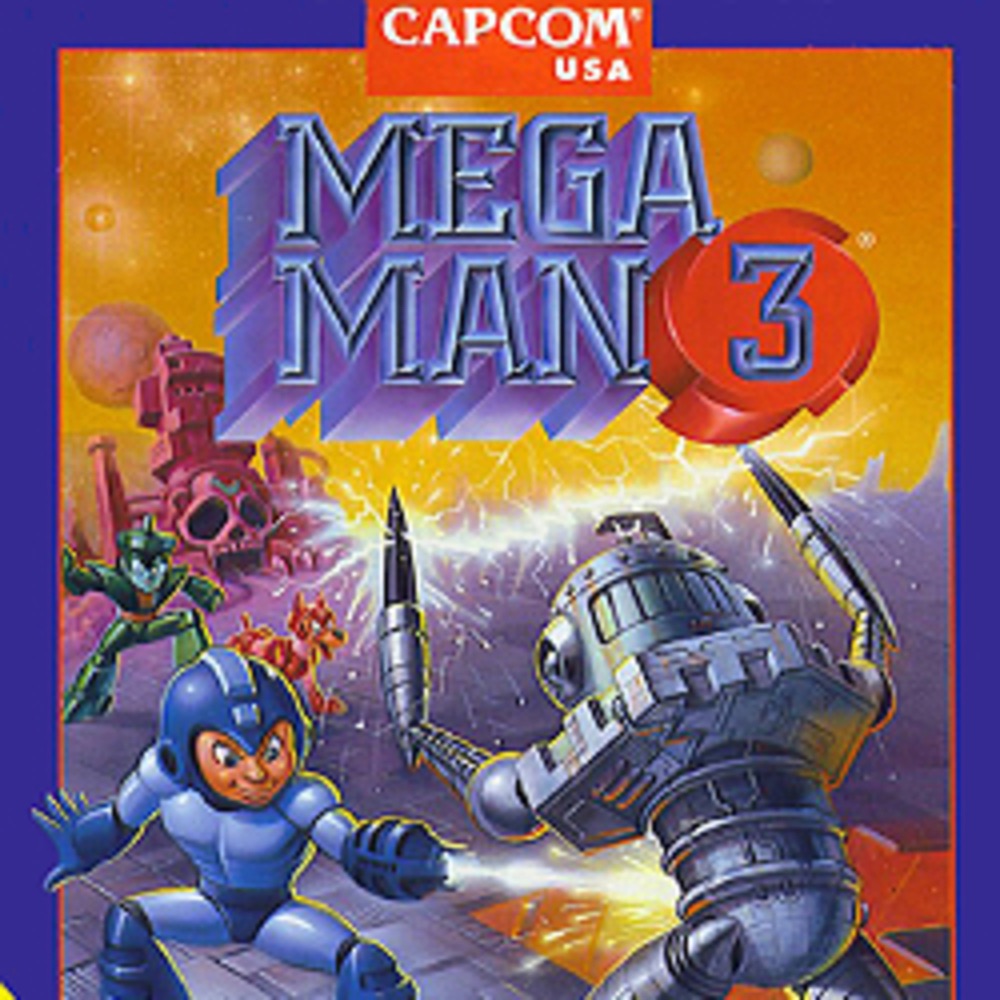
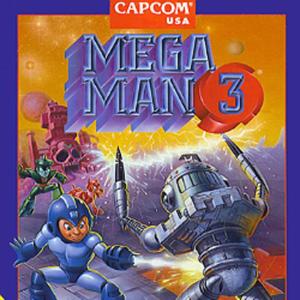
The back of the box promises "Mega Man explodes in back to back robot battle," and we spent the opening minutes clarifying that he only explodes when he dies, which Joe joked happens constantly when he plays. Mega Man 3 is Capcom's third main Mega Man game on the NES, with the same loop: beat a robot master, take the weapon. This time there are eight new robot masters, a slide, and Rush the robot dog.
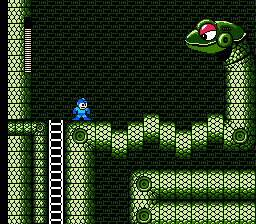
The power-ups are what earned it the spot. We called them the best part of the game. The snake weapon sends little snakes crawling along the walls to hit enemies you cannot reach, which we agreed was a great use of snakes. The needle cannon shoots through walls, the slide is a good dodge, and the Rush jet lets you skip hard enemies. Even the top spin, which we found useless, is an automatic KO on Gamma. Wily's castle is made of shorter, tighter levels, and the game hands out more health pickups and keeps your energy tanks through continues. The enemies are silly, cool and a little scary at once.
The Doc Robot stages are where it drags. They are remixes of earlier stages with returning bosses, and we called them padding and wondered why we did not get four new stages instead. Break Man fights the same way every time and plays like a kid who has never played a video game. Your weapon ammo stays spent after you die. The bees cannot be dodged, and the Yellow Devil ended one host's run and brought out the Game Genie.
All three hosts voted it onto the Essential Games List. Mike called it the tightest Mega Man yet. Joe said the series is still the goat when it comes to power-ups. Sean admitted he had little fun, but saw it as an improvement on two games he had voted Essential.
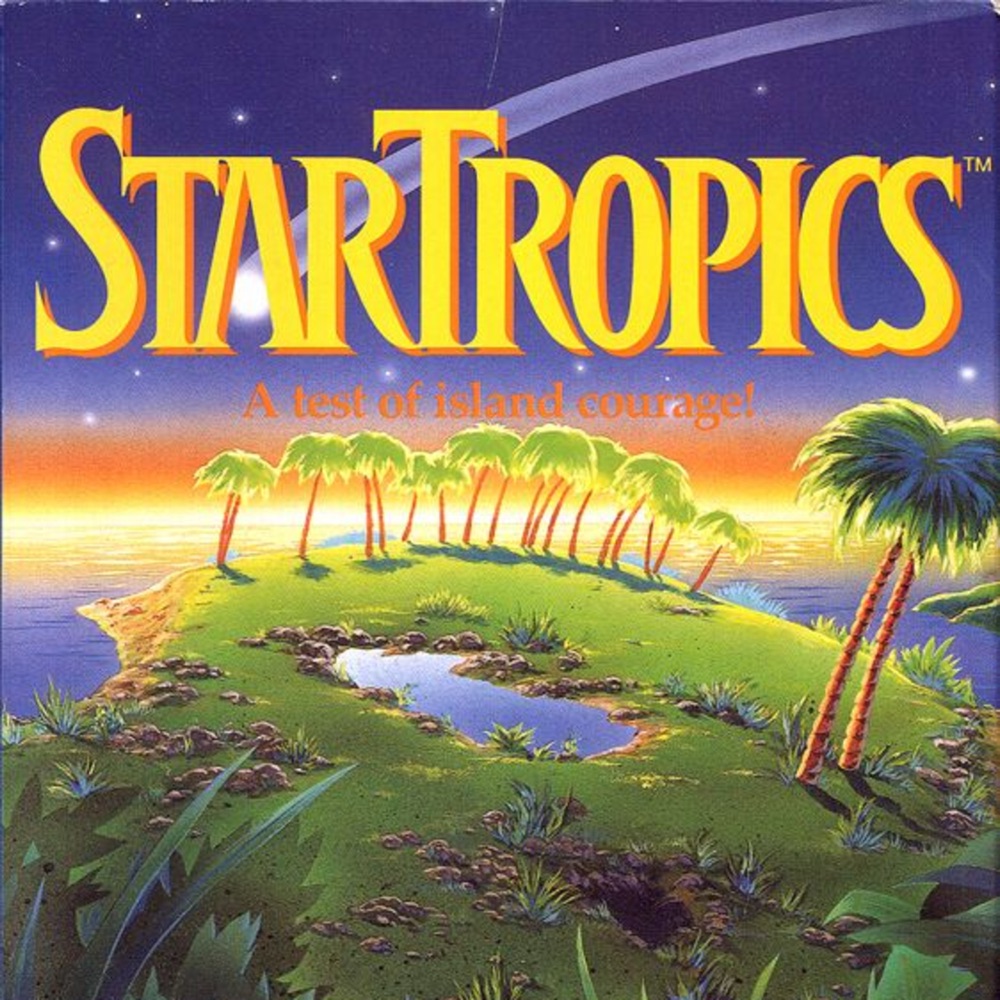
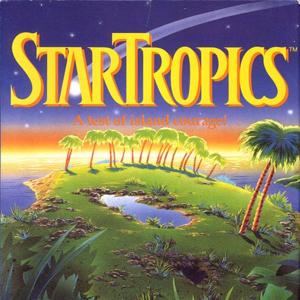
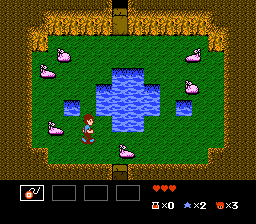
We named a save Link on Switch Online and StarTropics called us Mike anyway, which had us wondering whether Nintendo already knew our name. This top-down adventure from Nintendo Research & Development 3 and Locomotive Corporation stars Mike Jones, an ace pitcher visiting his archaeologist uncle, and his rescue mission goes from talking dolphins to aliens. Once you have talking dolphins, all bets are off. The islands are named after cola, the villain is Zoda, and the weapon is a yo-yo.
What it does best is corral you. It is linear enough that you could draw the route with a red Sharpie, yet every chapter has its own set piece, and we took "weird sci-fi tropical goofballery" over cookie-cutter plots. The dungeons have you hop between tiles with secret buttons under them, and the order of your steps matters. Items work only in the dungeon where you find them, so the snowman freezes the octopus and the baseball bat finishes it. The piano puzzle needs a do-re-mi code, the lava boss sinks once you separate it, and Zoda's floating head was called a perfect fight.
It stumbles on weapons and sameness. Your weapon depends on your hearts, so getting hit can drop you back to the yo-yo, which cannot hurt the second boss, the main engine, at all, and that was not forgivable. You must turn before you move, and the dungeons share one track we called wallpaper music. The secret frequency needs the paper in the box dunked in water, which Switch Online does nothing to fix.
All three hosts voted it onto the Essential Games List. The turning had looked like it might hold the game off, but it did not matter in the end. Joe said it might crack his top ten of NES games so far, and Sean said the story is still bullshit but the funny moments were good enough on the NES.
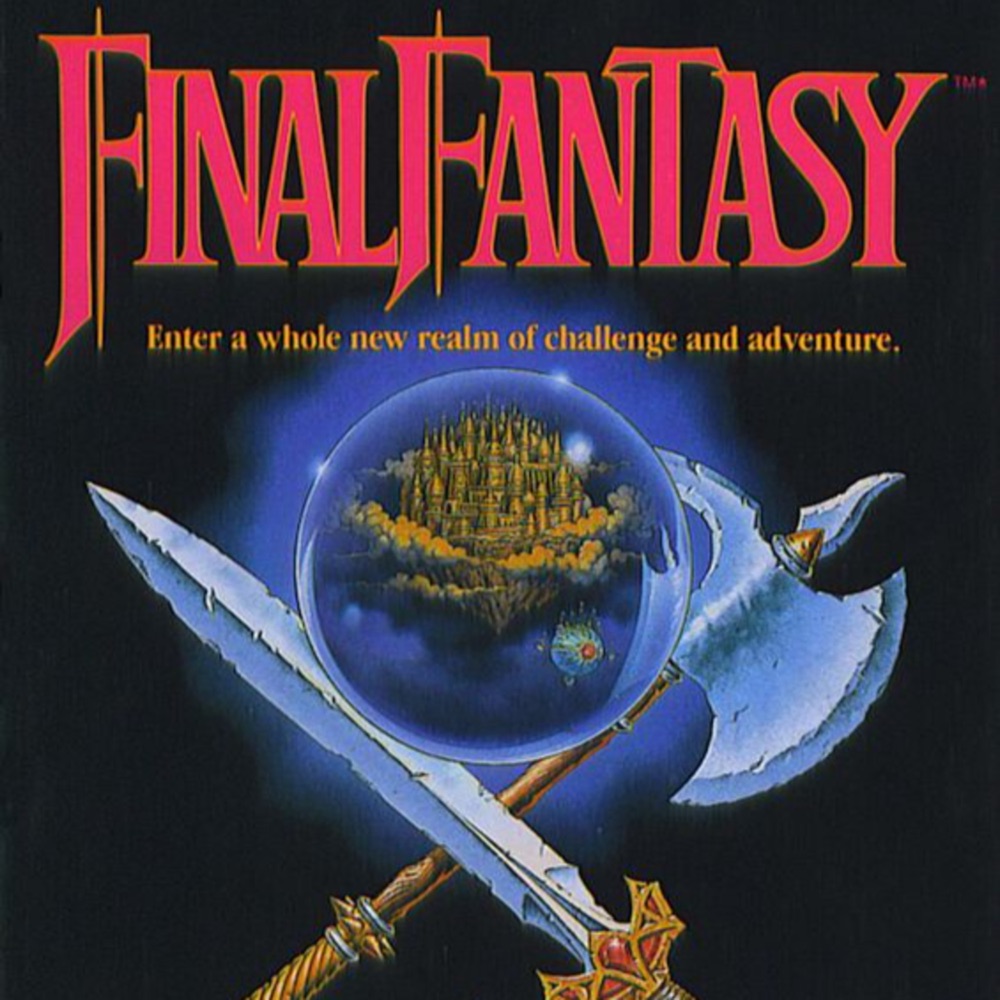
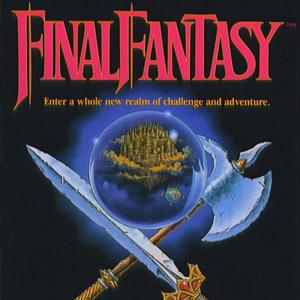
We opened by clearing up a rumor that has floated around for decades: that Square was so down on its luck this would be its last game, hence the name. Our theory was that they wanted two Fs for alliteration and were aiming for fighting fantasy. Square's NES release, published by Nintendo, drops you onto the overworld with no king explaining your mission, after you build a party of four from whatever classes you like. Four fighters is allowed, and so are four white mages, though nobody promised you could win.
That freedom is the first thing it does best, and the second is the battles. Compared to everything else we have played on the NES, we called it the best turn-based battle system by far, and seeing your party swing and cast made it feel like a game instead of a program. Then the story keeps growing. Rescuing the princess turns out to be chapter one, and the Final Fantasy theme rolls as you cross the bridge. You get a ship early, and the airship was a well-designed moment. The easy first boss, Garland, returns as the final boss, which we called a cool twist even though the time loop does not add up. The soundtrack is "probably one of the best NES soundtracks I've ever heard."
It is rough. We agreed it is "incredibly grindy" and "incredibly buggy." The were sword does nothing extra against were creatures, the rune sword does nothing extra against magic users, the intelligence stat does nothing, and weapons show no stats. If one hero kills an enemy, the next attacks empty air. Magic runs on charges that vanish deep in a dungeon, and nine enemies on one screen hurt.
All three hosts voted it onto the Essential Games List. Joe said the quality-of-life flaws never outweigh how great it is, and Sean voted yes while pleading that you play a remaster instead: "do not play it on NES."
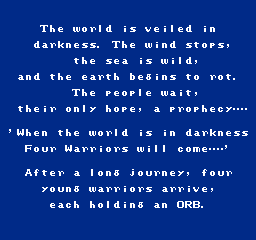
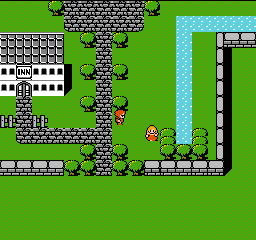
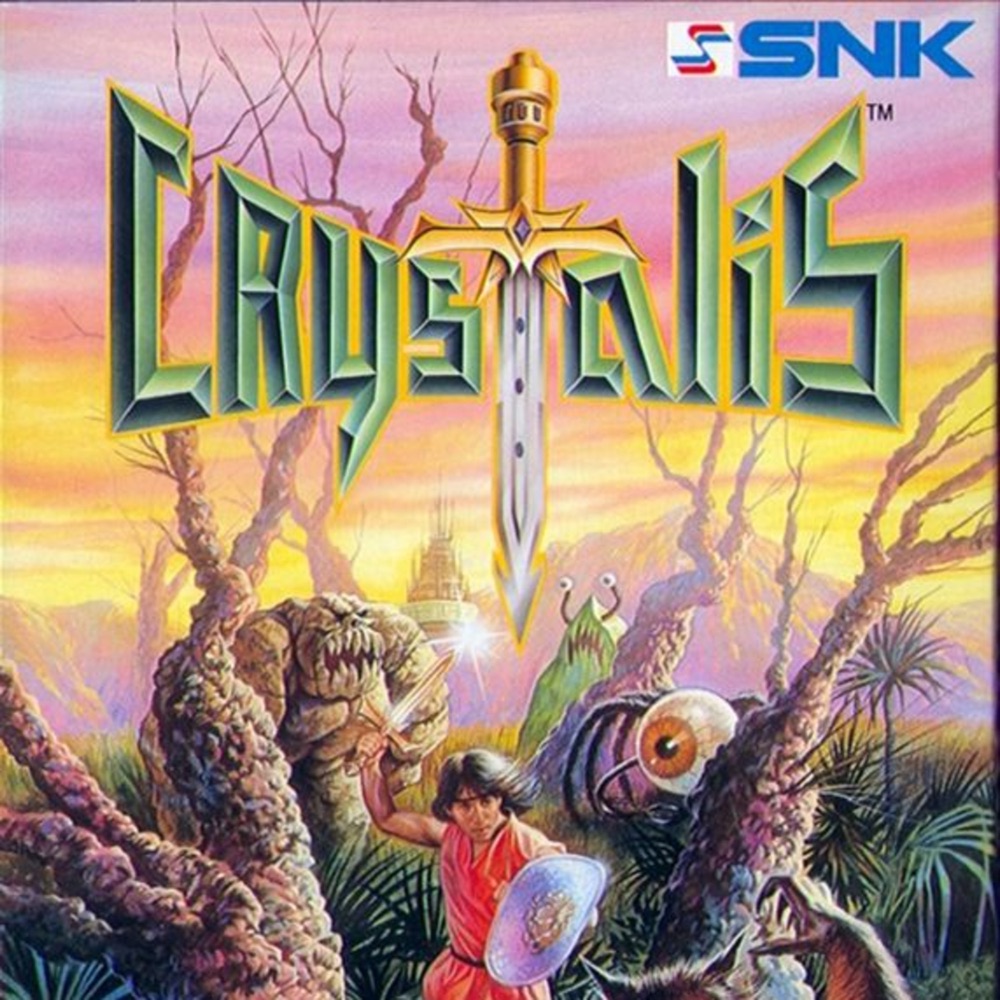
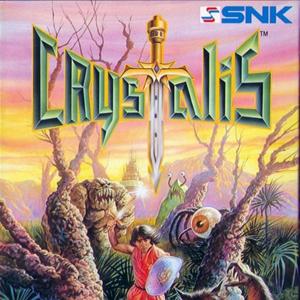
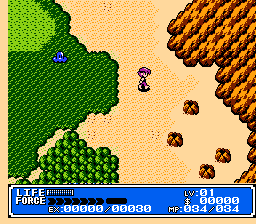
Crystalis opens by telling you the time has come to fulfill your destiny, and we spent the first minutes unable to agree on how to say its name. Best guess was a sword, or "like a KFC in Taco Bell." It is a sword, a combination of four elemental ones. In SNK's RPG you wake from cryogenic sleep after the great war of 1997, forget your name, and take four swords from four wise sages to bring down the Dragonian empire. Your first sword comes from an old man, which "has to be on like the Ten Commandments" of Zelda-style games.
It felt like a game we were playing today. Charge up an attack for a projectile, charge twice later for something stronger, all tied to the element of your sword. The first spell is a heal, and the rest block projectiles, change your form or teleport. Towns react to you: the swamp dwarves ignore you until you rescue a kid who runs slower than you do, and then you are the hero of the village. Then the emperor turns into a dragon, and a robotic cyborg arrives for one last fight seen from behind.
The grind is the catch. Enemies take no damage until you reach the right level, and you hear a "tinky noise" while you hit them, yet elsewhere a text box simply tells you not to go yet. Switching swords through the select menu takes too long, and holding a charge a second too long burns MP you did not want to spend. The caves all look the same "other than like the color."
All three hosts voted it onto the Essential Games List, ending a 20-episode drought. Mike's case was that it gave him everything he liked in Willow, even more of it, and held up today. Joe called it "fantastic." Sean found it polished and deeper than we are used to.
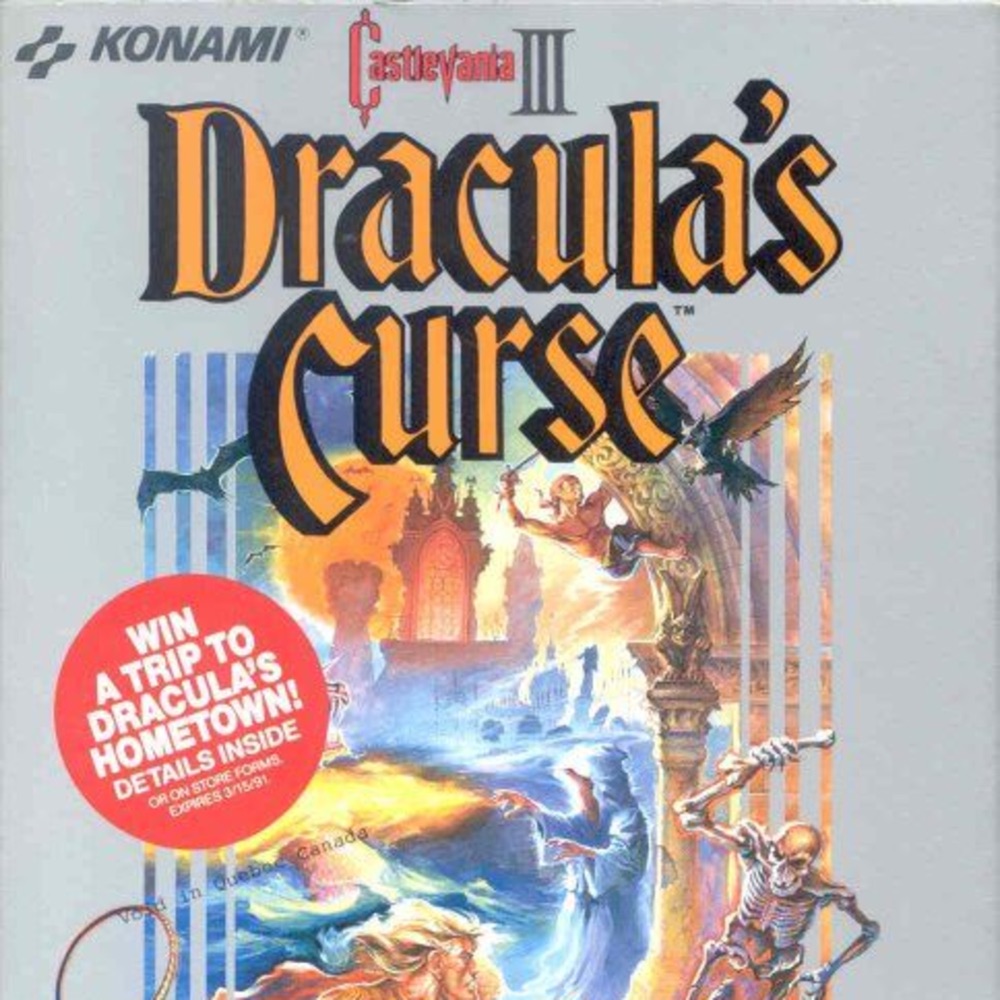
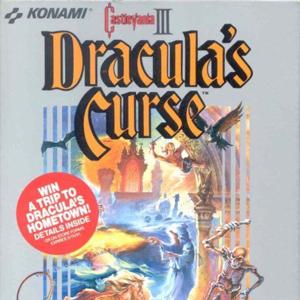
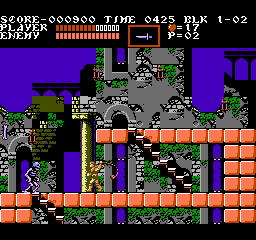
Castlevania III has what we called maybe the only handshake moment in the NES's catalog: every time you meet a new character you give a really firm handshake, and we decided a lot of the budget went to the "handshake engine." Konami's 1990 entry is a prequel set 200 years before the first game, and a return to form after Castlevania II. You whip your way through as Trevor Belmont, behind an opening crawl we picked apart for minutes, still unsure who got recruited and who got exiled.
It keeps the vibe of the first game but gives you more. At the start you choose stairs up or down, and each path leads to entirely different stages, with art hinting at a steampunk clock area, a forest, or catacombs. Three companions can join you: Grant climbs walls and ceilings, Sypha throws ranged magic and can freeze water, and Alucard turns into a bat that skips whole sections. You switch between your partner and Trevor at will, and nothing is walled off by who you pick. Platforms vanish, levels flood, stages sink, and there are four endings plus a second quest. Type HELP ME as your name and you start with ten lives.
The jump is still rigid, you need momentum to steer in the air, knockback is uncontrollable, and the whip eats inputs. We called stairs the actual final boss. It is harder than Castlevania 1. One late stage has you waiting out falling blocks, and a video of it sped up 2,000% still ran 24 seconds, with death sending you back before it.
All three hosts voted it onto the Essential Games List. The case: it is the first game, but more, with nothing in it a step in the wrong direction, so being set in 1990 should not count against it. Joe started out lukewarm and came full circle. We were frustrated, but we liked being frustrated: the Dark Souls effect, "this hurts so good."
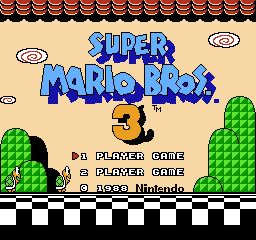
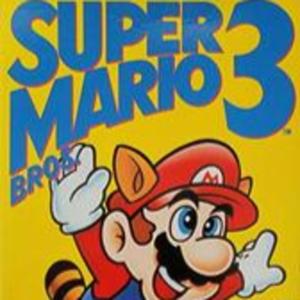
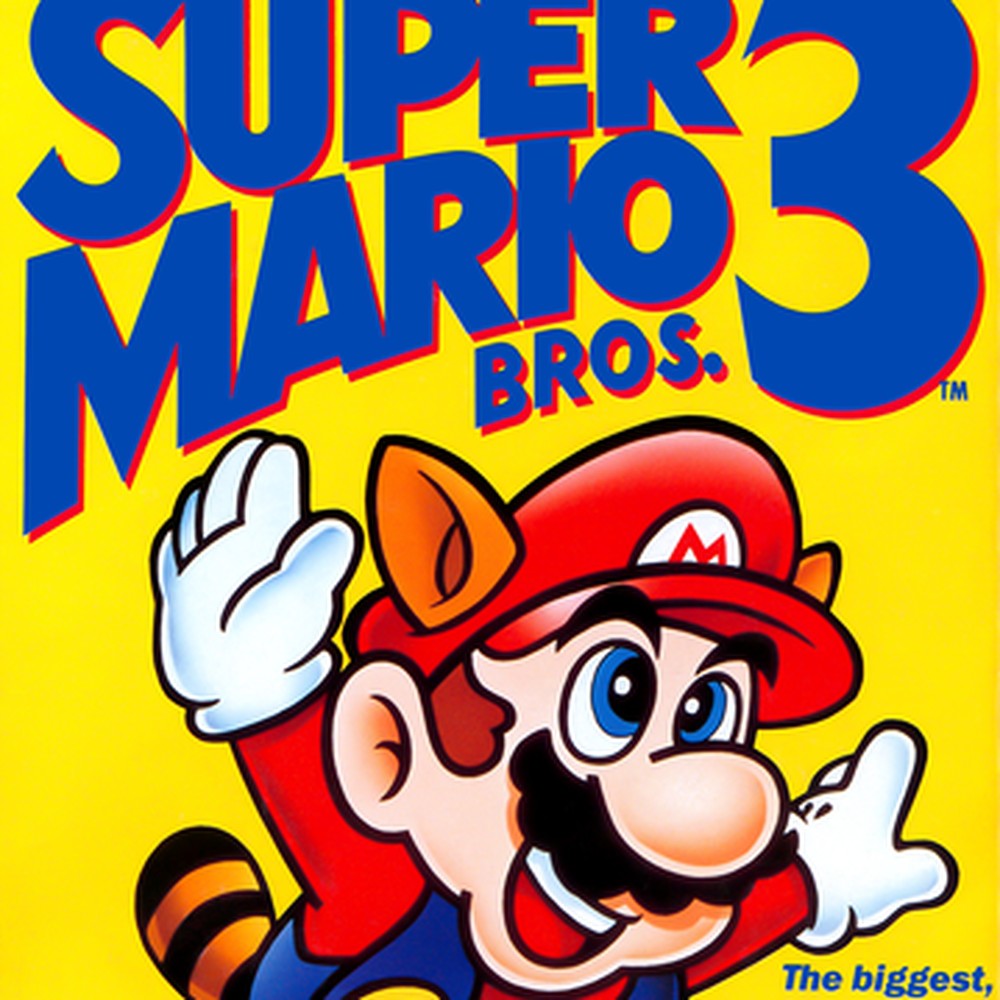
We could not wait to vote on this one. The Essential Games List vote came about ten minutes in, which a host called "Dessert before dinner," and then we kept going for another hour and a half. Nintendo Research & Development 4 took a platformer with 32 levels and made it 90, and Joe said it was the first NES game he had played that "legitimately feels totally modern." We argued over whether the whole thing is a stage play, since the curtain rises at the start and the manual calls levels "action scenes."
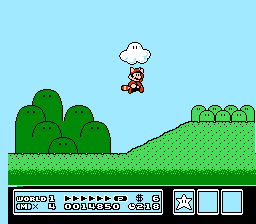
What it does best is never repeating itself. World 5 sends you from land up into the clouds, World 4 makes everything giant, and World 7 is pipe land. You keep an inventory of items, including a level-skipping cloud and the magic whistle, and the first whistle is hidden if you duck on a white platform in World 1-3 for five seconds. One host's advice is to main the raccoon tail, the Boos only chase you when you look away, and the sound of the P meter tells you when to take off. Hit the end-of-level box right and three stars earn five one-ups, a "dopamine hit" that makes you want to finish with style.
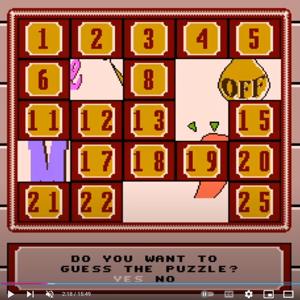
It is not flawless. There is no save, and Joe remembered leaving the NES on overnight. The Boom Boom fights are the same every time, and the Koopaling bosses felt like a relief after the levels. The ice world is slippery on top of an already slidey game, the card-matching game gives you only two guesses for 15 things, and World 8 is "a nightmare."
All three hosts voted it onto the Essential Games List. We called it a must-play. Mike and Sean still rank Super Mario World higher, and Mike pointed out that was not the point of the vote. Joe put it on the list early, calling it much more polished and ahead of its time.