290 · Target: Renegade
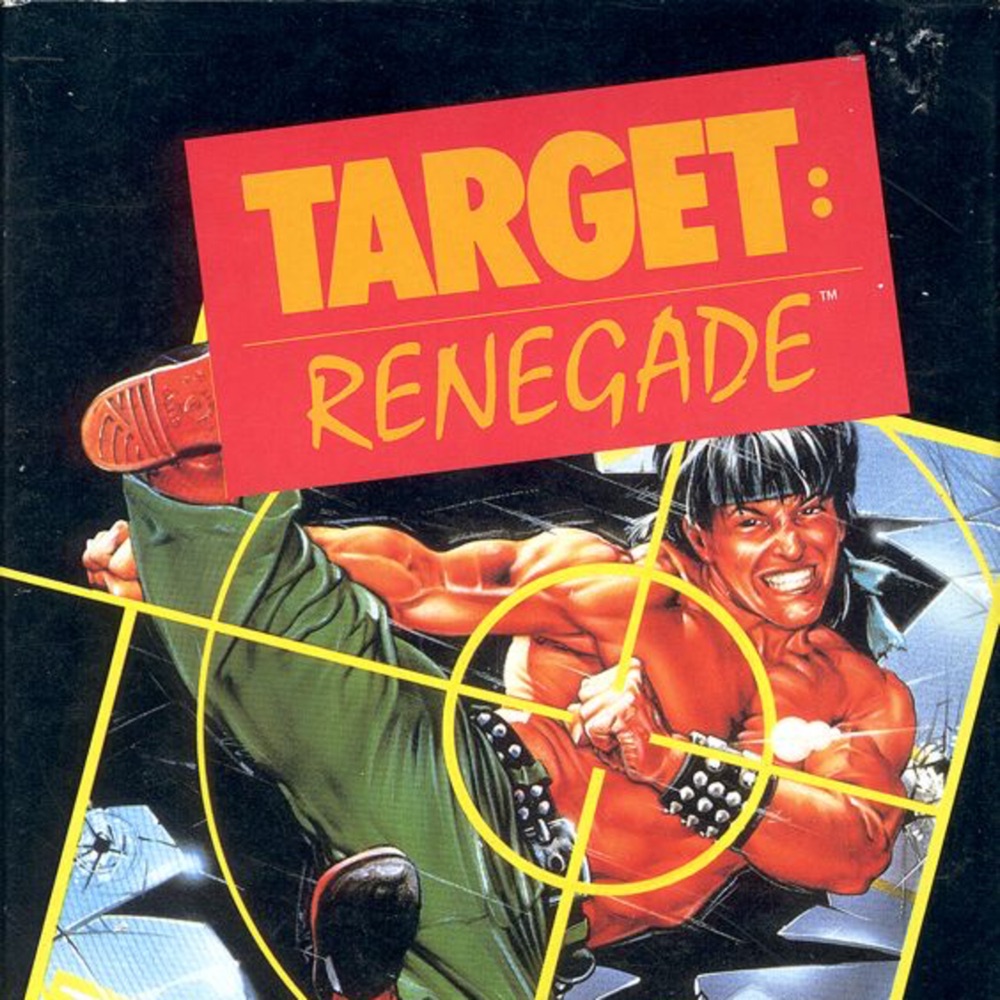
Mr. Big is back in town, and this time he's captured your brother! He's being held at Big's Pig Pen which is located on the upper side of town. The problem is, every gang in the city is out looking for you. It is now up to you to beat the odds and rescue your brother. You start the game armed only with your fists, and along the way there are some additional weapons to be found such as baseball bats or garbage cans. Gameplay is an arcade style side scrolling action game for one player.
- This is the fastest paced video game anywhere
- NES Longplay
- Manual
- The sequel to Renegade. Remember that game? Our first Beat em Up on the system?
- Sure looks like Renegade still
- With Double Dragon and River City Ransom it’s a bit disappointing graphically
- Clear the human sponges by punching and kicking them to death to progress further into the level
- Game refers to these as scenes
- Why is everyone Brett the hitman Hart?
- The only reason to talk about this game, the bosses
- Hit me in the achilles stomach
- known only as "Renegade", you are seeking revenge against a local crime kingpin named "Mr. Big" for murdering his or their brother Matt. Other versions have said Matt was not murdered, but instead held hostage by Mr. Big and the player needs to free him. The player character varies, depending on the format, but is usually represented as topless apart from a leather vest and wearing jeans.
- Sequels and Spinoffs
- The ZX Spectrum version was voted number 13 in the Your Sinclair Readers' Top 100 Games of All Time
- Renegade III: The Final Chapter
- EGL
- Next week -
- NEStalgia Byte -
Auto-generated transcript. Each paragraph starts with its timestamp. Speakers are not identified.
Target Renegade. The only rules of this game are the laws of survival.
And welcome to NEStalgia, a chronological exploration of every NES game released in North America. I'm Mike. And I'm Sean. That's it today, but this is not our first rendezvous with Renegade. You might remember that this is the sequel to a game called Renegade. Sean, do you remember that game? Oh yeah, it was all like Kunio-kun and like you were in the subway a lot and you know, brawler.
That. Yeah, it was our first beat-em-up on the system. It's pretty significant. And if you go back and listen to that episode, which I didn't ask you to do before this, so there's no penalty for that. But if you go back and listen to that episode, it's interesting the kind of praise that we were giving it just for like, you know, oh, I like it's doing it. It's doing the arcade thing. Like it feels like a beat-em-up.
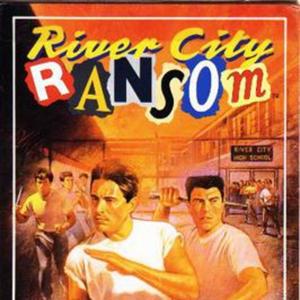
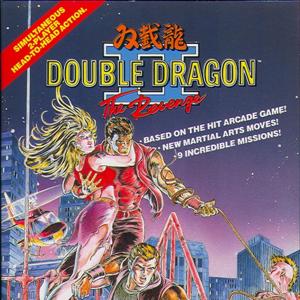
And nowadays that doesn't fly, right? Like once you're the first in the genre, you get maybe a little more leeway. But we've played some Double Dragon. We've played River City Ransom. Like, you know, there's a new standard in town. Yeah, we do that pretty often though. Like, you know, in the early year of the podcast, we pretty much game everything that benefited out.
And I think anytime, you know, a new paradigm shifts, we're still allowed to do that. But you're right. We've seen enough of it now that all of the veneer has been blown away. Yeah, I recall the very first episode, 10-yard fight. I just kept saying over and over again, I didn't think it would be possible for computers to emulate football. And you just kept insisting about, you know, Madden and ESPN, NFL 2K5 or whatever. But I was like, no, just didn't even know it was possible.
The only thing that's concerning here though, Sean, is that Target Renegade sure looks like Renegade still. I don't know what, on a fidelity standpoint, I guess, because you're right. Like, graph, sprite-wise, like, they're not the same characters or anything like that. But just in terms of, like, the art style and everything, it feels like NES games have evolved past what Target Renegade is throwing at us here.
I mean, I think it's still an improvement on Renegade. Renegade was, like, if you see this as sort of low fidelity, then Renegade was even lower. So, I don't know, it seems sort of par for the course. Not like one of the best games, best-looking games on the system, but I wouldn't put it in the jank category. Yeah, I guess it's just, like, the way that they look like they designed the sprites by outlining everything first and then using the Microsoft Paint, you know, bucket.
The bucket tool, yeah. Yeah, just to, like, fill in the rest. Like, there's no, like, shades of blue on your pants or anything. Like, there's no... Basically on everything, there's barely any shading on the actual characters. There is some nice shading work on the backgrounds themselves.
But even that is, like, you know, we were talking about the Double Dragon 2 set design pieces and stuff like that. Like, that was something that we commented in the episode and I think still holds up even more so now that I played through Target Renegade and was kind of like, eh. So, graphically, you know, this game looks like it's stuck more in, like, 1987 than 1990. Yeah, I'd agree that it's not quite up to what we've played recently. But again, it's not the most simple thing I've seen.
Yes. And, you know, that's worth noting, too, that, like, on this show, I could care less... Like, all games technically look like shit on the NES. Yeah, they all do. Yeah, no, if you're that kind of guy, right? Like, some people just won't play NES games because they're 8-bit, right? There's just people out there that say, I just can't get past it. I can play with unlimited polygon counts and have all my lighting rendered in real time. And it's like, yeah, the NES doesn't offer that, but it's all about how the games play.
And Target Renegade is a beat-em-up. It's one of those clear-the-human sponges by punching and kicking them to death to progress further into the level. And most of the people you'll be punching and kicking in this game, for some reason or another, maybe it's a good thing, maybe there's a compliment, they look like Bret the Hitman Hart.
Well, I think that sort of plays into just the vibe of Renegade in general, which is the most pastiche-y, over-the-top version of all the dirtbags in New York and all the lowlifes you'd see on the subway and Central Park. Like a 70s foreigner version of New York City. I guess, you know, like Warriors, we've probably used that to describe one of these games in the past.
So I think it's part of the aesthetic, you know? Yeah, you can't really be a beat-em-up main character if you're not wearing just a vest with no shirt or anything. You know, like if you're not wearing just the vest, then what are you doing? You can't be a 2D beat-em-up unless there's a whole gang of, like, girls in tube tops that are also fighting you. And when they punch, it looks like they're just about to, like, whip their hair at you, but then they actually punch you.
That's a great point because there are other enemies in this game other than Bret the Hitman Hart. There are some characters that literally look like they are just, like, hands in their pocket, just minding their own business. And even if you think, like, oh, these people are, like, you know, NPCs that I shouldn't be hitting or whatever, I might get penalized for them. The game makes it clear that you can't move any further until you beat their ass. So I think that's really funny. I know the enemy that you're talking about, and that's not just, like, somebody minding their own business. That's a pervert. Oh, okay. I can't confirm if that's the actual... The code gave it away?
Yeah, definitely. I can't confirm if that's the actual name that the game gave them, but those are just perverts. Yeah, and so then, like, all construction workers are also bad people? Well, those, I think those are just the guys that don't, they always skip league day. Are those the guys that skip league day? Yeah, because their arms are gigantic. Yeah. I wouldn't say they're bad people, though. But look, we've played beat-em-ups on this system, so I don't want to talk about, you know, I don't want to talk about, like, punching and kicking and pressing both of them at the same time to do, like, a jump kick.
We've covered that ground before. Sure. So probably one of the only reasons to talk about this game on this podcast now to cover new ground is the boss fights, because they are doing something a little more interesting with the beat-em-up style boss fights, where they have, like, clear weak points that are even communicated, like, on the status bar screen. Hey, yo. In the center, like, as tips and stuff like that.
Yeah. And even the first one, I thought, it's neat. It's a, it's one of those things where, like, yeah, if you do try to, like, get greedy and throw in, like, even more than one punch, you're going to take a ton of damage when he throws, like, what is it, a tire? Is he throwing tires at you? He throws tires, and then whenever he, like, he does a little bit of a kick, and then he takes away, like, a quarter of your health.
Yeah. And so, like, you know, the whole idea is that he's a much larger sprite than you, so the only thing you can do is kind of punch him in his giant gut and then immediately run away from him. And then punch him in his gut and immediately run away from him again. And I don't know. There's something to that. Like, I think that's a neat way of, in a game where all you can do is punch and kick to create something new when it comes to the boss fight. Sure. I mean, you can do other things than punch and kick.
You can grab the object like we've seen before, but I guess you're right. And then what do you do once you grab the object? You hit. But what do you do in video games, Mike? You punch and kick. Yeah, all you do in Mario is run and jump, and yet they continue to find new ways to run and jump. And I guess these bosses are the equivalent of those things.
Do you punch in stomach or do you punch in leg? But the enemy's sponges aren't doing anything different. And I don't know if that's just a complaint about beat-em-ups or target renegade in particular, if I'm singling it out. But it is a little like, hey, guys, what the hell? Yeah, they seem to be a combination of like this enemy has this amount of health, and there may be some difference in like how many frames their attacks have.
Like how long the animation is, so like they might be heavier hitters that way. But yeah, there really isn't too much going on between them. You know how like when they give you three enemies on screen and you can't move further until you clear them all? In the game, or not in the game, but rather in the manual, it refers to those as scenes. Scenes, new gaming terminology for me. Each one of those sections where they enter new enemies in a beat-em-up, call that a scene from now on. It sounds more, it sounds like you know what you're talking about. What are the ones where you're sort of punching and walking? Are those like montages? Yeah, that's exactly what it is. That's a mise-en-scene.
It's actually mise-en-scene, right? Like to do the French thing? Yeah, are you, sorry, are you like making a reference to our college classes? Yes, I am. Okay. I am absolutely, just for everybody who went to college with us, just so you guys know. Yeah, that was a reference to that thing that happened one day in class. Yeah, wow, you just brought back memories. Anyway, good to know. And then your character, known only as Renegade, I think that's kind of funny. Like target Renegade sounds like you're the target, which I guess is true, right? Yeah. Somebody has decided to send an entire gang after you.
But Renegade in general, like I would just think, you know, Renegade is a way to describe like the attitude or the descriptor of a person, not that their name would be like the Renegade. Yeah, I think your Renegade, and I forgot your brother's name, but I think that might be his given name. Yeah, his given name is Renegade Smith.
And Mr. Big is the guy who, you know, this is where it gets interesting, Sean. In the NES one, he's just kidnapped your brother, it seems like. But in other versions of this game, basically in some versions, Mr. Big kidnaps your brother, Matt, and in other ones, he murders him. And so that begs the question, which one's more intense, having your brother kidnapped and knowing that like you can save him or having your brother murdered and knowing that you can avenge him? Well, I think I would prefer to save a live brother, Matt. But I guess you don't get the same sort of emotional payoff if it's an avengement, if it's not an avengement.
I don't know, what do you prefer? I think I also prefer the kidnap thing because it gives you something at the end of the game as like a prize. Yeah, like a kiss at the end or something. Yeah, from your brother, sure.
It's like one of those things where if your brother's dead, it feels good to beat Mr. Big. But then what happens? You just get a the end screen? A high five, yeah. Like a high five would be cool. Like freeze frame. That doesn't feel good at all. Or maybe like a really long conversation that's like as long as a couple like actual levels would be about like, oh, I'm sorry about what I did when I was a kid. Like, I really appreciate you saving me.
And then they sort of maybe they have a little bit of a fight in the middle, like an argument to make it like more believable. They're brothers. Brothers doesn't really matter either way, though, because the way you rescue your brother is handled off screen via text. It just tells you that you've rescued your brother. Oh, well, never mind then. Right. Wouldn't you like a cut scene where you see your brother or maybe like suddenly surprise, you know, your crush now is into you.
That would be nice. Yeah. Do you know the do you know the funny thing about the end of this game, though? I didn't I didn't see the end of the game. So, OK, so I would love to tell you because I'm sure it's not apparent to anybody else. But you're a renegade. So that's kind of on the nose as it is.
Mr. Big is comically revealed. Basically, when you get to the end of the final stage, you're at a pool hall or whatever. You must be breaking into his like underground casino or bar or whatever. And then there's a women's bathroom, a men's bathroom. And those are like somehow those doors are even bigger than you. So I'm not sure what that's trying to say about like, is there another group of people that live on this planet that where the doors are their size or, you know. Wait, the men's the men's the men's door is much larger than it needs to be. Yeah, it's much larger. Like, basically, our guy would have to reach up to grab the handle of the men's door.
I think the reference there is, you know, the size of some of the bosses. Like these are really big dudes and you're kind of a tiny guy. Right. Or maybe you're a regular size guy and these are huge dudes. So they're built for them. I buy that. I like that a lot because that's I was also thinking that they're comically large. These doors to then emphasize that there is a women's bathroom, a men's bathroom and a Mr. Big's bathroom. And it is a tiny little door. And it reveals that Mr. Big is actually the smallest character in the game.
It's very cute. I like that a lot. And Mr. Big, like, I don't even think they show the gun. He just like throws projectiles at you that I guess I was thinking are bullets. But maybe they still look like bullets now, even as I'm looking at it. But maybe he's throwing like knives or whatever. But I mean, he's not a hard boss fight. Huh. It's kind of funny. It's like a funny end of the game. Like they're they're clearly having a laugh at it, too. Like they called him Mr. Big. You've been fighting big bosses the whole game. And then you just walk in on Mr. Big's little bathroom. And it turns out he's the smallest character in the game. I'm a fan of it.
OK, I just I just got to this point in the video that I'm watching as we record with the men and women met the men's and women's room. They're both very large. So I think there was there was a large woman in the game. She had a big uppercut.
But I also think it's, you know, they just didn't scale the backgrounds to your to the characters that well. But I do see the very obvious sight gag of Mr. Big's tiny door. And I appreciate it, too. But the game wasn't funny otherwise. So it is a little strange, right? Well, I mean, again, the enemy design is pretty hilarious. Like, again, the perverts, the the skateboarders and the guys that skip leg day, they're all very goofy designs. And I know that they're based on other.
It's a trope. We've seen these in a bunch of brawler beat them up games. But I really did like the designs of the enemies in this one. And they were kind of funny. OK, so maybe maybe in a way the game is going for this cartoony feel. And now we're able to go back to the very beginning of the episode and excuse the graphics a little more. I wouldn't say it's going for cartoony. But I think like I'd say, yes, it's going for a sense of humor at the very least.
And Sean, you mentioned that, you know, there's more than just punching and kicking. Uh, did you don't give me the move list or whatever or talk about your gameplay or whatever. But did you find enough variety in the scene to scene combat? See, I'm using my new advanced terminology of beat them ups in the scene to scene combat. Did you find enough variety or was it kind of like, all right, here's three more guys. I got to just, you know, beat up till they vanish off screen.
Well, there's a couple set pieces that like there's the dudes on the motorcycles. And you have to kick them off their motorcycle before you can progress. Like I think, I think they do like two at a time. And maybe this is just because it was taking me a long time. But I just noticed that these motorcycles kept coming.
And like that one would fall off. I'd be fighting him on foot. And then another one would come on the motorcycle. I feel like you had to kick both of them off their motorcycles or they would just keep getting replaced.
So that's a set piece. Sometimes they introduce these throwable or just weapons. But not like enough that they would affect anything beyond the scene that they're introduced in. And sometimes you'll find like a fire extinguisher you could throw or a metal grate garbage can. So I wouldn't say there's nothing revolutionary in there. It's stuff that we've seen. And just looking through the manual, it does kind of give you like a breakdown of the level to level. And again, it kind of does emphasize some of the funnier things. Like this is no place to hold a picnic unless you invite the skate lords. Oh, they're the skate lords. They're the skate lords. And in level six, maybe you could help explain the joke here.
You're getting closer to Mr. Big's pig pen. Watch out for the karate clan. They can make coleslaw out of anyone. What's the coleslaw in reference to? That's a complete non sequitur. Okay, so there's no relationship between coleslaw and the karate clan. Maybe in the deep lore, but from the description you've given me, it makes zero sense. Yeah, you know, you really have to play renegade to understand all the references in target renegade. You can't just jump into target renegade.
One thing I would like to say is beyond the enemy design and all this stuff that we've talked about, in general, the vibe of the game is like super rad. Like this is one of the raddest games I've played. Yeah, this game is just basically following up on tons of 80s tropes. Yeah, so you've got your status bar that tells you to go left or right. Like that's saying like, yo kid, like go on and dust them or like watch your back and stuff like that. And the music is intense. It's pretty intense music. Like I think 80% of the soundtrack is midified guitar solos, which I really appreciate. Yeah, that opening is hot. It's very hot.
Yeah, it's very radical and tubular. Okay, and then the last thing, because beat-em-ups are inherently an arcade feeling thing. However, playing this on an NES, I felt more like I was playing, even though the game is relatively short, I felt like I was playing a story mode version where like I'm moving between these scenes and these levels and I'm getting closer to Mr. Big. It was only until I got back to the main menu that I was like surprised about like there's a leaderboard with like 10 positions on it and they're all named Target Renegade until you like, you know, basically play through the game and add your high scorer.
That said, like, I don't know, did this feel like an arcade game to you or did it feel a little more narratively connected than what you expect from the kind of arcade games that have leaderboards? I mean, I felt zero narrative.
Aside from the setup of go rescue your brother and these kind of cookie cutter plates that'll be set up between levels, they're just like, good job, kid, you did it. Now, you know, the park is easy, but now we're going to go uptown. And I didn't really feel any kind of narrative. Yeah, I guess that wasn't the right wording. I guess what I'm thinking is, is like now that I've played a few more of these on the NES, I just was surprised to think of like a leaderboard and like score being the kind of thing you go for. Yeah, that is definitely weird.
It's not even just after you finish. It's the first thing you see is this leaderboard. And I guess like their assumption was a bunch of friends were going to boot the game up and just leave it on for hours while they each attempt it. Yeah, there's no saving. Yeah. Yeah, because otherwise it's going to reset to the same score for everyone. That's why it says today's leaderboard or today's highest scores. It's a weird addition.
But I also think maybe what you were saying about story mode as a story mode in comparison to our other games is because the other games that we've played have been a bit more open recently, like like River City. Like that was like an RPG beat-em-up. And it's actually kind of been a while since we've played one that's just like level one, two, three.
But Sean, you did mention the music and the guitar solos and everything like that. So I feel like it's obligatory for me to mention that Tim Fallon did the music for this game. And you don't have to know who that is. I never really knew who that was. I don't. Except for the fact that he, you know, we'll probably talk the whole episode about it. He did the music for Pictionary on the NES.
Pictionary. Yes. And I feel bad. I don't really want to spoil it for anybody. But basically, Pictionary on the NES. He did Silver Surfer on the NES. He did a bunch of Super Nintendo games. Well, he's still, I think like up until 2020, still making like every now and again like a track or whatever for something. But basically, like this guy dominated on the 8 and 16 bit hardware. Like just for that kind of stuff. Like the most intense tracks that don't even necessarily like, I think he even said in an interview that he doesn't get to play the games or anything like that. He just gets to imagine what might happen and write music based off that. And then they just throw it into the game.
You'll definitely know that that's true when we get to Pictionary, if you know what I mean. Okay. I will just have to hold my breath for that. Yeah. And then on the sequels and spinoff side of everything, we talked about the various versions of Target Renegade where either your brothers murdered or kidnapped. I wonder what the conclusive thing then, though, is in Renegade 3, the final chapter. Like did they take a stand on which one was canon? Because there is a third Renegade, but unlike this one is like a time traveling one and you're rescuing your captured girlfriend.
So I guess like they don't they don't care what happened to your brother because now it's your girlfriend. Well, maybe your second player, if this is actually a multiplayer game this time, is your brother. Well, they actually dropped the two player mode in Renegade 3, which feels like the biggest misstep for a sequel. Well, I mean, this one did the same thing. Yeah, but I guess I'm saying like, you know, you want more features.
And this game also didn't come to the NES, so we don't have to play Renegade 3, which is just great. Oh, good. Not to color, of course, our thoughts about the upcoming segment. But before we get to the upcoming segment, I thought I was mentioning that nobody says this about the NES version, but the ZX Spectrum version of Target Renegade was voted number 13 in the top 100 ZX Spectrum games of all time, according to the like Sinclair Spectrum fanzine. So respected people who like ZX Spectrum specifically voted on this. So that's like, it's already niche. It's a niche console. Then it's a niche kind of game for release on that console. And then it gets number 13 out of 100. So either the ZX Spectrum has a pretty weak library,
or maybe Target Renegade is just a completely different kind of game on the ZX Spectrum. You don't know the answer to that. I don't know the answer to that. And I don't know your answer to our next segment in the Essential Games list.
Even if Target Renegade is a step forward from Renegade on any particular scale, whether you want to say about the gameplay, the graphics, the boss battles, whatever it be, it's actually a step down from the kind of beat-em-ups that we've had recently. And so for me, almost within like 10 minutes of playing this game, I was certain of my vote just based on what I had experienced. That's not a good feeling because I feel like at the beginning of a game,
you could actually, that's like, that's your only chance to hook people. If you could hook them in early, they might play your mediocre game for longer. Like as it continues to like not introduce new concepts and mostly be the same game, like they were invested at the beginning. So they'll just kind of slog through it. Whereas this game, not that it was a slog or boring or anything,
but it didn't do anything revolutionary to the Double Dragons and River City Ransoms of the NES hardware. And so I just kind of felt like already I was playing like 25% of a game that I already played. So obviously it can't be on the Essential Games list for me. But what about you, Sean? Yeah, I didn't have as, and I'm not saying that your reaction is harsh, but I'd say it's pretty level.
But I'd say that I didn't have as harsh of a reaction. I did like the game. I did enjoy my time with it. I mostly laughed at all the goofy enemies and the over-the-top music and how my HUD had an attitude. It had some tood, had some in-your-face action. So I thought it was a charming game. But you're right. Like there isn't much iteration going on here. It's kind of what we've already played.
Maybe slick in some ways, but underdeveloped in others. So I agree. It's not on the Essential Games list. But I did enjoy it. I do feel like I gave that status bar the short stick here on the episode because it didn't really even give it its own section. Not that we needed to. I didn't need a section. Yeah, not that it needed it or that we need to do it now. But it is kind of also, in a weird way, it's something you notice from time to time. You don't always, like when that text pops up, I don't always feel obligated to read it. I occasionally glance down there if that made sense. Yeah, exactly. Because mostly it's just saying, I wasn't like, oh, what does it have to say? Go right, go left, watch your back. But then it's like, yo, dude.
Yeah, like it should have had personality 100% of the time. Yeah. Okay, but I think this podcast has personality 100% of the time. What about you? Like 40% to 50%. Oh, okay, yeah. Well, 100% now without Joe. No, no, no. That's just a cheap shot while he's not here to defend himself. Joe actually makes up 33% of the podcast, if you can believe it.