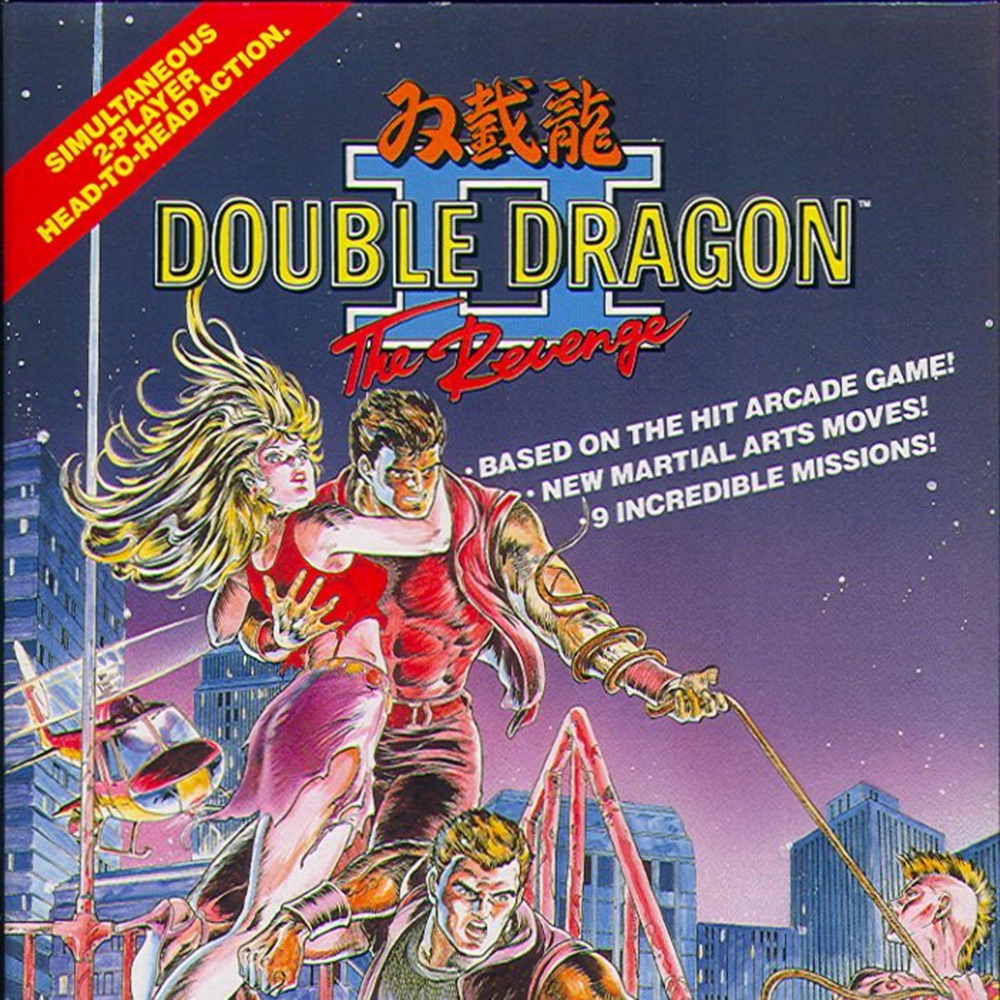
257 · Double Dragon II
Billy and Jimmy Lee, the Double Dragons, are back to avenge the loss of Marion. In their quest to defeat the evil Shadow Warriors, Billy and Jimmy must complete nine missions, facing deadly street gangs, ninjas and huge mutant fighters. The duo must traverse through construction sites, alleyways and underwater hideouts complete with secret elevator shafts, spiked ceilings and razor-sharp mechanical claws. Can Billy and Jimmy contend with the enemies placed before them and ultimately save the world?
Double Dragon II opens by shooting Marion dead on the street, told in a slideshow of nice pixel art before you touch the controller. We called it the darkest opening of any game we had played so far. After that it is the same fist-and-foot brawler, with a second player finally allowed in.
What works
- Set pieces. Nobody teaches you new moves; everything is available from the start. What keeps it fresh is the staging: enemies bursting out of a wall, a helicopter door that sucks you toward it, tunnels with no room to jump, and stretches where the Z axis disappears and you fight on a flat plane.
- Co-op. The big change. With two enemies on screen, two players divide and conquer, and the last enemy gets piled on. Mike played with his sister, who rarely plays games, and they got about equally far. A weaker player still helps. A second mode turns friendly fire on, which we liked existing even if we wouldn't pick it.
- Two enemies, enough variety. Big slow guys, grenade throwers and weapon pickups keep fights distinct. We did wish the pair were mixed, a brute beside the chain-wielding woman, instead of twins every time.
- The move set. Cyclone kick, uppercut and knee kick give good players control over pace, which matters on screens with a disappearing platform.
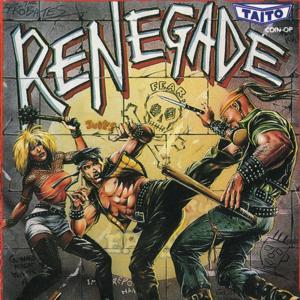
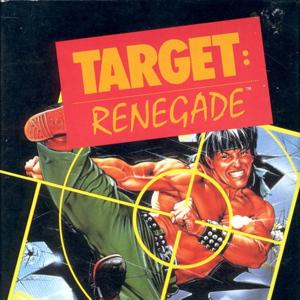
- Facing decides punch or kick. It felt backward at first, then comfortable. We traced it to Renegade, also from Technos Japan.
What doesn't
- Platforming. Jumping takes two buttons and falls are punished, yet the later stages lean on it. Climbing the train was a pain.
- Crouching only by jumping. The uppercut and knee kick need a crouch you reach by jumping first. We argued over whether that adds skill or just gets in the way.
- Difficulty gates the game. Easy ends after stage three, medium after stage eight, and only hard shows all nine and the ending where Marion is alive. The Famicom version lets you see everything on any setting.
Beyond the game
The NES game isn't the arcade game: different levels, no two-enemy cap, and a villain named Willie with a gun. It also drops the brother twist from the first NES game, which we agreed was the right call. The PC Engine version has animated, voiced cutscenes with moving mouths.
The bottom line
Essential. We split: Mike and Sean voted it onto the Essential Games List, and Joe did not. Mike called it an upgrade in every way over a game that was already great, and Sean agreed, platforming complaints included. Joe thinks it is a great game that feels less good than later beat-em-ups, with less feedback on hits and a heaviness to the movement. The counterargument was that the genre has aged well, and that co-op is hard to ignore when the first game lacked it.
Written from our conversation in this episode.
- THE REVENGE
- REVENGE
- So unlike Bowser, who constantly just kidnaps the princess, the Shadow Warriors decided that since kidnapping Marian in the first game didn’t work, this time they’ll shoot her dead on the streets.
- Overview
- Side-Scrolling Beat Em Up, where you attack enemies on screen with punches and kicks.
- Previously on Double Dragon
- Due to technical limitations of the NES that were not worked around, the game can only generate two enemies on-screen to confront the player and both enemies are the same character.
- The omission of the arcade's two players cooperative game mode
- The plot was changed so that your brother was the evil villain rather than your partner.
- "Mode B"
- 1 or 2 players can engage in a 1-on-1 fighting match with six of the game's characters using graphics more faithful to the arcade.
- Gameplay improvements
- full access to Billy or Jimmy's entire moveset right from the beginning
- Including new special moves!
- Spin Kick, Uppercut, and Knee Kick
- Including new special moves!
- 2 player co-op
- Finally something resembling the arcade experience
- Also a friendly fire mode
- But they also totally ignore the ending of the first NES game
- Set difficulty levels
- only by choosing the hardest level can the player access all nine stages and see the true ending
- At the easiest difficulty level, the game ends after the third stage. The intermediate level allows players to complete all but the ninth and final stage; the hardest level grants access to all stages and the confrontation with the final boss.
- the Famicom version allows the entire game to be played on any difficulty setting
- Required to input a cheat code at the game over screen to continue the game at the previous stage,
- the Famicom version gives this option as a standard feature.
- Little plot images between
- full access to Billy or Jimmy's entire moveset right from the beginning
- The appeal in the game is more in the “set pieces” than punching and kicking 2 enemies at a time. So does it succeed in surprising locations/encounters/enemies etc.
- Development
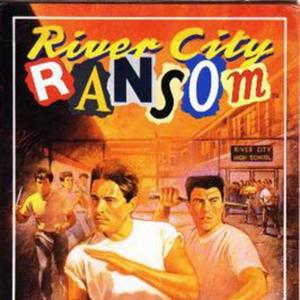
- The NES version of Double Dragon II was directed by Hiroyuki Sekimoto (co-director of River City Ransom), with the arcade version's director Yoshihisa Kishimoto taking a supervisory role in the game's development.
- According to a North American television commercial by the game's publisher, Acclaim, the NES version of Double Dragon II became a million seller soon after its release.
- Sequels and Spinoffs
- ONE MORE NES DOUBLE DRAGON GAMES
- Double Dragon III: The Rosetta Stone
- Double Dragon II on PC-Engine
- Combat, Graphic, and Music changes so basically a remaster.
- The story sequences from the NES version were remade and are now animated, with voice acting
- But also important to note that we didn’t really play Double Dragon II today. The arcade game came first and it is different.
- Controls replace the original's punch and kick buttons with two directional-based attack buttons (Left Attack and Right Attack) similar to Renegade.
- No 2 max restriction on enemies
- The game is 4 longer levels not divided up into the 9 on the NES
- While the first stage loosely resembles the one from the arcade version, the level designs deviate completely from Mission 2 and onward
- replaced Willy, the gun-toting gang leader from the arcade version, with a nameless martial artist who wields supernatural abilities as the game's ultimate antagonist.
- ONE MORE NES DOUBLE DRAGON GAMES
- EGL
Found automatically from the transcript and checked, but it can miss things or pick the wrong page. Spot a mistake? Tell us.
Games
- Double Dragon II: The Revenge mentioned at
The episode's game: the NES beat-'em-up sequel with two-player co-op, nine stages and Marian's death at the start.
- Double Dragon mentioned at
The first NES Double Dragon, with only one-player play and Jimmy as the final villain.
- Double Dragon II: The Revenge (arcade) mentioned at
The 1988 arcade sequel, a very different game with four long levels and no two-enemy limit.
- Double Dragon III: The Sacred Stones mentioned at
The third NES Double Dragon, known on the show by its subtitle The Rosetta Stone; the hosts skip jokes about it.
- Double Dragon IV mentioned at
The 2017 retro-style Double Dragon game, named as a recent beat-'em-up.
- Renegade mentioned at
Technos' earlier beat-'em-up whose direction-based punch and kick controls Double Dragon II reuses.
- Kung Fu mentioned at
An earlier NES game the hosts thought used similar direction-based attack buttons.
- Demon Sword mentioned at
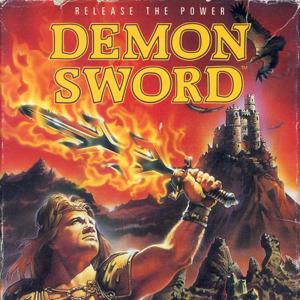
Previous episode's fast-paced action game, contrasted with Double Dragon II's slower fistfights.
- Super Mario Bros. 2 mentioned at
Used in a joke about the original Japanese sequel being too hard for Western release.
- Teenage Mutant Ninja Turtles (arcade game) mentioned at
Arcade beat-'em-up cited as a game made better by playing with a friend.
- X-Men (arcade game) mentioned at
Konami's arcade brawler, cited alongside the Turtles game as a co-op classic.
- Contra mentioned at
Used to illustrate how adding a second player changes a game's pace.
- God of War mentioned at
Series cited for its modern one-take, cut-free cinematic style, contrasted with slideshow cutscenes.
- Ninja Gaiden mentioned at
NES action game famous for its cinematic cutscenes, which the hosts compare to Double Dragon II's story scenes.
- Street Fighter mentioned at
Mentioned when describing the one-on-one fighting Mode B in the first NES Double Dragon.
- Teenage Mutant Ninja Turtles: Shredder's Revenge mentioned at
A modern six-player beat-'em-up the hosts played together online.
- Turtles in Time mentioned at
Super NES and Genesis beat-'em-up the hosts feel plays faster and more action-packed than Double Dragon II.
- Final Fantasy VI mentioned at
Released in North America as Final Fantasy III, which the hosts joke about as a numbering skip.
- Final Fantasy VII mentioned at
The game whose announcement revealed the North American numbering gap in the series.
- Genghis Khan mentioned at
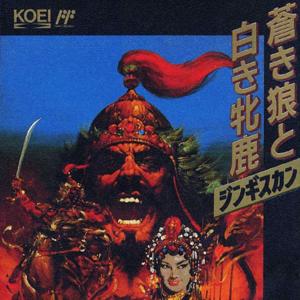
Next week's game, a Koei strategy game set in the life of Genghis Khan.
Hardware
- Famicom mentioned at
Japan's version of the NES; its Double Dragon II lets you see all nine stages on any difficulty and continue freely.
- PC Engine mentioned at
Console that got a remade Double Dragon II with animated, voiced story scenes.
- Super Nintendo Entertainment System mentioned at
16-bit console whose beat-'em-ups the hosts compare to Double Dragon II.
- Sega Genesis mentioned at
16-bit console whose beat-'em-ups the hosts compare to Double Dragon II.
Companies
- Technos Japan mentioned at
The developer of both Double Dragon II and Renegade.
- Taito mentioned at
Publisher the hosts first misnamed (as 'Tight-toe') when guessing who made Renegade.
- Netflix mentioned at
Its 'Are you still watching?' prompt is compared to the Famicom game's continue code.
Film, TV and music
- Goodfellas mentioned at
1990 Martin Scorsese crime film the hosts jokingly decline to spoil.
- Awakenings mentioned at
1990 drama about patients who revert to their illness, raised in the spoiler joke.
- Jacob's Ladder mentioned at
1990 psychological horror film that came up as a 'popular 1990 movie'.
- Dragon Ball Z: Bardock – The Father of Goku mentioned at
1990 TV special that turned up in a Google search for popular 1990 films.
- Memphis Belle mentioned at
1990 World War II film used in the 'they all make it back' joke.
- Forrest Gump mentioned at
1994 film mistakenly guessed as a 1990 Best Picture contender.
Other
- Bowser mentioned at
Mario's villain, contrasted with the Shadow Warriors for kidnapping rather than killing.
- Xbox Live mentioned at
Online service on which the hosts played the six-player Turtles game.
- Nobunaga's Ambition mentioned at
Koei strategy series the hosts say next week's game resembles.
- NEStalgia Essential Games List mentioned at
The show's list of NES games that define the system; the hosts vote on adding Double Dragon II.
Auto-generated transcript. Each paragraph starts with its timestamp. Speakers are not identified.
Double Dragon 2 The Revenge.
And welcome to NEStalgia, a chronological exploration of every NES game released in North America. I'm Mike. I'm Sean. And I'm Joe. So unlike Bowser, who constantly just kidnapped Princess Peach, the Shadow Warriors decided that since kidnapping Marion in the first game didn't work out, this time they're just gonna shoot her point blank on the streets.
Yeah, I mean, if I were a villain, I would want to remove any kind of leverage that I had in any future confrontation by just eliminating them. And was, I mean, the revenge is obviously speaking to you getting revenge, but is the initial onset here, them getting revenge on you? Yeah, they don't actually give you any background as to like what you might have done to them before all this. Like, you may actually have it coming. Like, you may have it coming. Or Billy. Well, what you did in the first game is why they're doing it. Well, then who started it? Like, did Billy?
Okay. Yeah, they clearly kidnapped Marion. So it's like, in the first game, they started- But why did they kidnap her in the first time? Like, I think maybe you did something wrong the first time. Hmm. Sounds like you're projecting, Sean. Yeah. Well, maybe this is a blameless game, but I'll tell you who would like to place some blame on people, and that would be Marion, because she was shot dead.
That's true. She's not like coming back in like a triumphant scene at the end or whatever. The game starts with being like, all hope is lost. Like, your girlfriend's dead. Yeah, I mean, is this like the darkest we've gone in like the opening plot of any game we've played so far? Yeah, this is pretty dark. Like, nuclear war, New York is a wasteland. The nuclear war just feels secondary to the girlfriend being dead part. They're like, that's what's crazy. I mean, it's 1990X again, so you know it's bad.
Is the 1990X thing like, so they're like, oh, so now it's timeless, because we'll never surpass 1990. I think that, yeah, for the next 10 years, it's timeless. That's a good point, though, Joe, because we are coming on like all the millennium talk, so why would they do 19XX? But I guess maybe because it's two X's, so they're not even saying it takes place in the 90s. It could have taken place in the 1920s. Any time in the 1900s, yeah.
They're probably thinking, they're like, nobody's going to talk about this in 10 years from now. In the cutscene that they do to let you know that Marion's been killed, it's done through just like images with some nice pixel art and everything, but that's how they tell the story. In the other versions of this game, it's actually like a gameplay-style cutscene where you watch them shoot her. It's not just like a slide. It's like, no, we're going to make you see it happen without being able to do anything on your controller. So yeah, really brutal game.
Yeah, so wait, you're saying that in the first one, this was all like in-game play, and then in this one, it's cutscenes? No, I was saying in the other versions of Double Dragon 2. Like in the NES version, they're nice enough to just like tell the story before you start the game, and then when you start the game, you just go right into it. So I guess if you like are one of those people that skips the like start, you know, those kinds of things, then like you just would just start the game and just start beating people up and not knowing, you'd be oblivious to the idea that your girlfriend's dead.
You just think like, yeah. I mean, I kind of like, so you're saying that the other version of this game don't have that high fidelity art. No, yeah, instead you're right in the game, and they just make it happen in the game before you can even, like, you know, you see your player there, but you can't do anything.
Huh. I mean, I kind of like that. It means we kind of, we got more content that way. Yeah, I don't know though. We got, we got like a slideshow instead of, you know, I, I would opt for anything to happen. You know, come on, we're in like the God of War times where like those games are just now they're all movies all the time, and there's never any cuts, right? It's all seamless.
See, I think that the, the slideshow is more cinematic and epic. Like, but the, uh, I do get what you're saying about like the, the kind of harshness of like you actually being there as the player, and it's like, well, nothing, you failed, you let her die. Like, it kind of feels more, a little closer to home that way. Well, you cut the controls to my controller, so. No, no, no. Sounds like it's you. No, it was you. It was your fault, Sean.
Okay. Sean, you're making me think of people just like pressing buttons, like trying to stop it. Like this time it's going to be different. Yeah. I think there probably is one combination of inputs that you could do that is a cheat code that allows you to save her. So. Ooh. Double Dragon 2, like the first game, is a side-scrolling beat-em-up where you attack enemies on screen with punches and kicks and combinations of, uh, maybe jumping and kicks or punching from behind or uppercuts or you get the idea.
Fists and feet. That's what you're using. This isn't the kind of game where like all of a sudden you have some magic abilities or something like that. This is Fists of Fury going on here. And previously on Double Dragon, due to the technical limitations of the NES, uh, that were not, uh, worked around when the game came out, it only generated two enemies on screen at a time to confront the player. And then once you defeat all, uh, two enemies, then another two enemies come on and so on and so forth. The first game also omitted the arcade's two-player cooperative mode. So you could only play, uh, as, uh, Billy.
And then, uh, if Billy died, it wouldn't, you know, you start over as Jimmy as player two. You couldn't, uh, uh, sorry. No, no, no. That's not true either. Actually. It was that the plot was changed so that your brother was the evil villain at the end of the game. Do you remember? Oh yeah. Jimmy was behind it all. Yeah. So they, they changed that. Uh, and then there was a mode B where, uh, it was basically like a fighting, uh, game, uh, a la street fighter before street fighter. Yeah. So they, they kind of fixed one of those things and they added back two players, but the whole, um, only two enemies on the screen. And even then they were going to be like the same variety of enemies. That's still a thing. And I'm surprised by that.
Yeah. I mean, it seems like there, I mean, I'm sure that there was technical limitations. Otherwise that wouldn't be a thing, but I, I wouldn't really understand why otherwise.
It's just that we've seen games where like, I mean, I guess maybe now because they've worked in the two players being able, uh, to be on the same screen that maybe they like, they've solved that problem. And they were like, yeah, we don't care about solving the two players, the two enemy thing. Like that, that's just leave that code as is. I also got to imagine just, just guessing this here too, but it's like, this isn't like a lot of other games that aren't like a beat them up like this, where you're just slashing at enemies. And there's just like one I've been hit animation and one hit animation.
It feels like each enemy needs to have like, you know, you're, you're hitting them. You'll grab their face and punch them. You'll throw them over your shoulder. Like there's a lot that like, I feel like the game has to think about for each enemy as you're doing it. So like, I wonder if that makes it harder to populate with like a bunch of enemies that all have to kind of keep track of these animations.
It also could have been like, oh, we can either do two players or we can do multiple, uh, different varieties. And they didn't want to like change the way it played, uh, if you were in the one or two player mode, um, or it was just too much work. Any of these totally random guesses could be true. Just thinking about how the game works, would you want even more than two enemies?
Like, you know, this is not the kind of game where, uh, you know, last week we were playing Demon Sword and that was a very, very fast game. Enemies are constantly spawning. You're constantly doing one hit KOs on them. This is a game where you're like getting into a fist fight with another enemy and it takes some time. They get knocked down. You get knocked down. You got to get back up, fight them again.
Do we really want like to deal with four guys at once on the screen who are all like unified and taking us down? I'd say that my big, my biggest gripe isn't so much more than two enemies because I think you're right. Like that is enough to deal with.
Um, I think that they just could have sort of expanded, uh, the amount of syncytics that scenarios you can be in by having those two enemies be different types. So you could be dealing with a regular brute guy and a, uh, chain wielding, uh, hot pants girl. Like I think those could have added different scenarios you had to deal with and, but you can't like, you can only play against twins.
Yeah. I actually didn't even really realize now that you mentioned it. I'm kind of, uh, surprised. I didn't notice that you, that there's never multiple varieties on the screen at once. Yeah. They actually go over that in the manual too. I was, I was at least appreciative of their honesty. What was there in Canon explanation? Oh, you know what? Maybe I'm thinking of the Wikipedia article.
They're like, yeah, at the, the shadow warriors have been trained, uh, as twins from birth and they almost come together as a package, brother and sister, sister and sister, brother and brother. Yeah. No, that was definitely just the Wikipedia article. Yeah. I mean, it does add a symmetry when you're playing two player.
You're both always taking on the same threat. I'm not saying that's a good like thing necessarily, but it's just, just an observation. Yes, exactly. That's what we do here. Mm-hmm. So this is one of those beat them up games where you, uh, you know, you can't progress any further until you take on the enemies, uh, that are currently laid out in front of you. So you can't like just skip them. You have to, the, the screen locks and you must fight them.
How do we think about not the pace of play when it comes to locking the screen? We've talked about that on past episodes, the pace of the, the actual matches themselves. Is there a, is there variety there for you? Is there, um, enough of a move set to, to keep this interesting? What do you guys think? I think that, uh, that the added special moves, uh, definitely add to the variety of, um, like that, that pace, that pace definitely changes because if you're good enough at this game,
like you can actually go faster. Like you, just because you're locked and have to dispatch these enemies, like if you're not very good, like me, um, you kind of, you just have to do the same combo over and over and it'll take you a while to get through some of these enemies. But if you're good and you know how to do like the super uppercut right off the bat or, uh, get that jumping, spinning kick and you're able to sort of knock an enemy off a platform, like you can actually like have this go a lot faster. And, and I'm sure like speed running is a thing for this game, uh, because especially
in the, the segments where like there is a time limit, like there's, there are screens where a platform is slowly disappearing behind you. And when I was playing this the first time, I was just like, this is impossible. Like I am playing these against these enemies and I'm doing like, I'm going the fastest with like the standard combos. And then I have to deal with this big dude that was a boss earlier. Um, and I just wasn't good enough at like the special moves.
So I guess I'm kind of using several topics here to talk about that, but there, there is, if you're good at this game, you could, you definitely have control over the pace of this game. Yeah. And it, I think that it also, the, the enemy variety, well, not like the most we've seen, it does, it does add to it with like different enemies have different weapons or different speeds. I mean, there's big bulky guys that like are slower, but I assume stronger, take a lot more to take down for sure. Uh, and then there are people with like grenades that you have to think about, like they throw a grenade. You got to either get out of there or throw it back or, you know, before it explodes and
weapons that you pick up. Like it does feel like it's never like, it does feel like there's enough to like change it up to keep it from getting like really, really samey with all the fighting. Yeah. And I think forget about the whole like two enemies at a time thing. And that being like what dictates the pace of play here. I think the appeal of a lot of these beat them up games, not even just the double dragon series, because it was somewhat in the first game. It is in the second game, a little more announced, but obviously in the arcade versions too.
It's the like set pieces that they does the design, like how the screen locks and what's happening in those moments. Like, yeah, sometimes you're just on a street and you got to take care of a wave of enemies, but there's some surprising locations or encounters or like ways that they change the movement. Like you have to, you have to jump, which is not something, you know, that's almost a move in itself. You have to jump to kind of volley between a set of enemies or when you're inside the helicopter and the door opens and it like sucks you. Like those are the cool beats in this game. When, when, when people explode out of a wall that you're not expecting.
I think that's what keeps the game fresh more than the variety of the combat, because you have all the entire moves that you can do in this game right from the beginning. It's not like a, after level two, like you learn a secret new move from a sensei who taught you this move because you rescued him. Like that doesn't happen. Yeah. And it's not even just like the one time gimmick of the helicopter, which what that does is it makes it so when a door opens, you're getting sucked out and that does add some complexity to the fight. But also there are situations where you just like, don't have any room to jump.
Like when you're in a, you're underground and there's just this one little, uh, hole that enemies have fallen down out of. But like everywhere else, like if you jump, you're going to hit your head and you're going to fall. Um, and so, yeah, there's a lot of variety in just the, the, the scenarios, uh, in terms of the, uh, the level design. Um, I don't think that takes away from my, my earlier point of saying that like having a different combination of two would, would help. But, um, I don't, I think they did well with what they just, what they determined were their, their constraints.
Yeah. I, I felt like those, those set pieces, um, to me made it feel more like, oh, like less like I'm just walking through different backgrounds doing the same thing. It felt like, oh, I am actually going somewhere. This world exists and I'm going somewhere. And I always appreciate that. And I, and I like how they like were incorporated into like the way you had to think while taking on each level and the enemies in each level. Um, I think to varying degrees of success, but mostly I think, uh, it was successful.
There were a couple of times where I felt like because the environment was a platform that I couldn't fall off of, but the, like the knockback is very big. It just felt like, okay, so suddenly now any hit is a one hit KO. Maybe that was intentional. No, I felt like it was just like, say it again. I think it was intentional and, and it's not even just like, oh, falling off a platform. But there will also be situations where they sort of take out that third dimension.
Like in most, most of the fighting arenas, they, like you can move up and down, uh, to sort of sidestep enemies. But there are also situations where it's just like a standard 2d side scroller. So you have no control over that Z axis and the way that you either avoid contact or have to deal with dispatch this enemy.
Uh, you have to do that with different rules. So I thought that that was creative too. Yeah. I guess what I, what I'm saying is I feel like, um, there were parts later in the game, second half of the game where I felt like it started, the environment started leaning really into platforming, but I did not feel this game strong point was platforming. So it felt a lot of times I was frustrated where I was like, wait a minute. Like I, this is really, the controls don't feel designed to do this. And sometimes it's like that. Jumping up the train was a pain in the ass.
Yeah. That, and then I feel like that was just like a, that was just like a, a taste of what was to come when it came to platforming. Yeah. The special moves, um, as I believe they're referred to, uh, you have the cyclone kick that I pretty sure it was in the first game. That's when it's like a spin kick that you do in the air. The other two moves, the uppercut and, um, the knee kick are ones that can only be done from a crouching position, which is not, you can't like crouch by pressing down on the D pad. You have to jump to get into the crouch position and only from there can you then like, you know, combo into it to do those special moves.
You know, do you think that that was something that like, okay, yeah, those are, those are fine too, but that they should have maybe thought about other, uh, like a different crouching method, or it just feels weird that it goes only into a jump because I don't know. I feel like in certain situations against certain enemies, it'd be cooler just to like do an uppercut rather than jump land perfectly so that they're in front of you and then uppercut into them. I don't know if I'm explaining that right, but it just felt very situational.
I mean, I know what you mean because I just played the game, but yeah, I think it's a combination of, uh, just the amount of buttons on a controller, like a lot of games we talk about, but I also think that if, I don't know, if you tap down twice, so like double tap down instead of moving down on the screen, you will, you will crouch.
I think that would be silly. Uh, I think you'd accidentally do that sometimes. I think, uh, if you could just do special moves out of that stance, uh, willy nilly, it would kind of mess with the difficulty of the game. Um, I think that, yeah, you have to jump into it, but I think that added some, like, skill ceiling to the game. I don't think it was a bad idea.
And arguably the biggest change to the combat is how you punch and kick, because in the first game, uh, punch and kick were dedicated buttons. So it never, it never changed. Uh, your kick button was your kick button and your punch button was your punch button in this game. It's changed so that whatever direction you're facing the, uh, I don't even know how to properly like say this, but basically like the direction you're facing, uh, matters in terms of whether you're going to punch or kick from behind, like a back kick.
So, yeah, it's basically, and I thought that we'd played a game that worked like this before. So I, I assumed it wasn't like that. It wasn't Kung Fu, but yes, we did play a game just like this. Um, yeah. So I just assumed it was the first one, but so a and B designate the direction that you're going to hit or that you're going to attack. And then your stance relative to the enemy determines whether you're going to punch or kick.
Um, so if you're facing an enemy to the right, you, and you want to punch, you're going to press B. Um, if you want to kick them instead, you're going to turn, you've got to like turn your back to them.
So yeah, that's how I'd explain it. Maybe we, maybe we experienced this in another beat them up, but then also maybe a shmup or two. Cause I feel like this isn't the first time I remember A and B or not even like the second or like, I feel like we've had that a couple of times. I think it was, I think it was Renegade is the one that, uh, you know, uh, had the like situational depending on which way you were. Um, yeah, I can't, I can't like remember up the top of my head, but for some reason Renegade feels right because that's, I mean, that's also a, uh, a tight toe game.
Yeah. Okay. But I guess I, I remember I'll say always cause I remember it happening more than once, but if not, then I guess it's just the one other time. Uh, I remember hating it until I get used to it. And then I actually really kind of like that. I actually think it's like very intuitive is the wrong word cause I need to get used to it. But once I get used to it, it's very comfortable.
Yeah. I'd call it intuitive. Yeah. I guess it's just, it goes against, it goes against what I have learned. So I have to like relearn it first. Cause they describe it, cause they describe it in the manual as like arcade style, which I guess makes sense.
Um, I just never thought of it that way. All right. Confirming that it is Renegade. That was the one that, uh, had the punch and kick map the same way as double dragon too. But, um, my information was slightly wrong. It's not tight toe making both games. Technos Japan developed both games, double dragon to the revenge and Renegade. Just take, take the audio of you saying that right now and paste it over your earlier mentions. I'd like to give full transparency. I mean, everybody knows we're not perfect, right? We're not even great. Do that, but then leave this part in where he's suggesting you do that. And then they'll know that you edited it. And they'll know. Well, you're still just as honest.
And you can set the difficulty levels in this game. Um, which is interesting. You, you can choose between, uh, easy, medium and hard. I suppose that it's just stars. Uh, but the,
the difference is that only by choosing the hardest level, can you access all nine stages and see the true ending at the easiest difficulty level? The game ends after the third stage. And in the middle difficulty, it allows the players, uh, to go all the way to the eighth stage, but not the ninth and final stage. So the only way to really get to, uh, the final boss is on the hard difficulty. What do you think about that? Like not just changing whether like enemies take more damage or they're smarter or something like that, but instead just gating off how far you can get in the game based on the difficulty.
It depends on the way you look at it. I think, cause I don't hate it in this instance, but I'm not, I mean, I didn't beat the game. I think I got like a little over halfway through to be honest, but then I, you know, I watched the ending and it looks like a pretty satisfying, um, you know, quote unquote, final boss, even though it's technically not. So to me it feels like, Oh, that's like bonus content. That's like right now playing something on like whatever critical hard mode, whatever, whatever it is in the game you're playing and getting bonus content for playing or getting extra getting.
I mean, I feel like that kind of thing still happens today where it's like, Oh, you get like the secret final ending. If you beat it on like the hardest, but you still get a satisfying ending if you beat it, um, you know, on normal or whatever. I don't think that the, the other endings are satisfying enough. Like I do think that the way that the game actually ends with you, spoiler alert, discovering that your girlfriend is still alive, yada, yada, yada, like that should be probably saved for beating the game as it was intended to be played.
Um, but if you could just fight like, you know, a nerfed version of that enemy of that final boss and then like, Oh, you beat them, you did it, but maybe there's a different way to go about it and you'd get rewarded for it. Um, like you get your revenge, but you don't like get the best ending. Maybe just because like the three, the first three levels, like if, if the intent is for it to actually be a practice mode, sure, but then just have a practice mode and not the first three levels of the game. I just found it a weird arrangement.
Sean, I'm not usually upset about spoilers, but I totally tried to fake our audience out with the idea that she was never coming back to life, uh, earlier in this episode. So, you know, uh, Well, my point was great. It is. It's very important because you're absolutely right that like, they wouldn't do that in the kind of video games that Joe was describing and you know, Joe, not that you're wrong either. That is definitely something that still happens, but like they wouldn't save the like most important story beat for only the hardest difficulty mode. You know, like whether you beat the games nowadays, it's like you could beat the games with like,
I just want to play the story. That's an option for most games. Now, modern games that have difficulty settings. It's like, I'm the kind of person who doesn't know how to play video games. I just want to experience the movie and like, they let you do that and basically walk through the game. Yeah, that's fair. I guess I was thinking more of just like the gameplay side of it and not so much like the plot side of it, which is rare for me because usually I'm always thinking about the plot side of things. Yeah. And it's hard to, um, it's hard to justify this at all when I'm about to reveal to you guys that the Famicom version, uh, just let you,
uh, you know, go see the entire game regardless of what difficulty setting you pick. So you could be on easy and actually go through all nine levels. You didn't have to, um, play the game on the hardest level just to experience the full game. And still see that your dead girlfriend is alive. What a sentence, but yes, you can still see that.
What do you do after that? You got to get married, right? Well, no, then Billy gets like commitment issues. Like now that, you know, now that he has what he was looking for, he's not sure if he actually wants it. They have a lot of fights. They go to counseling for a little bit, but they eventually break up. Yeah, but that's in Double Dragon 3. That's Double Dragon 3. Yeah. There's no fighting in that one. It's just, it's, it's just, it's a social sim, social simulator.
Yeah. You're required to, uh, I'm calling it a cheat code here, but you have to do like a, a series of inputs at the game over screen to continue from the, to the previous stage in the Famicom version. This is just like the continue buttons just there. You just click continue and you go right back to the previous stage. Well, again, why are we removing the stuff from games? Like this seems inconsequential. And it also, yeah, it also seems like don't, I don't understand
releases. Right. We're the people who couldn't get Super Mario Brothers 2, the original one, because it was too hard. But all of a sudden it's like, make them put in really complicated inputs if they want to, if they want to keep playing the game. Gate off the entire game if they have the balls to say they want to play on easy mode. Yeah. Imagine if like Netflix's Are You Still Watching was like, you have to hit up, up, down, down, left, right on your remote, you know, like, yes, I am watching, I am watching. Do this, do this long division problem and show your work if you're still watching.
And they changed a lot between Double Dragon and Double Dragon 2. Yes, obviously, graphic fidelity wise, it's a, it's a different looking game and it definitely looks prettier. But I just mean in general, like I do think Double Dragon 2 gets more of the like, you know, it's a longer game, it's a larger game. But the biggest change is the one that we, you know, we acknowledge at the beginning, but we haven't talked about yet is the two player co-op because this, this is the kind of game just like the Teenage Mutant Ninja Turtle arcade game, just like the X-Men arcade game.
Like these are the kinds of games where just adding the ability to play with a friend. I'm thinking of even Contra, right? Like the difference between playing Contra by yourself and playing Contra with another person. It's not like the game is like so easy now and it, but it's just, it's, it's, it's so much faster. It's so much more like, especially knowing that Double Dragon 2 is the kind of game that only gives you two enemies at a time. It's very much divide and conquer scenario. Like you're both feeling good. You're both participating.
Everybody's doing their part. Like if there is just one enemy left, you're both kicking the shit out of them. Like, well, this is where I asked, uh, did Joe, did, did you play with friend of the show Mark or, uh, Mike, did you play with your wife? Well, I played with my sister this time, actually. Friend of the show Mark is out of town, but, uh, my sister played, got, uh, we got posted, she's not as much of a, uh, classic game player as I am, which I wasn't much of one before this podcast. Um, but we both got pretty much equally as far. I got a little bit further, but then I died and that's when I, so we both got about halfway through.
Um, I think that, I mean, if you remember on our, on our best of 89 episode, I was kind of coming at Double Dragon a little bit. I was, I replayed it and I was like, I didn't remember that you couldn't play co-op. I thought that was the whole thing with Double Dragon. Like I had forgotten that like, it was just, or maybe I just never tried it when we did the episode or whatever. But like, I think that a beat them up, especially like, I think that they shine in co-op.
I mean, we all know that I love playing co-op with any of these games, but like, I think that, um, yeah, it's exactly what one of you was just saying, which was like, you feel like you both have your part to play. There are times where it's like, okay, you take him, I'll take him. There, there are bosses that will like pick one of you up and you got to like, kind of like, Oh, come get me, come save me, you know, punch him to like get him to drop me or whatever. Like it feels like you're actually working together.
Joe, it's funny that you mentioned that the first game didn't allow co-op because isn't that like the whole point of why it's called double dragon that it's like, you know, like aren't we like Jimmy and Billy, the double dragons? Exactly. I always thought that the whole twist, I mean, I must've at some point known this wasn't true, but like by the time we recorded best of 89, I had thought that the whole twist of like, you have to fight each other was impactful because you had been fighting alongside each other the whole game, but not that you were just alternating the whole game. You just made up a game. Another spoiler for you.
I also played, we played, I should say. And you know, those are the kinds of games that this is a good Testament for the game. When you have somebody who doesn't usually play video games and it's still like is useful to have that with you, you know?
Because yeah, they feel like they're doing something, but also it helps you a little bit too. So even if you were in a situation where like, I don't know, you're nine years old, you got this game and your mom's forcing you to play with your four-year-old brother who doesn't quite understand video games yet. It's not like, you know, oh, he's bringing me down. Like it's just, okay, they're on the screen too. Like it's inconsequential to what's happening. And also that maybe it helped, maybe they help a little bit. Maybe the buttons that they press wind up doing stuff. And that's what wound up happening in, in our playthrough. Worth mentioning though, that you
can really screw each other over with a second mode that it allows you to play through the whole game again as a two-player co-op, but this time with friendly fire turned on. So you can also hit each other. I like that. Maybe not if I'm playing with my wife, who you're describing as a four-year-old child, but I, I do like that if you both know what you're doing. I don't.
I feel like it would just be too many accidents. Maybe I'm just too much of a baby, but I'm just like, eh, I don't want to, I don't have to worry about where my, uh, where my partner is. I mean, it's just a preference. I don't think it's a point against the game or anything. It's just, I don't think I would choose that way. It's great that it's another mode. Cause then it's like, I don't even have to think about it. If this was put into the two-player co-op, it would have been a major, uh, complaint for,
you know, a certain people based on, I don't know, like I'm thinking about the more people you have on screen. Like, uh, we played as a nostalgia family. We played a TMNT shredders revenge as a six player beat them up. And there there's when you're six players all playing on Xbox live together, there's more of you than there are enemies on the screen. So it's like, you're just winning all the time.
Nothing can go wrong. But imagine if friendly fire was turned on, then it would be like, you know, weird dance of like, okay, don't come over here though. Cause I'm beating up this guy. Like the thing to me when it's like a beat them up like that, where it's like, if I imagining like, it's trying to simulate like, Oh yeah, I'm pretending I'm this person fighting these people. Like it's just, it's so easy to just accidentally be in the same place and punch each other.
Whereas like, I feel like if I'm going to fight in real life and I'm like next to like my sister, it's pretty easy for me to not punch her like in real life. So I feel like that makes it like, that's where I'm like, I don't know. Like I wasn't, that's not what I was, I wasn't trying to name that person, but there's no holds bar bare knuckle brawl with your sister. Like as your, as your ally, you don't have full control. I have full control over my fists. I see lethal weapons right here.
The problem with the two player co-op is that it ignores the ending of the first NES game, which remember the NES games are different than the arcade game. So, uh, and I mean, truly, different, not just like that one plot element. Like they're not the same games. They're not, they're not even the same levels. So it's, it's a little upsetting that we sacrificed, uh, the great, you know, I'm your brother, uh, reveal as like the guy who was the head of the shadow warriors. And instead it's like, that never happened. What are you talking about? This guy with like vague magic powers is the head of the shadow warriors.
So isn't that what gets carried on though, as canon for the rest of double dragon? Like, isn't like your, your brothers and allies going forward? Oh yeah. Yeah. But I'm just saying in the original NES game that didn't happen. You know, it was revealed that it was your brother. Yeah. I know that, but I'm just saying that like, but by that account, the first NES game is Gaiden. Yes. Yes. Agreed. Okay. Yep. So I, I prefer it this way that it, it sort of, if it, if it was going to, if, if anything's going to get retconned, uh, I appreciate that now double dragon two is on the, the, the correct path. Right. And eventually, who knows? Maybe it'll be like final fantasy where the numbers finally catch up with each other.
Oh no. That never actually happened, but, uh, the whole world pretended like it did when final fantasy seven came out. I wonder what that was like, cause I was too young, but you know, everybody was so hyped on final fantasy three, which was six. And then, and then they get the announcement for seven and then they had to find out, but we played six. I didn't know. Yeah. I didn't know until like a decade later that there was ever a skip. So I, that it was beyond me.
Same as this, uh, them not being the same as the arcade game. Like I would never have known these kinds of mysteries are what actually get me like more interested. If I'm being honest, like it's, it's just interesting marketing that makes me think for some reason, final fantasy three, then going to seven and knowing that three is actually six, like that kind of shit, like excited me as a kid reading about retro gaming. I was like, yeah, like I got to play these games just because of that weird chronological bullshit. And so a podcast was born about chronological expression. I just lived my whole life chronologically.
Yeah. We should just skip like a hundred games. Yeah. Just call like the next episode, like episode 400. We have one more double dragon game on the NES and that is double dragon three, the Rosetta stone save your jokes. We made them on the first episode of a double dragon. So there's no reason to repeat any jokes here. So unless you have something fresh, we'll just move on and not say anything about double dragon three, the Rosetta stone. Why are you making me not make learning a different language jokes right now? Like you, you just don't want me to make that joke. Might've listened to double dragon in anticipation of this week's episode.
And they don't want to hear your like, you know, six out of 10 jokes again. If you listen to double dragon, uh, preparing for this, let me know how it was. Cause I don't remember the jokes or the episode. Yeah. Well, yeah, we're forbidden to re-listen. Right. Because of that joke. I really just don't respect what you said about me, Mike. Well, Sean, I respect you and I just want you to, uh, be my double dragon.
That's what they said. Right. Billy said to Jimmy, like, will you be my double dragon? Like not even just my other dragon. We'd be my double dragon. We'd be my dragon squared. That's not a double.
Yeah. That, I mean, if it's two. Well, but it's not, it's dragon times dragon. There's no numbers even involved. All right. All right. All right. Calm down. Because we still have more double dragon two to talk about. And that's the PC engine version of double dragon two, which, um, upgraded the combat, the graphic and the music. Uh, everything changes pretty much. So it's basically a remaster at that point. But the, uh, the story sequences from the NES version were completely remade.
Now they're animated and with voice acting, they got lips and dialogue and everything. And they move their mouths. That's what I meant by lips. So lips to the game, Mike, they added, they added moving mouths to the game along with the voice, uh, acting. So it's not just some, uh, floating voice, uh, reading off the text on the screen. Now the pixelated characters move their mouths and it talks. It's pretty cool effect. It's called animation. Ooh.
Yep. But pictures more learning a new language. More important to note that, um, double dragon two on the arcade is a completely different game. Um, the, there is no two max restriction on enemies. The game is, um, four levels, but they're longer levels. So it's not divided up into like the nine that the NES were. It's just longer set pieces. And while the first stage loosely resembles, um,
the NES game, the level designs, uh, are almost completely, um, unrelated from mission two onwards. Also, yeah. Also the, um, the NES version had like the, um, marsh, the nameless, like martial artist dude who had somewhat magical powers, uh, at the end of the game. Instead, that doesn't happen at all in the arcade game. Instead, you're Billy and, um, your arch enemy is named Willie.
And he just has a gun and he shoots your girlfriend with it. And that's what you got to take down. Does he use it at all during gameplay when you're like fighting? I found that like an interesting plot point that no one has a gun. Well, I mean, it's however many years into a nuclear, uh, like hellfire. So maybe they're just not making bullets anymore, you know? Maybe. True. And yes, Willie uses a gun. Okay. All right. Well, nevermind. Both those things are true. He was saving them. And we are saving one thing for last. And that is the essential games list.
Double dragon on the NES is currently an essential game. And I could see no reason why double dragon to the revenge is not worthy of also being on the essential games with that in mind. I mean, double dragon too. At first I was, I was like a little unsure of whether like, I was like, Ooh, do I, do I really like these games? And as I kept playing it and you know, it's beat them ups have a rhythm to them. And you have, you know, you're not going to beat the game on your first time around. You might not even enjoy like certain types of enemies, but you learn these things as you go. And especially going back to double dragon. I was like,
maybe there's something more like simplistic about that game and more. I don't know. It's, it's, it's definitely like an easier bout. And the, the size of everything is scaled down a little bit. So it's, it's easier to digest, but I like what they added into double dragon too. So all of that, plus the addition of the co-op, it's like, for me, double dragon too is just an upgrade in every real way from double dragon, which is also a perfectly great game. So to have,
to have a two, an NES two game that doesn't completely change the formula of everything that we knew about the game and make it instead some RPG where you go across town talking to NPCs to try to track down the guy who killed your girlfriend. And instead just following the same beat them up formula that the NES, the first NES game laid down and just working upon it.
I definitely think this is worthy of the essential games list. Sean. Yeah, I agree. Um, there are some complaints, like I do agree with Joe and think that they got a little bit carried away with themselves in the platforming sections, which, you know, it's not like, Oh, you need to be pixel perfect, but, um, the fact that you need to press two buttons to jump, uh, and you are punished quite a heartily. If you fail, I just wanted to point that out. We didn't go into too much detail about that in terms of like a criticism, but that being said, um, yeah, this is an upgrade in every way. Uh, I think it's a, like, it's a really cool story for what, how simple this game actually is. the, uh,
the, the fact that it's got sort of like those Ninja Gaiden cut scenes. I, I really like, um, even though you can only fight to when it to, two of the same kind of enemy at a time, I think that they have enough variety between themselves that that's totally fine. Um, and yeah, all those set pieces that we were talking about earlier, like this is double dragon better. So yeah, this is also on the essential games list for me. Joe, I think that this is definitely, uh, I would definitely also call this an upgrade. I think that it,
it gives the, the plot, the simple plot and the feeling of progression, the feeling of story, these things I talk about all the time, um, they're there and they, and they work great. Um, as far as gameplay, I, I think this is a perfectly adequate beat them up, just like its predecessor. I, I just don't see the, like, I see historically the value of these games and, and I see the value of them playing. I'm like, I really do think that like they're fun games. I just, when I think of like a beat them up, I just think we've evolved like so much past this game. I feel like that this is an instance of like, if I look at it through the lens of 1990, this is a great game. But if I look at it through the lens of today,
it's a great game, but I don't think I would call it an essential game. Just like, I don't, don't think I would call it first one an essential game. I think there are a few things like, um, like feedback when you hit somebody or, or there's like this heaviness to the movement that I think that other beat them ups that I've played just feel better. And, and like gameplay wise,
I don't know. It's just something about these games. Like it sounds like I'm being negative to them. I really do think that they're fun, great games. I don't think I would put it on my essential games list. So I won't.
Everybody's allowed to do whatever they want, Joe. And I'm glad, I'm glad that you, uh, you know, you threw that in there. I would just say something to think about for you is like, you know, you have certain games on your essential games list and on the nostalgia essential games list that you put on just for the two player.
And I think you could even, if you're going to continue to do that, I think you deserve when Mark gets back into town to play two player with him and see if that changes it at all too. Because I definitely think that when the time comes in the, in the best of 1990, if we only had to keep one, it's hard to ignore the two player co-op here on double dragon two being a huge bonus to this game overall, because it's, it's such a fun game by itself. And then with the addition of another player,
um, you know, again, it's not like the game gets any harder or gets any easier. It just becomes a more enjoyable social experience. And so, yeah, I think I'll definitely, I'll definitely do that. And, um, but like, but I guess my other point is, or like bringing it back to my other point is that every, every other beat them up other than the original double dragon that I've ever played has co-op. Not, not doesn't necessarily mean it's designed as well as it is in this game, but I just feel like it's almost at this point, looking at it from today, it's not so much like a point for it as it is a point against the first double dragon. Like why doesn't it have co-op?
Yeah. I also just want to throw in there just not, not so much to say that you're wrong, Joe, because obviously this is just the way that you see things, but, um, I would also just say that I think that the beat them up formula, uh, one hasn't really changed too much in the past 30 years because they've just sort of fallen out of favor in the past 30 years. Like there was mostly, mostly like a nineties thing. Um, and two,
that it also was just aged pretty well. Like a beat them up from this era is kind of on the same level of fun per capita as a later beat them up. Because like a lot of what, a lot of what was perfected in this genre was perfected a long time ago. So I would just say like, yeah, there might be, there's probably better beat them ups out there, but I, I don't think that like, if, if you put this game in front of a couple of people,
um, that they're immediately going to be like, well, I just want to do the newer one. I think this is just as enjoyable in some circumstances. I guess, yeah, I guess I'm not, I'm not playing beat them up from 2023. Like those, like, I don't even know. Is there any, but I'm thinking of like super Nintendo. I mean, even as, as super Nintendo, Sega Genesis, I'm thinking like turtles in time. I mean, it's been a long time I've played that too, but like, I just feel like there's a feeling to it that I don't get. There's like a, there's like a speed and an actionness to like other beat them ups I've played that I don't get as much from here.
I still think it's great. I still think it's a play, but yeah. Double Dragon four was released as late as 2017. So not 2023, but pretty close. Well, and Joe to close one more loop, because you, you said something and I'm sure certain people, um, whether they're on our Patreon only discord or, uh, on Twitter are going to be like,
you know, Hey, I've been trying to tell you like the whole episode. I've been screaming at you guys. This was what Joe was talking about. Joe, you mentioned that you thought that the whole point of double dragon was that at the end of the game, you're forced to fight each other. That's the arcade, right? That's the arcade game. Yes. And that is that if both players managed to make it all the way to the end and defeat Willie, then, um, if it's just one player defeating Willie, then the game just ends. But if both of the brothers managed to make it, then they are forced to fight each other to determine who will win Marion's affections, which of course don't matter because she's going to be shot dead in this sequel.
Or maybe it does matter because if you listen to this whole episode, you would know that it matters. We should retroactively now tell people when the spoiler was so they could have skipped it. Yeah. Uh, it was actually at 20 something minutes. So I hope he didn't listen to that part. You can't spoil things from 1990. Um, I'm fairly positive on that. What were the top films of 1990? Does anybody want to spoil Goodfellas for us? Don't spoil it. Don't, I feel very strongly about this. I didn't see every movie that's ever come out in my lifetime. Some people might not have been born in 1990.
In awakenings, they all, they all kind of like revert back to their sick selves. Google must be targeted to like specific people because I typed in 1990 films, just trying to see like, what are the popular movies? And it even says popular 1990 movies. And it has Goodfellas, Jacob's Ladder, which is questionable. Sure. I guess it's a popular 1990 movie. Then Dragon Ball Z,
Bardock, the father of Goku. That's like a TV movie. That's not even a real movie. That's not, that's not on my Google. There's no way that that's a popular movie from 1990 that people like still discuss today. How Dragon Ball Z. Did he win any Oscars? Well, I know Forrest Gump was up against it for Best Picture. But, Forrest Gump was 94. Memphis Belle. What was this? 19, oh, you're talking about 1990. 1990. Yeah. And Memphis Belle, they all make it back. Um, ones just hurt. In it, they defeat it.
There's nothing funny about the way that you say they defeat it. Like, yeah, well, they defeat it. Yeah. They also defeat it. Yeah. Very good. Um, and we're going to defeat every, no, that's not true. We're not, we don't even come close to beating half these games, but we're going to defeat them in the sense of recording an episode about every single one of these NES games. So keep sticking with us right here. Um, next week, what do we have? Um, Oh, Genghis Khan, right? Everybody wants to play the game about the greatest leader of all time. Is this another, uh, Nobunaga? Yeah, Nobunaga. Yeah, I think it is. Oh man. All right. Well, we'll get into it. Yeah, we'll figure it out.
the game takes place inside the virtual life of either Genghis Khan or one of his archrials. Yeah, it's like, come on, stop doing this. Just make it a game about Genghis Khan. You called it Genghis Khan. Like, just force the player to be, we're going to talk about it all in the episode. Don't worry, that was a preview. Psych.