192 · Nobunaga's Ambition
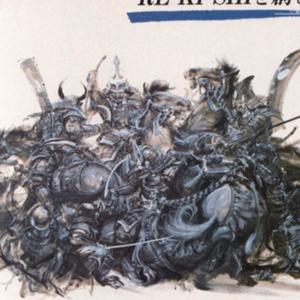
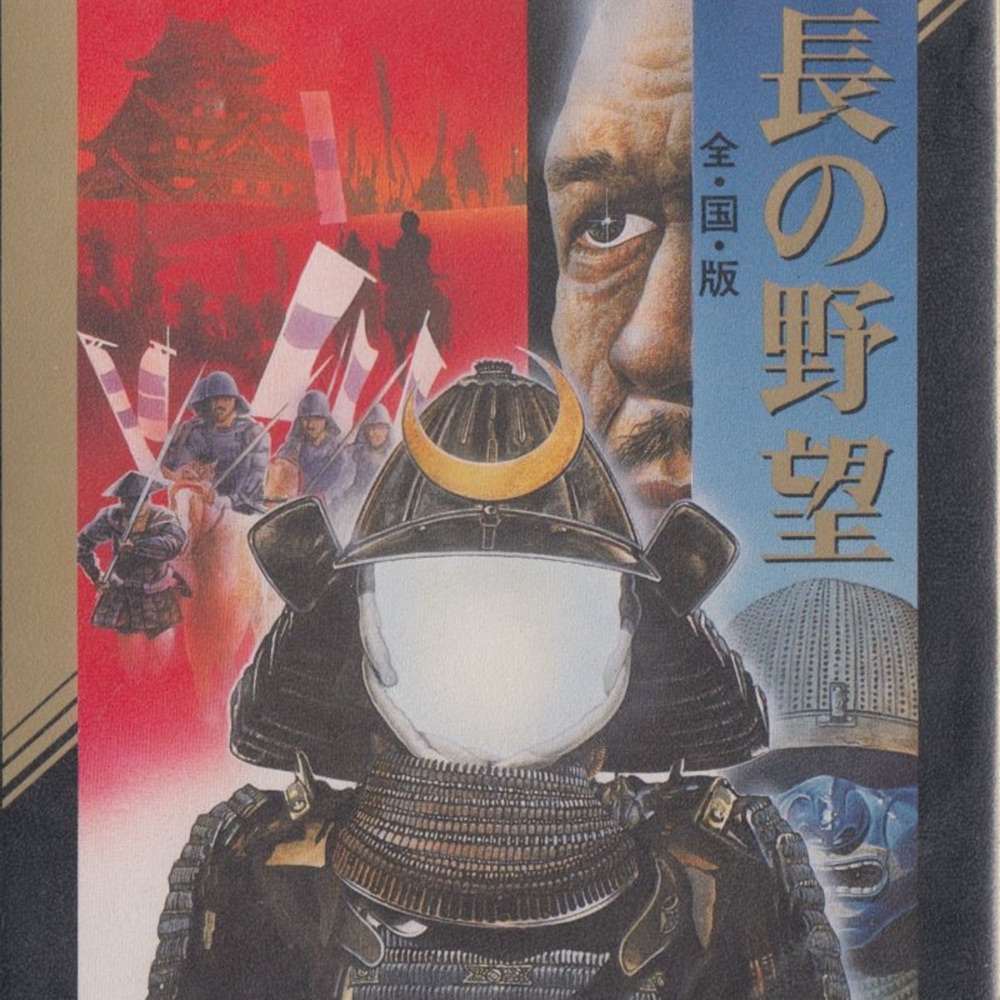
Nobunaga’s Ambition is a game set in Japan’s Warring States period, a turbulent age when feudal warlords battled for control of the country. As the ruler of a fief, the player chooses his or her own path to conquest: Will you wage war on your neighbors or rely on diplomacy? Use economic sanctions or send ninja assassins? Use all of your ingenuity and resources to unite Japan under your banner!
SHOW NOTES
Nobunaga's Ambition NES longplay
Nobunaga's FAQ
Paradox 4x strategy Games
Nobunaga's Ambition on Game Boy
Nobunaga's Ambition on SNES
Nobunaga's Ambition Franchise
- THE STRUGGLE TO BECOME SHOGUN
- NES Longplay - https://www.youtube.com/watch?v=RFkTCoeJNMs
- Introductions
- We may have finally met our match for the format
- Overview
- 16th Century Japanese Civil War
- Play as one of 17 or 50 Fiefs (what we might think as States or Counties)
- Grow your empire and conquer all the others to stop the war and unite Japan
- Gameplay
- The concept of the game
- Winning Conditions
- Rolling your leaders scores
- Conquering Territories
- Choosing what you manage and what you dont
- Your General’s Orders
- The Seasons
- Fief Development
- Building an Army
- The balance of building your army/area
- And the balance of satisfying the win conditions
- The Computer Players
- War
- The concept of the game
- EGL
- More Koei Games to come
- What needs fixing?
- Next week - Shooting Range
Auto-generated transcript. Each paragraph starts with its timestamp. Speakers are not identified.
Nobunaga's Ambition, the Struggle to Become Shogun.
And welcome to NEStalgia, a chronological exploration of every NES game released in North America. I'm Mike. And I'm Sean. Sean, is it possible? We might have finally met our match for the podcast format today with Nobunaga's Ambition.
But you think we're going to struggle with it a bit? We struggled with Monster Party and that was a platformer. You know, like there was so much absurdity in that game. And now it's almost like, I don't know, like, I feel like we both should have taken AP Japanese history or something in high school to prepare for this moment. Sean, that's true.
I mean, I mean, yeah, the history thing is different, but we've been able to tackle stuff like Taboo and, you know, the stuff that aren't games, the other stuff that's not like, you know, Rob stuff. We're pretty good at this, you know? All right. Yeah. You did a pretty good job of recalling two other games. So off the top of your tongue. So you're really you're really on it today. I mean, yes, knowledge. I usually forget the every game I play pretty quickly.
Yeah. No, you're right, though. I mean, like, so look at the end of the day, this is really like strategy slash simulation. Right. And that is a common video game genre. Now. It's just weird to see it here on the NES. I personally didn't think it was possible. Were you expecting anything like this? No, I wasn't. I think in our the last like retrospective episode, I was looking into some some games that were coming out over the year and I did see what looked like a pretty in-depth strategy game. I think that was Nobunaga's ambition.
And I was very surprised just by like the screenshots of it. And yeah, it was what I thought it was. But yeah, before the podcast, never would have thought something like this would be on here. Right. And this is the game company Koei has a whole series of these like historical, not even Japan or live extreme beach volleyball. Exactly. No, they don't make dead or alive. Isn't it Koei Tecmo? Didn't they merge? Oh, the merge. OK. Yeah. So technically, why wasn't Nobunaga in that game? He should have been better off extreme beach volleyball. There you go. Little history for you there.
But no, these games like they were huge on computers and Nobunaga is a line of games now. It's not even just Nobunaga's ambition. It carries on through the ages. But this is the first entry that comes to the NES. It's not even technically the first Nobunaga game. It's kind of interesting that like there was a game before this, I think, that came like Famicom or maybe Japanese computer only.
But this is the first one for us. So it's also going to be our first foray into like this kind of strategy game. Sean, if you wouldn't mind, you're like you're kind of an expert in that 4X grand strategy category for, you know, for the podcast. I'm not saying you're like on the leaderboards of Europa Universus if there even is such a thing. But like, you know that stuff way better than I do.
So just as an overview, right, like what is the appeal of these kinds of games? Oh, wow. Yeah, the appeal of these kinds of games. I'd say that just the idea of having something that you can play while you're sitting down to have coffee and then stretching that into like taking up most of your afternoon and always having like problems to solve in interesting ways.
And yeah, planning ahead and like system mastery that isn't like Twitch reflexes. I think like those are all the kinds of things that play into the people that enjoy strategy games. It doesn't matter if it's grand strategy or RTSs or 4X games. It may be maybe maybe less so RTS because the the slower nature of these games is really what makes it conducive to just like I just want to think I don't want to have to worry about how skilled I am at manipulating this controller. You know what I mean?
Yeah, that's a good point. Like a lot of people always mention the the permutations of chess and how like no chess game is ever the same and stuff like that. And even if that's like not necessarily true, it depends on how long the game goes on before it becomes a different game. I feel like these strategy games are really that like to the extreme, right? Like even at a basic level of Nobunaga's ambition on the NES, you'll never play the same game twice. Like there's just too many numbers being crunched across too many different, you know, Dimos, the generals of the game, you know, there's just too much happening.
And all the things are like random and the numbers that they generate are seemingly also random, but depend on the scores you have. This is a game where like no two playthroughs will ever be the same and everyone's going to experience, you know, a little bit of struggling, but also a very rewarding experience as a result if they if they can pull it off.
Yeah, I think even with how little I could grasp some of the concepts like while I was playing, like there was those like aha moments that are kind of one of the defining features of this genre of like you're not you have no idea what you're doing in the beginning. And then like you learn one thing about the economy or like how to maximize your military potential and all those sorts of fun things. And even in it's even in NES game, like it still shares that DNA.
And the game doesn't, you know, like it has a manual that does try to explain a lot of stuff. And nowadays we also have like the ability to go online. But I found like a really weird lack of information about this game for some reason. I don't know if it just like wasn't a popular seller or something. Don't get me wrong. I was able to figure out what each mechanic does and stuff like that. But I guess in some ways the it's ambitious of the game to just like throw you in to a main not a main menu screen, but the menu screen of your demo, your general, right, is like everything that's possible is just there for you.
And it doesn't say like, hey, you know, this is your first turn. You might want to raise taxes or give out some rights, right? It's like, no, you can do whatever you want. You go to war on the first turn if you want. Like it's up to you, buddy. And there's something about just like that freedom and seeing all of your options available to you that made me want to like crack this game. Like it actually, even though I was doing so poorly, it made me keep trying to like, okay, I'm completely lost. I need to reset, start over and try something different. But I'm going to figure out how to make progress in this game.
Yeah. And obviously, like you can go in so many different directions for it. But like the main objective of this game is to unite Japan or at least in the first scenario, unite central Japan like Nobunaga did in real life. Going back to the idea of there being not too much specific information in the manual, I think that kind of is like just a sort of a different way to teach someone how to play. Like nowadays for modern strategy games, you'll see like not really like a classical instruction manual because those barely exist anymore. But you'll get like patch notes that are like, oh, farming now gives you X times food times your skill, like whatever. It gives you like the real nitty gritty information.
Whereas in a game like this, it just says like you need food to feed your peasants and also your troops. And like there's a lot of really intuitive ways that like maybe the game doesn't tell you that you need to have money to go to war. But once you try and go to war and you don't have any money, it kind of makes sense like at a base level. You know what I mean? So I think like it didn't really need too much nitty gritty in the manual for this game.
Yeah. In a way, having it be that, you know, like you just you don't have to worry about the numbers, right? You're just figuring it out. And it's just kind of, you know, oh, I give the rice and these numbers went up, you know, all of a sudden like people are more loyal. And the output is growing because people are hungry. People are no longer hungry. So they work harder. Like in a way, that's great, you know.
And watching the numbers grow is probably the most satisfying thing that the game has to offer because that is like that's your screen for most of the game is you're just looking at, you know, a cute little avatar of your daimyo. And then all the different stats of your town or fief, I think they're called, right? They're like, yeah, think of them like counties or states, if you will. That's your that's your area of the map.
And and then otherwise, you're just kind of, you know, seeing what it's like, like a board game, right? Everybody else's turns are just kind of simulated. You're told what happens in terms of like big storyline things. If anybody had like a revolt or went to war with anybody, you are given the option to watch that stuff. But you don't have to. I don't know why you would, to be honest. It would just make the game go on forever. But all that other stuff is just kind of happening. And so there is this, at least for me, there's this tunnel vision, though, of like, because it all happens on one screen.
Maybe maybe it's game design. Maybe it's tunnel vision. But I feel like I get very locked into thinking that I'm making progress because numbers are growing and I think I'm doing the right things. But then I find out, well, you know, I'm lacking in this other thing when I spy on a on another fief. Right. Like all of a sudden I realize, like, oh, I haven't been training my warriors. But my town's really happy. But now I'm going to go to war with somebody who's a lot better than me.
And it's sort of kind of a combination between a couple of things. Like there's there's definitely like internal management. Like you have to make sure that your your your people are happy, that your army is happy, that your army is trained, yada, yada. But you also have to, like, expand. Like you're you're not supposed to stay in your one little county. Like the name of the game is to become Shogun.
So you need to keep an eye on what the kind of land that is being taken from the other daimyos. And because, yeah, they're kind of on two different screens and there's no real way to combine those with the screen space they have available. It does sort of put you between two modes of playing and it like your mind is kind of split between them. And, yeah, I have also forgotten to focus on some things because it's just out of sight, out of mind. And even the idea that like even the fact that the menu is split into two pages, sometimes I'll forget about the other things I can do on the other page.
Yeah, that's a great point, though, too, that, you know, ultimately the game's winning condition, right, is to conquer all 17 or if you choose the larger game, 50 fiefs. And the only way to do that is to continue to expand your empire. So you could spend, you know, the game is divided in turns and each turn is a season and then four seasons obviously make a year.
And you could spend like a whole year growing your empire and being like, you know, oh, I'm doing really well. But then you find out like when you look at the map, like, no, everybody else is like kind of gained another territory or they've died or, you know, they're having a revolt or something like that. So I found myself like when I first started learning this game, I was focusing a lot more on just like the building of my area and my town. I think that's a good strategy. Yeah, you know, like got to raise the taxes, but keep them happy. So give them rice and gold and then wait for the seasons to change so that you get that, you know, you reap those rewards.
Eventually, you're going to have to go to war. And that creates like another game inside of here that is very similar to a turn-based strategy game where you're given a map and there's different terrains that are in squares. And you place, you know, your army in squares. And so does the opposing army that you're going to war with or if it's your own civilians, it's on your own map. And then you have to win this turn-based strategy game of essentially, again, a different kind of set of numbers.
It's not pretty. There's no like graphics for your army or anything like that. But you can see like I've got 20 guys in this square and they've got seven. So hopefully when I fight them, I'm going to win. Like it's all simulated in front of you. But it's a whole other game, right?
It is a whole other game. It's another like simple game on its own. But what makes it interesting is just how intertwined the management portion of like the empire management portion and the battle situations are. Like if you're running low on food or if you were trying to play the rice market and you had just made a killing with gold. But now you're low on food. You're basically playing this and then you get attacked. You're basically playing like a timed mission of like I need to survive this siege and destroy this opponent on however many turns of rice I have left or it's game over. Like all those little interactions between like the training, like it's all building off of each other.
Yeah, that's a good point, too. But I also wonder, you know, maybe this is the time to introduce it. But like when you go up against these computers, right? And again, you find out about the stats like as a, you know, like spy kind of thing, right? Like you have to have to have a spy like look at the other people to see what their scores are.
I don't know if it was just like my particular like losing strategy of building an army. But I found the computers to be very tough to handle when it came to the war aspect of the game. It seems like their numbers are just, you know, always at least on par with what I'm going on, if not much stronger.
But also, you know, maybe the game favors a defensive strategy versus an offensive strategy when it comes to being at war. Yeah, what I think was weird about my situation is like all of my stacks were kind of equal in their makeup. Like my command unit, which like is sort of an abstraction of like the daimyo's personal guard, would have like 20 people in it or 20,000. I don't know how they, I think it is that, I think it's like 1,000 per number. Per number, yeah.
All of the stacks would have that and then I would look at my opponent and their big command unit has like 39. And I'm like, well, I don't know how to really, aside from just ganging up on him after killing all of his other guys,
I don't really know how I'm supposed to deal with that and how can I have my stacks have different amounts. It must be like kind of a thing that's just in a menu somewhere that I didn't come across because like the fact that all of the computers had this ability and I somehow didn't like makes me think that I'm the idiot here. But things like that made me also think that the computers were playing with more knowledge than I knew.
I don't know what difficulty you were playing at, but yeah, I also had those. I was told only play on difficulty number one. I was the easiest difficulty. They said, a lot of people said that the game is hard enough as it is and you might as well just play on the easiest difficulty to get the game going. Yeah, I did that on one as well. Were you able to change like how many people were in each unit? So you can do that. Oh. Yeah, it's in your menu screen, right? You know how they have like 1 through 12 as like the options of things to do? If you go to the right, there are more options.
Yeah, yeah. Yeah, and the assign one lets you change. Assign. Yeah, that lets you change how your loadouts are, how many number of troops you want, and how many are in each troop. Okay, so then that was just definitely on me. You know, that's a thing where even if you had the – I guess what I'm trying to get down to is, and this is something we haven't really explained yet, is when you choose your daimyo, right? You actually do – each one of them has unique stats and has a unique location on the map. You don't get put like in the dead center of the map each time. You choose your location.
You're getting certain stats based off the daimyo you are, but then you also roll for a bunch of other categories too, like your drive and your IQ and your charisma and luck and stuff like that. Yeah, that was surprising to me because that's the sort of stuff that I thought was going to be like the preordained stats that came with playing as that character.
Were the stats that are inherent to each character kind of hidden because I thought that it was just those four or five randomized ones? Right, so there are other stats like – like you probably didn't choose the same guy each time, right?
I was – I kept trying to go with Tokugawa. Got it. Okay, so like if you would have gone with somebody else, it's not that those – there's like hidden stats or anything, but the way that you start off with your particular fief is – Oh, like the town stats. Yeah, the town stats are different.
And what's interesting about like that strategy of having like random roles assigned is like, yeah, it does give some like D&D-esque trait to the game where it's like it's also your player-made character and not just like this historical thing. But like if we're playing a game of history, I feel like, you know, if all these guys really existed, assign like meaningful IQ and charisma and luck stats to them based on things that happened to them in history, right? Like that's the character you're picking. It's almost like you're not rewarded for picking any particular character because you're going to roll and you could get terrible rolls, by the way. Thankfully, they do let you re-roll.
But you could roll like anywhere like a score of 60 and mind 108 is like the highest I think you can roll. But meanwhile, the computers are already like automatically generated to be in like the 120s, 130s. Yeah, I saw that. I think that's some bullshit.
Maybe, again, it's like a balanced thing. I know just because going a little off topic now, even in modern games like AI is so hard to program that most grand strategy games aren't making smarter AI. They're just making the computers cheat more than you. And that seems to be what's happening here.
Right. So I think like at the end of the day, I'm not trying to say like the whole game is broken because of, you know, these randomly assigned stats. But it is it is just a numbers game. And I wonder like, you know, you already have so much to manage and deal with. With the aspect of keeping tabs on what everybody else is doing, like even other people that you're not necessarily up against right now, because they might conquer like four areas and then you might conquer like two or three.
And that's that is what it is, you know, and it's like you're going to have to go up with them eventually. And so I wonder, like, maybe you could give me some insight here, Sean, but like the balance of building your army versus your area. Right. Or like your town. How do you deal with that? Like, how did you personally deal with like, when is it time to go focus on your army and when is it time to focus on your fief?
So in this game, I really wasn't paying too much attention to what was happening around me, or at least my decisions weren't being informed by that, because I felt so small already that just because like Takeda is starting to blob all over the map doesn't mean that I can really do anything about it at this time.
I was more trying to like taking an insular stance and trying to defend when I was attacked just so that I could get like my output up and my army not to rebel and try and make some money off the rice market so that I could expand or so I could build the town up. So it was really like a lot of early game stuff that I think because I was kind of bad at this early game strategy that was sort of seeping into mid game where I should have been more boisterous and attacky.
So it does give you enough information to strategize on both levels. But I guess I'm also used to having like a more robust notification system of what's happening in foreign affairs to work with that information better.
Right. Because at the end of the day, the game is about choosing, you know, what you don't manage, right? Like as much as you have, like you only get one thing to do per turn.
So that choice is actually in some regards easier to choose what's the thing you're going to do versus all the things you're not going to do. Like you have to look at your things and be like, oh, I'm struggling with the amount of rice I have compared to the amount of men I have. My morale is low. My dams could break at any minute. So I'm going to have a typhoon on my hands. But I right now really need to like assassinate the guy next to me so I can bid on his land when winter comes.
Yeah. You know, I think that it's crazy that a situation like that can be described for this kind of game. But I absolutely found myself in that position every single turn. Absolutely. And I think that that's the magic that I did not think that a game like this would be able to actually emulate just based on what I knew about the system going into this.
But, yeah, I was so bad at this game that instead of like thinking about all of the intrigue and and war lording, I was just like, well, I don't have any money and the markets closed. So I can't borrow anything. So I guess I'm just going to train because it's the only free thing that you can do.
Yeah, there's a lot of a lot of decisions to make and a lot of ways that you can get yourself into bad positions long term. Right. And don't forget that you have this whole like ticking time bomb that is, you know, like your age. Yeah. And you're going to get older. Right. Four turns for a year. You get older. Your health gets lower as a result by one each year. The older you become, the more likely you are to get sick. And if you get sick, there's a chance you're going to die. But also just like the less help you have, the more likely it is someone might assassinate you or something.
Yeah. So better. Yeah. Better get married to somebody and hope for the chance to have a son so that you can be the son. That's another. That's like, can you do you play as the son if you get married? I never I would love I actually read something about that. So I can't confirm if the NES version actually does it or if it's like a high end computer version of Nobunaga. Nobunaga. I did it. I said that last week and I thought that was funny, but I knew I was going to do it one more time.
But no, in this game, there is a marry option. And people are like, you know, basically saying good luck having a son. And that apparently if you did have a son, you would be able to go on and continue playing as him. But I was not able to confirm that because I was never even lucky enough to get married. Yeah, I was trying that out in the like as early as I guess like a half hour into the game. And everybody was refusing me. And I think that actually like that that brings your luck down when that happens, which I think is funny. You are now inherently more unlucky because no one wants to marry you. Yeah. Well, luck be a lady tonight.
All right. So, you know, it's funny that there are the intricacies because I mean, that's a lot of those paradox games have like the whole concept of like just keeping your lineage alive. Right. And like that's how you're survived. This game has like that as like a fun little mini game almost like it's not necessary. But hey, get married and have a kid. Yeah. Why not? It felt kind of total worry to me because I think that you can do that even though it has a much more maybe even in this game. It's a more like diplomatic strategy.
Sort of like how you can sort of bribe people not to attack you in this game. Yeah. You can do so much. You can bribe people not to attack you. You can make packs with other areas and say like we're not going to go to war with each other. You can hire ninjas to not just assassinate other daimyos but you can also do it so this way like, you know, I'm going to hire X amount of ninjas to storm into this town and, you know, talk about how much this place sucks so that the peasants like revolt against their leader. Like I think that's crazy that all of this is available to you.
And I don't know what the answer is. Like it would suck if there was like a mode in this game that like removed a lot of these things to make it more simple. Right. Like so that's like, all right, you just have to deal with your gold and your men and your morale. You know, it's like that's not the game. No. Each individual mechanic in this game is so simple that if you remove one or two,
you've ruined the game as a whole. So that would not work. Yeah. And I think actually almost all of the enjoyment of this game as somebody who, you know, has an interest in this kind of thing. I think all the enjoyment in this game just comes out of experiencing it. Like you may, you know, like watching the consequences of your decisions and just seeing how far you can go. Right. Like I don't know if I'm ever going to say that I beat this game. I don't think that's ever going to happen.
But every time I played it, I saw my defeats and I was like, yeah, like I totally deserve that. Like they had me outnumbered or that was a stupid decision to like focus on so much rice. Like I died and I had like 190 rice. I shouldn't have had that much. Like I should have been paying attention to the market. Oh, the market. Yeah. You want to tell us about the market a little bit?
I really enjoyed that they had this as a as a another thing that you could do. And if you really wanted to, you're probably going to end up neglecting other other parts of other aspects of your empire. But you could just like make money and and food by playing the rice market. And it's not that rice isn't the only thing with price fluctuations like the cost of hiring men goes up and the cost of buying arms goes up or down depending on demand. And you can see your impact on the market when you when you make a purchase or make a sale.
It's and like when there's a lot of a lot of states at war, you will see that the price of men of men just skyrockets to hire a soldier. It's really, really interesting. Yeah, I actually can't confirm this, but I felt like men is the only thing that continues to go up. In price. Does it never come down?
I'm not sure. I think that was the case. And I thought that was like also just, you know, I like yours that like it could have to do with like wars going on. Right. And like, you know, maybe that's just what makes them naturally more valuable. But I was wondering, like, what was the game trying to say by having like, you know, like men be the only thing that like become more in demand as time as time goes on. But also just like the market in general. Right. Even if it is random. Right. Like rice going up or going down in a particular direction.
I think it's kind of crazy that you don't necessarily know. Like, what if rice is tied to how much rice is out there across all of the fiefs? Right. And like if there's an excess of rice amongst all players, that rice in the market goes down. Like there's no way to confirm that. But the mystery behind that is intriguing enough that I'm glad that like the manual doesn't answer that for you.
And there's enough like there's enough of an impact that you can make on the price. Like it could just be coming back to like a standard range every after each like weird binary event of buying or selling rice. Yes. But the fact that like when you sell a bunch of rice, the price of rice goes down. It at least tricks you into thinking like, wow, I just participated in the market.
Yeah. And you can see the effect. Yeah. The only thing this thing needed was the Nikeki 225, right? A couple of hundred years. A couple of hundred years early. But I just want some rice futures to go, you know? Yeah, exactly. Yeah. All right. We're gushing over the game a little bit right now, but we're not really saying anything like we're not really saying we're doing anything in this game. Like, I don't know if we're even giving a review. I think we're explaining how to play Nobunaga's ambition for people who probably have never played.
But it's hard. Is that the mission, though? I guess like what is the assignment here, Sean? I guess like what I'm doing right now is I'm sort of talking about all the gadgets on this toy that we found because this is less like it's not like an adventure game. Like this is a machine with cogs and levers and stuff like that you play with. And, yeah, there is an objective of uniting Japan.
But there are just so many different ways to do that. And I think we've been doing more than just describing it. But, yeah, I don't know how to get a more analysis view of this game right now. Well, I think it comes down to the fact that ultimately, you know, even whether this game is a bad game or a good game, right? It comes down to the fact that it is a game that must be experienced to understand what's going on, right? Yeah. It's a video game in that regards in that I could play it. The listener could play it. You could play it. We could all play it even together. It does allow for up to eight players on the same game and stuff like that.
But we're all going to have like a different kind of takeaway on like because of the permutations and everything that's available to you on just what the strategy is, how fun the game is, whether you need all this information. Like I don't know if we're the ones who can definitively say how to play this game, whether the game did it right or not. Like I would argue that the game itself is just simply giving you all of these options for you to decide what to do with it.
The game doesn't say, you know, oh, make sure that you're doing this, this, and this to win. Like you can do – I imagine people who are really good at this game can totally say like, no, screw rice. You actually don't need that. Like I figured out this thing where like if my men count is high and I just steamroll through people early, I'll have enough areas to control that like one can become my rice slave, right? Like it's cornered off from the rest of the world. They grow all the rice. At least I trade it to myself to send it to my other – sorry, the send option, option four.
I send that to my other thieves and they just focus on continuing to build. And I think like that's the – maybe the aha moment. But you might never have the aha moment in this game. It takes a lot to even just – like think about how much time it took us through our playthroughs just to even understand what was going on with each particular menu input and seeing how that affects the game. Because you can't just say, oh, I gave rice to my peasants so these things went up and that's all there is to it. Like those things – those stats going up then cause other things to happen. Yeah. So it's like everything is like this big domino. And the act of not doing something affects your game later as well.
I think that this game is impressive in that in some ways it's giving you perfect information. So – and the things that you can do to affect the game affect it the same each time. So you have what you need to make decisions. But the game is complex enough that there's some butterfly effect happening that is really what makes any strategy game worth playing is like the idea of metagaming to – sort of your example of having your food province and sort of funneling it to your capital, which I never got to the point of understanding this game well enough.
And all those other little kind of taking advantage of the system that we had just sort of come to grips with. All that's there. It's just – it takes some time to get all of that. Right. Just knowing what I know about the game, right? And I only ever played the 17 Thief version. Yeah. Too many variables.
Yes, exactly. Thinking about the 50 version, right? It's like that game – who knows what that's like? Like I can't even – I'm sorry. But for the podcast, like there's just no way to understand – like it's just everything about this game is just scale. So I think we got the experience. But like this game can be as big and as in-depth as you need it to be. But you can also get like a satisfying experience from just trying the game out and taking it on.
One thing that I think I guess to get off of just pure description that I think I didn't like as much is that there's really only one – while you can go about doing this in the same way, there's really only one win state. And that is basically if we're going to use 4X as a comparison, there's really just domination. You can only win this game by killing all of the other daimyos, which makes sense in that like that's historically what kind of happened.
There's no diplomatic victory. There's no cultural victory, even though there's no mechanics that really support that. Just like there aren't like different real play styles that you can do differently in this game as opposed to like a Europa Universalis or a Crusader Kings or a Civilization. It's just like have enough rice and gold to support your soldiers and to be able to bribe people and you will win eventually. There's a lot of mechanics that are going in to support the production of rice and gold, but those are really the basics there.
Yeah, you bring up a good point and I did have that as a note here of like let's just talk about the win state thing. So I'm kind of glad you brought that up. The only thing I was thinking though is like since it's got the historical aspect to it, right? Even if it was just, you know, you still have to conquer everything to become shogun and unite Japan, right?
That doesn't necessarily have to happen via war, right? Like I feel like there could have been other interesting ways through town development. You know, like what if the peasants just really like you as a leader and now like loyalty on other fiefs is like changing to be lowered. And if it's under a certain amount, you can like just assume power through like a power dynamic shift. Exactly. Like if there was a stat or just a count of how much like respect or face that you have and there were different diplomatic actions that you could do that weren't marching in and burning a town down. And if you had that much more prestige than your neighbors then and they were also weak, maybe they would just like swear fealty to you.
And then you still had to nurture that relationship. Otherwise, they would probably support your enemies. But that would be a stepping stone to also expanding your territory. And it's kind of just like a different way to do the same thing. But at least it's a different route to take.
I agree with you. I'm saying I think like that would have been an interesting new way to solve this whole thing. Like I don't know if they could add any more, right? Like who's to say? Like maybe they thought that because it happened that way in history, like that's the way it should go down or whatever, right? Maybe that defeats the whole purpose of them building this turn-based war game inside of the game, right? Like maybe that's why, you know, like they spend a lot of time probably developing that.
Who can really say? But I think that's a very valid criticism to have of like the fact that it is only one win state just kind of pushes you in one direction. Like if anything, that is the one nudge that the game is forcing onto you, right? Yeah, but like that being said, you can go about your military brutal destruction of the countryside in any way that you wish. But you have to brutally force yourself on your other daimyos. You can't not do that.
Yeah, and I wanted to go back to war for a second actually, the turn-based strategy part of it. Because we were talking about that mostly from like a numbers and computer disadvantage thing. Like, you know, because mostly this game is about numbers. But they did an interesting like layout for these maps that just required like a different kind of strategy for a turn-based game. Like the way that the squares are laid out, they're on like diagonals to each of each other, right?
So you can't ever just say like go to the left. You have to say up left or down left. Like there's no way to just like be on the same exact plane as another square unless it's up and down on the same square. Yeah. But then like because the terrains are also different, right? You have to like look at this map and really try to like think about how you're going to fight the opposing troops given that like you cannot pass over mountains.
And, you know, like for the water, like you're going to need boats for that kind of thing. And like if you're in the sand and you're facing someone in the hills. You have boats? You're going to have the – what's that? Are there boats? There's not boats but you have like a water – I never had it but the opposing troops were able to come in from the water. Oh. And yeah. And they had like a little water icon next to – On their tribe thing.
I keep saying tribe. I think I mean troops. But you get the idea. Yeah. Anyway, like, you know, even just like the fact that terrains matter, right? Like if you're in the sand and they're on the hills, the hills have the advantage. And there is advantages to being in your village too as opposed to the other areas around you. So all of this stuff makes for, again, like a lot of different choices but also for a different kind of war game where you are keeping your troops like almost entirely together in clusters, right? And just trying to like band together as one and take out the enemy before you get taken out. Yeah. There's room enough in the game to employ like different kinds of tactics.
Like you could – you can be kind of spread out and hope that your enemy spreads out as well and sort of do like some hit and runs. Or you can, yeah, just have like a doom stack. But you're not really going to have too much agility in that. And you're only going to probably have like one front line to battle on.
But I also think that the idea of only being able to move or attack is – it kind of reduces the amount of – the amount of things that you can do. Like it's definitely just as strategic of a way to play but there seems to be less variety of play styles.
Like if you could have a move and an attack or two moves or two attacks, like I think that would also make this more fun. But I think that the war game, while yes, it is still very much influenced by what you're doing in the managerial game and that makes it more coherent piece of the game.
But as a standalone, it wasn't like I was having all that much fun playing the war game itself. Yeah, and I think that's like again another thing that because the focus is on winning out these wars and conquering these fiefs, there's something interesting in a bad way, right? That like it's interesting that they've made this war combat thing and it's completely different from the rest of the game. But it's really basic and in some ways a chore or a slog to like get through. You know, there's – it takes a while to whittle down the opposing troops and also to watch those fights unfold.
And they're very like claustrophobic in a way because everybody is so tightly packed together and the mountains usually block off like – Yeah, they block you off from a large portion of the map.
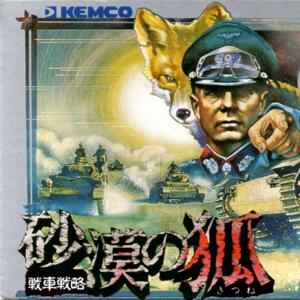
I think like they could never have made it desert – the desert commander, right? Like they couldn't have made it that game and have all those intricacies inside here as well.
But maybe even the war side of it should have just been reduced to like numbers on a screen with you deciding like what kind of actions your troop will take and then being told the results rather than this layout of things. Like again, maybe this was supposed to be the exciting part of the game. I think it kind of fell flat. Yeah. I can't really imagine it just being a number cruncher behind the scenes. I feel like you do need some tactile interaction with the military part of this game. But maybe if I thought of this more as just like a management game instead of a military strategy game, I could accept that.
Right, right. And I'm saying that off the top of my head. I have no idea of how they would actually accomplish that. I guess I'm saying like sometimes we've seen two games or three games in one, right? And it works out for its benefit.
In this one, I feel like in some ways seeing this whole new thing to do inside of a game that is already very involved is kind of like the hindrance. Like it is the do I want to keep doing this, whereas like the numbers menu screen thing flows pretty quickly and you just watch things happen, but you still feel like you're in control. I also think, though, that there were that it wasn't really like a zero something like you you could keep everything in the management of your of your daimyo or management of your town slash land the same. And yet just add a couple more wrinkles into the the the wargaming part of it. Like you have a unit that is riflemen or musketmen. And I don't quite remember.
And I know that the range on these on those is like comically bad historically. But like just the idea of like your riflemen can attack from two blocks away and maybe your cavalry can move two blocks and just adding some variety to make it so that there are more interesting decisions to be made in this mode would have helped it. And made it less of a slog to play through because there are decisions to make.
Right, right. Totally agree. I have one more thing I would like to talk about for Nobunaga's ambition, but I feel like before we can talk about that, we actually need to do the thing that we do on every episode, you know, where we vote on where the game stands, because I feel like we can't do the other part until we know where we stand. Does that make sense, Sean? What is what is this other part?
I know it's OK. Right. So so guys, I'm just letting everybody know, you know, if you're that person who skips the essential games list because you think, you know, where we're where we're voting or where we stand on something. Don't do that this time because we're going to do something else afterwards. But first, we have to vote in a little thing we call the essential games list.
Sean, I'm going to vote first, if you don't mind. Yeah, whatever. All right, cool. I mean, usually I vote last, so I thought it'd be exciting. Yeah, we're changing up so many things for this episode. That's right. I don't want to go on like too long of a thing because I feel like the whole time we've just been reviewing the game in a way that like is is both fair to it and can be very generous. And then also like we have to remember that not everyone is really into this kind of thing. Right. This is not for people who like Super Mario Brothers, Kid Icarus, Legend of Zelda. Like, you know, you're not you're not coming in here and playing Nobunaga's Ambition.
No, you could be both. Right. And we are clearly both. But I'm saying like for a lot of people, this is the kind of game that you rent at Blockbuster back then and you felt like you were tricked. You know, you thought you were going to get like you were going to play as some samurai in 16th century Japan. And instead you were greeted with, you know, a calculator game.
It's not, you know, it's like clicker games in a way is a whole nother genre of the cookie clicker game where you just click on your mouse pad and you make cookies and you just let that stuff grow. Or paperclips. Some people love that shit. And other people are like, how could anybody waste their time with that? So I think like what Nobunaga's Ambition is doing here is really, really ambitious. And I know somebody was waiting for me to say that, but it's the truth. Right. Like what they did on the NES is just crazy to me. And the fact that like it also came out on a bunch of other things, including the Game Boy. Like it's crazy enough that this thing is on the NES, but it's also on the Game Boy. Like how? How do they fit all this stuff?
You could have a really good time playing this game or you could be completely confused playing this game. I just think that like because it's all done via numbers and because the numbers are being crunched in the background and it's not necessarily like a very exciting thing that's happening in the moment to moment of it. And you're not really sure of the advantages or disadvantages of what's going on in the world around you. I think it's really hard to be the Shogun in this game. And not on like a difficulty way, but on like a how much information they throw at you and how much information they also don't throw at you at the same time.
I could see people being lost on this game and I think it's the little things in this game that make me think that it's not there yet. You know, it's a fun game to play, but it's a frustrating game a lot of the times too as you come close to the end of your playthroughs. You could sink in so much time only to lose. And I know that that's like natural in newer games, but newer games also spell a lot of stuff out for you and you're able to pull yourself back and see what's going on in the bigger picture.
And also like you mentioned early on in the episode, Sean, like people know exactly what each thing is doing on like a number scale. Here we're just kind of watching it all unfold in front of us and that tells a great story, but it doesn't make for a great game. So this is not going on my essential games list, my vote for it. Sean, how about you? Yeah, I mean, so this is definitely one of those games that I like to think about more than I'd like to play.
One word that I've used over and over on this podcast throughout the years and episodes is abstraction. And like between like strategy games and sports games to an extent, there's always a pretty – that's always coming into play of just like what it's showing you and what that's supposed to represent.
And there's a sliding scale of how appropriate a level of abstraction is. And this is at a point where it's way too much. And that means that there really isn't much with presentation. A lot of the strategy games that I like to play are kind of like menu games like this. But there is still some presentational element that sort of reinforces that, oh, I made that progress. And, oh, that actually had a substantial effect on the game. Whereas this is just like, oh, your military now has a power level of X instead of X minus 35.
So I also would say that it's really not there. I'm still incredibly impressed by what they did here in terms of all the moving parts. But this is definitely a game that I like talking about more than I like playing. So also not essential. That's a great point, Sean, though. A lot of this game for me over the last two weeks that I dived into it were really searching for information online and trying to see how were people playing the game? What was the consensus on strategy?
Learning about the systems in the game. And that was all so much fun. And then you take that information, you go into the game, and you try to use it. And you're like, nah, I still suck. Something's missing. Something's wrong. Like, it's not going for me the way that they're talking about it.
Or, surprisingly, no one's talking about it. Like, I was shocked how little information about this game is available online, you know, knowing that, like, it was ported to so many different things. I mean, this same exact game, Nobunaga's Ambition, eventually got ported to the Super Nintendo in the mid-90s. Like, imagine that. Like, the game that you could have bought in 1988 on 1989 on the NES is now on the Super Nintendo years later. And it's the same game. But now it has Super Nintendo mouse functionality.
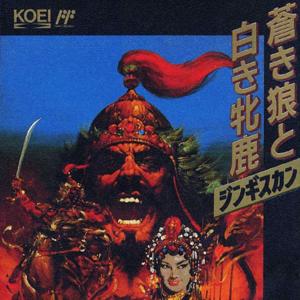
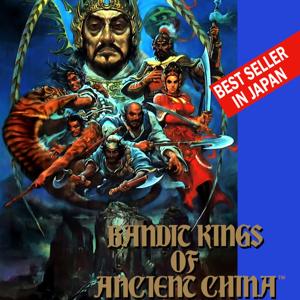
That would probably help, yeah. Yeah. I mean, that one also had a campaign mode where you can choose, like, different objectives and through different, like, years throughout the 16th century. So I thought that was interesting. But we're not here to talk about that particular game. This is my follow-up, Sean. This is why we had to do the Essential Games list first. Is that we're going to get Nobunaga's Ambition 2 on the NES. But we're also going to get other games from Koei that are in this same vein, right? Yeah, I see at the bottom here, Romance of the Three Kingdoms is coming. Yeah, Romance of the Three Kingdoms. Genghis Khan.
I'm trying to think. I think there's at least one other one other than that. But a part of me is worried that we've done a lot of the heavy lifting here with Nobunaga's Ambition. And that games like Romance of the Three Kingdoms and Genghis Khan are going to be, you know, just different time periods of this foundation they've laid down here. What does Koei need to do for the other NES versions of these games to get on the Essential Games list? I think that... So in this episode, we've talked a lot about just, like, the genre. And we also put a lot of groundwork down for how we might talk about these games going forward.
So we won't just have to talk about the most basic aspects of these games. But also, in terms of, like, how good these future games might be, I think that there's a lot that they can do to make these possibly essential games. Because, like, now that I've seen what they did this first time, I see all of these other possibilities that they could do going forward. And in these different time periods, the context also lends itself to new mechanics that they can implement. So I still am cautiously optimistic about how good these games may be.
You're going to think I'm crazy, but I actually think the one thing that could, like, the one big thing that the future Koei historical simulation games could learn from is taking that menu screen, right? Where all of your information is, where all of your moves are available to you. You can still have that, right? You could have that be the groundwork for everything. But each, we need more submenus. We need more menuing in general. And I know that sounds crazy to say, but, like, take me, like, when I select tax my fief, right?
Like, take me in there and show me, like, what are the current tax rates? Like, I know it does that, but, like, I'm saying, like, what are the current tax rates? Like, what's the vibe like? Like, what is going to happen to me if I make these decisions, you know? And, like, show that off in a way that's more meaningful where, like, each one of these 16 menu options has, like, a submenu that really, like, breaks down for you the effects of what's going on in the game to you. Yeah, I think that could be helpful.
I also like the idea that it was just, like, show me who's being taxed and what will happen to their lives now. Right. But, uh, no, I agree. Like, more context makes for a better experience, I think, in games like this. And it was comically Spartan the way that they did it this time. Yeah. Yeah, I would, maybe they'll do that. Who knows? Yeah, again, like, even if, what if, like, so this is a Civ thing, right? But, like, where you get your gold told to you on your Fief, let's say I have 61 gold, right?
That gold is generated, though. Like, I can continue to get more gold if I do certain things. So, what if there was, like, a plus seven next to it so that I knew I was gaining, like, seven gold a turn or something like that, right? Or, like, I knew how much rice I was going to be reaping in the fall rather than it just, like, being lumped onto me and I having to do some kind of math on paper. Like, I feel like I'm not asking them to automate things. I'm just asking them to outline things. Yeah. Obviously, those are, that's what modern games like this do.
So, definitely borrowing from the future would be good. I guess the question is just how quickly they modernize because I don't know. Yeah. So, I think, like, that's a good place to, like, leave it off for now and we'll see, you know, if they're able to do our things or just surprise us in general with the other Koei games. But it will be interesting to see, you know, even just knowing that we're getting a sequel to this game on the NES. It will be interesting to see what that one does differently because this historical event only happened once. So, it's got to be the same thing, you know?
Hopefully, they just made it better. I'd be interested in that take. So, we'll figure out what that is. But next week, a completely different game. We have to play Shooting Range, a zapper game.
That sounds really basic to me. Mike, hold on. Was that your thing you had to do after this? Okay. Just making sure for the listeners at home. Checking the boxes. That was it. Now, I'm doing the ending. Now, the zapper game. But they're not supposed to know that it's the ending because now they're, like, they're probably closing us out right now. Oh, sorry for blowing you under. Right now. Yeah.
So, it's fine. This is the end of the episode. Shooting Range next week. Really basic game. It sounds like it. But we're going to find out if it's any good. That's our whole mission. We go through every game chronologically. You can come back every Friday. And if that's not enough for you and you want to just, like, hang out with us more, go to Twitter. At NostalgiaCast. We're posting things all the time. Everybody's engaging. I'm telling you, last week, we had something for Mega Man 2. It was a couple weeks ago.
And it got, like, hundreds of likes. And we were like, whoa. We didn't know we were this popular. So, thank you for letting us know we were this popular. Give me those likes. Give us a shout. Be like, hey, I listened to the last episode and it was garbage. And I'd be like, well, that's your opinion. But thank you for telling me. Shooting Range next week. Join us then. Sean, anything to tick us out? You'll never know what you know until you don't anymore.
You'll never know what you know.