194 · Street Cop
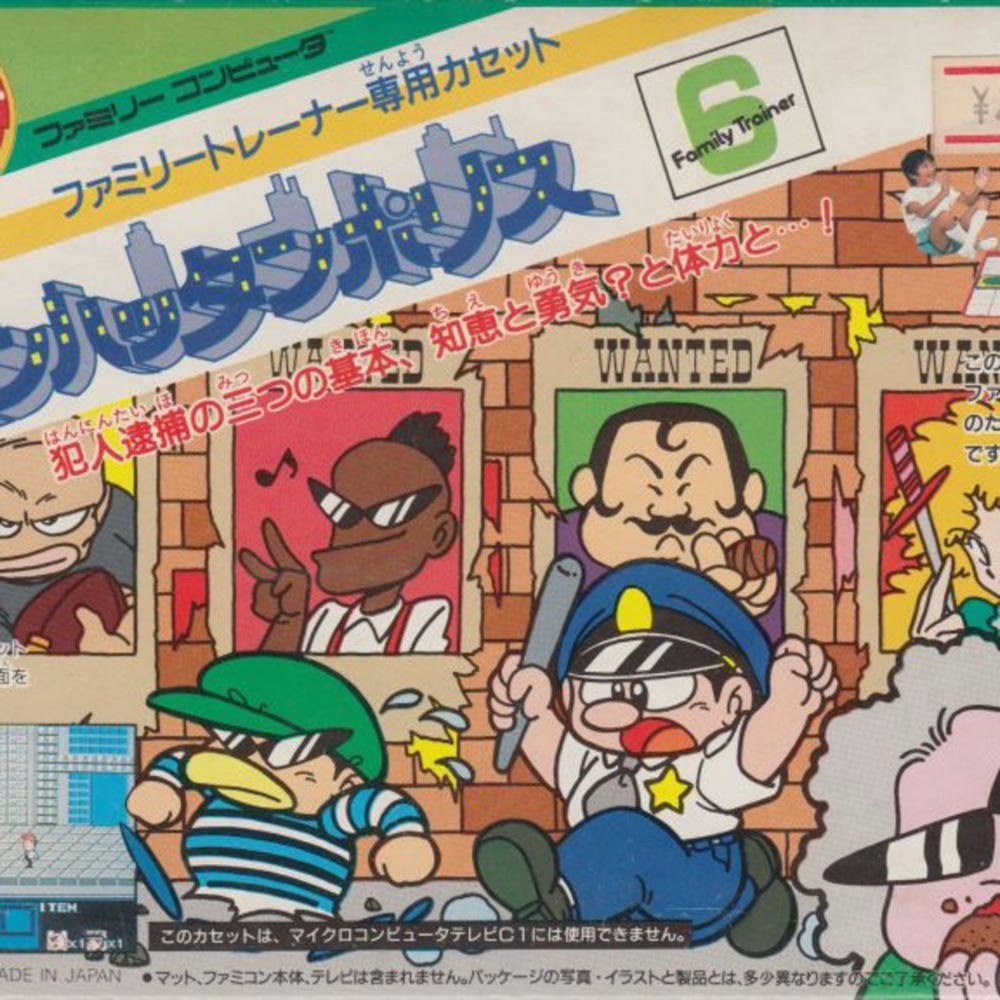
You play a cop who must chase down and catch the criminals. The game takes you through the streets of a city, where you must turn corners and keep running to catch the bad guys. You use the NES power pad to run through the streets, faster you run faster the cop will give chase. You use the controller to use your nightstick to apprehend the criminal.
SHOW NOTES
Street Cop Longplay
Power Pad DDR Game (Bootleg)
- Life on the Beat
- NES Longplay
- Introductions
- With a back of the box like that, this was our chance for DDR Police game
- Overview
- a game where the player has to chase after criminals while jumping over things and using the club to apprehend the foes.
- The player has to step on the buttons corresponding to each of the cop's actions, such as moving, jumping and clubbing.
- Story
- In the HOW TO PLAY section as if you can’t play without this motivation
- "LITTLE BEN" is a rookie cop fresh out of the Police Academy. He grew up on the crime-ridden streets of this city. As a young boy he dreamed of one day becoming a great detective so he could clean up the streets of his neighborhood and give them back to the decent people who live there. His success is up to you.
- Gameplay
- Movement
- Clubbing as a Power Pad input
- Variety
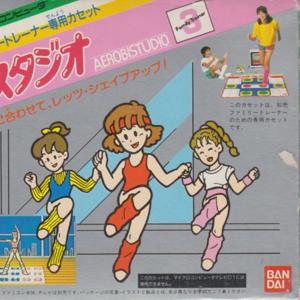
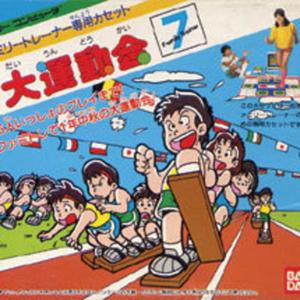
- Marketing from Bandai
- It takes your entire body to operate the POWER PAD, just like a sport. With our STREET COP, you can exercise both your brain and body while you enjoy yourself playing!
- Released as Manhattan Police in Japan
- Console Accessories age poorly, but controllers not so much
- EGL
- Next week - TMNT
Auto-generated transcript. Each paragraph starts with its timestamp. Speakers are not identified.
Street Cop, Life on the Beat.
And welcome to NEStalgia, a chronological exploration of every NES game released in North America. I'm Mike. I'm Sean. And I'm Joe. And, you know, with a back of the box like that, this was really our chance for a DDR police game on the NES. Remember, we're always talking about DDR games on the NES. This was the one time they had it. Life on the Beat. Yeah. I mean... Oh, yeah. It could be all the police songs. Yeah. By the police. Tokyo Police Club. And... I like it better if it's just the police. Okay. Yeah. I was surprised you could actually just like pull out of out of thin air like another band that also has police in there. Like you're on fire tonight, Joe. What can I say?
Okay. So here's the real deal, though. This is a Power Pad game as I was alluding to there. But also like the Power Pad, just like the Zapper in the episode before this, you know, we're getting these games and I guess it's not like such a big deal with the Zapper because that one pops up a little more frequently. But like this is weird now that the Power Pad was released in like 87 and had like maybe a game or two in 88 and is just still like casually just being dropped these games.
But at this point, you know, since I got to imagine you're not really just like picking up a Power Pad and a copy of Street Cop like together at once, right? It's a limited audience thing. These kinds of games, are they still worth it to just go Power Pad alone or should they start thinking about some kind of like dual functionality like we've been seeing with the Zapper games where it's like, yeah, you can own a Zapper or you can just use your NES controller.
I feel like with a game like this, especially where they tried to get a bit more interactive with what you're doing, that this is the kind of game that you would do it with because this is probably the most ambitious Power Pad game we've played. Oh, for sure. But, you know, to the point of like, you know, the install base, you know, no one's buying a Power Pad anymore.
I guess you could argue that because no one's buying a Power Pad anymore and because nobody's making Power Pad games for that reason, that the few people that are like, let's make a Power Pad game sort of corner that whole market of Power Pad owners. Like what are they going to do? This is the only game that they have to buy. I mean, they're probably all going to buy it because they bought the Power Pad and they want to justify it. Well, I think the actual thing is Power Pad like diehards because I think by now probably 80% of the people that bought Power Pads have thrown them in a closet or in a basement and forgot they ever owned it.
That's true. That is a good point though, Joe, because this is a Bandai game and Bandai were the ones who originally made the first version of the Power Pad, which was I think called like the Family Fitness something or, you know, one thing or another. And then like Nintendo was like, oh, that sounds great. Like, let's just buy the rights to that and license it as a Nintendo product. So it is mostly like the makers of the Power Pad being like, well, we made this thing, so we're just going to keep selling you games based off of it.
Yeah. I mean, I guess that makes sense. And then, yeah, if no one else is stepping in, then people are probably going to buy it. Unless, like you said, Sean, people might have been turned off by the Power Pad already from the earlier games.
Yeah. And I would also just like to clarify that when I say that this is the most ambitious Power Pad game we've ever seen, it's a very low bar to cross. Most of the games we've played have been the same game pretty much.
So, but it is still very different from those. Yeah, that's true. That's true. We get, you know, we get like mostly mini games built into these Power Pads. Like there's never been like a complete game. It's been like, you know, you're at a camp and you can do all these different types of activities or you're doing gymnastics and here's your dance routine warm up and stuff like that. So to get an actual, you know, video game experience out of this, like, you know, where there's levels and you're constantly, you know, progressing. That is an interesting new addition to Power Pad games that we're seeing here in Street Cop.
Yeah, for sure. But even Bandai doesn't really want you to play the game because in their own manual, they want you to do warm ups before you start playing. And they even go on to suggest maybe, you know, stretching out your knees and stuff, just making sure you're all ready to go. So that eats into your time playing the game. Then they also said, be sure that you're not bothering anybody else while you're playing. So if you're in the living room and your sister wants to do something else in the living room, like, sorry, kid, you got to wait till your sister's done because Bandai said so.
Yeah, it sounds like the parents wrote this manual. Right. The last one, though, one hour a day. That's all you can play for. That's an appropriate playing time. Bandai wants to make sure you don't finish their game the same day you bought it. So just an hour a day, fans.
I do appreciate just like because I'm a very easily annoyed person. So I appreciate that the makers of this game are just like, hey, maybe just stay out of people's way. Like, I think that like after like most like sound systems like in cars, they should they should like flash to to the driver. Like, hey, maybe turn the music down. Mario should come up and say like, hey, you've been playing the music too long.
So this is a game where you play as a street cop. More specifically, I mean, in the in the Famicom version of this game, it was called Manhattan Police. So you're just like an NYPD police officer. Street cop sounds weird. I don't think there's like I don't think they get that kind of designation. Maybe somebody could tell me I'm wrong. And there are just people who are like, you're only ever going to be a street cop. You're the guy who just, you know, catches people on the streets. And then there's the indoor cops and they do different things. But I'm pretty sure that's not a real. I think it's like not a slang term, but I think it's like a layman's term for a like a beat cop.
Yeah, I was going to say the same thing, which I do find interesting because in the manual it says that he's always wanted to be a famous detective. But I don't think a street cop is the same thing as the detective. Very much not. So so he failed. Yeah, he didn't achieve his dream. So he's dealing with life on the beat. And you as the player have to chase around these criminals that are wanted. You get like a wanted poster for each level of like trying to find these guys. But also you have to catch some other guys along the way.
And then, you know, in terms of like what you're actually doing, you have to step on the buttons of the power pad corresponding to the cop's actions. So there's different buttons for walking. There's different buttons for turning, jumping and clubbing. Using your club is a power pad action, which I guess you could club with your foot in that regard. But on screen, the cop is only ever going to do it with his hands. And that's the general gist of the game.
You are tracking down these criminals in your game. But you're you're almost like we need to talk about how you move as the police officer, because that's the challenge of the game. Right. Is you being the power pad, translating that to the character and then therefore trying to use that character to catch these criminals. Because if you're using it like a regular controller, catching these criminals would just be making sure that you're holding the D pad in the same position that they're heading. But because you have the power pad, you have to play things a little differently.
Yeah. So basically, like any power pad game, you have a standing position and that's like the middle two buttons. I forgot which which specifically and that and just, you know, oscillating between those two that makes you walk. But then you've got these other buttons that like one is your turn button or two are your turn buttons. And you have to like use those in conjunction with your standing buttons so that like you're actually turning and then you return to your standing position.
And then you've got your sidestep buttons with which are to each side of your standing buttons. And then your action and club buttons are often the corners, even though you're doing that action with your hands. You still have to like step into an awkward spot to like use your club.
So that's what I meant in the earlier segment where like this would make more sense if maybe your controller was used as well, because as complicated as the as the actual movement keys are on the power pad, it wouldn't be that much of a stretch if the things that you would normally be using your hands for were on the controller. Well, you can use the controller for the club. I don't know if it's made clear in the manual, but you have the option. Yeah. So I and I was thinking that, too. I was like, that should just be the way it is. Like there should be a weird button you have to step on to use the object in your hand. But but yeah, I think that the personally I think that the best way to do it is also having using the controller for the clubbing.
Yeah. But then you have to think about like the you know, not that they had short cords on these things, but, you know, holding the pad and moving around the power moving around on the power pad. I could imagine that could be some recipe for disaster for certain living rooms where you're getting like tangled up in your power pad.
Yeah, I mean, I'm sure it happens, but it doesn't really ever require you to like move much. I mean, you're pretty much stay in the center of the power pad and you'll use one foot to tap. If you need to jump or if you have to jump. But if you have to jump, you still just jump. You stay in one spot unless you jump like so high that you that you rip the NES out of the wall. Yeah, that's what I put. That's the vision I have in my head now, I guess.
But, you know, I was kind of impressed with with a couple of the little things like there were a couple of things when I was thinking about it. I was like, well, this is dumb. I'm like, it's going to be it's going to be awkward to.
Oh, you have to reach over. You have to press the button in front of you diagonally to turn to the right. It just feels so unintuitive, you know, instead of like stepping to the side to the right side to turn to the right. But what I learned was, you know, in practice, this is going to sound like really dumb, but you you take your left foot and you kind of cross it over to in front of your right foot to press the button that it requires you to turn to the right. And if you think about that motion, that is like one half step of turning to the right. Like, yeah, like I felt like maybe that maybe that's obvious. It wasn't obvious. I was like, I think it's obvious when you have a power.
Yeah, yeah, probably. I understand what you're saying there, Joe. And and I think like the manual actually is its own worst enemy. And it's the kind of game that like is just better off like testing out on your own, you know, using that using the power pad and seeing how the movement is done, because the manual goes through the process of like assigning everything to numbers. And has this like weird way of even just on the on the page about how to operate the power pad. It has this like incomprehensible like it looks like alien language to me of how to turn corners of like beyond six and seven, press three, go back to six and seven, press two.
It's like and it just continues to do that, though. It's like, you know, to make Ben change directions, step on 13 and 11. It's like, don't don't explain it like that. Like there's got to be the best is the little diagram. It has on that page that has seven, the three, another six and another seven and just arrows pointing from like the six to the three and the seven to the two. And I'm just like, what is this telling? Yeah, you take the little sections of this like 12 button pad out of context and put them in weird arrangements.
Yeah, that's definitely clear. And it's also instructions that are stacked on top of each other. So it looks like one thing. Yeah, it's two separate things. And there's also like the full diagram of the pad. That's also a diagram of plugging it into the NES. So you've got like, oh, use this button to turn left. Plug the NES into the TV. Like, what are you doing? Yeah, I love how it's got like it's got like a like a line that describes what each button is for. And there's also got a line that just says like NES, like this is the NES. This is the plug. It's like, yeah, we know what those things are already. Explain the power pad.
Right. And I'm not sure. I'm not sure if they could, because I don't want to like be presumptuous about their intention here. But again, like Joe said, the game isn't like the movement isn't unbearable. It's not like turning is this four button input thing that is like impossible to do. However, you got to feel like they were trying to make it like the fact that, you know, you can't just walk so easily in this game is half the appeal of the game. Right. It's like thinking about modern day quap where you're on track and field and you can only use Q, W, O and P to move your body.
I feel like in a way that is kind of the appeal here. If you were able to just be like, you know, marching on six and seven. And then if you start marching on six and two, the character turns to the left now and he walks that way. And then you have to go back to six and seven to walk straight.
It's like theoretically that could have worked. Right. Like they could have assigned more. I feel like that'd be a nightmare. No. Yeah. But I'm saying like that would have been like a real body thing. However, I feel like that loses the appeal of the game, which is that like sometimes you're moving really fast as your cop and you're like gaining speed on the person you're trying to capture. And other times you like get caught up in like the turning of directions or the movement of your character and you're walking really slow. And it's like, I'm not in control of the cop.
I think it takes a little bit of time. I think any comparison to quap, like obviously that's not intentional. Like we like that now because it's sort of it. I don't think that they had that level of of of self self awareness that like, oh, wow, this is kind of a ridiculous game to control. But isn't that part of the fun? Like, no, I think they were trying to make this the most comfortable, comfortable experiences they could. And quap is sort of a modern a modern thing.
Yeah. Also, I want to point out that if you were to march on six and two after having turned, you would no longer be facing the television. And then it'd be worse if you turned again. You did like your back and be turned to the television. Right. I think that's like a hurdle that they couldn't overcome. Yeah. Sure. But I guess, you know, as as intuitive as I'm trying to make it sound, it is also just like it at that point, Sean, it is just better to not play this game with a power pad because like definitely controlling the cop isn't a smooth experience with the power pad. Like, I guess the bigger issue is that they didn't make Walking Impossible on the power pad.
But, you know, if if the if they were trying to make a smooth experience of being the cop and everything, I guess like, you know, it's a double edged sword because they're Bandai and they're trying to make a game for the power pad. But at a certain point, it'd be better just experienced on a controller if they're just going for the smooth experience.
Yeah, I get that. But like this game is so designed around the power pad that I am. You know, I think that this game proves to me something that none of the other power pad games have yet that which is that there is any reason to make another game on the power pad like like this game is designed around the power pad. I think the point the primary point is to have something to do on the power pad and the secondary point is to like be this to like the rest of the game is like the secondary point.
Like, I don't think that this game if you were to make this game for a controller, then you might as well kind of throw out all the mechanics and make a game that makes more sense in the controller. You know what I mean? Yeah, that's a good point. That's a good point. Yeah, the game as it stands, if you were to just put it on a D-pad would be laughably easy and you'd be done in 15 minutes. Right. Because the objective here of, you know, tracking down these enemies and stuff like that.
They do give you a map that you can see your position and the enemy's positions and stuff like that. But these aren't like crazy mazes or anything like that. Some of them lead to dead ends and stuff that could work for or against you. But for the most part, it's about being able to keep up with your enemies and turn corners, you know, quickly and stuff like that. But I would say, if anything, that's the interesting part of the game, though, right? As you go on in the stages, the levels and the mazes become a little more intricate in the amount of, like, turns and where you can go and how you can explore.
You know, I don't know if, like, we want to talk about if that's, like, a complete enough experience. Just chasing down enemies, is that enough of a game or not? I think for a power pad game, yeah, because that's more game than we've ever had. Every other thing that came out for this peripheral has been run fast or jump high or a combination of the two, because that's really all you can do. At least this has some context to it, aside from a competition. Yeah, I was going to say pretty much the same thing. I think that if you were a power pad owner in 1989, then, yes, this is definitely, like, enough.
At least it feels like enough, maybe because of the illusion of having so little from all the other games, that this feels like, wow, this is a full experience. I don't know that that's necessarily true today or even, like, probably a couple years later when people look back on this game. But, like, at the time, I feel like it almost feels like they went above and beyond compared to other developers or other games, rather.
It just feels a little bare at times, though, because you'll have, you know, in later levels, you have, like, things you have to jump over, right? Obstacles in your way. And it's sparse, though. There are some, actually many, rooms in this game when you're exploring that, like, theoretically, if the enemy wasn't spawned there, nothing is happening on that particular, you know, part of the level or in those rooms when you start navigating the rooms and stuff like that. They're just very bare.
And I wonder if there was a way that they could have made this more of a video game. You know, we're saying, like, hey, this is definitely the most game we've gotten out of the Power Pad. But if they made it more of a platformer in the sense of, like, you know, walking and jumping and controlling all of that, if they built that more into the stages, if, like, the first half was running around these mazes and then the second half with the boss was more of a platforming experiment. Rather than just a continuation of the first half.
Yeah, I agree now that you mention that. I think that, like, there was some, like, oh, this evolves. Now there's, like, some jumping and now there's, like, you know, these items you find. But, yeah, I think it all happened so spaced out and so slowly that the whole game feels kind of empty. You're right. It would have been nice to have, like, I don't know, a little more. I don't know if it needed, like, more, like, platforming or something like that because the input method and the space that you're occupying in this game is already kind of novel.
And it's a bit more difficult when you're actually playing it than you would with a controller. So I don't know if it needed more obstacles. I think that would create much more frustration than it would more fun because your input is already kind of a challenge.
Well, but, you know, if you're being, like, Super Mario, right, like on the power pad, most of your inputting is just going to be stepping on the same, you know, six and seven over and over again as if you're marching in place. And then just actually jumping when you build up enough momentum to jump to the next platform or something like that. I'm not saying they should have made this a Super Mario Brothers game. But I think, like, that kind of thing, you know, yes, it could get messy if they required you to do, like, a lot of quick turns or also using items at the same time or clubbing action at the same time.
But I think just the idea of a game where you're running and there's more peril in your way could have been fun if they had, you know, designed it as such. Not if they just, like, randomly placed that throughout the levels. But if they actually, like, designed some platforming challenges, I'm not just talking about, like, you know, jumping over roofs or something, you know, just the idea of some form of running and jumping. That's, like, the NES is bread and butter. So it's, like, I think that could have worked well on a power pad. Yeah, I just think that, like, if you had any more precision necessary to play this game correctly, I think that would just be a recipe for disaster with how frustrating it could be.
I was just going to suggest that even if it's not, like, precision-based jumping, even if it's, like, okay, there's extra time bonuses up above you in some levels, you just jump. Just to give you a, like, I know it sounds dumb, but, like, just to give you a reason to jump. You have this power pad and it gives you the option to jump. I mean, you know, just to give you a reason to, like, do something else. Collect these things and they'll, you know, they'll give you, like, a bonus or they'll give you an extra item or something.
Or, you know, it doesn't, and I think we're, like, hung up on jumping. But I think, like, what, you know, what I was sort of agreeing with was that it does, after a while, the game does feel kind of repetitive once the novelty of the power pad stuff wears off. So, like, yeah, I do think it would be nice to have, like, something else going on by, like, later stages instead of just kind of similar things with, like, a more complex maze.
But, yeah, like, I agree that if it's, like, if you're doing, like, actual Mario-esque jumps, like, jump directly on this Koopa or don't jump down this hole, that would get really frustrating. But if it's just something that, like, gives you another reason to do this activity that the power pad is, like, supposed to make you do, it would be nice. Yeah, Bandai even positions it as, like, it takes your entire body to operate the power pad, just like a sport.
And with our Street Cop, you can exercise both your brain and body while you enjoy yourself playing. And so I think you're on the right page there, Sean. Even, like, what Bandai was thinking of, like, these games don't have to be that hard because the enjoyment of them is that your body is the controller. Like, that's the novelty of it, right?
I think that's the novelty and the, like, the difficulty curve. I think if you're not, I think this is not the same kind of challenge that we usually get from a video game. Like, you're going to, if you play this game for long enough, you're going to be out of breath and you're not going to be fast enough sometimes or agile enough to get to your guy. So it's sort of, the challenge is built into your body.
So other than the, like, I guess, normal street criminals that you find in this game, each, catching enough of those criminals eventually leads up to taking down the guy who was wanted in that particular stage. So whether you're at the park or the warehouse or specifically Harlem in New York City. Yeah. I don't know why that's a thing. But, like, so if you're at any of these stages, like, eventually it says, like, you know, this is the guy who's wanted. And that's, like, this is where the game, I guess, gets a little more interesting because they have a specific quirk to them and a thing that, you know, whether it's an item or a type of strategy that you'll need in order to take them down successfully.
I don't know if you guys want to talk about these guys. We don't have to go about each of them, like, in depth or anything. But this was some nice flavor to an otherwise kind of bland game of everybody just looking the same or not really standing out. These enemies, these bosses do stand out. Yeah, they give you, like, a little goal to, like, go towards, like, oh, like, there's the guy I saw at the beginning. There's a little cut scene at the beginning. Or are they all purse snatchers? They all, like, punch someone and steal something and run away. But you see them at the beginning of each level and then it's satisfying to see them at the end and kind of feel like it's like a boss fight. Yeah. They have some really goofball energy in their descriptions.
Like, I think my favorite is Bloody Betty. And I'm just going to read it word for word from the manual. She's 19. She's a former female gang leader, now a habitual extorter. Good at knife throwing. Initially, Betty was a good kid at a poverty stricken family. I'm sorry. But a poverty stricken family environment and a cruel world have turned her into a cold hearted person. She has a habit of saying it's all because of poverty. And I just. OK, first of all, like, that's that's that's so fucking stupid. But I just love the image of my in my head of, like, somebody committing a crime, like stealing my wallet. And then as they run away, just like, ha ha. It's all because of poverty.
That's a very Eric Andre thing to have happen to you in New York City. Yeah. I liked Big Burger. He is an eat and run offender. That's what that's why you're chasing him down. He has he has committed too many dine and dashes, I think is what we would call them. But they're making it sound a little more deadly with eat and run.
But I think, like, you know, when you get to stage four, right, and you're at the construction site and you're taking down Big Burger at that point, like, if we're just taking it, we're still just taking down guys who have dined and dashed. Like, how serious is this cop? Like, he has nothing better to do with his time. Like, I guess former female gang leader at age 19, which assumes that she was a gang leader, you know, when she was 16 or something. Specifically a female gang leader. You have to keep that in mind. Well, yeah, because back then they wouldn't let the gangs mix. You were either a male gang or a female gang. Wait a minute. Okay. So she was the leader of a female gang or she was the gang leader who happens to be female?
Hmm. We should look into this. I don't think you would ever have to specify the gender of the person if, you know, like a former female gang leader. Yeah, but it's 1989, you know. They're like, oh, they're like, yeah, you know, they're like, they're just not as progressive. Got it. Yeah, yeah, yeah. They're like making it known. They're like a little girl gang leader.
Yeah. Which, again, would still beg the question, is she leading a gang of little girls or not? I think we don't have all the information. The English language is not complex enough to give us this information. Right. And then it all, of course, it all builds up to taking down Don Mayone cheese or Maywan cheese or something. I have no idea what they're trying to do with that. Like, are they trying to make it sound Italian? Because it doesn't sound Italian. Yeah. I'm thinking. Yeah.
I thought it was trying to go with like something with some pun on like mayonnaise or something, but then with cheese in there. And I guess cheese is on some Italian. Don Mayone cheese. Mayone cheese. There you go. Mayone cheese. And he's really the second boss of the Mayone cheese mafia family. And he's a coward who hates anything and everything painful. Even if it's just. If it's just an inoculation.
That is so specific. He's been quoted as saying as such. He says, you know what? I just hate when things are painful. And, you know, even if it's just an inoculation. Here's the thing, though. Okay. He's the second boss of the mafia family. Is that implying that he's not top dog? Or is he just like the second in the line? Another unclear aspect of the English language. There's no way for us to know. See, I took it as he's. Yeah, I didn't think of it the other way. But I took it as he's the. Like, he's the number two in command. And I was like, wow, this is like. He's like a consigliere.
They said like that the cop, the main character. Was like just out of the police academy. So I was like, are they really sticking to be like that realistic? Well, a rookie cop would never take down the actual Don of the whatever. The mob. Well, I feel like his name is actually just Don. Yeah. And not the Don. But then again, you know, just impossible to tell. And the mafia family. That's just their last name is mafia. He's just the boss.
Don man cheese, which again, we still don't know if we're saying that. Right. He has an interesting like quirk about his final boss fight, though, where I feel like he doesn't really like leave the the middle plane of battlefield. So like you can just kind of like, you know, walk out and and be on the other sides of the room. And like he can't understand that concept of like you're on the far side of the room and he's still just hanging out in the middle, pacing back and forth.
Granted, the second you join him in the middle, he's ready to shoot at you. So I guess that's worth something. I just thought that was interesting that he wasn't really familiar with the idea of like walking around rooms just immediately in the middle of them. Well, he's not going to get close to you because he's too cowardly to do so. But that would also imply that he would try and get away from you. So who knows? Also, with this game's protagonist being all about walking and running and movement, I think that makes Don man cheese a perfect foil to the protagonist. He doesn't move at all. That is so funny and so true. And I think Bandai was, you know, making some commentary there.
Right. Yeah. It's really well written. He has no fear of dogs either, which is important to note, because even though that seems like just some color commentary, you do have like a dog that you can call to in this game. And that will do nothing for you against Don man cheese. I wish that I could just describe myself in like just non sequitur things that I'm not like. I'm specifically not into lettuce.
I don't know that that one didn't hit. But you know what I'm saying? I like it. No, I get you. I mean, like all these people are describing themselves strangely because you even have Speedy Lewis over in Harlem. And he his hands can move so fast that he's convinced robbery is his life's calling. It's like that's what he decides to do with fast fingers. Like he could be an amazing secretary. That's true. Making an honest living. But that is poverty for you. It's all because of it.
I briefly mentioned the dog and that made me realize that we haven't talked about items at all. Not that they're like, you know, they're not the most important thing in this game. But they are a thing that you have to use to track down certain wanted characters or just to use against them to have a better shot for them. So guys, the items in this game.
It's weird how you find them though too, right? Like not that this game was grounded in realism or anything. But taking down enemies and then just having like the items appear felt a little cheap. Again, I felt like this was a moment where you could have like stumbled across them in the environment where you have to like open a box or something.
Or you go inside the buildings and there's like, you know, instead of all these empty rooms in these buildings, there's meaningful content in these rooms where you can find these items. But there are some things where it's like you go into one room and you find an item in there. Like the orange is in the warehouse, which is where, you know, that's where oranges are. Well, that's the, yeah, that's the Tropicana orange warehouse. That's what it is. Yeah. You can find like, you can find mustard or something in a restaurant. I think that kind of makes sense.
But yeah, some of them don't make sense. Like, I don't know what was going on at this police academy, but you, you're the cop. You can just like throw firecrackers at people. And I feel like that's not really protocol. And then you have like, you can throw cans of Coke specifically.
But also their bombs. Like, I don't know if that's, if that's legal in the NYPD specifically. Yeah. I don't know if you're allowed to use bombs, but the enemies have no problems using them on you too. So I guess it's fair game, right? It's like, oh, if he's going to throw a bomb at me, I'm going to throw a bomb right back.
Well, it also says like, I think somewhere in the manual, I can't find it right now, but. Oh yeah, here. Oh no, there's somewhere in the manual where it says, oh, throw a bomb to, to knock down the enemy. And there's like something else, like shoot the bullet to, to slow down the enemy. Like those aren't what bullets and bombs do. I mean, it does slow people down. That's true. Actually, they're just not being super specific. Yeah. In a 2D NES game, can we really tell where that bullet went? For all we know, you're shooting them in like, you know, the, the meatiest part of their leg where it just like knocks them down, but they, but they won't die from it. You know, they just suffer complications. Yeah. Complications. People die from complications.
Anyway, more items in this game. I mean, you know, like the, I don't know what else to say here, but like, you know, it's a colorful assortment. Like Sean was saying about the Coke can and stuff like that, or, or the mustard. And, you know, these, these are like, I guess these items make somewhat sense when you think about like the stages you find them in. Like stage four is where the mustard is and that's where a burger bill is and stuff. So like, I get it, but it's just a, it's an odd assortment of, of power ups, if you will. And I found that they're not even really necessary. Yeah. A lot of them. Like you could just use your club for most things.
Yeah. There are some that are like built in to be necessary, but yeah, the other ones like, I mean, the bullet is nice. I mean, it would be nice to have a gun, I guess too, but, but yeah, you just get a bullet and, you know, I find it interesting how generic all of the items are. You just got an orange or a bullet or mustard or the VMAX turbo drink. Just all generic things you find lying around your house. Right. But you, you know, you don't need the bomb to stop Speedy Lewis, but you might want the VMAX turbo drink since that lets you like run faster to keep up with him. Like, I get that, you know?
So, so the items, it's almost in a way to help with Sean's point earlier of like not making this game any more complicated than just your body being the inputs. It's, it's nice that the items aren't like mandatory and like you have to perfectly time a thrown bomb in order to proceed with taking down Speedy Lewis. Like, it's like, if you do it, great. It makes the fight a little easier. If you don't, no sweat. You got your baton. You'll beat the shit out of him.
Yeah. You know, I'm looking at the manual. Can I just point out one more thing that I find interesting in the way that they made this manual with, for the items specifically? Sure. Is that, uh, so if you look on the page with the items, there's the first column has four items and it fills up the whole page. But the second and third column only have three items, which leaves two empty spots below there.
But instead of putting the two other items in the game below there, they put one paragraph that encompasses, that covers both of those two empty spots that just says, there are other items in the game that increase Ben's power and lengthen the time. But they don't tell you what it is. And there's two spots right there that can just tell you what those items are. Maybe they wrote this before they finished the game.
Maybe. And they're like, we don't know what those are going to be. It just feels very like, it feels very like Gilligan's Island and the rest for me when there's only two people left. And you took up the space that you would put the two items. Might as well just use that space to tell us what those items are.
Well, they're also using asterisks for like bullet point lists here, which I get. And then all of a sudden it's not formatted with the rest of the bullets. It says that thing about there are other items. And that just makes that look like a reference note for an asterisk. Yeah, it looks like it's supposed to be a footnote. Right. Yeah. So then you go back up and you're like, oh, this is a bullet. But are there other bullets? Is that why the asterisk is also next to that one? Like there are other bullets in this game? There are other, like keys, if you will.
Yeah. There are bullets in this game. Every item has another form that increases Ben's power and one that lengthens the time available for Ben. Followed up on the next page by playing too much is not good for your health. In all capitals, bold print, largest print I've seen on any page so far. They really went above and beyond here to make sure that they didn't get sued in the United States.
Yeah. Hey, we're getting to the nitty gritty. Above that, it says be sure to do knee bends, jumps, and so on. Is that like, is there a common order we should all know after knee bends and jumps? Like what's next? Well, there are other warm-ups that can increase your power or length in your time of playing the game. Well, on top of all that. They could have told us what those were. On top of all that, too. I'm not done with knee bends and jumps. Okay. My theory is that it's knee bends, jumps, and then lands.
Because you do the knee bend, next you do the jump, and what do you do once you're in the air? The next thing you do is land. You do do that. So that's what they didn't tell you. Well, my thing is that like if this weren't a complicated enough manual already, it then says this equipment generates and uses radio frequency energy and is not installed or used properly. That is, in strict accordance with the FCC, manufacturing instructions may cause interference to radio and television reception.
Wow. That is, I've actually never read that. Yeah. That actually sounds very sci-fi to me. It's on all of them. Don't worry about it. I just thought we should read the entire manual. But I've never actually read the compliance with FCC regulations. This might be the best example of a manual that's more fun than the game. Like, you know, like when you get the joy out of reading a manual, we really dug through the manual. In terms of the actual game, it's like, it's the very first walking simulator. It's a walking simulator.
God. It's so funny how we do this like modern. That's true. Right. But we do this with modern things all the time. Like Sean said earlier with QWOP. It's like they didn't know about QWOP. They weren't trying to be QWOP. Like, stop making QWOP like a comparison. It's the same thing with all of these things. It's so funny because at the end of the day, they were just trying to make money. That's all they cared about. They were just trying to sell a game for children to buy because they happened to already buy their power pad. No, I think this is someone's passion project.
You've made me, like, just view this podcast in a completely different way. I feel like I'm being taken advantage of now. Well, if you think that your time is being taken advantage of, Sean, wait till you hear us take advantage of the listener's time where we continue to talk about Street Cop in a little thing we call the Essential Games List.
Joe, you've had a lot to say, so I want you to be the first to say whether Street Cop is an essential game or not. Well, I did mention that I think that this is the first power pad game that, like, somewhat, a little bit to me, justifies the existence of the power pad. You know, it feels like it's a full experience that uses the power pad in a way that I'm like, oh, okay, I get it. Like, I'm playing as the cop, and it's like these little archaic movements that sort of translate, and it works in that sense.
And I'll also say that I'm, you know, I always like seeing something that tries something new or, you know, this has, you know, it has a cute little story, and it has a little bit of, like, you know, different environments and interesting things. So in that sense, like, it's not, I think it's the best power pad game we've played.
And I think that if you have a power pad, and you're itching to play it, definitely pick up this game. For any other reason, though, like, there's no, don't go seeking out a power pad. There's no reason to get it. I don't think that this game is anywhere near what we would call essential. But I'll just say, I think as far as the power pad games go, this is the best one. It can get pretty stale after a while, though. So overall, I'm going to say not essential. As far as I'm concerned, even if this is a good power pad game, there is no such thing as hidden gems for the power pad. I would never do that. The bottom line is, like, the power pad being an older technology accessory, right? So, like, something that was meant to be novel at the time.
It's almost, it's a challenge in itself to design the games around that experience, right? Like, for this one, they're like, make sure you use side B. And there's, you know, there's two sides to the power pad and everything like that. But that was, like, a design challenge and, like, a new way to try and take on video games. And, you know, Street Cop certainly, you know, completed an idea on paper and in the actual game. Like, what you get is on the back of the box and what you read about is, like, exactly what you're doing.
And it's not like there's, like, glaring glitches or it's not fair to you or anything like that. It's just that because it's a power pad game and because this thing is just, like, missing all the things that make, like, current day VR fun. But we don't know if the VR games of today will be fun in 40 years. It's like these things don't age that well. And so I really struggle to even think about the kind of power pad game that would make the Essential Games list. And it's definitely not this one for me. So it's out. But, Sean, let us know what you think.
Yeah, I pretty much agree with what's been said. This is at least the most unique power pad game we've played. And, yeah, it's not essential. But I guess if we want to go into just the context of the power pad, I don't know if there are any more after this. I kind of hope not. But even if there are some, I think this was too little too late. I think by the time that this game comes out, the install base for the power pad has dropped off a cliff. Maybe if this game came out a little earlier in the power pad's life and showed that you can do more than just do summer camp and, like, Olympic games and stuff, like, maybe there would have been more interest in developing for this. But, no. This, I think that this proves, the quality of this game proves that the entire power pad lineup is kind of a failure.
A big statement there at the end. Can't say I disagree. You know, but it's worth noting, again, because we just did the Zapper the week before. And we're not so harsh on the Zapper. Something about the way that they designed that accessory to work with the NES I think works a lot better than your body being the controller. I think that it just, they went so far ahead into the future for something that just wasn't there yet.
But the Zapper was like, yeah, I mean, that was already happening in arcades and, you know, light gun games. And even just, like, carnival games had that kind of experience already. So it was, like, it was easy, easier, sorry, to translate that for the NES. So I think, like, we're not saying accessory video games are bad or anything. It's just that when you make novelty games like that, it takes a lot of extra work to make them, you know, considerable to today's games. Yeah, I agree.
Next week we have Teenage Mutant Ninja Turtles. We've been hearing from a lot of our listeners that they're very excited for this episode. I just want to remind everybody we are playing the very first Teenage Mutant Ninja Turtles. And not the arcade game or anything like that. We are playing the one on the NES as it should be because we play these games in chronological order.
And for, you know, for, like, the sneak peek on that, it's like, this is a Konami game. So we're pretty hype on Konami and we're pretty hype on the Teenage Mutant Ninja Turtles, right? I never stated that. Oh, okay. We'll get into it more next week about our turtle knowledge.
But, you know, I'll give a little turtle power to everybody out there listening. And so maybe you can carry that through you for the week. Because remember, new episodes every week, okay? Every Friday, new episodes. If you didn't listen to an episode, like, you're like, hey, whatever happened to Mega Man 2? It's like, guys, we already recorded that. Go back, listen to it. It's okay to listen to episodes again. I get it. You're eating a bowl of cereal and you're like, ah, I don't like the void of my life without any nostalgia in it. You can play older episodes while you wait for Fridays to come around.
All right, we're done.
All right. We're done. All right.