187 · Guerilla War
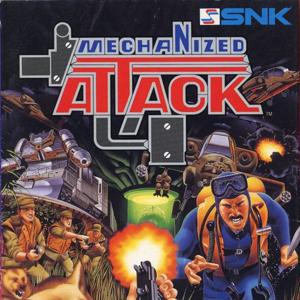
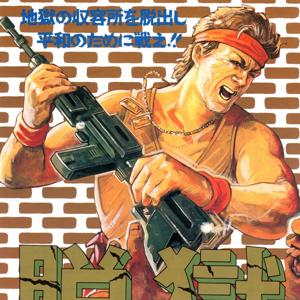
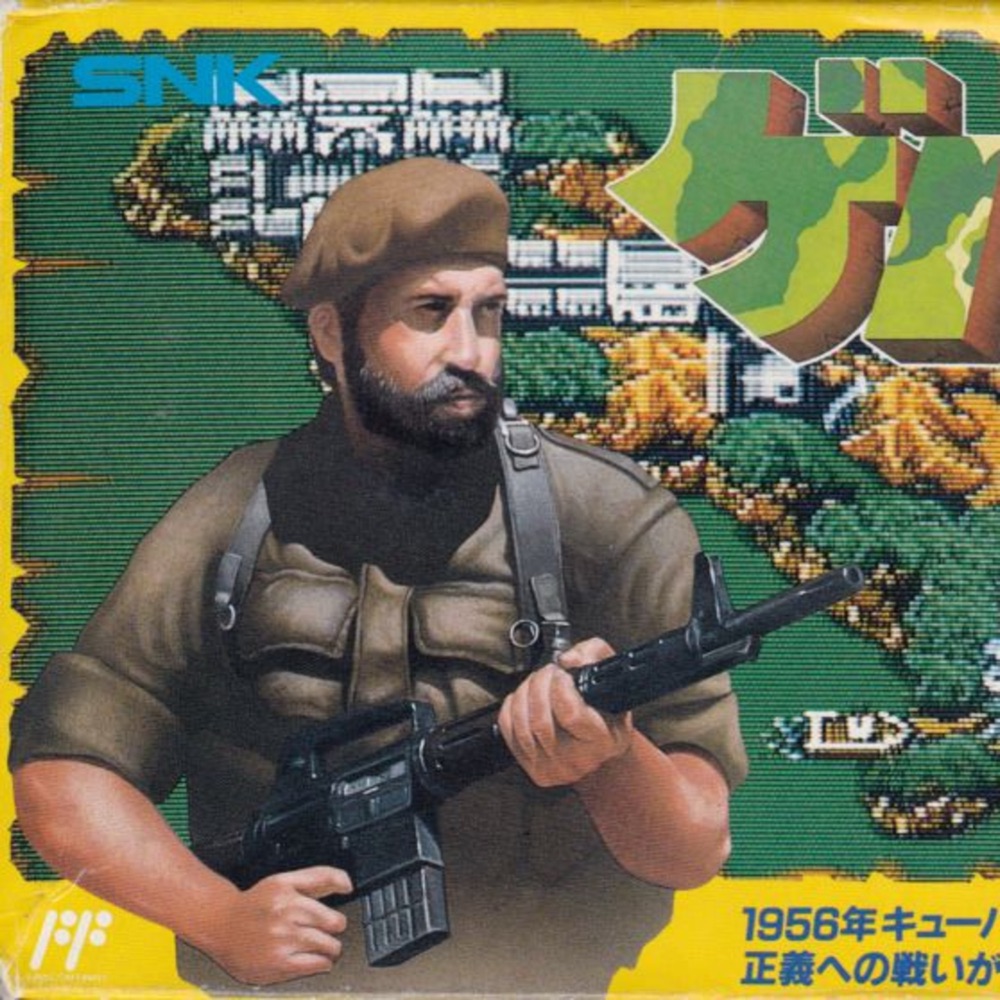
A tropical island (specified as Cuba in the Japanese original) is being oppressed by a dictator, but fortunately one or two brave US soldiers (Ernesto "Che" Guevara in the Japanese version) are on hand to restore justice. March through the rivers, swamps and forests to overthrow the dictator (specified as Batista in Japan) in this evolution of the Commando style.
SHOW NOTES
Guerilla War Longplay
Guerilla War Arcade
Ikari Warriors Episode
Commando Episode
- Your small island country is struggling against the cruel domination of an evil dictator
- NES Longplay - https://www.youtube.com/watch?v=s5CtC5Tg4bc
- Introductions
- Back to back War games. What makes war so natural for video games?
- Overview
- overhead run and gun game where you play as two unnamed rebel commandos (Che Guevara and Fidel Castro in the Japanese version) as they raid an unnamed Caribbean Island in order to free it from the rule of an unnamed tyrannical dictator.
- Another example of NOA censorship
- Practically Ikari Warriors in a different setting
- Gameplay
- The environment
- Unlimited Continues
- Pro and Cons
- Noticeable improvements from other Overhead run and guns?
- Runs smoother
- two-player simultaneous play
- EGL
- Next week - Guerilla War
Auto-generated transcript. Each paragraph starts with its timestamp. Speakers are not identified.
Guerrilla War, your small island country is struggling against the cruel domination of an evil dictator.
And welcome to NEStalgia, a chronological exploration of every NES game released in North America. I'm Mike. I'm Sean. And I'm Joe. And I'm here too. All right. You gave us a little scare there for a second. I wanted people to think it was going to be another Sean and Mike exclusive interview. Well, the problem there is so many people wrote in and said that if Joe doesn't come back for this next episode, they're canceling their subscription. I don't believe it.
You should. Yeah, you should believe it. And by canceling their subscription, I mean the completely free button that you click subscribe to make sure that you get new episodes every Friday, just like this one. But I save all that, you know, fancy marketing talk for the end of the episode. Guys, we're talking about Guerrilla War. Before we start talking about this game, I just want to mention we're back to war games. And honestly, we have back to back war games here, too. What makes like war so natural for video games? Wait, so you really don't have much to talk about.
I don't think so. We're talking about war. What makes like war, especially, you know, like, look, you know, it's NES, it's the NES days, right? So like you don't have the information of like, well, you know, like Call of Duty and Counter-Strike are going to be like huge, like, you know, million dollar makers for those companies. And they're going to continue to release iterations upon iterations of battlefields and stuff like that. Right now you're just like starting out. So what makes war be like a thing that's like, yeah, we're going to make war video games, not more like Pac-Man. Yeah, I mean, there's usually two sides.
So a protagonist and an antagonist, depending on, you know, who you're fighting for. There are win and lose conditions. You are motivated to act in the best interest of, you know, defeating the enemy. It's pretty natural, like in terms of game mechanics. Yeah, I feel like it's like the easiest form of like a high stakes conflict. I mean, the practicing, like military practices and maneuvers are literally called war games. So it's, yeah, it's natural. And so, so far on the NES, we've had quite a few war games here, but we've also had quite a game, quite a few games that have played just like Guerrilla War. Do you guys remember stuff like Ikari Warriors, Commando, games like those? Yeah, loved Commando.
And then like Ikari Warriors 2 took that weird path where it was like in space instead. But we're just going to disregard that one. We didn't give it a great review either. Joe, you said you loved Commando.
Do you, did you just love this style of video game or was there something about Commando that was calling you? This is something that I was going to get into at some point here too, but I did love Commando, I think because it was the first, it was, I think it was our first real experience on the NES with this style of video game. And it partially brought me back to some NES things and it also just, you know, I don't want to say impressed me, but like a little bit impressed me that it was, you know, a fun NES game in this like such an old retro thing. I do think that as time has gone on and we've played more of these, you know, it takes more to impress me with one of these games.
And I'm sure if I went back to Commando, I wouldn't be as impressed either because now I see like other things that could be done on the NES that might make a game more robust. So, so like this game definitely had a higher bar, like had a higher bar to meet for me than Commando. That's sort of how it goes, I think, with most like late comers to a genre that we've been interacting with in this podcast. Like the first one, all you really got to do is not be broken, right? Right, exactly.
There's, there's something funny about going back and playing those older NES titles that are really not even that old to us, right? We're only on episode 187 here. But it's funny to think like after I played Guerrilla War, I was like, oh, I should go check out these older games.
And just loading up Ikari Warriors, like that was a trip, you know, forget about Commando, which is even further back. But I couldn't believe that just the difference in the action component of the game, like how, how fast it all happens, how good it feels to be your character, how smooth the motion is. Because we kind of take for granted as we play through this chronologically, like it takes us a long time to go from like month to month to month.
But if you ever like jump back and play some of these older games that we didn't review so kindly, it's really crazy to see how quickly developers have figured out the NES from, you know, 1986 over to 1989. Yeah, this definitely feels very different and a bit more polished because I was not a fan of Commando or Ikari Warriors.
But I definitely felt a little bit different about this one. Yeah, I think it like what resonates with me the most is like the smooth, the smoothness of the way you move. I haven't played Commando, I mean, in a long time. But if I remember correctly, it does not move as smooth as this game. And then you go back? I mean, that's the, that's the one, Joe, that you, you know, that's where the joke started of watch out for that bullet. Yeah, that's right.
Before we get into like the gameplay, though, can we go back to like the, the setup for this game? Well, which version do you want to go with? Because, you know, we had this issue last, last episode, too. Keep in mind, these are two different developers, which always makes me think when these coincidences happen so close together, that it's really Nintendo of America strategically changing and releasing these games for the Western audience. But I'm assuming that you want to talk about the original Famicom version of Guerrilla War and what that one had you, who you were playing as and where, where it was taking place.
Absolutely. And it's sort of this game's claim to fame since it, I had never heard of it before now. But like whenever I have read about people talk, talk about this game, this is really all it's known for.
So it's Cuba, like this, you know, the small island nation that you are liberating is just Cuba and you are either Chi Guevara or you are a follower of Chi Guevara. And I'm just amazed that in this game you play as communist revolutionaries. And even though they they didn't come out and say it like the Japanese version, where I think it was actually literally named Guevara. Yeah. It's so obvious. And I just think that's so funny for late 80s peak, not peak Cold War, but we're still in the Cold War.
It's it's so funny. And it's it's even better. It's it's I think that this one, it makes more sense that they were trying to censor it than the last game, because the last game it was just, you know, World War Two, the most good versus bad war you can think of. This one was definitely a bit more prudent of a decision to not tell kids you're a communist revolutionary.
Yeah, Sean, you're spot on there, because like this is something that you would think NBC News would have just loved to run with. But I can't find any stories about it. But like they would they would be like, you know, video games are causing violence or they're stopping kids from completing their homework back then. Like those stories go all the way back to the launch of the NES.
They're not just like news stories that were developed in like the last 10 years. And yet no one's talking about the fact that like our kids are being indoctrinated by a game that claims to be about a fictitious island similar to Cuba, where communists win, you know, and meanwhile, you're playing as them. But I think, you know, there's something with this one that with the censorship that I don't think it's like, I don't know, like technically like commando, right? You could have also put in or, you know, Akari Warriors, like you could put in what country they're from and what soldiers you are like based on real life soldiers. And it would be controversial. It just happens to be that this one did claim that at one point and then took it out.
Yeah, I think that even with Akari Warriors and commando, it was pretty obvious that you were in a Vietnam analog. And that's sort of like the entire opposite, like you're an American commando fighting against communist forces. And I think that it was a bit more generic.
And because like Vietnam is it's not as well tread as World War Two in terms of setting for a war video game. It was common enough that it like it's not very it's not very controversial, even though it may have been in the first place. Whereas like this is the only game I can think of that takes place during the Cuban Revolution.
Sure. Yeah. It's also I think like a you know, if you think about it, like the context of today, people would know what this game was about for sure. But like everyone on the the the audience on the NES was mostly like children. It wasn't like today where like the the main audience of like video games is like 30 plus. So like a lot of the people playing this game were probably like 10 years old and it might have gone like they might have just.
Yeah, you know, it might have gone right over their head. They just bought right into like a country is struggling against the domination of a king. And like not picked up and you know, like not picked up any of those references and the parents never watched her. So like maybe that's why there's no coverage or there was no there were no there was no outrage or stories about it or anything. I just want to be I just want to go back to 1989 and be like a parent just sort of like crossing through like crossing through the the living room or the family room. Where the kids playing a game and just like catching a glimpse of that low low res picture of Chicavera that like they didn't change. Like right. Is that Chicavera?
Yeah, that's the one thing that I think would like would be the the like the flag that people would notice like if they were walking by the rest of the game. If you're just walking by you're not even notice it. But they got this one image at the at the top. Uh-huh. One more thing before we get into the nooks and crannies of the game itself is that, you know, because we're talking so much about Ikari Warriors and Commando. You have to remember those two games Ikari Warriors was also developed by SNK, which this game was developed by. But Commando was developed by Capcom. Those two games were also arcade games that were very popular and then ported to the NES.
Guerrilla War has the same exact story. And I think the more interesting thing there is like there was a time on this podcast where we were always like, oh, well, you know, yeah, the arcade ports are always going to be better or what, you know, like whatever, blah, blah, blah. Like, yeah, I put this on the essential arcade game list, but I can't put it on the NES essential games list. I think here we're finally starting to see something that is a little closer to feeling like it could have been in the arcades.
I'm not saying it plays as good as the arcade version. It definitely doesn't. I've checked out the arcade version and there's just a lot of improvements all around. But we're starting to get closer to the home console experience, feeling like whatever chips are in the NES are capable of emulating the same experience. Do you guys agree with that?
Absolutely, yeah. I feel like for the most part, like this is one of the few games like this so far that I don't ever really feel like I'm fighting the game itself, you know? Like I feel like I'm trying, you know, what's programmed to be difficult is like what hits me. But I never feel like I'm like, well, the controls just don't respond enough and that's why I'm dying or anything like that. In fact, I feel like I could even dodge bullets more easily and it felt less ridiculous for some reason in this game just because of the way it feels.
But I feel like I could, you know, it was like everything was a little more attainable because the controls worked better. Let's get into the game itself here, all right? All right, Sean, you mentioned, you know, the environment of Cuba and stuff like that and the setting kind of being unmistakable. But like, you know, pretend you're even just on an unnamed Caribbean island. How does the environment play a role in the gameplay here?
So I didn't want to set the bar of this game of being like, oh, the setting is unmistakable. Like it is just another like jungle fighter that eventually you go to a city. I guess I meant more in the broad strokes. It was sort of like obvious what they were doing. But got it. Yeah, I think that like the like at least like going into different settings, if it's not just jungle and then going into a military base, like you do go in the jungle and you do go to a military base, but true to the guerrilla war title, then you go into a city.
And then I guess you go into a sewer. But like the fact that they added the city was was definitely sort of unique to this game. But even like the jungle tropes themselves and stuff like that, I feel like we didn't really see it carried out in the way that guerrilla war does, because like, you know, you can go in the water and now you're slower in the water and you have to deal with enemies, you know, coming in from the left and right as well. And then like everybody has the, you know, the trenches and you can use the trenches, too.
There's obstacles in front that you can kind of blow up with grenades, but you couldn't like just shoot at them. They would block you from shooting other enemies. I feel like there's a lot more going on with the environments here. You know, even just blocking your paths and saying like, hey, if you want to do this, like you either need a tank or you need to just go around because, you know, there's no other way to really like confront this group of enemies. I feel like there's a lot going on there in the environment in a way we haven't seen in a lot of these action overhead run and gun games before. Yeah. The environment is not just like a backdrop.
You know, as far as games that do this kind of thing, I'd put this like somewhere in the middle of like impressive, but it's always nice to make sure that like it's always nice to notice that the environment affects you in some way. The trenches were a really cool touch, like you mentioned, and having some destructible stuff. I actually wish that they did a little more with that since they went in that direction in the first place. But it was, you know, better than it just being like a mat that you run around on.
Yeah. My favorite part of the destructible environments, even though they weren't as widespread as they would in a modern game, like the fact that if you have a more powerful weapon like the flamethrower or I think, I guess it's like a high fire rate rocket launcher. Sure. If you shoot it across a bridge, you will blow up the bridge and you will, it'll be slower to cross and it has a cool visual effect. It definitely feels like you have more of an impact on the environment than in past games, which is more just like a coat of jungle paint on a corridor shooter.
Sean, you briefly mentioned the power-ups there for a minute, like the flamethrowers and stuff like that. I guess it might be considered just an SNK trope, but I was a little surprised to see that the power-up items are just designated by different letters on the screen. Given the amount of detail that they're pouring into like the environment and, you know, all the different types of enemies that they've littered the screen with and all the different places you go to, I just thought like, you know, it's a little weird to just make the power-up items like L, F, B, you know, like it was just strange.
Yeah. The power-ups themselves, cool. Yeah. I guess I've seen it enough times now that I don't really question it between shmups and these top-down shooters, but, I mean, I think a little flame in that, just a little pixelized flame, like that's just as readable as an F.
Yeah. I was going to say when I first saw those, I was kind of thinking like, well, you know what, it's actually not so bad because it's so abundantly clear what you're picking up. But then I thought the same thing. I was like, even if it wasn't a little flame, even if it was a flamethrower sprite that you wouldn't know what it was right away, when I see a power-up that says F on it, I still don't know what it is until I pick it up and say, oh, it's a flamethrower. So might as well just put a flamethrower there and I'll pick it up and say, oh, it's a flamethrower. F can mean fast. Right, yeah. F can mean fungus.
Yeah, you could have contracted a fungus. Or it could just be, you know, Mario, like F means fungus, meaning you're going to grow like in Mario. Yeah. Speaking of the enemies for a second, you know, I mentioned they're littered over the screen. Sometimes that's a good thing. Sometimes that's a bad thing. I think in shmups, sometimes we wish that there were less enemies. But in other games, we say, you know, they're too easy because there's not enough of them.
Joe, where did you stand here on? And don't just think of stage one, because I think stage one does introduce you to a lot of enemies all at once. But like just in the game as a whole, did you feel like the enemies were overwhelming or that the abundance of action was actually to its benefit? Well, this is actually kind of what I was alluding to earlier. I feel like a lot of other games like this, shmups and, you know, these like run and gun type games get really overwhelming to the point where sometimes I just feel like you can just get unlucky by being just in a cluster of projectiles and enemies. Where like you have nowhere to move and like unless you're like superhuman with your reflexes, you're probably going to die.
This felt much more, it felt still challenging to dodge things and stuff, but in a manageable way. Like I felt like if I really focused, I could be skilled enough to not get hit, which I know that other people probably feel that way in those other games. I'm just not that skilled. So like maybe that's the, you know, that's the difference. But I felt like there was, I guess there was a easier or like a less of a barrier to entry.
You can kind of pick this game up and get good at it pretty quickly so that by the time you get to the end of the game, which is not a very long game, you can feel like you you're good at it. Whereas I feel like a lot of these other games you might have to play for, you know, over and over again for a long time before you're like you've gotten good enough to like really feel like you mastered it.
Well, that's another point right there. Talking about difficulty. This game is also really weird in that you you basically it's a modern game design where you never lose progress like you can lose lives and then it reads out. This was your score.
But it doesn't warp you back to the beginning of the game. It doesn't warp you back to the beginning of the level. It warps you to the lower part of your screen, albeit without any power ups, but you never lose progress. You can beat this game in a sitting no matter how bad you are.
Yeah. And to be to be clear to what you're mentioning there is, in my opinion, where what I was just talking about goes too far. Yeah. And that's where I think they crossed the line and that ruins it for me. But if you ignore that part, if you're like trying to not get across the line, if you're trying to not die and you're like you can get better at it that way, that's where I'm impressed. But yeah, what you just mentioned, I think, actually is like is like a good point in the argument against modern game design or taking it too far and crossing. Well, Joe, they crossed the line there because this is a this is a relatively short game when you have that kind of power to you.
I think in like a modern game, you know, a lot of the a lot of the game changes throughout. And that, you know, that makes it exciting and worth keeping going through and solving puzzles or or leveling up your character and stuff like that. But also, like, you know, you're talking about what could be a 16 hour game. You know, this is not that kind of thing.
And so I think that's why they crossed the line here, maybe, you know, and they should have warped you back to the beginning of the stage or something instead of just handing you right off. I wonder if they were taking a note, though, from their arcade format and saying, well, you know, at the arcade, if you wanted to just resume where you were, you would just put in more quarters. You know, you just say, yeah, I want to continue. And you get like, you know, I think 20 seconds or whatever to put in more quarters and stay right where you were. And maybe they thought like, well, if you're going to spend $60 on the home version, you've earned your right to just have the unlimited continues, you know?
Yeah, yeah. I think what they would have been missing there, though, is that in the in that situation in the arcade, then the quarters become the consequence. Like that's the it's almost part of the game design at that point. Right. If you're not going to be putting in quarters, you need some sort of consequence that makes you not want to die. I know that you lose points, but I know that we're just they don't matter. Yeah. First place. Yeah.
And, you know, in thinking about modern games, you know, like you mentioned a second ago, like how modern games have enough going on. I think that also, like if you think about like Uncharted, if it does something close to this to where like you die and you kind of end up pretty much right where you were. Or you might be back a couple enemies or whatever. Or you can go back to the beginning of the encounter.
But but the but in Uncharted, that encounter is still challenging. Like you. Yeah. Yeah. You don't get punished. We have to go really far back. But you get you have to still beat that encounter. You know, you still have to do it over and over again until you until you win. Whereas this, it's like you die. You blink back in. You can just kind of keep running through. Just keep dying. It literally puts you in the same spot. Enemies still have the same amount of health. So you can just keep progressing forward. If you're the boss. Yeah. Like you can literally just almost ignore the enemies if you want and just keep dying. Like it'll take you a long time, but you can do it. I mean, in that respect, Joe, you know, you could just keep running forward.
Right. You don't even have to attack anybody. Yeah. I mean, you have to beat the bosses. But like, I think there's only certain sections where like progress is forcing you to kill somebody in order to move forward. Otherwise, it's like just keep, you know, just keep running along. And to be honest, that's not a terrible strategy. I don't know how everybody else plays. But in this kind of game where they give you so many enemies, I'm totally comfortable just killing what's in my way and letting everybody else just go free. You know? Yeah. I mean, I agree that that is probably the optimal way to finish the game, but it is so counterintuitive to me to see all this stuff and not shoot.
Especially when it's so low, like low stakes, because I know that I'll always be able to come back. I don't know. I just ended up trying to kill everyone. But did you also kill the prisoners? I mean, accidentally, multiple times, most of the time, they look kind of similar.
But I tried my best not to. But, you know, in the war, there's collateral damage. Yeah, there's something about the way, and maybe it is what you said. Maybe they look close enough in color scheme or something. I found myself killing way more prisoners of war than in any other, you know, rescue the prisoners game we've played yet. I don't know what it is, but, like, maybe it's because there's so many enemies on screen that I'm just naturally inclined to be ready to shoot anything as it scrolls up to me. But, like, I always, you know, I'm playing mostly in, like, the mid-front of the game, you know, like, as things are coming on. And my natural instinct was just to shoot.
And I think I just, I killed a lot of people that probably shouldn't have died. I mean, and it doesn't help that some of your power-ups, like, there's, it's impossible not to hit them if there are enemies anywhere near them. But did you guys notice that, like, the enemies in this game are kind of sneaky bastards? Like, I, did you notice that they would sometimes look like they're surrendering and, like, stop shooting you? And then they'd come back and just pull their gun out again? Yeah, I was, I assumed that that's what they were doing. And after a while, I was, like, are they surrendering? Are they, like, waving for backup? Or what are they doing?
Mike, am I you? No, yeah, I know exactly what you're saying. There's a lot of, I don't want to say confusing behavior from the AI. But, I mean, like, that is, it's all pretty cool stuff. I was trying to figure out what those guys who, like, look like they're jumping on long pogo sticks that just kind of fly in from the sides. Yeah, yeah. You know, like, I was trying to figure out what that's supposed to be. Like, are they supposed to be jumping from a helicopter that we can't see or something?
Sometimes they even do it where it's, like, they're up further. They're up towards the top of the screen, which from the perspective we're playing is not up but forward. But then they, like, detach and, like, fall down the screen as if suddenly, like, they're on a wall. It definitely is. But they put that little pogo stick thing on when they do that, too. So I don't know what it's supposed to represent. It definitely is jumping because if you destroy a tank, sometimes instead of everybody in the tank dying, one person will jump out and try and fight you on foot. So I think that's what they're doing there.
But, yeah, the whole forward also being up thing does not help with perspective. Yeah, and also to speak to, Sean, what you were saying about killing the hostages and stuff. I think that that, well, first of all, the reason that I accidentally killed them a lot was because I also realized that in this game you can just hold down both fire buttons. So you can just be constantly throwing bombs and rapid firing.
And that would end up making the game a lot easier but also making me kill these enemies. But I think that, like, what this game needs or when you're playing it personally is, like, you need to just set rules for yourself. Because the game doesn't really, like, encourage you or, like, force you into doing it. So if you, like, set the rule for yourself, like, hey, I want to save all the hostages or as many hostages as I can and I want to kill the enemies without dying. Like, those are all things that the game should enforce by punishing you in some way other than just points. But since it doesn't, like, I feel like if you do play it that way, this game is actually pretty fun and pretty challenging.
Because, like, you have to think about things like you were saying how, like, a lot of your weapons will just kill everything in the area, including the hostages. Like, there were a few times when I was trying to do it this way where I'd have to think about, like, I need to destroy this wall, but it'll kill these hostages. But if I, like, go far back enough and lob a bomb, like, close enough to the wall and kill the wall and not the hostage. Like, you have to really, like, strategize a little bit. And I think that makes this game, like, that's what this game both has and is missing.
In the sense that, like, it's all there. You can do that. But, like, you have no reason to. But, like, I think playing the game that way makes it more of a game. Yeah, I agree. Like, this game is missing a lot of the higher level structure that usually, like, manifests in terms of, like, you know, the.
Your, like, main objective in a game. Like, it's really just to go forward and kill everything. But really there should be more at stake, like what you're saying. But on a more micro level, in terms of, like, how the game feels when you're. Aside from the fact that this definitely would be helped by, like, the arcade control scheme of having a twin stick. So that you can shoot in different directions that you're moving.
Between how the game feels when you're shooting or when something explodes. Or all those moment to moment things. They feel really good. Yeah, definitely. I'll definitely back that up. That I think this is a game that you can have a lot of fun in the moment. And then, like, you know, if you're doing something like our show. If you think back on it. You're like, well, how much fun actually was that? Like, I question, you know. I think you should be able to just have fun playing a game and all that. But, like, how good actually was it? And how much of it was just, like, finally a video game where you're kind of just unstoppable. And even though it's, like, a one-hit KO, it doesn't matter.
Like, there's no stakes or anything like that. Like, it's almost like you're playing with cheat codes in a certain respect. Right? Yeah, I'd say so. Yeah. But, like, I still think that there's some value to it. Like, the combination between those really abrasive sound effects for explosions and bullets flying. Like, it almost feels like the sound chip is malfunctioning. Combined with the slowdown, which is usually, like, a big problem for me.
It just, for some reason, I don't want to call this slowdown balanced. But it felt so right when it's coupled with those sound effects and just all this mayhem and all these enemies. It really felt like that old school experience that I always thought was just sort of rose-colored glasses that modern retro games tried to... Like, I always bring up Luftrausers as a game that does this. But those experiences of just this really chunky action feeling that I'm really having trouble articulating.
But moment to moment, this is finally that experience that I didn't think really existed. Well, I mean, look no further than after you defeat a boss and the screen just goes into epilepsy mania. Absolutely. So awesome. Even I thought I was going to have something happen to me when it was flashing that many times and that fast. Like, it feels good.
The bosses, again, like, you know, knowing that you have the Unlimited continues and everything like that, like, whatever. But, like, the bosses themselves are just, like, satisfying big enough deals to take down that, like, again, that moment-to-moment gameplay, like, presentation is top-notch here. And, you know, as far as, like, difficulty and, you know, going back to it, you know, how that all feels. This is the first game and maybe the only game I could think of where the manual tells you about, like, how to do the level select and difficulty selection, like, cheat code, if you will, right inside the manual.
I've never seen that before, but they do tell you that if you just press A and B, hold down A and B, or, sorry, hold down start and A or B, that you'll be able to choose whichever area you want to go to. Because they completely understand that the game has, you know, no stakes to it to begin with because you can always just pick up where you want. But also you can change the level of difficulty a little bit, and that's not something I did, but I'd be interested to see, like, all right, well, if they're going to continue to give me the unlimited continues, maybe I should beef up the difficulty on the game.
Yeah, you know, I never, this is one of the rare games that I didn't read the manual, so I actually didn't know that. I just sort of jumped right in, but maybe I'll play it again to see what the experience is like. Yeah, also one of the slightly less rare for me games that I also didn't read the manual. Probably should have. I just think that's funny to include, like, the level select code. Like, you know, the manual's telling you just go to the end if you want. Like, if you want, if it's your literally, you know, you're on your way home from Babbage's or Funkoland or wherever you bought video games from back then, and you're reading the manual and you're like, oh, hey, I'm just going to go right to the end of the game.
This time I could safely say that you won't suffer any consequences for that, right? Would you feel cheated in this game if you just started playing at the palace level from the get-go? Like, would that feel like you didn't get the true experience? You didn't learn what it was like to go through the jungle and the city and you cheated your way to the palace? I don't know. I don't think anybody would agree with that. I also don't think anyone would have too much fun with that. Yeah. No, sure, yeah. Fun, sure. But I guess what I'm saying is, like, you know, in a modern-day video game, right,
it's crazy that, you know, like, some people will just never get to the end, right? And there's no way to get to the end unless you play the entire game, right? So Dragon Quest XI is, like, this 100-hour game, and I played, like, 40 hours of it, but I'll never know how it ends, and there's no, like, option in the menu for me to be, like, go to the ending.
But in a book, I can just say I'm done with this book, but I want to know how it ends, and I can just go to the last, like, 20 pages and read it. It might not make that much sense. You've talked about that before. I've heard this argument a lot, and I don't have, like, a really strong argument against why people shouldn't be able to do that, but I am very strongly against it anyways.
I don't know why. I just don't like the idea of that. Are you against, like, for video games specifically, or are you saying, like, no, don't even do that in the book? Like, you don't deserve to read the end of the book. I mean, personally, like, that's a person, whatever. Like, you can do whatever you want. Like, obviously, that's fine. Like, I just think, yeah, you ruin the book if you're just going to read the end of the book.
But I think with video games, it's like, it depends on the game, too. Like, if it's like a, I mean, I don't know. Like I said, I don't have a good argument. No, okay. I've got a good argument. You know, I think that if developers start putting that in their games, me personally, while I'm playing, I'll feel, like, I'll always in the back of my head be like, well, yeah, like, it's cool that I did this, but, like, I could have just gotten there by skipping it if I really wanted to.
Like, that bothers me that that, like, option exists. Plus, I like having the, like, camaraderie with someone else being like, oh, I finally beat this hard thing. It's like, oh, I beat that, too. But, like, now you lose that, you know? Or I also like the, like, idea of, like, hey, there are games where, like, I might not see the ending and, like, I have to, like, weight the value of, like, how badly do I want to get to the end of this game? Like, you know what I mean? So here's where I think I can categorically say that you're wrong, Mike.
So with a book, with a movie, with a TV show, with any form of entertainment, music, it's always, like, an author telling you something or showing you something or playing music to you something.
Whereas video games are the only major form of entertainment that are based around the idea of user agency. And I think that that is what makes skipping to the end of something counter to the reason that the art exists.
Why that isn't really, that's intended. Like, you're supposed to, like, the reason the game exists is for you to experience it. And you two actually have an effect on the game and for the game to have an effect on you directly. Not so much indirectly, like, oh, how, like, oh, this album changed my life or, like, this book really spoke to me. Like, it's actually you doing the game.
I appreciate the conversation that we have going here. I just can't help but laugh because the only reason, like, somehow this got to this level. But I just want to say that I brought this all up as a point to say that the final level of this game isn't really all that much different than the first level.
And so, therefore, like, skipping around in stages doesn't really feel that consequential in a guerrilla war. I wouldn't say that I would even agree that, like, you know, God of War 2018 on PS4, right? It would be kind of stupid to just go to the end. Like, they're telling you a story and the gameplay evolves and you unlock a lot of, you know, like, a lot of things in your skill tree to become a better player and also to become a stronger Kratos, right? Like, all that makes sense in a modern game.
And, you know, this argument could probably apply to a lot of NES games. But I'm talking specifically about Guerrilla War. I just didn't feel that much of a difference level to level other than aesthetically. Like, I just didn't notice, like, oh, I'm in the palace. Like, you know, it's a lot harder now. This game's really getting to me now. I'm dying a lot more often. Like, I don't know. Just about the same as the beginning. I don't know. I think each level has its own different take. Like, earlier in the game, like, it's not just a different setting. Like, there are different layouts.
Like, there's a middle – I forgot which level it was, but in the middle it almost turns into more of a labyrinth of crossing this river over and over and trying to get to – Yeah, trying to get to the hostages that are sort of tucked away in these strange nooks and having to deal with crossing the river over and over. And in the city level, there's a lot more choke points, I feel. Like, there's a lot of situations where the entire corridor of the city street is blocked off in a way that you sort of have to first deal with the guys on the roof and then deal with the people up the road. And I think that there are different layouts where each level feels different, maybe not so much harder.
And also, there are levels where you can get into a tank and then that idea goes away. Anyway, so, yeah, I think each level has a different feel to it. Not so much, like, a difficulty curve to it, but I think they have a different feel.
Yeah, I would say the same thing, that they have a different feel, but, yeah, the difficulty never ramps up much. But, yeah, even, like, the sewer level feels like, you know, you're always in this, like, in the water half the time. And then I think this might – I'm not sure if this is the one you were talking about where it's like you're in the water half the time and then you go over to the sides to get the enemies if you feel like it or to get the – If that was above ground, yeah. Okay, yeah, there's that one too, yeah.
But there's one thing that – one level we're not talking about, which is just one random level in the middle of the game where you're just, like, on, like, a railroad. You're, like, in a cart. It's like a bonus level. It's like an auto-scroller and you have to, like, lasso passages from your left into your right. That was weird. But that is really – I think, Sean, you just said it. It's more like a bonus stage, right? It's like a point –
Yeah, there's no one on me. Right? Like, yeah, you're just trying to, like, you know, raise your high score and everything like that. I guess that's true. I appreciated that, though. It helped break it. Yeah. It helped break up the game a little bit. When I first saw it, I kind of thought, like, oh, this is going to be one of those kind of games where they throw in these other little things once in a while where it's like, oh, now you're doing this. Now you're flying a helicopter. But, like, they never do anything like that again. So it's just that one level.
And one other little fun note about that level is – well, I don't know if I'd call it fun, but for some reason, you know, you're moving. You get this nice sense of speed. But when you turn a corner, the whole game just slows down so much. Oh, yeah. Turning a corner, it's like you just come to a halt. And it takes, like, three seconds just to, like, rotate the cart. Because it shows you rotating. Yeah. And, like, at that point, if you're going to have that much trouble with making the game turn, just have it go straight the whole level. It's not that long of a level anyways. Just to go back to the idea of, like, you know, the stages playing out a little differently
and, you know, concepts kind of disappearing between levels, I think that's just another benefit here, though, of having – especially in a short-burst-style arcade action game where, you know, each particular stage might not take you more than, I don't know, what, less than five minutes to clear through. You know, that's just another benefit of having a level selection thing. And I think more games should be inclined to tell you if they exist in their manuals and to be able to do them. Because, you know, you might just want to go back and revisit, you know, the city stage or the sewer stage. You know, I don't think you have to – I think it's a consequence of games like this where you have to start from the beginning each time that you –
each time you start your game up because there is no save function, right? So, you know, you can't make multiple different save files and be like, oh, I'm going to save here each time and make my own kind of, like, level select screen. I think it's important that these games have some kind of level selection, especially when they can just be short bursts of fun, right? I don't think anybody really back then was sitting down for, you know, hours at a time playing video games. I think that's become a thing over time as games have gotten longer.
Yeah, I still think you should play the game along the level flow first. And then, yeah, if you find a level that you just want to play over and over because it just feels that good to you, then no, go for it. Well, here's the thing about that. This is just – maybe I'm going off on a little bit of a tangent here too, but, like, I fully agree with Sean that, like, yeah, you should play that way.
But the argument that I can't come up with a good argument against is when someone says, well, yeah, that's what you think, but if somebody else paid for the game and wants to play it that way, why shouldn't they be able to? And, like, I don't have a great argument at that. No, no, no. I just don't think they should be able to. Yeah, I mean, I'm totally for telling people how to enjoy their products.
There's a right way and there's a wrong way, and you're doing it wrong. We do it every week on this podcast. Yeah. We tell people that they're wrong for liking Zelda 2. Exactly. Oh, no.
Yeah, you should have spent your money on something else back then. This is where I disagree. You know, we've gotten some comments about Zelda 2. It is – I want you people to know that are commenting that we should have Zelda 2 on the essential games list that you're my people, okay? We all need to band together. We can overthrow the people keeping it off. It is the official position of this institution, the podcast nostalgia, that Zelda 2 is not an essential game. Which is what proves to me that the institution is flawed. And we will stack the courts if we have to to make sure that it stays that way.
Next thing I wanted to talk about while we're still talking about some form of this game is, you know, we had briefly mentioned the tanks. And since that is like a really cool and fun way to take an already action-heavy game and make it even more like you have all the power in the world, using the tanks, you know, they have like a – I think they say in on them. And I don't know. My dumb brain couldn't figure out – You couldn't either until – Yeah. I was like, oh, all right. So I'll go in. And finally I did. And, you know, thanks to the manual. And I got to say, you know, like the tanks, you know, they're usually towards the ends of the level. So it feels like they want you to have one for the boss fights.
But, you know, I just think they're great. I think they're a great addition. And they completely stole that idea from their own other game, Akari Warriors. But in Akari Warriors, the tanks are like little toys compared to the tank that you got in this game. I like in this that when the tank is like low on health, it sort of gives you a warning. And I thought that that was just like, oh, one more hit and the tank goes away. But no, like I think not only just if you get hit one more time, but if you just wait too long, the tank will explode and you die. Like you have to make the decision to get out of the tank.
Yeah. Correct. I think one major missed opportunity there, though, which I thought was going to work, was I thought I would, because it was beeping, giving me that warning I knew it was going to explode. I thought I'd be able to leave the tank in a cluster of enemies and have that explosion kill them. Oh. And it doesn't hurt the enemies, which I thought was just a real missed opportunity. Because that would have been kind of epic a couple of times when it was like about to blow.
So, but yeah, I will say that the tank feels like an appropriate like power boost for being in a tank without giving you like too much God status if you were to ignore the fact that you already have a God status anyways because you can't die. But, you know, it's like, I think it's a good balance. You not being able to die, though, actually makes sense in the context of why, you know, why the Cubans would only send two people to take on an entire government. You know, it's like, well, it turns out actually they can't die, so they're our best bet.
Why expend anybody? I think that they are dying and they're just constantly getting replaced by like an understudy who's just like following right behind them. It's like another guy runs in from off screen after you die. Yeah. It's a very unique form of warfare where you just send one guy in at a time and hope for the best. Yeah. Well, think about it. If one guy takes down three, eventually, you know, the odds are in your favor over time. Yeah. I love it.
One more thing about the tanks not, you know, not killing people when they explode. That happens in a lot of things in this game, though, right? Like the mine, not the mines, but I guess they are mines. Yeah. They don't, they don't, like if an enemy touches them, they don't blow up. It's like, what gives? I think that if you shoot the mine, it should explode.
Right. That's our position. And yet, here we are. Yeah, that's our official position. We can agree on that. That's for sure. We didn't vote for that yet, though. We didn't. You know, another thing, just because we're just obviously spitballing at this point, just things as we can remember them. I went back and played Commando, and I was shocked to find out that you can be blocked by the palm trees from the tops of the palm trees. And that doesn't make any sense to me graphically. Graphically. Oh, yeah. That like, you know, like the top of the tree, because it's on a 2D sprite, that it has a collision zone with you.
I'm just glad that, you know, the days of programming have gotten better. We've already established that. I think all those trees are laying down on their side. We've already established that up is also forward.
So let's move over to sequels and spinoffs, of which there are none. And with that, we can go into the biggest part of the show. The reason we do the show, we vote on whether Guerrilla War is an essential game on the essential games list. Joe, you're up first. Other than your vote for Guerrilla War, I would also like you to take an official stance on the palm tree collision zone detection.
Okay. Whether or not I like it or not, right? I forgot. Or whether or not you're for it or not. Okay. So to start with that, although I like that they tried to, you know, make these palm trees and make them, you know, part of the environment, give you a little more immersion, I don't like the fact that the palms, which should be in the air above your head, hit you as if they're on the ground. So I'm going to vote no, I am not for that. Thank you. What was the other thing I'm supposed to vote for? Oh, it's whether Guerrilla War is, yeah. Essential games, that's right.
So I think that, I think that this, like I said earlier, this game had a little bit of a higher bar for me because we've played things like this. I think it did a great job in a lot of aspects. But the things that like, that it did well, which, you know, I mentioned earlier that, you know, it gives me this feeling that it's like a little more attainable to be able to dodge things and to be able to be good at this game is completely negated by the fact that it doesn't matter if you're good at this game.
You know, I mean, you, it doesn't matter if I can dodge bullets because getting hit by bullets doesn't do anything, you know, fundamentally. Now, I realize that we have completely ignored the fact that some people do like to play for high scores. And that does make a difference if you're playing for the high score. That's almost like what I was talking about earlier, where that makes you want to save all the hostages and not accidentally kill anyone and, and kill, you know, as many of the enemies as you can.
So like, maybe the game is better for people like that. But I, but I do think that just overall, it's just, it's the, it's major flaw being that there's no consequences is just too big for me. To, to consider putting it on the essential games list. So I'm going to say no. Sean, your vote.
You know, I, I know that this game has some problems in terms of, uh, its balance and specifically the whole, uh, you never lose progress thing. Um, but in terms of the top down shooter, this is the most fun I've ever had playing one. And, uh, I didn't think that I ever would have fun playing them, especially with like the, the natural handicap of the NES of always shooting straight forward or straight wherever direction you're walking in.
Um, it, it just feels too good to play. And I, I feel like I'll be the only vote for it, but I have to put it there for posterity. Um, I would vote guerrilla war, uh, to be placed on the essential games list. And, and with that, uh, Mike, in addition to your vote for the essential games list, I would also like your vote as to whether, uh, the current Cuban regime is legitimate.
Thank you very much, uh, for that. Because now you've given me, um, two tough decisions to make. One, I have to make a stance about a, uh, third, uh, a, uh, you know, a foreign government of which, you know, I'm sure they, they listen to the podcast. I'm confident of it. I think one of the Castros does. Right. So I'm confident that my response will be noted, but also that I, uh, you know, am a, am the vote here. Essentially. If I say yay, then it's on the essential games. If I say nay, it's not. Here's, here's the crazy twist in, in the whole, in the whole thing. I had a great time playing guerrilla war. I really liked this game. Uh, without a doubt, I would recommend it, uh, to my fellow NES, uh, game players.
However, I can't put it on the essential games list because while this may be, and definitely is, I'm, I, even though I said, maybe, I'm just going to say right now, it is the best version of a overhead run and gun game that we have.
I still don't know if this kind of experience is, is worth it to say like, Hey, you know, like this is one of those games, you know, it's up there with super Mario brothers, legend of Zelda, Mega Man. Like you definitely, you know, like if, if you've got, yeah, uh, I didn't say that. I didn't say that. You said yeah. If you, um, you know, if you're playing those kinds of games, there's a, there's like a formative thing around them. A thing that says like, you know, yeah, this is timeless, right? This is just the best that we have right now.
I wouldn't say that anything I played from Guerrilla War was timeless or, um, or worthy of playing today. It's definitely a game that is like, you know, leaps ahead of what we've played so far in the genre and is maybe the closest to the arcade we've ever gotten on an NES game, uh, which is another just like huge feat for it. So I'm kind of sad to not put this on the essential games list, but I have to think about what the, what that list means to me.
And I think if we're saying like, you know, Hey, this game still holds up perfectly, you know, 30, 40 years later, it's like, I don't know if I'd agree with that. I don't know if it holds up perfectly. And I know perfect is like subjective and I'm not saying any game is perfect, but like, I just don't think it holds up as well as it probably played in 1989. 1989, this is one of the best games we've played so far this year. Uh, no doubt. So that's where I stand on that. The Cuban government. I don't know who can say they have, uh, you know, who can say they could, Sean, you got me so nervous. I'm like, what am I going to say? What's to say? Uh, yeah, they're, they're legitimate. They're legitimate. Sure. Okay.
Don't even do the outro. We'll just end the show. Mike was later. Mike was killed following the episode by the FBI and the CIA. They did it together. It was a tandem operation. It was pretty crazy. But it was for Zelda too. It wasn't for the, that's the twist. That's the twist. Uh, no, you know, I think like people are going to have a stance on guerrilla war. I'm sure there are a lot of people who, uh, played it back then and would agree with some takes that. Yeah. I mean like, you know, it hasn't exactly held up. I'm sure there's other people who are like, this is one of my favorite games ever.
And then I think more surprisingly, we're going to run into a lot of people who are playing this game for either the first time like us or are revisiting the game because they revisit all these games with us and notice the improvement. There's no mistaking that guerrilla war is a noticeable improvement in that genre and just in what it means to be an arcade port. Uh, you know, as of right now.
So it's, it's an interesting thing. So I would love to hear from all of our listeners to write in and see what they think about the essential games and whether they would put it on or not. I know, you know, you're going to, you're going to go right to it. Listeners. I understand you're going to say, well, X is on the essential games list. So how come Y isn't? Well, I'll tell you, uh, each game is held up under different voting standards. That's just what it is. We make up the essential games list as we go. Uh, Joe, do you have any idea what you're going to vote for the essential games list on any given Friday?
No, I flip a coin. Yeah, there you go. It's all decided by luck. Joe confirmed to be two-faced. I, uh, no, I actually, you go to, uh, Taboo, the NES game and I ask, vote it. There it is. The funniest thing is Taboo rejecting itself on the essential games list. It knows. It doesn't lie. Hey, Sean, if people wanted to see more Nostalgia content, where would they go? Uh, they would follow us at NostalgiaCast on Twitter, uh, which I think is a website. That's correct.
Just timeline. timeline.