058 · THE LEGEND OF ZELDA
Ranked #1 in our Top 10 NES Games of 1987 →
Long ago in the faraway land of Hyrule, a dark army led by the evil Ganon stole the legendary "Triforce of Power." Now the only one who can save the kingdom and its fair Princess, Zelda, is Link. But he is only a young lad! And the task is great! For more NEStalgia as well as show notes for this episode visit www.NEStalgiacast.com
Release 06:22
Music 07:41
Tales from the Manual 11:03.1
The State of RPGs before Zelda 18:00
The Adventure 23:21
Dungeons and Items 33:39
Difficulty and Fairness 37:07
On Hints 45:42
More on Bosses/Weapons/Enemies 51:09
What did you look up? 58:47
Final Dungeon 1:05:42
Timeline 1:11:27
What to fix? 1:15:28
Statistics 1:20:07
Developer Interviews 1:21:55
Sequels and Spinoffs 1:35:47
Essential Games List 1:44:40
The Legend of Zelda is the game we have been waiting for on this journey: one we could all tell you to go play. It drops you in a field with no sword and no instructions, trusts you to work things out, and rewards you for it. We talked about it for almost two hours and still didn't cover everything.
What makes it essential
- A world that exists without you. You start with nothing. The first cave hands you a sword with the line "It's dangerous to go alone," and that is the game's only tutorial: find things, enter caves, explore. Walk into a screen full of enemies with three hearts and you will turn around. The landscape quietly nudges you too, with a wide path straight ahead and a cave that stands out, so even a first-time player has a sense of where to go.
- Different adventures for everyone. Almost every dungeon is open from the start, and we each found our own route through it. Sean paid an old woman for a secret and wandered into dungeon six with three hearts, while someone went hunting for a missed item and called it a little side quest. We loved that we all had stories and tips for each other, which is exactly how the game was meant to be played.
- Hard, but fair. Dying sends you back to the start of the dungeon (or the opening screen on the overworld) with three hearts and every enemy back, so you learn instead of grind. It felt modern, and we called it the template for how difficult an NES game should be.
- It plays like an RPG without the numbers. There are no experience points, but heart containers, better swords and rings add up to real progress. We argued over whether it's an RPG or its own genre, and agreed it was the most RPG-like game we'd played so far.
- It saves. After all the games we've complained about, a battery-backed save is a relief.
- The manual matters. It was crucial back then, with a Dungeons & Dragons feel, a map, great enemy art (the most metal Octorok ever drawn) and a sealed emergency map you were meant to open only when truly stuck.
- Beautifully vague hints. "Dodongo dislikes smoke," the waterfall man asking whether you are worthy, the hint to aim at Gohma's eyes. The clumsy translation makes them better.
Where it's rough
- Secrets with no clue. The burnable bush that leads to dungeon seven, the bare wall you must bomb to reach level nine, and the pig in dungeon seven who wants meat you can only buy outside. With a limited bomb supply, some of this is pure guess and check.
- Items that feel unfinished. The raft and ladder open one dungeon and then do very little, and a few rooms aren't shown on the map.
- Stiff controls. Your sword only swings in four directions, and movement and attacks can feel clunky.
- Two songs. The overworld and dungeon themes are iconic, but they loop forever, and there's not much else.
- Uneven enemies. Dodongo goes down in a couple of hits (we felt bad about it), the three-headed dragon is an onslaught, and Darknuts racked up more deaths than any boss.
- A few wishes. Better backtracking, diagonal swings, and, as a joke, a small friend to tell us what to do next.
Beyond the game
We read Miyamoto's interviews on how hardware limits kept him from burning big trees or draining water the way he wanted, and on wanting games to be "pure toys." We also covered the Satellaview version of the third quest, the second quest, and the Switch Online "SP" version that hands you everything at the start. The game sold two million copies by 1988, and warranty cards earned a Fun Club newsletter.
The bottom line
Essential. Playing is the good part, and it's satisfying even if you never beat it. Joe put it best: the game pairs with your imagination, so you feel like you're telling the story yourself. Played alongside Breath of the Wild, it was clear how much that game still owes to this one, from the freedom to go anywhere to the lack of hand-holding, and many later games, like The Binding of Isaac, can't exist without it. All four of us voted it onto the Essential Games List.
Written from our conversation in this episode.
- Released in 86 in Japan. 87 for US. Miyamoto and Tezuka again. They worked on the same time as Mario. Zelda technically even started first. Koji Kondo composed.
- Manual
- The state of RPG before Zelda
- What did you guys know about Zelda before we played this time
- Let’s talk about the sense of adventure.
- The idea of not starting with a sword
- Combat and enemies
- Let’s talk puzzles? How did you know what to do next
- What did you look up?
- Dungeons
- Bosses
- What was frustrating? What would you fix?
- By 98 Zelda sold 2 million copies
- Purchase the game and send the warranty to Nintendo to get their fun club newsletter
- Talk about Fun Club
- Zelda BS SNES remake for the Super Nintendo using Link to the Past style
- Zelda SP on Nintendo Switch
- —When you first started the development of the SFC Zelda, did you have a specific vision in mind, like you wanted the game to be a certain way?
- Miyamoto: Well, Zelda 1 had an inadequate system… I wanted to do the things we weren’t capable of doing in the first game.
- —To call the first Zelda “inadequate” seems very harsh to me!
- Miyamoto: There were a lot of things we intended to do, but we kept getting blocked by hardware constraints.
- —What were some of the things that you weren’t satisfied with, specifically?
- Miyamoto: For example, for the Level 7 dungeon entrance, we changed the color of the ground when the water drained, but we had originally intended to have the water actually disappear. And you can burn small trees, but we intended for you to be able to burn down big ones… There were a lot of little things like that, and I wanted the SFC Zelda to be more realistic in that regard.
- —I see.
- Miyamoto: In addition, back when LoZ was being made, having a world based on swords and magic was still a fresh idea, as was the concept of being able to save your game. A system that allowed you to buy items in-game was also new, not to mention solving dungeons. However, in the 5 years since the game’s release, a lot of titles have appeared on the market that do the same sort of thing, so the sense of innovation has disappeared. I thought hard about what we could do next that would entertain the players. On the other hand, we weren’t about to just cut out the shopping and dungeons entirely, just because they were no longer innovative.
- 
- Miyamoto: I don’t want to make games where the player is just a puppet in the hands of the creator, playing exactly as scripted. Trying to get players to become better and better at your game is certainly one valid approach to making games, but for me, I want to present games to players that are more like pure toys: something you can use, explore, and play with freely.
- —The Legend of Zelda took the RPG genre from a place of relative obscurity and made it friendly and easy to understand. In that sense, it was a huge success for the gaming world. What are your thoughts on that?
- Miyamoto: Thank you. For that one, I wanted to create a game world that conveyed the same feeling you get when you are exploring a new city for the first time. How fun would it be, I thought, if I could make the player identify with the main character in the game and get completely lost and immersed in that world?
- The idea of a game in real-time, also, was something I’d been thinking about for awhile, but with such limited memory, it turned out to be a huge challenge to create enough satisfying content for players. I absolutely wanted to avoid half-baked ideas and gameplay. Since Zelda was released, I think the market has seen an increase in mean-spirited, petty games, and I still feel that sense of responsibility.
- 
- —Considering the Zelda series as a whole, what themes are you trying to convey?
- 
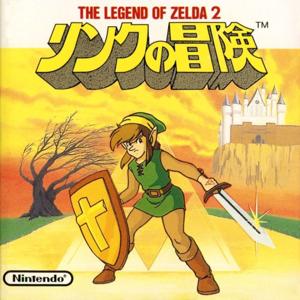
- The cover art for the Famicom LoZ
- emphasizes the feeling of exploration.
- Miyamoto: An everyday boy gets drawn into a series of incredible events and grows to become a hero. Within that framework, I wanted to create a game where the player could experience the feeling of exploration as he travels about the world, becoming familiar with the history of the land and the natural world he inhabits. That is reflected in the title: “the legend of ____”
- Adventure games and RPGs are games where you advance the story through dialogue alone, but we wanted players to actually experience the physical sensation of using a controller and moving the character through the world. We wanted dungeons to be explorable with a simple mapping system. These and similar ideas were what we wanted to experiment with in Zelda. These themes are carried forward in the SFC Zelda as well.
- 
- Thoughts On the NES
- 
Found automatically from the transcript and checked, but it can miss things or pick the wrong page. Spot a mistake? Tell us.
Games
- The Legend of Zelda mentioned at
The episode's game: Nintendo's 1986 open-world action-adventure about Link and Princess Zelda.
- Super Mario Bros. mentioned at
Developed at the same time as Zelda and used as a point of comparison.
- The Legend of Zelda: Breath of the Wild mentioned at
The 2017 Zelda that echoes the original's freedom of exploration and has Lynels and a hidden tribute island.
- The Legend of Zelda: Ocarina of Time mentioned at
The 1998 Nintendo 64 Zelda, a first Zelda for many players.
- The Legend of Zelda: Majora's Mask mentioned at
The Ocarina of Time follow-up with a three-day time mechanic.
- The Legend of Zelda: The Minish Cap mentioned at
The Capcom-developed Game Boy Advance Zelda with a talking hat that gives vague hints.
- The Legend of Zelda: Twilight Princess mentioned at
A later Zelda whose final boss Zant is mentioned.
- Super Mario 64 mentioned at
The Nintendo 64 launch game that preceded Ocarina of Time.
- Metroid mentioned at
Last week's episode, with its larger soundtrack and similar item-gated exploration.
- Final Fantasy mentioned at
The RPG series that debuted in Japan in 1987 but reached North America in 1990.
- Kid Icarus mentioned at
An earlier game where you could shout into the Famicom microphone to haggle prices.
- Rygar mentioned at
An earlier NES action game with light RPG elements and a gated raft or grappling hook.
- Assassin's Creed mentioned at
Cited as an example of a modern third-person action game with RPG elements.
- Pokémon mentioned at
Used in the debate over whether a game is an RPG or a JRPG.
- Pokémon Blue mentioned at
The 1998 game a listener says they could not start because they avoided the grass.
- Solomon's Key mentioned at
An earlier NES puzzle game in the debate about looking up solutions.
- P.T. mentioned at
The Silent Hills teaser whose puzzle needed the community to solve.
- Zelda II: The Adventure of Link mentioned at
The direct NES sequel, completely different from the first game.
- Hyrule Warriors mentioned at
A Musou-style spinoff with Zelda characters.
- The Legend of Zelda: Tri Force Heroes mentioned at
The three-player 3DS Zelda spinoff.
- Soulcalibur II mentioned at
Fighting game where Link appears as a playable guest.
- The Legend of Zelda: The Wind Waker mentioned at
The cel-shaded Zelda that gave Link another look.
- The Legend of Zelda: A Link to the Past mentioned at
The Super Nintendo Zelda that Miyamoto's first interview reflects on.
- The Legend of Zelda: Skyward Sword mentioned at
The game that introduces Demise and the eternal cycle of Link, Zelda and a villain.
- BioShock Infinite mentioned at
Brought up in a joke about its cyclical story.
- BS The Legend of Zelda mentioned at
The Satellaview broadcast remake with a Link to the Past style, playable only at set hours.
- Super Mario All-Stars mentioned at
The 16-bit remake collection compared with the Satellaview Zelda.
- The Binding of Isaac mentioned at
A randomized dungeon game said to be built on Zelda's dungeons.
- Grand Theft Auto V mentioned at
Cited when debating whether open-world games let you go anywhere from the start.
- Dragon Quest mentioned at
The Japanese RPG series, existing alongside Final Fantasy by Miyamoto's interview.
Hardware
- Famicom Disk System mentioned at
Nintendo's Japanese disk add-on, which Zelda was meant to launch and which saved games to disk.
- Virtual Console mentioned at
Nintendo's download service where Zelda has been re-released.
- NES Classic Edition mentioned at
The mini console whose developer interviews are quoted.
Companies
- Capcom mentioned at
The developer behind The Minish Cap, not Nintendo.
- Ubisoft mentioned at
Publisher that some fans float as a possible Zelda developer after its Mario crossover.
People
- Shigeru Miyamoto mentioned at
Co-creator of Zelda and Super Mario Bros., quoted from several developer interviews.
- Takashi Tezuka mentioned at
Co-designer of Zelda and Super Mario Bros. alongside Miyamoto.
- Koji Kondo mentioned at
Composer of Zelda's overworld and dungeon themes, written very late in development.
Articles, videos and sites
- GameFAQs mentioned at
The walkthrough site that players use when stuck.
- Nintendo Switch Online mentioned at
Nintendo's subscription service, which offers the Zelda SP edition.
- Nintendo Power mentioned at
The magazine that took over from the Nintendo Fun Club newsletter.
- NEStalgia Essential Games List mentioned at
The show's running list of NES games still worth playing, voted on at episode end.
Other
- Dungeons & Dragons mentioned at
The tabletop RPG the manual's art and the NES-era RPG scene are compared with.
- Ganon mentioned at
The pig-like villain of the game, spelled 'Ganon' in the title crawl, and his human form Ganondorf.
Auto-generated transcript. Each paragraph starts with its timestamp. Speakers are not identified.
The Legend of Zelda, experience the challenge of endless adventure.
And welcome to NEStalgia, a chronological exploration of every NES game released in North America. I'm Mike. I'm Sean. I'm Joe. And I'm Sam. Guys, today, a little bit of a big one, if I dare say so. It's a special day. It's a special day for good games. Aw. Yeah. Right? Like, it's always nice when you have one that you've heard good things about before you go into it. I have heard of Zelda.
Zelda's kind of hard to have not heard about at this point, right? Yeah. I think, like, you know, your mom probably thinks that you play as Zelda, but she still knows what Zelda is. And I think that's like, that's a test. Right. You don't play as Zelda? You don't play as Zelda. No, you play as Link. Zelda's the name of the sword. Sean is not finding that out just now. I, I, I, I, that was low-hanging fruit. Yeah. Uh, but no, we should talk about that, I guess. Like, you know, our experience with Zelda going into this, which way, like, you know, listeners know where each of us are at. Uh, I'll go last.
So, Sean, tell us a little bit about, like, you know, what you know of the Legend of Zelda series, if you've played any of the games. I'm interested. So, I, um, I, this is the first time I've played this game, and the only Zelda game that I've played any significant portion of, of, uh, prior to this was Breath of the Wild.
Um, I had heard of it. Um, I was, I had a Super NES, but I never had, like, the Zelda game that came up for that one. You were, like, the perfect, um, experiment for this, because you played only Breath of the Wild and only the Legend of Zelda. That's really interesting. And they also did say that they used influence from this game and that game. Yeah, I mean, and there's a lot of that, and we'll talk about that later in the episode, but I think, like, that's just, that's a very interesting case study that you've become. Yeah, I guess so, yeah.
Uh, Joe? Yeah, in my, in my childhood days of playing only my NES, even though I didn't realize I was very behind the times, I used to think, like, man, it would be amazing if there was a game that let you go anywhere. Like, I honestly used to think, like, but that's impossible.
Like, I don't know how I didn't know about this game, but I was, I was pretty limited to what I found at garage sales and stuff, you know, I was like six years old. Sure, yeah. And no one's, no one's giving away their copy of The Legend of Zelda. Exactly, exactly. You're getting like, um, you're getting a lot of gumshoe. I played mostly Super Mario Brothers and a bunch of other really bad games that I would play until I went back to Super Mario Brothers. But, um, I did eventually discover The Legend of Zelda in high school.
Um, and I, I played it, you know, I never, I hadn't beaten it, but I played it, you know, significantly and I really loved it. And it, like, made me, it makes me sad that I don't have nostalgia for it. Like, I wish that I grew up with this game. Okay. Um, but I didn't. Alright. Sam. Alright. I grew up with this game. Uh, my first one was Ocarina of Time and Majora's Mask, which we got at the same time, uh, from a used game store. That's a good way to get, you know, the two big games at once. I never ended up beating Majora's Mask because of the whole time mechanic just stressed me out way too much. And I tried playing it again with my friend in college and we got pretty far. We got to the last, uh, dungeon.
And then we died once and we said, oh, we'll pick this up later. And then we never did. Um, uh, but Ocarina I love. I think it's a great game. Uh, then I think I got Minish Cap after that. And that one's actually really solid. That's one of my favorite ones, I think. Yeah. Made by Capcom. Yeah. Uh, not Nintendo. So that's like, uh, an interesting way to see like how a different party would handle.
And I know like some people now have floated the idea of like, well, if Ubisoft's gonna get a chance to make like Mario games, maybe give them a chance to make like a Zelda game. And I'm like, I don't know. I don't know about Zelda. Yeah. I don't think we just give that thing. Yeah. Uh, what else we got? So, uh, Ocarina, Majora's Mask, uh, Twilight Princess.
I got up to, I think with the penultimate battle versus Zant. And it was the same thing where I said, oh, I'll get back to this later. Like I come up to the fight. I'll like, I'm a wait and then play it when I'm feeling it. And I never felt it. Um, uh, we got, uh, the chronological rundown, but like Legend of Zelda. Legend of Zelda is, is great. I love it. One of my favorite, one of my favorite games. I love the atmospheres of all the dungeons.
Um, and just the, the feeling of exploration and everything. I have Breath of the Wild now and I spent most of my time just like wandering around. I didn't even beat all the dungeons yet. Nice. I just keep wandering around. I grew up with the N64.
Uh, so we got, we had Super Mario 64 at launch and we played that for like forever. And then in the Christmas of 98, we got Ocarina of time with the gold cartridge. And I just remember thinking like, oh, this is like the next big thing for video games. Because all I had ever really known was a big game like Super Mario 64, which of course now we meant like gold cartridges. Yeah. Gold cartridges are going to be huge. Uh, no. And I remember Ocarina of time just for like the longest, like, I think I played that game so much. The, the guidebook that we got with it is now completely in pieces. Like you open it up and there's like maybe seven pages left still intact in the binding,
but it's a crazy game for, for me just because there was so much like exploration and all of these different things that you can do. But meanwhile, like to, you know, serious Zelda fans, it was like a step backwards because it was very linear in some respects. Like, yes, you could still go to like when you're an adult link, you can go to like the water temple or the fire temple maybe and do them in different order. Yeah. But going back now and playing like the original Legend of Zelda, which I first did in like
2014, uh, which is just because like, I didn't really have an NES until that time. So of course Zelda was on my list and going back to it, I was like, wow, this is really different than every other Zelda game. And I played a ton of Zelda games. This is really different than everything that came after it. And I wasn't sure how that made me feel, but we'll get into that in the podcast. So guys, uh, Legend of Zelda released in 1986 in Japan, 87 for the U S and both have the ability to save Japan. This is finally an interesting time for us with the ability to save our games. But Japan, this was supposed to be a launch, um, a launch game for the Famicom disc system.
And, uh, it did not wind up becoming that, but, uh, it is saves on the disc drive. And then they actually incorporated a battery into the NES cartridge so that we can save over here. This is a Miyamoto and Tezuka joint. And if you remember, both those names are the Super Mario Brothers guys. And that's not surprising at all because they worked on Super Mario Brothers and Legend of Zelda at the exact same time.
Whoa. In fact, Legend of Zelda was started before Super Mario Brothers because Super Mario Brothers was more of like a swan song for the cartridge, uh, base thing. They thought that was the end of cartridges. You know, they were like, Oh, we got to make one last game for cartridge games. And little did they know about the N64 10 years later, but they're like, we gotta make one
last game. And so they figured, well, let's use our mascot, Mario, you know, like that's how Super Mario Brothers came about. Legend of Zelda was actually like a much bigger and planned attack on like, how are we going to introduce game, you know, like this new generation of gamers to RPGs. And while Zelda is known for its music, uh, which Koji Kondo has pretty much always done.
He also did the music in this one, but I don't know if it says like, there's not as many tracks as say, like how I felt about, um, Metroid, you know, the game we covered last week. There was a lot more like music involved with atmosphere. I think this is really just like, with the exception of the two main tracks, there's not much else going on. And so you kind of have like this overworld theme and this dungeon theme and they're nice and iconic now, but they looped over and over and over again. So I would say at least the dungeon theme isn't like grading in the same way that the, uh, the adventurous overworld theme was a little cheerful.
Um, but yeah, I, I noticed that too. I was one of like, it's funny cause like it's so forgivable to me, so big, but that is one of the things I noticed was like, so there's the same for most of the dungeons, exact same music and the overworld always the same music. I think it, yeah. And the funny thing is, is I think that comes about because they were originally using like music that was in the public domain for at least Japan.
And they, in Japan, the way the public domain worked at that time, I don't know if it still works this way, but you basically, as long as the composer has been dead for 50 years, then you have access that that music goes into the public domain. So Nintendo checked and it was the month of release for the Famicom disc system version. They checked the death of this composer and it was 49 years and 11 months. And they said, we can't wait another month and we're not going to risk it. So they asked Koji Kano to pretty much compose those things like that night. Oh wow.
Do we know like what song was going to be the Zelda theme? It was a classical, it was a classical piece. I, I sure I can link it in the show notes. I don't have it on me right now, but I, the name of it did not ring any bells to me, you know, nothing like iconic that like everyone in the world would recognize as like this classical.
It's funny too. Cause I mean, I don't know, Sam, maybe you know more about this than I do. I don't know anything about music, but it seems like they would have to, there'd be a lot of people who are making it into an, you know, an NES soundtrack and make sure that it sounds okay. Still. Right. It feel almost feels like at that point, you might as well just get someone to hire someone to just make a song rather than adapt it from.
Yeah. I mean, it would all be scored, but it would be, it's still a process to program it. I don't know how they did it. The way that I do chip tunes now that there's like software that someone made, but I'm assuming it was a lot more complicated back then. Yeah. I assume it was more like, you know, um, you know, they were actually like writing out what, you know, like on a, on a score sheet or something like that, what, you know, the music like condo would do it that way. And then a programmer would know how to like, you know, put that in. I don't think I would know himself. I don't think I was just imagining that programming it. If you go, if you do that, like one to one like that, it might just not sound good
in the other format. But yeah. So, uh, you know, that's all we really have to say about the music. Uh, I would like everyone to break out their manuals. This way we can talk about the manual of the game.
All right. And if, uh, everyone listening didn't follow Mike's instructions, then I, you may as well just stop listening right now. Right. Because, uh, no, we'll make this, we'll make this work.
It is true though. Like, you know, you kind of, to talk about all the awesome things that are in this manual, you're going to probably want to pull it up. And I did put a link in the show notes for you guys. But if you don't have access to it for whatever reason, we'll try to make this accessible.
But the reason why, you know, we don't usually do a manual section. Usually Sam just gives us some brief notes on cool parts of the manual. And then Joe mentions how cool the pause sounds are.
Uh, but the reason why we're doing a manual section for this one is this is actually a game that was like crucial to have a manual in, in the American version, at least, because if you think about it, this game really just drops you into its world and says, go do it. So the manual is kind of like, in some ways, if you were in the legend of, you know, if you were in Hyrule, you, if you've came across this manual, it would help because it would
have a map and it would have like some instructions. Like this is really what gave players a sense of like what to do. Yeah. Go ahead. I felt like when I first opened it up, it was like a D and D like manual or something. It's like, here's the map and here's how it works. And yeah, it's huge. So, so what are, what is like some standout things for you, Sam on this manual? Like, um, I, I, I love that enemy art. Any thoughts on that?
Uh, yeah, I, I thought that I mentioned this before the picture of the Octorok is the most metal I've ever seen a Zelda enemy. I think they don't look anything. It's so different than what they look like in the game and also so different than what we know them as now. Like if you look at the, uh, Ocarina of Time Octoroks, they're like, you know, they're kind of cute compared to these things. Yeah. This guy looks like he belongs almost in the Metroid universe, you know, like one of mother brain's assistants or something like that.
Uh, the, the enemy art in general, it feels kind of D and D. Yeah. Um, or if not D and D, it feels more like belonging to final fantasy, which I think is interesting because final fantasy hasn't quite come yet. Uh, I think final fantasy will come, uh, in late 87 for Japan and doesn't come to us until 1990. So sorry, final fantasy fans. That episode is a while away.
But, um, yeah, so there, there's a bunch of different tips in here about how to use items and stuff like that. Um, there's even a section on like a story. The story, the story got me. Yeah. The story is pretty crazy. A back lore essentially that, and they kind of give you that in the, in the startup screen. There's like a little like, yeah, but this is, this is a lot better. It's heavy stuff. Yeah. It has a neat, like, um, some great visualization of the map. Yep. Uh, those illustrations are nice too, because that art is kind of like a link that we never see anymore. No. Yeah. Isn't he, he's got like, uh, some really good sideburns.
I remember. Yeah. He's got some good sideburns. Uh, and also like, he's, he's a very small little boy. Like I can't imagine this guy, you know, link being any older than like eight, right? Like eight's gotta be the cap on how old link is in this game.
Yeah. No, I'd say eight. Looking at these pictures. The sideburn. Okay. I'm on page nine. If you'll, if everyone will flip to page nine, I'm on page nine. Um, when he's sort of diving into that, uh, that catacomb doorway, um, that's where I feel it looks like he's got sideburns. And I would just say he looks like a very short, uh, 24 year old man. I mean, he's an elf. So we don't know what they're, what they're age. There aren't elves. He's a Hylian, right? Oh, I'm sorry. I'm sorry. And also he's never been a Kokiri.
And I don't think that there are Kokiris in this game. I know what you're saying. Yeah. Thank you for, thank you guys for making this an instructional thing for non-Zelda fans. Uh, Kokiris are just basically like, they live in the lost woods, which in this game, they don't live in the lost woods. The lost woods is desolate. But, but also like, we should talk about that for a brief second. Cause the manual doesn't even explain this.
Everyone died here. Like only Zelda is left. Like not everyone. Oh, that's true. Yeah. There are the people who live in the caves. Yeah. And they say that in the manual, it's like, they say that not everyone is dead and that there are people who live in caves. Right. Thank you, Sam, the manual for that, uh, that adjustment. And that is true. I love the, the guys in the caves because they range from everything from like merchants to like just giving away stuff because like, you're, you know, you're the last hope to then just straight up being like, Hey, fix that door.
You just, you just broke into my cave. Like give me money to pay for that door. Also in the manual, it says like, don't get ripped off and don't like buy stuff from people when they ask for too much. And cause there are some places where it's just really expensive to buy things. And they're like, don't buy too much expensive stuff. And this isn't like Kid Icarus where you can shout into your, uh, Famicom controller to haggle the prices. Not for that. I forgot about that. Oh my God. But you can shout into the Famicom controller to get rid of those other enemies.
In Zelda you're talking about? In Zelda, those cat head or bunny head looking enemies. Oh yes. Yes. Yeah. So they could have added the haggling feature. Not it, but Sean, not in the NES version. Only in the Japanese version. Yeah. It's similar to, uh, I think you could also, um, use the warp whistle that way. Or maybe I'm misremembering that, but I thought you could use the warp whistle by blowing into the microphone as well. Don't quote me on that. Anyway, I think that the, I think that the manual is lower looking at for the illustrations, but obviously guys, the big hook is that the manual also came with a giant map of just what you need to get started.
Yeah. Isn't that nice? Like, like this isn't a map that spoils the entire game for you. It doesn't tell you where dungeons six, seven, eight, and nine are. It doesn't even mention a dungeon nine. Right. Like, it just says like, here's enough that just in case, and they even actually have in, if you get like a brand new copy, which nostalgia did not get. But if you got like a brand new copy of this game and opened it up for the first time in 87,
when you open it, the map is actually contained in like a small little package that says like, kind of like, and this isn't verbatim, but like, don't break this seal unless you desperately need the help. Right. In case of emergency. Right. Exactly.
Like only use this map as a last resort. And I think that's like a testament to how much they trusted gamers to like use, you know, use like judgment on whether it was time to use the map. Like, okay, they've given me this much information just in the manual, but I still haven't necessarily found the first dungeon. You know, like, I think it's time for me to open that map, you know, whereas like, if you're finding enough things, chances are you don't need that giant map to get through the rest of the game. That's been the manual section, guys. You can fold those bad boys up now. Turn the page. Put them away.
Okay, guys, this isn't like a pop quiz or anything like that. But can anybody tell me the state of RP or role playing games in general before Zelda comes out on the NES? It's pretty rough. Yeah, like, like, how are you? How are you? How are you RPGing?
Um, you are how? Okay, so you mean just like what sort of what's the medium? Yeah, what's the medium? What's the mechanics like like on the NES? Is it happening? Like what's going on? I think that this is a you should still be on tabletop if you want an actual RPG experience in this day and age. Um, you basically have, uh, very minimal inventories, uh, very low effort stories, just I guess experiences just coming into its own.
I don't know. Yeah, I would feel like they would try and like try and almost emulate what's happening on like on like a PC like a text based adventure, which always is very bad on an NES. Like, you know, you got to kind of use like a an arrow and everything. You know, it's just I feel like they would they would try and be very text based.
Yeah, I mean RPGs at this point, you know, like pre pre Zelda are not really happening on consoles. And if they are, they're happening in the examples that we talked about, like, like a Rygar where it's like mostly an action adventure game with like some fun RPG elements. Yeah, the real RPGs are happening on on tabletop. You know, D&D is a huge thing that is people are hearing about in Japan. There's a lot of success and stuff like that. But also in Japan, computer gaming is a big thing in America.
You know, certain people who are like diehard computer gamers will tell you that computer gaming was big, you know, in America, too, but not on the same level. And so in Japan, they were much more experienced with like RPG, like, you know, RPG games on the computer. And so Miyamoto actually wanted to find a way of like, well, RPG games are starting to become this popular genre. So how does Nintendo tackle it? You know, what is what can they do? And I think that they find a happy medium here with Zelda.
Like how how RPG do you guys feel like this game is? There is no experience points. Well, this is the most RPG game we've played so far. OK, you're going on record with that. I'm going to. Yeah, OK, no, I'm not saying you're wrong. I would fight you on that. I think that this is. Yeah, there's no experience points, but but you feel like almost in a more organic way, you feel like because of what you've collected and because of parts of the adventure you've gone on, you got a new sword, you got a new, you know. Yeah, I mean, we're not quite at quest design yet, but we still have we still have upgrading your gear. Like, I feel like the heart containers are a way of experience.
You've got nonlinear progression. Yeah, you can choose any which way you want to go. All of the dungeons in the game, with the exception of like two that you need a specific item to get to are available to you right from the start. You're not supposed to go there and it's going to be very tough for you. But the game isn't saying, hey, you can't go here.
So what I mean, I'm not saying that you were implying this, but do you have a game that we have played so far that you would consider more RPG? No, I think this is definitely like I think this is controversial. But in terms of like the timeline for right now in video gaming, Zelda is an RPG, you know, like at this point in video gaming nowadays, Zelda is not an RPG. It's almost like I wouldn't even call it a JRPG. It's its own. It's its own category.
It's like it's a third person action game. But are they action games really like like like I think of third party action games as third person action. Wait, what did you say? Third person action games. I think it was more as like, you know, an Assassin's Creed or like. Yeah, but they weren't always like that. I think an Uncharted. So even like the newest at which I haven't played, but even the new Assassin's Creed, is that not like a third person action game with RPG elements? I don't know. I haven't played Assassin's Creed since Black Flag, but I would say that there are some RPG elements insofar as I think most action games now have borrowed as much RPG elements as they have like games about around this time.
I agree. I think like with the exception of platformers nowadays, it's like almost every game has some RPG elements involved in it. And I feel like that's where this would land comparing it to everything now. I think. Yeah, exactly. And I think kind of where I where I was trying to say is like, you know, like when we talk about Pokemon, it's like, is that an RPG? It's like, no, it's a Pokemon game. Yeah, that's how I feel about Zelda. It's like, no, it's not like that's not a genre. It's just a Zelda thing. I think Pokemon and there's Zelda likes squarely a corner of the RPG.
Interesting. So you would call that a JRPG. You would call Pokemon a JRPG. I would not. I think JRPGs are different. I think that RPG is a very all encompassing and like people have been fighting about this for decades. Right. That's why I thought it'd be fun to bring it to our conversation. But I do think that Pokemon falls squarely in RPG territory. If you want me to be honest, I think at the end of the day, as long as it's called a video game, it's fun. I don't care what genre you want to put it into. You know, it's like, like, I really don't care. I was just more being like a semantics thing.
Oh, no, I dig it. I think that like. I'm all about genres. Yeah, exactly. Zelda has created like its own thing. And it's funny how like the Zelda games today, with the exception of the new Breath of the Wild, the Zelda games today aren't really like this first Legend of Zelda game. So that's why I'm saying like for right now where we put Legend of Zelda like on the timeline, this is an RPG game. Yeah. You know, like this is it could be its own thing, too. It could just be this is Zelda. This is all I know, you know, and that works, too. So I mean, you get to name your character.
So, I mean, that's cool. Yeah, you do. I didn't even realize that. Yeah, that is something that I just kind of looked over. You get to name the character and you can name the character Zelda and unlock an entirely new section of the game. But we'll get into that later. Let's talk a little bit more about the game now because we've kind of been skirting the obvious topics here. So the game itself. Yeah, the game itself here. Let's just talk about the sense of adventure in this game. You get dropped off in the middle of nowhere, essentially to you. You know, you don't know where you are on the map yet and you have no weapons. What are your guys thoughts right now? I mean, I I love the fact that.
Every screen, it feels like it just like the world just exists around you. It doesn't feel like it exists for you or to like push you in a direction. It feels like this is the way the world is. This is the way this screen is. And you just have to deal with it. You don't have a sword like you better go find a sword. Like it makes it feel more like an experience that's happening to you.
Like, you know what I mean? Like you're navigating a world that would exist with or without you is giving is giving the player the sword. Like if you would have started with the sword, would that have been bad game design? I think that for the sake of this game, it would go kind of contrary to what they're going for. Like, I feel like this game is all about kind of guiding the player in a certain direction and then letting them go.
So like for me, when I would go to a screen and there would be tons of enemies on that screen and I only have three hearts and I'm just starting out, I would just turn around. Right, because you know you're not going to last in that. And that's cool knowing that. But if I got a sword from the beginning, it's like, oh, OK, I'm going to I'm going to go kill stuff because I have a sword and I feel strong.
But that's not what happens when you get the sword. When you get the sword, it's the guy says it's dangerous to go alone. So, I mean, this is something, you know? Yeah. Yeah, I don't think giving you the sword would have been bad game design, but I think it's much better game design to not give you the sword. Yeah, I think I was going to say exactly what you just said.
I don't know how I would have approached this game if I had if it didn't have if if its reputation didn't precede it as it does. Like if I went in a direction and there were a lot of enemies, I probably would have just thought like, well, it expects me to beat all these enemies now because it's like right next to where I started or only a couple of screens away. But no, I think that that choice, while it's not it's not exactly a negative if it didn't exist, like the choice of not giving you a weapon. It does sort of condition you to say like, hey, you're not going to be you're not going to be given anything. Like, I mean, yeah, there's some it's it does sort of there's an invisible hand guiding you in a way.
But by and large, you are just sort of on your own. Yeah, I think I hard agree with the idea that like not giving the player the sword show like teaches a but it's almost like a tutorial in some ways. Getting the sword is like the only tutorial in the game because it's telling you like you need you need to find items. You need to explore. You need to enter caves. You need to look like you need to look for this stuff. This is what this game is.
Because this is how you're going to get around in this world. And I think if you start with the sword, your your next thought isn't necessarily, well, what should I get next? You know, it's where your first thought is, where should I go next? Whereas when you don't have the sword immediately, you need something to do. You're going to go out one screen if you don't go into that cave for whatever reason. You're going to go out to another screen. You're going to find enemies. You're not going to be able to do anything. And then you're going to think like, I got to go, you know, like I got to go find a weapon. Right. Like, that's the cool thing about not giving the player the sword. Yeah, I will say this. This is just a funny thing, though.
I say that that would work. But I'm also the same idiot that got Pokemon Blue in 98 and couldn't figure out how to start that game because I didn't go into the grass because I was told not to go there.
I never had that encounter with Professor Oak after you take your first step into Route 2. So I'm that idiot. So I'm sure there were some players who went out there and they're like, I don't even have a sword. I can't even fight. This game is dumb. I mean, as we talk, you will find that I am right there with you. Okay. Okay, great.
So this end of adventure is great. Sean, you talked about an invisible hand. Do you want to get into that at all about like how this game pushed you in certain directions? Like, do you want to talk about like a memory?
Oh, yeah. Well, I mean, like just in. Okay. So you start off in a field. Even in the first screen, it's there. Start off in a field. There are three ways to go. But the thing that draws your attention the most is just this hole in the wall. And I mean, maybe I'm only speaking for myself, but I feel like that hole in the wall is a more interesting feature than these paths just going off in either direction. Those paths can go anywhere. And that also kind of guarantees me something. Yeah. And also at this point, I mean, it might be kind of silly to say, but at this point, you don't know that walking to the edge of the screen will move you to another screen. You don't know. You're like, this is all.
The only thing you see that you know is a place you can go is the cave. And the rest is like you've got to experience it to see if you can. I think it's a little intuitive that there isn't a barrier there. But I see what you mean. Right, right. But yeah, most people's first movement will go into the cave. And I think that in itself is just that little guiding hand of, hey, here's a feature. It's the first thing we're showing you. Why don't you check it out? And I don't think that they always follow this rule because there's a lot of really crappy design later on. Okay. In terms of just like obfuscation.
But I think by and large, like the overworld map is a pretty intuitive map. Joe, any points in the game where you felt like the game was pushing you in a certain direction that Sean didn't mention?
Give me a second. I got something. You got one? Okay. Yeah. I think that even the size of the paths push you in certain directions. Like the first dungeon to get there, you just go straight. And that's the biggest, widest path there is. Between the trees, right? Yeah. Yes. But on the main screen, like the first screen that you go to, there are these tiny little paths to the left and the right. But there's a really wide path in front of you. And the way the cave is kind of almost like on an angle, it makes it so that when you leave the cave, you kind of want to keep going forward.
You know? So I think that there are like little natural little nudges. Like the landscape kind of makes you want to check out certain things and avoid other things. And it's not like your next objective is ever like so far away from you. Your next objective is relatively well placed to where you have to go next. The game doesn't really rely on the player going from the, you know, the far southeast all the way up to the northwest. You know? Like it doesn't really happen that way. And there was a time where I tried that. And when I first started, I said, okay, I'm not going to look at the manual. I just, I know that there's like a map at the bottom of it just because I've heard about this game so much.
I'm just going to explore. And I fought a Lionel. Oh my goodness. In one of my first playthroughs. I think I had two hearts and I see a cave. And I'm thinking, okay, this guy's in front of a cave. I'm going to try and get past him. And he just one shots me and I'm done. So you must have went all the way up north. Yeah. Okay. I know where you were. Yeah. Very cool. Blue Lionel too.
So they're even tougher. Oh wow. Okay. Joe, did you have anything? Yeah, I think so. I just want it to be a little more obvious than the others. But a lot of times in the, I think it only happens in the dungeons. When you clear a room of enemies, it'll give you like one bomb in the middle of the room. And there's a lot of walls that like don't, that there are secret areas that you can bomb a hole through.
Totally. So I think that's like your cue to say, hey, maybe try this out on these walls. And I think there was actually like one or two times where it just didn't work. Yeah. I mean, there are plenty of walls. I mean, because theoretically each wall that doesn't have a door already to it is a wall you can try on, you know. And it's amazing that they put those in there as like, you know, things for you to discover. Because you can skip like large parts of dungeons by going, by bombing those walls. And I will say that on the flip side of it, I think that there were some times where there's a bombing, a wall that's bombable or like a bush that's burnable.
That they don't give you really any clues. Yeah. And I'm not sure. Like some of that I feel like is like, well, there's just a lot of guess and check and not necessarily like a lot of like figure it out yourself.
But in some cases, I think there were like good leading hints. Yeah, I think an opposite opinion of the invisible hand thing is that it's really weird. I thought at least that when you get items in this game, no one, no one explains anything. And it's up to you to try it out and figure it out. And I think like, you know, the first one that stuck out for me was the candle because you get the blue candle from a merchant, not in a dungeon where it's dark. So you're using this thing for a while is like, oh, OK, this thing's like a flame that I can only use once.
Like, you know, I'm not really sure what's going on. And then, you know, there's like a moment because you get that pretty early. And the first dungeon that does blackout, I think, isn't isn't until level four.
And you get to one of those dark rooms. And the first thing I thought of was like, what if I just light the room up? Like, you know, like, why don't I just use the candle? And it's so smart to do it that way because the easier approach would have been the blue candle is the item of that dungeon in level four that you have to go find. And then that's like explicitly telling you like, hey, you know, this candle is the way to kind of like how the ladder is given to you in level five, level five or six.
The ladder is given to you because it's like that's the only way you're going to be able to get across the water to finish the rest of the dungeon. Like, you need that. And that one was like, this is such a very specific use case thing that I think the ladder for me was the only item that I wasn't actually impressed by because it was it was more of a Metroid thing, you know, where it's like you can't open these doors until you get those missiles. You know, it's like you can't cross this until you get that ladder.
Right. Similar to the raft, actually, too. If we can talk about the raft for a second. Yeah. That was kind of strange. I think that has a similar element. I know. I know you guys didn't care for in Rygar, which. Yeah. There's like a there's like a thing that. Oh, yeah. Trigger is like this is where you can use the grappling hook. Like this is where you can use the raft only. I'm like, but it's a raft and that's water.
You can't put the raft on water. It's also weird, though, too, because you get the raft and then it's like it's not usable in the dungeon. Right. And yes, like you get it in the dungeon right before you're supposed to go to the raft dungeon. But like I wouldn't have thought like, you know, like go check that out. It's just something that's more or less going to happen. Thankfully, they didn't map it to be like it's just like as long as you have the raft in your item inventory, you can go to the level four dungeon now. But since we're talking about, you know, the order of these dungeons with them, I'm giving out crazy numbers.
Nobody really like did them in the exact order. Right. Well, OK, so let me tell you a little story about how I play this game. Make this as long as it has to be. I want to hear it. OK, so I move the game, go in, get the sword. Everything's going great so far. I end up going to the west and I'm in the woods and I find my way to like a hole in the wall. And there's like an old lady and she's like, hey, give me money. I'll tell you a secret. So I'm like, I got some cash. So I pay for the rupees. I got some rupees. So I ask for the most expensive secret and she gives me some directions.
And so I follow the directions to the lost woods and I have three hearts and I go right into the sixth dungeon. And I'm sort of just like taken aback by what's around me. And I get through like maybe two screens before I drop dead. Now you saw the level six thing and knew you were in the sixth dungeon or you just thought like I'm that. OK, I'm just making sure that you didn't think like, oh, this is the first dungeon. This is tough. Yeah. I'm like, OK, level six. I know that there's nine dungeons just from knowing about this game a little bit.
And then I died. And then I'm like, oh, I guess that was not supposed to happen. Actually, I knew going there that like, oh, I'm probably just way out of my element right now. So then I went back and I proceeded to find the first two dungeons and those were relatively easy. Especially after having encountered the sixth one. And I feel like, oh, I'm well on my way. And then I get to the third one and that's a little bit tougher, but I get through that one.
And now I'm lost because I didn't even know that there were items hidden in the other dungeons. So you hadn't gotten the boomerang or the arrow? OK, so I got a boomerang because I think it was just dropped by an enemy. Yeah, you have to clear out a whole room and the boomerang will just show up. Yeah, but the other ones were like, I didn't even see a screen like that. Like that screen where you go down the ladder and then pick up the item and then go back up the ladder. Like I never saw that. OK, so I that's as much as I played. Wow. OK, I mean, I knew that I was missing something.
But at this point, I didn't have enough time to keep going. Right, right, right. And I and I didn't want to look up a walkthrough. And I knew that like there was more that I could have done to do this. But yeah, I think this is I think this is a counterpoint to I'm not saying that it should be dumbed down. But I think it makes more sense design wise to put a barrier in your dungeon that you have to get the item to cross. And you'll see them do that in every Zelda game. Yeah, it was actually something that felt like it stands out to you almost that like you get an item in the dungeon and need it in another dungeon.
Like it's like it feels like most games do it the other way. It's like weird that you get this raft and like, yes, like I said, it helps you with the very next dungeon. But it's like it's weird that it doesn't have any application within the same dungeon. And I think that will. And yeah, I think that there are positives for having it be like it's not needed and you have to find it in order to progress later. But I think if you could if you could like just make sure it'll eliminate it'll eliminate frustration to the people that got into my position.
And then you have these opportunities of like, OK, maybe have this as something that you need to get to some secondary item that you don't need. And there are a lot of those. And like like in Metroid, how half the upgrades were sort of optional. Right. And you could have those applications be there, like how you can just bomb through walls. Like I I've tried a lot of walls and I think only like three of them worked for me. And you only get so many bombs. It's not like in Metroid where you have the little bombs infinitely. You can only just use one at a time. So I don't know. I guess I played the game pretty wrong, but I still enjoyed myself playing it. And I like that you stuck with it, though, too, is like I'm not going to look up a manual.
Like this is my experience in this game. You know, there's something to appreciate about that rather than resorting to like I think you should eventually go back. No, I mean, I'm going to go back and finish this game. But I think that there's something to be said about the fact that you didn't just be like, OK, well, I'm going to figure out the right way to do this. Like you kind of just said, like, this is the way I'm playing the game. So I'm just going to keep going as far as I possibly can. And that's something I wanted to talk about, actually, because I had a smaller version of that experience.
And I don't remember which dungeon. But at a certain point I had to there was an item I was missing that I needed to go on. And I kind of realized, like, I missed it in another dungeon. So I had to like almost go on.
I'm sort of twisting a negative into a positive here. But my rose colored glasses were telling me, like, I got to go on like a little side quest. Like, this will be fun. So I had to go on like another adventure, like, just to figure out, like, back into the dungeon that I already been into and like figure out what did I miss? Like, what else was here?
And something about the fact that, like, I knew, like, I would come in today and talk to you guys and you guys wouldn't have had that same experience I had. It was kind of cool to me. I was like, you know, we all will have had different adventures. Yeah. And it's like, I can't think of another example where so far we're like, it's really been the case where it's like we have very different. I mean, you know, maybe like branching paths. We've been playing very, very limited scope games up until like. Right. And this feels like it's just like not just like, oh, I went on a different path or like it was a whole different experience. Like I had like a different mission.
And yeah, I'm talking it up a little bit. But I thought that was I thought that was kind of cool. Yeah. I kind of have a stray thought just about dungeons in general. And that's that I think that I was so appreciative that when I died in a dungeon, they brought me back to the start of the dungeon and not to the start of the overworld. Oh, yeah. Because it just kind of I don't know. It was it was one of the things that this is the first one of the first games, I think, that I've played where when I die, I don't feel like this is like too hard. OK. I feel like it's like it's hard, but it's fair hard. You know, like you felt like you shouldn't have been there when you died or you just felt like I earned that death.
Just like I like I earned it. You know, it felt like if like the punishment and rewards of this felt very modern to me. It didn't feel like arcade esque. It is more. I mean, I think that we have we've touched upon like having the difficulty feel earned and how like, oh, that death was my fault. We've touched upon that. Yeah. But in terms of the difficulty of this game where you don't really lose anything when you die. Yeah. And that's great.
And that is very modern. I'm not saying it's good or bad, but it is very modern. Yeah. And one thing that's very smart with this game that Sam brought up is that it takes you back to the startup screen, you know, like the the place where you found the sword, you know. And I think what's smart about that is that if you died in the overworld, that kind of nudges you to say like, oh, maybe I should try a different direction. You know, like I was really overwhelmed. And you'll know when you're really overwhelmed when you didn't just die because you were being careless. Like I was really overwhelmed, like you were saying with the Lynels, you know, like I was being.
Like rampaged on. I need to find a better way to go about this path. I'm going to try this way this time. You know, it's like that's something neat, because if they would have just loaded you back into like the screen before it, you'd be encouraged to just keep charging back in until it works. Yeah. And you it does give you three hearts to start with again when you die, which I think is cool because it's like a little bit of a punishment. But it's not like you're as strong as you possibly could be.
Right. And I like that they respawn all the enemies, too. So you have to redo it. And it's not like they it's watered down. I don't know. I was just really impressed with the with just the feeling it gave me. Totally. You know, I think as far as difficulty like on the NES goes, I think this is maybe still more difficult than a lot of games now. But I think it like kind of nails that like that perfect medium where it's like not. Yeah. It feels difficult, but doable.
And I like that. I think this for me, this is like the template. Like this is what I want other NES games to be like. Difficulty wise. And I think one thing to get back to, Joe, since since we're talking about the difficulty and how like things aren't necessarily spelled out for you and everybody has different paths is that that was completely Miyamoto's intention. At the very least, if not Nintendo's like the entire team's intention was to make it so that you're playing this game.
I'm playing this game. We go to school together. We are at work together. Like, you know, like we're friends, whatever the situation is. And you're playing that game at your house and I'm playing the game at my house. And then we can bond over it in a way where I'm like, you know, oh, I'm on level four right now. And you're like, oh, I just got past that last night. I had to do this. And then all of a sudden I have that eureka moment where it's like now this like tail is being passed down to me. Yeah. And I'm like, oh, OK, that's what I have to do.
Right. Like there's something nice about that. And not that that can't be done in every single game. Right. Like it's what makes it interesting here is that there is a different way to go about it where Joe can be on. Like the level four dungeon and I can be on the level six dungeon, but I haven't finished his level four dungeon. I just happened to wind up at that one first. And so I have information that's worthy to give to Joe and he has information that's worthy to give to me rather than, well, I'm just in the next level and I'm doing better than you right now. So here's what you need to do to get ahead of me. It's like we can be in different spots and still share the same, you know, like useful information. Right. Bye.
I think that may have been what the more oblique ways to progress like maybe that was supposed to be the last resort maybe not even the last resort but that was designed to be like okay they'll talk and somebody will find it. Right we don't need to test this game
they'll figure it out eventually It reminds me of like in PT when like the only way to beat PT is to do this like ridiculous sequence of movements and I think there was a point you had to shout into your controller and then it'll play the Silent Hills trailer. I don't know if you ever read anything about that. Never. No I've actually been too scared to even watch a gameplay of PT. Oh my god I played PT. It's great but anyway it's the same like
everybody the community is playing this game not just you So guys I want to talk about Dodongo Dislikes Smoke. Yeah that actually gave me a hint Yeah okay like I'm like okay no bombs but I I love it yes exactly it's it's so clearly like Japanese poorly translated to you know English
but I brought that up as like just a way to segue into these hints in general because I was wondering are there any other like that one stands out for me as just like a fun one that also happened to work but were there any other ones that stood out for you guys? I mean like you mentioned getting the riddle to the lost woods Yeah and that's like a huge one too
because there's no other way that you're I mean like really there's not even a good chance you're gonna guess it though if you think about it like there's a ton of combinations You can you can luck into it but there were a lot that didn't work like I mean the ones that I don't really I'm not saying that I came across these but when I watched some people play this game to get a gist of what I was missing
things like that that easternmost peninsula one Yeah the eastmost peninsula one is a famous like it has nothing to do with what was actually being said in the Japanese version the Japanese version mentions something about that bows that arrows cost rupees which is something that you'll find out you know on your own using the bow and arrow like you'll realize that it's taking rupees away from you but the eastmost peninsula thing is now like people thought like oh they're taught like this is a secret like we have to decode this is there a peninsula on this map there is I can't remember and like you know it can be taken like a ton of ways you know there is that dungeon and then
there's the the money making game too on that eastmost peninsula side the money making game being the thing where like you just choose a rupee thing and then it's either like you lose or you gain some and that's like a very risky game that I didn't feel like playing that much because rupees are hard to get in this game but another one that I really liked was the
the waterfall the waterfall one because I thought like that was really cool because there's you know there's pretty much like a 99% chance at that point that you have not like unless you've played this game before you are not thinking I should be exploring a waterfall and then this guy is like did you get the sword from the old man on top of the waterfall and you're like no like I didn't and then you go up there and he's like take this if you're worthy
and you might not be yeah you might not be worthy and I like that it doesn't tell you why that is interesting and I think that's the same thing as it's heart containers but I think it's the same thing as like items I don't hate that it doesn't tell you but it's also just like not necessarily nice because that's like a form of backtracking that I don't want to do whereas like the item it's like I've acquired it and now I just have to find its use I don't have to go back and find the item again and again each time I get a heart container which I wouldn't have thought anyway but like each time I get anything in the game or beat another dungeon
which is the right way to go about it because dungeons are the main way of getting heart containers each time I get a dungeon I'm gonna go back to that place and see if I'm worthy now right I think that that was a cool way of doing it just for your like your imagination's sake where it's like even if you I don't know if it tells you in the manual that you need heart containers but if you don't know you need heart containers you're just organically getting more heart containers as you go so you it kind of feels like oh now I'm worthy like it just feels like that even if you don't know what actually the game is recognizing as making you worthy yep and then there's
Dig Dogger hates certain kinds of sound and I thought that that was really cool because that's telling you basically like you know you can try all you want on this boss to defeat him but unless you use the warp whistle nothing's gonna happen you know I like how we call it the warp whistle oh my goodness I just said that yeah you said it twice now yeah wow that is so funny and the first time nobody called me out on it so I'm gonna assume that you all agree that it's more the warp whistle than it is it should be an ocarina
honestly the first time I think it didn't even affect me because I was like yeah the warp whistle but it sounds like okay yeah and then the last yeah exactly the last hint
aim at the eyes of Goma that was the last one that really stuck with me because again that's like using the arrow but it only has one eye so I was like what's the other eye they're talking about what's the secret that I have to learn oh yeah aim at the eyes which one's Goma which uh Goma's the spider oh okay that closes that little blinky eye yeah and when it's closed you can't do anything but when it's open shoot that arrow and I think it's a one hit kill uh no I think it takes a few okay but those are some sturdy eyelids yeah Dodongo's the one hit kill I felt so bad killing Dodongo we'll talk about it yeah it's just cause like you seem so frightened
whenever you well like I walk into the room and I see this like little dinosaur in the middle of it and I'm like oh cool dinosaurs are here you know and I'm looking at the map in the top left corner and I forget that the last room is always the Triforce room you know so I'm thinking like oh this must be like a mini boss or something and the real boss is next door like cause I played Ocarina of Time
where King Dodongo is this huge huge dinosaur right and so I see this little orange guy in the middle of the screen and I'm like oh that's cute maybe I hit this guy and then like he like turns big or like the real one comes out or something and so I hit him a couple times I throw the bomb out and then I hit him again and he dies and then the heart container comes out and I'm thinking like oh no that was it
he doesn't attack he's just walking around I felt really bad and you feed him the bomb and he's like ooh thank you and he eats it and he's like oh what happened I interpreted his facial expression as just like ouch that hurts like every time you hit him like it's just ow I'm hurting he doesn't like lash out it feels really bad you're just slaughtering this poor animal huh yeah Dodongo was Dodongo was definitely the one I felt bad about out of any of them but also I just thought it was weird that like bosses between levels would just like
they vary between like one to two hit KOs and like impossible like eight hit monsters like you know like yeah when you blow the whistle and then he becomes weak it's really just a matter of you know landing a couple shots when you fight the three headed dragon it's an onslaught that goes on forever and you have to be close to it because boomerang doesn't do anything arrows don't do anything unless you're at like full health oh yeah and you can shoot the sword yeah because that's how I beat him yeah I mean that's the most efficient way but I am
there's something about my clutch factor in this game where I'm really good when I'm at low hearts but when I have full hearts I am so quick to lose just even a half a heart to not have the ability to shoot off my swords which we can talk about as like that's a weird thing right shooting the sword yeah even the wing sword has that power yeah it should be like reserved for the magic sword but no I would be I would also be pretty upset if they didn't have that ability I'm like that's a big big feature I'm not saying again
we're not about to break down like how realistic is Zelda I'm just saying that I did think it was weird that it wasn't like you know when you get the magic wand finally and that shoots out like two light arcs you know I think like if it would have been something more like that I could have bought into the idea more instead of like the idea that like I'm throwing my sword right or like something about it and then it explodes
speaking of the magic wand I thought it was really cool that you just have the same exact weapon that these enemies you've been fighting have like that that's I feel like that's something that you don't see a lot even in games now is that with the orb like the no no no no you know those wizards that like teleport around and they shoot those like boom boom oh yeah you get that exact weapon like it's just it's just like one of theirs and it doesn't harm them no which you would think it would be like their weakness they've mastered it yeah but you would think gameplay game design wise you'd think like oh this is you got that now you can fight those guys but like logically
yeah that doesn't hurt we know all about this wand we have to pivot against it right right but it is good in that dungeon because then you can take down the like-likes which I have no idea why they're called that but you can take down the like-likes with that from far away while you're dealing with the other guys with your sword the like-likes are the they're trunk looking things that slither around the room the tombs that eat your shield yeah maybe the scariest enemy take the shield
yeah I used to hate those in every Zelda game every Zelda yeah and they're also just like gross too yeah they're really they're orange right yes okay okay especially I have like the N64 version of them stuck in my head where they're like these giant things that are like pulsating and they like absorb you and your guys making like creepy noises while you're inside so whenever I see one second worst enemy next to the Redeads I'm just hungry oh yeah I'm just hungry
okay so we're not going to talk about every single enemy but since we're on the subject of enemies I know we were talking about Lynels earlier and yes they are like theoretically like the blue Lynel is like the toughest enemy like in terms of centaur thing yes exactly yeah but if we're being real for a minute the Darknuts are the worst okay and I don't expect you guys just to know who that is like because I said the Darknuts but the Darknuts are the guys who have the shield as well and a sword and they're like in full armor then yeah that's who I was thinking okay and you can only attack them from behind
or the side right yeah or the side but they always turn towards you yes they're always turning towards you you don't hurt them when you walk into them but they hurt you when you walk you know is that the whole thing again and you know as a guy who didn't really have the ability to shoot his sword all the time because I was really bad at keeping full health you gotta get close those things
caused more deaths than anything else in this game for me any boss in this game I didn't even die from Ganon so much as I did from these Darknuts they're riddled level 3 is like riddled with them too level 3? do bombs work on those guys? bombs do work on them but again you only get 8 bombs at a max at any particular time I think it only counts as like 1 hit but eventually you get 16 right?
yeah yeah but I guess what I'm saying is that like they didn't do enough for like to Sean's point they still only count as like 1 hit and they're lucky if that bomb is making a connection they're still quite the nuisance it takes forever to take those guys down whereas at least with the Lynels it's like any direction just keep your distance for the most part you know hit them with the boomerangs this way they freeze it's like can't do that with these guys
I think it's funny like facing the Lynels because the only other time I've played them was in Breath of the Wild that's the only other time they show up Sam? well there you go that's very funny and one of the many callbacks to the original Legend of Zelda is in Breath of the Wild with the Lynels and the Lynels in Breath of the Wild are certainly the hardest enemy in that game that's a true testament to like just the funny thing about Lynels in Breath of the Wild we'll make this in Breath of the Wild but like in Master Mode which was an added DLC thing
on the Great Plateau where you start that's like the tutorial thing the first time you play it through but if you play on Master Mode they put a Lynel on the Great Plateau and he'll just like completely ruin your day wow so I think that's just like yeah we made this mode a lot harder but I have a lot of complaints about Master Mode so that's not an endorsement to buy the DLC what did you look up?
I just looked at the manual you just looked at the manual yeah nobody went to GameFAQ? no I looked some things up online especially towards like as we were getting close to recording this episode I was like alright I gotta start looking some things up I can't think of too many specific things but it was mostly just like things that you'd probably have to get a hint from an old man somewhere like where do I find this or where do I you know I'm locked out of this area how do I get you know how do I get through
the Lost Woods? I looked that up because that's because you didn't want to pay the woman I couldn't even remember if I even ran across the woman or knew that that was what she was going to tell me yeah she is to be fair she is in the bottom left corner but does she tell you I'll tell you how to get through the Lost Woods or does she just pay me and I'll tell you a secret because the last person I paid that had told me something I had already done so you were like I'm not wasting my money twice
I will say that for this playthrough I did not but that's because I mostly knew everything going into this playthrough but for my very first playthrough I did look up about the this is an often complained thing about the tree that you have to burn to get to the seventh dungeon
and I kind of felt like after I looked it up I was like yeah but I could have figured that out like so many people it is in a weird spot that was the second dungeon I found by accident I didn't do it until much later but it just it looks like a burnable bush and it's also a dead end like it doesn't it doesn't make sense I'm not going to say it looks like a burnable bush because it's the same sprite I think that's not what I don't mean the sprite I mean the placement it just seems out of place there's rows and rows and rows of these bushes that are like going on in one direction if I remember correctly and then there's just one yeah you're right so that made me feel like there's something that's what I'm saying almost it's like it does have that
that Solomon's key factor to it that we were talking about where it's like if you look up the puzzles it's not that gratifying when you finally like do it then because it's like oh well now I'm just doing what I was instructed to do and this whole game is about not being told to do anything yeah you know the hints in the game in some ways you know and I don't know maybe we're praising this game too much but in some ways like the mistranslations of these things like that make them kind of like not direct English
enhances the hints too because they're just like now they're just vague hints instead of telling us directly what we should do I don't know I think I think that the Burnable Bush is borderline where I think it's out of place enough that you will experiment with it I did I didn't know what the candle did so I didn't try to use it I tried bombing the bush and nothing happened
but I learned later that you needed the candle for that yeah and I will say too I definitely had some buried in me I had some like subconscious knowledge that like you're supposed to burn the bushes to get on the thing like if I were just picking this up and I bought this on day one it probably would have taken me a lot longer to even know that you could do half this stuff yeah but like I still think that
we may be praising it too much because I still think that even though I said like oh it's part of the community thing it's still like where you have to bomb what's the one that you have to bomb a random wall to get into oh yeah the final dungeon the final dungeon like that is ridiculous like there's another one too it's there should be a crack in the wall at least for just that one see the crack in the wall I don't necessarily like but I like something
placement wise looking like or a hint or something if you think about it the crack in the wall feels too no but there is and there is stuff like that though like there isn't a crack in the wall in any of these and some of those are just like you know walls that you wouldn't even think to bomb but they only contain in them like you know someone giving you rupees or like you know it is a secret it's a secret to everybody yeah which is funny because Miyamoto actually talks about that in an interview and this is a quick segue but he talks about how one of the enemies who says that it's a secret to everybody
and gives you the and gives you the rupees he was saying like yeah that's a secret to everybody so it's like our way of saying don't tell your friends and stuff like that but it's also like he's saying that in the game like don't tell my fellow enemies like it's a secret to everybody like include like let's just keep this between you and me you know and that actually reminded me of one of the only bad puzzles in the game is the level 7 dungeon has that enemy guy the pig looking thing that just says like you know grumble grumble right and then it's like there's no way to find the meat in that dungeon you have to go out to a merchant
buy the meat and then give it to him to feed him to let him to allow him to let you continue going through the rest of the dungeon yeah it is it is and it's also like grumble grumble I thought he was saying that I didn't take it as his stomach was grumbling yeah they're just angry that I found the place like cause it's one of those like hint rooms I thought he was just angry that I found it other things that like break it's own rules like I know that there are some rooms in
I forget which specific dungeon but there are rooms in dungeons that don't show up on the map even though it's like been established that if there's a room that you can like that you can't have access to you can just bomb the wall to get into that room but it's not even on the map or there are only like two blocks that you can push or something throughout the entire game like these are just weird discrepancies that are fine if they're leading to side items but if you need to get through it I think it should follow like the common knowledge that you've acquired I agree yeah and one thing that I thought was really
very difficult to find on your own and I'm trying to remember exactly the method but to find the seventh dungeon you have to go to one of those fairy pools and like use an item on the pool or something what do you have to burn the pool or something you have to use the whistle on the fairy lake
you have to use the whistle and then it turns to sand instead of warping you back so when you blow the whistle in certain circumstances a tornado comes by and picks you up oh really yeah like the same tornado as Mario yeah that tornado oh I didn't know that that's why I've been calling it the warp whistle I guess if you do warp there's also a little warp zone in this game that I didn't know about until this playthrough oh this take any road you want the stairs thing yeah yeah yeah yeah there's a guy one of the old men
instead of having three rupees laid out he has three staircases and so you can choose any of the staircases and it'll take you to a different part and it's like a good way to quickly traverse the map from that point on once you like know which one takes you where wow that's something I never saw
all right guys so you know we've been talking about all the different dungeons and stuff like that I guess now we should kind of wrap this up by just talking about the final dungeon level nine otherwise known as death mountain which is a reoccurring thing in almost every single Zelda game and this is where you'll find Ganon but one thing that I thought was like interesting about like besides how hard it is to figure out that's where you have to go into because you have to bomb that one particular wall
I thought it was interesting that this dungeon is so much more complicated and complex I feel like it's almost as big as the overworld exactly it really is it's gigantic even the map is like it's not even like it's like the shape is it's just like there's so many possible rooms staircases too of like okay so you know you're up in the top right right now but then you're gonna find the staircase that takes
you to the bottom left that gives you like access to three new rooms and then there's gonna be another staircase and one of those it's gonna take you to the middle you know there's so many different like this just looks so silly if you you know if you look up a map of level nine on like Zelda dungeon or something like that like if you look up those things you're not
gonna believe what you're seeing right and then you you know there's a couple of couple of items in here to get I think the most important one is the light arrows because that's like that you need those I think you need those right to take on the Ganon the Ganon and that's important the Ganon not Ganondorf Ganondorf is like you know people want to say Ganondorf because he's in Smash but Ganondorf is just like the the human entity of Ganon Ganon is the real or like correct I guess but it's spelled differently in this game why is it G-A-N-O-N it's G-A-N-N-O-N oh okay is that the correct no wait really I think it's G-A-N-O-N my copy okay or the way I played it everybody has a different experience with this game do you know about Ganon banning
yeah it's where I forget which form it is but if you spell Ganon wrong they don't ban you but it's called Ganon ban what do they do so we've all just been banned from that form someone's reported us so there's the light arrows and then there is the oh sorry they're called silver arrows
in this game and then there's the red ring too because you probably already have most likely you'll have the blue ring by this point and the rings don't really behave as rings they behave as full outfits yeah that give you more defense legit yeah they'll change how you look and they boost defense not offense which I guess makes sense because you have the swords to collect to make you stronger than that regard so if the rings and the swords just made you stronger you'd have power creep by the end of this game I would just like to confirm real quick that in the title crawl for Legend of Zelda on NES they spell it G-A-N-N-O-N oh wow there you go so this game should be banned on that forum
they should not be allowed to talk about the very first Ganon maybe I had it backwards and you do spell the two N's Sam you're losing my attention now it's either they do it or they don't do it do they do it I don't know
anyway so one thing that is interesting though is that you can get into this dungeon if you know about it right at the very start right so this is the idea that like on your next playthrough I'm just gonna go right to level 9 right
wrong you can go in there you can get all the way up to a certain point and then the old man's gonna be like hey show me that whole Triforce show me your eight matches you know and it's it's kind of crazy but I guess it is needed because if you don't have the full Triforce then it doesn't make sense anymore yeah then like you know that's kind of like what you needed to have the strength to overcome Ganon like that was in the story in the manual at least like the manual straight up tells you go to dungeons get pieces of the Triforce because you need the Triforce to save Zelda
so if you do just wind up bombing that one particular wall going straight to Ganon and killing him and then rescuing Zelda it's like well the whole game essentially is meaningless and then the game has an existential crisis and then the creator has an existential crisis and then this podcast doesn't exist because that game doesn't exist and no one really cared about the NES because Zelda didn't exist in the first place and so the system probably died after just a few years so make sure you get all the pieces of the Triforce it's very important
everyone's timeline they all get the we will fade from every picture that we've been in if you don't get every piece of the Triforce exactly and so it's really cool because you show up in the room with Ganon you flash the Triforce which I thought was like really neat you just like show it you're like I have the power and then Ganon's like yeah but I can turn invisible like he's also like giant you know not as big as the three headed dragon but he's a big boy he's a big pig he's husky who turns invisible and then like shows up almost always on top of you
deals an incredible amount of damage and takes a good amount of hits not as many as I would have thought but a good amount of hits to take down and the room is actually shaped like a skull too I thought that was kind of neat and you can also walk on every tile even though some of the tiles are like blank where we've been yeah to make it look like a skull but yeah that's interesting actually I guess I didn't think about that but yeah it doesn't
take too much to defeat Ganon and then in the very next room you'll encounter Zelda and all will be right she holds up her triforce as well yeah but was that also made of eight pieces did she go to another eight dungeons or maybe like he just gave her half the triforce she broke it up well they both have a triangle but she broke up your piece so that he couldn't get it aren't there alright so I'm Legend of Zelda noob here I don't know anything about it but
there are three of these big triforces or whatever that like they each have one right isn't like Ganon Zelda and Link all have a piece or you know a piece of oh yeah that's true to the lore yeah is that in this game though because I was looking through and I wasn't sure if that was no I don't I mean like also the triforce is always ever in three pieces and no one's allowed to have all of it you know like that's the thing but maybe in this one it's still in three pieces but then also those three pieces get separated into eight I kind of think it's more like you know
how people have those necklaces that like you get with your friend and one of them is half of a heart and the other one is the other half of the heart I think like maybe the triforce is just like half of like a tri square
what wow okay I dig it I also like to think that we shouldn't get too far into this because then we start talking about Zelda timelines and that upsets a lot of people because for like almost a decade Zelda fans put in a lot of work into making a timeline that made sense and then Nintendo like stuck their noses in because they clearly don't care too for the record like they just don't care
about like a lot of things when it comes to like explaining Mario this explain Mario that it's like yeah okay well you know what now he's no longer a plumber you know like they just straight up said that at one point like he's not a plumber and it's like he was like okay like don't do that so they stick their noses into the Zelda timeline and say like no this is the like thank you for your hard work
we'll consider that when we make our official timeline yeah that's sort of like how I feel about I think that Disney is getting a little too big for their britches with Star Wars and like they took away all of like the the expanded universe stuff it's like no that's just fake stuff yeah and it's like we spend a lot of time reading that stuff and a lot of people wrote books about their games those books don't mean anything they don't mean
nothing to us so more and it's like the thing about the timeline too and how they made it branch into three separate paths one of them revolves around Link losing oh good like legit like there's a timeline that is just built around the idea that Link lost in Ocarina of Time and Ganon won and like you as the player so any game over screen you ever got you've now created
that other timeline where I actually don't remember which timeline that is because there's there's the Twilight Princess I think that's the original Legend of Zelda timeline oh yeah yeah exactly that you're right yes see it's funny because this as someone who hasn't played any other games this actually really intrigues me yeah like I do plan on playing all the games and then you'll realize how dumb it is
it's all BS anyway yeah yeah yeah it's all like I think you know at the end of the day just make up your own yeah or how about this okay let me blow your mind right now The Legend of Zelda this one that we're talking about right now is pretty much outside of Breath of the Wild the last game in the timeline everything after this takes place before it I always thought about these games as like
self-contained and like they sort of like restart every single time but I guess it's just there are a couple that are direct sequels though are there like Majora's Mask is a direct sequel to Ocarina yes yeah yeah but I also just meant like to Sean's point it's almost like it's just a fable like it's told over and over again Ganon always takes a different form there's always Link that has no recollection
of shit and Skyward Sword kind of clears that up too with like the whole like you know Ganon's not in that game instead what's his name Demise and he says that he'll and he says he's gonna do this forever my descendants will like slaughter your descendants yeah they're like bound together by eternity Link, Zelda, and Demise so it's like that like Bioshock Infinite there's always a
we're not allowed to talk about Bioshock Infinite because there was five minutes where I thought that game was really good and I'm still upset with myself I still like that game it's bad you're bad anyway you're bad at video games let's throw out their heart necklaces now yeah triangle squares
let's just talk real fast about what you would fix so you've been pretty much presented with a game that a lot of people think is a 10 out of 10 one of the only NES games that still is worth playing today and now you're tasked with like something that you're gonna fix what is that gonna be? alright I can hop on this one I think the real basic thing that just kinda got me that took a lot of getting used to is the sword strikes and that you there's no way to like hit diagonally
and it's like it's such a stupid thing but you kinda have to like make sure that you're like moving up and then exactly to the left or exactly to the right or moving down you know like yeah I think in the same vein it's like just a tiny tiny bit awkward and they do fix it in later games there is a timing thing with this game where I think in most games that have this like sort of top down view
if you press a direction and like the attack button you're locked into attacking in that direction so I would like try to try to attack an enemy to the right and then immediately like queue up I'm gonna move down next
and I don't know if anybody else noticed this but I would try to attack the enemy of my right and then queue up that that movement and then I would just attack down and I don't know if anybody noticed this that like you could sort of change the direction of your of your action before the input actually processed on screen I feel like it's a very big very small nitpick yeah these are all little little things for me too but it was something that like sort of had to make me rewire that part of my brain to like just wait so nobody noticed that no okay I feel like there's a pretty precise level I'm sure it happened I noticed no I agree but I feel like
level of attention you're paying to that is pretty precise I noticed clunkiness with the combat and with movement like a little bit so movement bothered me more than combat like there was just some times where like I don't know I guess like to your diagonal point it just felt like when I was trying to even like maneuver myself to keep going like upright upright it was like sometimes that just wasn't really registering as well as I wanted it to my fix is something that like I don't think I personally can do to the game but just like a suggestion is that you know you have this
overworld where everything pretty much happens with the exception of the dungeons if backtracking is ever going to be like a thing that's like required at any point in this game like for instance you were near the waterfall and then much later you find out you know like oh there was actually a thing over by that waterfall I would just like to see backtracking be made more interesting in this game in the idea that like now that you found out that piece of information there's another way to get to that same path without taking the previous path that you've now kind of like done a few times you know and I think like that's a complaint you'll see from me on a lot of backtracking stuff is just because in general I see backtracking as more of like
a waste of time on the player and maybe that's like you know it's an immersion thing for sure like you know you're living in this world you have to you want fast travel you know but like I'm saying yes for me it's like the fast travel thing doesn't take away anything from me but I'm not saying do fast travel I'm saying why not just have another path that you couldn't have previously explored but now that you have this piece of information you can do it a different way I have one last thing yeah so like I do enjoy playing this game but like sometimes I felt a little lonely and like that I could maybe like that I could have like some guidance from like maybe a character smaller than me that like could just like tell me what to do next
when you should listen oh my goodness I'm sorry it's so funny too because if anything like I didn't notice that at all during the game that I didn't have a companion but now all of those Zelda games where you have a companion are just a little more annoying because it's it's just like a misstep on Miyamoto's part though like how could he think that like because he heard all of our complaints about like wow we'll have to bomb this wall and then he just went overboard I think they do a good job with some companions but that's no the character like the characterization of them even with the usefulness of some I also don't know if that's necessary like I would love to see a version of Ocarina of Time that doesn't give you any hints
or gives you the same vague hints that they gave you in the original Legend of Zelda like I'd like to drop into that world you should play Minish Cat because Ezlo I think his name is the hat he gives you like vague hints as to where to go but not how to get there and that's pretty much all he does I'm gonna have to check it out your hat talks yeah you have a talking hat and in my head he sounds like Gilbert Gottfried
okay alright so here's some crazy Zelda statistics for you okay by 1988 that's one year later Zelda sold 2 million copies now that's worldwide and includes Japan's 86 part but like 2 million wow it's a big number okay like especially back then for like video games it sold 2 million purchase of the game included a warranty and if you sent that warranty to Nintendo you got a free subscription to the Nintendo Fun Club newsletter oh wow how long did that run that ran just a little bit before Nintendo Power took over it was about a year of like quarterly stuff though so I think they got like 3 to 4 issues maybe and we will cover that I don't think like this this episode is running long enough I don't think we need to cover it here
but you know it's fun to read that Q&A stuff and I've always said I wanted to kind of do that where we take the questions from these Fun Club and empower things and we answer them instead of the staff okay I think that would be fun so definitely look out for that we will do that off
All right, and we're back.
Probably very fast for you guys, but we took a very nice break. I had a glass of water. It was two weeks ago that we last... It's been two weeks, and I have prepared the developer interviews. All of them with Miyamoto, because Tezuka really didn't have much to say.
So with that in mind, the first interview comes from around the time that they were finishing up development of the Super Famicom version of Link to the Past. And so there was some reflection stuff on, like, what would you have wanted to do differently and stuff like that. So the question, to be exact, was when you first started the development of the Super Famicom Zelda, did you have a specific vision in mind? Like, you wanted the game to be a certain way?
Miyamoto. Zelda 1 had an inadequate system. I wanted to do things that weren't capable of doing in the first game. To call the first Zelda inadequate seems very harsh to me, the interviewer notes. Miyamoto comes back with, There were a lot of things we intended to do, but we kept getting blocked by hardware constraints. So the interviewer presses for examples.
Miyamoto answers, For the level 7 dungeon entrance, we changed the color of the ground when the water drained, but we had originally intended to have the water actually disappear. And you can burn small trees, but we intended for you to be able to burn down big ones. There were a lot of little things like that, and I wanted the Super Famicom Zelda to be more realistic in that regard. In addition, Wait for it, wait for it. In addition, back when Legend of Zelda was being made, having a world based on swords and magic was still a fresh idea, as was the concept of being able to save your game. A system that allowed you to buy in-game items was also new, not to mention solving dungeons.
Also, I'm joking. However, in the five years since the game's release, a lot of titles have appeared on the market that do that same sort of thing. So the sense of innovation has disappeared. I thought hard about what we could do next that would entertain the players. On the other hand, we weren't just about to cut out shopping and dungeons entirely, just because they were no longer innovative. Alright. My first, my first just like, basic question of this is, what is he talking about with the, the water disappearing? Doesn't the water disappear? Well, it turns into sand. The animation. Yeah.
And then second of all, first of all. What would be the use of burning down big trees? Right. A lot of those things are so specific and seem unnecessary. Things that he got stuck on, though, during development. You know, it's like, to us it means nothing. Right. But to him, he had another big plan ready to move. I'm sure that was like hours of work. It's like, why won't the big tree burn?
Like, we can't pull it off. Yeah. And he probably wanted it to burn like, it would start off small and then get grand and bigger. Scissors are floating up into the air. They wanted like wildfire physics going on. Well, I mean, they do have that later. It's funny that you bring up the physics thing, though, too, because like in the Breath of the Wild, like the prototype build, they did make Legend of Zelda 1, like, but with Breath of the Wild physics. Wow. Just to see like how that stuff would work. Like, you know, like what if you put a tree on fire and then it spread, you know, like how it would. So that's how they develop like what core concepts they wanted in Breath of the Wild by going back to the original Legend of Zelda.
And this prototype build will someday get out there. I can only hope. Kind of wish they included it. Like, I wish an area in Breath of the Wild was just the entire game of the original Legend of Zelda. Yeah, that would be I mean, like in many ways there are like homages to the original Legend of Zelda. And that even includes actually like I guess, you know, this is a stretch for me, but there is a small little island in the far northeast in Breath of the Wild that is very much like the island that you would take like your raft to get there. Like it's like a square with like instead of being there's a labyrinth there now. But like, you know, I like little nods like that. That's cool. Do you guys want another quote?
Yes. Hit me. OK. Play it again, Sam. This is Miyamoto on just like, you know, how he approaches game design. OK, I don't want to make games where the player is just a puppet in the hands of the creator playing exactly as scripted. Trying to get players to become better and better at your game is certainly one valid approach to making games. But for me, I want to present games to players that are more like pure toys, something you use, explore and play with freely. And then the interviewer adds the Legend of Zelda took the RPG genre from a place of relative obscurity and made it friendly and easy to understand. In that sense, it was a huge success for the gaming world. What are your thoughts on that? Miyamoto says, thank you.
For that one, I wanted to create a game world that conveyed the same feeling you get when you're exploring a new city for the first time. How fun would it be, I thought, if I could make the player identify with the main character in the game and get completely lost and immersed in that world? The idea of a game in real time also was something I'd been thinking about for a while. But with such limited memory, it turned out to be a huge challenge to create enough satisfying content for players. I absolutely wanted to avoid half-baked ideas and gameplay. Since Zelda was released, I think the market has seen an increase in mean-spirited, petty games, and I still feel that sense of responsibility. I have a couple questions.
When he says play in real time, did he want like a day-night cycle or something? That would have been neat, right? I think he just means more like the idea that you're living in a breathable world. Instead of like... Like some sort of breath. Right, right. Like a wild breath. Like a breath of the wild. No, more like, you know how level 1-1 of Super Mario Bros., that's just as much of a world as Legend of Zelda, except for in that one, things are scripted and they just happen. I think he was looking more for like... I think he's happy. With the real-time world he created in the original Legend of Zelda.
But I'm sure he would have also, if the ability to have a day-and-night thing would have happened, like he would have loved to do that. He probably would have loved to also have like the times change.
I would interpret that also as like, you kill an enemy, it stays dead. Yeah, that would have been interesting to see. And like it just also is like laying there. Oh, no, no, no. I mean, that's what happens though in the game. You know? Well, if you're in a couple screens, I think. If you're in a dungeon, I mean, you know, you're in a dungeon, you kill an enemy, and you clear a room, there are no more enemies in that room. Yeah, yeah, yeah. I meant that it would stay there dead.
Like if we could see it. Yeah, because of course. That's a little bit. It's a little bit much to me. Real time, it would rot. And what does he mean? That's that mean-spirited petty game. I was going to say, what does he mean by mean-spirited and petty? Just like more violent games? Yeah. And especially because this interview that he's done takes place in like the late 90s. So by then we're seeing like a rise in FPSs and stuff like that too. And I think he's just more like, hey, like, you know, can we go back to making video games fun? And it's like, Miyamoto, you're old.
Joe, did you have a thought? Well, I was just thinking that if when I heard the mean-spirited petty thing, I thought he meant more like, I guess this is more games around that time period that Zelda came out. But more like gameplay mechanics that are kind of cheap or you beat a game and it says, yeah, but do it all again before you really beat the game, even though that happened before. But later, that's the same day.
Yeah, but later, that's the same day. Considering the Zelda series as a whole, what themes are you trying to convey? The cover art for the Famicom Legend of Zelda emphasized the feeling of exploration. And I picked this one because I actually think Miyamoto has something to say this time around. As an everyday boy gets drawn into a series of incredible events and grows to become a hero. Within that framework, I wanted to create a game where the player could experience the feeling of exploration as he travels around the world, becoming familiar with the history of the land and the natural world he inhabits. That is reflected in the title, The Legend of Blank.
He includes the blank. I don't. But I think that that's like a neat reason for why he would call the series The Legend of Zelda and like that whole framework. But then goes on to add, adventure games and RPGs are games where you advance the story through dialogue alone. But we wanted players to actually experience the physical sensation of using a controller and moving the character through the world. We wanted dungeons to be explorable with a simple mapping system. These and similar ideas were what we wanted to experiment with in Zelda. These themes are carried forward in the Super Famicom Zelda as well.
I think he's mis... He's not entirely giving an accurate description of what an RPG is. Like, I think he's selling it short. I think, yeah. I think when he's talking about RPG there, he's probably more thinking like just tabletop gaming. Just because you're talking about action. And this is weird too because now at that interview point, we are in like 93, 94. And so like there are like Dragon Quests and Final Fantasy out there. So there is like another way to do RPGs. But I, you know, I still, I like his like justification too for like how like gaming is like a different form of role playing than, you know, than tabletop gaming. And like both are valid ways. But here's what we try to do differently in video games.
And so just very briefly, this one isn't so much about Zelda, but I stumbled upon it on the Legend of Zelda developer interviews for the NES Classic. This one is about the NES and what the NES, specifically the NES means to Miyamoto, Tezuka, and Koji Kondo. And I thought that was interesting to hear like their thoughts on it because we're always talking about what the NES means to us. So Miyamoto describes it as one word, competition.
Do we think of the NES ever as competition? Not really. To me, it's just like what existed. Right. I think like in a way it almost like it dominated. Yeah. I think of it as more like domination. Yeah, yeah. Are they talking about like economic competition or are we talking about like multiplayer games playing against each other competition?
He's talking more like competition in the first sense. Like the fact that like the competition between like games that you could make on the NES versus games you could make on a computer and games you could make on the Sega Master System. Okay. You know, and like that the NES was like now entering the foray and was going to like establish a name for Nintendo as like a video game console maker, not just a heart, not just an arcade maker.
I think another part where for Kondo he goes, it's kind of a basis. I've always worked in video game music and I think it's thanks to the NES. So for him, in the days of the NES, I learned how to compose video game music and about the importance of sound effects. Then along with the development of hardware, the sounds improved in quality and we were able to use a greater variety of sounds. But when it comes to the essence of composing game music, the crucial elements haven't changed at all. In that respect as well, I owe it to the NES that I'm able to write all kinds of music today. Really interesting to think that he didn't have much of a music background before the NES.
Right. It's a very unique path in the musical career path. I do think that having those limitations, you know, causes a lot of creativity though, especially when you're writing music. Like when I'm doing the chiptune stuff, you, I mean, you have, you only have four tracks to do it with. So you have to be really specific with what you want to do and it forces you to think in a certain way. And when you have to think in a certain way, you kind of find like ways around obstacles that you wouldn't normally think about.
It makes sense why he's such a good video game music composer and why someone who like, and not saying that like normal musicians can't come on and, you know, try and score video games. Because they have. Right. They definitely have. And then some of them are great. But I think like, you know, when you, when your whole life has been around just designing video game soundtracks, you come up with these, you know, weird quirks and ways of thinking about music to Sam's point that you wouldn't have thought about if you were coming from like a more like, you know, a rock and roll background or a classical background. So that is interesting.
Even like, like a film, even if you're scoring films, I mean, imagine like you got, you got to think about in video game, you got to think about things being loopable or like making, you know, making sense in an action environment and not, you know, not kind of overtaking. Right. Led Zeppelin wasn't worried about how their song would sound over and over and over again.
And then last but not least, I think Tezuka sums it up best how most of our listeners probably feel. Tezuka thinks of it as a magic box. It's a single device, but by changing cartridge, you can play something different. Different software provides different experiences. It's so small, but the NES Classic Edition is another magic box. I mean, yeah. Tezuka with the promo language there. Yeah, that's what I kind of got at the end.
And I will link this whole article and interview into the show notes because Miyamoto then goes on a long rant about baseball on NES. Quanted. As if, which is, but he goes into this long rant about it and how proud he is of it and like his sense of responsibility for it. And I'm like, okay, dude, now it's 2017. We really should not be looking back fondly at NES baseball anymore.
But Legend of Zelda does get a direct sequel for the Nintendo Entertainment System. Legend of Zelda 2 Adventure of Link. Yeah. And it's completely different than Legend of Zelda 1. So we will be playing that and I'm sure we'll, you know, we'll all just love that one too. Right, guys? I'm actually looking forward to that one almost more because I've heard so, so much about how different it is. And I really don't know what to expect. I know, I know one, one major element. Yeah, yeah, yeah. And obviously like this, this thing's been like so many games after that too. There's like, you know, besides like other just mainline games, there's a bunch of different, you know, like there's Hyrule Warriors now, which is a Musou style game.
But with Legend of Zelda characters, there's Triforce Heroes, which is with three people, you know, three people with 3DS is playing together. Like Soul Calibur 2. Soul Calibur 2, yes. Link shows up in that one too. And there's so many different ways that people think about Link now too. Like I think of Link as the Soul Calibur 2 look, you know, like that adult Link that we see in like even the Super Smash Brothers games. But like other people think of him as like the cel-shaded Wind Waker and other people think of him as like this young little boy in Legend of Zelda and Link to the Past. Or like Big Burly Link from Legend of Zelda Future 9.
All right, I'll go for a spinoff. I want to see one that is linear with branching story paths. Oof. We haven't gotten that. I don't want to see that at all. That's interesting, but yeah. I know people disagree with that. Like Telltale's Legend of Zelda? No, no, not like that. R.I.P. Like decisions that you make to decide what dungeon you go to or something. Okay. You know? And not like... But then you're locked out of other things because of that choice? Yeah. Okay, interesting. But there's enough that it doesn't matter and enough that you can replay it in a different way. Yeah, and then at the end it just winds up like Mass Effect 3. Yeah. Like all these amazing paths and then at the end it's just like, yeah, but the Crucible.
Okay, and then The Legend of Zelda also had a TV show. Yes, The Legend of Zelda TV show with just like, honestly, we should have a podcast where we just talk about the show itself. Like that should just be a thing. We all just watch the first season and just go over it. The whole season? Yeah, the whole season. How about the first episode? You really only need five minutes to get a grasp on it. But all you need to know is, well, excuse me, princess.
Because that is Link's catchphrase. There's a reason he doesn't talk in the games. Right. It is insane that they gave him a voice. And then also had him be like, yeah. He's like a snarky guy. He's very snarky. Snarky guy from California. It's almost like Peter Parker just took on Link's clothes and wound up in Hyrule because he's trying to do that. Even during the fights, he's very snarky. And he's a little bit pissed off. Yeah. Very weird.
And Ganon is also kind of like this weird blend of pig and human. So he's not quite Ganondorf. Still more Ganon, but he also talks and does a bunch of stupid garbage. Well, he looks sort of piggy human-y in this game. Yeah, no, I guess I just meant more like, you know, it's weird to hear him talking too. Oh, okay. Does he wink? Yeah, yeah, yeah. He should be oinking.
Why don't they oink? Zero out of ten. All right, we're almost done. Zelda, Legend of Zelda is available on every kind of version you can think of too. It's virtual console, everything. Including the Life of Luxury edition. What is the Life of Luxury? Oh, yes, the new version. The auto-cheat version. Yeah, the new version that just came out for Nintendo Switch Online, Legend of Zelda SP edition.
As of this recording, it just came out. Well, as of this recording, it just came out. And you know what? I promised myself I wouldn't say that too. That's why I wouldn't date this episode. But whatever, you guys know when we filmed it now. Sorry. Anyway, that version just lets it to this way. All the optional stuff in the game that you can get before you ever go into any of the dungeons, you just have at the very start of the game. So this way you can just go over through the dungeons and clean house.
Max rupees too. Yeah. I don't understand necessarily why they did this, but I don't hate it. It's a separate load too, if that makes anybody feel better. So you actually have to pick the SP version. That's good. Instead of the regular files. This way there's a reason to do both. It's like, I can do it this way. I can do it that way. I just hope they didn't do it because they thought kids today won't want to bother with it. Because that totally defeats the purpose. And it's only been 30 years.
Kids have not changed that much in 30 years. Our expectations have changed. Yeah, exactly. But it is a sign of what our expectations are now. Interesting. I agree with that though. I do understand that there's a different way to playing video games now. But I still think that if you had a kid sit down with this game, they would be able to figure this stuff out without me. If they're playing the SP version, they're still willing to play the game.
So it's not like an unwillingness to play. They're still willing to play the game. I just have this image, and maybe I'm just being a grouchy old man, but I just have this image in my head of this kid, and he just starts off in the regular game. He's like, where's my sword? This game is stupid. And then he just smashes the controller, and he goes upstairs. Yeah, I imagine one of our listeners was like, hey, that was me. Yeah. And then the last thing that I want to talk about, because no one really knows about this,
Zelda BS. Does this ring a bell to anybody? Zelda BS is for the Satellaview, which was an add-on for the Japanese Super Famicom, where it was basically like the first DLC, where you basically paid a monthly subscription fee, and then for an hour, this game would be live. You could only play it for that specific hour, because it was transmitting the data during that time. But it translated the original Legend of Zelda game, what a lot of people now call the third quest, because it is like very... There are some small differences between this, the second quest, and the third quest, which is what the one that the Satellaview is referring to, where it is the original Legend of Zelda
game, with the combat and all, and the overworld style, and all the enemies, and the layout's the same. But it's done in the Link to the Past style, similar to Super Mario All-Stars, you know, like how Super Mario All-Stars remastered those. There's this Super Nintendo version that no one can really play, except for me. I managed to get a hold of this one.
You can also buy a reproduction cart of these online, but you're not funding anyone other than the guy who makes the repo cart. So, questionable if you want to do that. And it's also like, it's not fully fleshed out, so I don't know if it's worth playing. It's not a Super Mario All-Stars necessarily, but it's neat that they have this, right? 16-bit original Legend of Zelda? It's neat that you have that, Mike. Well, I don't own it.
In fact, nobody can own that game, if you think about it, because the Satellaview, like you couldn't even transfer that data to your cartridge. You needed to just be online at that specific time. Wow. That's interesting. It's also, it makes sense that it failed. Yeah. That's a Satellaview in general, yeah. What does the BS stand for? You know, it's like, yeah, I know it sounds like bullshit, but it's actually like a Japanese thing. Like, the BS does stand for something, but not something I can tell you.
And by me saying the third quest, I realize we completely skipped over the second quest, but I think that we've skipped over that for good reason, because that is kind of like an entirely another way to play this game. Maybe one day we'll do like a fun bonus episode where we talk about the second quest. Maybe it's just the same thing, just rearranged, right? Yeah, it's rearranged, but it's also like, you know, you can get that anyway, too. You can have like a ROM hack make a randomizer for you, you know, where you can just have everything spread out differently. You can do the third quest, fourth quest, fifth quest, sixth quest.
But I think it is nice that they included this as an option, because it is, you know, it is fun in the sense that you know everything you need to do, but the order that you find these things, the enemies, the layout, you know, the dungeons are different. So I think that that's kind of cool that they decided to do that in a sense of like, okay, so I know I need the magic sword, but it's not where it should be. Or like, I know I need to get the, you know, to get this thing to do that, but it's not in that location. I think that's pretty neat that they went with that design choice.
It's different than like when Super Mario Brothers finished, and at the end of the game, all you do is press B to like choose which world you want to go to. In this sense, it's like, how about a whole new world? A whole new world. Especially back in the time when you only had so many games to play.
You only had so many games to play, so you were like, oh, I get more, I can, you would have more time to sit down and play through Legend of Zelda again. Nowadays, you would be charged for the second quest. Right. You know, so it's nice that they included it. Nowadays, you'd be charged for the middle of the first quest. All right. We're out of ideas. So with that, it's time for the Essential Games List.
All right. It's time for the Essential Games List, guys. You don't have, you know, we've been talking so much about this game. I'm not asking for essays. You know, you can vote if you want to. You can say something fun. You can shout out to mom. Whatever it takes. Just tell me, is Legend of Zelda worth playing today? Sean? I abstain. Wow. I, um, no, I, yeah. No, I mean, it's still definitely worth playing today.
Uh, it's, uh, one thing I forgot to mention, and this is, this is very small, but it's got my favorite heads up display so far, where it's got like all the information you need right there. Um, and, uh, you know, that's, that's what put it over the edge and put it on the Essential Games List. Nice. But it is essential, yeah. Joe. All right. So I am afraid that I do have a little bit of an essay. I'm ready. Um, and, and it, we already talked about the game play and the design and everything, so I want to talk about something a little different. Um. The pause sound.
The pause, I actually don't even know if I ever paused this game. Select pauses, that's why. Oh, that's what does it, yeah. Um, but you know, no, we, the game has such a level of freedom and exploration, and like you explore to find your way, and you explore to, like I, like I mentioned earlier, you feel like you are thrown into this world that just exists around you, it doesn't exist for you.
Um. So it, that kind of like lets you project yourself onto the, onto the character, onto the situation. And I know that there is a story in the manual, but it, it really feels like you're kind of telling your own story. Like, it feels like you experienced this because you, you choose your path and you, you know, you decide while you're playing, like, you know, what's Link thinking right now? You know what I mean? Like, there's no cut scenes or there's no.
There's not even a voice. Right. There's not a voice. You, you. You are that character. And you name them. Exactly. And like, like I said, you, you can have different experiences from your friends.
Um. I'm sure a lot of people relate to this, but when I was a kid, I felt the need to make everything an adventure in my head. Like, everything, like I, I wanted to feel like everything was, you know, I was going on some crazy adventure. And this game really gives you that feeling. When you went to school, was it an adventure? It was an adventure. In my head.
Imaginary. An adventure to learn. Even for, like, in second grade during recess, I would actually, like, my brother happened to, like, have recess with me too. And he's my younger brother. And we would, um, we would actually do, like, Legend of Zelda for recess, you know? Like, like, not playing it either. Just pretend it, like, LARPing it. Yeah. I think we all had that phase, right? Oh, yeah. For a long time. Yeah. Probably too long.
But, um, I think that as much as I love, like, a, like, a thick plot and a, you know, a lot of character arcs and twists and turns and everything. And granted, there are, there is a plot in this game, but it's subtle.
So, it, I think the reason I, the reason I like that stuff is because I, I want to, I want to be a storyteller. So, it's, it's cool to, to kind of feel like you're, you're telling the story. I guess to sum it all up, I think that this game works so well because it, it, like, pairs with your imagination, which a lot of games don't do as well anymore. Uh, and I think that that's, on top of the gameplay and on top of the design, that's, like, the biggest reason that makes this essential. All right. There you have it. Uh, two votes. That puts it in.
But, Sam, let's hear some thoughts. All right. So, when I first heard that we were playing Metroid in 1987, I got really excited. And then, when we played Metroid, I'd still voted it essential, but I was kind of underwhelmed by, like, you know, it wasn't as good as I thought it would be. And it was a little bit, like, frustrating, and there were some parts that I didn't, I wasn't really crazy about.
And that was the last game that we played going into this one. But when we went into, when I started playing this one, it was immediately, like, I could tell this is, like, I knew immediately it was essential. You know, it was just, like Joe was saying, I mean, you kind of hit everything.
It's, uh, there's just, like, a feeling of freedom that you get with this game where you have to just figure stuff out on your own. And you know that maybe I can get past these guys this time, you know, but maybe they'll probably kill me because they're really strong. Um, and these are, there are all these different things that you just have to kind of figure out how to play the game. And if you want to, you can say, okay, I can sneak by these guys. And you can just, you can play it however you want to, like, you know, to a certain, uh, to a certain extent.
And the fact that they're, like, this kind of game didn't ever exist before it, like, in this, like, built this way, you know, is just, I don't know. It's just, it's a brilliant game. The core mechanics of it are just very solid.
And it's a really fun game. I would say that even if you're not, like, like, I know that the essential games list is for, like, if you want to play the NES, like, these are the games that you should play. But I would say that everyone should play this game, at least for a little bit.
There you have it. Another yes vote. All right. I'll try to make this a little brief. But I think, like, one thing to note is, first off, the length of this episode, and we still haven't covered it all. Think about it. Like, I had to, like, briefly assign about the second quest. We didn't talk about, like, how neat it was that you could save. Like, think about how many games we've complained about that you can't save. And now we finally have one that you can. And it's like, yeah, we'll just mention that at the very top and then forget about it.
I instead, since we're talking about the essential games list, I kind of want to throw this back to Breath of the Wild for a minute. And talk about, like, a lot of people right now will have that as, like, you know, their game of 2017, their game of the decade. Maybe it's their favorite game of all time now. Now, it's so interesting having played Legend of Zelda first, then Breath of the Wild, and now coming back to Legend of Zelda.
It's so interesting to see, like, how these games that are 30 years apart from each other, more than 30 years, I think. Yeah, 31 years apart from each other are still, like, so good for two completely different reasons. One is completely redefining how modern games should be played, and the other one completely redefined how modern games should play in its time, you know?
And yet, they find core similarities in just the way that they let players explore, experiment, try different things. And, like, yes, there are other games that let you explore a world. There are other games that let you fail and try different ways. There are other games that don't give you such obvious clues.
But the difference is that the way that the game, the way that the gameplay, the story, the control of you, you know, on this character, that's never been done before either one of those two games, you know? Like, Legend of Zelda did it in a way that no one had done it before. And so, yes, there will be games that come after it. But the fact that, like, the games that come after it can only really ever be just as good, you know? Or, like, oh, they do this specific thing better, but they're lacking in this area, you know? It's, like, we're gonna see Zelda-likes that just, like, don't quite, like, you know, they almost feel like cheap imitations, you know? We're gonna see that.
And, yes, there are better things, you know? Like, something comes to mind for me is, like, Binding of Isaac, where it's, like, that's just a dungeon, like, that's just the dungeons of Legend of Zelda made into, like, a full game where it's randomized and you never know what's gonna happen, right? It's, like, that's the idea behind that. And that's, like, a great execution on that. But that game can't exist without Legend of Zelda.
And now with Breath of the Wild, you have, like, this whole, like, when we say you can go anywhere, we mean it, you know? And it's, like, still, that hasn't, like, you know, give it some time, but that hasn't been done in games since. Like, the ability to actually just go wherever you want, like, you could go straight to the ending right from the beginning.
There are many games where the map is wide open, but please continue. No, no, no, I'm saying, like, you know, because, like, if you can scale it, like, you see that mountain, like, you can scale it.
And that's, like, it right from the very start of the game. Like, there's no item required. I'm saying, like, does a game let you do that? I mean, like, Grand Theft Auto. Any open world game is like that, isn't it? Grand Theft Auto, like, I'm saying, like, they don't lock any, like, immediately when you start the game, you can go into anything and do that thing. Like, you're not locked behind, like, missions.
I think in Grand Theft Auto V, you can just sort of ride around to the entire map. Or even, like, Just Cause 2, the whole map's open. But I'm not trying to do what you're talking about. That's not what I'm saying. I am saying, all I'm saying is, is that I think the difference between Breath of the Wild and, like, a Just Cause 2 is, like, in Breath of the Wild, the story can be completed in any particular way. So, like, you can just head right to it. No, no, no. But involving, too, like, the idea that, like, if you see it, you can go to it.
It's like, well, the castle's where all the stuff's going down, so I'm just going to run right there and do it. I don't think you can do that in Just Cause 2 and Grand Theft Auto because I think, like, there's certain missions that need to be completed and certain things that need to be done before you can get to certain parts in the game. Whereas, like, Breath of the Wild says, like, you want to go to that dungeon? Go to that dungeon. You want to go to that dungeon first? Go to that dungeon. Like, there's a freedom of opportunity to go anywhere and do anything.
Okay. That, like, games haven't done yet, but I'm sure games will eventually be, like, that climbing thing that Zelda implemented to make it so you can scale over any wall? Like, we need to have that in our games. You know, like, it's going to become a mechanic. I think that, like, you know, they worked in the game for seven years and we haven't seen it yet done elsewhere because, like, it's going to take some time to implement that. But the same way that, like, we're not going to see another Legend of Zelda clone for a while. We're not going to see another one in 87 for sure.
But eventually they're going to start coming out and we're going to be like, oh, now people are finally catching on. This game sold 2 million copies by 1989. You know, it's like, or 88.
2 million copies. Like, and it's still selling copies. And if you look at Nintendo Power, even when the Super Nintendo was out, it was on top 10 lists, you know, like, still as bestsellers. Like, that's, like, a testament to, like, people would buy this game and it would just be something you needed to have for this system. So, of course, it's essential.
It's essential because everybody who has an NES probably thinks, like, if they don't own this game, it's, like, at least on their list of something they need to buy. It's not a rare game by any means. You go on eBay. You bid for it. You know, you get it. Like, you find it at a, you know, you probably don't find it at a garage sale, to Joe's point, because everybody's holding on to their copy. Like, this is a game that people still want to play today.
And it's not so short that it's not, like, worth getting. But it's also not so long that it's not worth trying. Like, you know, you might not finish the game. That might, like, to Sean's point, you know, he was playing as long as he could. And then he just, like, he hit a wall. And he was like, you know, someday I'll come back to this game. But for right now, this is my story. It's like, that's an appropriate way to play this game, too. It's like, play up to what you can. Yeah, I think this game is satisfying to beat.
But it's also... Satisfying to play. Yeah, it's not unsatisfying if you don't beat it. It's still satisfying to have played it. I think, yeah, I think that's, like, a huge testament to the game, too, is that, like, if you get stuck at any particular point, it's like, yeah. And that was, like, kind of the idea, was that you would get stuck. You would try new things. Like, weird that it becomes acceptable when it's implemented the right way.
Yeah, playing the game is the good part of the game, which I think is cool. Right, right, which is cool. Yeah, yeah, yeah. It's not like there's a part where it's like, oh, it's this part. This part sucks. But then again, we talked about the game for a very long time now. And talking about it was just as fun. Right? Yeah. I think that's it, unless, Joe... Small clarification I want to make on my... I said that the story is subtle.
And I mean the story... Well, what's being told to you while you're playing... I was going to say that's a very generous description of the story. I saw the look, and I was like, okay, the story in the manual is anything but subtle. Yeah. But the story that you are telling yourself while playing it is subtle. Like, they... It's... Yes, it's another... It's another Breath of the Wild note, you know, where it's like, that game has like,
I think, 12 cutscenes total, which is 12 more than the original Legend of Zelda. But I think a lot of people complained about the lack of a story, and it's like, why don't you just come up with your own story? And that is all the time we have for this episode of Nostalgia. Thank you so much for listening all the way through. We definitely made this one an extra... An XL version. I'd like to also apologize to everybody about my sickness.
I'm sure that was distracting, but it just had to be, you know? Sometimes you're just sick. Yeah. You know? I'm sure, like, for that one listener who's like, actually, I'm never sick, you know? It's like, well, tell us what you take. Yeah. Because it's just Zycam?
Because if it's just Zycam, then I guess I should do that. You know, there's like those shots that you can get. This is not a promo for anything, but there's like those allergy shots you can get. But you have to take them for, like, years before they, like, really kick in. Aren't those just for, like, cats? I think they're just for allergies. Like, you know, I think... Yeah, like for allergies. Yeah, yeah, yeah. Oh, okay. Okay. Yeah. Yeah, yeah, yeah. Again, not a promo for the allergy people. What a way to end the Zelda episode. And you know what else I like to check out for years and years?
www.nostalgiacast.com. That's the place where you can find... It's still up there. You inject it straight into your arm. What? You inject it straight into your arm. Yeah, you're going to just take a USB and inject it straight into your arm. Please don't do that.
I think if you say please don't do that and someone does it, they can't sue you. It's true. Because you told them not to. This is a digital brand. You're going to need a Thunderbolt cable. You know, I don't even have to finish my other point because I already said the name of the website. So they know that there's stuff there. I don't have to tell them what's there. But where can they find you on the Twitter? They could find us on Twitter at atnostalgiacast.com. And you can find me at EspositoFilm on Twitter. That's what I meant. And I'll talk to you soon. Bye. Bye.!