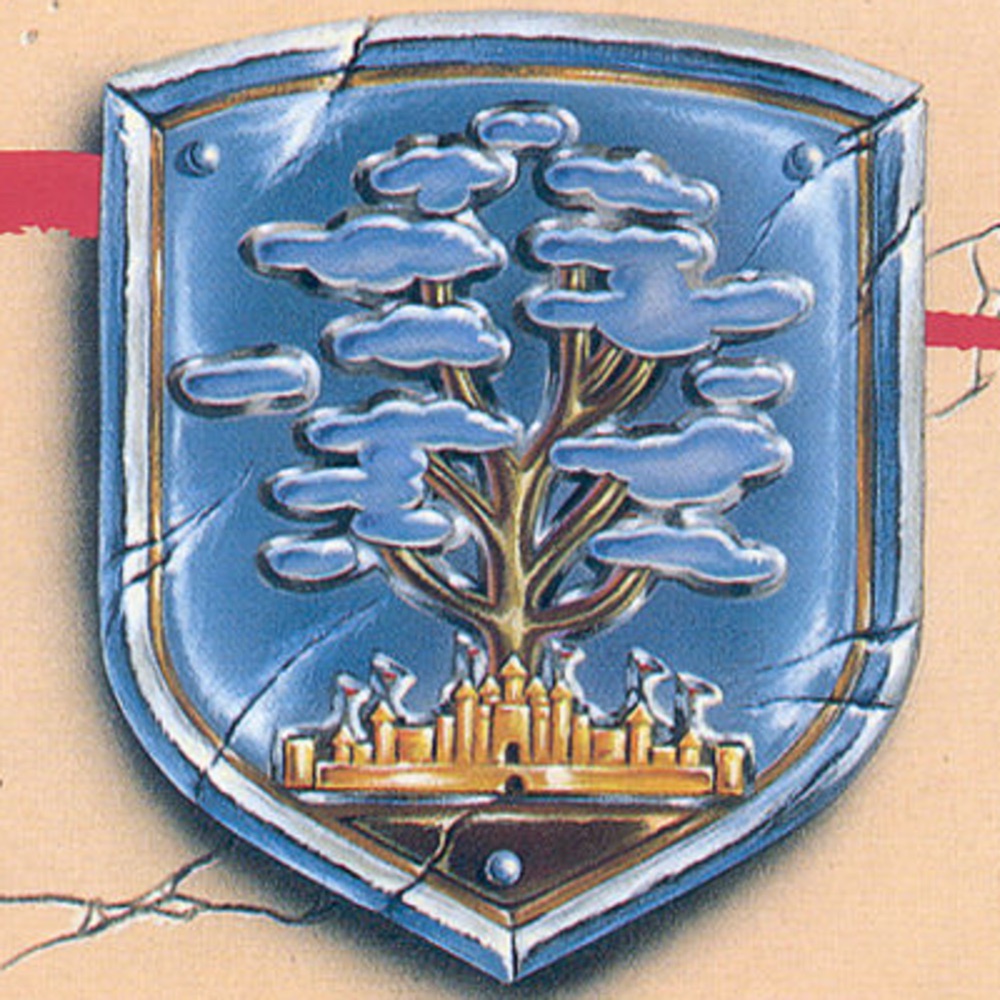
207 · Faxanadu
You are the elves’ last hope. Outside the town walls lurk monsters with the power to destroy anything in their path. Inside the walls, water and time are running out. Soon the ancient elf town of Eolis will vanish into eternity. Only you can save Eolis. No one else dares to venture beyond the walls, onto the World Tree, where towns and fortresses precariously await the whims of fate at the hands of the Evil.
Show Notes
Faxanadu Longplay
Xanadu
Dragon Slayer
Legacy of the Wizard
Xanadu Next
Tokyo Xanadu
World Tree
Faxanadu is a side-scrolling action RPG, a Dragon Slayer spinoff whose name comes from Famicom plus Xanadu. We spent the opening arguing over "Fuzanadu" versus Faxanadu, and Faxanadu won on our podcast. It's the game we kept comparing to Zelda II, and it fares well.
What works
- One world, one tree. The whole game happens on a giant world tree: towns at the base, mist higher up, a burning area where a meteor hit. Towns and stages are the same kind of space, so we had a real sense of place that Zelda II's top-down map never gave us.
- A first town that teaches. You press Up at doors, the king won't see you without the elf's ring, and you buy gear and keys, so the opening town sets up the whole game. Wander the wrong way and an enemy kills you before you have a weapon, which reminded us of the start of Bloodborne.
- Combat built on spacing. It felt stiff and sticky at first. After an hour or two we were reading enemies like a fencing match, and knockback goes both ways. One nine-hour sitting had us loving it by hour two. Enemies were never cheap, and no two screens repeat.
- Forgiving, not easy. Dying sends you back to your last meditation with less gold. There are no real pits, only holes that drop you to a lower area. After Dragon Warrior, that felt like the right amount of punishment.
- Mood. A restrained palette, detailed backgrounds, the eerie mist town where everything feels haunted. Everyone looks miserable and blinks constantly, and the smoking shopkeeper looks like Bill Murray.
- Passwords as lore. The gurus read out a pile of letters as your save code. Apparently everyone online mocks it, but we liked it.
What doesn't
- The keys. You buy Jack and Queen keys at a shop, they're cheap, and doors lock again once you leave. That adds backtracking and no challenge.
- Narrow magic. Spells only damage enemies, so we missed a healing or puzzle spell. Inventory also caps at seven items.
- The pendant bug. An optional tower hands you a pendant that, thanks to a bug, halves your power. There is also an optional tower literally called the useless tower. We wondered if the bug accidentally made the game friendlier.
- Small annoyances. Jumping over an enemy and getting slammed back to the ground felt unfair, and buying five potions means five trips through the shop dialogue.
Beyond the game
Later Xanadu games include Xanadu Next on N-Gage and PC, and Tokyo Xanadu, which is Xanadu Next with Persona-style teenagers. We also circled back to Legacy of the Wizard, which climbs down a cave where this climbs up. We talked up ROM hacks that fix the pendant and rebalance experience.
The bottom line
Essential. Two votes were enough to put it on the Essential Games List, and the third came anyway: we all voted it in. The combat repeats and the keys are a chore, but it stands on its own as a tight, cohesive adventure, and Joe said it made him as eager to keep playing as a modern game would.
Written from our conversation in this episode.
- Unlock doors of legend on your journey through Faxanadu
- NES Longplay
- Introductions
- I’m locking in on FA-XANADU and I’ll tell you why
- Overview
- Faxanadu is a side scrolling action role playing game very similar to The Adventures of Link but without a top down overworld. There is an overworld but it remains side scrolling
- Which is something that could’ve helped Adventure of Link in my opinion.
- Faxanadu is a side scrolling action role playing game very similar to The Adventures of Link but without a top down overworld. There is an overworld but it remains side scrolling
- Gameplay
- This game has a weird start. Just watching a guy walk and only hearing his footsteps
- Ring of Elf Trial - make sure you’re playing the game they want you to
- Combat - Adventure of Link
- I have a problem with hitbox detection on NES games
- Has the bad jump, but without pits (well mostly)
- Great magic system
- Exploration - Hallways. Weird locking out of past locations because of keys/set resets
- Land of Mist
- Dungeons - Similar to Zelda, where you have to figure out what you need to solve, not every room matters.
- Meditation save passwords
- Pendant coding error - A justification for romhacks
- Sequels and Spinoffs
- Xanadu came first
- MSX and computers it is a more basic version of this game. I think it would be hard to go back if you’re a fan of this game
- Is Faxanadu a fancy way of saying Famicom Xanadu?
- Xanadu Next
- N-Gage in 2005 (also PC)
- A 3D version of the Faxanadu concepts, but doesn’t feel or look similar. More following the trends of JRPGs at the time.
- Tokyo Xanadu
- Xanadu Next gameplay meets Persona
- Available on Vita and PS4
- This whole thing is a spinoff of the Dragon Slayer series. You guys may remember we played Legacy of the Wizard (DS IV) where you play as a family traversing a very complex underground cave with a ton of backtracking.
- Xanadu came first
- EGL
- Next week - Flying Dragon
Found automatically from the transcript and checked, but it can miss things or pick the wrong page. Spot a mistake? Tell us.
Games
- Faxanadu mentioned at
The episode's game, a side-scrolling action RPG set on a giant world tree, whose title the hosts debate how to pronounce.
- Xanadu mentioned at
The earlier Dragon Slayer action RPG that Faxanadu is a spinoff of; the name is a blend of Famicom and Xanadu.
- Zelda II: The Adventure of Link mentioned at
The side-scrolling action RPG that Faxanadu is constantly compared to, with an overworld map the hosts debate.
- Metroid mentioned at
Used as an example of a game with interconnected areas but no overworld map.
- The Legend of Zelda mentioned at
Its shield logo and manual presentation are compared to how Faxanadu's box art sells a grand quest.
- Dragon Warrior mentioned at
The previous week's turn-based RPG, used as a contrast for experience, gold, shops and saving.
- Castlevania II: Simon's Quest mentioned at
Another NES action RPG hybrid, mentioned for cryptic text and towns.
- Bloodborne mentioned at
Its opening, where a beast kills you before you have a weapon, is compared to the first town.
- Dragon Quest XI mentioned at
A recent game with a world tree, cited as an example of the trope.
- Xenoblade Chronicles 2 mentioned at
Another recent game with a giant tree, cited as an example of the trope.
- Final Fantasy IX mentioned at
Another game that features a world tree.
- Final Fantasy mentioned at
The original game, cited with Dragon Warrior as having ROM hacks that rebalance experience points.
- Barkley, Shut Up and Jam! mentioned at
The hosts wonder whether this basketball RPG was a ROM hack or a real game.
- Xanadu Next mentioned at
A later Xanadu game that first came out on the N-Gage in 2005, then on PC.
- Tony Hawk's Pro Skater mentioned at
The one N-Gage game one host remembers, from TV ads showing the vertical screen.
- Tokyo Xanadu mentioned at
A Persona-like action RPG built from Xanadu Next's gameplay, on PS Vita and PS4.
- Legacy of the Wizard mentioned at
The NES version of Dragon Slayer IV, where you play a family in a huge underground cave with heavy backtracking.
- The Witcher mentioned at
Used as an example of a modern game one host gets absorbed in, like Faxanadu.
- Flying Dragon: The Secret Scroll mentioned at
The next episode's game, another dragon-themed title.
Hardware
- N-Gage mentioned at
Nokia's phone and handheld game console, where Xanadu Next first appeared.
People
- Bill Murray mentioned at
The hosts joke that the smoking shopkeeper looks like him.
Film, TV and music
- Lost mentioned at
The TV show that one host was watching when the N-Gage ads aired.
Terms and events
- Yggdrasil mentioned at
The world tree idea behind the game's setting, a common trope in Japanese games and stories.
- ROM hacking mentioned at
Fan modifications of old games, suggested as a way to fix balance problems and bugs.
Articles, videos and sites
- NEStalgia Essential Games List mentioned at
The show's running list of must-play NES games, which this game joins.
Other
- Dragon Slayer mentioned at
The Falcom RPG series that Faxanadu's predecessor belongs to.
- RPG Maker mentioned at
The game-creation software that a Charles Barkley NES-era game is guessed to have been made with.
- Tales of mentioned at
The JRPG series cited as a trend Xanadu Next followed.
- Persona mentioned at
The Atlus RPG series the hosts compare Tokyo Xanadu to.
Auto-generated transcript. Each paragraph starts with its timestamp. Speakers are not identified.
Fuzanadu, unlock doors of legend on your journey through Fuzanadu.
And welcome to NEStalgia, a chronological exploration of every NES game released in North America. I'm Mike. I'm Sean. And I'm Joe. Guys, I'm locking it in right there. It's Fuzanadu. No, no, no. I see what you're doing. I watched some of those videos too. It's Fuzanadu. Like, you know, if you go to Europe, you don't have to call it Praha. Like, it's Prague. Like, it's Fuzanadu, Mike. Here's my two cents on this. It seems like the intention is for it to be Fuzanadu, but Faxanadu sounds way better. So I'll probably continue calling it Faxanadu.
It's de facto. Yeah, exactly. You can't convert me, Mike. Well, I exclusively said at the end of last week's episode, Faxanadu. And I don't know why, but that also sounds correct to me. But then, and I think Joe knows about this too. And Sean, I'm not saying you don't know about it. But the argument was, is that the game that it's like, you know, a spinoff of is called Xanadu. And the FAA is for Famicom.
Yeah. So like Fuzanadu. But I still don't think that Fuzanadu sounds anything like family computer Xanadu. Yeah. If anything, it would be like Fazanadu, which is pretty close to Faxanadu. And like, once you get into like a portmanteau, like you have to use the grammar and spelling of the word itself. So like, you know, if it's a fax machine, then it's Fax. You know, that's just how the letters come together. It's GIF, not JIF.
Yeah, this one was funny because like, usually we butch the titles for like, a whole nother reason. We've never really butchered the titles because we don't feel like pronouncing it the correct way. Like everybody's kind of agreed that Fuzanadu is the way to say it. And we're still like, no, screw it. I'm saying it's not, but you know, that's neither here nor there. Well, everybody's going to have a chance throughout this entire episode to take whatever stance they feel like, because I'm sure we're going to say the name of the game more than just now. So I welcome everyone. Any and all interpretations of Faganadu.
That's the wrong. That's definitely wrong. Yeah, careful. Anyway, so what we're playing this week is a, I'm going to describe it as a side scrolling action role playing game, very similar to a controversial game on the NES known as The Adventures of Link.
But without like the top down overworld. Obviously, there's a lot like other differences, but I feel like if you have the framework of what The Adventure of Link is, and you never played Fuzanadu. Well, now I think you have a better picture than if I tried to describe other intricacies of this game. There is an overworld in this game, but it's just more of like a, it remains side scrolling. And it's, it's kind of like hallways, not necessarily like free jumping between towns or anything like that. Guys, anything to add? I wouldn't even say, yeah, I wouldn't even say that it's like an overworld. I would just say that it's like a, it's just connecting rooms. Like the whole, it's all like, it's still like open world in a way.
But it, it's not, there's no overworld. Yeah, that's a good point because I guess what I mean is, is like, you know, in a weird way you do backtrack. Yeah. Throughout the game. So it's like, it doesn't encourage backtracking by any means, but like, I guess that's how I view a world map versus like a, a linear progression. Like this doesn't quite have that linear feel of like, you just always go to the next thing and complete the next level.
In the same way that I wouldn't say that Metroid has a world map or an overworld. Correct. Okay. I, I agree with that. And I would say that it even actually like encourages you to use towns as like, as like hubs at different times. When you're at this point in the game, you'll keep going back to this particular town.
And, and, and that's actually something that I feel like doesn't happen as much in an actual like overworld style RPG because you have a little more freedom to go anywhere. This, it feels like, it actually felt like I was like, I had a pretty decent sense of place because of the way these side scroller levels are laid out with like towns intermittently in between them.
Yeah. I went back and tested out some adventure of link stuff after playing for Xanadu and I, I kind of left myself with the opinion that adventure of link might've been helped with a more linear side scrolling progression rather than that top down overworld map. Cause they weren't gaining anything by it. Instead it was like creating interruptions between entering towns and random encounters. Whereas in this game, it's like all the fights, all the towns, all of the dungeons all take place in the same style of things. So they don't feel interrupted. So I thought that was a nice thing.
Yeah. Let's take a step back for a second. Um, the game is about a town or like, I guess a, an ecosystem of a, of an elf like city and a dwarf city and some evil being poisoning the water and making the dwarves evil. And now the water is all dried up for the elves and like the, the economy is depressed and, uh, everything's just kind of shit. Right. And I, I thought that because all of the levels sort of have that context, like they're sort of telling that story through the level design of, uh, like at certain points, like, cause there's like a big world tree that sort of connects the whole thing. Like a certain points are going through the world tree.
The fact that you are seamlessly moving through this, this, this location, this place that has context, whether you're in a town at the base of the tree or you're walking through the tree or up on the, the, the hill where the dwarves are. It, it, it, it all has that, that sense of place. Whereas with Zelda two, it's all atomized and you, you walk around this secondary mode of play to get to the next side scrolling area that, that makes it so that none of these places can really feel like they connect to each other in like even beyond, uh, like story wise. So, uh, that is my long winded way of saying I agree, Mike.
I, I, I just want to say that I, I also, I love, I love the way Faxanadu has done, has, has made this, um, this world and the way it all connects and everything. I think it's great. I don't, I don't think that it's necessarily like this is the good way and Zelda two is the bad way. I mean, you know, I'm going to defend Zelda two, but, but not just out of spite here.
I do think that, um, that like the Zelda two does accomplish something. Just, it's just something that's different than what Faxanadu wanted to accomplish in which you have this freedom to roam and it feels a little more like Zelda, but then it adds these, these sidescrolling, um, levels into it. I don't think that it's a negative on Zelda as much as this is just its own positive on Faxanadu for like this unique style.
And if you want to step back even further, the, uh, the box art and manual for this game, like Sean was doing a great job of explaining the, the lore and, and concepts of the story of the game. But even just like the feeling of a grand adventure, right? Like that font for Faxanadu, uh, on the box art itself and the, and the way the manual covers like all the different aspects of the game. I feel like before you even put this game in, it does a great job of selling you of like a, a grand quest, you know? Uh, very similar to the way the original Legend of Zelda did with the, um, the shield icon and the, the script of the Legend of Zelda and the way it presented itself. I, I, I saw some parallels there as well.
We should talk about, um, the gameplay, but I, I feel like that's a vague thing to, um, to describe because, you know, last week we were talking all about, uh, Dragon Warrior and that's an RPG and has a lot of different moving mechanics too. But this game in many ways has very similar conceits of like experience points that you gain, gold that you collect, towns that you visit and, uh, upgrade your, yeah. Upgrade your gear and your weapons or talk to people to get clues on, on what to do. But it's, it's nothing like Dragon Warrior and not just because this is what some people might refer to as an action RPG instead of a, uh, turn-based RPG.
But I, I feel like there's something else that's different about that. What were you guys' initial takeaways on this style of game? Uh, Sean, we'll start with you. I mean, I'd say that, uh, that there's a huge difference in quality between these, but it, it's very much like, I think that Zelda 2, Vexanadu, Castlevania 2, uh, like they're all kind of in the same genre, um, of this weird, uh, mesh between standard or, or like classic RPG and side-scrolling action.
Um, and like, they all have different, uh, game mechanics that like separate themselves from each other and also, you know, just feelings of quality that separate themselves from each other. Um, but I mean, that's, that's sort of what I would liken it to the most, like this sort of, this micro genre that's come out of the NES.
Yeah, I'll say it, it did feel similar to all those, but also in its own way unique. And I don't know if that is just like the feel of it made it, made it feel different or, or like the little nuances, like the way you, you can get these different magic spells that, that work in this action, um, sense.
This one to me felt like really a lot, somehow it felt a lot like a traditional JRPG. Like, like, even though it's not turn-based and it's side-scrolling, which are like the two, like, most prominent features to a lot of like JRPGs that we played, you know, that we would have played in this era. This feel, this has like the, I don't know, it has like the soul of it in there. And I think a lot of that is just the, that feeling of exploration, that feeling of gaining, of gaining, whether it's experience or it's, uh, new armor, new weapons, and actually getting that like RPG sense to, to your character.
Yeah, I think that makes sense because, you know, you have to remember this is just a spin-off game in the Dragon Slayer franchise, which is a, uh, a JRPG franchise. And, you know, this is no different. And so it has familiar tropes and all that. But one thing I thought they handled really well at the, you know, just like the starting impressions of the game is the way that you, um, you aren't just like thrown into combat right away.
You're thrown into, um, first off, the, the challenge of entering a town. If you don't, uh, read that manual, you might be confused on how you even, uh, get inside the town, but, uh, you just have to press the up button on the D-pad next to doors. Yeah, that was the first problem I had. Yeah. But it's like, uh, so little things like that actually impressed me, even though I was also, uh, having a problem with that, Sean. I couldn't understand how I had gotten through, but I just did.
Um, but those things are great because last week we were talking about Dragon Warrior just throwing you out there and being like, yeah, if you want to go, like, explore the entire world, you, you know, there's not much closed off to you and it's at your own peril, right? Whereas this game says, like, hold on a minute, you know, you're going to have to figure out how to do certain things. And so that first town in some ways is a great tutorial for the rest of the game because I'm thinking about even, uh, they won't, they won't let you talk to the king unless you have the ring of the elf, right?
So that's making sure that you're playing the game the way they want you to, that you're going into every, uh, you know, uh, house in the town and talking with everybody to, to gain intel and to just see what will happen with these, with these story beats. Because if you just rush to the king, they, he won't even see you. But also, um, you know, that idea of, of talking to everybody in the town is something that is, you know, important in these kinds of games where they don't communicate story beats through cut scenes or through, um, you know, a map that you can see like, oh, you're at this part of the dungeon and you need to go to this part of the dungeon. Like that doesn't happen in this game. So you have to collect all the intel.
And I thought this was like a smart way of setting up, okay, get the ring. Okay. Then talk to the king. Now he'll give you, um, you know, your, uh, your stats and your, uh, gold. And then from there go spend at the, uh, armory of what you need so that to get through, but also there's keys that you need to buy. And I'm not saying that the keys were a great implementation. I think we can talk about that in a minute, but that's another thing that like, they're setting up for you. Everything that you need to do for the rest of the game, combat aside in this very first town.
Yeah. And speaking of those, you know, of, of that need to talk to everyone and get your information that way, I was pretty impressed with this game, uh, and its ability to like really give you useful information. I mean, there definitely were translation issues throughout, but not, there was never that issue of, of that feeling that the, they had this character limitation in their text boxes that I think it was Castlevania too.
That had a couple of them that was like, okay, I guess now that I know what it was trying to tell me, I can, I could, I could somehow distort these words into that meaning, but they're so limited for some reason on their, on the characters that they put in a text box that like, I have no idea what it's actually telling me to do, or it's like so cryptic that, that I would never figure it out.
Whereas this was like pretty, they were all pretty explanatory and it made me really feel like it wasn't futile to go into every house that I see and talk to someone because they might give me some information that, that, that either helps me on my next quest or stops me from making a mistake later.
Um, and, and that's how I, that's how a game like this is supposed to feel in my opinion, where you, you feel like you're living in that world. You're talking to the people and you're learning stuff, you know, it's, it's that happy medium where you're not getting just, you're not getting just cut scenes of text that are just telling you things, but you're also not completely blind and like have no idea where to go. Just like the very useful tips in Zelda 2, the adventure of Link, such as I know nothing and I am Eric.
Look, if I, if I'm going to, if I defend Zelda 2 for this whole episode, I won't talk about Faxanity. So, you know, I, I, I won't say it's perfect, but we all know where I stand on Zelda 2. All right. I'll, I'm going to, I'm going to bring this back here. Um, on the topic of the first town and just like the introduction of this game in general, it, it brings up something that I will continue to bring up through this game. And that is that it has great presentation, like not like you're, you're introduced to this town that apparently, you know, like you're from, or you, you've been here before.
Um, but as you're walking around yet, you get like the gist of the place from the locals. You get the story of like why everything is shit. Even when you, you like sort of veer in the wrong direction, like there's already an enemy in the town and like that kind of like storytelling through the environment, I'm always a big fan of, and we'll always, we'll always call out.
Um, and the fact that like, it kind of reminded me of the beginning of Bloodborne because in the beginning of Bloodborne, you wake up in this room and you start to like, like move forward. And you think like, okay, now I'm just gonna, I'm gonna go collect some equipment so that I can actually fight. And before you get any equipment, you, there's like a giant like werewolf in there and it guts you. It kills you immediately. I mean, it's possible to beat it, but not on your first playthrough.
Um, and sort of walking in the wrong direction and seeing this enemy in the town was sort of that to me because you don't have a weapon yet. Um, before you talk to the king. So you're just this very, uh, this very flimsy character that is going to die immediately. And it even does like, you know, don't fret, uh, don't have bad thoughts. And then you, you wake up and then you continue on. It really kind of felt like that to me that, that first, it had a great first impression with this town.
Yeah. I felt, I felt that, that way, um, as well with the presentation throughout the whole game. And, you know, just to, before we, before we start moving on and talking about everything, I want to like, I want to really, uh, specify for the listeners, for anyone who hasn't played this game throughout. But keep in mind that like every level that we're talking about, like this, this town that Sean is talking about is at the base of the tree of the world tree that, that, that he mentioned in his overview, which this whole game, everywhere we go takes place on a part of this tree where it's like, we're going up this tree.
And like, yeah, if you didn't know that maybe it wouldn't be so obvious, but like knowing that from the beginning and going up the tree and like seeing all the different towns and all the presentation and the storytelling that's done through like the different parts of the tree you're at and like what, what has happened to it and like problems that are going on it.
Like that makes this game feel so like well thought out to me when I, when I, when I have that in mind as I'm playing where I'm like, there, there's a, there's a cohesive story that they wanted to tell here. And just something about that environmental storytelling of like this whole game taking place on this, this fantasy element that we don't really see that often of like this life tree that the whole world seems to exist on or the whole world that you're playing on is just a really, a really cool thing to know.
And I feel like we'll probably get into this more later, but I, I don't want to get into all the extra levels without everybody who's listening to like knowing that like, this is the context of everything. Cause I feel like that's really, that was really important to my experience of the game.
And Joe, you're right. We don't see it too often, but I think for whatever, for whatever reason, like a world tree or like a gigantic tree that like takes care of the land is a, is a Japanese trope. Uh, it, it, it is familiar in both like anime and in video games as like, as recently as Dragon Quest, um, uh, 11 had it and Xenoblade, uh, Chronicles two had it. Like, so there is like, there is some kind of like Japanese folklore behind. Oh, sure. Sure. And, and that trope I'm, I'm more aware of with like, I know, I think, I think in Final Fantasy nine that exists too. I'm trying to remember correctly, but I've definitely seen that trope, but I just mean that the, the, the setting of this whole game is the tree.
So like, that's the context for everything. Like you, you are the whole game takes place on the tree, unless that's what you're talking about. No, no, no. I think that's great. I think that's a good point to make the distinction of that. This feels more cohesive than even other side-scrolling action games that we've played.
Uh, you know, but I don't want people to think like at the end of the day, like the gameplay as, as Sean mentioned with Simon's Quest two, like, you know, Simon's Quest two is also a world where it's like Transylvania and you're just going, you know, between towns and stuff like that. Like it's cohesive in, in that sense of, you know, climbing the tree and scaling the tree. Sure. But like each, each area that you go to is, um, is distinct and different. It's not, uh, it's not like the same look everywhere you go.
Yes. But it's still like contextualized through this, this land kind of. Yeah. It felt to me like, you know, it's like, oh, okay. There's, you got middle earth and you got, you know, you got these other like fantasy worlds, you know, you got Narnia, you got everything. And this fantasy world is a tree. And I just thought that was cool. Like, that was just interesting. It's not a land, the whole city, the whole whatever, not city, but the whole country or the whole nation or whatever it is, is a tree. And that was just interesting to me. It sounds really dumb when I say it too many times. Tree's a funny word. Tree's a funny word.
The, the, the Jack key is available to you and they just have like, it's just key with a J symbol. And then you get a key with a Q symbol later for queen and stuff like that. Um, you have to buy these keys in order to leave the town. And then you also have to stock up on them in general because you don't know when you're going to need that key of Jack next for a different location.
And I don't know, like we're, we've already seen like a lot of implementations of keys in dungeon based video games, handling it a lot better. So I'm not quite sure why they made the decision to have like a key shop where you have to buy and stock up on keys. And that every time you leave a town like, or an area that requires a key, you have to have that key ready again in order to reenter those areas. It seems like something that could have easily have been solved even with NES tech to just like, once you find this key, whether it's talking to somebody, completing an objective, finding it in a dungeon. Once you, once you've found the correct key and can then unlock that door, then, you know, that door stays permanently unlocked.
Of course, the problem with that kind of thing is that you run into, uh, you know, that like, it's that specific key for that specific thing. And so you're gated from everything else. Having the key of Jack be like specific for some doors, but the key of Queen for others, like having that be the system allows for, I guess, more experimentation and going to areas that maybe you necessarily shouldn't have been. Which is great, but I can't help but feel like you could have also then just made the keys that you find incredibly generic.
And once you find them, it's your decision, which door you want to open with similar to what Legend of Zelda did with the dungeons where it's like you, you know, there's enough keys in there to go through every room, but you also don't need to go into every room of the dungeon to do everything that you need to do in the game.
Well, one thing that I didn't really get about this mechanic is like, it's one thing to have this key seller and have to like sort of go back to the town. Once you find a door that's locked in like, okay, I got to get the J key or the K key or whatever the hell.
But what I didn't understand is why they're also cheap. Like you can find the gold necessary to get as many keys as you need pretty easily so that all it really does is make this like a frustration feature. Like, like, like, oh, I have to go back to get the key that costs $100 or 100 golds. Sorry. Uh, 100 golds to, to get it, to get a J key so that now I have to backtrack to get this. I, it's either like it would have made more sense for it to be like, you need to have like, like a certain amount of experience to get through this key or you find the keys throughout the levels instead of this kind of. Almost useless, uh, act of buying them because again, they're so cheap. I don't know what you guys thought about that.
I say, well, so before I, before I, you know, um, jump into that, just the, the problem that I had with the keys specifically, um, was, was the fact that the, that the doors don't remain unlocked. That was really annoying because there is backtracking involved in this game. So like, I felt like I shouldn't have to buy another key and, and take up another slot in my inventory to open a door I already opened.
Um, as far as the, like having to backtrack and like having these, these keys that aren't that expensive, I think it was in some senses a good, in some senses a bad thing. I, like, I actually, I think that there were times where that, that enhanced a little bit the exploration of it where I ran into a door and like, oh, there's a Q symbol on it. I haven't run into a Q symbol yet. I haven't had access to the queen keys yet. I don't know what that is.
And, and I'm making that, maybe it's not the queen, but with, with, with one of the key types, this has happened. And, and then later on I find a shop that sells these and I'm like, oh, I wonder what's in that door. Now I can go back and check out that door. And, and there are other times where it's, you know, it is just like part of my exploration is like, I came across this door. I can't open it. I'll keep going and I'll make a mental note. I should, I should pick up a key. It's just that little bit of immersion of like going to the town. I mean, I would have been more frustrated if the keys weren't as cheap as they were.
But like, I think it's like not a perfect system in general, but, but it didn't, it didn't feel like a really negative thing to me other than the fact that the doors don't remain unlocked. Granted with that said, where I left off, I, I, I got pretty far in the game. I think I'm only like one or two like stages from the end and, and where I sort of stopped.
Uh, at least for now is somewhere where I got kind of stuck where I need keys that I don't have. And I have to backtrack to get the keys. So I guess that, that, that ended up being kind of an annoyance to me, but for the majority of this game, it didn't feel like an annoyance. It just felt like another thing that like makes me feel immersed in like stock up on potions. Like, Hey, were there any keys that I remember seeing that I need to grab? Let's grab one of those. Or if I feel comfortable enough, not having my inventory full of potions, maybe I'll, maybe I'll take a, take a bet that like, Oh, I'll probably need a J key again at some point. So maybe I'll grab one now.
Yeah. And you're not, you're never that far away from where you need to go to get keys. So again, it's not, it's not a, a huge problem, but I did find it to be that kind of annoyance.
And Joe, you reminded me that the inventory system in the game limits the amount of things that you're able to hold, I think to seven items, not in that counting like your armor and weapons and stuff, but just like in your potions or keys and stuff like that. And that is, that is okay with me. Like I'm fine with, you know, being like, okay, well you can only have so many life-saving potions that you can buy again, pretty cheaply, just like the, uh, the keys. Uh, but that, you know, you, you can't have more than seven on your adventure through a dungeon, which to be honest is plenty enough, you know? But I still don't think that that's an argument for like the keys being part of that management.
Like keys can just be something next to experience and gold in the UI screen. Like, I'm not sure, uh, that needs to be something that you, you know, you actively manage in terms of like, oh, gotta go back to town and buy more keys because they keep entering and exiting this dungeon. Yeah. I mean, I, it's an interesting way to do it. I think that the fact that you have to keep entering and exiting the same dungeon that needs the key. Yeah. That is exactly what I think the problem is with it. So it's like, yeah, you got to keep going back.
Yeah. The management thing, like, I don't think it's the best way, but I just think it's a way to do it. I don't think it's like a, I don't think I didn't find it as much of a negative if you were to take out the other negatives.
No, I agree. And we're probably, uh, we're probably rolling on a little too long because we haven't even talked about the combat yet, which I guess is the, the next step. If we're following, like, you've been in the town, you visited the shops, you bought the keys. Now you're out in the, uh, the world of the tree and you're going to run into enemies and you're going to have to deal with those enemies with combat. Uh, very similar to adventure of link with, you know, you have your sword, you have your shield and, uh, you have magic that you can use too.
What did you guys think of, you know, don't, don't pretend like you're, uh, you're fully equipped, right? With all the magic you have in the entire game or anything. So like just, just when you're starting out, right. And all you really have is your sword and, um, the initial, I think it's like a fireball, right?
It's called deluge, but yeah, it's just a projectile. Great. Okay. So, and you just have that, you know, and that's how you start out this game. How does combat feel like right from the beginning? It's not, it's not crazy bad. It's also a kind of sticky in some cases, but it, and you know what? I think I, I misrepresented it already. I think it's perfectly fine. Um, the, uh, the enemies are designed in a way that I think the, the, um, the skill that you will develop when you, um, as you continue to fight these guys.
Is your spacing. Like you're going to want to make sure that you are a certain distance away from these guys. Uh, because whether they're jumping or they're firing projectiles, like you, there's a lot of timing that comes with, um, uh, their patterns and you trying to move forward at the same time and not trying to take damage. That said, you do get a lot of health. Um, I'd say the controls were a little sticky, um, and there's knockback, which can also be a little frustrating, but that's, that's part of it. Um, I I'd say that it, it definitely feels, um, not like a cookie cutter from any other game. Um, but it's not doing anything too crazy either.
Yeah. I mean, it, it feels, it feels like some, a little bit like, like a variation of different things that we've seen before. Um, and I did, especially at first notice a little bit of that stiffness, that clunkiness and it, and it got me hit and, and dead quite a bit, um, early on. But, but I'll say that it is, it is like something that you get used to very quickly.
And, and I feel like by the, you know, by the time I was like, you know, an hour or two into this game, I had gotten pretty good at, at understanding the movement of this game. Cause like at first, especially like even just the jumping, if you're in combat, you're trying to jump over something or even just the platforming is not, is, is very stiff. And like the, your attack is stiff and, and there's that knockback. But after a while, like I got really used to it and I got, I feel like it felt really good after a while to actually, to actually engage in combat in this. And that knockback that you have, the enemies have too, which sounds like a given, but there's so many games that we've had where that just doesn't exist or it's so minimal.
But like, I really feel like I'm like wording this, this enemy back when I, you know, you hit it once, it gets some knockback. You can kind of gain ground on it. If it hits you, it gains ground on you. Every battle feels a little bit like that. And, and there are different, you know, magic even sometimes affects it differently, not just in like how it hurts them, but how it knocks them back. Which like, once you start getting different magic and stuff, makes it, it makes it interesting. And it, it's, it's, it's just, I guess I'm just trying to say it was weird how much of a different opinion I had when I started this game, as opposed to even when I was a couple hours into the game as to like how good it felt.
Cause at first I was kind of like, okay, like this is, this is good, but it's not, it's, it's, it's got a little, some of those problems I've, I've had with it in the past. But after a while, I mean, I played this, um, I played this actually like pretty straight through in like one, one long sitting. Uh, I played for like nine hours because I just didn't have a lot of time to play before this.
So I played like nine hours straight and like by the, by like, by hour two, I was like, I am loving this combat system. I was feeling, it was feeling like I had like a flow feels like the wrong word because it is sort of stiff, but I just, I just felt like I really had a handle on it. And I think that that means that there's, that there's some, something going on in the, in the way that the game moves that that's working.
I guess I never really, uh, thought about it in the context of, or I'd never really, it never really registered with me that I was inflicting knockback with my, um, attacks as well. Because I guess that's why I, I was sort of describing the combat as more like spacing base, kind of like fencing, uh, even though not all the enemies have like a weapon.
Some of them are just like jumping at you, but that is sort of what you're managing throughout the whole game is just like the distance between you and the enemy, um, at any given time, just to like get that, that perfect hit in. Um, and then that knockback is sort of your reward. Um, even though, uh, this might be just something that I was feeling, but that that's sort of how I was, I was thinking about it.
Yeah, actually, similarly, I hadn't thought of it that way, but as you're saying that, that's exactly how I was feeling was like, I can tell where like this enemy is going to end up. And if I, if I do it poorly, he's going to hit me, but if I get myself in the right spot, I'll be able to hit him. Um, the spacing comment is, uh, the one that rings most true for me, Sean, because, uh, you know, you saying fencing, I think we said that about Zelda 2 as well.
What I really like about the way the game handles the spacing of even just its enemies and you is that you're never really overloaded with enemies, but also the way enemies behave in this game, uh, isn't something where like, you know, uh, in Castlevania, uh, there are enemies like those little, um, those little gremlin characters, you know, that hop like really radically and like all over the place.
And they, uh, you know, like they're, they're just a nuisance to deal with because the weapons that you have and the way that they move and the size of them on the screen, it doesn't like correlate to a fun experience. It's more like a, I hate when that enemy shows up. There's really no character in the enemy in this game that feels like that where you're like, oh, I can't believe I'm dealing with these guys. Like they, they included some annoying characters, like those bumblebees and stuff like that, but they're not like, they're never cheap.
And the amount of characters on screen and the amount of like space in a, in a particular like screen that you're on with the amount of enemies they provide with you makes it, uh, you know, a fun challenge of like, how am I going to deal with the, the platforming and the way that the enemies are laid out? Because, you know, you could be dealing with like two, uh, two different enemies, right? But there's, because it's always, it's never on like flat ground, right? There's always like either ladders that you can climb or, you know, different platforms to jump onto.
There's like a way to think about how to take on the enemies on screen. And yeah, they'll regenerate if you go back to the next screen, which is good for, you know, farming experience or collecting gold.
There's never, no, no two screens are the same either. So you're always running into a different way of dealing with encounters. So combat never gets stale in, in that, in that sense, you know, the only time combat gets stale is if you were up to the task of grinding, which I don't think the game necessarily forces on you, but you can get stuff earlier by doing it as such. But I really just appreciate the types of enemies that they gave you while increasing the challenge as the game went on too, but never giving you anything that felt cheap or unfair.
The one thing, and I think this is a me thing, uh, cause I've said this with multiple games, is I still had problems with like the hitbox detection where like sometimes my sword would just be like, I feel like I would poke it at their nose, you know? Like it wasn't enough to do any critical damage, but I was like, I'm just right there. Yeah. I, yeah, I never had it with me inflicting damage or maybe I didn't. I just wasn't really noticing. I had it more when I was trying to avoid damage, like jumping over, uh, enemies. I'm like, I definitely cleared that guy. But like when you're jumping over someone and you get hit, you kind of get teleported back to the ground and you just have to live with yourself. It's like, that is very punishing.
Just that feeling of getting slammed back down to earth. Cause in a lot of games, like if you, if you're jumping, you take damage, like it gives you feedback. You either flash or your, your jump gets disturbed in some way or like, it's not the same arc. But like when you get hit, uh, when you just like clip the guy's hitbox by a, by a pixel and you get slammed back down, it's just like, Oh my God. So yeah, it wasn't offensive for me. It was more that defensive big hitbox.
And another interesting thing about that knockback mechanic is, you know, we've seen that in other games, uh, where if you get hit by an enemy on a platforming like stage, and then you get knocked by the enemy so bad that you fall into the pit and die. You know, that's like, that's a NES gamers worst nightmare. Cause it happens so often in this game.
Yes. You can fall into like holes that knock you down to a, um, lower part of the dungeon, right. Or the town that you're exploring, not town, but like the overworld area that you're exploring to get to the next town. Like that can happen, but there are no actual pits in this game. So it's never a major consequence, but it is, you know, there is some punishment involved with, with what's happening.
If you happen to fall through these things now, granted, they've also turned that into puzzles sometimes where you want to fall through a pit to get to an area that you couldn't have got to otherwise. But I think like, you know, that's an interesting trade-off for knockback, right. Is like, it adds an element of feeling to, to being hit, but it also like does something in progression wise that we haven't seen with most games and that there is no game over or fall damage taken. It's just, you know, a, uh, a progression setback. Yes, exactly. And I, I think that that's a lot, uh, a lot easier to deal with, um, than, and a lot less frustrating than a one hit death.
Yeah, definitely. And I think that if this, if this game did have those like, I don't know, stage hazards or, or like pits or, or even like spikes or something like that, and you kept getting knocked back, like there was this amount of knockback into those kinds of things. That would be a frustrating and, and, and, and sort of unfair feeling experience. But because of, because of the layout of these games, I think that the knockback, um, yeah, it doesn't give you those problems.
This is sort of like a forgiving game in general. Like it never, like you're given a lot of health, a lot of mana. Uh, you can't fall down a hole. Um, uh, you're only really ever losing a little bit of progress at a time. Uh, did you guys feel the same way? Is this, is this an easier game?
I think so. Because it also, you have to remember when you die, you just go back to wherever you last saved with, uh, the meditation stuff. Uh, those, yeah, those guys are the gurus and, um, you, the potions restore you back to full health. So like, there's a lot of, a lot of forgiveness, but I think it helps in these earlier NES games where they're trying to tell bigger stories, right? This isn't the same thing as, you know, level one, level two, and like seeing how far you can go before you die, right? It's a, it's a totally different kind of game.
And so I kind of appreciate it just like how we appreciated Dragon Warrior, uh, you know, being able to just save by, uh, talking to the king. And like, if you die, it's not like, well, when did you last save? Because that's where you're going back to. Like, you just lost some gold. I feel like that's the appropriate level of punishment in these older games. The whole, like, reset back to the beginning of a game or even like back to where you last saved.
Well, maybe not where you last saved, but, you know, definitely when, when it's game over, I'm going to view those games a little harsher now that we have had games that have been a little more forgiving. Because as history shows, forgiveness in, um, you know, skill level is something that is appreciated by almost all video games now.
Yeah. And I think that this game being, being easier, and for the record, I don't think this game is easy. I think it's just easier than a lot of games. And I think that makes it like much more accessible than some games where it's like, I don't have to get really good at this one specific, really Nintendo hard game. And maybe that's just like the 90s kid who didn't grow up with these games in me.
But, but like, this felt much more accessible than a lot of other games we've played that were right out of the bat a lot harder and a lot less forgiving. But like, I don't think this game is like, oh, you know, here's a, you know, here's, everyone's happy and here's a really easy, like, walk in the park for you. But it, but it was like, not like, okay, you have to, you have to practice, you have to actually practice this game before you could really start going anywhere in it, which I feel like a lot of other games have been.
I'll even say that I do think that this is, because it's, I think like the combat is a little easier than combat in Zelda 2, that I think that I could see the argument that this is a little more accessible than essential game Zelda 2. Well, if you remember Zelda 2, though, there was like two different types of combat. There was the random encounters on the, and they weren't random, you walked into them, but they like spawned randomly.
You know, encounters in the overworld. And then there was the dungeon style combat. Now, this whole game takes the dungeon style combat where everything is also like in, you know, involved in progression and the layout of the particular dungeon you're in, which is arguably the best part of Zelda 2. Because when you're running into the more random encounters just to grind up for experience and such, they just put like, either it's completely flat land or they put like, you know, some, some blocks to, to add a, a place to, to have to jump over or for enemies to be unable to reach you. They just place those things throughout, depending on the location you're in. And it doesn't feel as purposeful.
Whereas this whole game, like every screen does feel like they at least thought, oh, well, we should put an enemy here because just even based on the simple coding we did where enemies always just, you know, they're like heat seeking missiles. They have to go towards the direction that you're in. Not even if it's makes sense for them, but just that's how they behave. They at least placed enemies in ways that made sense then based on like which screen you might enter in first or, or such. So I do think even if the combat is easier because, you know, you have, it's more forgiving in terms of amounts of hits you can take and, um, and the amount of enemies that they put on a screen.
It's still thought about, like, it's not just like, oh, it's easy because there's only, you know, this one enemy, one or two enemies on every single screen. It's just more thought out and more like the whole idea of the game is just to continue building experience, getting new armor, new weapons, new magic, and furthering this, uh, this quest that you're on to, um, to take down the evil one.
Yeah, absolutely. I think this, this whole game feels like, um, yeah, like you're getting stronger as a warrior and taking out these monsters. So, so it takes a lot to kill you after a while, after you get good at this game. And, you know, some enemies do way more damage than others. Some are like actually devastating if you get hit. But for the most part, like, it feels like you're this warrior and like what's going to kill you is being out in this dangerous area for too long or getting hit by too many enemies over time.
And, and, and whereas Zelda 2 felt a little more like sometimes I would, even in those side-scrolling dungeon levels, I would get into like, I would find an enemy and it would be like each of the, like each encounter I kind of got into felt a little like a one-on-one duel. Like, this guy is almost as powerful as me and like, I have to really think about like, how am I going to get past his shield before he gets past my shield and, and, or something like that. Like I have to jump and like avoid him more as if he's like a one-on-one enemy, which I, I think they're both interesting ways to go about it in their own right. But like, they just make the games feel, feel different.
We were giving our impressions of the combat system and I think we went pretty in depth, but just to continue that conversation with the, the magic system and, and the progression of combat in general, like, you know, you're given access to pretty much everything that you will do in the game at the start of the game. But then it evolves in terms of the, the magic you have, the weapons you have, the armories that you have and stuff like that. Does the combat actually feel, we mentioned that you're feeling stronger, sure. But does the combat actually feel like it changes based on the magic system and what you learn throughout the game?
I think so. Yeah. I think that it's, it, one, because of the enemy variety. I mean, there, like I said, I'm really, I'm, I'm many hours into this game and I'm still getting introduced to new enemies that do new things, which, which changes things up. And then also like, yeah, the weapons are, you know, are like usually just like a longer version of your last weapon that does more damage for the most part. But like, you know, that does make you think about things differently. Like you get, you get weapons that can hurt enemies that you couldn't hurt with a previous weapon at all.
And the magic, some of the, I guess some of the magic affects things in different ways. I mean, you know, there's not a ton of magic variety, but you know, I know there's one spell that like knocks things to the back of the screen and is good for like crowd control or like giving yourself a second. And it actually became very useful. And apparently that's an optional spell. Um, so, or like an optional spell to even find it. I think they all are.
So I guess they're all optional, but like some of, I think the one, the fire spell I'm talking about is not like, you don't find it in a town. It's like a, like a side area where there's a, where there's a, there's a hidden, not hidden, but like a, a missable shop. Old man with a beard. Yeah. Um, so for like, for that element, like, I do think that I, I felt like it was evolving, you know, it never got like crazy different than the beginning, but it felt like it was always, uh, the next. It was the first step in the progression of the combat.
Yeah. And even, even little things like, and it's like, it's pretty early when you get the, the, the small shield. But when I was playing it without the shield, like everything hurt a lot. And then once you get the shield, you can kind of, you know, tank a little bit. You can sacrifice a hit or two, um, just to make the, uh, the rest of the combat a little more fluid. Like it's just tiny things like that, that it does make combat a bit more dynamic over the course of the game as you're leveling up. Yeah. And I think even the magic system in this game, you know, it's weird to compare it to dragon warrior, but we were kind of dunking on that because it didn't offer like a full experience of what we expect with an RPG.
And, uh, even just, even just the names of the magic wasn't really satisfying enough. But in this game, you won't, you don't like get like a ton of different magic, but because it happens, you know, in this side scrolling action format, the magic does feel different enough that, uh, you know, whether you're doing, uh, the thunder projectile or the death projectile or whatever, like it feels like you are advancing. It's not like a ton of magic, right?
Different looking projectile that basically does the same thing, but attributes more damage points to the enemy. I guess that's also just a, um, uh, just a symptom of like, this is a game where you are one-to-one interacting with the environment. Whereas dragon, uh, dragon warrior is just, you decide to cast it and it happens and then you continue on. Uh, I guess, I don't know if I'm, if I'm saying that clearly enough, but since you're, you're on the ground with your, your character, instead of choosing from a menu, something to do and then moving on, it, it feels a little bit, uh, a little bit more satisfying to do.
Yeah. And then they even make like the items that you can just like buy readily, like the wing boots or the hourglass or the, I think it's the matic, uh, the, the little pickaxe. Yeah. Um, you know, these items that you have, those almost feel like they could have been spells that just have different, you know, different uses than attacking enemies.
Like it's, it's kind of interesting that they left magic to just be what I think of as final fantasy black magic stuff that like just does damage to characters rather than having any form of, you know, white magic where it's like things that affect the environment. Now, granted they do have those things in the form of items, but I wouldn't, I don't know. Why can't you have like a fly spell or a time spell where you stop? Like a TM?
Yeah. Yeah. I was surprised that there wasn't even like a heel spell. I was, I knew, I was like at some point I knew from the beginning of the game at some point I'll get a heel spell, but no, there was no heel spell, which is fine. It's just not, you know, I think it just, it, uh, subverted my expectations.
There's enough bread loaves. Yeah. That's true. In some areas. Yeah. And then, you know, there's enough red potions, I suppose that like you don't need to have that spell. I guess I was just surprised that they only thought of magic as a combat based thing and not as like a, you know, a puzzle solving mechanic throughout the dungeons. That would, that might've been interesting to, you know, lock something behind a certain magic that you need. Well, I guess in a way, and I know it is still an item, um, but like, yeah, the magic boots, like one of the first things that you have to do is to use the magic boots to, to fly up, um, and start of, and sort of like start the, uh, the fountain setting quest.
Um, which I thought was pretty cool. And like, yeah, it is an item, but at least it's not just like, oh, I killed this boss that was, uh, that was protecting the, um, the fountain. It was actually something that you had to do out, not what, not quite outside the box, but it was a more unique interaction with the game to, to move forward. So whether it's through magic or an item, uh, it's still, I think a, uh, a more interesting way to go about it than just straight up like combat through everything.
So forget about the enemies that you run into as you're exploring from town to town or going inside these dungeons. What is the exploration mechanic of this game? Like, is there, are there forks in the road here? Are there interesting paths that you can take? Like, or is it more just like a series of hallways that, uh, you know, that we see now is like loading screens in games, but like mostly just point A to point B to get to your next dungeon beat. Uh, which path do you guys feel like, uh, Fizanadu took? It seems like it starts out kind of open and then it narrows.
Um, but that also could have just been my... Sure, and I think that's what we're interested in, right? Is like, you know, there's one way of looking at it, right? Where you could just like pull up the strategy guide and look at the maps and decide for yourself, right? But I think it's important to think about what your gameplay experience was like too, because you might have just continued to be like, well, the dungeons are the progression in the game. And for me, exploration is just based on, you know, moving along story-wise.
So I don't need to like explore every nook and cranny of everything. I just want to get to the next dungeon, if you will. And I think that my, like, and this may just be, uh, like just rationalizing, but it almost makes sense in, uh, the context of the game where like you're at the base of a tree. It's a bit more spread out. You're going up a tree, uh, there's going to be some branches. And then like, once you're at like, you know, the top of the tree, like what you can't really explore anymore. You're just like at this little precipice. So I don't know that that's, that's one way to look at it.
I, uh, so I, I thought that it was kind of, you know, it was linear in the sense that there, there are what, eight towns and you have to hit them in a certain order as you go. You're going to hit them along your way. And there's definitely like a linear path to the end. But I found there were a lot of, you know, like branching path, no, no pun intended, branching paths that like would take you to, to different areas.
Maybe a lot is the wrong word, but, but more than I expected from a side scroller game like this, that felt like, like, oh, it could only really be linear. But, you know, you have that, it was the four paw or one of the first towns you go to where you have to do that, that fountain mission where there's, there's these three fountains and they're sort of scattered in different directions.
And, you know, those are all things you have to do. It's kind of like a little detour before you move on. You have to explore this whole area of the tree, these different branches of the tree.
Then later on, there's, um, when you're in like the mist area, uh, that you have like, you can get lost a little bit, but also like there are totally optional towers. I think in a couple of the areas between, you know, on the, a few of the different like in between areas between two towns, there are totally optional paths you can go on that'll take you to totally optional dungeons or towers or whatever you want to call them. Um, which I did one of them and got like some good, um, some good items and, and like there were, there, it felt like there was a reason to go to it.
And I felt like each section had like a little bit of that, like, all right, to move on, I can go this way and to, you know, I could also explore this way and maybe find something good or maybe there's something interesting over here. Or like I said, there's a, there's a hidden house over here that sells a spell I can't get anywhere else in the game.
Um, and I sort of balanced the like desire to just explore and see if I'm going the right direction or see what I find with also sometimes being like, okay, I want to go the right way. Sometimes I would look at a guide if I was lost. Um, but, but I did find more than I was expecting, I guess, of that like branching path stuff. Yeah, I guess I'd describe it more as like a hub and spoke. Um, uh, like these, each town like has, uh, some places that you can go to, but you're never really going to veer that far away. And then you can, you get back to the main path eventually.
It's a lot less like insulting than a lot of, uh, more modern, like final fantasies where it is just sort of like a hallway simulator. Um, it actually has place. You have some latitude with how you can move, but you're always sort of going to find your way back to the, to the main drag. Yeah, and Joe, you were talking about how, you know, some, some optional towers and stuff like that, or even that you don't necessarily have to experience everything. And I, I thought that was a great implementation of even in the dungeons.
Like there are so many rooms in the dungeons. It reminded me almost of, you know, the original Legend of Zelda there where, you know, you can, if you know the path to the boss, there are ways to get there significantly faster than maybe the, uh, most frequently traveled path. But with the dungeons in a game like this, you might think they just set it up so that, you know, do you just have to, you go into this screen and then there's a ladder and you go up that ladder and now you're on the next screen. And then you got to go to the left cause the rights blocked off.
It doesn't happen. Instead, there's a lot of different, um, paths you can go on. And yeah, like some of them are just going to take you into, you know, not dead ends necessarily, but longer paths or more enemies or something like that. But that, that actually incentivizes for me a reason to play without a map because you might still get to the end, but it's just the path you choose of getting there.
I thought that was kind of, um, an inspired choice to have a way to deal with the dungeons, have different experiences in the dungeons, but not necessarily change like the objective or make the objective puzzle-like in any particular way. It just makes it so that the route that, you know, you and I get there might be a little bit different. Yeah. And you might discover other things on a different route too, which I, which I found interesting.
Um, I do want to also say though, in fairness, that, that there were a couple, there were two times where there were branching paths that I felt like, um, would have made a little bit more of a negative experience. So one was that it was actually a dungeon. I was spending a lot of time in. I wasn't sure. I didn't look at a guide. I wasn't sure if, um, if, uh, I was supposed to be there. I assumed it was where I was supposed to be. Finally, I was like, I was at what, you know, those bosses, those winged bosses that shoot fireballs. Yeah. It wasn't the worst thing. I was fighting one of them and I couldn't beat it. And I decided to look up a guide to make sure I was going the right direction.
And when the first sentence in this section of the guide was like, this tower is entirely optional. So first I was like, okay, great. Uh, but it said like at the end of the tower, there's like a, there's a reward of like this. I don't know if it was a glove or it was something that you get it and it permanently increases your power. And I was like, okay, well that's definitely worth it. So I'm glad I put all this time in right below that. And I was like, I'm glad in the guide. It says, however, there's a bug in the game where at the start of the game, it thinks you already have this. So when you get it, it just takes it away. Whoa. Really? You're talking about the pendant.
Yeah. The pendant. It was like, go ahead and continue on if you want to give yourself more of a challenge for the rest of the game. And I was like, you know what? I'm going to leave this tower. There's also another optional tower later on that's literally called the useless tower, which I didn't go into. But so like, you know, maybe, you know, there could have been some learnings for that. The first one is a bug problem. So if they fix the bug, it actually would have been cool. So two thoughts on that. So Joe, first thing, the useless tower, right? Can anything truly be useless in this game when there's a chance to earn experience points and level up?
Of course, I would not even agree with that because I don't think that's true of anything where it's like, oh, well, you've been given the gift of grinding. Like I don't agree with that. But then the second thought, I'm surprised you brought up dependent because I had like a whole tangent that I was going to save for later on about that. But the dependent for me, and it is true. Basically, instead of making you like the whole game, you're overpowered. Right. Instead of making you overpowered, you actually get halved in power. So it's actually like a challenge mode thing. But it's a bugging error. It was not like a trick.
They weren't intending to do that. It's it's definitely a bugging error. And that makes me just think about like there is such a case today, especially for those of you who are listening and replaying these games. Yes, there is some satisfaction in like playing the game exactly as it was intended on NES hardware with the original cartridge and everything like that.
But I also think now is a better time than ever to look at the ROM hacking scene and really like see what improvement hacks they have. I'm not talking about people who like they take they make like Fizanadu 2 and they create their own crazy levels and stuff like that. Like, you know. But just a version of the game where you start with like normal strength and then dependent does the correct thing.
Yeah. Wow. Right. Exactly. And that exists, you know, and there are plenty of hacks like that for all different kinds of games. There are hacks even for, you know, Final Fantasy 1 and Dragon Warrior where they actually just change the amount of experience points that things give. So they're not just like as easy as saying everything's doubled, but like thinking about, well, you know, these enemies are a little tougher, so they should give more experience points than they are giving. And I just still I can't. This is almost an unforgivable thing that they just like leave in the game that like we're talking about how how like forgiving the game is and how easy it is in some ways.
And to think that this is not the balance that they were that they were going for is insane. Right. And also, I think that like because we were saying pretty positive things about like the challenge level of this game. And I think that they maybe accidentally. Yeah. Improved. Yeah. Like I think the bug actually sort of improved the game. I mean, I don't know how much of a difference it makes having this thing to not because I feel like still doesn't feel like I do a ton of damage in this game. I mean, so some of these enemies with depending which weapon you have still take like seven hits a little later in the game to just kill one regular enemy.
So like, yeah, maybe they were intending it to be a little more Nintendo hard and they accidentally made it a little more accessible. Yeah, that's which is which is crazy. I don't know what it says about the about their their design for this game, but the final product worked out. I think it's also because dependent is optional. Right. If it was something where like you, you know, you need this to go to the final castle. Right. Then it's like, OK, that's a it's a little more strange. Right. Because then it's almost like how did they.
Yeah. Yeah, exactly. But it's also weird in a in a game with, you know, we're not we're not pretending like there's optional towers galore. Right. There was only like three or four optional side quests in the whole game. And so to make like to not test those things either, it feels a little strange, obviously. But again, that's just my case for people to a reason to check out ROM hacks on top of your traditional playing. We know some of these games are like, you know, just cozy to play the way that they were originally made and stuff like that.
But I also think there is a case to, you know, to find balance in modern game design being reapplied to these older games that, you know, not necessarily the designers were thinking about at the time. Yeah. I mean, even if it's just quality of life stuff. I mean, I will say I was very annoyed every time I wanted to buy five potions and I had to reopen the shop menu for each potion and like goes with the whole conversation for each potion. I can't just say I'd like five potions.
Yeah, that's true. It was was Charles Barkley shut up and jam the original a ROM hack or was that never an actual game? Yeah, it's an actual game, but probably made with RPG. OK, I should look into that, but I definitely know it was made with some kind of RPG like engine. You know, I don't know if it was specifically. I know you owned a copy of RPG maker on PlayStation. I don't think they use that. Yeah. OK.
We talked briefly about those gurus who do the they create the meditations for the save passwords. But I mean, like maybe it was supposed to be this way, but it is kind of funny that they're like, you know, sit down here and meditate with me. And then they just say like the most. Yeah, exactly. It's like just a pile of letter vomit on you that like I guess if you wanted to try it, you could be like, you know, it's.
You know, like you could try and say like, oh, that's how he's saying it. Right. But more than likely, he's just saying ridiculous letters that correspond to passwords that mean something very specific for the exact loadout that you have based on experience points, gold, armor, progress that you've made. I don't really have a problem with it. I mean, it's just a way to build the passwords into the lore of the game. No, absolutely. I'm saying I think it's actually kind of neat, right? It's like they're up with their own language there. But when I was looking up on some background in this game, everyone apparently hates it and just makes fun of it at all times.
I was surprised because, yeah, I also think that, like, is this the first time we've seen them try to contextualize it, contextualize a password in the world? Like, it feels like it really just never wants to take you out of the world. Yeah, I don't know. I think the only other time that I can think of, like, no, that wasn't even passwords. It was like a save feature.
So, yeah, I don't know. I think this might be the only time we've seen this. Yeah, I mean, I guess, OK, just a couple weeks ago with Dragon Warrior Quest. Well, no, not no, because they would they would save your you know, you would take a rest and they would save your file. So I think this is the first time we're seeing passwords. Passwords, passwords specifically, but but at least the save file and that was like, oh, if you want, go to the king and he'll he'll like write down. Oh, yeah. He'll write down your in the journal or whatever. He's taking an audit of your. Yeah. Yeah.
So like one other thing that about this game that I just wanted to mention is going back to what I said at the beginning about the presentation. Like this game between it's like very restrained, like color palette and very detailed backgrounds. And it's just a very pretty game, like especially like the the missed levels. Like I didn't even think that the NES could could do like the kind of the kind of effects it was doing.
But regardless of if it's like just that, yeah, that missed or just the details of the wood when you're in the tree or just the darkness of the palette and like the enemy design. Like it all like really feels like the same thing, whereas I think a lot of games, RPGs included, just sort of feels like this mishmash of assets that get thrown together. Like I think that the holisticness of the style in this game is worth mentioning.
Yeah. And a lot of I feel like a lot of times I notice when a when a game is really bright and colorful, like maybe like the original Legend of Zelda or Zelda 2 or whatever, like they look cleaner.
And then when they're trying to make it look a little darker, I don't want to say gritty, but they want to try and make it look a little more earthy. And then when they try to make it look a little more like have that little more like realism to the color palette that like on the NES would always get a little messier. And I was impressed that they kind of they kind of married both of those. And like this is like there are a lot of times where things are dimmer, things are a little a little darker and it still feels very clean. Granted, there were a couple of times where I couldn't see a door that was right.
Like blended in with the background. But those those times were were few and far between compared to how how nice it felt. And it also just like I really want to just hit home how each area feels.
One, like its own area and to like a very natural part of this world that they made based on the visuals, you know. So there's the there's the I think it's right out of the town of like four paw or one of the third town is where you have to do this little these those side quests. We talk about where you got to find these fountains and that's just like one. And that's just like this one town that's relying on these fountains and you're helping them.
It's a nice chunk of the game where you feel like I'm in this area. Like, you know, I'm in this I'm in this land right now. This part of the tree where these people live and they need this. And I'm doing this whole quest going all over, you know, this area. And then later on, I think it's the town of Victim.
Everything has this like mist. What a great town. Yeah. Victim. Some of these names are the town. But the town of Victim, everything has this like mist overlaid over it. And everything feels very eerie. And it has this very I'm a sucker for like well done tones in retro games. And this has this very eerie tone. And it ties into the story that like this is where the meteor hit and this in the tree in this area is burning. So there's all this mist and smoke that's kind of around. And it feels very haunted and creepy. And every area kind of feels like its own area. And it really does a good job of setting a mood. And the characters too. Like a lot of them just look fucking miserable.
Like when you're in you walk into a bar in any of the towns. Like because the towns aside from a couple examples that Joe pointed out. Like they all kind of look similar. Just sort of a different orientation of the buildings. But when you're in these towns like all the people.
Like you could tell that the world that they're in isn't great. Like there's even some smoking characters that I don't know if they just missed that. Or if Nintendo was just cool with it. Like I don't know. Yeah. But it's not. The one smoking. Yeah. The one smoking shopkeep is Bill Murray. Is it not? It looks just like Bill Murray to me.
They're also like indifferent to the quest in a lot of ways. Like I don't know if you guys thought that the dialogue just kind of seemed to not be like. Like you know sometimes in video games when you do stuff. People are like amazed. Or they're like so thankful to have you. And it doesn't really seem like anyone's like that impressed by you. Or the shit you're doing. Or like you know. Even the king you know early on is just kind of like. You know. You could do this. Like it's like. Could.
Like I'd be like. Don't we need to do this? This is fantasy New York. Yeah. So. I think that's an interesting approach. Right. Of like. Some people have. Are. In this game. Are like more. Resigned to their fate. Than the hero is. Absolutely. Yeah. A little bit of hopelessness. And everyone's. Everyone's rapidly blinking the tears out of their eyes. Because we got to talk about how every character is blinking. Really. It is. It is weird. It is. It is. It is. It is.
That is. Xanadu, you can only be a fan of one of them, but if you're a fan of either Xanadu or Faxanadu, I think it'd be hard to go back to Xanadu. Maybe that has – I'm not talking about like graphically, right? Like it is worse looking, but like I just feel that this game used all the power of the NES to make it overall like better experience than what I saw. I didn't play it, but from what I saw on YouTube, it just seemed to be a very clunky first attempt at a Dragon Slayer spinoff style game that this action role-playing game is. But if you want more Xanadu after Faxanadu, there are two other Xanadu games. There is Xanadu Next, which came out on the N-Gage in 2005.
Wow. Now, should we just talk about the N-Gage for a second or is that like a whole other show? I mean, I just remember, you know, I forgot what channel I was watching. Maybe it was during the commercials for like – I was watching Lost, just seeing like vertically oriented gameplay of Tony Hawk's Pro Skater and then somebody taking a phone call. I was just about to say that the only game I know on the N-Gage is Tony Hawk's Pro Skater. I think there also was like a shitty version of like that cover shooter that I can't remember the name of. But yeah, there's a very specific – that was just a specific thought key that opened up memories in my head.
It did finally come out for PCs though too. So you didn't have to just own the obscure cell phone slash video game console N-Gage. You could have played it on PC and you still can if you want to. It's a 3D version of most of Xanadu's concepts. But to me it doesn't like feel or look similar. It just looks like it's following like whatever the trends of JRPGs were at the time.
It doesn't have – it definitely doesn't have the tree concept. But it just doesn't have a lot of like what I would I guess consider like staples of this game involved in it. It's just more like yeah, we see what Final Fantasy and Tales of and those games are doing and we're just going to continue to follow that line of video games rather than iterate on Xanadu. I just pulled it up and it looks disgusting.
Yeah, it's a little strange just to even have these names linked up, right? Because I don't think like the Xanadu brand is a strong one by any means. But wait till Sean if you were looking up Xanadu Next you should definitely look up Tokyo Xanadu which is the Xanadu Next gameplay but with Persona like elements of people like teenagers. Oh, wow. It's just bizarre that they did this but it's available on PS Vita and PS4. I like Persona and I like Xanadu so I want to play the two merged together. I don't know if you will feel like they are merged or if you'll just feel like you bought a discount version of Persona.
But this whole thing is a spinoff of the Dragon Slayer series and for those of you who are like what's the Dragon Slayer series you may remember and I don't even know if Sean and Joe remember but we've played Dragon Slayer 4 which Xanadu is Dragon Slayer like 2 I think or a spinoff of it. It's not even like an official title but Dragon Slayer 4 for us was known as Legacy of the Wizard. That's the one where you play with like the whole family traversing a very complex underground cave. So in this game you climb up a tree but in that game you go down a cave. But I guess like that's the similarities between them.
Well, this does it better. Yeah. You know, that game also had a ton of backtracking though like to the point where that was like we couldn't get over it at just how much you have to continuously backtrack in that game. We are going to not backtrack but look forward to the next segment of this show. The show, the segment of the show that we do every episode of Nostalgia and that is the Essential Games List. Sean? I want to make this clear that I don't just have a vendetta against Zelda 2. And I also am not saying this to get a rise out of Joe.
But I did have more fun in this game than I did in Zelda 2. And I know that they're not carbon copies of each other and one is just better than the other. Like they're very different games. But the fact remains that like this game between... Not the fact remains. The opinion remains. That this game between like the presentational, stylistic things that this game does well. It's just a prettier to look at game for me.
The coherence of its plot while it's still simple. The fact that it's all happening in this sort of well-realized world. It's got its flaws. I still think the combat's a little sticky. But then I kind of think that about all the games in this micro-genre.
I think that the experience was good enough for me. And this was a surprising enough experience that I would put this on the Essential Games list. So is that a yes? I would. He's not. It's a yes. There we go. So Sean has put it on. It is now time for Joe to vote. Well, I think it's actually a little ironic. Because a couple weeks ago we played Dragon Quest. That was like one of the first games that was really about... I was like, yes, this is about to scratch that itch that I've been like waiting for. I mean, we've had other ones yet. But this is like what I've been waiting for. It's like this JRPG style. And it did. It was good. It wasn't great. You know, it had its problems. It was clearly like, okay, this is still very early in the JRPG thing.
Enter Faxanadu, which doesn't do any of the things that I was attributing to that feeling that I wanted. It's not an overworld, like open, you go in any direction. It's not a turn-based RPG where you have time to think about your strategy and stuff like that. But somehow it scratches that itch more than Dragon Warrior does. I'm just going to keep bouncing back and forth between Dragon Quest and Dragon Warrior. And I feel like it just has like the soul of that going on an adventure journey. And one of the better, like more robust and more well-realized storytelling or just stories in general. I just can't get over how much I feel like this is one cohesive whole experience where it's like you're on the world tree.
And the story feels like it's not super complicated, like you said, but it feels like there's weight to it. And I care about it. I'm interested a little bit in the story. And it's one of those games, maybe one of the most that we've played, that is making me feel like I feel with a modern game that I've chosen to play outside of this podcast that I just get really into. You know, it's like if I pick up The Witcher and I get really into The Witcher and now like every day I'm excited to play a little more of that. That's how I feel with this. Like I said, I didn't beat it. I got moderately close. I'm excited to pick it back up again and keep playing.
So if I'm not telegraphing this enough, I'm definitely going to vote this essential. And it could be recency bias. So I won't make this statement fully, but like I'll be interested to see after some time goes by exactly where I want to place this on my personal like favorite games of 1989 or favorite games of the NES so far.
So, yeah, I'm definitely voting for this to be essential game. All right. And as you guys know, there's two votes for the essential games list. So it is automatically on the essential games list. It's our newest game on the essential games list. And I can't do anything about it. But I still get to vote. And so I will vote right now. As you may have, I mean, some of you might have even counted.
I have said Zelda 2's name a lot on this podcast, but I've mentioned some other games as well. But, you know, none of these games can be compared to each other because they are all offering something different. My point for bringing up Zelda 2 is because I feel like more than ever the heat on, you know, Zelda 2 not being an essential game is pretty high. And so when I'm looking at a game like Phyzanadu here that, you know, finds some similar things, I found that almost every complaint for things I had in Zelda 2 was answered by a game like Phyzanadu here.
And what I mean by that is this game is still not like a perfect game by any means. And it doesn't offer the same experience that Zelda 2 does. But I find very little to complain about the actual, you know, story, gameplay, dungeon, progression aspects of this game. There are things that I personally don't like about them or things that I was like, oh, well, you know, that's a little tedious.
I definitely can see that with the combat, you know, since it is just the same kind of fights over and over again. I think they did a good job of doing what they could, right? They weren't going to completely change the combat system on its face. But because it's just something that happens so often, it is what it is at this point. Overall, though, this game for me not only exceeded my expectations, but because of how many people were making comparisons to Zelda 2 leading up to this episode,
I went in with that mindset of like, all right, well, you know, if Zelda 2 doesn't make the essential games list, why does Phyzanadu if I'm going to vote for it? And I can confidently say that I don't even need to defend Phyzanadu against Zelda 2 or against any other game on the essential games list because it kind of just stands on its own.
Like Sean and Joe were saying, this is really a game that doesn't need to be compared to others because it's just a good, tight experience that isn't necessarily NES hard, but still feels like you're making progress and being part of a larger world, stuff that we're just not used to seeing as fully on the NES. So I really liked Phyzanadu and yeah, I agree with Joe. This is a game that I was excited to be playing and I probably will be excited to continue playing it as I get closer to the end of my journey.
So Faxanadu is a- That's the episode. Yeah. Faxanadu. If anything, that's what we learned. It's that everybody is wrong and we were right last week. We already made up our minds last week about the title of the game, not the essential games. That is decided by a committee. I'm a Faxanadu. Ooh, I like that. Okay, Joe, are you a Faxanadu or a Fuzzanadu? You know what? I have something to say, but it won't. I don't believe it. It'll only give you guys ammo, but I'll say it anyways. I was going to say Faxanadu what Zelda does. But that's not true. I just wanted to say it because I thought it was good.
We're just making enemies now. Yeah, we really are. But you know what? If anything, we turned Joe a little bit. Joe is one of the enemies. No, no, no. I still love Zelda. Next week, we have Flying Dragon for you, which I imagine is going to be just a little different than Faxanadu. How many goddamn dragon games have we played in a row? This is a part of the Dragon Slayer saga, and we just played Dragon Quest, and there was another dragon flying dragon. What is this, Mike? What are you doing to us? You'll hate Dragon versus Jordan one-on-one, which is the following game that we'll be playing the week after that. It's Michael Jordan versus a gigantic dragon with both hands and feet.
That's important. That reference came while we weren't recording, by the way, so the listeners don't know why we keep mentioning dragons' hands and feet. Well, they have no idea why we – but this is the first time we've ever mentioned hands and feet to them, Joe. No, we did it on – you said it also on the Flying Dragon episode. Right, which is next week.
Oh. Uh-oh. Are we going to look behind the curtain here? Uh-oh. That's absolutely true. It'll happen next week, folks. If you thought you heard anything about dragons yet, do not worry, because the first time you will hear about Flying Dragon, the Secret Scroll, will be next Friday. But – Yeah, for some context, I experience time in the opposite direction as Mike and Sean experience it. You experience it in your Benjamin Button of this podcast.
Yeah, yeah. Anyway, the point I was trying to make is that every episode, every Friday, it happens. If you want older episodes, they're all available to you. I finally fixed this annoying glitch where Ten Yard Fight wasn't positioned as the first ever episode. So I finally fixed that. Thank you, everybody. We can fix stuff like that because I'm able to dedicate more time to this show thanks to our patrons who support us at patreon.com slash nostalgia. They help us keep the website running. They're awesome people who just motivate me on a daily basis. I read their names every morning as a morning mantra. And then I say, let's go out there and get that bread. Let's go out there and get that bread.