The Top 10 NES Games of 1987
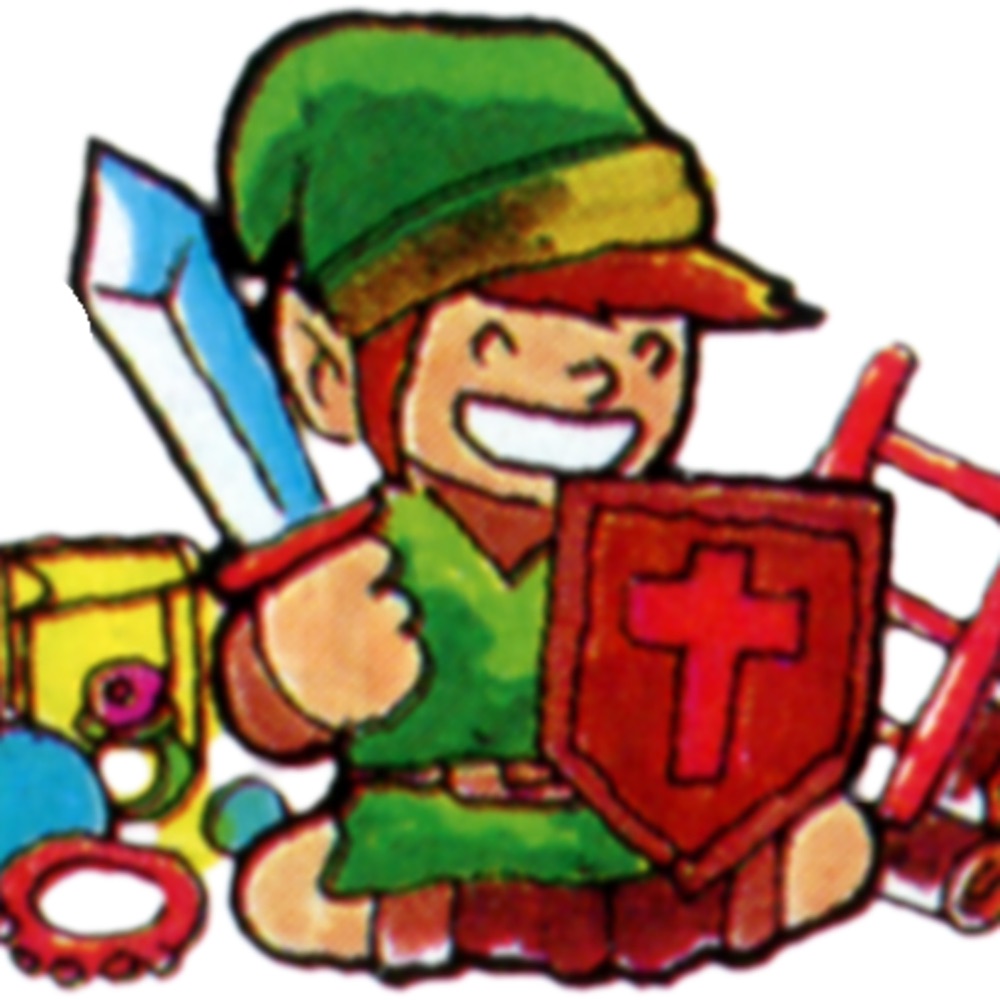
Our ranking of the top 10 NES games of 1987, from Rygar to The Legend of Zelda, with what still holds up today.
1987 was the NES's first full year as a third-party system. Here is the year at a glance.
The year in numbers
Another year of the NES is in the books, and 1987 is the one where the console stopped being a toy and became a library. 1986 gave us the first real year of games, and Nintendo kept the best of what it had in Japan in reserve. This year it let them go: The Legend of Zelda, Metroid and Kid Icarus all reached North America, and Castlevania and Mega Man came with them. The stats in a nutshell are below, but the story is how much bigger games got.
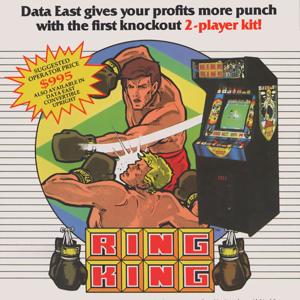
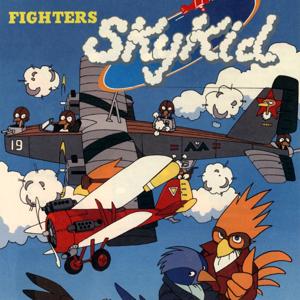
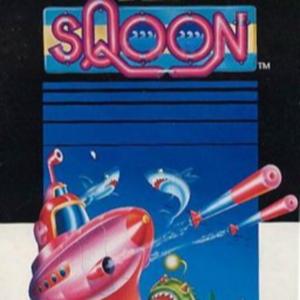
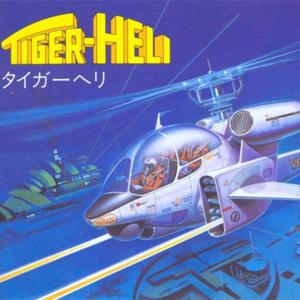
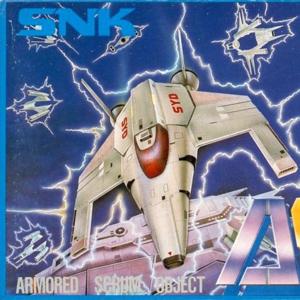
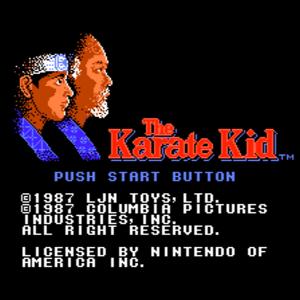
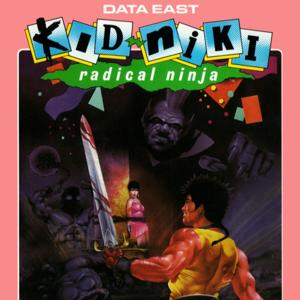
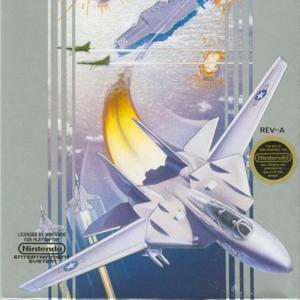
A few themes ran through the year. The NES is now a third-party system, and as of right now we only really seem to like Konami, Capcom, Tecmo, Hudson Soft and Rare, while Data East can't catch a break with us. Controller gimmicks are still bad, with Zapper games looking weaker and the Power Pad not breaking any boundaries. The movies showed up, with Jaws, The Karate Kid and Top Gun. Shmups were either in demand or easy to make, and we covered Section Z, Sky Kid, Sqoon, Stinger, Tiger Heli, Alpha Mission, Zanac and Star Force. And the scope of games kept growing, which is the part that matters most here.
The ten below are the ones we'd tell you to play first. Nintendo published five of them, Konami two, and Tecmo, Broderbund and Capcom one each, and the order comes from the show. They run from a rough but ambitious first try at an open map up to Zelda, and every one links to the episode where we covered it. Where the verdict was less than unanimous, we've said so.
Our top ten
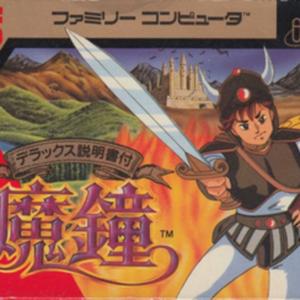
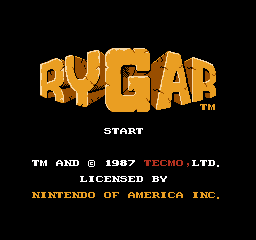
Rygar

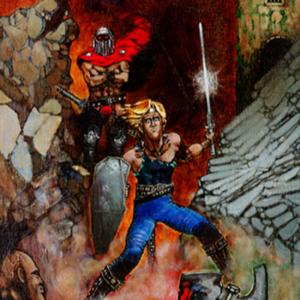
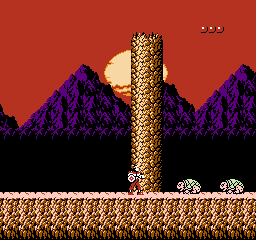
The manual describes the enemies as "animalized men wriggling eerily," which tells you how seriously Tecmo took its story. What it took seriously was the map. Rygar looks like a plain side-scroller until the first stage ends and you're standing on an overworld, hunting five items held by bald, bearded legendaries, with a grappling hook and a zip-line crossbow that act as keys. Kills drop Tone and Last, mind points buy spells, and a few stages flip to a Zelda-style top-down view. Joe finished it, the first game in a while he could say that about. It lands before both Zelda and Metroid, so it plays more like a sketch for them than a rival, and the yo-yo is the only weapon, enemies respawn behind you and there's no save at all. Joe's was the lone Essential vote.
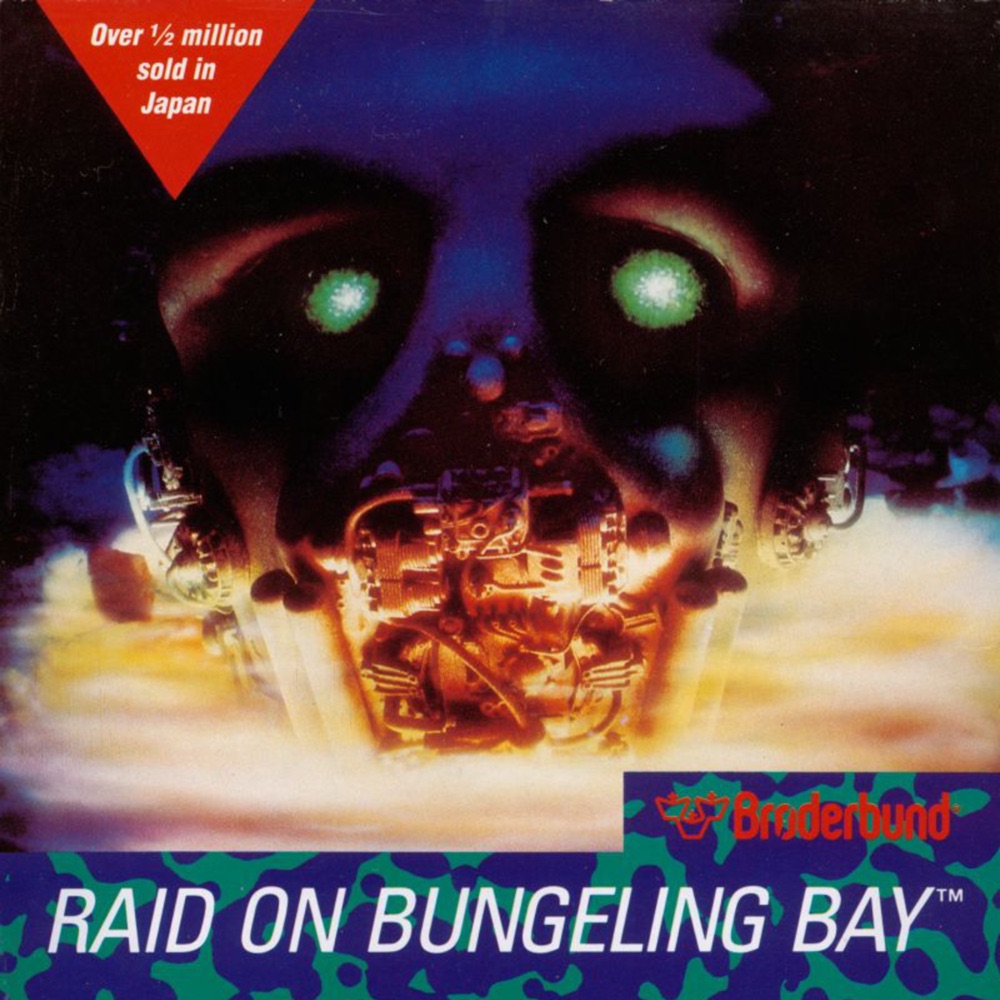
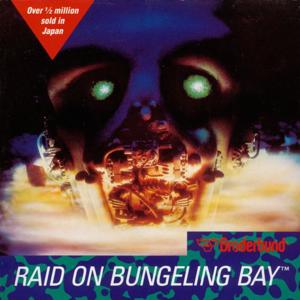
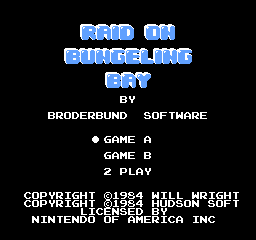
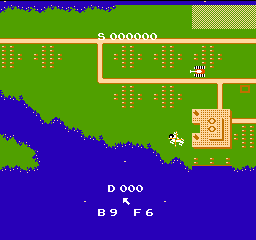
Nobody expected a helicopter game to feel like a rough draft of SimCity, but Will Wright had that in him. Raid on Bungeling Bay began on the Commodore 64 in 1984, and by the time Hudson Soft brought it to the NES in September 1987 (Broderbund publishing) its trick still felt new: the island keeps running whether you're watching or not. Factories turn out better units and rebuild what you bomb, radar satellites call enemies down on you, and each factory takes several bombs, so by the third you're limping back to a carrier that can be sunk. If it goes, so do you.
Wright said he had more fun building the tools to place tiles and shape islands than flying the helicopter, and you can see where that went. The helicopter steers like the ship in Asteroids, the music is a couple of low notes, and the game explains nothing. Joe didn't realize the factories were the goal until he read the manual. We wanted upgrades and a map that changed between runs, and we're curious how the two-player mode works, with one player flying and the other working the ground turrets. Wright also drove around the few publishers near San Francisco and picked Broderbund, the Lode Runner people, which sent us off writing fan fiction about a shared universe.
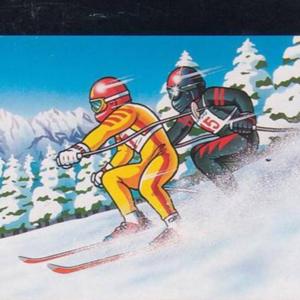
Slalom
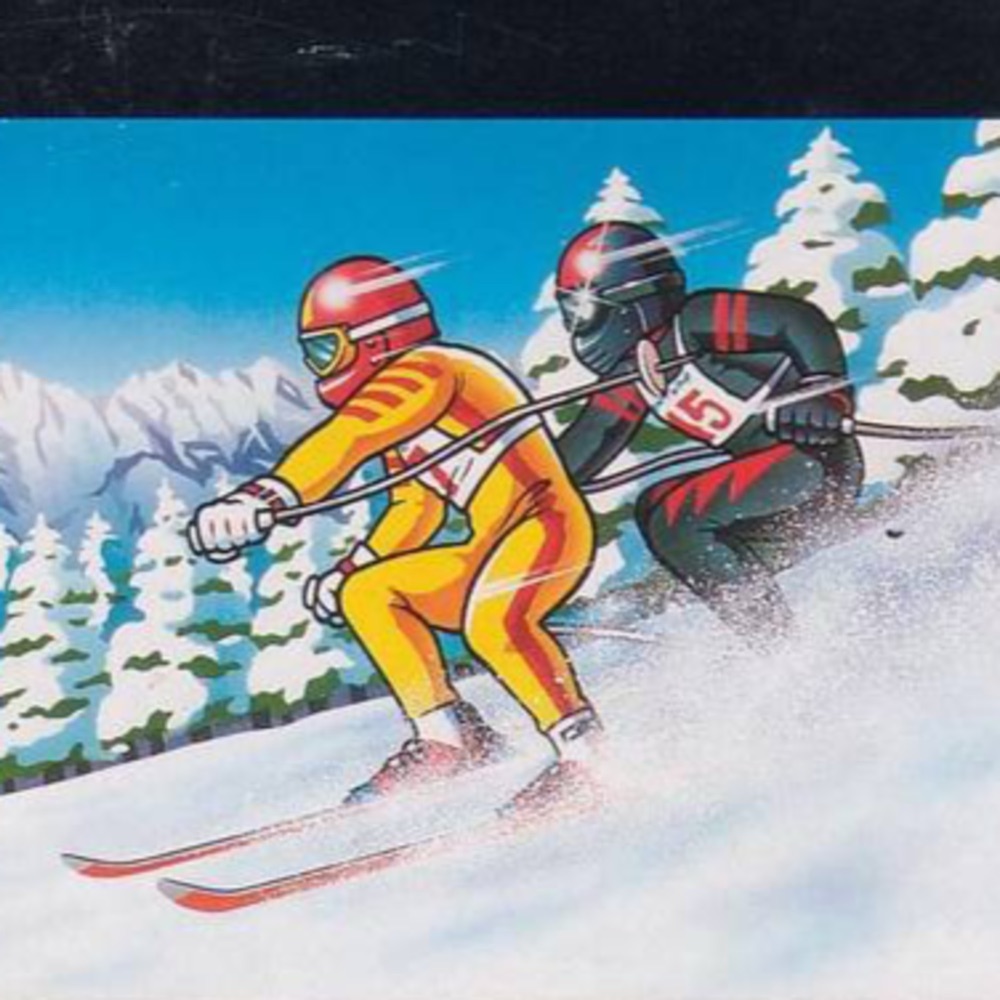
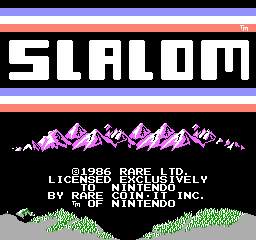
Start with the story, because it's better than the first slope. Tim and Chris Stamper had made ZX Spectrum games as Ultimate before starting Rare, short for Rare Designs of the Future. They flew to Kyoto uninvited, showed Nintendo a 3D effect that only Nintendo had pulled off, and became the first Western developer on the system. Slalom, which started on Nintendo's Vs. arcade hardware and sold half a million copies on the NES, is what they built.
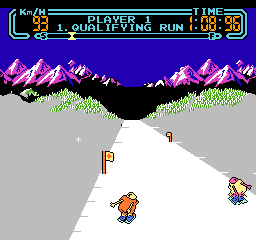
It's a clean, nicely finished downhill run. You pick a mountain and get its own jingle, lean into convincing fake-3D turns, jump snowmen and other skiers at the top of the arc, and miss a flag and you drop back to first gear. You get one life, though, and the poles hit like solid sticks. Sam called it polished and charming, Joe thought it felt as good as Mach Rider, and Sean found the slopes muddy and a little vanilla. It squeaked onto the Essential list with two votes, then came off at the Best of 87. It's still the kind of game a kid in the eighties would have traded around, fighting over who held the top time on Snowy Hill.
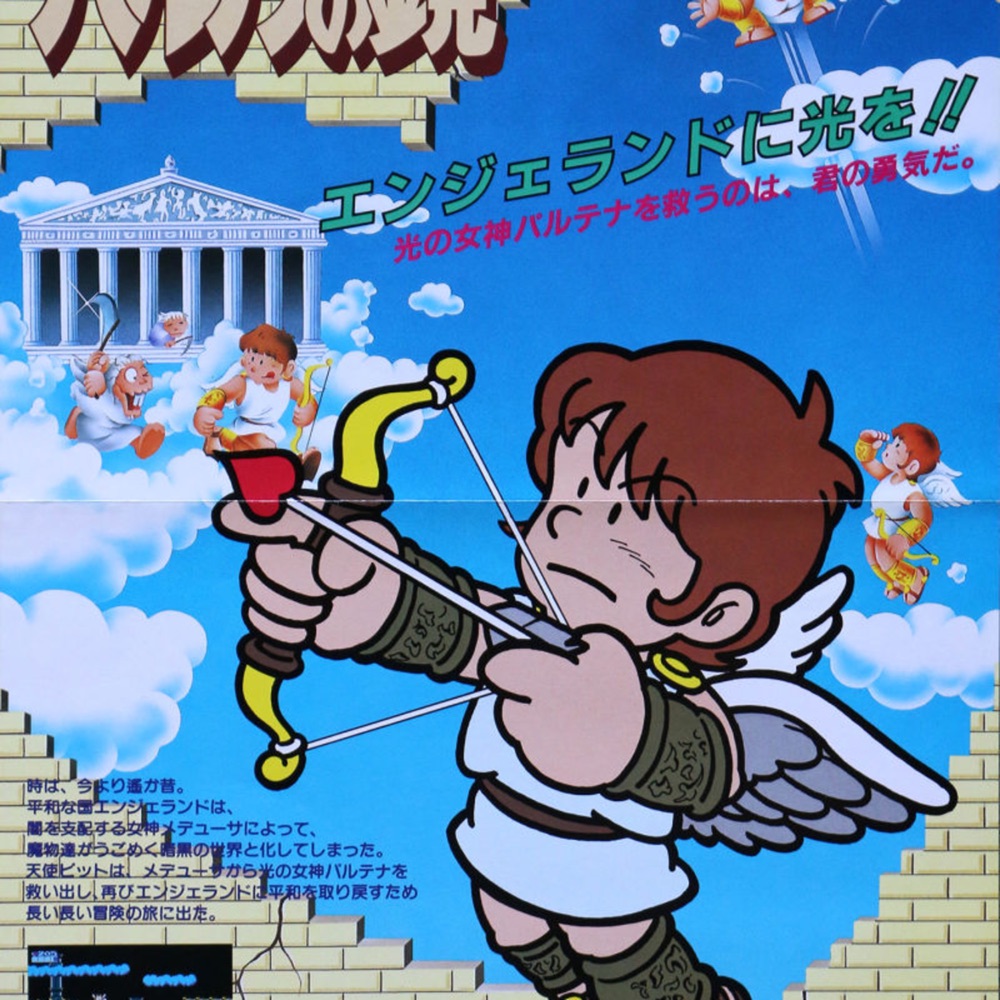
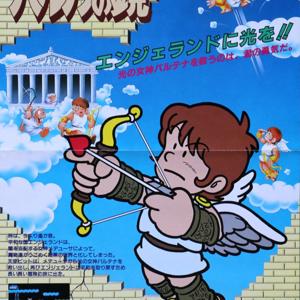
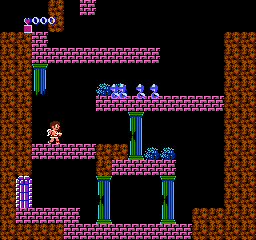
At some point in Kid Icarus you realize you're only in world 1-1. That's the whole pitch. You start as a weak little angel whose arrows barely clear his feet, and then come the shops, a black market, a hot spring, a treasure chamber and strength upgrades, plus a credit card that lets you buy something once on credit, eggplant wizards and a hospital that only treats eggplants. The god of poverty lives in the treasure chests. The manual reads like a novel.
Underneath the weirdness is the first non-linear level design we'd seen. The fortresses are mazes with more than one exit, the passwords keep your upgrades so you can grow stronger over weeks, and the jump is the best we'd felt since Super Mario Bros. The things holding it back are a screen that won't scroll down in the vertical sections, so stepping off a ledge you just left can kill you, and a final stage that turns into a rushed shmup that loops until you've collected enough hearts. Nintendo mostly forgot about it, and it came out in the shadow of Zelda and Metroid. Mike and Joe voted it Essential and Sean didn't, so it stayed on the list until the Best of 1989.
Stinger
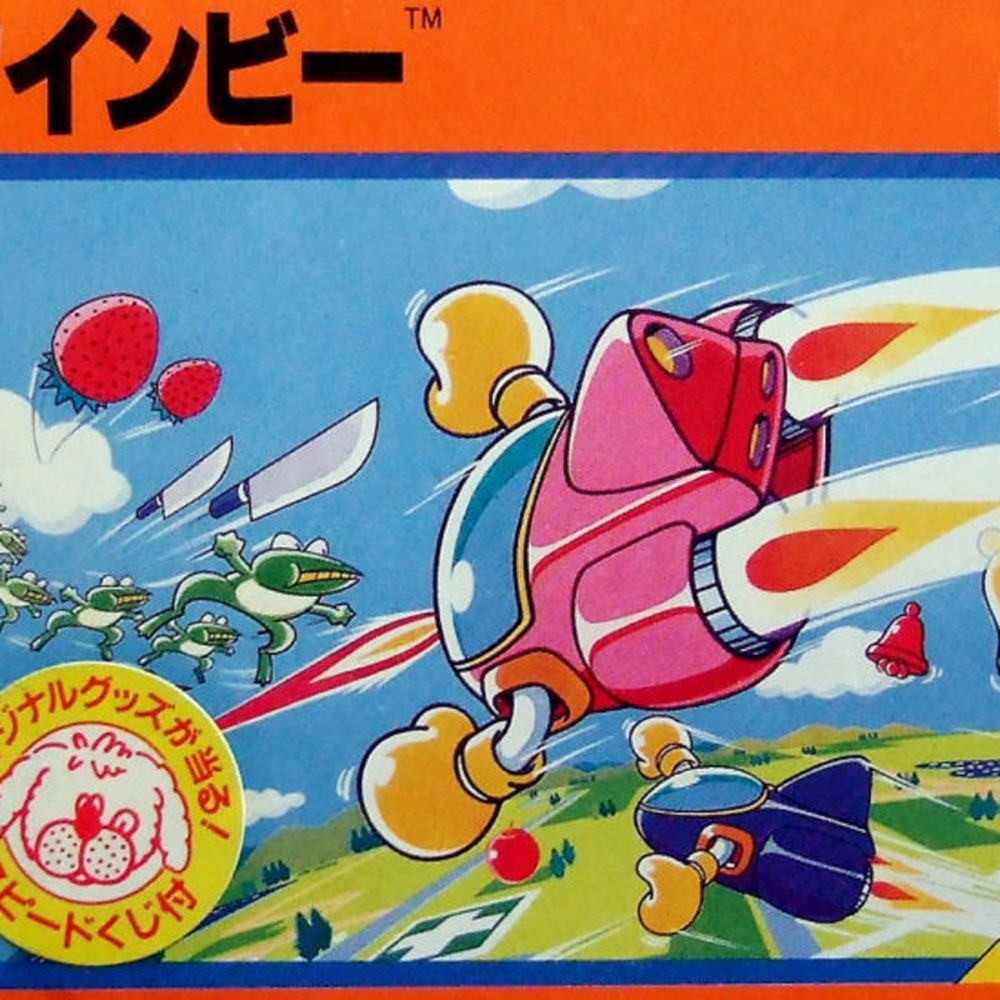
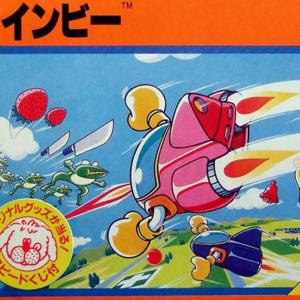
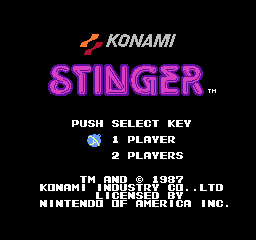
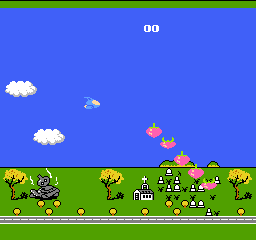
Sean put in several hours of Stinger without stopping, and Joe, who doesn't care for shmups, had a great time too. Neither knew it was the second Twin Bee game, or the only one that ever reached North America, and both expected shovelware.
The plot is a good place to start: aliens are turning Earth into cotton candy and have kidnapped Konami's Dr. Cinnamon for his bio-nuclear sweetener formula. You fight through hangers, scissors, a chomping shoe, shower heads and a boss named Willie the Watermelon Head. The real game is the bells. Shoot them out of clouds, keep them bouncing until they change color into power-ups, and hit one once too often and it turns back into a 500-point bell. Add a ghost ship you can fly back and grab after dying to get your power-ups back (Dark Souls before Dark Souls, we said) and a mix of horizontal and vertical stages, and it earns its place.
It isn't Gradius. The slowdown flicker got bad enough that Sean looked away from the screen, and losing your power-ups midway is a brutal drop. Mike and Sean voted it Essential, Joe called it as close to essential as a Play it can get, and it came off the list in the 1988 Best-of.
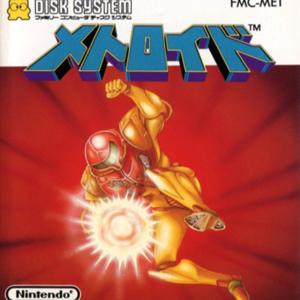
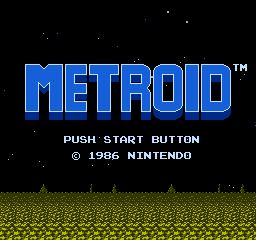
Metroid
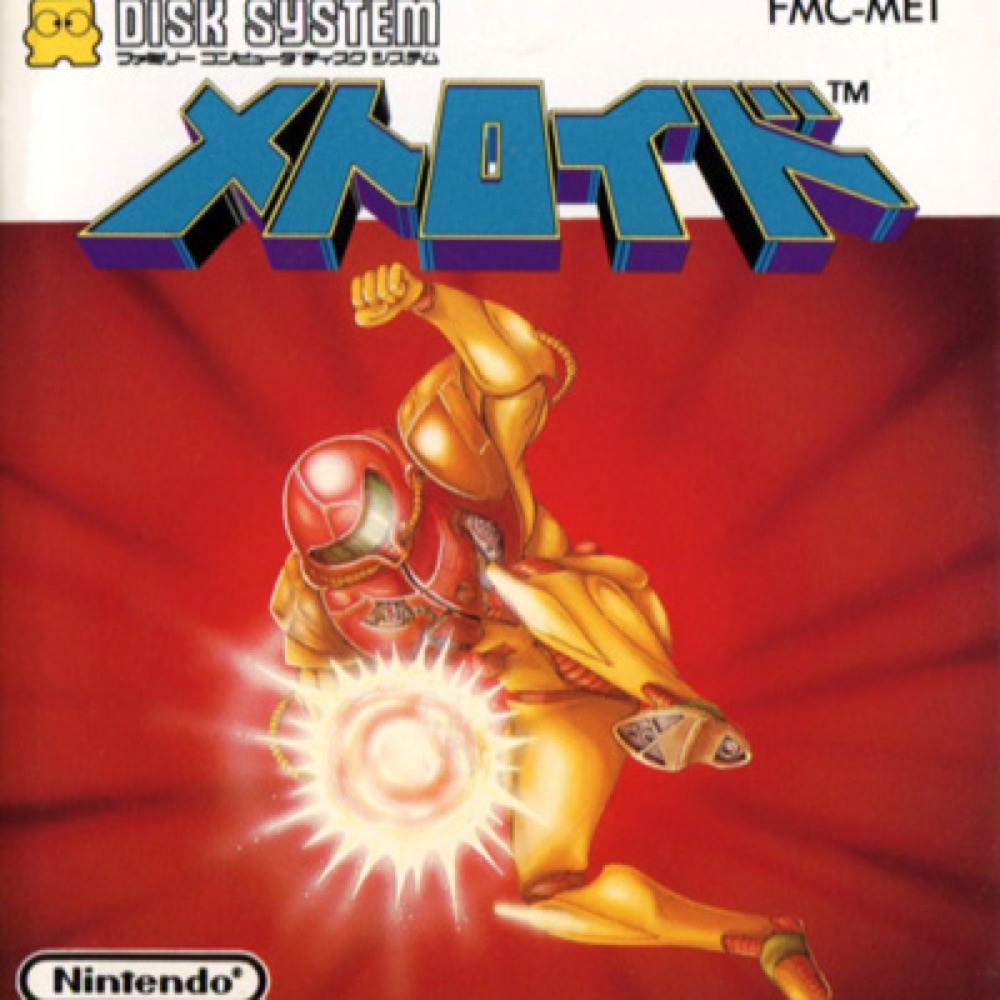
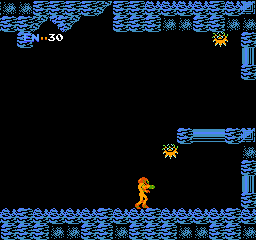
Metroid's best trick is a gap. Walk right for a while and you reach a hole that Samus is too big to fit through, the game turns you back left, and there's the morph ball. That's the whole tutorial: power-ups solve problems, so try everything in the room. Joe was playing it for the first time ever, and he picked out the same thing we did, how good it feels to grab an upgrade and realize right away what it opens.
The rest follows. Energy tanks make the suit feel like a suit, lava hurts instead of killing you outright, there are no pits, you can tackle areas in a different order than a friend, and the jump has real float. It's a home-console game through and through, with a password system that wants you to take your time. It also asks you to bring graph paper, because there's no map, your energy resets to 35 on every restart, and nothing explains that missile doors need five missiles.
That's where we split. Sean, Sam and Joe voted it Essential, with Sam saying it barely made it. Mike voted no, calling it a great 1987 release but "a starting point, not an entry point" today. Three beats one, so it's on the list, but we'd hand it to a first-timer with a map.
Mega Man
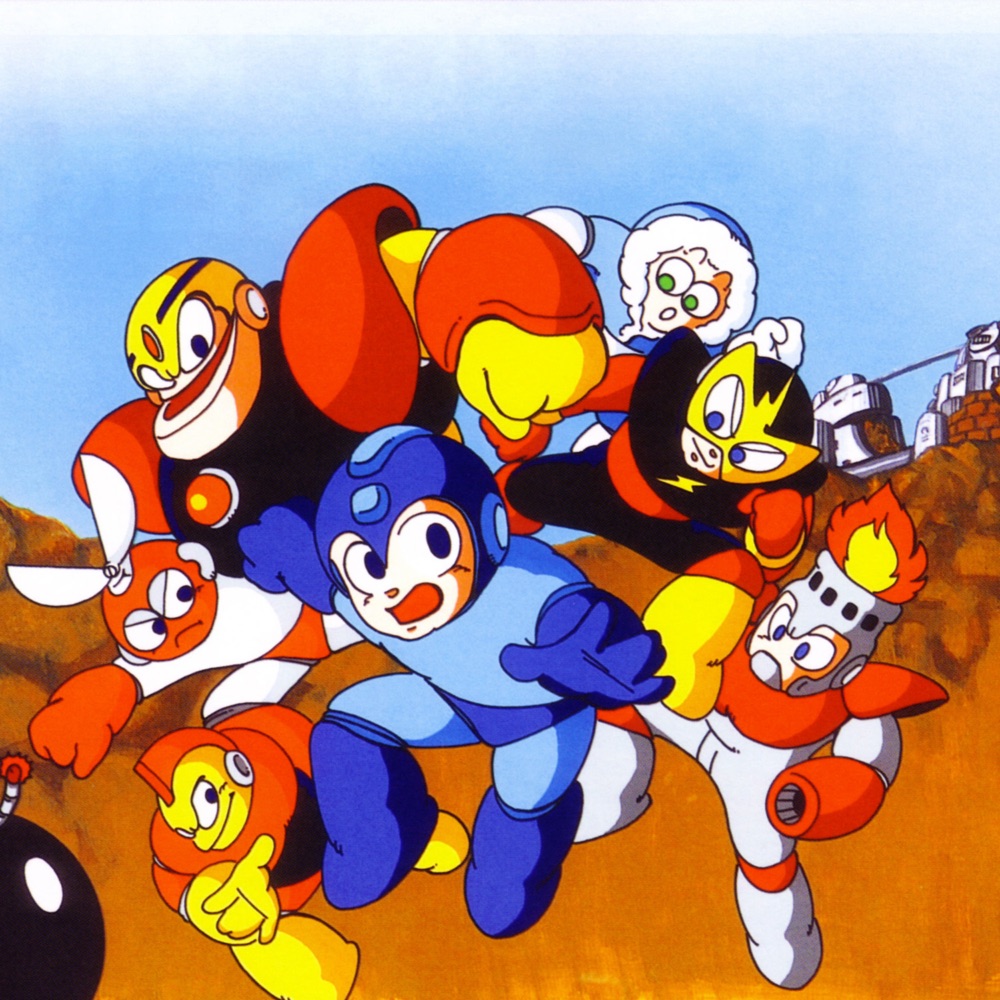
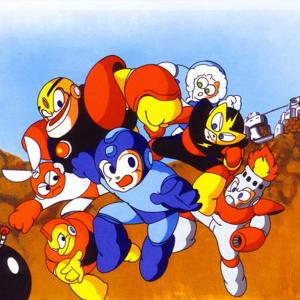
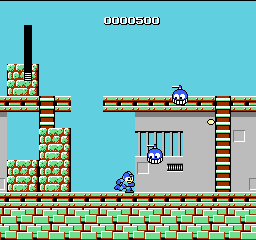
Judging by the North American box, Mega Man stars a man in a blue-and-yellow costume holding a regular gun, posed like he's riding an invisible horse. The designer reportedly had a single day. Nothing on that box prepares you for the game inside, which arrived with its structure fully worked out.
Pick any of six Robot Masters, beat him, take his weapon, and the order you choose changes every other stage. Guts Man's boulders kill Cut Man in two hits. Ice freezes the fire in Fire Man's stage. The Elec Beam fires in three directions and slows the game to a crunch that felt great. Programmer Akira Kitamura, whose interview we read, had rules for how enemies appear, in waves of the same kind attacking one way at a time, which is why every screen plays like a puzzle. Cut Man was originally going to be the hero, with scissors on his head.
Then there's the Magnet Beam, which the game never mentions and the manual explains on page one. We all missed it on our own. Add ladders that punish you, enemies that respawn the moment you scroll away, and a Wily Fortress that makes you fight Cut Man and Elec Man again in plain square rooms, and you can see where the frustration comes from. There's also a Select-button pause trick that makes a single hit register again and again, and once you know it you can't stop. All four of us voted it Essential, though Mike expects to revisit that when Mega Man 2 arrives.
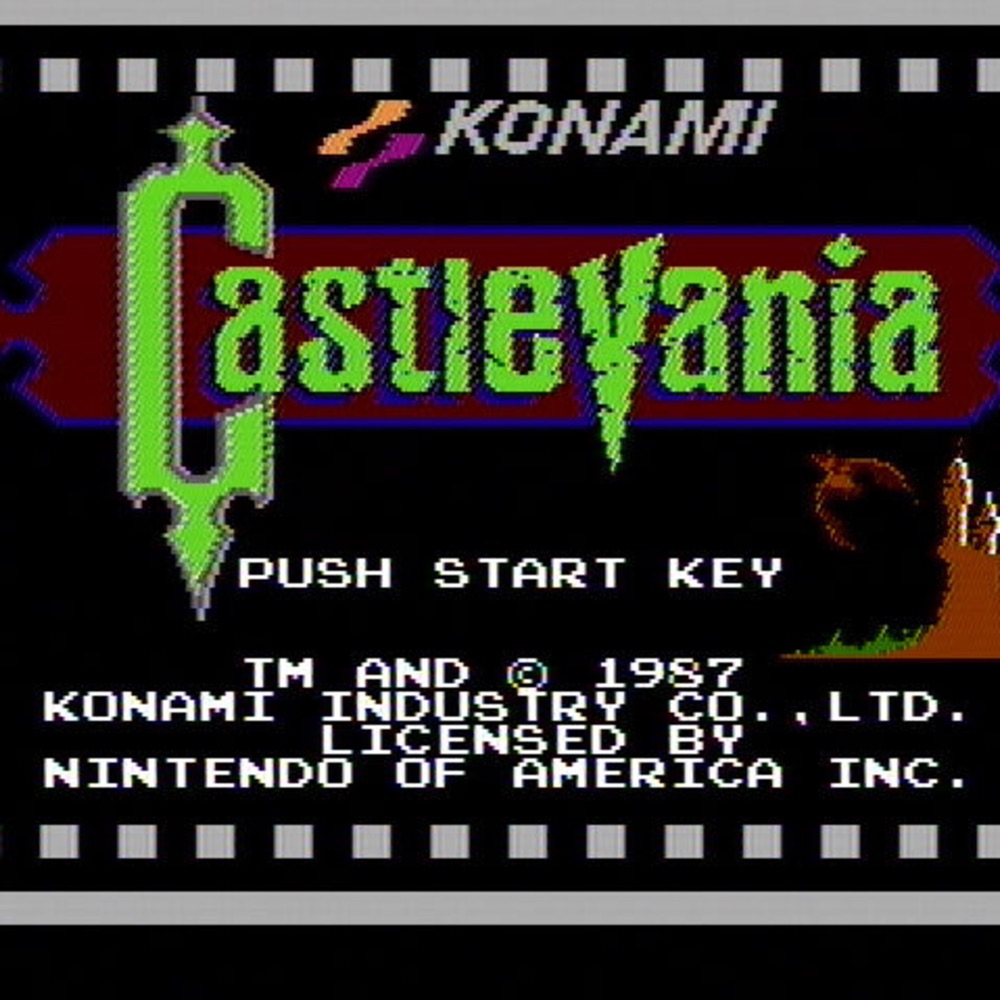
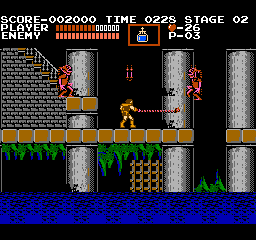
The first lesson in Castlevania is a torch. Walk up to the castle and the huge flaming torches at the gate stand out from everything behind them, so you whip them, and a longer whip falls out. Later you whip a candle, then a wall, and a pork chop drops out of it, which nobody explains and everyone remembers.
The whole thing is a monster movie in a castle: mummies, a creature that looks suspiciously like the one from the Black Lagoon, Frankenstein and Igor, Medusa, a Grim Reaper and Dracula himself, with an ending that reveals it was a film all along, credited to actors whose names are one letter off from the classic horror stars. The weapons have jobs: axe for the Phantom Bat, stopwatch for Medusa, daggers to keep the mummies apart, holy water for Dracula's last form. Yamashita's first soundtrack mixes spooky with jazz-funk, and we've been humming "Vampire Killer" ever since.
We weren't gentle about the knockback that launches Simon into pits, or the run of Axe Knights and Medusa heads before the Grim Reaper, where we gave up. Joe called it Ghosts 'n Goblins with a health bar and none of the frustrating stuff, and that stuck. Four for four on the Essential list.
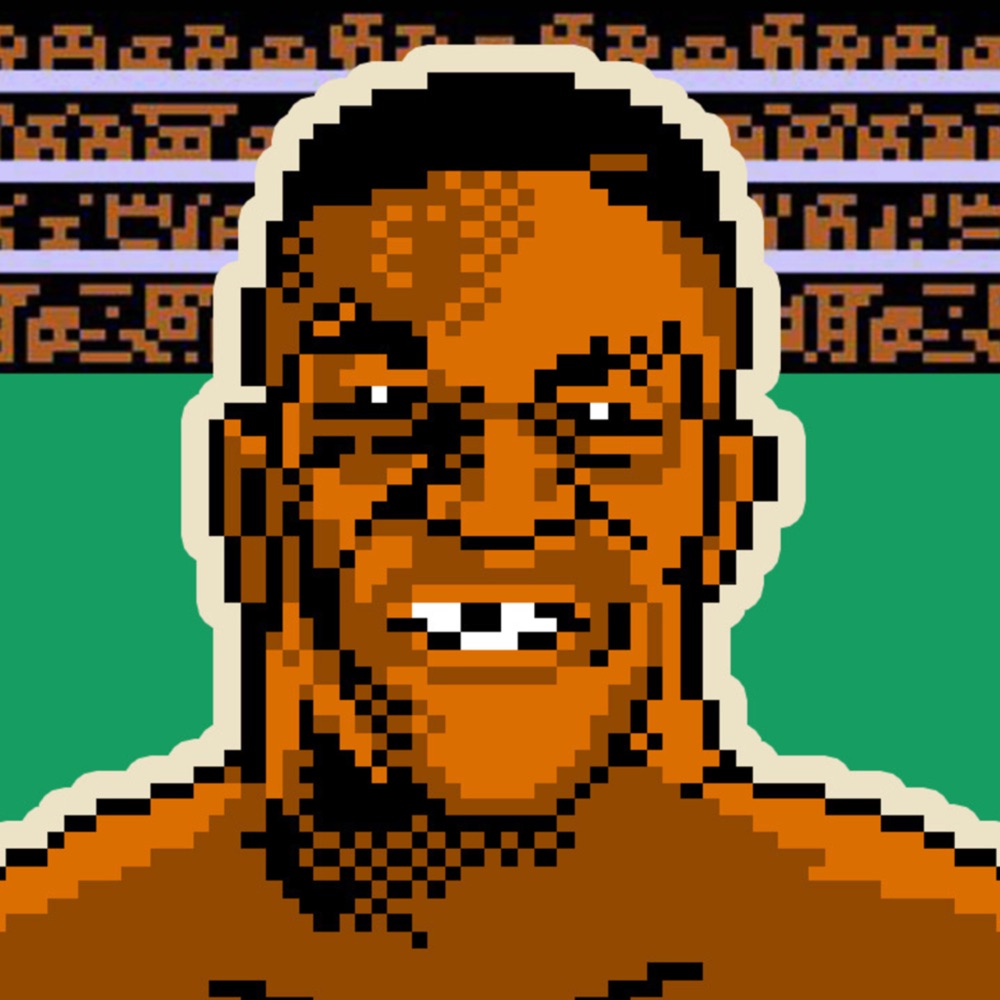
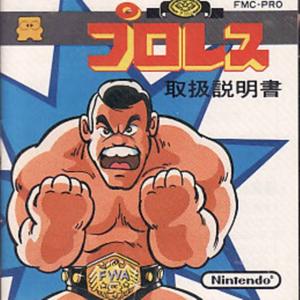
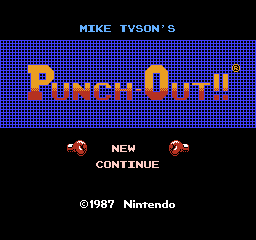
We were ready to be let down. Punch-Out is the game everyone is nostalgic for and nobody has played in years, the kind that usually turns out to be misremembered. Instead it was one of the most polished things we'd touched on the system.
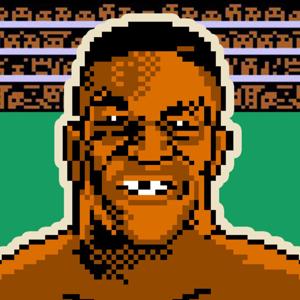
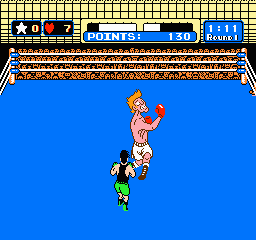
You can't walk around the ring. Little Mac is a 17-year-old, 107-pound kid, and all you can do is dodge, block, jab, hit the body and save a star for the uppercut, so the game is really about reading each fighter's tells. The patterns hide an odd number of secrets. Piston Honda goes down to a well-timed belly punch, an audience member ducks just before the knockout window (nobody noticed for about 20 years), and Tyson himself glows for exactly one frame. Glass Joe is a tutorial in disguise, King Hippo drops his shorts, and the between-round scenes show both fighters getting beaten up. Koji Kondo wrote the music, his first game as a composer.
We mostly stalled at Mr. Sandman, there's no practice mode, and the newspaper ending is dated April 1st, which felt like a joke on us. We voted it in unanimously.
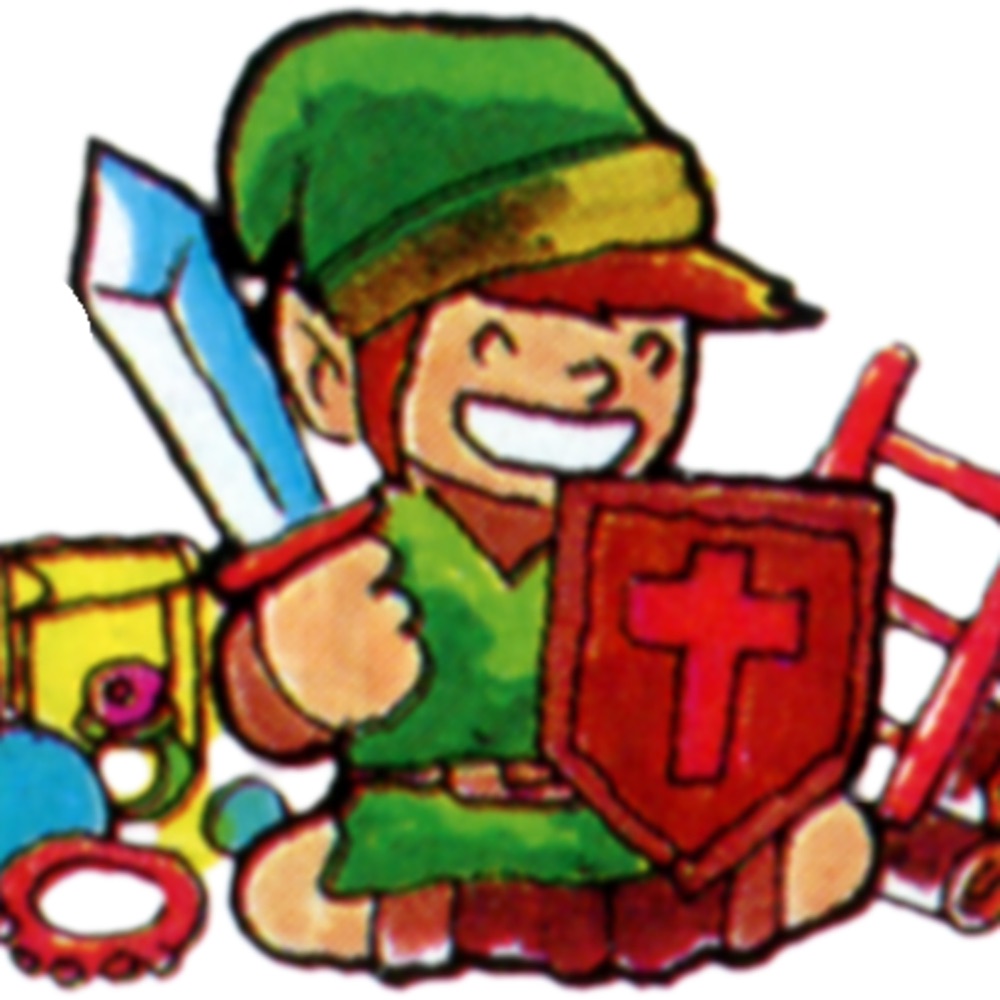
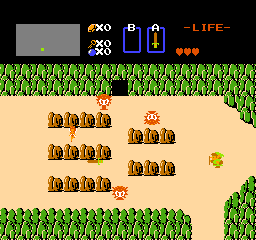
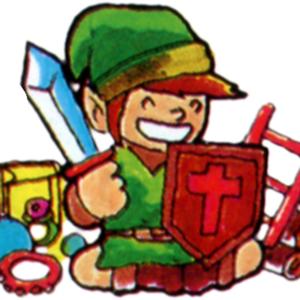
"It's dangerous to go alone." A man in a cave hands you a sword, and that is the only tutorial The Legend of Zelda ever gives you. After that you're in a field with no instructions, and nearly every dungeon is open from the start. We each found our own route. Sean paid an old woman for a secret and wandered into dungeon six with three hearts, and someone went hunting for a missed item and called it a side quest. Swapping those stories afterward is exactly how the game was meant to be played.
It's hard in the way you want. Dying drops you back at the dungeon entrance with every enemy restored, so you learn instead of grind, and by the end you've collected heart containers and better swords, which makes it the most RPG-like thing we'd played without a single experience point. It saves, after a stack of games that wouldn't. The hints are wonderfully vague ("Dodongo dislikes smoke"), and the manual matters, with a sealed emergency map and the most metal Octorok ever drawn.
It isn't spotless. Level nine wants you to bomb a bare wall with nothing to tell you, the sword only swings four ways, and two songs loop forever. But we played it next to Breath of the Wild and could see how much that game still owes it, and games like The Binding of Isaac couldn't exist without it. We talked for almost two hours and still didn't cover everything. All four of us put it on the Essential list.