075 · LUNAR POOL
This is it! The biggest billiards game in the universe: Sixty different tables to run, eight levels of power, 255 levels of table friction. FOR MORE NESTALGIA as well as show notes and links check out www.NEStalgiacast.com
- Introductions - Espo
- Known as Lunar Ball in Japan
- Development History - Espo
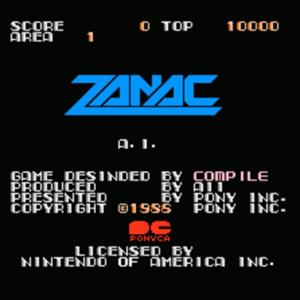
- Released in 1985 by Compile
- The makers of Puyo Puyo
- The object of the game is to create groups of four or more "Puyos" of the same color as they fall from the top of the screen.
- 1991 for the MSX
- Wouldn’t be until Sonic Team took it over and brough Puyo Pop on GBA to North America
- The makers of Puyo Puyo
- Went bankrupt in 2003
- Much of the staff moved onto Compile Heart (a different company)
- Best known for the Hyperdimension Neptunia games
- Much of the staff moved onto Compile Heart (a different company)
- In 1987 it comes to the NES thanks to Publisher FCI
- The American arm of the Fuji-san-kay Communications Group, a Japanese media conglomerate of television and radio channels, magazine, newspaper, record and video game companies.
- They are going to release a lot more for the NES. Mainly RPGs and the like
- Released in 1985 by Compile
- First Impressions - Everyone
- Objective
- Just like real billiards, put the balls into the pockets
- If the player fails to pocket at least one colored ball in three consecutive turns, then the player will lose one life. Also, if the player pockets his own cue ball, he loses a life.
- Gameplay
- Friction
- Why start at 32?
- Friction 0
- Is this why it’s called Lunar Pool?
- This is the real mode
- Balls never stop
- Friction 255
- Mission impossible
- Physics
- Cue Ball
- The balls touching the pockets
- The map layouts
- Do they ever get incredibly interesting?
- The power meter
- How to make it better
- Missing features?
- Friction
- Additional Thoughts
- This was a game I was looking forward to
- EGL (Mike, Sean, Joe, Sam)
Auto-generated transcript. Each paragraph starts with its timestamp. Speakers are not identified.
Lunar Pool is the first advanced home video billiards game ever! Never before has the player been able to choose among 60 different tables. Jump around to your favorite or master each stage consecutively. Your score is kept automatically. You set up the electronic cue stick, aim the cue ball, choose the power you need, and shoot! Then watch the ball ricochet around the table and land in the pocket. Learn to be a hustler by mastering all 60 stages.
Node-crosscrosscrosscrosscrosscrosscrosscrosscrosscrosscrosscrosscrosscrosscrosscrosscrosscrosscrosscrosscrosscrosscrosscrosscrosscrosscrosscrosscrosscrosscrosscrosscrosscrosscrosscrosscrosscrosscrosscrosscrosscrosscrosscrosscrosscrosscrosscrosscrosscrosscrosscrosscrosscrosscrosscrosscrosscrosscrosscrosscrosscrosscrosscrosscrosscrosscrosscrosscrosscrosscrosscrosscrosscrosscrosscrosscrosscrosscrosscrosscrosscrosscrosscrosscrosscrosscrosscrosscrosscrosscrosscrosscrosscrosscrosscrosscrosscrosscrosscrosscrosscrosscrosscrosscrosscrosscrosscrosscrosscrosscrosscrosscrosscrosscrosscrosscrosscrosscrosscrosscrosscrosscrosscrosscrosscrosscrosscrosscrosscrosscrosscrosscrosscrosscrosscrosscrosscrosscrosscrosscrosscrosscrosscrosscrosscrosscrosscrosscrosscrosscrosscrosscrosscrosscrosscrosscrosscrosscrosscrosscrosscrosscrosscrosscrosscrosscrosscrosscrosscrosscrosscrosscrosscrosscrosscrosscrosscrosscrosscrosscrosscrosscrosscrosscrosscrosscrosscrosscrosscrosscrosscrosscrosscrosscrosscrosscrosscrosscrosscrosscrosscrosscrosscrosscrosscrosscrosscrosscrosscrosscrosscrosscrosscrosscrosscrosscrosscrosscrosscrosscross Every NES game released in North America. I'm Mike. I'm Sam. I'm Joe.
And I'm Sean. And guys, today we're playing the first advanced home video billiards game. Otherwise known as Lunar Pool. Surely there was one before this. You'd be surprised because did that one have precision graphics, exciting new music, 60 screens, 8 levels of power, 255 levels of table friction? These are things that they put out of the back of the box.
You know, I don't think it is. Mommy, Mommy, I want this one. She looks at the back. 255 levels of table friction. That's too much for you, Tim. I'm premature right there. Yep. Obviously, if you guys can't put two and two together, Lunar Pool is a billiards game that follows the exactly strict rules of regular billiards. Except not really. Well, there's the three strike thing. It doesn't take place on the moon. It doesn't. I mean, it looks like it does. It does. The backgrounds that look like the lunar surface.
Backgrounds? Yeah. The stuff surrounding the... It's very missable. I never once looked at that, if we're being honest with ourselves. In fact, the front cover of this game is the only thing that implies Lunar because they're wearing, like, space suits and goggles. And he's going to buy a regular Earth Pool game. Yeah, if they called it Earth Pool, right, you'd be expecting, like, a game about swimming.
Right. Anyway, and I'm sorry if people thought Lunar Pool was a game where you swim on the moon. Well, there's no water on the moon. It's the 80s, you know. Space is cool. Space is really cool. Whether it's the 80s or not. Well, I know, but it was especially cool in the 80s, I feel like. Now, would you play this game if it was called Lunar Ball instead of Lunar Pool?
Yeah. Uh, yeah. Yeah. That's what it was called in Japan. I have to for the podcast. No, I would, but I would be less clear on what it is. It's like, okay. But I feel like Lunar Pool really, like, makes it clear, whereas Lunar Ball is, like, that could be anything. I think I would be disappointed if it was called Lunar Ball. You know? Just in general. Oh, this could be anything. Oh, okay. It's just Pool. Lunar Ball could just be the moon. It's kind of a Lunar Ball in itself.
Yeah, it is. Yeah. Puyo Puyo, a game that I've tried to convince you guys is good, and you've all laughed at me and said, you spent $60 on that game? Yeah. I did say that. Yep. But I enjoy it, and so Puyo Puyo, for those not familiar, the object of that game is to create groups of four or more Puyos, which are like these balls or gooey things. Yeah, like Candy Crush. Candy Crush of the same color as they fall from the top of the screen, though, like Tetris. True. Candy Crush are already there. It's a static game.
Candy Crush is a game where the illusion of choice is there. You don't have any say whatsoever. The game decides for you. Yes. Puyo Puyo, on the other hand, 1991 for the MSX, and it wouldn't be until the Sonic team took over Puyo Puyo as a franchise and brought Puyo Pop on GBA to North America. Yeah. That's enough Puyo Puyo talk, because I feel like now we're doing an episode on that game.
But it's worth noting that Compile went bankrupt in 2003. Much of the staff moved on to Compile Heart, which is a different company, but somehow they were able to use the name Compile in it as well. And believe it or not, they're still around, and they're best known for the Hyperdimension Neptunia games. Wow. Has anybody heard of that? I've heard of that on my Steam page. I've never played or even, like, yeah. It looks pretty weeb, right? Yeah. Oh, it is. It is. Is that offensive?
Is it offensive to say that? I don't know. I mean, it's weeb. Look, look. I've heard that those games are good for that fan base. Okay. That, like, if you enjoyed one of those games, you'll enjoy all of them. So I'm not going to say that the Hyperdimension Neptunia games are bad, but they are niche. Yes. Niche is the word. Niche is Lunar Pool. Yeah. You could argue that, like, this isn't the game that everybody is buying for their NES, right? You have to be a fan of billiards to be like, I want to own this game. But, I mean, space, like, really opens up the market. Yeah. Like, probably Star Wars fans. Space is bad. We're really into this game.
Star Wars was hot because it had only ended just... What, two years earlier? Yeah, seven years. Oh, in 85 was when this came out in Japan, right? Yes. Oh, okay. So, yeah. Got it. And then, just so you guys know, Lunar Pool doesn't come out until 1987 because it's obviously the year we have been perpetually stuck in for a long time as we do this weekly show. And so it comes in 1987 thanks to publisher FCI, the American arm of the Fujisan-kei Communications Group. They're a Japanese media conglomerate of television and radio channels, magazine, newspaper, records,
video game companies. Like, they just own a lot of things. They still own a lot of things? As far as I can tell, FCI is still around, but not this part of it. Like, they don't continue. They feel like nice guys. They haven't really published video games since, like, PS1. Okay. So, FCI is going to publish a lot more NES games for us, and most of them are going to be RPGs. Oh. Yeah. So that's interesting when we finally get into that territory. Some Dungeons & Dragons stuff. The Ultima series. I feel like you're familiar. I'm slightly familiar with Ultima. Okay. Cool. So that's enough about other games, but thankfully now you understand why this game was brought here because it could only be the minds of Compile and FCI to bring us Lunar Pool.
And I think we should just, like, you know, there's no better way, since everybody kind of understands the game we're playing here, there's no better way to talk about this specific version than to just do some first impressions. So, Sean?
My first impression of this game was Bemusement. I played, you know, super simple pool games on, like, the computer or, like, handheld systems before. So I was happy to find that the, all of the basic mechanisms are still there after all these years. But the first thing that I did in this game was I didn't even, I hadn't even, like, seen the game in action yet, and I already, like, was fiddling with the friction coefficients. So I played around with that before I actually took it seriously as a pool game. And it was fun. I thought it was a cute game. Okay. Joe?
My initial thought was when I just, like, saw the first screen of the pool table and everything and the way you control a cube, my initial thought was, like, oh, this is going to be jank. But I was very pleasantly surprised. I had a lot of fun with it. And I thought it, I didn't play around with the friction right away, so I just played it the way it was default, like, regular pool. And I was like, oh, this is, like, kind of cool. And it kind of, like, held my attention a lot more than I thought it was going to.
Sam? Yeah. I played just a regular single-player normal friction game just to start it off. Normal friction. Just to see what the baseline was. And, you know, it was pretty decent physics. And played a pretty standard game of pool. And it, you know, everything worked like it was supposed to. Except there was this one little glitch where if the ball, if the, if you were too close to the side, your cursor would be stuck outside the pool table. So you have to rotate it back towards the center of the table until it can't, it's kind of hard to explain. And that forces it back inside the bounds. And then you can move it inside the bounds again once it's there. Because otherwise it stays outside the bounds.
But, so that was, like, something I noticed pretty quickly. But besides that, pretty good. Pretty normal. Yeah. And I mean, like. Pretty good. Pretty normal. Nothing too mundane in there. Well, I feel like you want pool game to be reliable. Yeah, I agree. And I think that, like, I also played a completely normal game of pool to start. I think it's weird that we have to preface that.
It's almost like I'm, like, alluding to the fact that there's, like, there's, like, nude levels or something. You know? Or, like. Or, like, normal levels. No, I don't. Or, like, the game gets, you know, or, like, the game gets meta all of a sudden. It's, like, less about pool and more about the fact that you're playing a game. It's like frog fractions or something. Yeah, exactly. It doesn't ever get into things like that. No, no, it doesn't. It's just a completely normal game.
It's a game. And so the one thing that I noticed, though, was that I had trouble understanding, like, what the Q cursor thing meant. Oh, yeah. And I was thinking that, like, oh, I want to be kind of. Yeah, I want to be kind of further back for this shot because I didn't notice the power meter up at the top right. So I just thought, like, oh, you want to keep your, you know, your cursor kind of far back so that's why you hit those balls with more power.
And the very first time, you won't believe it, I actually got lucky and managed to sync that up with an appropriate power meter at maximum. So I was like, wow, that really worked. And then the next time I bring it really close to just kind of gently tap it.
And instead, everything goes flying. And I'm like, well, now I got to figure out what's going on. And that brought me to the manual. Yeah. Yep. There's no tales from the manual in this episode. No, no story. There's nothing in the manual. There's nothing going on. Why are you on the moon? I want to know why you're on the moon. Yeah. I want to know why they're wearing those goofy costumes.
But instead, we will just carry right into our talk about gameplay. So for those of you that need a fresh reminder, just like real billiards, you got to put all the balls into the pockets other than your own ball because... Usually use a stick. Yeah. You got to use the stick. Like in real life. Yeah. But there's no stick in this game. There's no stick in this game. But if the player fails to pocket at least one colored ball in three consecutive turns,
then the player will lose one life. Also, if the player pockets his own cue ball, you lose a life. So there's only two real ways to lose a life. I don't even know if there were actual lives. I feel like I never got a game over screen. They were up there. But I also didn't like it didn't hold my attention long enough. I just kind of kept resetting and trying different tables. So I'm sure like eventually I would have seen a game over screen. But let's talk about the gameplay. So many people have been talking about this friction thing now that I feel like we've got to get that out of the way.
So, Sean, I feel like you could describe to us just the friction mechanic. You don't have to go into the details of everything. Oh, you don't want the formula? I don't want the formula. Okay. I want the formula, but we'll do that after. Yeah. That could be the post show. All right. So there is a... Before you go into anything, whether you pick the single player game or if you want to play your friend or if you want to play the computer, you get to set the friction of the actual pool table.
And that ranges from the theoretical frictionless plane from physics class in high school to that is zero to 255, which I describe it as playing pool in an overgrown front lawn. Because you just don't... It just doesn't do anything. I think maybe even worse than that. Yeah. It's like playing pool with a Velcro ball on a Velcro table.
It literally does not move. Yeah. It just moves exactly like how much the stick would push it. Yeah. Exactly. But that's friction in a nutshell. Great. And so, you know, on one side of the coin, they give you the option to design the game yourself and decide what friction is comfortable for you. They start at 32.
There. Can we talk about that for a second? Why start at the number 32? Well, because I think that it's the closest analog to, you know, a ball on the felt. But they also want it, which is like pretty low in the friction side of the world. But why not make that like 50? I feel like they probably had... Yeah. Exactly. Maybe they just were able to have... They wanted to have more in between normal and like completely frictionless more options. I think they just had like... Yeah. I think they had a min-max with like the number of variables they could put in also.
Uh... And like Joe was saying, that was just where they felt like a nice balance was. Right. It makes sense to me. Maybe, I don't know, maybe it feels like normal felt friction is closer to... Closer to zero friction than it is to absolute frictionless. And I could be making this up, but isn't 255 some kind of system memory number? It is. Friction set to zero on this one. So that makes sense for why they would choose between zero to 56. I guess I was just more curious about like if there was anything just starting on 32. But I like Sam's analysis of just like, well, that's like just because they want you to have more friction options. And too many less friction options.
Um, now if we could talk about the different friction settings, I don't want to say like, you know, tell me about friction 72, but we have to talk about friction zero and friction 255. So let's talk about friction zero first. Um, is this why it's called Lunar Pool? I think that the ability to change the friction is why it's called that, which is strange because like friction will exist whether you're on earth or the moon.
Um, but that's, that's neither here nor there. Um, but yeah, friction zero is fine. If you miss something and get caught in a loop, you can't, you just have to reset the game. Yeah. That happens. And that's because when, when you hit the, uh, anything in friction zero, basically no ball will stop moving until it goes into a pocket. Yeah. So Sam, do you want to talk about an experience you had while playing? So I was playing on one table where it was kind of a rectangular table, but all of the pockets were in the middle, like on the, uh, on the side still, but in the middle of the table, kind of a little bit out of the way.
And I just had a ball that was going, uh, no, this was actually the opponent. This wasn't even me. This was the computer opponent. I had a ball that was just bouncing off of the corners, but like not exactly in the corner. It was like the DVD logo kind of deal. The screen saver. Yeah. Where instead of you wanting, like wanting it to go in the corner, you want it to go into the side, but it just never did because of the angles. And so it just went for minutes before I, I wanted to see if it would eventually, nope,
if it would eventually go, but it didn't. So I just reset it. Yeah. Which is funny. Cause if you set it to friction one, it will eventually stop. It's not great, but it, but it will eventually stop. It takes 15 minutes. Yeah. Friction zero is timeless.
Uh, it's either. And I tried to explain this before we started this show. So it's either your cue ball goes into the pocket and then you're at the mercy of watching all the other balls just continuously go through, or you get all of the other balls into all the other pockets before your cue ball. And it will register that the stage is over and move you on to the next one. So that's the only way to, um, to do that. Balls never stop otherwise. And so that's why I say this is the real mode. Yeah. I get that.
This is the real mode because if you're playing on the moon, um, an object in motion will stay in motion. Also, I feel like some of the levels are set up so that you get them all in one shot. If it, if it's possible. I don't know if that's true, but I just got that vibe from some of them. Like there must be a way to get all of these, but maybe it's just the developers screw it.
I don't know. I don't want to get that confused with the puzzle game though, because I think that like it could happen. Sure. But it's not set up like a puzzle game where there's an absolute solution that will make sure that you, if you hit it a certain way, you'll get all the balls. We are, I mean, we did mention this briefly in the back of the box and we're sort of alluding to it, but we never totally clearly said that, um, like how, how this game differentiates itself from like actual billiards aside from the friction.
Like there are 60 differently shaped tables with like that, that vary from the regular rectangle to maybe a little, a cute little trapezoid to what looks like a mini golf course. So they're, they're playing a lot with shape and stuff. For me, my favorite courses were the, were the mini golf style ones.
Yeah. And, and not because they were actually made for like a fun pool experience, but because they actually made it for like a creative new way to play the game that it, you know, like, cause I like that stage one is just a normal billiards table and then it gets wacky from there. That's fun. Yeah. I actually, I think I, cause you know, we had fun with the, uh, like the frictionless and like absolute friction or whatever you call that.
Uh, I, I had fun with that afterwards, but I think I actually just really enjoyed just playing on regular, regular friction, playing through a bunch of different levels. Like I thought that was really cool having these different, this different variety of like layouts of the table, shape of the table, obstacles in the middle of the table.
That was what like drew my attention. I feel like if I were playing this game a lot, it would take, it would take me a while before I was like, all right, now I'm going to play around with the friction to, because I'm bored of the rest of it. And, and something about this one, not being a puzzle game was what made me okay with like being able to select from tables like right away and jumping around and being like, oh, level, uh, table 60 isn't necessarily like the hardest one, you know, like there could be tougher ones throughout. And it was just more like the ability of choice. Cause you're not going to play through all 60 tables in one playthrough.
But I, no, no, even in just like 28, I'm talking about like the first time you buy the game and go down, you know, it's like, there's plenty of times where you can like continue to go through and try like a new style or go back to one that you really appreciated. So I think like something that a table that meant something to you. Yeah. You might've fallen in love with table 33.
Um, but like, I think that's what makes this game cool is that, you know, they don't have to get like harder, right? It's not like tables to be impossible, just different, different enough that like, no matter what your approach is somewhat different, even if the rules stay the same. One thing I will do to criticize some of the levels though, is, uh, some of them have, uh,
avenues that are just about the, the width of the ball. And this game's physics engine does not play nice with those. Like you could just get stuck in there. Um, because instead of sliding along the edge, it just keeps colliding. Um, and that's just not how pool or like objects interact. So I think that they could have done a little bit more, uh, in the design of these so that they worked a little bit better.
And I'm glad you brought up the physics part of this game too, because I also think like how balls get determined that they're in pockets is like, yes, I understand we're talking about an NES game here, but like, it's, it's just the, the simple fact that the collisions of the two are detecting each other, that the ball just goes in. It's like, it's not really how things work. Like, it's like, as soon as it touches any edge of the pocket, it just determines that it goes in. There are times where like you can bounce around one end of the pocket through the other and then spit back, you know, around the other way of the, the other side of the table. That doesn't happen here.
There were some times where I was like, oh, that's, that's helpful because it like makes it a little easier to get a ball into the pocket. Like if it's just like, if it touches the, even the edge of the, what the hole would be. Yeah. It's also easier to scratch.
Yeah. And then the other times I'm just like, oh, I think that the, I wouldn't have scratched there in real life. Like the, the NES isn't really capable of a simulation granular enough for this to be perfect. I think it did pretty good with like what it had. I think it would have like maybe a smaller hitbox though for the actual pocket, not for the balls, but for the pockets. This way it was like, you had to be, cause you could still be like over. But with the granularity thing, like maybe if it was one too small, then it would be strange that like, that's definitely in.
You know what I mean? Okay. Yeah. I think that if they tried to pull anything fancy, like trauma saying, it's just the NES just isn't capable of it. Like if I played this and my ball like went in the pocket and then shot around it and came back out, I would be pissed. You know? Yeah. It wouldn't be like, oh, that's very clever that they were able to put that in here. Especially because you're seeing it on the NES and you can't see in real life. Like, oh yeah, that is how it really works. It's just like, it's just like, it looks like a glitch or something. Right. Does anybody have any favorite courses that they remember? Maybe not to give us the number, but just like, one that like stood out to you as like, oh, this is creative.
There was, oh. Sorry. Go ahead. Okay. Thank you. There was one that, this is the one that I put 255 friction on where it starts off with every single ball in a line on one side of the screen and you have to knock them all to like the other side of the screen. How long did you play that? No, so this is my first time doing full friction.
And I like did max power because I knew it was full friction and they each went like two inches, but I hit all of them because they each, each one traveled like one inch and then, or maybe just like, you know, four inches and two inches, then one inch, then half an inch, then a quarter inch. And that was it. That was paradox. That was it. And then I, I, uh, I hit it one more time. They didn't move that much at all. I was like, okay, I get it.
No, my favorite course courses were when there were more, um, I guess like there were sharper angles in them. So you didn't really have an analog from like actually playing pool in the past to compare it to. So you actually had to do a bit more, uh, internal geometry to get, to get it right. And I actually did get a couple like playing the computer. I did get a couple perfect, um, uh, boards. So that was fun. I liked, I don't know if I'd say this is my favorite, but this is one that like the first one that really stood out to me. It was a similar one that it was like actually just a Z. Yeah. And it was, um, it was the first, it was the, one of the first times where I was like,
I set up a shot, you know, using, like you said, using like some kind of specific geometry angles and stuff. And like, I set up something that was kind of ridiculous with like a few different, like hitting another, hitting this ball, hitting that ball or something that I always want to do in real pool and obviously can't pull off.
But, and it worked. And I was like, so it was so cool to me that like, oh yeah, I could, especially because the way the cursor works, you can really just see where the trajectory of the ball is going to be. Yeah. So you can kind of, you know, you can kind of draw it out in your head. Like this is where it's going to go. And like when it works, it's like really satisfying. Yeah. And I think that the way that the cursor works where you can kind of see exactly where it's pointing makes it a little easier than real, real pool to set something like that up.
But that also makes it satisfying. And also, I feel like it could, if the physics were, were, were better, I feel like you could like really learn about pool by doing this. Like you can really see exactly where you have to aim on a ball to get it to do this. And like, I don't know, that stuff's really interesting to me. Okay. I have the stage number. It's stage 22. And it's the one that kind of looks like a baseball field.
Oh, they got the lines in the middle that are barriers. Yep. Okay. And there's two pockets and they're actually in the, inside the rectangle themselves, you know? So they're not on the corners. They're not tied to the walls. This is a thing that happens like later on too. There's a lot of ones where like the pockets are in the middle of the stage. But what's interesting about this one is it's like, yeah, it's not that hard. I mean, you just got to get the balls in the pockets, but they line up every single ball
right in front of the first pocket, but then also put you on the other side of a barrier. So now you have to, especially if you want to get like a good score on getting like a bunch in at once, you have to figure out the proper angle to shoot from in order to hit like those balls all in at the same time. Because if you hit them the wrong way, you're going to spread all the balls out further away from the, from the pocket.
And then, you know, sure enough, you'll get them in eventually. It's not that hard of a course, but you lost your big bonus. I think like stages like that were interesting. Yeah, those are cool. I like the Z. There was an arrow one, two. That was interesting. Yeah. There's, there were some good stage designs in there. Yeah. Some of them were a little bit too complex, like I mentioned earlier, but like all in all, they had some good boards on here.
Now we need to talk about the power meter. Okay. I have a big beef with it. I don't like it. How would you... I mean, I have an idea of what you will say, but how would you replace the power meter? I will do the thing that I did in my first impressions, where I will make the cue ball cursor thing the actual determination of how much power I want to apply to things,
and I will not be held to waiting for the power to... I think that still needs to be a part of it, though. I think that there still needs to be a level of precision, so maybe we replace that with an accuracy one. You have to get in the middle. Sure, yeah, yeah. I wouldn't mind something. Or even, you know, I'm thinking about NES Golf. Remember that game? I do remember that. Yeah, three different... What's it called?
Three different ways to control your swing before you ever even touch the ball. I wouldn't mind something like that with pool. I don't know how much actual fun that would have been because I didn't get to play that version, but if you actually had something where, like, first you have to select, like, how much power you're going to apply based on, like, where you put your cursor,
then you actually have to apply, like, you know, how far back you draw. You know, maybe, like, you saw the cue stick on screen animate as it goes back and forth and you say stop, right? And then maybe the third thing is that you also, or maybe this is, like, something that happens before that last cue ball animation, but, like, you actually get to choose, like, where on a circular cue ball you want to hit the ball so you can aim to, like, hit it from the bottom. Some French or whatever the word is. Right. Or, yeah, to give it, like, some English. English.
I knew it wasn't right, but I couldn't think of what you actually said. Some Portuguese. Yeah. I think that would have just, I think that would have been a better solve. I really didn't like that power meter. Kind of, like, it kept, like, halting the game for me.
And, you know, I think I play, I play this game a lot. I usually find myself playing the niche games a lot. So it's not like, it's not like it drove me away from playing the game, but I definitely think it got to the point where after a while it was the one thing I kept noticing was, like, oh, now I gotta wait for this thing to be exactly where I need it to be. And I just don't think we need that in a game where, like, you're already trying to figure out where do I hit these balls from, what angle, like, what's my pocket goal? And then, like, to have this
annoying timed power meter just didn't seem to be doing it for me. I agree that it's not perfect, but for me it wasn't as much of a, enough of a nuisance to bother me that much because it is so quick. Like, it didn't feel like I had to wait too long for it to get to where I wanted it to be. But yeah, I definitely think there are ways to improve it. But as far as your initial impression of having to, like, pull back the cursor, that's what I thought originally too. But I think that would have been
not quite enough for it because it's already easier than real pool in the sense that you can pick exactly where on the ball you want to hit. And you're perfect. Like, you don't, you'll never do a scratch. Right, you'll hit exactly where you want. So then to also hit the power exactly, perfectly, exactly how much you want just doesn't feel like in real pool you can't just say I'm going to hit it with this much power and then do it. You have to do something to do it. So I feel like there needs to be kind of like what your solution like making it closer to golf something to make it like Yeah. It's challenging. Another thing that I think
holds this game back and I, I feel like you guys played mostly the, this, like the, the true single player campaign like, Yeah. Just the, the score based. I wanted to play against somebody because I felt like it wasn't really pool unless there was some competition. So I, I did the, I did play the CPU. I would love to play with you guys like in a two player game. Yeah. Um, but I played against the computer and the computer is atrocious.
Like it, it probably will do well on the regular, uh, board, the, I'm sorry, the regular, uh, pool table because it understands basic, um, it understands basic, uh, angles and how to get a, a ball into a hole, but it never really handles any of the, the wackier models very well. Like I saw the computer actually shoot it directly into a hole once because it was trying to get to the ball on the other side of a barrier and like it, that should never be the case when it's the computer. You know, I'm just thinking like how hard that must be to program computer AI for the NES
on, in 1980. I understand. You know what I'm saying? Like you're right completely. But like, you know, we've been dealing with AI in terms of like enemy data where it's like, you know, in a shmup, it's like the, the spaceship comes down, is programmed to do a very specific path and that's considered like, wow, look at like how these, look at how these enemy ships behave. Or like a Goomba in Super Mario Brothers just kind of like walking from one end of the screen to the other and being like, oh my gosh, I gotta dodge it. Like,
this is like something where you actually have to tell the computer, here's all the rules to billiards. Here's the best way to get certain shots. Do this. But also don't do it too perfect because that would upset you. Yeah, it's, but that's true, but I also think that there's gotta, and I'm, again, I'm not a programmer, but part of what we do here is just criticize stuff. We should. There's gotta be
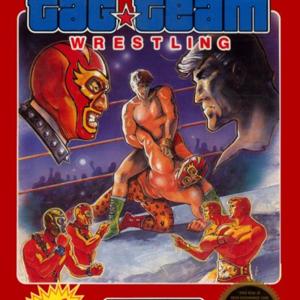
like some way in programming to do like an if-then statement of if the ball, the hole is before the ball, don't make the shot. Right, right, right. Don't make any straight pocket shots. Yeah. I do think there's, I can't remember the game, but I think it was Muscle? Okay. Or one of those terrible fighting games. I think it was Tag Team Wrestling. Tag Team Wrestling. Yeah, the AI just like, was like, this is how the game works, so I'll just do it exactly the way it works. So I feel like there's a fine line between like what you're describing in Pool and that.
Yeah. So I didn't play anything with the computer AI, but I was thinking the whole time that I feel like this game would really shine with a second player. Like, I feel like that's where it would be the most fun. It's kind of like the first time we played NES Golf together, though, and like, I already liked that game and then I was like, wow, I really like this game because it's like the competitive aspect of scorekeeping, you know? High scores mean something when you can actually attribute them to another person. High scores don't mean anything when it's your own. Couch multiplayer usually improves an experience, at least in total.
All right. If there's no other additional thoughts, I just have one and that's back when we were doing the Best of 86 episode, this was one of the games I highlighted as like a game I'm looking forward to.
Because I thought it was wacky, I didn't look at it, I was just like, oh, lunar pool? Like, that could be interesting on the moon. Unfortunately, I never got this moon visual. Well, it could be on the moon, you know? I know, they're saying you can see the moon at certain points. I'm just saying it looks like a lunar surface in the background sometimes. You can see like the floor and it looks like it's like a lunar floor.
Yeah. Anyway, a little disappointed by that aspect of it. By like, what I think I went out there to set, I didn't think I got the game that I was envisioning, but that's kind of like how the time that Sean thought that Gumshoe was going to be like GTA. I didn't think it was going to be GTA. Had to call somebody else out. I think we should go into the Essential Games list.
You'll notice that there were no sequels and spinoffs for Lunar Pool. So when we do this vote for the Essential Games list, you have to keep in mind that we might never get another version of Billiards that lets you change your friction. That is really disappointing Don't say that it's been done better. I hate that excuse, especially in a game where we don't even know if better has been done. So with that in mind, Sean, give us your vote for the Essential Games list. I mean, like, there are pool video games, though. Like, maybe not, you know. Here it starts. Okay. This is an interesting curio
with a lot of fun little... Like, you can change... Like, the fact that you can change the friction is just so cute to me. But, I mean, it's just pool. It's mini golf and pool. It's cool. I had fun with it. I think you should play it, but it's not essential. That's really all I have to say about it. Joe? I had this weird thing where I was like, why... I was, like, questioning, why am I enjoying this so much? Like, I was liking it so much. And I think when I really thought about it, a big part of it was through the lens of playing it on the NES. Like, a big part of it was like, this is so cool that this is on the NES.
Granted, I said, take that away, and it is still just a really cool game. But I think, like, if you're buying an NES and you're just gonna play NES games, I think this is essential NES. Like, definitely play this as an NES game. But in the lens of, like, games, no, it's not essential.
Not to say that it's been done better, but, like, I could easily just, like, I'm sure I could download a dozen games that are very similar to this, even if it's not pool. But, like, that gives me the same feeling, like, on my phone right now. Like, it was cool that it was on the NES. And, like, I think back then, this would have been, like, I would have been, like, yeah, I gotta have that game. But now, I'll play it again. I think you should play it, but it's not a must.
Sam? Yeah. I kind of agree with Joe. I think that this game, it, you know, it had a mission and it did it. It accomplished it. It's, like, it does it exactly as kind of you'd think it's gonna happen. Like, the no friction kind of sucks in one way and way too much friction sucks in a completely different way, but it allows you to, like, it gives you the freedom to figure that out. And a lot of games wouldn't do that. And I think that's pretty cool. And this game definitely has, like, a weird amount of charm to it for being such a sparse, like, you know,
basic billiards game. But, um, it's, but it's not essential. You know, I think that it's, I think it's fun. I think that this is a play it for sure. But, it, when it comes down to it, it's just cool. I just love, though, that it was, like, this is a solid game, this is a normal game, it's exactly what you expect, play it. Like, it was just such a neutral. If it sounds like a game that you want to play, you should play it, you know? And that's why I'm about to say something maybe controversial. But, like, I'm a no.
But, also, I'm not sure if you should play it, and that's coming from somebody who had fun with it. I think that if you've been listening to the episode and thought that this sounded fun, then you should play it. But it is a, this is a niche game, and the four of us have weird taste of video games, you know? I would say that, like, when this game came out, it certainly wasn't a running off the shelves style game that was just, like, selling out like crazy. I want to see the charts. We need more Lunar Pool.
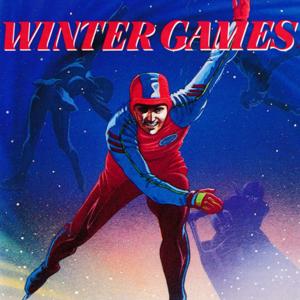
You know, they never got a sequel, so clearly nobody was demanding for it that hard. But, you know, that's not to say that this game wasn't thoughtful. You know, I think the developer compile... Compile... Thoughtful, and it had a mission. I love the way we're describing this game. Well, I just think that, like, look, because you could have phoned it in. We've seen almost every genre. We've seen fighting games get phoned in on the system. We've seen shmups just be like, well, it's a shmup. This is what you got. We've seen, um, even, like, mini-game style things. Remember, like, Track and Field was good, but then Winter Games was like, man. You know?
It's like, things just, things just keep happening on this system where it's like, it's very easy to just deliver the bare bones of a project and then be like, it's up to the kids' imaginations. Yeah. Like, this game chose not to do that. It chose to be more than just, like, you know, you just get that one table and you play pool.
And, you know, granted, they could have went even further and included some additional modes because there are other ways to play pool other than just getting in the colored balls. Yeah. I actually don't even know this is an actual, like, game. Well, I think, like, let me put it this way. It's probably not played competitively, but this is definitely a thing. It's a version. This is a way people play pool. You could play it. Yeah. Exactly.
So for those reasons, like, I definitely don't hate this game at all. Like I said, I had fun with it, but I can't, like, I can't have good conscience, like, tell somebody else to go play this game and there's something wrong with you if you don't like it. We never said there's something wrong with you. I think if you're, like, into NES games, you would like this game. But that's my point, though. I guess what I'm saying is, like, if the four of us are all saying, play it, play it, play it, I don't want people thinking, like, I'm the weird one for not liking this game after playing it. You're not giving our listeners enough credit. Like, if they didn't, if they really didn't think that it sounded good, then we're not gonna play the game.
You'd be surprised. I think, though, for me at least, maybe this isn't the case for everyone, but for me, I enjoyed this probably about as much as golf, NES golf. Like, get out of here. Yeah, I really did. Especially because this takes you, this takes billiards and puts it, does things with it that you can't do in real billiards. Like, you're not gonna get a Z-shaped table.
And then I get back to me. NES golf was our number three game of 1985. Yeah, well, there weren't too many games in 1985, Mike. There were 17. That's very small. Number three of 17.
Yeah, but they were like, how many this month? Yeah, that's true. Yeah, it was like 17 last month. We're in October now. Yeah. October 1987. And that's all the time we have for this episode of Nostalgia. Join us next time because we are gonna do it again on Friday. Surprise. And over and over. And over and over every Friday. Maybe we'll do some other interesting stuff too. You never know what we're capable of. I certainly don't know my true power because the doctors have told me it's illegal to push my body to 100%. I have to stay at 80% at all times.
Did you know that your brain only uses 35, 85, 95, 100? That it was you miss 100% of your brain that you don't take. 100% of the brains you don't take. Yeah, that's why I take all the brains. Yeah. Brain, eating other animals' brains makes you smarter. That's why they sell them. Yeah. That's why it's illegal to eat human brains. But at somebody's market. That's the reason. If it wasn't true it would be perfectly legal to eat human brains. Speaking of true stuff, okay, only the facts are on www.nestalgycast.com. 100% facts are there. The straight dope. Show notes.
Screenshots. Opinions. Opinions, which could be considered fact if you believe that that person meant what they said. It's a fact that the opinions are there. Yeah, exactly. And now there's also creative tags for every single post going all the way back to the beginning of Nostalgia. You can see
people's names who worked on those games and if you click on those tags you can then see other posts on Nostalgia for those games they've worked on. Is there a wow tag? There's no wow tag but like Shigeru Miyamoto would be a tag and if you click on that you'll then get taken to a page that shows you all of the other games so far that Shigeru Miyamoto has made that we've reviewed so we get a good sense of everything. As always we update the essential games list and the episodes list as they become available and I put my own personal play it essential or skip it
on that list. We have no input on that. You guys don't have any input on that but I think I've done a great job giving people a great list and it has statistics too of how many games So what will you put for pool? Play it like the three of us said? No he's going to say skip it. He's going to say skip it. We'll see. Alright interesting. It's not up there yet. It is up there now though.
That was just an internal conversation. You're just going to be uptight hands through your hair like what am I going to put? Right. But yeah that's been Nostalgia. We are on Twitter at NostalgiaCast.com but without the dot com because that's our website sometimes I just sell too hard. And then I'm Michael Esposito you can find me on at Esposito Film on Twitter and I'll talk to you soon. And so will I. See you soon.