The Top 10 NES Games of 1988
Our ranking of the top 10 NES games of 1988, from Metal Gear to Super Mario Bros. 2, with what still holds up today.
1988 was the year of the sequel. Here is the year at a glance.
The year in numbers
1988 was the year of the sequel. The Best of 1988 episode was even called Attack of the Sequels, and three of the ten below are follow-ups: Life Force, Super Mario Bros. 2 and Zelda II. Nintendo Power put out its first issue this year, which we covered, and the rest of the world was busy too: Out Run took Game of the Year at the Golden Joystick Awards, Tetris had its first commercial releases, Dragon Quest III came out in Japan and Pool of Radiance became the first computer RPG officially based on Advanced Dungeons & Dragons. The stats in a nutshell are below.
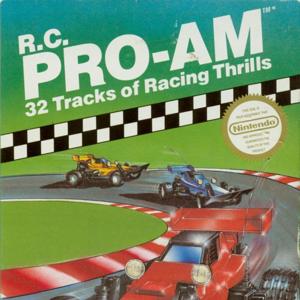
On the NES, the biggest news was how much better the games got. We covered a lot of shmups, from Gun.Smoke to Life Force and 1943, plus R.C. Pro-Am, R.B.I. Baseball, Golgo 13 and Jackal, which a lot of listeners wrote in to say we had missed. In the same episode we reshuffled the Essential Games List, and Stinger came off it. Game scope kept growing, and there were things we were already looking forward to in 1989, from Mega Man 2 and Track & Field II to Dragon Warrior, Faxanadu and Tetris.
The ten below are our favorites of the year. Konami developed three of them, Capcom and Nintendo two each, and Kemco, Technos and Sunsoft one apiece. They're counted down from number ten to number one, and every game links to the episode where we covered it.
Our top ten
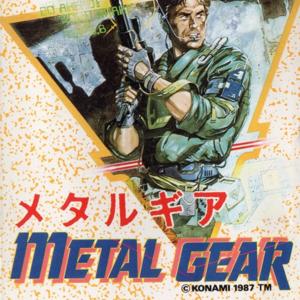
Metal Gear
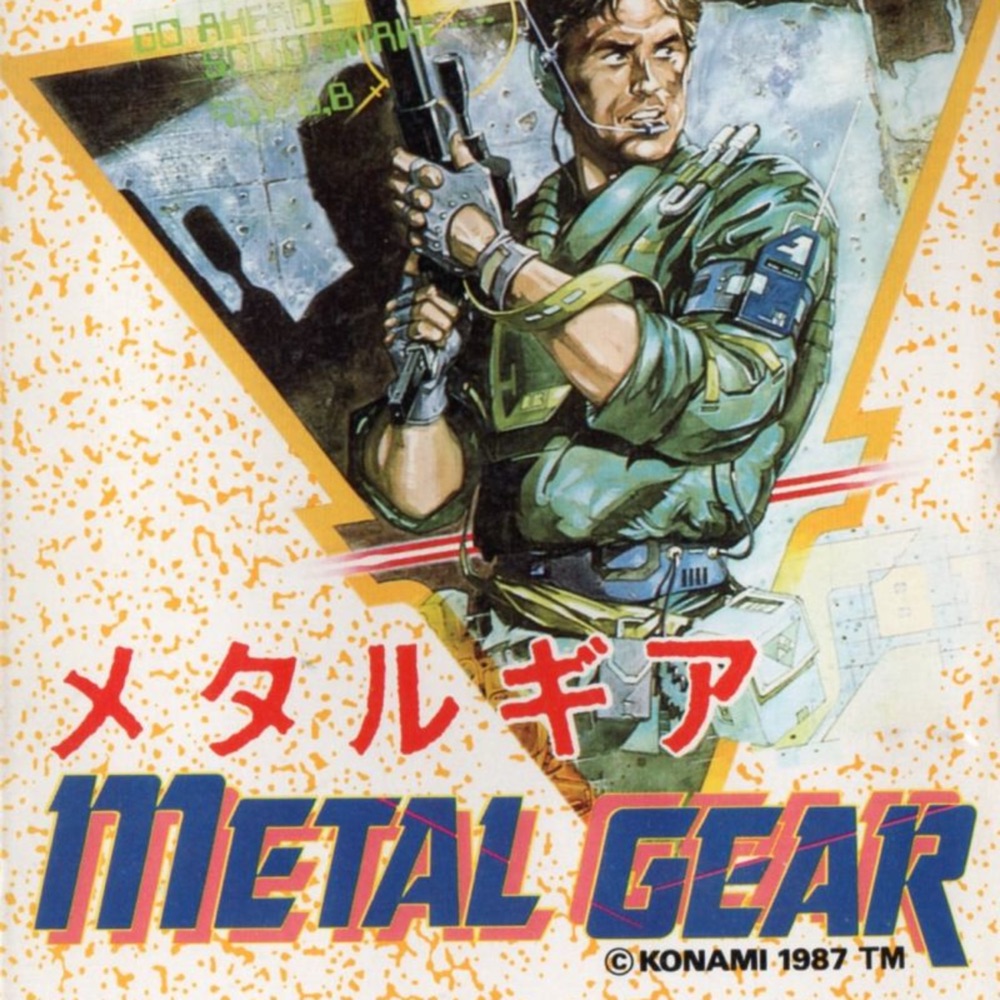
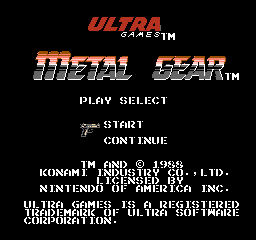
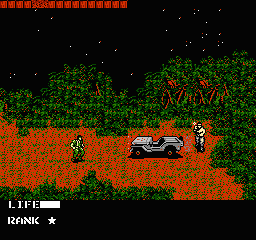
Metal Gear is one of the first stealth games ever made, and the NES version is a port of a Hideo Kojima game that Kojima had nothing to do with. Another Konami division built it from the MSX2 code in about three months, with orders to make it as different as possible, and he disowned it. What's left is a game full of good ideas that keep tripping over themselves. Guards face a direction and miss you if you're behind an object, the cardboard box hides you as long as you stand still, and the transceiver carries the biggest story the system had delivered so far. But walk off a screen and everyone forgets you, and opening the menu respawns every guard in the room. Nobody voted it onto the list. It's more interesting now than it was in 1988, a glimpse of someone thinking about games before almost anyone else.
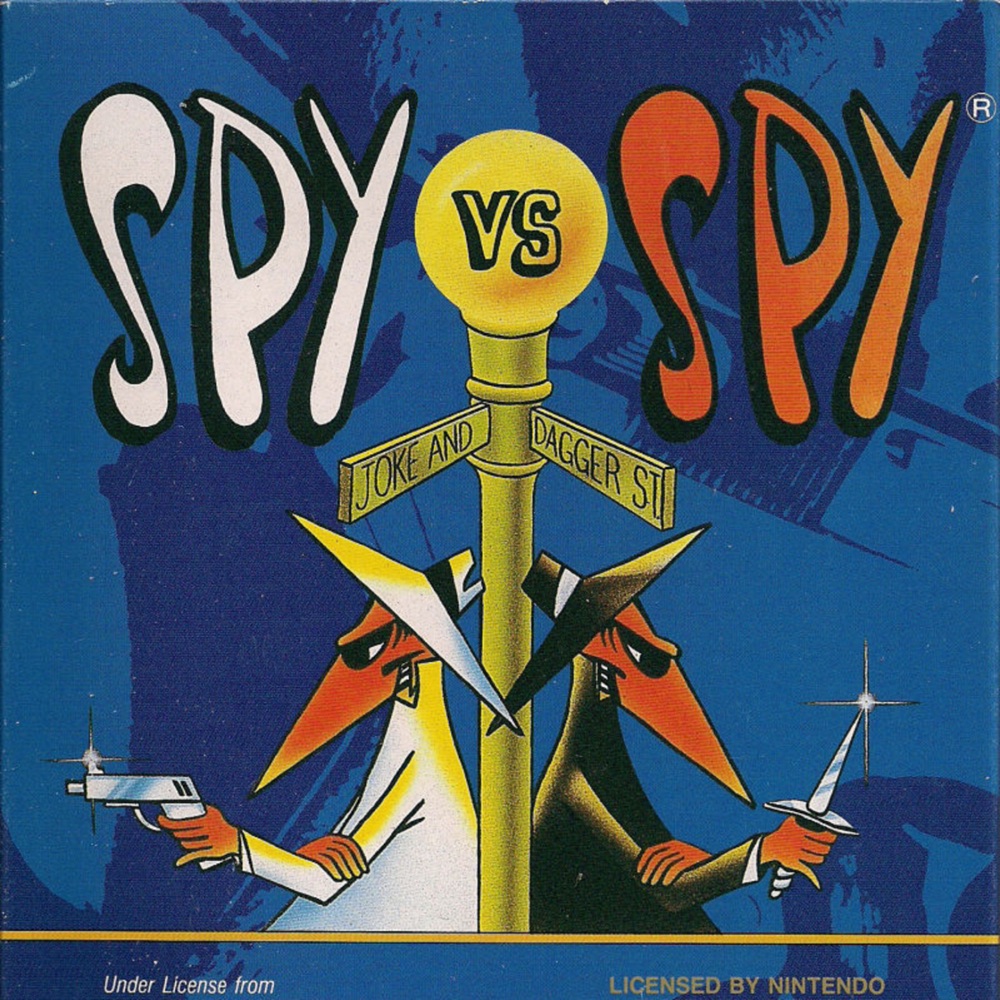
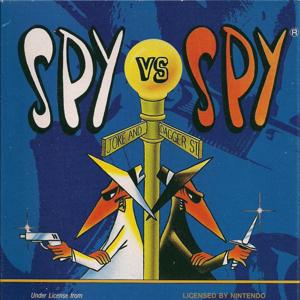
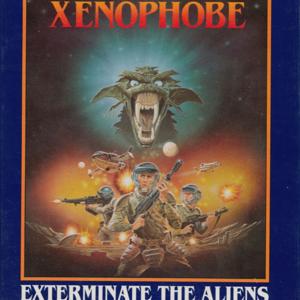
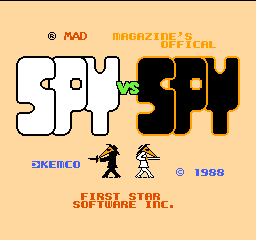
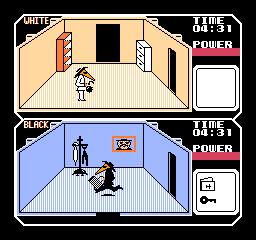
The back of the box calls Spy vs. Spy "Mad Magazine's first official computer game," which set off an argument about whether the NES is a computer or a control deck. The game began on the Commodore 64 in 1984 and reached us in 1988 from Kemco. You play the white or black spy on a split screen, hunting through furniture for four items and a briefcase while you watch your rival in the bottom half. Bombs, water buckets that disarm them, doors you can block: simple pieces that kept giving us new plans, and we only worked out how much was going on when we learned to split our attention. It's repetitive alone, and checking the map takes five presses of B.
Joe voted Essential first after saying it got better the more he played, and Sean followed, calling it the most unique game in many episodes. Mike voted Play it, saying it felt archaic and he was playing for the show more than for fun. We couldn't play with a second person, which we all felt was the real way to play it.
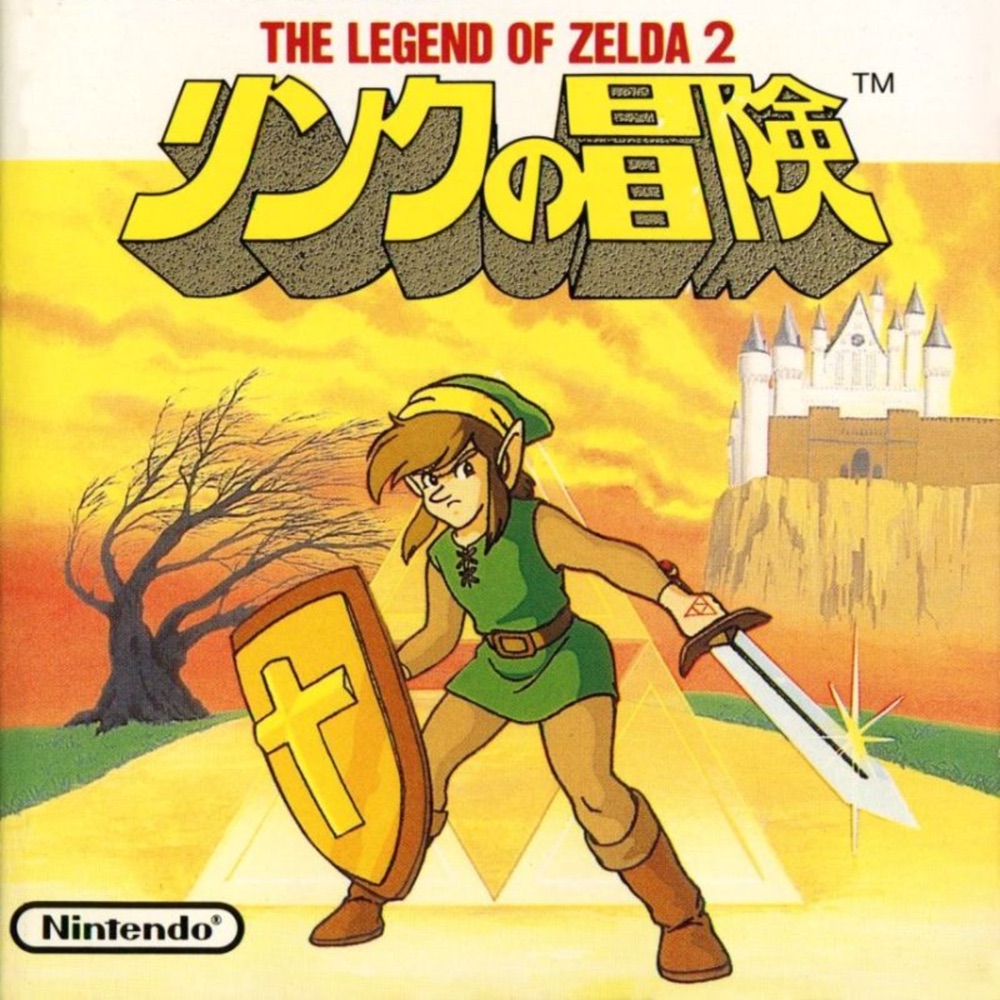
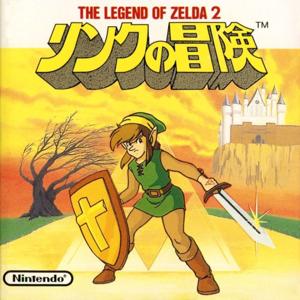
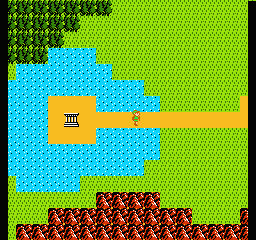
Miyamoto only produced Zelda II, and he later called it a failure. It started as a side-scrolling sword-and-shield idea that picked up a Zelda label along the way, and you can feel the seam. We loved the duels, where you duck for low shots, stand for high and creep toward a dagger thrower while his throws clink off your shield, and we loved the overworld, which drops you onto the first game's map with the graveyard and cave right where you left them. Shadow Link was the coolest thing we'd seen on the system: your size, black on black, and reactive instead of looping.
The sword, though, is a dagger, the palaces are a straight line with filler rooms, and some of the townspeople are "literally the strategy guide" when they aren't hopelessly cryptic. One is named Error. Joe voted Essential, but only if you play with a guide. Sean and Mike voted no, and Mike called it the best, worst game we've played.
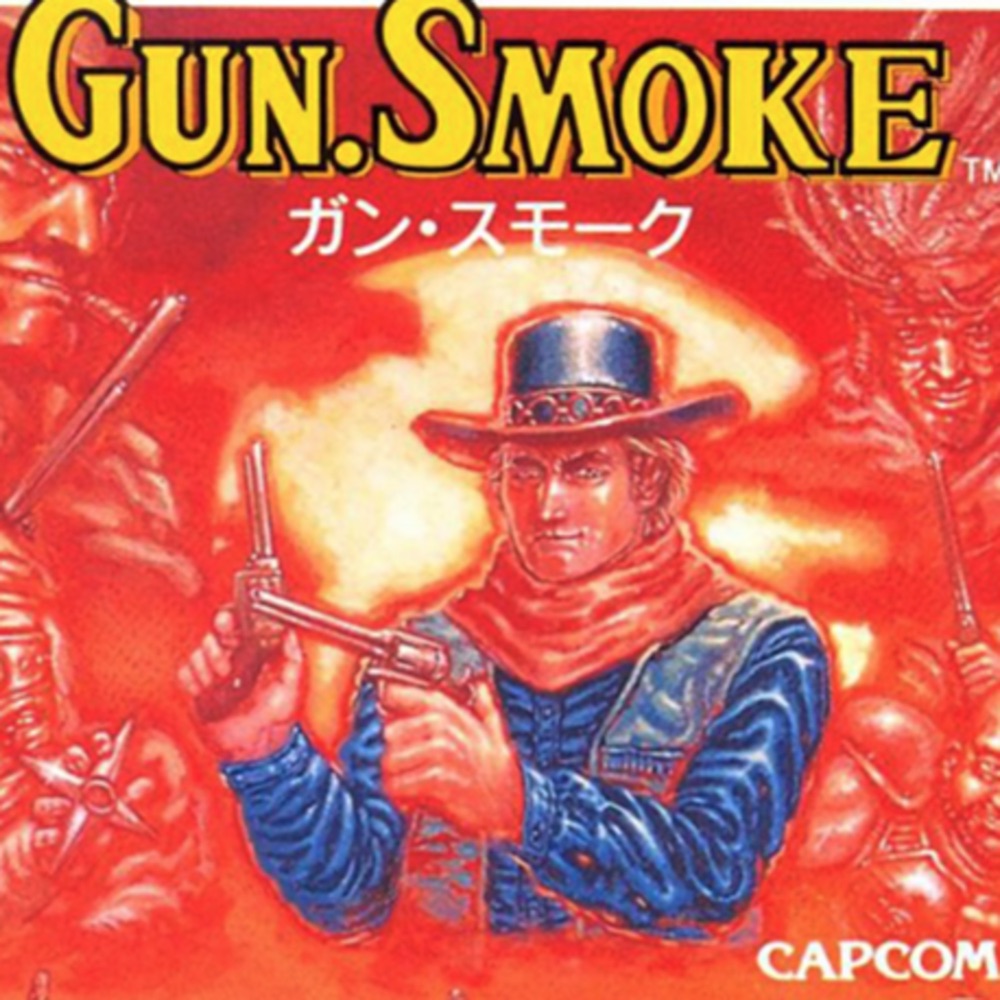
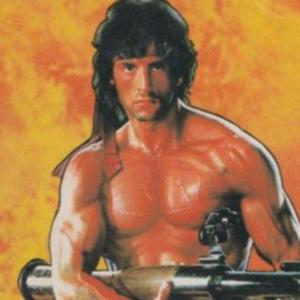
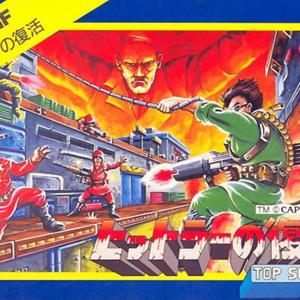
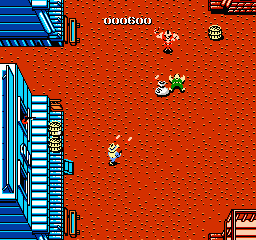
We expected another Commando. What we got was a cowboy walking into Hicksville to take down the Wingate gang, and a shmup that felt like nothing else on the system. A and B fire diagonally, both together fire straight, and that odd little rule turns the game into bobbing and weaving. Kills pay out as money, which you spend at a general store on better guns and ammo, so a game about shooting everything finally has a reason to. The Magnum pierces a whole row, the smart bomb eats a hit that would have killed you, and the music sounds like Western music.
You need a wanted poster per boss, which you either buy or conjure by shooting an empty patch of ground, and nobody could explain the ninjas. Sean and Joe called it a Play it (Joe's was a "golden play it"), and Sam's mailed-in vote was a Play it too. Mike voted Essential after it dethroned Stinger as his top-ranked NES game. Under the majority rule it missed the list that day, and it came on later at the Best of 1989.
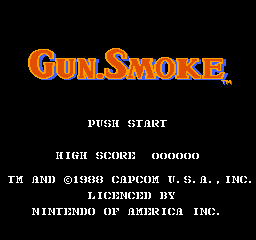
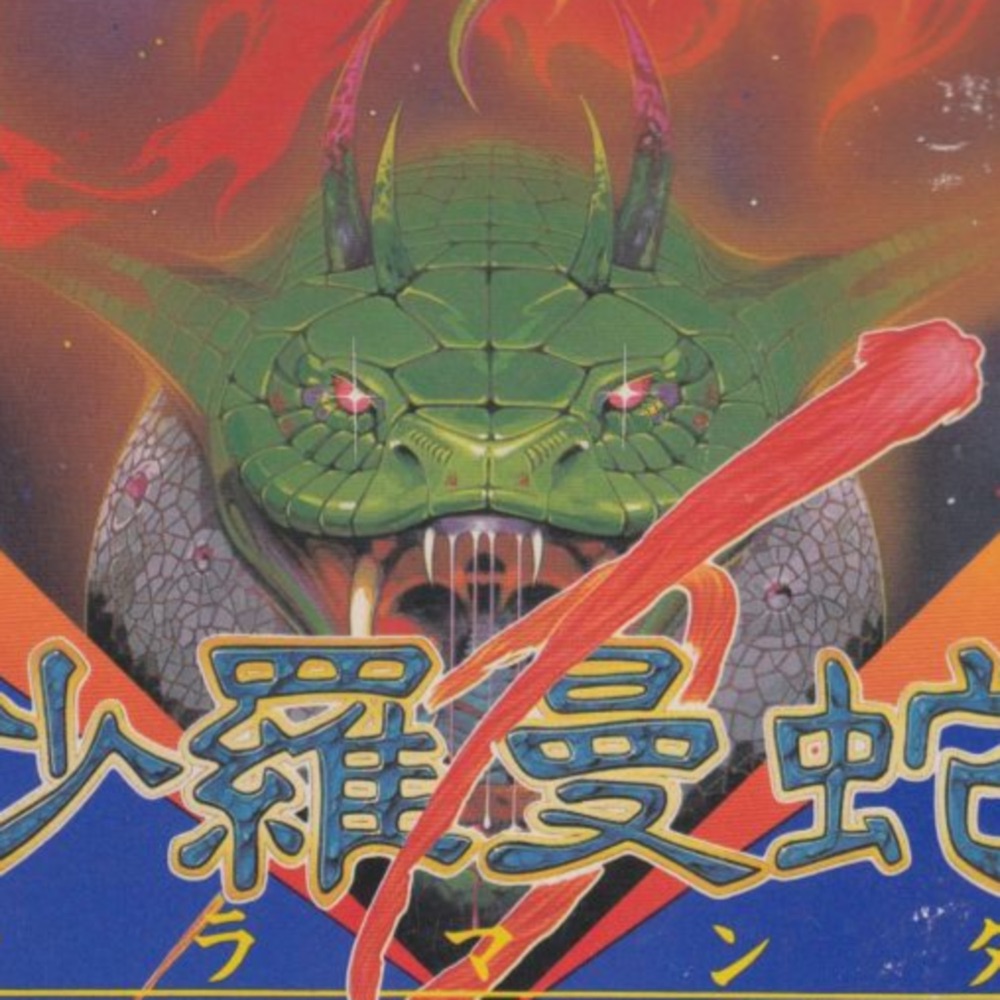
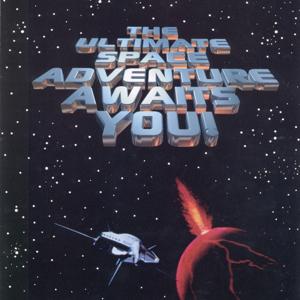
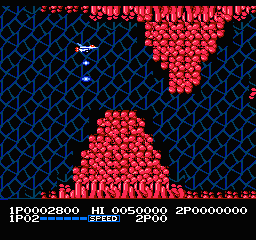
The box says you saved the innocent people of Gradius and now something has "slimed into the neighborhood." The manual is word salad, with 600 Gs at warp speed and a pilot lounging in a La-Z-Boy, and underneath it is a faster, better-looking Gradius that alternates horizontal and vertical stages. The power-up meter is still there, banked and cashed in as you like. But now you fly through the inside of a living planet, with intestine walls and solar flares for obstacles and a first boss that fades in out of the wall so slowly that you realize the brain is simply there. We felt it looked almost like a Super Nintendo game.
Dying hurts less, since there's no checkpoint and power-ups are plentiful, and with the Konami code it's close to a guaranteed win. The growing intestine walls give no warning, the final escape is nearly frame perfect, and the slowdown is worse than in Gradius. We all voted it onto the list. It was the first sequel to an Essential game we'd played, and we never felt it needed to push Gradius out.
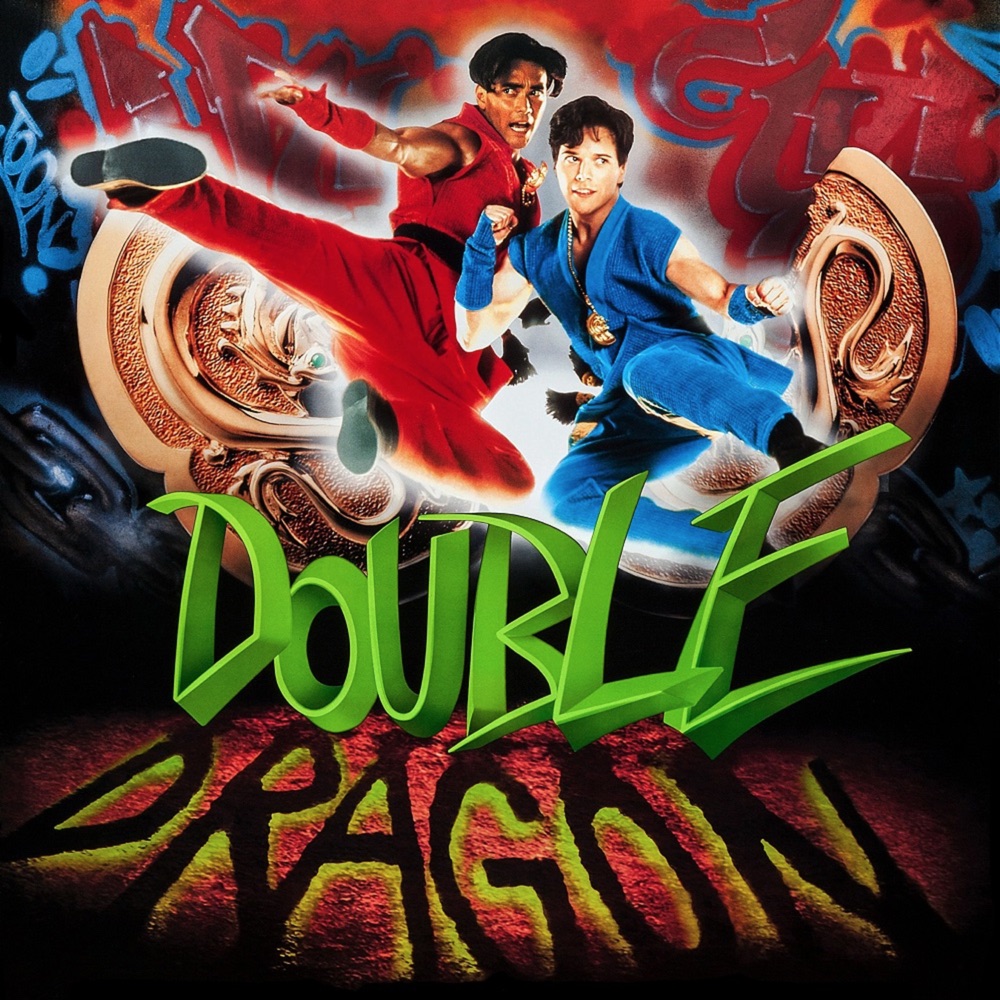
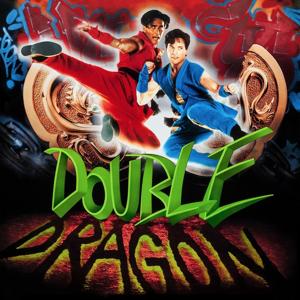
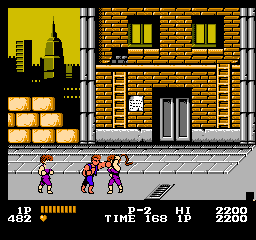
Technos gave us Renegade only about twenty episodes earlier, and Double Dragon plays like the team listened to our complaints and went back in time to fix them. One button punches, one kicks, the hitboxes are forgiving, and every connection has a split second of crunch before the slow-motion fall. The NES's limit of two enemies at a time turned into the sweet spot, one on each side and never overwhelming. We spent a while on a bat guy who kept re-grabbing his bat while a second goon hit us from behind, a Looney Tunes routine, and a level that lets you knock an enemy onto the conveyor belt and watch him fall to his death, Abobo included.
It isn't perfect: hearts you earn through landed hits when we wanted every move up front, a timer a home version didn't need, and a last stretch with endless spawning and no guard button. Still, Sean called it the most modern-feeling game we'd played so far. With two hosts the rule was all or nothing, and both of us said yes.
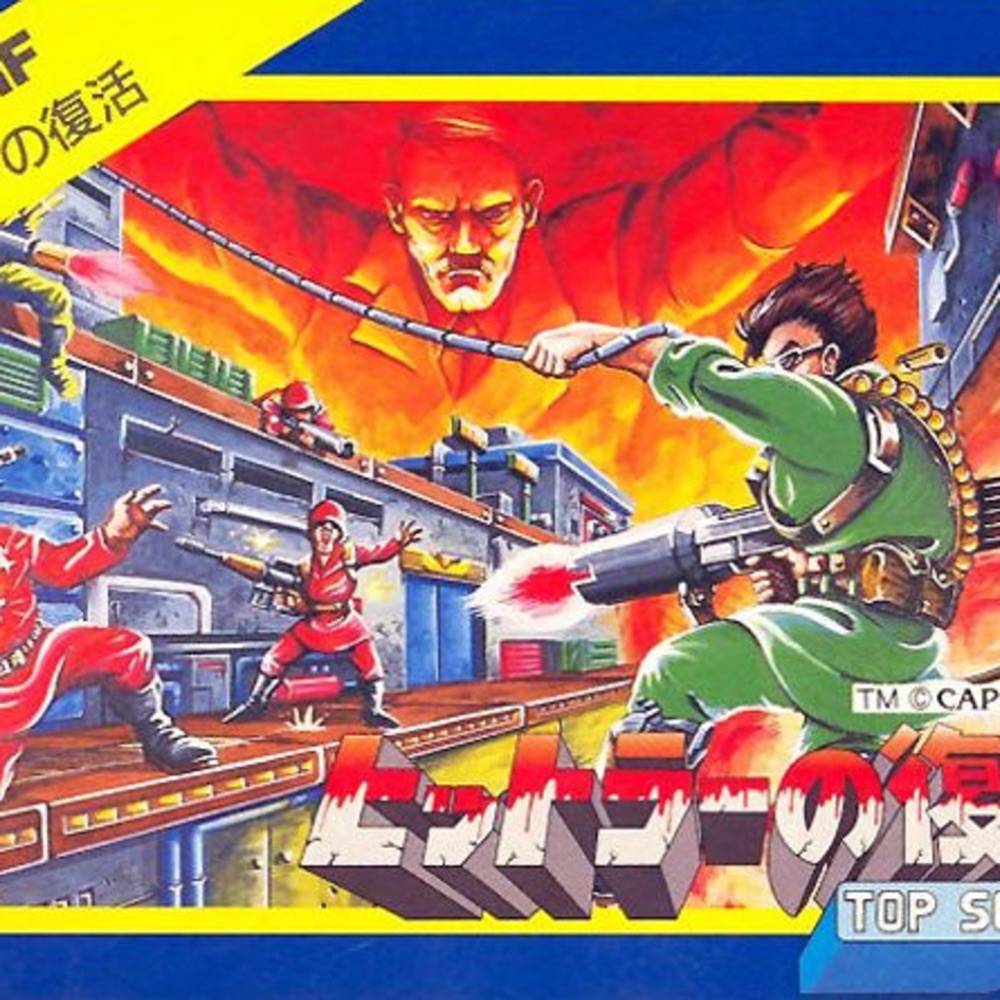
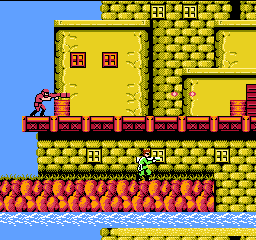
You cannot jump in Bionic Commando. A bionic arm grapples and swings you around, and the other hand holds the gun. We called it the most innovative platforming idea since Super Mario Bros.: about a minute and a half to understand, a couple of hours to swing well, and then you string swings together to reach places you never expected. The game also gives you a convoy map that's numbered out of order on purpose, with trucks you can bump into for a mini Commando stage, and a puzzle under the action about finding locations and gathering the gear that opens the next.
It's not smooth. Letting go is sometimes down and sometimes left, swing too close to a wall and you drop, and the game is long with no save of any kind. We put in real hours, and nobody beat it. We still voted it onto the list, Joe just barely, calling it his hardest decision of the year. It came off at the Best of 1989.
Contra
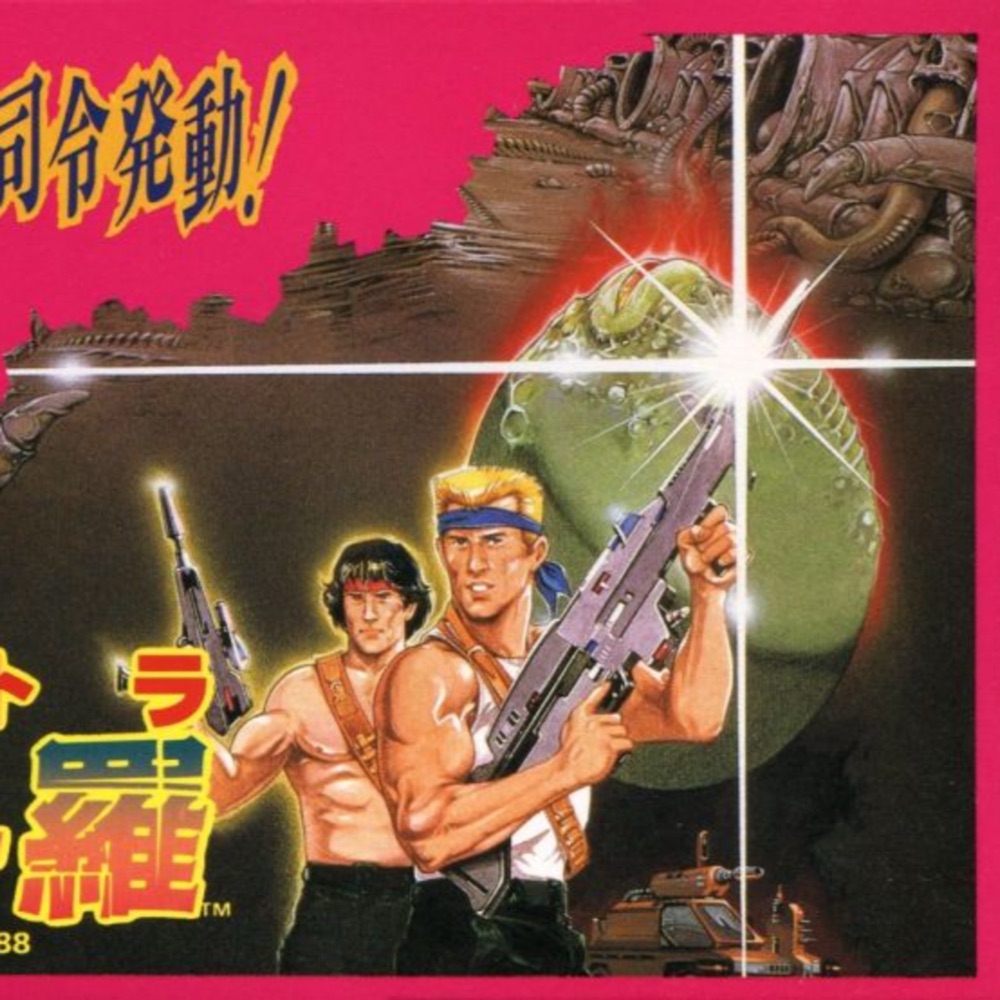
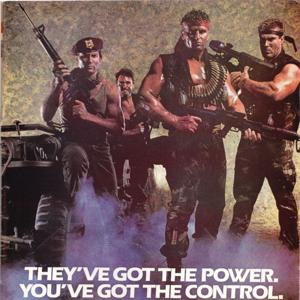
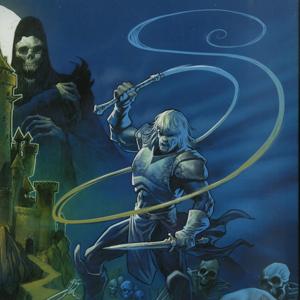
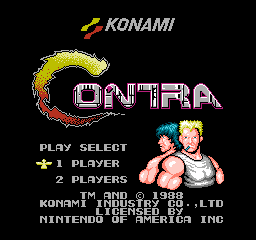
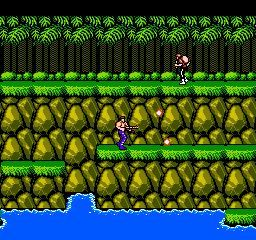
Contra is the first run-and-gun on the show, and after 93 games it still surprised us. It looks like an 80s action movie: sprites with visible muscles, a jungle that feels like a place, energy discs and transparent bubbles that could pass for Super Nintendo work. After wishing Simon could whip diagonally in Castlevania, here you hold up and left and fire, even in mid-air. The waterfall climb, the snow level where grenades come from below the horizon, the cramped late stages and an alien lair that feels like the inside of something huge keep the eight stages from blurring together. The manual's Cold War story, with a two-man team sent in so nobody starts a war, is the first one we actually bought.
The pseudo-3D base stages play like a tennis match where you dodge the volleys, and we spent ages jumping rolling mines before realizing you can shoot them. The spread gun is the best by a mile. Two players call out targets like a battlefield, though the screen barely scrolls and you can trap your partner. The Konami code's 30 lives made it more fun for us. Everyone voted it in.
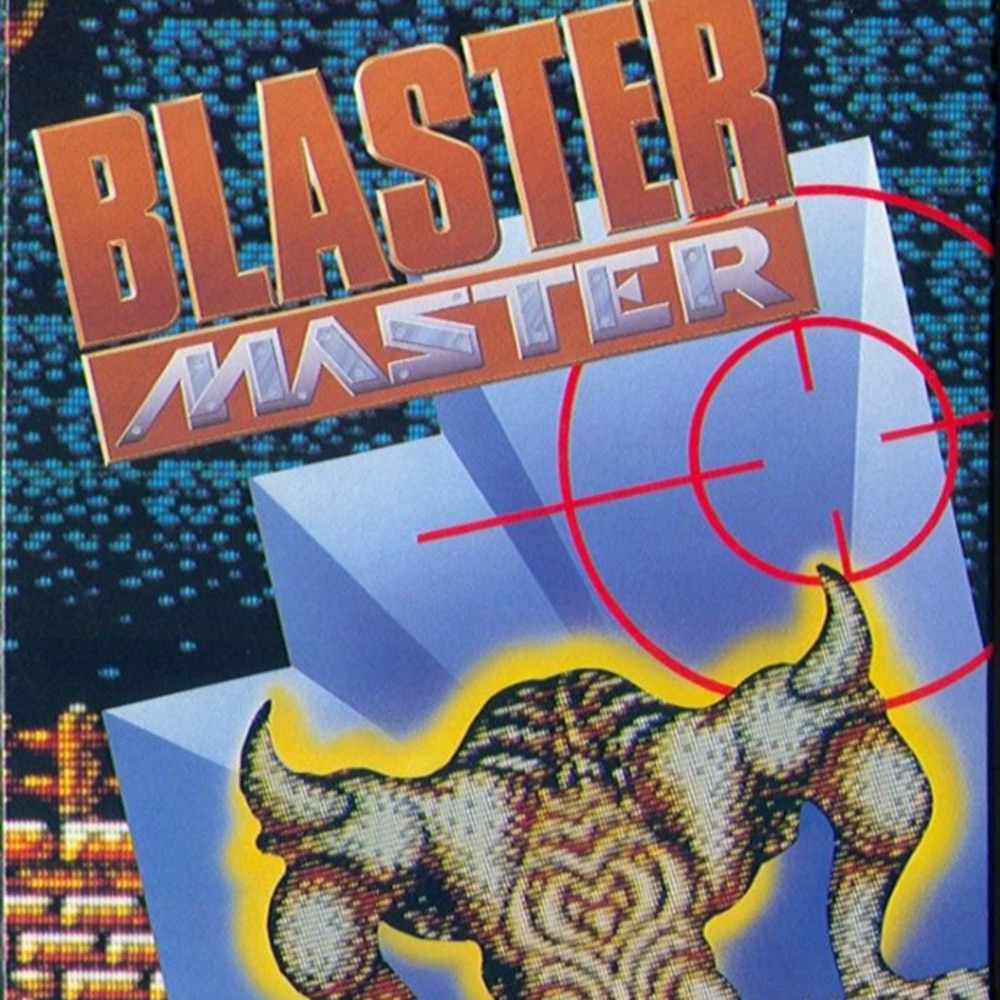
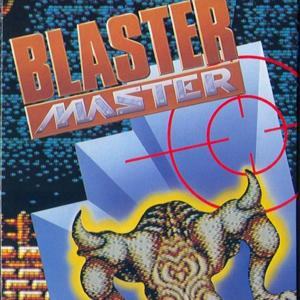
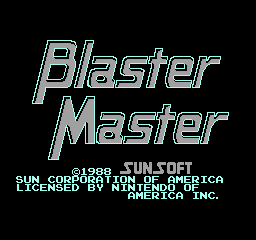
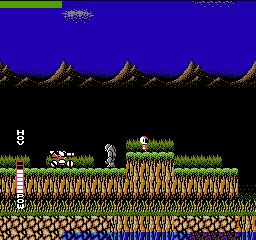
Blaster Master has a bad name, a worse box (a CRT photo glued onto clip art, promising an "Authentic Arcade Edition" of a game that never saw an arcade), and a manual about a runaway pet frog. Then the cutscene starts, the tank drops down the hole, and it turns out to be one of the best games we had played. It was the best-looking NES game yet, with big sprites, cohesive art and the best bosses we'd seen. Joe put the tank just below Mario for 2D feel.
What amazed us was that the world remembers. Park the tank, climb out, go through a door, and the tank is where you left it, with the enemies you killed still dead. Jason has his own health bar, and climbing back in refills the tank's, which turned into a cheese. Hover, wall climbing and the dive engine change what you can reach, not just what you can shoot, and the dive engine feels earned, like getting the airship in Final Fantasy. Joe's three complaints were limited lives, no save and getting stuck outside the tank. Mike said it takes two or three hours to win you over and he would have been impressed on the Super Nintendo, and Sean gave it a "raving essential." Three for three.
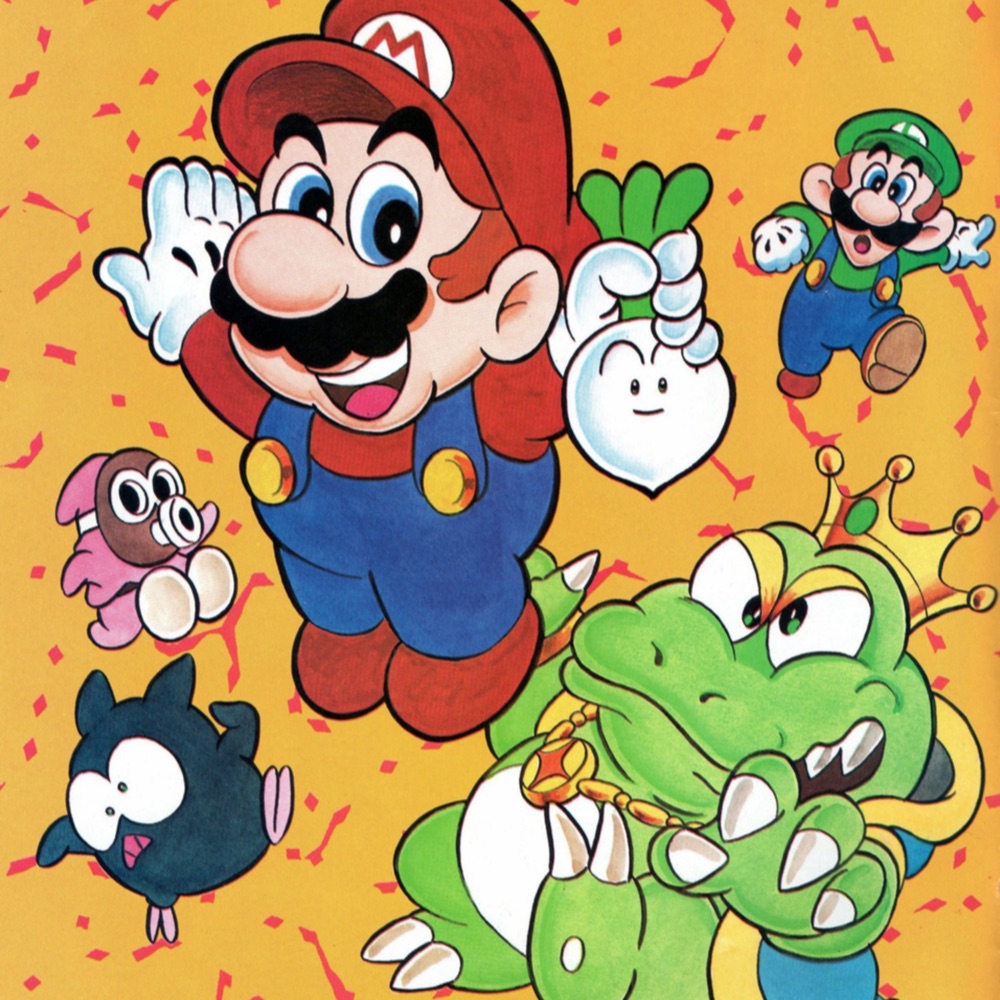
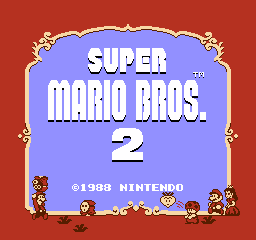
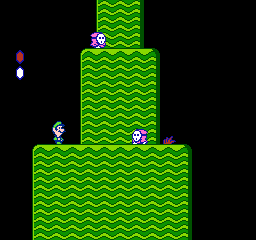
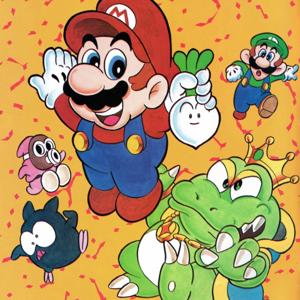
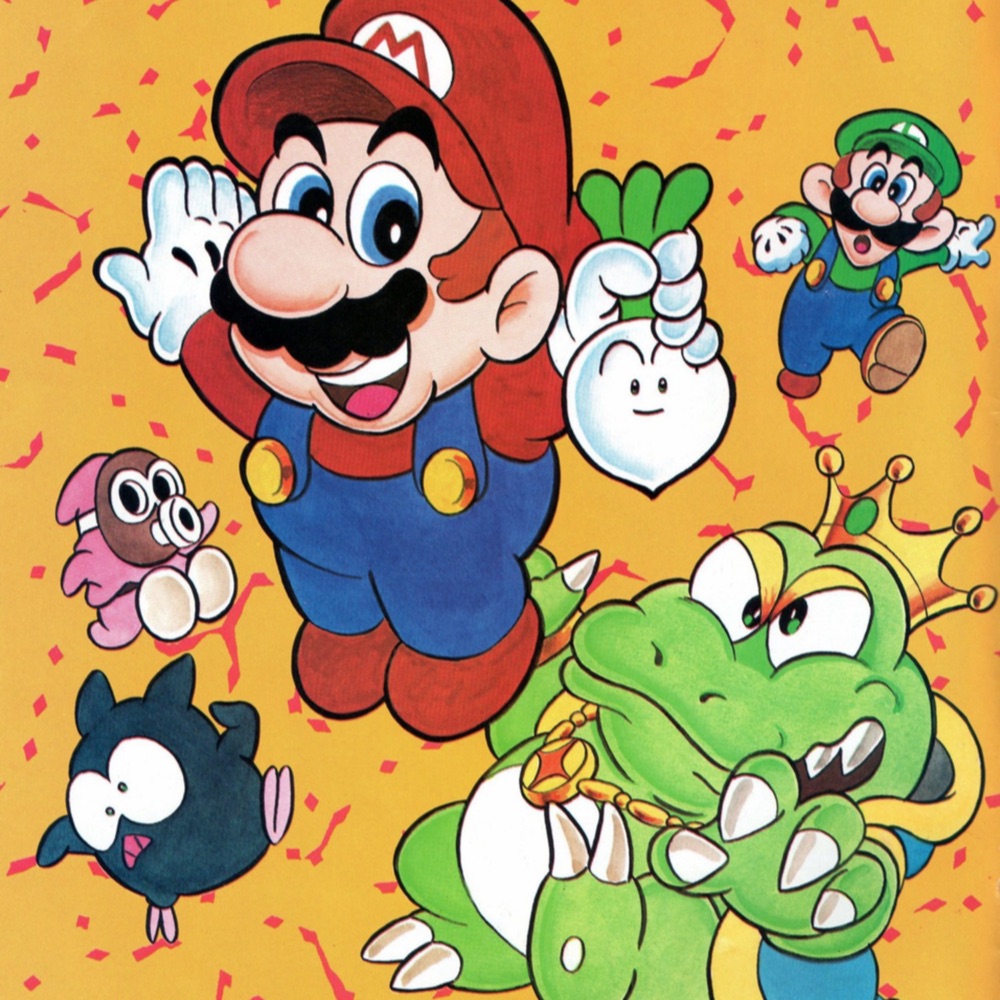
This is not the Super Mario Bros. 2 that Japan got, which is a harder Super Mario Bros. 1. Ours is Doki Doki Panic in a Mario coat of paint, and the real question was whether a sequel that barely resembles its predecessor can still be great. It can. You fall out of a door in the sky, pits aren't just pits anymore, and the screen scrolls up and down as well as sideways, so you see every enemy before you reach it and can plan. Four characters, no wrong pick: Mario jumps farthest, Luigi jumps high but slides, Peach floats, Toad is quickest. Sam stuck with Peach to cover for his platforming, and we split on whether Luigi or Mario was better.
The game hides its lessons in plain sight. Birdo's eggs are more than ammo, you can ride one across a level, and the birds in World 5 are your way back when the path ends in nothing. Movement without momentum, a fairer game over, music that's less iconic than Super Mario Bros. 1 but more energetic. It has flaws: secrets with no clues, a Wart who appears out of nowhere, a middle stretch that sags, and masks that chase you when you hold the key. Miyamoto's team first prototyped a co-op game about lifting and throwing each other, which became picking up vegetables, and Nintendo of America pushed for the Mario version. All four of us voted yes, and Nintendo R&D4 now has three games, all essential.