124 · GHOSTBUSTERS
Catch those ghosts, and confront the ominous Marshmallow Man. Use your Laser Stream Throwers, ectomobiles and lots of other ghost-catching gear. So come on. Show 'em how they do it downtown.
SHOW NOTES
Developer Interviewer
Japanese Ending to Ghostbusters
Ghostbusters NES Longplay
THE REAL GHOSTBUSTERS - Arcade 1987
Extreme Ghostbusters
Ghostbusters - 2009 360/PS3
Ghostbusters - 2016 PS4/XBONE
- When there’s something strange in your earbuds, who ya gonna call? NEStalgia!
- Introductions
- The actual back of the box is really weird
- Paranormal activity.
- Ghostbusters Headquarters.
- One Marshmallow Man.
- Ghost-catching gear.
- One hit song.
- Slime.
- Laser Stream Throwers.
- One ectomobile.
- One street map.
- One Temple of Zuul.
- And a zillion ghosts.
- The actual back of the box is really weird
- Ghostbusters
- The Movie
- The Fanbase and extended cannon
- Overview
- Welcome to the Ghostbusters Business simulator! Travel around NYC in the Ectomobile, purchase necessary equipment, visit haunted places, capture ghosts, make more money.
- Was this the way you imagined a Ghostbusters game?
- The Hub
- Gas Station
- Ghostbusters cursor icon
- GhostBusters HQ
- What did you buy?
- Catching the Ghosts
- Zuuls Stage
- CONGLATURATION
- Development
- “Here’s a tip for game designers I like to call: ‘How to deal with a tight deadline.’ Complete a full game as quickly as possible, and then go back and enhance until they pry the code from your hands. After that, STOP adding features and only fix bugs, or you’ll simply fall victim to ‘creeping elegance’. Give your game a beginning, middle, and an end. If the code-release deadline comes and all you have is a fully playable and beautifully tweaked main game, all of your work is commercially worthless! That game can’t be released. Implement the complete game flow, from the time the player boots up until the final congratulations screen. Do this first, even if the fun part – the main gameplay sequence – is nothing but a placeholder. Second, make the game really fun but leave out neat little enhancements that might take a day or two to code. Then in the last weeks of a project, revisit each part of the sequence based on greatest need and add the cool little ideas that have been percolating in your brain. The result is that near the end of the allocated time you have an average, but complete game that has at least some commercial value even before it has all the coolest tweaks. But since everybody knows that a great game sells better than an average game, you have the leverage to show your publisher that you can improve the game with each subsequent day they can give you.
- Sequels and Spinoffs
- Ghostbusters II - NES
- THE REAL GHOSTBUSTERS - Arcade 1987
- Extreme Ghostbusters
- Ghostbusters - 2009 360/PS3
- Ghostbusters - 2016 PS4/XBONE (terrible)
- EGL
- A very interesting approach to a Ghostbusters game, but I can’t help feel like an action platformer where you start in the library and work your way to a fight against Stay Puft would’ve been more appreciated.
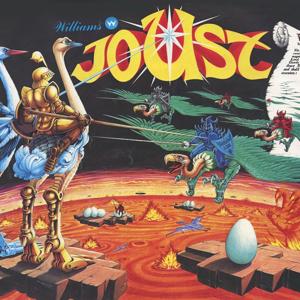
- Next week - Joust
- Will it be able to replace Balloon Fight
Auto-generated transcript. Each paragraph starts with its timestamp. Speakers are not identified.
When there's something strange in your earbuds, who you gonna call? Nostalgia! Nostalgia!
And welcome to NEStalgia, a chronological exploration of every NES game released in North America. I'm Mike. I'm Sean. And I'm Joe. Guys, did you ever notice we have a bit of a rhythm to how we do that introduction? For all fans know, we've just been using the same recorded line over and over again for that. There are little adjustments each time, so I think they all know that we're not robots. Yeah, if you play them back to back, there's a message.
And for those of you that didn't know, I didn't read the back of the box this time. It doesn't say Nostalgia on the back of the box, but the actual back of the box is really weird. It's just this smorgasbord of things that you can experience in this game, like paranormal activity, the Ghostbusters headquarters, one marshmallow man. Like, it just lists those things out. Like a list of ingredients? Does it like have a conclusion to that? Like, and it all is from Ghostbusters or something like that? Yeah. You know what, Joe? I'm glad you brought it up so this way I don't have to read the whole list. But it does end with one street map, which is not a good feature to like point out. One street map, one temple of Zul, and a zillion ghosts.
That's also false. And wait a minute, are we like aware that our listeners know that we read the back of the box? Like, have we ever said this is from the back of the box? I think we've mentioned it. And if we haven't, then it's, you know, over a hundred episodes. Like, you had to have noticed. The difference is, I use the word fans, not listeners. And our fans would know that. Our listeners, I don't know. I gotcha. Casual listeners of the show probably don't even know, you know, like the difference between if this is Mike or Joe. No talking right now. Anyway. I don't even know the difference.
Ghostbusters, guys. Before we talk about the video game, can we talk about the movie? If you want. I would like to talk about the movie. Joe, why don't you kick us off and talk about your experiences with the Ghostbusters movie? I really hate that you chose me because I have to embarrassingly say, I know, I've never seen Ghostbusters. I know everyone. I know. Listeners, I'm sorry I let you down.
It's like the Citizen Kane of Ghostbusting films. Yeah. Of Ghostbusting films. In fact, I think there was another big one that we did that I had not seen the classic movie. I can't remember what it was. But yeah, it's a blind spot of mine.
Okay. Of course, though, growing up in the 90s after it had already been very popular, man, I know a lot about it. And, you know, I've seen bits and pieces, but never actually sat down and watched the movie. Joe, I just have to ask now because you've opened it up to yourself. What is a lot? Like what? You know a lot of things about it. Just give me like a. I mean, I know about like, I mean, I know like a lot of the imagery of like the slime monsters and the state puffed marshmallow man. And I know that he becomes the I know if they think about whatever they think about at the end becomes their final enemy. And they're thinking about this marshmallow man.
And, you know, they were the vacuum packs on their on their back. They can't cross the streams. All the little like a little, you know, like Dan Aykroyd is like is like an unhealthy connection to the movie and he keeps trying to do more with it. But he should just stop. I didn't know that.
Oh, OK. But now I do. And did you also know that like the theme song as catchy as it is also has like some controversy behind it on like who actually wrote a Ghostbusters theme song and then it wasn't used and stuff like that? No, that's another another one that's news to me. OK. And did you know that there was like.
I don't want to say two truths and a lie. And like one of these is going to be true. I don't want to say like this. I think the craziest thing for me if we're as we're talking about the movie is just like the extended canon of the movie beyond just this one blockbuster hit like the fact that Ghostbusters in the late 80s was like on the scale of popularity as like say the Teenage Mutant Ninja Turtles like the fact that it became a brand and a franchise is just like you don't hear about that. Right. It just kind of vanished.
Yeah. I mean, I guess I'm aware that that that level of fandom exists and that's bigger than a lot of other like block like, you know, like Back to the Future was another blockbuster movie, but did not reach this like level of like cult fandom that I feel like.
I would say that it has, but you think but like with literally with having like TV series and like merchandise is crazy in Ghostbusters for the everybody wants the the Ectomobile. They want to play with for themselves. They want to have the different ghosts catching gear stuff, which is like just vacuums really right and we're like back to the future had three movies and was very very popular. But then like that was really it right. I mean, maybe I'm completely wrong until like maybe 30 years later. There was like a video game or something, but like it had and I'm sure there was a video game on the NES, but we're not here to argue. Right. But but I'm just using that as like as a comparison to how I feel like Ghostbusters.
I have something I haven't seen. I'm still like very aware of it. I think because it's just been so just got so like overly popular. Yeah, I think I think the interesting thing there and I think of maybe a better example is like Indiana Jones, which also got like a bunch of like young Indiana Jones and like you the gear maybe back to the future didn't take off because like those self lacy those self tying shoes just weren't possible and the hoverboard was impossible.
So like it's always like consumer products that push things over the edge in these scenarios. So Ghostbusters must have been something easy to be like, well, you can dress up like one. You can own replica gear and no one's actually going to be able to catch a ghost in their whole life. So it might as well make them think they can.
But, you know, I think it's about time we talk to we talk about the game because the just to give a quick overview on this game, a lot of people know this game infamously for like the bad spelling errors in the ending and like maybe the fact that it gets really difficult towards the end. But what I found interesting as someone who had never played the game before is that you're not playing like as the official Ghostbusters and like some kind of action platformer where you're fighting ghosts like you might expect. You're you're doing a Ghostbusters business simulator.
Yeah. I had never actually heard of this game. I did not know that it had the reputation that it does. So I was completely taken aback by everything that it seems to be converting from the movie to the game. Like, was there a lot of like worrying about making rent in Ghostbusters? It's been so long since I've seen it.
Yeah, I honestly don't remember that side of it. And I'm not, you know, like they were well to do like they had a headquarters and stuff like that. So that wasn't the problem. I think it's really interesting instead that they chose to like take what could have been a very simple, straightforward, like game similar to the vein of, you know, Super Mario Brothers just with the Ghostbusters.
And you just, you know, fight ghosts on, you know, like actually imagine like Contra, but for Ghostbusters, you know, like you could have done that. Well, that's sort of what I was worried about because, you know, the more modern, not modern, but like the mid aughts, the late 90s, when you got like a movie tie-in game or something along those lines, it was usually just going to be a reskin of a very successful genre that is very easy to make.
But like the tie-in games that we've played have all had a much more unique design to them. And this is included in that. But I, while that's always interesting in itself, I was not expecting my pop in Ghostbusters to immediately have to go to the store to buy equipment. And then I ran out of gas on the way there. So then the Ghostbusters have to push it to the gas station. And then I like, oh, I forgot something at the HQ, which is very, very strange.
And, you know, Sean, I think you gave just a good overview of the game actually there, because essentially that is the gameplay loop of like travel around New York City, purchase the necessary equipment for whatever you need at the moment, visit haunted places, capture ghosts, and repeat it. Just keep making more money to buy better gear. It's like, who would have thought that a Ghostbusters game would have a loot system?
Yeah, this is like the, not grinding in a video game sense, but this is like the grind, LL. Like, just like, that's what this game is doing. It's like, this is how, what it's like to own a small business. And there's like, there's some nice touches that just completely, to me, are unnecessary. For instance, the gas station with the fuel gauge. And like, if you run out of gas at any particular point, you have to get out of the car and push it to the nearest gas station.
Or you can just visit the gas station to have a full tank. I don't know about you guys. I just thought it was easier to just run out of gas and have them push the car. Yeah, because you still have to drive to and expend gas going to the gas station. So if you're already low, you're probably not going to make it. But I don't know, just weird work to talk about the strategy of gas consumption in the Ghostbusters game.
Yeah, I think it's like a, it's a case of them trying to make that, trying to, trying to make it like, oh, make it realistic and make it like it would really be to a fault. Where it's just like, well, now there's a lot of things that are just not fun in here. Like that it's like, this is what I'm trying to get away from by playing a video game. And I'm sure most people playing this were not driving cars, but it's like, it's like chores. Yeah, the overview of the game is like, it plops you down onto a very realistic map of Manhattan.
And you don't, it's not like you're driving your car. It's more like you're pointing a, a Ghostbusters cursor around streets. Which isn't exactly clear, right? Like, you've never had that mechanic introduced to you before. And there's no explanation of what to do first. So to just have that ghost with the sensor sign through it as like the, that's you, wasn't exactly clear.
Yeah. And what you're doing is you're going around and waiting, you're going towards buildings. And if those buildings blink, that means there's a ghost in there. And when you try and select the first one you come across, you'll find out that you didn't bring any of your equipment. And in fact, you don't own any equipment. Yeah, that was the funny part. Like, you don't even own the equipment. This is your first ever mission. You go to the store and you buy the equipment or what you think you need. And then maybe you forgot something else.
And then you have to go back. But then once you finally get your stuff, after you've driven to the store, expended gas, get your stuff. Then you finally can go to the blinking locations and catch some ghosts. And it's always just like in the, like on the facade of the building, like there's ghosts running around. And you drop your trap. And it's actually, that's a fun little piece of it, like the whole ghost catching part. But, and if you cross the streams, you die.
And that's cute. And you just keep doing this to make money. And every time you catch a ghost, you make some money. And that's 80% of the game. Or like 90% of the game. I think you did a great job there, Sean, of covering that. I'd like to just take a step back from everything before we go into explaining the whole game.
And just start at like square one for a minute with both of you. If you can both talk about like, did you look at the manual at all? Like what were your first, what were your first thoughts when playing this game of what you should do? Or where, you know, like what was even happening on the screen? Because if you don't look at the manual, it's not exactly clear. So Joe, what did you do first? I didn't look at the manual until a little later. So when I first turned this on, and I had heard that this is like notorious for being a little bit of a janky game.
When I first turned this on, I thought that this overworld map was the game. And I thought like, wow, this game was made in an hour. Like I thought it was this overworld map with you, this cursor, these ghosts are just flying around. And I was like, what am I even doing here? It felt like it was like, what was that early system was like Magnavox or whatever, where like you put like, you put like literally like a clear sheet on your screen that had news move around. Like it felt like I had to use my imagination. Oh, the Odyssey, that's what it is. And then I, then once I realized, oh, there's a shop and I can go into these buildings. The manual explains it a little better.
But then I was like, okay, maybe there is something a little more to it. But that was like, when I first turned it on, I was like, what am I looking at here? It's just like a perfectly square grid with like buildings that are, have like, it's, they're, they're like cut out in squares that just like look. It looks like SimCity. Yeah, it looks like people, it looks like they've been like cropped or selected with squares and put there. Yeah. And not like actually cut out to the shape of the building.
Yeah, I, I read the manual before I played and it's good because if I were in your situation, like this, you need to read the manual to even understand concepts. Like it's still not a very good job of describing what you should be doing. But at least if you read the manual, you, you kind of know the phases that you'll go through. Right. Because I, when I was in like the ghost busting phase, even though I had read the manual, I could not for the life of me catch one. Like I could grab them, but then the whole thing would just end and I wouldn't make any money. So I had to like watch some videos to see what I was doing wrong.
Yeah, my, I, it was, it was frustrating even if you had read the manual. Yeah. And just to, to one, one more point on the manual, it, it's like not written in like the most intuitive way that we're used to reading.
Like instead of saying like, okay, you have the city map scene, here are the controls for the city map scene. Here are the controls for the, you know, the road scene. It says like the A button. And then underneath it, it says on the city map scene, it does this. On the shop scene, it does this. On the road scene, it does this. On the building scene, it does this. There's like seven of these scenes. Then it says B button and it lists like it's backwards. We're used to seeing like what all the controls do in this section, what all the controls do in that section. And now it just says like A button and then lists the sections.
So if you're looking at like, how do you control things on the road scene? You got to look at the A button under the A button column and find road scene and then find out what it does. And then to the B button column, find road scene and find out what it does. It's just not like that's a huge deal, but it's weird. Yeah, my wild guess is that it saved paper instead of having like five illustrations of the controller. It's like, I'm just going to list them all here. But then even from what he's talking about the arrows, it's even worse because then it just says up arrow. At city map scene, moves Ghostbusters up. At road scene, increases your car speed. It's just like a sentence after up arrow that explains what it does in each section.
Yeah, it's strange. And it's kind of funny that like, you know, since we're talking about the start of the game, you're not the actual Ghostbusters. You're the franchised version of the Ghostbusters in like their in your local town. And you've been loaned $10,000 to start your own Ghostbusters. Yeah, and that's how they describe it. It's the franchise. And again, it's been a long time since I've watched the movie. But is it is it assumed is it like implied that this is like a huge corporation that they that you could just get a franchise for? Like I oh, man.
Yeah. And I don't know. I don't know. Like the manual. I will agree, Joe, that it's all over the place in terms of like explaining things to you. Even like even they explain them is like different ideas to like so they're right off the bat. You learn about gearing up and then busting ghosts. But then it goes right to Zul, too. And it's like there's so many other things that would happen before you get to Zul that it feels like they should have like thought about this chronologically.
But they did have a great strategy tip section at the end that that just feels like it feels like it should have been communicated somewhere throughout the game, too. But I guess like the manual was the only way they could have done it back then. But one thing I never understood was that the more time you spend on the city map scene, regardless of where you're going, that means that it's going to take more time for you to drive from point A to point B, regardless of where you pick.
Yeah. It basically. Well, I don't I don't know if it's a time thing. I think it's just wherever the last square you were at. And it's how close it is to the next square you're going to. I see it's it says in the manual, the more you explore, the more mileage you'll have to travel when you take to the streets. So don't waste time exploring the city map scene. Interesting. It sounds like whichever like little curves you go through as the cursor that then like determines the length of how long your driving scene is going to be. Yeah, I guess it would end up being the same regardless.
Yeah, I guess it would end up being the same as the right thing.
The whole way that they have this stuff connected is all very strange because you have this timer, this like reverse timer, but you don't know what it's counting up to. And you don't know what the triggers for like the last phase of the game are. I don't know if we wanted to talk about that at all.
So you're talking about that PK energy thing, right? That counts up? That eventually lets you into the jewel building, like where they manufactured jewel pods. So I took that counter to mean that like those ghosts that are coming up on the screen that are like going towards Zul, that like that's just always going to count up as those ghosts on the overworld thing, whatever we want to call it, the hub. And yeah, I guess that is like it is quantifying the amount of ghosts, but since it's like a count up and it doesn't seem to be like a there's no information of like, oh, when it hits this, this will happen. And it's just like the number keeps going up and then at some random number, it'll like unlock Zul.
Right, right. Right. Or yeah, you don't even know because instead it just automatically decides to tell you like on the bottom of your screen, enter Zul building. And that's like pretty ominous.
Yeah. Well, is there even like what I was confused on is this or because of that counter that that energy counter, is there like what's your incentive to really be going and fighting and catching ghosts? I mean, I guess that. Yeah, you need money to equipment. Yeah. No, better equipment that'll help you against Zul or in the Zul building. It's like one of the things you can buy at the store that is useful in the building is like $100,000. So the first time the door unlocks, you may just ignore it anyway because you want to grab that thing to make it a bit easier.
Yeah, it's funny because at first when you first hit the store and you only have $10,000, it's kind of obvious what you should buy, but you can still make mistakes. But then it's also kind of funny to think like, wow, look at all these other items like that sound generator for $100,000. Like, I wonder what that's going to do for me once I get $100,000, you know, because that's a bit of a grind in this game.
Yeah. And then to find out all it does is just slow down the ghosts in one particular section of the game feels like, you know, that sound generator could have done a bunch of things for a bunch of different scenes. You know, it could have made it easier to like detect cars coming out of the way or like generate. So this way the ghosts come towards you in the ghost busting scenes, you know, like for $100,000 to only do one thing in one scene. That's like an added problem to all of these store items. They only have like one particular use that's only useful for a specific scene.
And you can only carry four at a time, right? You can only carry four. That's correct. I mean, I think you can stack some, like if you bought a bunch of the traps, but anybody that knows how to play this game just gets the super trap or whatever.
Yeah. Well, we should talk about that because I didn't know that at first. And I bought those capture traps, which I believe you can buy two or three of. And when you buy the capture trap, it captures the ghosts for you. And, you know, however many you catch in a scene, there's always four ghosts on a ghost busting scene. And then you have to kind of line up your beam. So this way they catch all of them and then they go directly into the trap.
Sorry. There's just really like it's really unintuitive and more like just go up as high as you can to the screen and then just set it as wide of a net as you possibly can. And it's like the ghosts aren't going to come down any further. So you might as well just set it as high as you can. Am I wrong there? That makes sense.
I don't think I spent too much time deciding what the depth value was for it. Right. So you have the capture trap. And then I was trying to figure out like, well, what's wrong? I have these I have multiple capture traps. What's going on? And it turns out that you have to go back to the Ghostbusters headquarters if your capture traps are full, but not if your super trap is full, because that can just hold every single time it resets. And there is no communication there as to what's actually happening at the Ghostbusters HQ, because it just looks like more people are getting crammed into the clown car.
It's not like you're not getting you're not seeing ghosts come out. It's just so I didn't even know what it was for, even though I had read the manual. I thought I had to go and buy more capture traps.
That's funny, too. Yeah, you releasing them there. But that's true. They don't actually explain that to you. And am I wrong in thinking that the Ghostbusters headquarters as a as a place to go is just a completely missed opportunity, considering that it's only used as a thing for a temporary power up that then eventually becomes useless after like, you know, if you're pretty good at this game after three ghostbusting attempts, you can afford the super trap if assuming you didn't buy it right away. Yeah, I, I was disappointed. I thought it was gonna be like a home base sort of thing.
And just like a thing that you would that you would want to go back there every once in a while. But yeah, it's it's kind of useless. There's a couple of game overs opportunities throughout the game that aren't exactly like as clear because you know, you don't really have, say, a health bar of sorts until you get to the the Zul part of the game. So the out of business in the manual, at least the way they describe it is and I never thought of this one. But if you run out of gas and have no money in your account to buy fuel, then your franchise is out of business. And you make sense.
If you touch the ghost on the stairs three times, that just seems like a weird stipulation for like, you know, like consider you don't see the health bar and you don't actually like those ghosts touching you on the stairs don't read as hits. Only if we're gonna talk about the building part, we'd have to like talk about the entire.
But just to continue on here, the the the marshmallow man appears on the city map scene and you have less than ten thousand dollars. That's an automatic game over. Yeah, I don't really know what the ten thousand dollars is supposed to be for. Is it like a bribe? Do you bribe him? Yeah, I gotta tell you, I feel like I missed a lot of these things. And I mean, I never saw the marshmallow man. I never went to the HQ. I went I did like three or four ghost things. I only bought like the super trap. I didn't buy any of the extra stuff. And then I went to Zul. You must have went to Zul as soon as they told you. I did. Yeah, I did. And then I was like, screw this. Like when I got there.
So you didn't catch any ghosts? No, I caught I caught ghosts before Zul. Yeah, I caught I caught a bunch of ghosts. That was like the only part that I felt like I was like playing much of a game. And I drove, you know, I drove to the shop a few times. Yeah, money. But I didn't like all the other stuff to buy. I mean, I ended up like not really buying any of it because one, I wasn't sure what any of it did. And two, it was like I wasn't even sure how to like use some of the stuff. Like once I would buy something, I could equip those like four things. And then I wasn't trying to switch them out. And then I just kind of gave up and kept playing.
But I like realized that I was I felt like I was doing fine without any of that. Now it makes sense that like probably would have done a lot better on that Zul level, which seemed absolutely impossible to me without any other equipment. So maybe other equipment made it made it easier for you guys. But oh, yeah, sure. Not to keep we keep like jumping ahead to the Zul building. But it's the most bit the best part of the game. Oh, yeah. It's the worst of times and the best of times. You know, there is one out of business stipulation for the game to end that I think is pretty strange.
And it says you can go out of business if you destroy Gozer with your powerful beam and save civilization. So that implies that at the end of the game, after you destroy Gozer, that you've done such a good job getting like Gozer is like the final ghost. And now there's no more ghosts to bust and you're out of business. Yes. So you shouldn't have done that. I didn't read it that way because like that's the subtitle is the game ends in one of six ways. And I guess, yeah, and you go out of business if there's no more money to be made. So, yeah, that's a loss. Yeah, it's a whole loss. You need to keep Gozer.
Otherwise, there's no reason to exist. One final question about this whole like hub thing and, you know, just the idea of a Ghostbusters business simulator. I know that we talked a little bit about this, but what are some other ways that you imagined a Ghostbusters game going down?
Well, I'll say that based this isn't something I imagined beforehand, but based on what I saw here, I thought of a way I think this game I would have enjoyed this game more is if it if it was really just focused around the Ghostbusting levels and making them a little more interesting. Where like you could probably use that little beam mechanic and catching your stream mechanic, catching things in the stream and like aiming the stream in a certain way, catching ghosts as like a little bit of a puzzle mechanic if you designed the levels that way.
Like I feel like that's an interesting gameplay mechanic that was completely not utilized in this game. But I wouldn't mind seeing a game that was like catching ghosts in different areas and trying to catch certain ghosts with other ghosts. Well, you know, different ways to utilize that like magnetized line that, you know, that they're using in this game.
Yeah, I mean, I know that there are like, I don't know, like a dozen or so of these of Ghostbusters video games. I've never played any of them. But whenever I think of like, what's the best way for Ghostbusters to be a video game? It's just Luigi's Mansion. And that's like the only thing that I can think of because the only game that sort of feels like it that I know of. But I did not expect it to take this turn.
Yeah. And speaking of unexpected turns. So the part that we've been, I'm sure, been waiting to talk about here is the Zul, Z-U-U-L. When you have to enter that stage, it's unlike any scene that we've seen before. And I think, you know, right away, the easiest thing to talk about is just the mechanics behind it. But Sean, why don't you give us like a cursory view of what you're supposed to do before talking about the why it's so bad? Yeah. So what you're supposed to do in Zul level part A is just walk up 22 flights of stairs while dodging ghosts.
But it has a very interesting controller layout, which I guess we can get into. You really, it's really just walking upstairs. But instead of just pressing left or right or up, you have to press left or right or up while also mashing the A button, which is the button to take steps. And I don't know why they had to make it that complicated or that hard, because I feel like it would have been hard on its own just just trying to navigate around these ghosts.
But it only it only makes sense to try this if you have a turbo, because if you don't have a turbo button, I feel like there's no way to to get past this level. I mean, yeah, you can have the sound thing that's that's that costs $100,000 or you can have the ghost repellent suit, which gives you a couple more hits from these ghosts. But it's such a frustrating mechanic that I've never seen before.
If you guys want to take it from there. Yeah, I mean, that was definitely weird. I because you stand there for a second, like not even sure what if you can move. But you have to end up just rapidly jamming a it's it's it's stupid. It's well. So here's the weird thing.
You feel paralyzed because you're holding the directional button, you know, you know, to move them. But nothing's happening. But then if you just try your buttons, nothing exactly happens either, because you have to also be like selecting the direction you want to go in. Yeah, as you're like rapidly tapping the button. So it's this weird combination of like, putting your controller to the works, you know, like, I get it.
Other than a turbo controller, I'm not quite sure how you would be able to hit your thumb that fast, knowing that 22 floors, right? 22 is the crazy number to me, which the manual is very comfortable about, you know, once inside, you'll need to climb the stairs to the 22nd floor. You would think that that's just like an exaggeration thing. Like, oh, you'll get to the 22nd floor thing. Or you go up and you get to an elevator.
Yeah, to actually like climb each of those with this mechanic of mashing the A button. And we're not talking about like a, you know, you just got a message that said, come to Zul's stage, you know, or enter Zul's stage or whatever. And you get there. And then the Ghostbusters are actually like tiptoeing their way every single time you press the A button. At least if they were like running or if there was a mechanic where you had to do like A, B, A, B to do the running. So, you know, track and field.
No, I think A and B would have at least been better because then you could set the controller down and just kind of hit rapidly with your index fingers. To the point I was trying to make with the having the directional pad as well and not having it locked to a certain direction is that you have to hold the controller in a way that doesn't really give your thumb a lot of access to move rapidly.
Yeah, I mean, if you were to do that A, B, A, B thing, you would not be able to navigate around because there's a lot of sort of shimmying left and shimmying right just to avoid these ghosts. Unless you were just like on a track where it's like A, B automatically takes you to the direct. You don't have to use the directional keys at all or whatever directional button. Yeah, because it's not enough punishment to climb 22 floors by pressing the A button this amount of times. The other part is that these ghosts are coming after you randomly, by the way. They don't actually have like heat seeking detection on you or anything. Right. They just kind of like mosey about on the stage and you have to pray that they don't accidentally bump into you.
And they move so randomly that like it's not designed in a way that like, oh, if you're just skillful enough, you can get there without being touched once. It's random movement. And no matter where you are on the screen, there's a chance they're just going to surround you by no like they're not even looking to surround you. It just happened. Right. And then with 22 floors worth of it, the odds that that will happen are like almost 100 percent. Yeah. At that point, it's like, of course, it's going to happen at some point. You're going to be on this on this. I mean, how long do you think it takes straight to just get up those 22 floors if you don't die? I mean, it's still like a few minutes.
Mm hmm. And, you know, I'm not I'm not going to hide behind something here and pretend like, you know, oh, this was grueling, but I got through it. This is actually where I just said it wasn't worth it to see Gozer or the Stay Puft Marshmallow Man or whatever happens next, because I did not want to find out even with a turbo button. I did not want to find out what happened after this. Yeah, I I would have done the same thing, but I just cheated so I could get to the last area. And that's that's just rough in its own ways.
Now, can we just, you know, think about it from a design point here for for a Ghostbusters video game. We've talked about the first half of this game, you know, the business simulator part of it and how weird that is. Right. Like the idea of controlling the Ghostbusters in that kind of way where you have to manage financials and ghosts are about catching money and stuff, which, you know, to be fair in the you know, they are a business in the movie, too. So I get the connection.
But here, the second part now, they've done it wrong again. What should have just been an easy way to just like, you know, navigate the navigate the big building while you avoid ghosts and stuff like that. They've done it wrong again. So why does this game continue to just choose the hard way to make a video game? It feels like they're just trying to make the most unique experience they can, whether that means it's going to be fun or not, because I will give it to them that like this is a unique combination of gameplay elements.
With no comment of how how good the experience is. I had to look into the man behind the madness here and just see, like, what was going through his thought process in terms of game design. And David Crane is the is actually the maker of the PC version of the game, which is what all these ports. It's all over the place. This Ghostbusters game. It's on pretty much anything. That's what it's based on is this first PC game. And he actually gives a very long, solid answer on what advice he would give to game designers. Would you guys like to hear? I would love. Absolutely. Here's a tip for game designers. I like to call how to deal with a tight deadline.
Complete a full game as quickly as possible.
And then go back and enhance until they pry the code from your hands. After that, stop. Capital letters. Adding features and only fix bugs. Or you'll simply fall victim to creeping elegance. Give your game a beginning, middle, end, and end. If the code release deadline comes and all you have is a fully playable and beautifully tweaked main game, all of your work is commercially worthless. That game can't be released. Implement the complete game flow from the time to player boots up until the final congratulations screen, which is funny if you think about it.
Do this first, even if the fun part, the main gameplay sequence, is nothing but a placeholder. Second, make the game really fun, but leave out neat little enhancements that might take a day or two to the code. Then, in the last week of the project, revisit each part of the sequence based on greatest need and add those cool little ideas that have been percolating in your brain. The result is that near the end of the allocated time, you have an average but complete game that has at least some commercial value.
But since everybody knows that a great game sells better than an average game, you now have the leverage to show your publisher that you can improve the game with each subsequent day they can give you. So, this guy thinks he's got it figured out.
Yeah, this is like, I feel like he shouldn't be saying this, you know, revealing his secret there. What did he just say? I love that it's like, it kind of implies that it's a good thing to not, like, I know this isn't exactly the same, but it's a good thing to not give you your best game so you can still show them that you could make it better if they give you more time next time. Yeah, I do understand some of the philosophies here. Me too. But I'm not quite sure he ever got past the part where he said, you know, make the game as quickly as possible.
Even if it's just a placeholder. Right, even if it's just a placeholder. Like, I feel like that was the timeline for this project, Ghostbusters. Oh, man. What a mess. I love that quote because so many times we get confusing, you know, they could have meant anything and this guy lays it all out for you. This is the most, this is the most matter of fact representation of game development in the 80s that I have ever heard. It's also probably the most honest.
Yeah. Yeah, I actually like the idea, you know, and this happens, everybody does this, you know, at some point. But the idea of make something good, not great within the timeline and then tell them it can be great if I get a couple more days. Now, the problem is you will never get those days, right? You know, like, the company wants to ship things as soon as they can. But it almost feels like it could be like a future-proofing thing where it's like, but next time, know that if you gave me more time, I could make something better.
Yes. So I think there, I think like for 1980s standards, that's a pretty detailed game designer, like, headspace that we've just entered. Yeah. All right, so Sean, you cheated your way through, which is fine because thankfully now we can continue the podcast. What happens next? I'm dying to know. So what happens next is we are greeted by what is pretty much just what we have been trudging through all these months. And it turns out that all this time, Ghostbusters has just been a shmup.
And it's a very, it's a very placid and you're not moving much kind of shmup. But you get to the final boss battle with, what's her name? And the two doggies, which are, you know, gatekeeper, key master, all that stuff. And you have to shoot them with ectobolts or whatever.
And there's two screens, one of which has the actual boss on it. And the other one, you can see the Stay Puft Marshmallow Man just sort of slowly crawling up the building. And he's got like a, it's got a crawl gauge as well on the side. Does he look good? He looks like the character. Yeah. That's important because I think like that's an iconic imagery thing. And if they like made him look really shitty in 8-bit, I would, I would have been upset. Yeah. There's no animation on the other three though. They just sort of stand there and bullets come out of them. And there's some ghosts flying around that get in your way. It's not fun. It's also very frustrating and you move very slowly.
But that is the final boss. And is that still in that shmup layout that you were talking about? Like as weird as it can be? Or is that like back to the ghost busting catching scene? Oh, no. No, that is entirely just sort of like the top down shoot forward until you get all their hit points gone. And then you go to the congratulations scene. Yeah. So, you know, that congratulations scene has a lot of hype around the internet. It's definitely known as one of the most infamous ending screens of all time. It says,
Conglateration. You have completed a great game and proved the justice of our culture. Now go and rest our heroes. I should mention that it's white text on black with nothing else. Yeah. And I know that, you know, the congratulations and the misspellings and stuff and like considering it a great game. That's what gets the attention. But the statement you have proved the justice of our culture is the most bizarre to me.
Yeah. I was going to ask, what does that mean? I don't know. It seems like oddly fascist. I'm not sure. Yeah. This is a, you know, this is a, you know, this is in the time of the Cold War, right? So like you have this whole like democracy wins again. Are you saying that all ghosts are communists? I'm just confused. Well, they're not like us.
So they must be. So they're against us is what I'm saying. Yeah. The funniest part for me about this, for what it's worth, is, and I think everything Sean said is spot on. You know, the misspellings are funny. The fact that it's considered a great game, that's all funny. But what's funny to me is that this is not like a translation error. A Japanese team didn't work on this. And then like, oh, when they translated it, this is what happened. If you play Ghostbusters on the Famicom, it actually just goes straight to black. There is no congratulations screen.
But are these misspellings on like the original David Crane version? So, you know, that's a good question. I don't have that answer in front of me, but I'm going to guess no, actually. I'm going to say that they were not. And that Activision or, you know, whoever, Activision made the game. So, like, whoever's within that made the mistake here when they added this in. But it is weird that it's not in the Famicom version. Yeah. I mean, this version, like, has like a full credit sequence where everyone has a fun nickname.
So, I imagine they are all Japanese names. So, it had to have been translated in Japan at some point. Right. And maybe for all we know, the game, you know, was done in Japan. But the Japanese, you know, they never like to do the whole credits thing. So, like, the credits are just non-existent in their version. It just goes straight to black and starts you at the next screen again to start over. But maybe they did, you know, when working to port it over.
They put that code back in or something. Yeah. I don't know. Yeah. It is weird because apparently through, like, some patchwork or something like that, you can get the congratulation and all that to show up in the Famicom version. But with the added pleasure of having great be spelt wrong, too. Great is now spelled G-R-A-T-E. Perfect. Oh, this is a different kind of great. Yes. Yeah. A great game. A game used for greats. A game that you great. You know, and I think it's funny that, like, we've seen some bad endings, right, in our NES games so far. But this one, as bad as it is, it's also one that I imagine not many people see.
Right? Like, no one's really climbing up those 22 floors to begin with. Yeah, I feel like it's probably all seen on, like, on YouTube. It's even, it's, it's, my biggest problem with it is, like, you know, it sucks that it's just this white text on, on black background. But, but when you defeat the boss, it's not even like you get a cool death animation. It looks like they just, they just, they replaced the, uh, the bitmap with just, like, white noise. There's not, like, an explosion. It's just, like, here's gray and you did it. It's just, it's really disappointing.
Well, maybe it's supposed to be disappointing because you're out of business now. You've completed a great game. Your business is, you're financially ruined. Yeah. You do not have the keys to the city. Uh, good day.
You know, you were talking about music there at the end, though, Sean, but we never talked about the fact that, like, the Ghostbusters theme song is in this game. Oh, yeah. It's totally in this game. It's all over this game. It is the game. It's honestly, for me at least, it's good to be in there, but it's funny how even a, even a great song like that, you know, like, it'd be the equivalent of the Star Wars theme being in an 8-bit version of Star Wars and just looping the,
you know, like, if they just loop that one part over again and again, eventually you'd say, this was nice of them to do this, but they really only had to do this for, like, the main menu. Yeah, no, it becomes like the swan song of your sanity if you play this game long enough. Because it's literally just wallpaper from the moment you press start to the moment the game ends. The song is playing.
And you'll think that a new song is starting because it's just the intro to the song again. But it sounds a little different. But then the meat of the song starts again. It's very frustrating. I do have a stray thought. And this, I think, is a particularly good pause sound. It's a particularly interesting pause sound, which makes for a good section here on the podcast. Did you guys pause it at all?
I didn't know I could. I paused it, but I turned the music and everything off by that point. Gotcha. So the start button does not pause it. The select button pauses it, first of all. Oh. But second of all, when you pause it, you might pause it and it'll just stop. No sound at all. But depending on whether or not a note was starting in the song or not, if you pause it on the beginning of a note, it's like 50-50 chance. That note will just hold.
Oh, Jesus. It'll just hold, like, it's just like a screech of whatever note it is of that, like, eight, whatever you call that, like, chip tune one note forever. A sine wave. It's a sine wave. Yeah. So that was, like, that just felt like, that just, it shows to me that there's, like, a lot was overlooked in this game. Like, that would never be intentional. Like, it just, it sounds awful. Yeah. No thought of, like, maybe this will be annoying. Right. Like, I don't think it was, yeah, I think it was just like, I know nothing about programming, but I think it was just like they forgot to do something to make it so that doesn't happen.
And so for the sequels and spinoffs here, you know, I'm not going to get too detailed into it. There's obviously, as we alluded to in the beginning of the episode, there's a whole Ghostbusters franchise for you kids to explore, you know, with the comics and the TV series and the other movies. There's a Ghostbusters 2. I hear it's okay, but I've never bothered to watch it. There's also a all-female Ghostbusters that was received.
Received. Yeah. You know, it depends on who reviewed it, honestly, to determine how it comes out. But just in terms of the video games, Ghostbusters 2 will come to us on the NES, so I will have to, even if I don't watch the movie, we'll have to play the game.
True. We'll get there. Do you guys think it's going to be kind of the same deal, or do you, I don't know if, like, a different developer gets their hands on it. No, I have to imagine it's going to be different. I can only hope. Yeah, I think it's going to be different. This wasn't successful, right? I mean... Joe, it had the name Ghostbusters on it. That's true. And it was sold at stores. It wasn't successful, all things considered. It wasn't successful, like, on a scale. Like, taking into account that it is Ghostbusters.
Yeah, no, I understand what you're getting at, but I'm just saying, like, you know, let's not sound like we're too young. We all went to... We all had that experience when we were kids of, like, going to Toys R Us, and you didn't have the internet, so you had to just buy based on the box art, you know, and stuff like that. You just had to go with your gut. And that's how you buy games like Sylvester and Tweedy on the Game Boy. And, you know, and you just never play it. You go home and you just never touch it.
I mean, completely. The games, Sean, that you were talking about, about, like, movie franchise games that are just reskins of other games. I mean, I had a million of those. Yeah. And most of them were pretty bad, with, like, a few very rare exceptions. But that didn't, like, become the rule until after these games were made, so I imagine Ghostbusters would be pretty appetizing if I were a kid in the 80s browsing the game section. But do you notice any parallels here? And maybe it's just that they're both movies, but I'm thinking about, like, E.T., the Atari 2600 video game that, like, crashed the market.
And then, like, games like Ghostbusters, not just singling out Ghostbusters, but games like Ghostbusters. Like, what is it about movie franchises and video game franchises becoming movies? Like, what is it about the vice versa? Why don't those mediums, like, translate well at all? Well, I think for, at least for movies becoming video games, is because the goal, the primary goal can easily become, like, we need to take this movie and make it into a video game. Instead of, like, we need to make a good video game and somehow tie it into the movie.
Where it's like. Oh, yeah. Yeah. Yeah, so, like, adding things like having to drive to your headquarters is like, well, I guess that would make sense if you were a Ghostbuster. But, like, think about what's good gameplay, you know? And I think that might get lost sometimes. No. I mean, these games are only made because the department of the studio that makes the movie wants some good merchandising. Merchandising and the game is just merchandise. And so that's why most movie video games don't really turn out that well. And the other way around, if you're talking about why. I am. Yeah. Why movies based on video games don't really work that well is because the. I mean, depending on what era of the video game movie we're talking about.
Usually it's just because there isn't enough respect given to the video game. And that's more of, like, the early days. And in the on the other side of the coin, like more recent video game movies, it's just that, like, most stories in video games are more like television shows or books in the way that they tell their story because you're spending so much time with them that you don't really you can't really fit it all into one movie. So that's just my opinion on that. But when we're talking about movie video games in the 80s, they are just merchandise.
Yeah. And I think you brought up a great point there, Sean, that it's interesting that nobody, you know, Sony hasn't tried with any of their first party titles to, like, make a TV series out of, like, Uncharted or The Last of Us. You know, like, it seems weird, but I'm sure there's a good reason for it. But obviously, you know, movies make a ton, too. But that Uncharted movie has been in development for, like, what now, 12 years? Yeah. Movies have borrowed so much from television and film that there really doesn't...
You mean video games? Games? Yeah, I'm sorry. Games have borrowed so much from film and television in the way that they present themselves nowadays that there really isn't a need for there to be a television show when... If you're playing Last of Us, like, these cut scenes are kind of Hollywood quality in their cinematography and in their voice acting and all that fun stuff. So, there's less of a... There's less of an itch that I want to see that as a movie. It's already a movie.
Absolutely. And then having it as a movie, you're taking away a lot of time and you're taking away a layer of engagement that you have. Yeah. Like, I think you get more connected to characters in video games because you're playing as them and because you're literally, like, living and dying with them. Yeah. And then it's kind of just a matter of, like, what does a movie add to it? And usually, the movie subtracts from it. Like, literally, it's subtracting a layer of engagement. Like, you're not playing it.
Yeah. The only movie... The only video game movie... It's very hard to tell the difference. The only movie that I've seen that is based on a video game that I have actually really enjoyed for all the wrong reasons was Silent Hill. And that's only because it was fan service for most of it. It's like, oh, that's the actual music. And, like, oh, those are the actual, like, enemy models. Like, it wasn't because it was a good movie at all.
So, yeah, you're not watching them for the same reasons. Yeah, I don't know what it is, but there's... I actually have no appetite to see Sonic the Hedgehog, Super Mario Brothers, Super Smash Brothers, Legend of Zelda. I don't have any appetite to watch those things on film. I want the next Legend of Zelda game. I don't want to see the next Legend of Zelda movie. Yeah, I would trade every piece of Silent Hill media that is outside of video games just for one more real game.
That was beautiful, Sean. Real fast, let me walk you through what we're not going to play, since we are going to play Ghostbusters 2, if you remember way back, like, an hour ago when we were talking about sequels and spinoffs. We're also not going to play the real Ghostbusters. I think it's weird that they made that the title of the game, the real Ghostbusters, implying that they know that you just franchised out this company in the NES game, and now you get to play as, like, Bill Murray for real this time. Oh, is this the cartoon?
You know, I don't know what this is, but it was released in the arcades in 1987, and I don't know if the cartoon got out that fast. I'm looking at the Wikipedia page for the real Ghostbusters, and it seems that the primary piece of media called the real Ghostbusters was an animated television show that ran from September of 86 to October of 91.
Yeah, I mean, I'm seeing that too now, so that's pretty crazy that they got the animated series out that fast, but that just goes to show you that, like, they knew Ghostbusters was going to be a hit. All of these things were planned. Yeah, it was all planned. So that's what the real Ghostbusters is. Sorry, Ghostbusters fans listening to this episode. I don't know anything about the Ghostbusters, other than that the first movie is pretty good.
There's this whole line of extreme Ghostbusters, too. Sean, do you want to see if that's animated? It is a... It's like eight extreme Ghostbusters games. I'm looking at it right now. It was in 97. I think that's all that lasted for. Okay, there you go. So there's a whole line of extreme Ghostbusters games. Then finally, in 2009, a Ghostbusters game based on, you know, like with the Bill Murray and Dan Aykroyd characters from the original movie, they come in as a full video game, and apparently it's very, very good. I never played it, but I heard lots of good things about it. But it's not taking many cues from this NES game, but it does have on like a TV somewhere, the congratulation screen is like a scene if you can look for it.
That's good. But so you're saying that there's no, like you don't have to balance the books at Ghostbusters HQ then? Not in this game? Right. That's my understanding. I mean, I'm sure there's money involved, but it's not like the idea is running a business in Ghostbusters 2009.
Yeah. It's, yeah, it's much more of like an action adventure game with levels, I believe. Okay. Yeah. And then there was a really bad Ghostbusters game in 2016 just called Ghostbusters. So that's confusing because in 2009 there was a good one that came out. So in 2016 there was a bad one that came out. So what would you do in 2019? Well, why don't you just re-release the other one called Ghostbusters? Surely nobody will be confused, especially if you refer to it as like remastered. They won't think you're remastering the game from just three years ago. They'll know that you're remastering the 2009 Ghostbusters game and not the 1988 NES Ghostbusters game.
So that's where I stand on all this stuff. I'm kind of glad that we don't have to play too many of these Ghostbusters games, but, you know, I'm sure for Ghostbusters fans, any additions to the lore must have been fun and well. For sure. And one thing that's for sure, Sean, is that we are for sure going to do our votes for the Essential Games list.
Okay, real quick. I just think it's funny that I'm on the Wikipedia page for the Ghostbusters video game and it shows it's like the awards that it was nominated for. And so for the Spike Video Game Awards, Bill Murray was nominated but did not win Best Performance by a Human Male.
Oh my God. What else is there? Best Performance by an AI Robot? I don't know. I don't know. It's just so weird. That's so funny by a human male. You're going to buy this game later. Not today, but I'll think about it. Okay, we are going to go in order of Ghostbusters knowledge for these. So, Joe, you will go first. Give us your vote for the Essential Games list on Ghostbusters for the NES.
Not going to be a big surprise. I don't think this is essential. I mentioned that I thought the gameplay with the streams could be good. I think that I should clarify that that is only with extensive, extensive tweaking. I think it's the only thing that had the most potential. But otherwise, I don't really think anything about this game was particularly fun. Going to pass. Okay, and then following in second place, that would be me.
I clearly don't know that much about the Ghostbusters. So, I will say that, you know, this game is a very bizarre, somehow interesting approach to a Ghostbusters video game. It's definitely not even on, like, the top five ways I would have imagined making a Ghostbusters game. But I can't help feel that an action platformer version where you start at the New York Public Library as, like, level one. And then there's, like, a boss ghost at the end of each level. Kind of like Castlevania, you know?
And you work your way all the way up to the fight at the top against the Stay Puft Marshmallow Man. I think that would have just been more appreciated by everyone. People who actually bought the game. People who were fans of the series. People who were fans of video games. Like, I feel like that would have connected a lot better than what we actually got here. So, this is not essential for me.
Sean? Yeah, this game is 100% not essential. But in terms of, like, the experiences that I have to go through for any given episode of this podcast, I would say that I at least enjoyed talking about this much more than a lot of the games that we've talked about recently. Whether they be just games based on game shows or just shmups. At least this was a new concept being explored. And then they dropped the flashlight and fell to their death in the cave. But this was entertaining to at least talk about. So, for that, I give it big ups. But still unessential.
Okay. And I think that's what you have. Again, you know, one thing I will say is we're all good sports about bad NES games. You know, we can find the silver lining somewhere. And I feel like the only games that I've ever played on this system that I couldn't understand why they were ever made was Stack Up and Urban Champion. But only Urban Champion because that's, like, a game Nintendo still likes to this day. And it's like, really? I forgot about Urban Champion. To this day? Okay. So, those are the two that confused me. Next week, we have Joust.
The game that's kind of like Balloon Fight. So, I don't know if we need it. But we're going to play it because we play every single one in chronological order. Hey, that's the premise of the show. Guys, anything to say before we sign off here? I got nothing. Okay, I like that. Sean? Eat your marshmallows. Alright, eat your marshmallows. Stay puffed, everybody out there, okay?
And I'm Michael Esposito. You can find me at Esposito Film on Twitter. You can find Nostalgia at NostalgiaCast on Twitter. You can also just try to find us anywhere in real life. You know, good luck. I'm home. We're hiding. Yeah. I shouldn't say good luck. You don't want to taunt the wrong person. Anyway, that's all the time we have for this episode. See you guys next Friday for Joust. Bye.