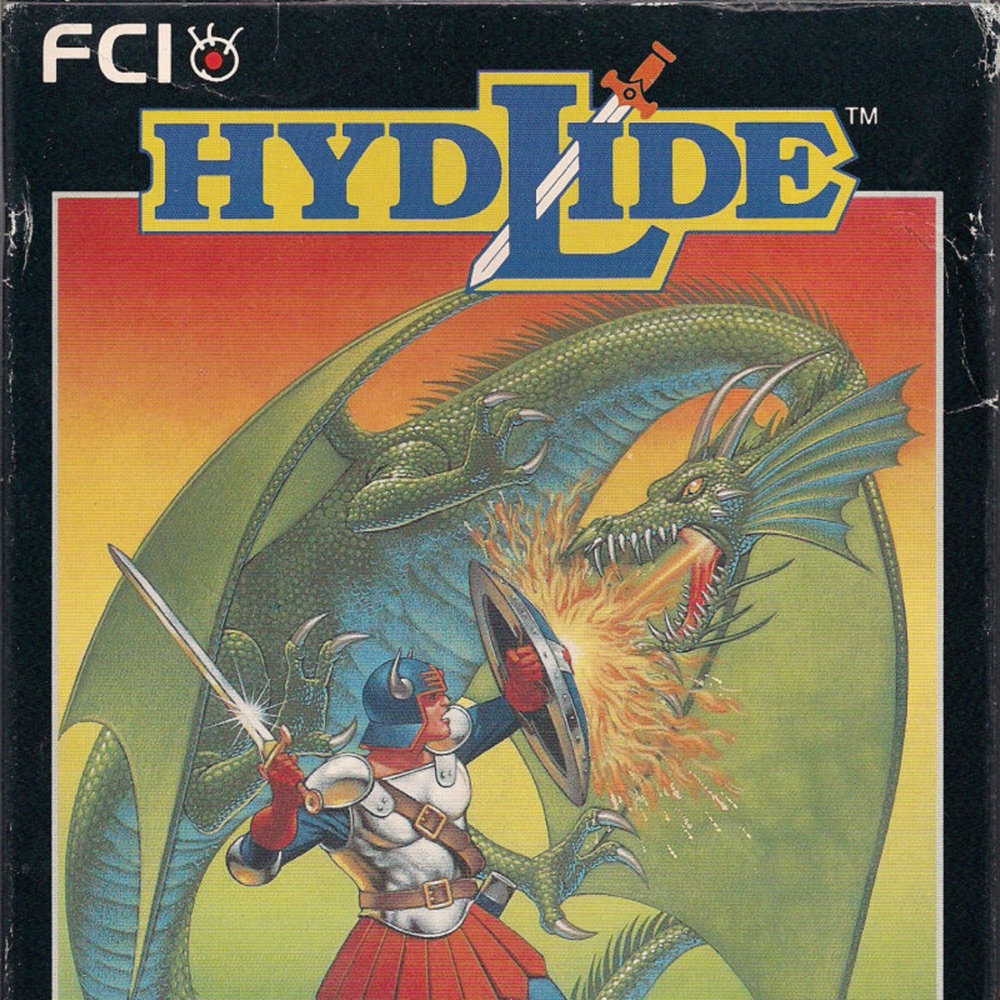
189 · Hydlide
The young knight, Jim, has a tough challenge: He must avenge the death of the King and save Princess Ann by destroying the devil Boralis and his monstrous companions. Jim comes face-to-face with many forms of evil—water dragon, vampire, zombie, sea monster, a moving forest, and fire balls. But the King's sword and shield are what he needs to conquer Boralis.
SHOW NOTES
Hydlide
Hydlide II
Super Hydlide
Virtual Hydlide
Black Onyx
Tower of Dragua
Legend of Zelda episode
Lawn Mower Simulator
- Get all fired up...for the Adventure of a Lifetime
- NES Longplay - https://www.youtube.com/watch?v=LgFtO1FCSko
- Introductions
- Joe, a bit of an exaggeration but the Kingdom Hearts prototype has arrived.
- ARPG versus Turn Based RPGS
- Overview
- This is a 1984 game
- One day, an evil man broke into the palace and stole one of the three magic jewels. Without the third jewel, the two remaining jewels lost their magic sparkle
- Gameplay
- Action and RPG together
- Attack Mode
- Defense Mode
- Health Regeneration
- Exploration
- This game was often compared to LoZ
- Quick Save and Load
- Will the song EVER change into the Indiana Jones theme?
- Action and RPG together
- Development
- Tokihiro Naito
- If you wanna go even further back
- The Black Onyx
- A lite version of Wizardy (Naito claims to be unaware of Wizardry and Ultima while making Hydlide)
- The Tower of Druaga
- Explore 60 floors. Upgrades and others are hidden throughout the game and players kept books in the arcade.
- The Black Onyx
- He underestimated Dragon Slayer (remember we played the 4th DS game, Legacy of the Wizard)
- Sequels and Spinoffs
- Hydlide II - The game introduced a morality meter, where the player can be aligned with Justice, Normal, or Evil. Killing humans or good monsters lowers the player's morality, while fighting evil monsters increases it.
- Super Hydlide (III) - adds an in-game clock and a need to sleep and eat.
- EGL
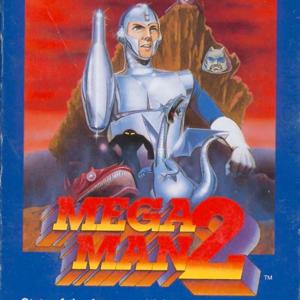
- Next week - Mega Man 2
Auto-generated transcript. Each paragraph starts with its timestamp. Speakers are not identified.
HydeLyde, get all fired up for the adventure of a lifetime.
And welcome to NEStalgia, a chronological exploration of every NES game released in North America. I'm Mike. I'm Jim. And I'm Sean. All right, we got it. Jim and Sean on the podcast today. You know, it's funny. It's like, I think the listeners would know Sean's voice by now, but we have like a transcription service that we use. And I don't think that they would know that was Sean. I think they would start saying everybody was Jim. Well, the thing is, is now that I've been waiting since the beginning of the podcast for you to slip up and say a different name so I could be Sean. And now I finally got it. Wow. You've been assigned Sean. I'm Sean for the rest of the episode.
Awesome. All right, to talk about video games for a moment. Joe, a bit of an exaggeration here, but I believe that the Kingdom Hearts prototype has arrived on the NES with HydeLyde. How dare you?
You know, I mean, hey, they both have promising stories. Yeah. Why don't you tell us the story? I'll say that this is the Kingdom Hearts 3 prototype. Well, the reason I say that, of course, is because HydeLyde is an action RPG, which, believe it or not, was actually like one of the first ever. I can't say it's actually definitively the first. This game came out in 1984. It's one of those where like super popular Japanese computer game, then eventually like five years later shows up on the NES and it's like, is it too late? Well, that's what we're here to find out. But, Sean, you wanted to hear the story of HydeLyde. I do. Do you know that there is a long story in the manual?
I did read that story. I didn't quite grasp it, but I would love to hear your version. Well, I'm not going to tell everybody that storybook version, but the gist that I got is there's three fairies or maybe it's just one, but like there's these fairies and they protect three jewels. Now, there's definitely three jewels. And then there's this bad guy.
I think his name is Boralus, which is a weird villain name. But like he comes in and he's like, oh, if I take one of these jewels, then, you know, like the magic will be broken and I'll have some of the magic. And to that, like, I just wonder why not just take all three of them if you have the ability to take one of them. Right. It seems like if your whole master plan revolves around, you know, like, oh, they'll never get all three again. It's like, make sure to take all three. All right. Mike, I have some corrections already.
Okay. So there was one like princess and then she got attacked by Boralus and got split into three fairies. And the fact you see where the three fairies came in from, though, I kind of I'm riffing here. And then this this thing, the dragon asshole, he took one of the gem emerald fairies things. And now the princess can't exist anymore because a third of her is gone. And I have to save her. And to grab the gem emerald thing. And so that she can be whole again.
I think. Sure. For the best possible explanation, I guess just watch the main menu. You know, they show you a visual example of all of this with 2D sprites and all of a dragon blowing fire at what I can only presume is the princess before she gets turned into three fairies. Cool. That's the story. It'll never come up again in the game.
So glad we did that. You know, the. Are we sure it was a dragon, though? Not an that just like an evil man. I mean, it looks like a dragon is doing those things. Yeah. The dragon breathes fire at the princess on like the screen at the beginning. Right. Yeah. We probably shouldn't be telling people like how this. No, I figured it out. The evil man. I didn't play this game. The evil man is the evil man is the one who broke into the palace and then freeze the dragon demon. Oh, there you go.
All right. Learning it together as an audience. We hope we've held you captive so far. Right. I'm frantically playing this game for the first time right now as we speak. Right. Yeah. Well, that's typical Sean for you right there. Right. Hey, now.
I'm Jim. Can we talk about for a minute before we talk about this particular game, just like a RPGs versus turn based RPGs. And I don't mean turn based like the kind of game we just we had that turn based strategy game desert commander the other week. I'm talking about like, you know, what people think of when they think of RPGs or JRPGs for that instance of Dragon Warrior and Final Fantasy and stuff like that. What makes the RPG a little different? I mean, it's Zelda instead of like Final Fantasy or Dragon Quest. You're playing Zelda. Zelda. Um, that's sort of like the codifier of this generations action RPG.
Um, and in a way that this is like that. Um, but in many ways it's not. Um, but at the very base level of how you play the game and how you're interacting with the world they plop you in, it's an action RPG. Yeah, it's, it's all about like the real time element of it that I think makes the makes the major difference.
And like when done right, an action RPG can still have a lot of strategy, but the strategy comes more from like quick thinking and positioning and stuff like that. Whereas like a, a JRPG I think is more like more planning. Not that a good ARPG doesn't have any planning cause they can, but, um, I think one would say, yeah, I would think that one would say that while you can break these games down and, and sort of put them in their little holes, uh, based on, uh, some very, very base level, uh, gameplay mechanics.
Uh, I think one would say that the essence of an action RPG is that more visceral feeling like you're actually swinging the sword. Uh, you're actually seeing, uh, the damage dealt. Um, uh, and then you could have an action RPG per se. I'm not pointing out any particular game where they actually rip out all the fun parts of an action RPG.
And like, say, instead of swinging a sword, you just move into an attack mode and do the same thing that you would do if you weren't holding a button down. Um, and it would still classify as an action RPG. Yeah. That's actually something that, uh, I just couldn't really get over. I get that this was this predated Legend of Zelda in its original form, right? Before it was on the NES.
But I just, I can't believe that like Legend of Zelda was the first one to think of, oh, let's make it so you can see them swing the sword. So there's some feedback to what you're doing. Feedback. Because it was very confusing that like you, you press A and in the lower right corner, the, the, the, the word defense changes to attack. And that means that you're just constantly attacking while you're holding A. And you got to get close to something and then you're not defending. And you just can't see anything that's happening. Just like your, your health goes down. There's like a little flash when your health goes down. But like killing an enemy, the enemy just vanishes. Like you don't swing a sword. There's no, there's no feedback at all.
Yeah. I think the, you know, that's the bigger thing, right? It's the, it's the feedback of it. Because, you know, Legend of Zelda actually decided not even just to show you the feedback of your motions. It also made it so that like when you want to attack, you press the button and you attack. And then if you want to attack again, you have to press the button again. This one really just makes it so that you have to hold down the particular attack button for the entire duration that you wish to attack. Which may as well be most of the game. Which makes me think they should have just switched them between, you know, you should always be attacking. And then the A button is for defending.
Whoa. But, what? No, that's, that's, that's far out. Yeah, yeah. But like, you know, I guess like maybe, maybe that's not, you know, like not, that's not a warrior's way or a soldier's way, if you will. You know, they, they always defend first. But, you know, just talking about the meters in general for a minute, right? Because ultimately, like the way this game is laid out is there, it's your game in like a little corner, mostly in the like top left. But it's, it's a sizable amount of the screen. So, I don't want to just say top left. That's, that's a little strange to say. But like there's this. It's about 70 to, 60 to 70 percent of the screen.
Right. Because there's a logo in the top and then there's the name on the bottom. Right. Well, you don't want to suddenly, if you forget the controls, you can just go back and look at the game and remember, okay, what were the controls for this game?
Yes. So, knowing that you just hold down the A button to attack, this really just becomes a, like a watching meters simulator game, right? Like where you're just making sure that your life is high enough that you don't, you know, if it gets too low, you're like, oh, I'm getting close to death. I got to walk away from this enemy for a little bit. And then you just make sure your experience is just growing and growing and growing so that you become stronger and have more magic and more life and stuff like that. I don't know if it was true or not. I didn't look up too much about the attacking in the manual. But I felt like attacking really works when you're also just like pushing into your enemy.
You can't just like, I don't know if that even makes sense because maybe that just seems natural to do. But you have to like hold down the A button and like just continuously move into them, move into the direction of your enemy. And that's how you fight. The most counterintuitive way to attack. Like, because, you know, like in every other game that you play, like you, you, you attack and that like, you're not like touching.
You're not trying to like hug the enemy. You're trying to like attack them without touching them because you get damage if they touch you. In this one, it sort of abstracts the entire concept of fighting to like they average out how much damage you would take and how much damage you would inflict. And I think you both just get damage.
And the way that they, that they balance this in terms of how you would play over a long period of time is that you have like auto general, like you have a filling. Your health bar will fill if you're just sort of standing around and not doing anything. I guess that's the equivalent of resting.
It's none of it. None of it makes any sense. Like in 2021, it's a very old. I don't even know if these were ever the ways to go about something. No, I, to me, it does feel like this is like a, like a prototype for an action RPG where they like got the whole like leveling up and the experience system to work, but they didn't really know how to implement it. You know, like it was like, well, this all works, but then like the gameplay, you know, like the fact that they have the leveling up in there, but they don't have a sword swinging animation.
It just feels like they focused a lot on like. Yeah, it's very tech demo. Yeah. Yeah, exactly. Exactly. Even like the, the way you explore the world and like the, there's no, it doesn't seem like there's much of a balance in the, in how you progress. It like, I played this game for a little while and I, and I, you know, I couldn't finish it. It was just too much. I, so I watched a playthrough of it and even in the playthrough, it is like, it's like a 45 minute playthrough of someone who clearly knows how to quickly beat this game.
And I'd say like 38 of the 45 minutes are grinding, like literally standing in one spot and just like waiting for things to come at you and like just hitting the same thing over and over again. Go play a little of the game until you're strong enough to take out another type of enemy, go for 10 minutes, just kill one enemy, watch your experience bar painfully slowly fill up to give you one more, one more notch on your life meter, one more notch on your strength meter, et cetera.
It just, yeah, they got it down that like you could, there's an RPG, there's progression, but there's no game. Like, yeah, we've, we've talked about how grinding can be fun if like the underlying mechanics are just fun to do, but in a game that they have streamlined out any real interaction, like any strategy in terms of how you attack or what you attack with or like how you defend or how you like anything like that. And it literally is just like every frame that you are touching an enemy is a round of combat that the game is just simulating.
Like grinding is literally just wasting time in this game. And the way that they designed the game to be, and you know, maybe they didn't think about grinding so much as they just thought like, you know, let's put stronger enemies in each particular area to block you off, right? Like that's your reward for experiences.
Like now you're stronger and can take on the other enemies that ruins the whole like giant map exploration part of this game too, because you're not exploring it out of order or like as you please. Like if you go to an area where there are tougher enemies, you're just going to die when you run into them. You, it would take forever for you to attack them at your base strength or even like, you know, as you move further through the map, it would take just, you know, a lot of time. No matter what level you were, you just have to make sure you're always at the next level to take on the next set of enemies.
But otherwise you just keep fighting the same enemies over and over again. So the, the wonder of like exploring a world, the ability to explore a world and like the, you know, the secrets and stuff that like lie within are all like removed from this game because they purposely like blocked you from those things. So it's not even like, you know, in legend of Zelda, you weren't supposed to just like go to dungeon seven.
Right. And you can go there and like, or I don't know if you can actually go to dungeon seven, but just as an example, you can go to those dungeons or dungeon four. I know you can go to that one. Like right away, you can go there and you could try to take everything down. And because, you know, because there is some strategy to your fighting, you could be a really good Zelda player who does it.
I don't think that's true with highlight here, but also like you just couldn't go and skip things around. Like you have to be strong enough to take these things on. And that's like what this game is missing compared to Zelda. And that's why I was actually shocked to find out people even compare these two games. I didn't feel it. I mean, yeah, they're top down and the guy has a sword and you're collecting one piece of a three piece puzzle. But like, I didn't think of that right away just because of how, you know, how much further back this is from Zelda's progress. Yeah. I mean, I think of it aesthetically right away when I first see the game, but nothing about the gameplay gives me that, you know, that feeling.
I want to real quick just to outline my first experience, like what I did when I first booted up this game. I, you know, I spawned in the spot that you spawn and I figured out holding down the attack mode button and I auto fought some slimes for a bit. And then I went down to the screen below and I ran into a tree and got killed by a swarm of bees.
And I don't know if that's like illustrating anything that we've been talking about, but it, I think in, in its soul, it kind of is. Like, it's just sort of randomly like powerful things that just will stomp you for no reason. And fighting them isn't fun. And it just kind of seems like things just happen to you. I don't know. Yeah. Did anyone else just die?
Oh, yeah. I would just die, too. Yeah. I like it would get to the point where like my health is like, does your health? It doesn't look like your health drains constantly. But when my health was low, every once in a while, I would just take a certain amount of steps and just die right on the spot. And if I had poisoned, you can be poisoned. I think you can either be poisoned or I know for a fact that like if you're in like the dungeons and you don't have the lamp, then you die because it's dark. You need the lamp. Oh, you die from the dark.
You die from the dark. Which happens. But I actually was not in a dungeon. And I had quote unquote saved the game, which just meant get a password. I had the password and I would like every time I would type it in, it would just put me back there when I was like low on health and I would take six steps and I would die again. So like I soft locked the game basically. Wow. Good stuff. Yeah. No, I never tried to save.
I can't find anything about being poisoned. So I don't want to say that you were poisoned. Yeah, because the game, the whole thing about the game is that it's the opposite. Like if you just sort of stand still for a while, you'll get more health. Well, health regeneration, that's pretty cool. I love that idea, except for the fact that this is not a game at all. It's minutes real time. No, I was watching this Let's Player play it and I'm like, wow, his health is regenerating. How is he doing that? Because when I played, I swear to you, my health did not, no matter how long I stood there, my health did not regenerate. Where were you standing?
I'm in various places, but outside normally, I mean. Was it under a tree maybe? Yeah. Is that where you're supposed to be standing? I think you're supposed to be on the grass. Okay, maybe I wasn't on the grass. Well, you played yourself. Yeah, I don't think you can just like be anywhere. Because again, you need the sun to heal. Right. And there's no sun in the desert. No. There's no sun in the desert. Everyone knows that. I guess you need the nutrients from the ground. Yeah. You get down and you graze on the grass a little bit.
Okay. But to be fair, Sean is not making that up. That is the truth. That's how you regain your life. But also just like a health regeneration system sounds amazing. And I can't think of any NES game that's done it. But here it just becomes another tedious thing because your health bar is so small to begin with that you have to constantly stop fighting enemies just to regenerate your health. Because you take so much damage in these battles. Yeah. Well, it's a role playing game, Mike. Like you are playing the role of somebody that has to take rests.
I don't know if you have the idea of a... Jim needs to rest. The idea of a guy who can get into a fight with like four things and then needs to like cool off in the grass for a little bit is not my idea of a hero. He kicks off his shoes and lets the grass go between his toes. Yeah. And just watches all the other enemies like they're littered all over the screen. And he's just like, all right. I'm going to have a picnic. I'm just going to sit back here. Right.
I don't know. That's not that exciting. And that's why, you know, even in like even in my Final Fantasy games and any RPG games really, I'm not like a potion whore. I don't like use those things all the time. Like if I think I can ride out, I want to get close to death. In this game, you're always close to death. Yeah. I mean, I... Okay. So the base, everything about this game between... Because it has all of the same like problems that Zelda had. Like they were much smaller problems with Zelda. But like it's still got puzzles that you need to solve in very strange ways.
It's... Things are hidden in really weird places. So I didn't even get close to finishing this game. But I do know that like those bars that are so small like do fill up. Like when I was watching somebody play, it almost looked like a real health bar for a bit. So I mean, it's not entirely just like, oh, you can only attack three times and then you have to go rest in the green grass.
But the enemies get stronger. So therefore, they do more damage to your life bar. That's true. You know, you need the health to grow at least. Like it would be crazy if your health never grew beyond that point. But I guess like they didn't communicate a satisfying way to make progress happen because I personally don't like watching bars on the UI grow. I don't find that to be like a sense of progress.
And therefore, like if the animation battles and enemies I'm fighting, you know, just change from like, you know, oh, instead of this sprite, now it's this sprite. But they all still just walk around the screen. That's the idea of the game. You fight the enemies that just walk without purpose around the screen. These enemies do not seem like they're trying to kill you.
And that goes for every single enemy in the game. Even when you go to that first castle. Yeah, they're just obstacles. Yeah, and like the vampires there. Like, yeah, he's a vampire and he walks around the stage. But like I think the ghosts in Pac-Man were programmed better to chase Pac-Man down than that vampire was to chase you. Yeah, I think they use a lot of trickery in terms of like switches and key items so that like you have to fight these things.
Like you need to kill the vampire to get an item. So even though he's not designed to aggro you, you still have to fight him. That's really the only way that they made combat happen in this game. Yeah, and the fact that you need to constantly be fighting things to get your strength up. So that you can fight the other non-aggro, slightly stronger enemy. Yeah. Put another way, this game is a lawn mowing simulator. Where you just keep cleaning the lawn. Yeah. And things just keep appearing. And you need to take a break on the grass that you've been mowing to recover your health. And hopefully have a nice iced tea.
But that is a really good way to put it. Because, you know, as we're talking, I'm just watching a playthrough again. And that's all that's happening for the last like five minutes of this podcast. On this video I'm watching. All that's happening is this guy is in the desert fighting those worm things. He's just running around scooping them up one at a time. And this game even has a mode where you can play in fast mode.
Oh, yeah. Once you get strong enough when, you know, the enemies aren't as threatening to you. It's like it knows that you're going to have to just be standing there grinding and lawn mowing all these enemies. And that's like what this guy's doing. It's just running back and forth between them. Because it's the most efficient way to get more powerful. And there's nothing, you know, in a good game.
I think that kind of thing is happening while you're doing the stuff. The other stuff in the game. Where it's like, okay, I got to go here. And like you organically run into things along your way that become obstacles that you level up with. But in this game, it makes you seek out things to level up almost exclusively for the whole game. Rather than like having anything kind of happen organically.
But we're literally watching a lone man. Okay. Tokihiro Naito. No, the developer of the game. Oh. Tokihiro Naito. We're literally watching this guy come up with an entirely new genre and way of playing a game. Right. You know, and this is what he comes up with.
And it's like, yeah, it's not, you know, it's very, very flawed. And like we clearly are dunking on it. But it's like weird to see. It feels like a prototype of a game. It's almost like, you know, like the people who first came up with books. And like what were those books like? Like did they have all the pages? Did they have all the words? Like was it in order? I think it was 20 years before they were like, oh, pages. We got to add pages. Right, right. You know, so I think it's like it's funny to think that like here we have a guy who came up with a video game but like didn't quite finish it. You know, like he just thought like, well, this is the best I can do. Like this is what I thought of.
Well, look, to that point, I will say that I think that a lot of the stuff that is in here, if, I mean, I don't know that this is true, but if it is like the first real instance of this kind of thing, it's very impressive that he like got all this stuff working and got, and that's what it feels like. It feels like, you know, it feels like the developers were like, hey, oh, check out this system we got to work. And hey, we got the experience system and that's working.
We got the different types of magic and we got this and we got it all working. And then they put it all together, but now they need to forget about all that for a minute and think like, okay, now what's a good game design for like the action of this game? So like, I think they do have a good half of a game. I think it's like the foundation if there's a foundation.
Yeah. And especially if this is the first of its kind, which someone fact check me on that and comment on Twitter. But like if it's the first of its kind or Mike can do it, but if it's the first of its kind, then like, yeah, that this is a, this is an accomplishment, but it's just now not definitely not aged well because it's not impressive now in 2021.
It's the first of its kind. If you consider, um, you know, in the eight, in the eighties, especially like given that video games were just emerging, how much information was shared between like the East and the West, you know? Uh, so, you know, uh, Tokihiro Naito, uh, was influenced by two games that if you want to go even further back than Hydealide, for some reason, if you were like, wow, I wonder what games were like before this, then you could play the Black Onyx, which is like a light version, version of the game wizardry.
And, uh, that, or the, the Tower of Druaga, which is like a 60 floor action, you know, style action RPG puzzle game. Uh, so think like Adventures of Lolo meets Hydealide. Um, but the cool thing about Tower of Druaga, if I may for a second, I have a really cool book by Bitmap Books called, um, the history of Japanese role-playing games. And there was an anecdote about how the Tower of Druaga would have, uh, like kids would keep books at the arcade cabinet and share secrets with one another as to like where things are on each, on each floor. And it was like a communal book that everybody would add to. And I thought that was pretty cool.
But to get back to the actual story, Naito, uh, claims that, uh, you know, wizardry, which is actually like, you know, the first game of its kind, uh, he claims that he had no idea that, uh, wizardry or Ultima existed when he came up with Hydealide, which I could understand because those are, you know, those are Western games. It's like one of those, like, oh, you know, I, I, I know now that this existed, but I came up with it on my own, uh, uh, before that, like before I knew what magnets were, I, I had a, a theory as to what magnets are, you know, how do they even work? Yeah. I don't know how they work.
Um, I just thought that was an interesting anecdote. We don't usually get all this stuff, um, when it comes to development, but there's a lot of, you know, what's weird to think that there's two examples of games that Naito is influenced by. And then there's probably like hundreds of games that Hydealide, uh, influenced, you know, just not like just the idea of it. Yeah. I mean, definitely it's like, it's definitely, uh, it's definitely something that, that plays a role in the history of, of RPGs.
We'll give it that. Uh, just to go back to the game for a second, uh, one thing we did not talk about, and I don't know if this was in like the computer version of Hydealide or whatever, but that, that song, okay? Oh God. Will it, will it ever play the Indiana Jones theme?
Yeah. I think on one loop out of every 10,000 loops, it just sneaks in the actual Indiana Jones theme. Regardless of what it sounds like though, it is like, we've had some abrasive music and I guess like the, the loop in itself isn't abrasive, but, uh, and we've had games that had very short loops. Um, but this is probably the, the worst offender. Like this is the one that I will, I will dream about and hate it for it.
Yeah. Well, cause the game is asking you to play it for a very long time and it never changes up the music. I think until the last screen of the game, there's another track. And when that happens, I'm like, wait, you, you've had this the whole time in your code and you couldn't like alternate or something, you know, it's gotta be just the one track.
I think even that second track is short enough that if, even if they alternated like one to the other, one to the other, it would be just as, just as terrible. Still not enough. Yeah. But yeah, the loop is so short and it got me thinking like the whole overworld of Legend of Zelda is one track, right? But it's, but it's a longer track and it's much better song in my opinion. Uh, whereas this is just so repetitive over and over again for the entire game. Even in the dungeons, it's the same song. Happy chipper song.
Yeah. Right. The fact that it, that it has that same exact start and then doesn't follow through has to be like one of the most frustrating things for the North American audience. You know, it's like, I don't, I'm sure the Japanese liked Indiana Jones too. They love Spielberg and Lucas and all that. But like, I, I, I'm surprised that, um, there's only one track in this game for the most part. I actually never heard that second track, but you know, I'm just surprised that that's all they could come up with. We need to watch more playthroughs. Well, you know, here's the thing. Okay. Watch more playthroughs or just play the game yourself. What joy are you getting?
What's the difference? Oh, I'm sorry, Mike. I wanted to be able to talk about, yeah, I wanted to be able to talk about the other things. Uh, and you apparently don't even know what's on the, the one screen at the end that just says congratulations.
Okay. But I guess what the point I was trying to make rather than insulting anybody, I guess the point I was trying to make was just that like technically playing this game and watching someone play it feels like the same thing to me. It is the same thing. Yeah. Because nothing is actually changing on the screens and nothing's really happening.
Um, I, I would say that like more so than ever, this is a game that you could just watch and get the same satisfaction as playing and beating it. I don't think you would be like at the end of beating this game, you'd feel satisfaction in the fact that you spent the time to grind through everything and, and finally have your experience bar go high enough that your life was, and strength was maximum so that you could take down, uh, the evil demon dragon. My life and strength is maximum.
Uh, too small. No, it's a, first of all, I love how defensive Sean and I both got when you call that out because we were just like, take your, your hate for playthroughs and get out of here. But, uh, now that I understand what you're saying, it makes more sense. But also the other thing about while I was watching this playthrough was that I was playing the game and I was trying to figure out how to do something. I, it could have been anything. Like I think it was change magic or something. And I was like, well, I'll just start watching this playthrough while I'm playing. So like I paused the game, the music's still going. I start the playthrough.
The loop is so short that like coincidentally my music loop and the game playthrough's music loop lined up. Exactly. You couldn't tell it was two different songs. Like exactly. I couldn't even tell they were both playing for a while. That's great. Um, so that was just a little anecdote for you. Yeah. Well, given that there's six notes, the odds are one in six. Right. Exactly. Uh, that's not entirely true, but yeah, believe it. It's okay. You know, Joe, you mentioned the quick save and load feature, but I think you kind of like,
I don't think you sold us on it completely. Like it's funny because on one hand there's a save and load feature in this game, but it, it's completely erased when you turn off the console. Uh, they, they warn you in the manual that like, do not turn off the console. Your game is saved until you turn off the console and you can load it until you turn off the console. So therefore, is it really saving and loading? But can you even actually load it though? I mean, load it is typing in a password.
No, no, no. So you can, if, if you're just like, oh, you know what? I want to go back to where I was when I saved. You can load that save if you're still playing the game. Saving will create that mark in the game and also generate the password for you, the current state that you're in.
I, but the, the problem there is I don't think a lot of people, unless they pour through the manual, uh, they don't realize that like when you save, you have to go and check that password. If you plan to turn off the game console, I think they should have just had it. When you save, it shows the password instead of having to navigate the menu again. Right. Uh, but that's, yeah, that's very low hanging fruit. And, but also though, can, when you die and you go back to the menu screen, can you load the game from there or you have to type in the password, right? No matter what, even if you haven't shut the console off.
I think you might have to load. I think you have to choose to load while you're still alive. I'm not entirely sure. Which makes, which almost seems to defeat the person. Like I want to load the game after I've died, but instead you have to type in the password and it's just so tedious to do that every time. I wish that there was just a continue option or, or yeah, a load or something. I think, I think it actually, but, uh, you know, just to butt in, I'm not, I can't confirm this, but from my interpretation of the manual is that you would have to start a new game, but that when you select load, it would load the old file. That makes sense.
Oh yeah. Yeah. That would make sense. Like it's stored in a memory part of the game that, that it's not using, you know, but it's not a battery, right? It's like, since it's not stored on a battery, then it's not actually saving the game when, when it's off. Right. That makes sense. And not like stored in a little, literal battery. I think it's stored in the battery. Right. Yeah. That's not what I'm saying.
I'm saying like, don't those, don't like, you know, all those games that have saves have, you know, from, from cartridge days have batteries in them. And that's what makes that. That's how it works. I'm not saying, I'm not saying you could save a highlight if you just put two double A's in your NES. And then you have to put like those same double A's into anybody else's NES. And that's how you, that has your save file on it. Right. Developers hate this guy's one trick.
I have a straight thought. Please. And it's going to be a little bit of a spinoff to, to Joe's pause sounds where it is related to pausing, not necessarily the sound. And as far as that goes, it'll actually be sort of a spinoff of that because it's only somewhat related to pauses. You're incepting me right now. That's how you're officially pausing the game. But then you can hit select to open the menu, which fundamentally is also pausing the game. And what I thought was interesting is that when you hit select, you, you open this menu and you got, you got six options, item, save, load, password, speed, and game.
Now in any other game, you would just, you know, press the same button or press the back button or anything to get out. But in this game, it even says in the manual that like the option game at the bottom is just to go back to the game. It says in the manual that like, in case you accidentally press the select button, there's an option at the bottom called game that'll get you out of the menu, which is just so ridiculous and so much extra work for them than to just have, to just have the same button just take you back out of the menu.
I definitely had a, like a, I thought I was having a stroke or something because I kept trying to go to game because, you know, any of the time that I see game as a selection on the menu, I think that there's going to be like some settings or something behind it. Yeah, yeah. Uh, and every time I clicked game, I would just go back to the game. Uh, whereas if I clicked, uh, save or load or inventory, it would actually bring me to another screen. Yeah. It took me a while to realize that that's what that meant. Not proud of it. Yeah, that's the only way to get out of the menu. That or to go deeper into the menu until you've gone too far. Yeah, you've gone too far. Ha ha ha ha.
Question for you playthrough watchers. Yeah, us dirty playthrough watchers. Yeah. How, how does it end? Uh, it says congratulations. Ha ha ha. Yeah, well, you see. That's the standard. That's the gold standard of NES game. You go, you go to an island and there's a dragon that just, uh, flies back and forth. Yeah, for 20 minutes. Yeah, and you're supposed to, like, you think you're supposed to, like, fight the dragon, but you'll die. Um, but then you have to, like, you have to, like, burn a bush and then under the bush is a tunnel. Uh, and then you go in there and then you, I don't, I don't know, man. Like, at the end, you, you make the girl whole again and then it says congratulations.
Yeah, I mean, that kind of sums it up. You go into this final dungeon that, that has a different, no, no, no. The final dungeon still has the same music track. And then you go into the final room and for 12 seconds you hear a new music track while you fight this enemy. The play, the let's player that I'm watching just uses his one, I think his one time use potion to just go stand in front of him with attack mode activated for a long enough time. Loses all his life, uses the potion, attack, attack, attack, attack, dead. Girl comes back, game over. There it is. Wow, that's amazing. That's the best story ever told. It's probably better than actually playing it.
Well, if you couldn't get enough of Hydlide, would you believe that there are some sequels? Oh, no. Yes. Uh, Hydlide 2, uh, introduced a morality meter where the player can be aligned with justice, normal, or evil. So are they like, uh, good NPCs that you can't kill, or? Well, if you kill the humans or any, uh, quote unquote good monsters, that will lower your morality while fighting evil monsters increases it.
I, uh, did not look at the game enough to understand, well, yeah, I didn't understand, like, why you would kill humans. Yeah. But maybe there is an incentive, like, maybe there's, you know, it's like, uh, Night Vale of Republic. You get, like, dark side. Yeah. Humans have the better tasting meat. We all went there. Yeah. Yeah, better tasting meat, uh, for, that you can't watch him eat it, of course, uh, it just says that he ate it. Yeah, right. Uh, you just trust him. In fact, he doesn't even interact with any of these things. It just says that he interacted with them. Yep. There's just text on the bottom of the screen that says that, like, your player has played the game. It's Progress Quest.
Yeah. And, um, then Super Hydlide, which is Hydlide 3, if you're keeping score, uh, that adds all the same things that Hydlide 2 had, and, you know, keep in mind, these games all look the same. It's, you know, the graphics have barely improved, and they all, uh, have this top-down thing going for them. This one adds an in-game clock so that you now need to sleep and eat as well as rest on the lawn. All right, I'm interested. Get to eating, um, and, you know, of course, the fun can't stop there because if there's one thing Hydlide needed, it was a, uh, late push into the 3D, uh, space with virtual Hydlide for the Sega Saturn.
Uh, finally, no more top-down. It's 3D, but it looks, uh, it looks, and it has all the same things. It certainly looks. What makes it more virtual than Hydlide? Yeah, I was gonna say. Well, so, you know, that's, like, that was my question, but then I remember that that was, like, a thing when 3D polygons, like, first came out. Specifically, like, a Sega thing. Yeah, yeah, Virtua, and, like, you know, it was, it was a virtual world. Like, 2D was just, like, cartoons, you know? But now it's virtual. For babies. Yeah, okay. I thought maybe, like, you play as somebody playing Hydlide. Ooh. So it's, like, press the A button to have the player press the A button.
No, not true, and there was never Hydlide online. Um, I would have loved to see the MMO version of this. Well, so here's a question for you, then. Is Hydlide 2, does that come to the NES? Uh, Hydlide 2 does not. Oh, thank God. We will not be playing any, we will not be playing any Hydlide. Uh, we, or High Lie, for that matter. Damn. I know Sean was looking forward to that the previous week. Yeah. And, uh, we won't be playing that. Uh, that was a failed sport of the 1960s, but one that I quite like. Like, when I watched YouTube videos of it. I like those oddball sports, the Ocho stuff. Good stuff. Alright, uh, we have one last thing to decide for Hydlides before we never see it again. And that is whether it is on the Essential Games list.
Joe, please give us your vote. Well, alright, first of all, I want to, I want to talk about something that, that I kept bringing up, which is the fact that you, there's no feedback when you attack. And I am all for, in games, especially in RPGs, for things that make you have to use your imagination.
Like, you know, thinking of, like, more, more classic Final Fantasy type games. I think that's what half the charm of some of those comes from. Even, like, so I've been playing a lot of Final Fantasy lately, so that's what's got this on my mind. But, you know, even, like, before there was voice acting in those games, I think a lot of the charm came from imagining that. Or, like, a lot of the, you know, I can sit down and play a game where there's three characters lined up and one of them runs up and swings their sword at them and another one shoots a gun. And I can believe that, like, okay, this is a realistic battle because there's a little bit of imagination to be had. And I think that, like, a lot of RPGs rely on that.
What Heidlite, I believe, does wrong is not the fact that you can't see it. I don't think there's anything inherently wrong with, like, that sort of feedback where it's, like, just telling you you're hitting. But when you're doing an action game, you need the feedback in order to, in order to, not in order to be immersed, but in order to, in order to actually understand what's happening.
Actually be able to react to things because things are happening in real time. So I wanted to specify that because I do actually have a pretty strong stance in, like, for some of these older games that are, like, turn-based or that are using outdated forms. So that is why I'm so hard on it here. I don't know if this is making any sense or if it sounds relevant at all. But that's...
No, I get what you're saying. Yeah. In any other... Like, there are genres where you're not going to literally swing a sword or press the button to swing a sword. Like, combat just happens differently. Exactly, yeah. And that is, to me, a big problem with this game because of the reason that, like, you actually can't react to things properly. But, like we talked about, there's plenty of other problems to this game. Especially, like, the fact that there's nothing to do in it other than grind so you can play the game, which almost is like a self-defeating thing.
I think it's really cool that they kind of got these systems in place. I think it, at the time, probably meant good things for the future of this genre. But we're seeing this game on the NES several years after it was released originally. So I think it's just out of place, outdated, not essential. All right, Jim.
Yeah, one thing we... I kept trying to get us to mention, but we never did mention, is that you play as Jim the Knight. Which I think really makes me like this game more.
But, yeah, this game... I've said it before. It basically just systemizes... It streamlines any interaction with the game out of it. So that all you're doing is walking around and bumping into shit and finding boxes and getting killed by bees.
It's so out there. Everything about it seems so counterintuitive in the way it's designed. It's definitely a curio. I think that this is a game to be studied for how many poor decisions went into designing the game mechanics. But in no... I can't recommend anyone actually play it. So, no, it's not essential. Yeah, that's where I'm at. It's the prototype, right? Like, this is the start of something.
And, you know, I think even if you go back to, like, the first of any genre, right? And, again, we're not saying this is officially the first or whatever. But when you go back to the beginnings of any genre, there's always the refinement, right? I can't think of any video game genre that hasn't been improved upon as time goes on.
And, like, yeah, you could argue, like, Super Mario Brothers is an early platformer. It's not, like, one of the first. But, yeah, it's an early platformer. And it nails it. And it's still considered good today. Sure. But, like, I don't think anyone's going to say that Heidlite nailed it. I think Heidlite had an idea. And then later people figured out better ways to execute on that. So that's why it's not going on the Essential Games list.
189 games played so far, gentlemen. 22 Essential Games. 11.6% of the catalog so far. I bring up these stats because I made a Twitter post a couple weeks ago on the Nostalgia handle, at NostalgiaCast, remember to follow us, where I posted, like, some breakdowns of, like, the different genres and how many games we played or what have you. And one of our Twitter followers, at LateToGaming, wrote back and said, All right, you guys are now about a quarter of the way through the catalog. Do you think the final Essential Games list will still be above the 10% mark by the end? And if not, any predictions on what time period the rate drops significantly?
Sean, you want to start us off? Yeah, I do think that the percent is going to drop by quite a bit. I think that once we get into the 90s, that's going to really bring the average down. Not to say that I don't expect there to be great games in the 90s. I don't really have a great sense of when classic NES games were released, but I'm sure a lot of you do.
But I think that there's probably going to be a lot more cheap shovelware games. Like, we always come back to Color a Dinosaur. I can't wait to play that. But I think that that's going to be a lot more common. So I'm thinking maybe the final tally of Essential Games might be like 6% to 7%,
but don't hold me to it. Joe, what about you? Yeah, it's difficult to say, but it's funny because I was recently just kind of looking through the Essential Games list and noticing that they are more frequent than I thought they were. You know, I mean, some are further apart than others, but like, I think it seems like they average like 8, 9, or 10 away from each other as like another Essential Game. And it always feels like they're so far away from each other. But I do also think the percentage will drop a bit because I do think that we have...
Our standards have gotten a little higher the more we've played and like kind of gotten familiar with the kinds of things we can expect from the NES. So I think that that also might play into like us voting for fewer games. Plus, I do agree with Sean that like while as the life of the NES goes on,
inevitably like there's going to be progress in making games, but also the system has 900 games. There's got to be a lot of shovelware on there. So maybe that'll lower it. But it is hard to say because even on the, you know, even on this current Essential Games list, I can't... There's a lot of things that I have voted on there. I know that people won't be named. We're gunning for Spy vs. Spy last time we were trying to take things off. Like I feel like a lot of stuff on there right now, I have a hard time seeing myself at least going like,
okay, yeah, that should come off now because I've seen better games. Like I think I've gotten to a point where I'm like, okay, this is where I'm thinking of these games as a whole outside of the NES. But who knows how I'll feel in another year when we're talking about the best of and I look back and I think, wait a minute, why was that on the Essential Games list? And it's interesting you bring up the every 10 episodes thing, Joe,
because At Late to Gaming also brought up that if we go by just North American releases, something that this podcast is, right, a chronological exploration of every NES game released in North America, then it would only take 68 North American games to be on the Essential Games list to be essential. And the fact that we're at 22 a quarter of the way through,
you know, it could come down to the wire. But, you know, like you said, there also is a chance that like not all of these 22 games last all the way to, you know, our final best of 1994 episode. Right, in 2032. Right, right. I think it's funny to, you know, to just throw out a number there real fast, guys. Just like, you know, no science to it. How many games do you think will be on the Essential Games list at the end? Less than 68.
Good. Joe, how about you? I mean, yeah, I guess I'd say less than 68 as well. You said there's 22 right now? Yes. I don't know, though. 900 games. It's not 680. No. Yeah. Oh, is it really? 673. Yeah, you just said that. Wow, I honestly for the longest time thought it was 900 games. I love how I was like, well, 670 games. And I'm like, wow, 900 games. Okay, well, with 670 games, I think that, you know, I'm going to say, I'm going to go still kind of high, though. I'm going to say, I'm going to say 55.
Oh, that was so close to what I was going to say. I am thinking 56. Oh, okay. Yeah, I think we come close, but like Sean said, definitely below the 10% threshold. It'll be interesting to see. Thanks for the fun question. If anybody else has any other fun questions, please tweet at us. We love to answer this stuff. In the meantime, if you don't want to tweet at us, at least look at our tweets, at NostalgiaCast on Twitter. I'm Michael Esposito. You can find me at Esposito Film on Twitter. We will see you next week for a little game that some of you might have heard of before. I think it's called Mega Man 2. And Mega Man 1 happens to be on our essential games list, so we'll see how we feel about the second one. You guys psyched? Hyper psyched.