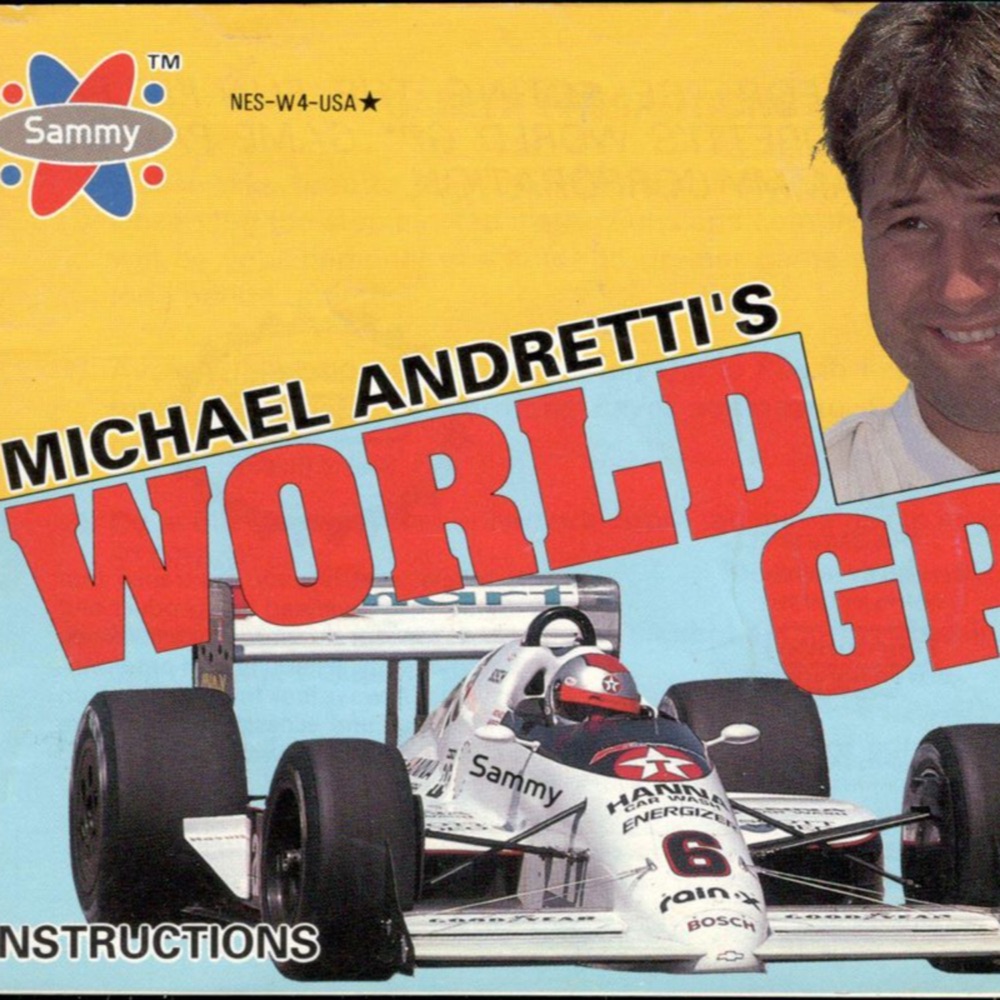
325 · Michael Andretti's World GP
Michael Andretti's World GP features 16 unique courses located in Brazil, San Marino, Monaco, Mexico, Canada, United States, France, England, West Germany, Hungary, Belgium, Italy, Portugal, Spain, Japan, and Australia. Each track can be played either in single player mode or in head-to-head 2-player action on a split screen. There are 4 different cars to choose from and manual shifting is a consideration during racing, a facet often overlooked in simpler NES racing game scenarios. While the star of the game is Michael Andretti, who pops in before each race to offer useful advice about the current track, the game also has appearances by many other F-1 racing stars.
Mike, Sean and Joe played this one, and we never qualified for a race. Michael Andretti's World GP is the NES's attempt at a driving simulation: manual shifting, tire wear, pit stops, and a 16-race schedule modeled on the real 1990 F1 calendar. Andretti was an IndyCar driver, not an F1 driver, and we spent a while wondering how that earned him a box. The game is a port of a Japanese title built around Satoru Nakajima, with an American swapped onto the cover.
What works
- It feels like a sim. There are four cars (one automatic, which didn't seem very useful), and you shift by hand and manage your tires. We hadn't seen that on the NES. Nobody could say exactly what they did in a sharp corner, but we got a feel for it, which says the design is sound.
- Feedback without rumble. A course map shows what is coming, and the drifting sound warns you to correct before you spin. Practice mode gives tips for each track.
- A real campaign. Points go to the top four finishers (five for first, three for second, one for fourth), and you must be champion of a level to advance. A password system saves your place. Next to most games we play, it feels like a whole game.
- Small kindnesses. In qualifying you can press Select the moment you've posted a good enough lap. Other cars act like ghosts, and nothing in a race can force you out.
- Two-player mode gives anyone who can't beat the computers a shot at beating a friend. You can also set two computers against each other and watch.
What doesn't
- Steering that fights you. The D-pad turns the wheels by degrees and leaves them there, so straightening out means pushing the opposite way. It is the reverse of every analog-stick racer we know.
- Qualifying is brutal. Times are bunched close together, as in real racing. The cutoff on the first track was around 1:44, and one first lap came in at 1:57. Miss the cut and you sit out and watch the race.
- The engine drone. There is no music, just one buzzing note, and it keeps going when you pause. We noticed the silence the moment we stopped.
- Long, quiet stretches. On the straightaways our eyes glazed over.
The bottom line
Play it. All three of us left it off the Essential Games List. Mike loves simulation games and respects the attempt, but racing sims have come so far (the PS1 Gran Turismo games are enough of a comparison) that this one never reaches top speed. Joe isn't a racing fan and doubted even a fan would call it essential. Sean called it a very well designed soapbox car: great for its time, not essential, a DNQ.
Written from our conversation in this episode.
- Turbocharged Racing Excitement
- NES Longplay
- Manual
- Michael Andretti
- Only 3 first place finishes by the time this game would come out, and not even in F1 yet. He would only race one F1 Season, 1993, no first place finishes.
- He is the son of Mario Andretti, a multi-time champion, and is the father of IndyCar Series driver Marco Andretti.
- Gameplay
- simulation-style racing game
- Four different cars were offered in the game, but there were no car set-ups in the game
- Can’t choose car in Grand Prix
- The Chevy was the dominant machine in the game, despite not being a Formula One car.
- Gear shifting is also required for three of the cars (and notably for 8 of the 9 levels of the game)
- Constant Gear Shifting too
- sharp and wide turns, thus requiring players to slow down to certain speeds for corners
- Tire wear and pit stops
- Yet no fuel
- no direct interaction between vehicles
- Four different cars were offered in the game, but there were no car set-ups in the game
- no music played while actually driving.
- Grand Prix
- First you’re shown a map
- Qualifying Session
- 5 timed laps
- Tire wear still a thing
- Hitting the "select" button during qualifying aborts the session. If the player had already registered a lap fast enough to qualify for the race, it is unnecessary to run all five laps.
- If the player does not qualify, they must sit out the race, and instead watch it through the perspective of the featured driver.
- Race
- Spinning out during the race is possible, but no incident ever causes a car to completely drop out of the race.
- Progression
- Points are awarded to the four finishers (5-3-2-1). At the end of the level, a champion is declared. In order to advance to the next level, the player is required to score the most points and be the champion of the level. If the player does not score the most points in the level, the player may use the password to return to the first race of the level and try again.
- Practice mode
- Two-Player Mode
- Also Two Computer Mode
- simulation-style racing game
- Sequels and spinoffs
- STOLEN GLORY
- Originally Satoru Nakajima F-1 Hero
- five-time Japanese Top Formula champion, and was the first full-time Japanese Formula One driver.
- Originally Satoru Nakajima F-1 Hero
- STOLEN GLORY
- EGL
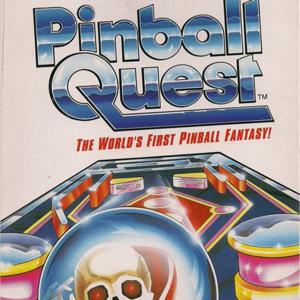
- Next week - Pinball Quest
- NEStalgia Byte
Auto-generated transcript. Each paragraph starts with its timestamp. Speakers are not identified.
Michael Andretti's World GP, Turbocharged Racing Excitement.
And welcome to NEStalgia, a chronological exploration of every NES game released in North America. I'm Mike. I'm Sean. And I'm Joe. And also with us, Michael Andretti. What's up every- no, of course not. We can't. We can't just bring these people onto the show.
Um, but are you guys- Yeah, still alive. Okay. I thought maybe he was just like your pseudonym. I sounded pretty confident when I said that, right? Yeah. I'm like 99% confident. And now I'm 100%. He's alive. What's up? Happy 61st birthday to Michael Andretti. He's only 61? He's only 61. Is today his birthday? October 5th. Oh. Close. Might as well be. He's gonna release on October 5th. Yeah. Joe, you're like, what? October 42nd? Yep. Great. Nice. That's pretty close. Yeah. Um, and so really though, even though we couldn't get him on the show, uh, I know all three of us were emailing him, texting him, calling him.
Uh, we all know him, right? We all know this race car driver and his, um, his story. Yeah. All very familiar. Everyone's very familiar. But for the listeners, maybe we should talk about it. Right. And so, yeah. Cause like, here's what happens. All right. Every now and again, uh, we have to remind people that we didn't grow up during this time. And, uh, you know, during our time in the nineties and the two thousands and even today, like when people get a game like licensed in their name, it's usually like a super like star, right? Like a superstar athlete. And so when you hear Michael Andretti's world GP, you have to believe that this guy has like some serious credentials behind him.
And, uh, he is part of like a racing family. His father was like an Indy car series driver who won a bunch of championships. And now his son Mario is, um, or was rather, sorry, Mario was the father. I'm getting, I'm doing so good here. Mario was the father. Marco, let me get out my family tree. And Marco is, uh, currently racing or at least, uh, was up until very recently. And this is your family tree. So you're related. Yeah. Uh, his last race, his last race race at all. Uh, his last race actually was a couple of weeks ago. So that's good. Yeah. Good for him. Yep. He did the 2024 general, general tire.
Yeah. The general tire 150, which sounds made up. Um, and, uh, you know, there's only one rule for that. You have to use tires in the race. General. Yep. And what did he do? What did he place on that? He placed 17th.
Wow. See, but that's the problem I'm going to have with the Michael Andretti story here is that I'm sure that the guy had a very, uh, long and storied career, but he only had three first place finishes by the time the game would come out in 1990.
And he wasn't even in F1 yet. The, the, the, you know, like the, the format that this video game is doing is F1 racing, but he was doing like IndyCar racing, which this isn't. So he would only race one F1 season, 1993, no first place finishes, only five first place finishes ever.
A couple of additional podium things. That means he plays like second or third every now and again. But like, I don't know my, going back to my original point of like, it takes like, it takes a certain kind of caliber of athlete to get a game named after them. And I'm not saying like, I just don't know. Like, is that good? Like is, is racing so competitive that there's nobody more dominant than a guy who could only finish first three times before getting his name on the box of a video game? Well, well, you're the one that seems to have like, you know, some insider information. Like did he, that was he like a, a big personality?
Like, was he like really the cool guy in IndyCar? Sure. He was, he was the up and coming at the time. Sure. So maybe it was like, I'm looking at it in hindsight saying like, maybe they thought he was just going to be like, oh, and, and soon this guy's going to be like the Max Verstappen of the nineties where like he just finishes first place all the time, but that didn't happen. Yeah. Like they bought in early. Yeah, exactly. Like, but I want to go back to what you said a minute ago about, so this, this game is F1,
right? Yes. I think so. Yeah. He was not in F1. He was in IndyCar. So they just, it's like, so they took like basically like an athlete from like kind of a different sport or like a different format of the sport and just like, let's just make it about this other one instead. I would say between F1, Indy and NASCAR, those are like three different sports. Like you can't just like jump. I mean, you can, obviously they, this guy did, but he didn't even get any first place finishes when he jumped.
They're not interchangeable. It would be like Josh Allen's major league baseball, like coming for the PS5. I guess. Yeah. In a way. Or, or Josh Allen's football, but it's soccer. I think this would be more like, you know, Caleb Williams NFL football. You know, some guy that played in a completely different league that has different rules, but looks a lot like NFL football. Okay. Well, if they're any less famous than Josh Allen, I don't know who they are, but I, I, but your point, I understand your point.
Um, is he from like Canadian football league or what? No, he's, he's a college. He's going to get drafted first overall. Oh, okay. There you go. Well, that's exciting. College football is a different sport to some extent. So yeah. Yeah. They have better rules.
Oh, okay. Another episode, uh, underway. Uh, also what's funny about this whole thing though, is that this is like, uh, you know, that other week where we had, um, that game that was actually, it was, uh, the last star fighter, but it really wasn't right. It was like just a port of a computer game. We have that a little bit here where it's like, it's, it's also additional stolen glory from an F1 or at least, um, whatever the Japanese, uh, top formula is. Uh, like, I guess that's F1 in Japan.
And Satoru Nakajima had that, that, like that, this was his game in Japan. It was called Satoru Nakajima's F1 hero. And you played as him and you did all, all the stuff in the game, uh, as him. And now it's like, oh, well we can just port that to America and throw an American, um, on the, on the box and name and, and also like not have him be officially an F1, but mimic F1. So, uh, at least with Satoru, it was that he was a five time Japanese top formula champion and the first, uh, full time Japanese F1 driver. So at least like, there's like a fabled story behind him. I feel like Michael Andretti is pushing it a little bit, but they needed an American for the box, I suppose. I think, you know, with, I'm sure that there wasn't that many.
Um, so they probably just got who they could, you know? Okay. And, uh, we did what we could in terms of research. That's the best we've got. Please send all your angry mail about how, uh, we botched the history of Michael Andretti to, uh, Sean at Sean.com.
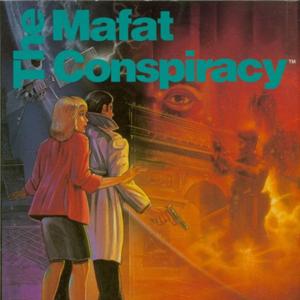
Close. To get into the gameplay though, this is a racing game. It's an F1 racing game, but it's unlike almost all the other racing games, uh, we've played so far. And what's funny about all the racing games we've played so far is that we're talking about on eight racing games on an eight bit console. And sometimes that doesn't even mean that the whole game needs to be racing. We just saw with the, the Moffat conspiracy the other week that like, sometimes it was just like, oh, we'll just include a little racing or car action inside our other complete game. And that'll just be like a little side component, but it's always different. It's always like, okay, these are, these are the ones that are going to like do from behind the car and fake the 3d.
And then there's like the RC pro-ams that are going to do like top down or isometric view. And then you have like the ones that are going to do it when you're in the driver's seat and you see all the, um, the odometers and the, and the speedometers and everything. And you're like in charge of everything. But this one is like, we're going all in on simulation. Like we want this to be the, uh, the grand turismo of the NES.
And we're going to, we're going to offer different cars to drive different, uh, with different stats on those cars. You're going to have to learn how to do manual gear shifting. You're going to have to learn how to like understand turns and like, you know, um, how fast you should be going on those turns and, and all of that in a way that, uh, we have not yet experienced on the NES. Is that fair to say? Absolutely.
Yeah. I think we've like, we've dabbled in like some of this stuff. Like, but I think mock writer, you could shift gears and stuff like that, but like, it never felt this feels like it's, it feels a lot more, yeah, like simulated or more like it is what it would feel like to shift gears closer to it as close, close as the NES can get to that. And yet what's funny about that is like, you know, nowadays people who, uh, get like a full rig for grand turismo or Forza or, uh, Assetto Corsa, like all those simulation games, um, you know, they could probably take at least most of what they learn and apply it to the actual road in some way or another.
But here, like, you can't do that with this game. Like this is a simulation style racing game, but it only applies to the, the, the simulation of the NES. Like, I don't, I think you could somewhat understand the concept of like, you know, bringing, you know, like shifting down on turns to slow and, and, and not spit out and stuff. Like you could, you could take like those, those things and apply them, but it doesn't, it'll never feel like that. And so it's a weird, like, it's too early in the simulation thing, uh, for it to be practical, but at the same time, it's very difficult.
Yeah. It is very difficult, but I, I, I found it like functional in a way that as hard of a time as I was having, I, I naturally learned it, you know, which, which made me think like, okay, this, any, any problem I'm having with turning, which I have a lot in this game or going too fast or figuring out is, is my issue. You know, it's not the game's issue.
And I, I do think that because of like how much I started to feel like, okay, I'm actually getting an actual feel for it. Like I couldn't, I couldn't really describe to you exactly what I do when I come up to a sharp turn versus a, you know, like, and like what I do with my speed and everything. I just kind of like got the hang of it. And I, and I think that that does speak a little bit to like the way that this is designed.
Yeah. And, and just to go off the point of how simulation a simulation racing game is and can be with the hardware. I mean, like, you know, Gran Turismo seven is to like Forza horizon. Okay. To make it more easy to follow Forza motor sport is to Forza horizons as this game is to most of the racing slash vehicle games that we've played in terms of like it's actual driving systems. Like it's, I'd still say that this is, you can still call this a simulation game because it does, it's trying to model like traction and, and model like your tire, uh, where and
like, there's a lot more going on here than what, what we've been exposed to so far. Yeah, absolutely. And you know, there's something to be said about all early simulation games. It's, there's no problem with it, right? Like the first Microsoft flight simulator people, you know, both hobby enthusiasts and people who were trying it out, like experience the same kind of thing that you would be experiencing with Michael Andretti's world GP, where it's like, if you're not accustomed to those things,
like Joe was saying, you have to learn them by feel like you, you, you will just realize that your old behaviors in RC program are not going to transfer to this game because they are, as Sean mentioned, taking things a little more seriously with tire wear and, uh, pit stops to change those tires. There's, uh, there's four different cars. There aren't car setups, like you can't adjust, um, the transmissions or the engines like you can in later simulation games, but even just the choice of car is a big change.
There's, um, there's one automatic car, but I don't think, uh, it's like very useful compared to the manual ones, uh, especially if you want to get anywhere in the actual, uh, Grand Prix mode of the game. And then the, uh, the actual like courses themselves are designed after the real F1 courses that the schedule is modeled after. This is following a full 16, uh, race F1 schedule, at least true to 1990. So, uh, there's a lot of simulation thought going into this. I just meant that it's funny that this is cutting edge at the time, no doubt. And now just like how the first Gran Turismo was cutting edge and is now a little, you know,
outdated, you can see that this won't really, uh, apply anything to the actual, uh, the actual road. Whereas video games are inching closer and closer, especially with Microsoft flight simulator 2020 being like, you know, as long as you have all the, uh, the actual gear and rigs for, for that stuff, like you can learn how to fly a plane in your video game. I mean, I learned like most of my driving etiquette from Grand Theft Auto. So I totally understand what you mean. Yeah, absolutely. Uh, did you really stop at the lights? Oh, I mean only the ones that I wanted to. There you go. So now as three people who, uh, aren't car enthusiasts or whatever, or racing enthusiasts, we don't watch F1 or, uh, as much as we'd like to perhaps.
What did you do to kind of get acquainted with a game like this? You know, there's the choice of the cars. Did you go for the automatic one because you didn't want to deal with the manual? Did you just go right into the Grand Prix mode and see the qualifying times and kind of nope out of it? Uh, did you just brute force your way through, uh, the first stage of like, I'm just going to keep doing laps on this course until I learn every single turn and get a qualifying time. Uh, you know, walk me through that.
Well, I started mostly with practice and I'll say that I did pick the, I drive in real life a Chevy track. So I figured I'd be the most comfortable with the Chevy car. Um, which is true. It feels exactly like my tracks. Um, and then, yeah, I did mostly like the practice stuff at first just to get the hang of it. And then I started the, um, like the Grand Prix and it, you know, it's kind of feels exactly the same. So, um, but yeah, I, I did start with a lot of practice. I mean, that was probably the majority of what I was doing with playing a lot of the tracks on practice mode.
Um, so I just jumped into Grand Prix and I did do some practice afterwards. Um, it's funny that you, you practiced a lot with the Chevy and then went to Grand Prix because the Chevy I feel is probably the easiest to drive car. Uh, like it can take turns faster and all that stuff, but whatever, I forgot which car it starts you off with in, uh, like the first race, it's a, it's a bit more of a pain in the ass to drive.
Um, and I don't know. I wasn't, I'm not very good at this game. I like, I was having fun with it in the time trial. Uh, but I can't say that I got a very good time no matter how many laps that I did. Uh, I was getting faster over time, but I couldn't qualify to save my life. So I went back to practice to see the other, uh, tracks. Yeah. I also never qualified.
Um, but, but a cool thing about like, uh, about the practice is that like they, they'll give you tips on the course. Yes. And then that was very nice. I also, uh, struggled qualifying because the qualifying times are trying to be somewhat, um, in line with what you would expect in a Grand Prix where like nobody is, it's not like, Oh, this one guy did the course at a minute 30 and then the next guy did it in a minute 40 and then a minute 50.
And you just kind of see where you can squeeze in within 10 second increments, which you might see in more arcadey, uh, racing games instead here. It's like, no, all the times are very close and you need to be modeling yourself after those times and just kind of eking in wherever possible. And so when you first do like the first lap, uh, I, my first lap of this course, I believe the qualifying time was something like a minute 44 was like the bare minimum to get in.
Okay. A minute 40 to get in. And I think my first lap around the track was a minute 57. And I was like, Oh my gosh, like I gotta, I gotta shave 17 seconds off of this. Like, I don't know if that's happening. So yes, I did just leave the Grand Prix, go to practice, experiment with the turns. And what happened there with the experimenting thing was I was realizing now my issue is I'm not spinning out, but I'm driving too slow. Like to make sure that I don't do that. It was a very delicate balance.
Yeah. And I imagine that if you get good at this game, it is kind of intense because you are like, you do have to like, at every moment be kind of in control of like, okay, what, what am I going to shift? How am I going to slow down? How am I going to like, you know, you have to be exact at every moment. So I, I, I actually feel like maybe all three of us, but like speaking just for myself, I'm definitely not good enough at this game to feel the intensity it can probably like deliver.
Well, I, okay. So my, everyone's first lap is always their slowest. Cause you're starting off from, from like a dead stop. Whereas each next lap, like you at least have that speed crossing the line. Um, so I eventually got done to one 49 and when I was going like lap after lap, some, some are faster than the last. Like I did feel that sort of intensity and not to say that like this game has that crazy of a sense of speed because like the actual visuals of the, uh, like the game field are, are pretty bare bones. But the fact that it's also like whenever you're about to spin out or you're losing traction and you're, you're approaching that, uh, lap marker, like that is almost like, I felt a sense of speed just from the S the systems.
And I, I can't say that I ever felt like the, uh, uh, the satisfaction and relief that finally qualifying would have, would have given me, but playing the game, I still felt like really enthralled by it. I just sucked at it.
It's tough because on the one hand you have to hand it to them for, uh, just the, the authenticity of it all. And especially the, the actual simulation, right? So it's one thing to like say, oh, you know, you got to do the gear shift and you got to, you know, slow down on the turns and everything. But it is impressive that graphically they pull that off too. You know, uh, you, you both have a map of the course ahead of you. So, you know, when the turns are coming, it's kind of like, as if you're both, uh, the guy,
the manager on the headset and the driver, but the turns themselves like actually feel like they provide some valid feedback without any sort of vibration, uh, which would have been great, but an NES controller can't do, uh, without any, you know, it just, it, it visually communicated it well. It's just hard to learn. Uh, do you agree with that? And audibly too, that, that sound that you feel like, oh, I'm drifting. Like, you know, I got to correct this. You know, that like sounds like Mario's getting to a stop, but like it, it, it was effective.
Yeah. I think one of the, the hardest things that this game was like had to acknowledge is like just turning. And it, it's funny because most of us have, if we're playing a racing game, we're probably playing a game that was released after the analog stick was invented, which allows you to turn to a certain degree and not always just go way to the left and way to the right.
Um, and because that's really all that you could do in this game, uh, they had to switch up, uh, steering by every time you put an input into the left or right on a D pad is just like turning you to a certain degree in that direction. And when you are not pressing anything, the wheels stay there. And that's kind of like, it's hard to unlearn in most other racing games where if you remove your input from the, from whatever steering you have, whether it's a wheel in front of you or an analog stick, um, the, it will usually bring you back to the wheels are straight.
So instead, if you're taking a tight turn, you have to like triple tap on left or not triple tap, but like sort of ease into a hard left or a hard right. And then when you need to straighten out again, you have to do the reverse to get back to straight wheels. And like, that's sort of, uh, unlearning how to walk in a way or learning how to skip.
It was, it was a weird way that I think that might've affected how bad we were at this game. Yeah. I mean, definitely. And I remember having that exact thought at first. And then right now when you described it, I was like, Oh, I didn't have that experience at all because I had forgotten about it. Like I had to be like, Oh yeah, I did have that experience. And it took me a little while to get used to it. Once I got used to it, like, okay, I was used to it. But when you do stop and think about it, like, well, this doesn't, I don't know, I don't know a better solution, but this doesn't really translate to what it's like, you know, to, to turn the wheel of a car.
Joe, uh, Joe, you mentioned the sound of the car while driving kind of gives some good feedback, but did you find it odd that that's all you hear while driving? I was going to mention this. I, I, I, I am, I was praising the sound of that, like that drifting that, that kind of gives you some feedback. Anyway, the, the, like, I don't know what the, the regular sound of the car moving just on the NES is just like, kind of like one, I don't know what you call the equivalent of
like one note. I guess it is just one note, but like there's no chord, you know, it's just that, that one like buzzing gets very annoying in my opinion and made even worse by the fact that when you pause the game, everything freezes except for that sound was just going. That's the worst part. Like if you want to appreciate like the, the bliss of silence, play this game for like an hour and then stop.
And you're just like, like, like honestly, like when I stopped, like I didn't realize how annoying it was until I stopped and I was like, wow, this is amazing. Like no buzzing. Yeah. I didn't have a problem with the lack of music because if this game had music, it would have sucked because the sound is always whatever the chip, I don't know the hardware, how the
hardware works, but I'm almost positive just by playing other NES games that whenever there's a lot of noise, the music gets like chopped up and the music in this would have been completely destroyed by the engine sounds the entire time. Maybe there was music, but the engine sounds were always covering it up. Yeah. I think there just was no music, but they definitely could have made it so that when you pause,
it stops doing that. Yeah. It's crazy. It almost feels like you have to do. I have no idea, but it seems like you're doing work to make it stay. Everything else freezes. Yeah. I feel like knowing nothing about making a video game, I would feel like just having an input that stops everything would be easier than like stop everything but the sound.
And so we've talked a lot about the Grand Prix mode already with the first you see a map of the course, then you're brought into the qualifying sessions and see the already posted qualifying times. It's one of those funny things in all racing games where like you're always last to go on on these things like you have all the information in front of you. It's not like, oh, qualify and then find out the times like you just conveniently go last or in Gran Turismo games where there aren't qualifying sessions, which please, Polyphony, please put those back in.
When there's not qualifying sessions, it's just like you're just conveniently last and the whole game is just like they also know you're just going to be the fastest car. So it's just about racing back to the front. And that's like a weird feeling where the qualifying sessions kind of eliminate that. But in the qualifying sessions for Michael Andretti's World GP, there are two unique features, I thought. One is that once you feel like you've got a lap that's fast enough to qualify at all,
right? So if it was 140 and you posted a 139 and you're like, oh, I'm just happy to be in the race, you can hit the select button at any time. It doesn't have to be at the end of a lap or anything. You can just hit the select button and it is not necessary to do all five laps. You just get to end it right there and slot right in. So it's great that it's not this mandatory thing that you have to sit through, watch everybody else race. Then you race.
Then you have to do five laps. And then you can finally join the race. It's just post a qualifying time and move on. However, if you don't qualify at all, if you do your five laps and don't qualify, you have to sit out of the race and watch from a different driver's perspective, which like granted, you know, we're talking about having a hard time qualifying for the first race. So you would just reset the console at that point. But if you're like deep into this and you don't qualify for a race, now you just kind of going to be like, all right, I guess it's time for a snack.
Like, well, you could. I feel like if you really wanted to play it straight and not cheese the systems, like that would be what you do. But this game does have a password system. So I assume that if you didn't want to waste your time watching the computer race, you could just put in the old password and do it again. And then inside the race, one thing that's interesting is that there's no direct interaction between all the vehicles. The other vehicles kind of act like ghosts. Now they do slow you down. So do not collide with them by any means. But there isn't any sort of crash or ability to take out a computer via malicious means.
Right, right. You can't like knowingly look at the map and be like, oh, he's right behind me. I'm going to like make it so that this way when he gets close, I'll just crash into him and, you know, I'm the smarter player or whatever. You can't do that. But during the race, even though spinning out is like the possibility of probably the worst slowdown you can have is spinning out and having to regain speed. There's no incident on the course whether your tires are completely blown out or and you don't pit or you spin out onto the grass. Like nothing can cause a DNF. You just have to you just have to keep on racing.
I mean, I guess that's nice. I don't think we it would cause more frustration if you if you took a turn poorly enough. And I'm sure we would be the ones to experience this like you just kept like crashing and burning. I feel like that'd be even more frustrating. After all that time qualifying. Yeah. Yeah, absolutely. Yeah. So not a complaint for me. Just an interesting note of what the game's able to handle. And then as far as the remainder of career or Grand Prix mode goes, you for each race, points are awarded to the the top four.
First place gets five. Second place, three. Fourth place gets one. And fifth place gets none. So at the end of the level, a the level being multiple races, it's not just one, but a champion is declared based on whoever got the most points. So this is this is why like you must always qualify. Like you can't afford to like miss a race, not qualify and then not score any points because first place is picking up five points.
And the only way to move forward into level two, three, et cetera, is to be the champion of the current level. So there's just like there's a lot of contingencies. And so thank goodness they have that password system. But but like it takes a while to even know where you stand or if you if you even have enough points. Right. The difference is the difference is huge between a first and third place finish. It's going to take a lot to make up those points.
I I might have more to say on this topic if I ever qualified for a race. But yes, like, you know, if we're going off of the the Mario Kart Grand Prix Cup thing. Yep. 150 CC. Yep. You got it. Yeah. It's the same. You know, you got to you got to make sure that not only do you beat that guy, but you have to beat that guy by however many places, you know? Yeah. But like in Mario Kart, you know what I mean? It's like it's kind of like a sure thing that you're going to like, you know, like you're going to play somewhat respectable.
Not first place. First place isn't guaranteed. Yeah, exactly. That's that's what I'm talking about. I'm talking about like in the main mode. Right. Yeah. You're never going to be in a situation where you finish like seventh unless you just are playing the level for the first time and you didn't know about all the traps or whatever. Right. Like Mario Kart is somewhat baby mode. Yeah. Baby mode. Whereas like this game, you'd be lucky to finish first once without like spending, you know, dozens of hours learning the ins and outs of the individual racetracks.
But I mean, dozens of hours of stretch, but you know what I mean? Dozens of hours overall in the game to truly like be great. Right. And then to find out that like what it takes to really like clear through this entire Grand Prix is is a large endeavor. It's a large long endeavor. And I think on some level, again, like if you're good at this game like that, there's there's a rewarding system there of like there's a challenge, but there's also like a sense of progress and achievement.
You know, it feels like a EA. I'm just saying it. Yeah. It feels like a full game here. You know, you're in the Grand Prix mode, like 16 racetracks where you have to spend the time to learn them all, qualify inside them, race against the other vehicles in real time and score enough points to move on. Like there's a lot there for a racing game that so far we haven't seen. Yeah, this is like I know what you're what you're saying here. And I think like the way I describe it is this is a very feature complete game that's kind of rare in terms of what we're playing in like, you know, this main podcast. And I really have only seen something like it with physical fighters, like a game that
there's like there's a lot more than just like, are you playing mode A or mode B? And when you die in mode A or mode B, you got to start from the beginning. It actually feels like a campaign here.
Yeah, I mean, I think that I want more games, movies, whatever to kind of like go in this direction. But I do think that this is not because it's so like granularly like specific and it's got so many like details that's like for racing that it's not even necessarily for everyone. It's for people who love this type of game. And that usually can make things really good for those people rather than like really average for everyone, you know. So that's kind of like the vibe I got from this because this is like not my normal thing is I'm not like super into racing games really at all. But like I can see that like this is like if I were, this would be something I'd want to sink my teeth into even more.
The good news is there is one mode remaining for the people who suck at this game. And that is the two player mode. Because when in doubt, if you aren't good enough to beat the computers, chances are you can beat your friend. Or you can beat the controller that is not being touched by anyone. Yes, that as well. Yeah. Right, right. You know, it's funny about that, Joe. You can also just make it two computers racing against each other as well in this mode and turn it into a spectator. Yeah. Take bets, get your friends over.
I'm down for that. But instead of making it a gambling thing, no, you could actually just race your friend who's never experienced the game and you at least are aware of the turns and the gear shifting and all that. And you can smoke them, you know, and that would be enough, right? That's all I need. I'd like to take a moment to make a correction of a thing that I said.
That wasn't Fuzzical Fighter that I thought was. It was Joy Mech Fight. You just had to ruin it for me. All right. Thank you. I just wanted you to know that I read your mind and I would have told you. After the show. Before all that. Yeah, we all knew right away when you said it, like it was Joy Mech Fight. We're like, eh, don't even bother. Yeah. Joe, that's funny that you just like, Fuzzical Fighter sucked. But no, Fuzzical Fighter was good. It was all right, but it wasn't what I meant. Yeah, it definitely wasn't. It wasn't on this scale of feature complete.
Well, it's funny. When you said Fuzzical Fighter, though, my brain was like, yeah, Joy Mech Fight. Like I knew the game you were talking about and I thought it was called Fuzzical Fighter also. Perfect. If you're wondering what Sean and Joe and I are even talking about here, Fuzzical Fighter, Joy Mech Fight, I never heard of these games. Well, this is the perfect time for a little quick ad. And this wasn't staged. This wasn't agreed upon beforehand. Sean just nicely plugged in for the episode that we sometimes do these nostalgia bites. In fact, we sometimes do them once a month exactly and deliver them to you every single month. And these nostalgia bites episodes are the Famicom games. Not all of them. Not in chronological order.
We will never do that because there's too many. There's actually no rules at all. We just choose a game. We play it. Doesn't matter when it came out or if it's even a video game. Actually, I presume we're going to start reviewing books and making casseroles and other things on the podcast. But that's all to say that the only way to get access to that bonus show is to join our Discord and Patreon, which the Patreon is part of the Discord, but the Discord's how you really find out about this stuff because that's where we're talking. So if any of that sounds interesting to you, go to patreon.com slash nostalgia.
$5 a month for the Nostalgia Bites thing, but $1 to get access to the Discord where you find out about all this stuff anyway. So you decide how much you want to hang out with us. Yeah, we've got one game on there that I think we agreed in our mailbag episode that we all would have given a 10 out of 10, making it a 30 out of 30. We never said that.
Oh, really? Yeah. But we did say something. Roll back the tape. Yeah. No, we didn't say Sweet Home was a 30 out of 30, but we did say that that game would be on the Essential Games list. Hmm. Yeah. Hmm. Interesting. Who's to say? You would have to be a member at patreon.com slash nostalgia to find out. Join to find out who was right. But we won't make anybody subscribe to find out whether Michael Andretti's World GP is on the Essential Games list.
Michael Andretti's World GP is bringing simulation to the NES. And as somebody who loves simulation games, you got to appreciate it for that. Matt, this game actually is not going on the Essential Games list for me, at least, but not because of the difficulty. It's not about the fact that I wasn't able to qualify. I had enough fun just driving around in the practice mode and getting a little bit faster and all that. Whatever. It's fine. We don't have all the time in the world to play all these games. We're doing, what, like 640 something of these? We don't have 640 hours left. No, that's not true.
We have more than that. But my point being, the reason why it's not going on the Essential Games list for me is that argument I was trying to make, probably ineloquently, about how the simulation racing games as a genre have really evolved from here. And I mean, you really need to look no further than the Gran Turismo PS1 games. But even like from there, they've evolved. And so Michael Andretti's kind of left in the dust, if you will, sucking up the fumes of the other racing car simulator games that blasted off ahead of it. And this thing just doesn't hit top speed. So it's going to be a no for me. Joe? Yeah, like I said before, this is like, I've never been a big racing game fan. So it was hard for me to get like really into this one personally.
I agree with everything you just said, Mike, about the, you know, future games. Like if you are a big racing fan, like this, this could be maybe a fun thing to go back to, but like, it's not going to be like, wow, this is the definitive racing game.
Not that it needs to be. But I'll just say my experience with this, I, I kind of found myself getting really bored some of the time. Like, granted, like I was losing, you know, or even when I'm on the practice, like laps and everything, like when I'm on like a straightaway, I'm kind of like, my eyes sort of gloss over for a second. And then I'm like, you know, it's just like, it was just really long of, you know, a long experience, each, each round was like a long experience of like stuff. I just wasn't, nothing was like happening that was too exciting for me.
And again, that's, that's my taste. But I do think that just overall, this is, we've evolved past this for racing, the racing genre anyway. So even if this is your cup of tea, I'm not sure that I would say is essential, even for you. Sean. I don't want to go until Joe slips more racing puns in. You didn't hit the minimum. Maybe you just didn't understand my racing puns. They were so good. They were so like hidden.
Okay. No, I'll take your word for it. Yeah. I thought you were about to slip in a racing pun there in that second. Maybe I did. Maybe there's racing terms you guys don't even know about. True. Like terms, like, like a political race. And then you, then you go to terms of, yeah, see, I got it. Got it. Perfect. Well, let's switch gears and go to Sean.
Um, yeah. So what, what, what they said, I mean, I didn't find it boring like Joe, but what, boring like I found it or boring like I am both, both. Um, so, but I will say that this is a very well designed, uh, very fast soapbox car, uh, racer. And you could be like the, the best designed soapbox racer car, um, and still get smoked by, um, an actual, like, you know, motor vehicle. This is a really bad, this is a really bad analogy, but, um, it's, it's great for the time and for what it is. It's not essential. Uh, you, you could call this one, uh, uh, a DNQ.
Um, so yeah. All right. Next week we have pinball quest. Uh, and then as far as those nostalgia bites go recently, we had Konami YY world, which is like a gigantic Konami crossover game. We had Sean's favorite joy mech fight. We had Joe's favorite sweet home. We did a whole episode on the first ever fire emblem. You know, you want to play these games alongside us and hear what we had to say. And I'll give you a little hint for $5 a month. You get access to all the old ones. How many is that? That's 28. That's pretty cool.
28 bonus episodes, $5. Never have to hear from me again after you hear from me after you hear from me on the episode. Yeah. Actually, once you, um, once you pay that $5, you can't hear this pitch on the regular episodes going forward. If enough people pay us $5, we will stop talking. Like you can buy our silence. It will stop the podcast.
Look at us putting in the work in the middle of the episode with chicken people. They're like, they're like 30 seconds, skip 30 seconds. I thought you were going to, I think we're going to start plugging zip recruiter for a second there. Uh, is, uh, Squarespace actually promo code. Yeah. Promo code NES. I was going to make a joke, but it would actually be advertising for free. So yeah, that would suck.