229 · Romance of the Three Kingdoms
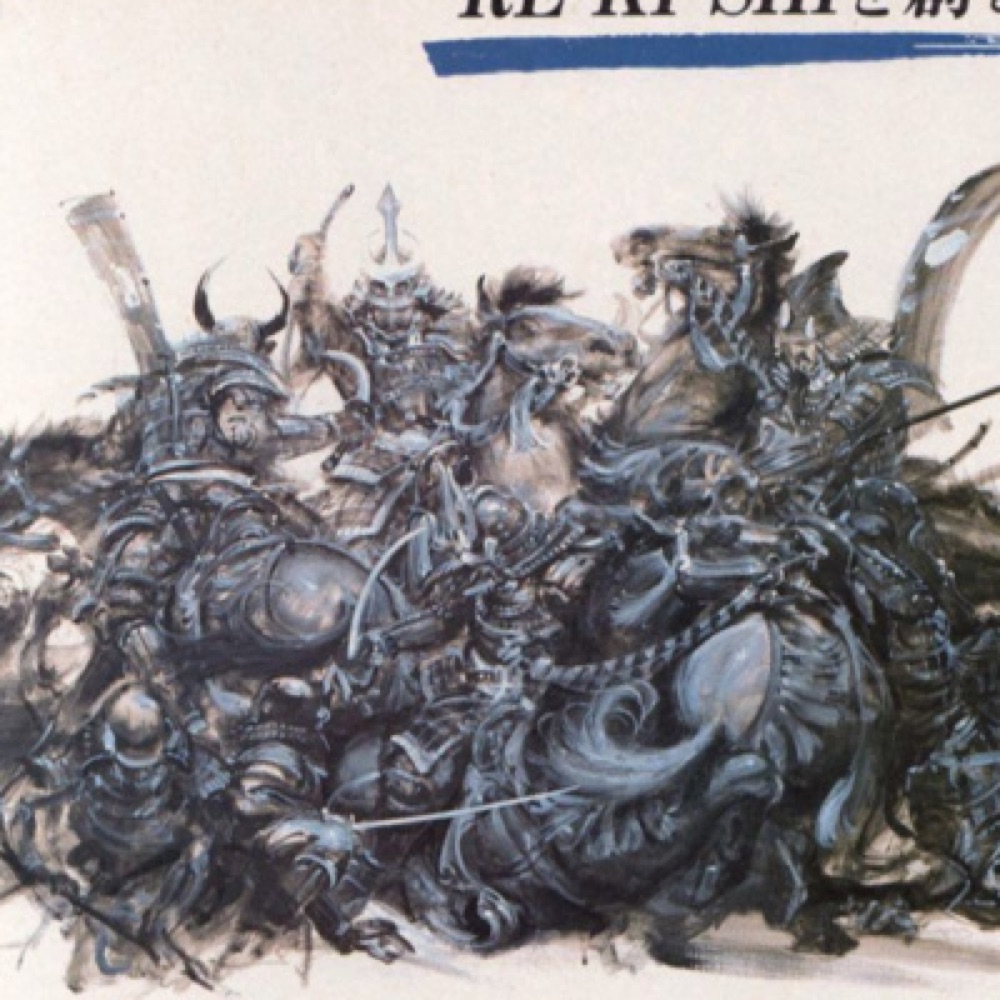
Based on the events of the Three Kingdoms era in China (3rd century), and on Luo Guanzhong's famous novel Sanguo Yanyi, the game casts the player in the role of one of the many warlords rivaling for control after the Yellow Turban Rebellion.
SHOW NOTES
Longplay
Beginner's Guide to this Game
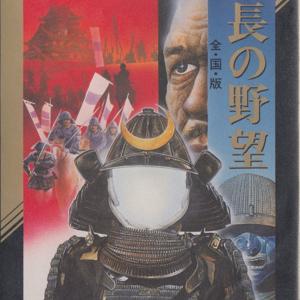
Nobunaga Episode
The Book Series
Romance Of The Three Kingdoms XI
- LIVE SECOND CENTURY CHINA
- NES Longplay
- Introductions
- It’s Nobunaga’s Ambition but in CHINA
- Overview
- Top-down political map strategy-type gameplay
- Player control provinces and their natural resources; managing armies and their generals; conducting plots and schemes between the player between or with rival kingdoms.
- The game's main objective is to become the supreme ruler of the remnants of the falling Han Dynasty.
- Gameplay
- This game is made by the same team as Nobunaga and uses the same systems. So instead of covering all the various intricacies, I’d rather refer listeners back to that episode. I think for this episode we should focus on elements that were either improved or unique to R3K
- you can choose to play with zero human players. Sort of a tutorial mode
- My main gripe with the Koei strategy games at this point is the amount of check in required on all neighbors and understanding the various ways THEY are playing the game. Some are building giant armies, some are focusing on development and growth. It’s probably intended, but it’s not easy enough to keep referring.
- The kind of game that you probably wanna learn through constant saving/loading since it takes a while to find out if the actions you’re taking each turn are paying off compared to the other leaders
- But ultimately this is a WAR game. This is about managing your generals, recruiting the best generals, killing the weak leaders, and increasing your troops. This isn’t a diplomacy game.
- Certain generals can be advisors
- What I think is exciting in this kind of game is the stories that CAN play out, especially because they also give you historical time periods so there is the chance for both historical events and the chance to rewrite history.
- Should combat have also been some form of menuing. I suppose in a way it is, but does the switch to turn based tile combat change the flow of the game too much.
- That said, the combat improvements in this game do make it better than Nobunaga. Movement through direction arrows, simultaneous attacks with adjacent troops
- Sequels and Spinoffs
- We will play Romance of the 3 kingdoms 2 on the NES
- Hopes for improvements?
- There’s an impossible amount of sequels
- Romance 11
- Romance Of The Three Kingdoms XI was released in 2006 and was made available on the PC for the first time in 12 years. It was also released on the Wii and the PlayStation 2.
- Romance 11
- We will play Romance of the 3 kingdoms 2 on the NES
- EGL
- Next week - Romance of the Three Kingdoms
- NEStalgia Byte - Tower of Druaga
Auto-generated transcript. Each paragraph starts with its timestamp. Speakers are not identified.
Romance of the Three Kingdoms. Live Second Century China.
And welcome to NEStalgia, a chronological exploration of every NES game released in North America. I'm Mike. And I'm Sean. And that's it. But that's okay, because there's a lot of, you know, like I think last week we had a, just a you and me, Sean, and now we're having it again, but it's fine because this game is also kind of like a double. It's really just Nobunaga's ambition, but in China. Yeah. And I mean, if you think about like how many people are in a place, whether it's recording a podcast or fighting a war, like if you wanted the more, the merrier, this would be the game to play. I appreciate any kind of positive outlook on that kind of situation.
I'm glad to be here. Yeah. Glad to be here with you, Sean. And we're gonna have a good time because if you recall, Joe also, another similarity here, was not on the Nobunaga's ambition episode. So it makes sense that he couldn't possibly join us for the Romance of the Three Kingdoms episode. If you haven't played the prerequisite, you can't move up to the 201 class. That's true. You need to know who Nobunaga is, what his ambitions were to know anything about Three Kingdoms of Romance. Right.
And so this is a top-down political map strategy game where the player... War game thing. Yeah. The player controls provinces and their natural resources, managing armies and their generals, conducting plots and schemes. I'm using the manual here, but I think that sounds pretty exciting. Conducting plots and schemes between the player and other rival kingdoms. The game's main objective, no matter which time period you choose to play in, is to become the supreme ruler of the remnants of the falling Han Dynasty. Now, sometimes the main objective in a game is save the girl. Sometimes it's save the world.
Become the supreme ruler of the remnants of the falling Han Dynasty. It just doesn't have the same ring to it for me. Is that a clear enough objective for you, Sean? I think if you boil it down to what seems more ambitious, I think becoming the supreme ruler of the fallen Han Dynasty is... It sounds a lot more fun than just saving a girl or saving a kingdom.
There's a lot more meat to it. Right. Okay. So you're saying like this kind of hook, right? That like basically you have this tiny piece of land that you start with, but your end goal is to control it all. Like that is an exciting hook for gameplay. Well, you rephrased it. The original phrasing was what I was saying like, oh, count me in. That still sounds fun, what you just said. But it's... Yeah. When you boil it down that way, it sounds a little less spicy.
Right. Okay. Right. And that's because, you know, I think for a lot of people who listened to the Nobunaga's Ambition episode, which was, I believe, almost two hours long, if not longer, you don't want to hear us say all the same stuff again. It's the same team making pretty much the same game or at the very least using the same systems. So instead of covering all the various intricacies of how to play a game like this, I'd rather refer listeners back to the Nobunaga Ambition episode if they haven't listened to it. And instead, I think for this episode, we should focus on the elements that we feel were either improved over Nobunaga or unique to Romance of the Three Kingdoms. What do you say, Sean? Let's do that.
Okay. And I think we already agreed on that beforehand, but now the listeners have to agree because we've agreed to it. So it's like a binding contract. If you continue to listen, you have agreed to this. Right. The reason why I don't want to get into the various intricacies of how to play this game, though, is because if you look on game FAQs or if you look on just, you know, strategy wiki, or I'm thinking of like other things that people look at for like, how do I start playing this kind of game? There is a shockingly low amount of content for this particular Romance of the Three Kingdoms. This is a franchise that has been iterated on many, many times.
So you could. Right. You could find a version of the game and like try to figure out like, oh, well, you know, it doesn't have all these systems, but this is what the game kind of works like. But I was shocked to find little information about how to actually play this game outside of the manual, which tries its best, but cannot accurately, you know, it would require a textbook. It took me to finally get to a YouTube video that I will absolutely link in the show notes here called A Beginner's Lesson in Romance of the Three Kingdoms. Sean, did you check this video out? Another man of taste, I see. Yes. I had to. I had to because there's just not.
When I was reading the manual, it was it's it seemed to have been referencing a sub manual. And I don't know if that's just like in reference to the last 20 pages of the regular manual or if there's another booklet that comes with this thing that I couldn't find a PDF for. But it gives you a good broad stroke. So it gives you the lore, which is actual like real fake lore, because this is based off of a historical book, which is which says that it's based off of historical facts. So like it gives you a lot of the flavor. But it does give you overviews of each of the systems, but it doesn't really give you too much, too much detail like the number crunching and what how things affect other things.
It's a it's a it's a lot more top down. Figure out whatever you need to do from there. I don't know if you found this sub manual. I did not find the sub manual. And even just looking at, you know, complete in box listings on eBay, it doesn't seem like something that many people either saved or received.
So I do wonder if this was like a separate purchase or something or you had to mail in for it because most of the official packaging of the game is the cardboard box, the manual, the cartridge and a poster, a giant oversized poster. Maybe they're just referencing itself. Like maybe it is just talking about the book you're currently reading, which is great. Right. Who doesn't like self? You know, this is like what is that? The House of Leaves with that book?
Yeah, House of Leaves where it's full. Like the story is folding in on itself. Not like that. More like, you know, like a repair manual. Like you will find this in Appendix B.
That's that's neither here nor there, though. It's very complex and there's not a lot of explanation. Right. So we went to the YouTube video, which we never discussed before this moment. But this YouTube video is an hour and two minutes long. And it's shocking to me that it's really just like it's not prepared or anything. It's not a speech. It's not edited. It's just a guy playing the game on official hardware, explaining what he thinks is a great strategy.
Obviously not the only strategy. There's probably a million ways to play this game. But what he thinks is the best strategy for playing Romance of the Three Kingdoms. And for me, as somebody who's just trying to understand the general concepts and systems and like what I should be striving for in this kind of game.
This was the guide. Like this was the book. This was the good book that helped me understand Romance of the Three Kingdoms at least a little bit so that I felt confident enough to talk about it for the show. Yeah, there were like just him kind of going through it and and looking at like loyalty numbers and how much rice to bring to a battle.
Like all that stuff was necessary for me, like as a baseline, because like the first time that I decided to go to war, which we'll we'll get into in more detail later, I'm sure. But I it just the game just asks you like, oh, how much gold do you want to bring? And I'm like, I don't know this much gold. Like, OK, how much rice do you want to bring? And I'm like, I don't know where my baseline is. I'm just going to say half my rice.
And I don't know why it why it's sort of like starting you off that way and what that system is actually doing without actually preparing you for it. Yeah, there's a lot of ambiguity there just in those questions to your point of is this do I have a lot of rice? Like, you know, is half my rice a large amount of rice in this game? Or do I actually have like a very weak amount of rice and half won't even feed my army for a day?
You know, you can also choose to just play with zero human players, sort of a tutorial mode and just watch the computers play against each other. You can, you know, set up for eight computers to just play amongst each other and watch eight computers try eight different strategies. I just not sure if I would actually be able to. I just see the numbers move around and stuff like that. Yeah. Again, like who knows if they even have an actual strategy versus just choosing arbitrary actions per, you know, per dictation of their their turn. That's actually one difference between this game and Nobunaga's ambition where like there's like the difficulty.
I actually I correct me if I'm wrong, but there isn't like a warlike slash rational like setting where either the the computer has perfect information and won't attack you unless it knows it can win. Or this like warlike, which like is actually kind of easier because it's going to make dumb decisions and just attack you whenever I think there isn't that instead. It's a yeah, it's a like skill level, right? Like you set like what's the how how intelligent do you want the computers to be? And if you're me, you're just saying the baseline one. You're like, please be as dumb as possible.
Help me help myself. Now, that's a great point, though, Sean, about the whole like warlike versus rational thing, because I feel like the biggest change in Romance of the Three Kingdoms versus Nobunaga's ambition is that this is a war game. This is about like more so than Nobunaga was. This is about managing your generals, recruiting the best generals from other states, killing killing the weak leaders first. This way you acquire their land and get the taxes in June from it and everything. And then increasing your troops once you've built up respectable generals.
This isn't a diplomacy game where you're trying to like, you know, win the hearts of the people in your state and like keep loyalty like incredibly high. You can choose to do some of those things. I think you actually can't choose to set like tax rates and stuff like that. But ultimately, this is a game where the idea is to conquer everything and not like, you know, I'm thinking about like in civilization, how there's like six paths to victory.
It's just domination. Yeah, this is domination and which makes sense for the time period, right? Yeah, I mean, it makes sense like thematically and with the rest of the like. So when you say there's no there's not as much of a focus on diplomacy like that's still there. But it's really more so like you're trying to woo more generals like you're going to give a general a horse to join your army. Or you're going to give a general a bunch of rice or something like that's the diplomacy to try and keep your lieutenants happy.
And I think that that key difference there adds a little bit more depth rather than just like, oh, OK, here's a little here's a little plot of land. You can choose to like let the computer take care of this like in Nobunaga's like with a vassal. But there isn't as much personality there. Yeah, and I didn't understand at first how how much power is put into these generals more than anything and their stats, too.
So it's not like just don't recruit any random general or don't think about like which leader you want to be based on like the fun of their name or something. Like you have to think about these choices based on the numbers, because ultimately, like the generals in this game are the determining factor. And yes, you can you can wind up stealing from other states and stuff like that. So it's fine. But the generals and the war part of it, the turn based combat is ultimately the key to success here.
Absolutely. I think my main gripe with, you know, maybe all of these Koei strategy games, we're seeing it with Nobunaga now with Romance, is that there's a lot of there's a lot of information required.
And that's fine, right? I think my main gripe with nobunaga and also Nobunaga's ambition is like just how spoiled I am in the current area in terms of like what a grand strategy game looks like, because all the information in a more modern game is just at your fingertips. Like you just hover over a name, there's going to be a tool tip with like anything that you need or just the at a glance stuff. And if you need more detail, you click or you select or whatever. And on any like stat, there's going to be like a little breakdown of like how this is affecting any other any other value.
Whereas in this game, it's just so cumbersome. It just in this in these games in this era, it's just so cumbersome. Like if you need to know what province you you want, you have to go to the map, see that get drawn because it takes a lot of processing power to draw this map. Wait for that to happen. Hunt down the number of the province that you want, because I want I need to conquer province 30.
And then like go into another menu and like put an inquiry in to see what generals are there or who owns it. And then you go into the declare war and then you select province 30. And then you go to the battle and select your generals and how many men there are going to be there and how much rice to bring all that stuff. Like it's just any decision, any any large scope decision gets bogged down to from all these like smaller scale decisions that like when you're doing them, you might get distracted as to what your grand strategy was.
If you know what I'm saying. A hundred percent, because that's my argument really is that like, you know, there's no real better way to make the check in of information easier, right? Like we just have to deal with the fact that you're not going to be able to hover over with a mouse the the the particular state that you want to check in on and just have all that information ready for you. You are going to have to navigate inside these menus to find that the bigger issue there is that then you have to deal with how do I understand the various ways that all these other leaders are playing the game?
You know, some are building giant armies. Some are focusing on development and growth of their particular state to avoid like flooding and stuff like that. But, you know, it's probably intended because really like how well could you have checked in on your fellow, you know, your fellow armies back then in those days anyway.
But it's not easy to like keep referring to this and have a grander strategy. Like you really are just checking in at that particular turn and saying, based on the information I have for this turn, what should I do right now? You're not thinking about like, well, that guy just increased his army by like 2000 from the previous turn. It's like it's just not happening. You're not remembering that much information and the game refuses to remember it for you. Yeah, usually there'll be some at a glance just to check in on like where you stand. Like, am I getting outclassed in this one area? Like I'm being very general because this genre is very wide in scope.
But like you usually know when you're falling behind and in this one you only see a map and sometimes you'll watch one ruler expand into another area and you're like, okay, in terms of like landmass, I have got perfect information here. But if you need anything more detailed, you better start digging. And it's going to be, you're actually going to do your due diligence on every decision you make.
Right. And so this makes the game like pace of play wise. It makes it really hard to keep a flow state because this is the game that you probably are saving or using save states depending. The game actually has a built in save system where you can save and not quit the game. You can just save and move and move on with your turn. I appreciate that a lot because this is a game where you have to do that. You have to just save and then like if you were going to give your general some rice and he doesn't he doesn't appreciate it. That's now a wasted turn. It's like you can't afford that, especially in the early game. So you have to now try it again because otherwise the option is accept the failure.
See if that failure really hurts you down the line and then have to restart from the beginning. So pace of play is really thrown off in a game like this where you can't just accept the results of a given turn. You need to make sure that the turns are going your way at least not 100% of the time, but most of the time. Yeah, and you're sort of touching on it there because the other negative from this design philosophy is not just the pace of play and getting into a flow state, but also your goal is now just optimization.
And like while that is like, you know, everyone's going to try and do their best, like trying to figure out the most optimal way to play makes it so that you're going to end up kind of playing the same game every time you start up a campaign here. And I think it's just this one example, but this video that we both watched starts with 15 minutes of a guy restarting the game over and over because he's not getting like the first result that he wants. He wants to recruit Lou Boo.
And it's just like, oh, that's not what I want. Oh, this game, you need this general to really do well in this game. Like that's not what I want. Right, that sucks because in my opinion, the exciting appeal of this kind of game, any game that offers this kind of grand premise is the stories that could play out, you know, because they give you a particular historical time period complete with the actual leaders and generals of that time. And so there's a chance for both, you know, somewhat historical events, but also the chance to rewrite history.
And so if you just continue to play one particular thing of, well, every every move one is about recruiting this general. And then every move two is about going to war with the weakest state that's next to me.
If you just keep doing that over and over again, that loses all the excitement of what we see nowadays in Crusader Kings and all those other paradox grand strategy games where you're sort of just sharing online the weird shit that happened to you in your particular game that everybody might say, like, you know, that's never happened to me before. That's interesting. Yeah, exactly. That's maybe that's not how these games started off. It was it was all about, like, how can you just do the best? But when even when your goal is to not not see new things, but to just like be the best war gamer possible, that sort of prescriptive, like first few turns, like it just seems antithetical to like just enjoying the game.
Yeah. This is a computer game trapped on a console with two buttons and a D-pad. You know, it's it's it really doesn't want to be here. And I'd be curious to know how many of our listeners like played it back in 89 as a you know, you don't have to be a kid, but just like as a first experience into this kind of world. I think even back then it would have been almost unapproachable just because of the amount of limits that the console puts on you versus the computer, you know, where like you just have more. I could just even think about how you could use the number pad on the computer to your advantage in a game like this that you can't do on an NES.
Yeah. In terms of what you can do with your troops and placement and how the map works. I noticed just the simultaneous attack with adjacent troops was not something that was possible in Nobunaga. But here you can strategically think about where you want to place your troops because you might have four generals with, you know, small numbers of total army. But the guy that you're trying to take down the emperor, the emperor of the other place, he has like a significant amount, but he's just one unit and you could kind of surround him and use these simultaneous attacks.
That's the kind of thing that I think this game needs because if it doesn't offer you like actual ground tactical strategic thinking in the sense of like how a how these generals that you're supposedly commanding, how they would actually think you might as well not even do turn based combat and just keep that to a weird form of menuing as well. Where you're just like giving orders that are, you know, that either work or don't work based on, you know, your your stat rolls at the beginning of the game. And that's just that's just what it boils down to.
So to have things like simultaneous attack or even just like quality of life improvements, like seeing the directional arrow to where you're going to move your thing, a direction that's the text. Yeah, right. So I think like, yeah, go ahead. Any other thoughts you have on the combat improvements? I thought that this was the section that it's still very long. The fights are way longer than they need to be. They probably could have just damaged scale the amount of units that go on both sides faster.
But otherwise, I think this is this is the biggest noticeable improvement for me. Yeah. The other thing that I liked about it is that there's just a bit there's a bit more layers to it. Like in addition to kind of being able to flank by and it's not just here. Then this attacks and this attacks and this attacks. Actually, there's also this new mechanic of like the you can set tiles on fire and the computer can set tiles on fire.
So you've also got this area of denial tool that you can use defensively or offensively because there's wind in this game. And depending on where the wind is blowing, you can start like a chain reaction or like get yourself caught in the fire when you didn't mean to. That just adds a little bit more nuance to what is otherwise what otherwise would have just been like a number cruncher with some nice little pixels on it.
But I appreciated that. The wind thing that you just mentioned for me, it should be just like the most crazy convoluted like great. Now I got to worry about the wind direction, too. But it's actually it's exciting. It's magical in a way that like these these factors in the system or in the calculations of the system that we're not even considering at first until you learn about them deeper in the game. There's so much that the game could offer you that I'm not sure I fully understand even everything that I can do.
I described this as a game that was mostly about, you know, recruiting generals and making them richer and, you know, have an abundance of rice. So this way their troops like them and they perform better. But for all I know, you know, having a really gigantic army is not the win all solution. And that there could be a trapping there that like if your army is so large, there could be a way that the computer could use that to their advantage with systems. I just don't know about. That's exciting. Oh, yeah. I mean, I definitely am not any good at this game. I've lost I lost early and I lost often.
And I just didn't have enough time to really like soak everything in because I mean, not even just that I didn't have enough time, but like this is a game where you really can't play it for three hours at a time. Just because of again, going back to that, that flow state that you really just can't get into, at least nowadays, where if there if this were a game that I needed, I wanted to dedicate more time to, I probably would have a much clearer understanding of a lot of these systems.
Right, right. He barely got anywhere. You know, he got to his second land combat in an hour. So I imagine a game like this takes 20 plus hours to fully get through. And I don't have enough confidence in myself to last 20 hours in this game before like some crushing defeat because of that one resource I wasn't considering well enough. You know, the all of a sudden, sorry, you your army is too large and you just don't produce that kind of rice or sorry. One of your generals turned out to be unfaithful and he took all of your troops with him. It's like, you know, there's so many chance things that could happen that the game wants to happen. That's exciting because it can happen both to you and to the computers.
It's just not going to it takes so long to see all this fully play out that I'm just not going to see it happen. I agree. That's that's that's pretty much where I was coming from.
And there are four, I believe, four modes of just really like the time period that you can choose to play from. And they're just like different. They're like every 50 or 100 years apart, essentially. And some of the generals like remain, but other ones because of historical accuracy are now dead. You know, they're they're no longer they've they're either their empires have fallen or something else has happened or someone has succeeded them.
But for the most part, having only just touched the very first and very last state. So the two furthest time periods apart, other than like who's in control of what the game doesn't really change. So there are only each of the five scenarios is only like seven or eight years apart, but it ends up being like, yeah, like 50 years between the first and the last one. And the only real difference is map arrangement and leaders. And they're going by historically with the state of the like the crisis was at that time.
But like just because like as the game goes on, like they're kind of like weeding out like the first game that the first scenario, it's sort of a free for all. There's a lot of open area where it's just not claimed. So you can like if if you choose to sort of do a land grab, you can create like a powerful base or at least a wide base of of land. Whereas in the later scenarios, everything is a bit more consolidated and you aren't able to just sort of like, all right, I can grab that that province. And then this province like you're always going to be fighting and sort of rubbing up against somebody else. And you have to be a bit more thoughtful earlier in the game, because I think like if you start in the first scenario.
You're eventually going to get to the point where like mechanics wise, you're pretty much going to be playing what happens in the fifth scenario. It's just you're starting earlier or later and sort of skipping the more like 4x explorationy part, not exploration, but like expansion part in the earlier scenarios.
And I should mention that there is a slight win state difference. They do have in the manual conditions for victory that the later scenarios require you to conquer more than 40 states. Yes. Whereas I believe in the beginning, it's only 30 with two specific capital. Sorry, one specific capital city that you must acquire. And yeah, and you're also going to be starting with more more states slash tiles in these later scenarios, because historically, yeah, it was there were you just had more. And we were dunking on the manual a little bit for being unclear, which I do think it is in terms of explaining the systems.
Like if there's ever a moment to really, especially if you don't have a tutorial or a help menu inside your game, the manual at this time period is where you would want to explain all these things. But for setting up, you know, the scenarios or explaining like who the leaders are, it's two very in-depth sections of the manual to learn just kind of the, you know, the time period, but also like why the states are set up the way they are. Like what kind of scenario might be going down.
And then there's even a whole like story section that explains kind of, I imagine from the books, the romance of the three kingdoms, explaining what's going on there a little more romantically than the game might be able to. Yeah, it's the back flat for the 600 year old books, I'm sure.
Sort of just going over the cast of characters and why these little portraits that you play aren't just made up people and are character historical figures in one way or another. And yeah, it actually helped because I had never played a romance of the three kingdoms game before. I know nothing about this place and time in terms of history. So I kind of needed the spark notes. Yeah, and it helped me pick a character too, because otherwise I would have just picked randomly based off of maybe stats or something like that. But instead, I just kept hearing Cow Cow be referred all over the place.
And I'm like, all right, cool. He's my guy. Like he seems strong. And how terrible he is, yeah. Yeah, he seems like he's pretty dominating. So I guess I'll give him a shot. I guess maybe in hindsight now seeing how other people play, I should have gone for like Lou Bay or something like that. But who knows? Who knows if it really matters? Because one thing that we didn't talk about because it happens in Nobunaga's Ambition as well, but it's worth mentioning, is that the individual characters do have stats implied, but then you still have to roll for ranges. So you don't necessarily just because Cow Cow might have like an incredible power.
It's not necessarily that you're going to have that stat. You have to roll for it and you might roll lower than expected. But like you, so each, yeah, each character has a base stat and that just means like, yeah, their range is going to be higher or lower depending on what character you select. But the fact that you can immediately re-roll, I think kind of like it kind of undercuts that whole idea.
Like if you're going to be able to just keep re-rolling until you get a perfect character, well, it just has set stats. I don't know. Yeah, that's a really good point because that's something that anybody who wants to win at this kind of game is going to have to do anyway. And they just give you like, do you want to re-roll? And it's not like you just reset because, oh, it's really early in the game. I'll just reset. No, it just says, do you want to just get new stats now?
Right. Which is something also in Nobunaga's ambition that we ran into. You know, pretty much everything except for luck matters in terms of, you know, like having a really high number helping you. But at that point, just go for luck too. Like might as well make that one high. Why settle? Exactly.
And to go a little more on the characters too, one thing, you know, that improved in this game that wasn't true in Nobunaga is that certain generals that you recruit, if they are like good enough or, you know, one of the big time generals of the time, they can become advisors to you in the game, which is arguably what this game really needs. You know, like we were talking about it needs like a help function next to every single command thing to just like give you a wall of text to explain what that particular command may or may not do.
The general as an advisor could potentially be that guy for you because he will tell you that he either approves or disapproves of the move that you're making with chance to change it too, to be like, oh, he doesn't like it? Well, then maybe I shouldn't do it. But so the thing that I found really funny about this mechanic is more so like I thought it was going to be like civilization where like your your war advisor is going to be like, we don't have enough troops.
You got to build more troops or my cultural advisor saying like, you should build a little obelisk in the center. It wasn't like that. It was like I decided I was going to do something and he's like, don't you have something better to do? Yes. And I'm like, why you don't tell me what I should be doing.
Not don't just get snarky with me, computer advisor guy. So maybe it's just because I had a bad advisor. But yeah. Yeah. If anything, now is the time for more menu fiddling. Right. Like, just let me keep trying to see what will please my general. It's like I am the leader. I'm cow cow. I'm supposed to be like, no, this is what we're doing. Deal with it. However, I'd listen to the I listened to my advisor every step of the way when I could.
I mean, there's no reason not to. And cow cow, I think, actually starts with an advisor. If I recall correctly, I don't remember which scenario that was. I was cow cow. On the sequels and spinoff side, Sean, we will be playing Romance of the Three Kingdoms 2 on the NES. Just two? Yeah, maybe they should have called it Romance of the Two Kingdoms at that point. Like, got controversial. And, you know, like, that would be the, maybe we'd be counting down Romance of the Kingdom after that. But no, we will be playing Romance of the Three Kingdoms 2.
And rather than make like a improvements list or anything without looking at it, because I haven't looked at it either. Do you think that Romance of the Three Kingdoms 2, knowing everything we know about Koei based on Nobunaga and this, do you think it's going to be an overhaul of the actual strategy systems that they have set up? Or do you see this as more of a graphic fidelity release?
Oh, I mean, I would hope that there's a, you know what, that's a good question. Because I really think that since they've already released two games that look almost identical and play almost identical, but just speak to different time periods of different countries, I would hope that it's more than just a graphical fidelity thing. Because otherwise, if you're going to make Romance of the Three Kingdoms 2, it can't look and play identical to Romance of the Three Kingdoms. Otherwise, it would have zero reason to exist.
So I guess at minimum, it's going to be a graphical overhaul. But I also hope they maybe streamline some mechanics or just make them, they don't even have to streamline it, just make it more legible. Yeah, if anything, I'd like to see, you know, I guess like they might have thought they did it here. But I just like to see a basic mode, maybe a mode where you're just in turn-based combat the whole time, you know, and that's what it is. It's just a, it's now a turn-based combat war game where you're just learning that particular part of the systems and having a good time conquering all the other states that way.
Obviously, that's not what's going to happen. This is going to be a grand strategy game. But even just anything that helps teach the systems better, that isn't just the manual, obviously. Because we're playing these games, right, we need it in-game because I can look up, you know, this YouTube video again and figure out how to play things. So I needed improvements in the actual game. Quality of life improvements, please. Now, there's an impossible amount of sequels for Romance of the Three Kingdoms that just continue to name themselves in numbering.
I'm not going to say that we're going to play Romance of the Three Kingdoms 3, 4, 5, 6, because we're probably not going to get to them. But it was worth calling out that Romance of the Three Kingdoms 11, which was released in 2006, seems to be, as far as, like, internet, you know, culture goes, that's the one that, like, was the peak. That was the best version of that. And it was released.
Yeah, no, it really wasn't. And it actually doesn't, like, look graphically that great. But I don't need the graphics to be good. I'm hoping that Three Kingdoms 11 is so well regarded because it enhanced all the systems to be more approachable. Now, you can play that on the Wii, the PlayStation 2, or the PC. And that's got to be the weirdest amount of consoles I've ever listed off because none of them even come from, like, the same time period. Because the PC one apparently just, like, was just released in, like, 2018 or something like that. Wow. Or, like, a remaster of it. Okay, yeah, that is a motley crew there.
Yeah, so you've got the PlayStation 2, the Wii, the following generation. And then, I mean, like, maybe the Wii port's where it's at, you know? You just... The pointer. You're having a little fun with, yeah, with the pointer. Or maybe there's motion controls. Hey! Swing the sword. You get to harvest your own rice. You get to harvest your own rice in Romance of the Three Kingdoms 11, maybe. But one thing I can guarantee is that you, Sean, get to vote on whether Romance of the Three Kingdoms is an essential game on the Essential Games list.
Sean, what's your vote? I cannot get, like, what the modern... I cannot get the modern blueprint of this genre out of my head. And this is, so far, the only genre that this is a problem for. I don't know why. Maybe it's still because I'm still wrapping my head around, even after two games, how these games are on the NES. And it's still very impressive that they're able to get the systems to work on the hardware and make it playable at all. But I cannot enjoy something to the extent that would need to go on the Essential Games list if I'm just thinking about, like, I just want the new version.
So, no. And if they're going to keep doing this, if they're going to just say, like, all right, it's our grand strategy systems game, but now it's in Mongolia. And now it's in India. And now it's Great Britain. If they're just going to keep doing that, what it comes down to then, I suppose, is just what are your interests? Like, what cultures are you interested in? And for me, Nobunaga's ambition had a little more appeal on the whole, like, you know, I definitely care more or know more.
I shouldn't say care more. I know more about Japanese history. And so I guess I was, like, a little more invested, whereas, you know, reading the manual was really my first insight into the Han Dynasty since high school. You know, it wasn't something I was, like, thinking about or caring about it before this. So my investment in Romance of the Three Kingdoms is probably not as strong as Nobunaga. Now, which one's the better game?
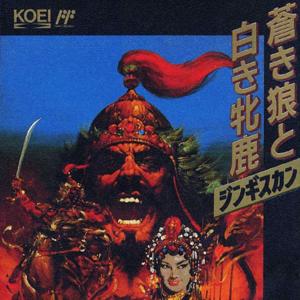
Again, I really just think that comes down to what you want to play as, like, what role fulfillment you want here. Neither one is worthy of the essential games list as we know it. But if Koei's not going to change anything, I don't think my verdict is going to change on any of their future games either. So hopefully by the time we get to, I think the next release from them in terms of these grand strategy games is Genghis Khan. So we will see if they turn that one around, because clearly if this one's focus was about war, the Genghis Khan game has to be, like, an all-out, you know, brawl, right?
Next week we will be playing Stealth ATF. It's just in time, I suppose. I mean, not really, but it's the summer and everything. And so, you know, summer blockbusters and Top Gun Mavericks having a moment and probably still out in theaters by this point. But this game, you know, there's a long way of saying it reminds me of Top Gun. And so if anybody ever played Top Gun on the NES but didn't play Stealth ATF, it's worth checking out next week's episode because you might have found an additional sequel to Top Gun because there's also Top Gun 2 on the NES. There's so many cool fighter jets in culture right now. So hot right now. Yeah, fighter jets are really hot. And the oil they require is also very valuable.
Now, in terms of Nostalgia Bites, that other thing we do on our Patreon, patreon.com slash nostalgia, that is right now we're gearing up for Tower of Druaga. And after that, a game called Battle City. So if you've said, hey, I don't know anything about either of those, I'm not even going to pitch them to you here. I'm going to pitch to you the show. It's a show where we play the Famicom games, and that's why you haven't heard of them. But don't worry. No Japanese required. You can play with us because, Sean, do you know Japanese? Uh, uh, Sakurai. There you go, Sakurai. I was going to say, oh, my, oh, us on Shinderu, which I believe means you are already dead. If that ever appeared in an NES game, I would know. And I would be a little afraid.
But this isn't a Godzilla Monsters of Monsters creepypasta. This is Nostalgia. And we will see you next week for some Stealth ATF. And if you join our Patreon, you don't have to wait until next week. You got a whole bunch of Nostalgia Bites episodes to listen to and a Discord to join where you can chat with us right now.
I'm going to see you next week.