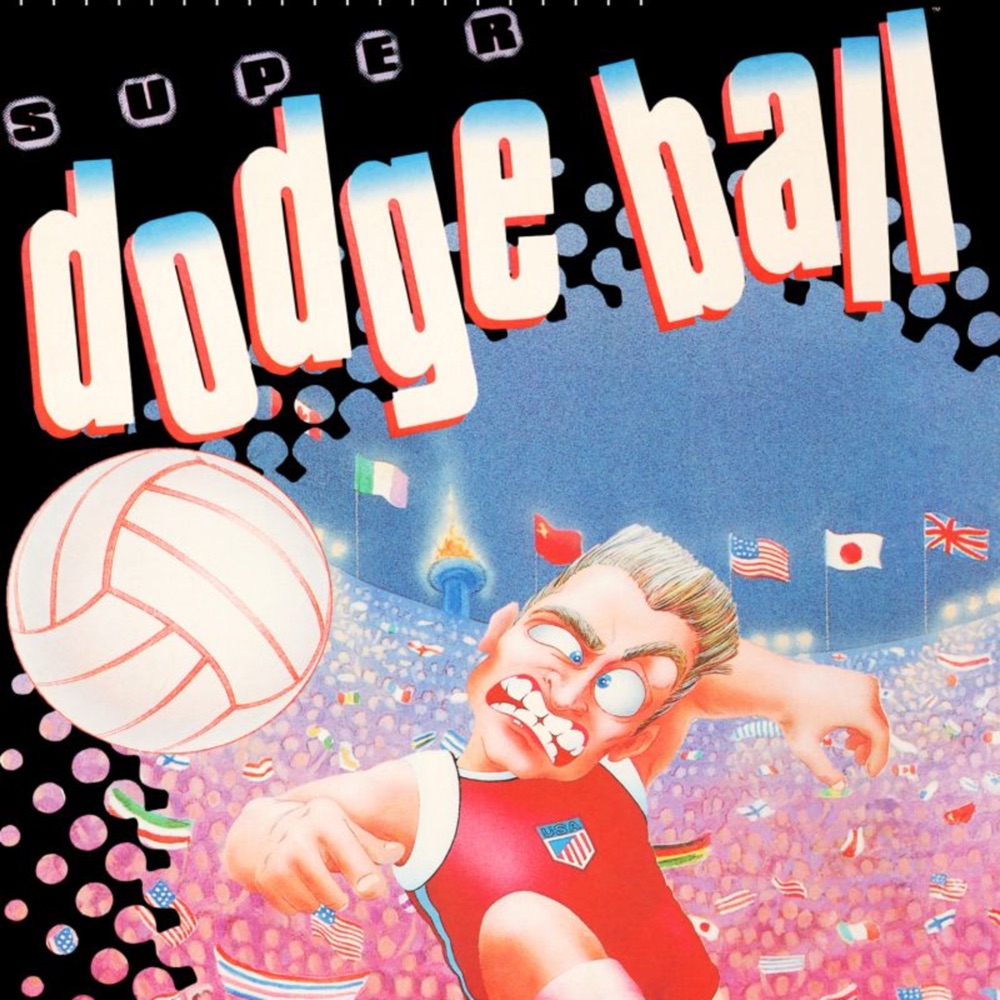
201 · Super Dodge Ball
This ain't elementary school and it sure as heck ain't gym class. This is Super Dodge Ball. Control your team of six players to pummel the opposing team into submission using only the ball and your team's unique skills. Each player has his own special attacks and each team has their own unique attributes.
FOR MORE NESTALGIA check out www.NEStalgiacast.com
SHOW NOTES
Super Dodge Ball Longplay
Super Dodge Ball Arcade
Super Dodge Ball Arcade Remake
Kunio Kun
ESPN The Ocho
Super Dodge Ball Advance
Super Sushi Pinball
- Thrash, Bash, and Smash the Competition
- NES Longplay
- Introductions
- Dodgeball, quite possibly the most famous made up sport
- Overview
- The objective of each match is to defeat the rival team by throwing a dodge ball at its members. Each character has a life gauge that is gradually depleted as he gets struck by dodge balls. When their life reaches zero, they will be eliminated.
- Gameplay
- The menu letting you select mode and difficulty at the same time. It’s usually a little more procedural
- Members of each team individual names and stats
- So do you put a lot of thought into your team positions and which team to be or do you just try out each team with the defaults.
- It’s always appreciated to have these stats and customization for those who play more often than we can.
- The variety in movement and throws is the appeal. You can make this a basic boring game of catch, or you can learn the moves
- The Power Throws
- They have to do with timing. Can feel random. Don’t guarantee a hit either. Surprising how many different ones there are.
- Progression and difficulty
- The courts change and the teams are all divided by country. But in terms of feeling progression that is tied to the difficulty
- Bean Ball
- More freestyle, no teams, hit anyone
- And yet when you lose all sense of the rules it’s less fun to play this version of dodgeball?
- Sequels and Spinoffs
- EGL
- Super Sushi Pinball
- A mag advert for Super Dodge Ball teased this game. It tragically never came out. It’s never too late!
- CSG Imagesoft spent nearly a million dollars to develop the game and prepare its marketing campaign, which would use the tagline: "Finally a game that tastes as good as it plays."
- Super Sushi Pinball
- Next week -
Auto-generated transcript. Each paragraph starts with its timestamp. Speakers are not identified.
Super Dodgeball, thrash, bash, and smash the competition.
And welcome to NEStalgia, a chronological exploration of every NES game released in North America. I'm Mike. I'm Sean. And I'm Joe. Dodgeball. Quite possibly the most famous made-up sport. Am I right, guys? What about it as made up, right? It's not like a legit sport.
This is one of those, you know, the Ocho things all over again, where it's like, this is something that started in gym class and is mostly a hazing experiment, but then just people like it, love it so much if they're, you know, if they're not the one being hit by the ball. And then you can just take out your frustrations on things. This doesn't have any qualifications of being like a real sport. I don't know. I feel like that's a little closed-minded of you. I think, like, if it's got some rules and there's some physical activity involved, it's a... And a ball. Yeah, and a ball.
It's got a ball. It's a sport, you know? Yeah, there you go. All right, and I see what you're saying. It's like, I think, technically, yes, I would say it is definitely a sport. It has all the makings of a regular old sport. But yeah, just like, culturally, we don't consider it among, like, baseball and soccer. So I'd say to that point, I think it's the most famous of those, like, secondary sports. Sure. Well, thank you for not taking me so literally. I appreciate that. But, you know, no, it's just like one of those things, right?
Everybody knows dodgeball, but you kind of stopped playing it after sixth grade. You know, like, I don't know. Did you guys ever, like, get really into dodgeball and, like, start a team and do, like, a rec league or anything? No. I mean, but we did play it through, like, high school, except we had to call it something else because, you know, the kids were getting bullied, and you can't play dodgeball. So, but I mean, yeah, I never decided to continue to play it when I didn't need to.
Yeah, I think, actually, we have, like, a, I don't know, we would never join, like, a rec league, but I remember times where we would go to just, like, a local place and rent out the gym and play dodgeball with a bunch of people. Like, kind of random times, but it definitely happened more than once as an adult. Now, was it the, did you have a group of players that surrounded the outskirts of the opposing team, and then three of you were on one side of the ball?
Or was it all of you were on one side of the ball? That's exactly what I was going to say, Sean, because, I mean, there's dodgeball, the game where, like, you get hit and you're immediately, you know, eliminated if you get hit if you haven't caught the ball. And then there's this dodgeball, which has, yeah, it has your, you have players on the outside of the arena that you can pass, oh, sorry, the outside of the court inside the arena that you can pass the ball to that can then also attack players on the same side of the court of an opposite team. An interesting, you know, extra element here, but I don't think this is the dodgeball that most of us grew up with.
Certainly not the one where you just continue to pummel people with the ball. Until they can't take it anymore. Until their life meter. Yeah, until they're just like, they're like, I'm out. Like, my health meter is no more. I can't do this. I don't even know why I came today. I'm going home.
Well, actually, I think the little visual representation of this game suggests that they die, right? They turn into an angel and fly up to heaven. They had a good run. Yeah. Which is, which is okay until, you know, when you make it to the next round, your, your angels come back to life. So, maybe, maybe that's part of the dodgeball gods. You know, like in Dragon Ball, if you collect the seven Dragon Balls, you get a wish. Maybe you can use the dodgeball to make a wish after you beat your opponent to bring your other teammates back to life. Yeah, I think that is in the league charter.
All right, so if we're not describing this well enough, just to get into the actual objective of super dodgeball versus what you might be familiar with in dodgeball, the objective of each match is to defeat the rival team by throwing the dodgeball at the other members, the opponents. Each character has a life gauge that is gradually depleted. It's not, it depends on how many hit points they take by the kind of hit you throw at them.
After their life gauge is depleted, they are out, but the other members still remain and you have to remove every one of your opponents. Is this, yeah. Is this the first time, it sounds like you're reading something. This is the first time we've described a game, but it sounds like reading something. Or did you write this beforehand?
Well, I thought it was important to give, I did write this beforehand, reading right up the show notes, but it's hard to think about. It is hard to describe. This is a new rule book for a sport. You know, it's not like, you would never describe Super Mario Brothers with rules. Yeah, yeah. But this, because it's not, but this has actual rules to understand. And like, the court is, you know, just like a, it's a free roaming square, which you can only stay on your end of.
There's just like a lot of, I guess, like nuance here. Yeah. Obviously, like we always link the long plays in the show notes. So I would, I would watch one of those if it's still not, if you're still not quite getting it. But I think, I think everybody, we can move on and just talk about the game. It's like, it's like hyper hockey, which has like three pucks and it's actually played on concrete and everybody has a gun with one bullet in it.
What? It just like, that's what this version of dodgeball is like to actual dodgeball. I'll say, I feel like the easiest way for me to kind of understand it is it's the way you imagine like professional dodgeball with the line dividing it. Team on each side. Yeah, like, you know, like dodgeball. Like the movie. Like the Ocho dodgeball, yeah.
Except the only thing I've never seen before is what we were just talking about with like, when you, when somebody is out, they go to the other side and stand on the sidelines and can catch the ball, pass it and even throw it. Oh yeah. It's like, that's like the one difference. Yes. There's no bringing people back. Wait, but that's not when they're out, Joe. They're just, that's just part of your team. Like you assemble your squad. You put people you want on the outside. Oh, I thought, okay. I misunderstood. Yeah. I thought Joe was talking about how in real dodgeball, you're out, but then you can come back in if you catch it. If somebody else on the team catches it.
But is that house rules? I think that's, I think that's regular rules. Yeah. I'm not sure. You know, it's kind of like capture the flag. Everybody has different rules, but ultimately it's just get the flag from the guy's pocket. Yeah. I think that there are tons of different, I mean, we used to play, not to go on another tangent about like the way we used to play this, but we used to play in gym class where anyone who was out, if someone on your team, there were dodgeballs and there were also footballs laying around the field.
And if anyone on your team threw a football at the backboard to the basketball net and hit it, everybody on the other, everybody who was out from your team got to come back in. Oh, wow. I mean, clearly just a house rule. Yeah, that's some golden snitch shit right there. Yeah. It's also very easy to hit the backboard like now, but we used to think, you know, we were like in third grade and it was like, if you hit the backboard, you were like, you were like a superhero. Like everyone would cheer in and shit. Anyway, that's, that's not in this game.
So to start this game, there's a bunch of different modes and a bunch of different difficulties. And this is all decided right at the beginning in the menu screen. And I just thought it was interesting that the menu lets you select both mode and difficulty at the same time.
It's usually a little more like step by step, like separate screens and separate decisions. This was just like the ultimate decision maker. I can just free, free wheel my way through the menu. And I know that sounds silly, but it was just a noticeable difference from anything we've ever seen on the NES yet. So more games should just let you control all the menus on one screen if you should, if you should wish to do so.
Because I hate when you, you know, make a few selections, then make one wrong selection and there's no backs. You have to reset the game to make like all the proper decisions again. This one, you get some time to think about. Yeah. I didn't really think of that. I just wanted to point out that this is, you know, if Mike is happy with the menu, you know, it's a good menu.
Yeah, it's no Sesame Street, one, two, three. Then, you know, once you get to, let's say, you know, let's talk about the big mode here, the World Cup mode. That's the one that probably most people are going to jump to right away. That one, you select the team based on the country. And no matter which country you pick, every single member has individual stats. It's not just for the country itself. It's the team members.
And, you know, the objective to give them stats and names is a pretty cool thing, you know, because you put a lot of thought into both the stats of where they should be positionally because you get to, like, take out, like, you know, I don't want, this guy has a lot of throwing power. So I don't want him on the outside. I want him on the inside. Or, you know, this guy has a lot of health. So he should be, you know, part of my team that's taking the damage regularly.
You could think of it like that. Or you could just, like, try out each team and stick with the defaults because they probably know better than most casual players on how to do this thing. I'm curious, Sean and Joe, what did you guys do for the teams? Did you actually think about this strategically with the stats and everything? Or did you just take the default team? Well, I was under the impression that during regular World Cup mode, you could only play as the United States.
Yeah, I think that's true. But I'm just talking about in general, like, when you select. Oh, like your player lineup? Yeah, yeah, your player lineup and stuff. I went with the default. I feel like if they designed this game regularly, they would have at least made it, like, a moderately intuitive default setup.
I know that, like, I think the Sam, or I forgot his actual name, like, he's got some pretty useful moves and he's sort of like the captain or however you want to describe it. And I figure, like, yeah, that's the kind of player that I would want to keep where he is, where the game put him. So I didn't really play around too much with the lineups.
I didn't. The first time I was facing India, I think, which was like match three or four, my starting lineup was, like, just not doing any damage. Then for the next match, I switched my starting lineup and made them, you know, put them on the sidelines and everyone was doing much better again. And then a couple matches later, I had to switch again. It could just be my imagination. Maybe I was just getting tired and then the placebo effect of me switching made me better again.
But I really felt like there was something to switching it. But, you know, I can't confirm that there actually is anything in the code that I want to say. I want to say that that's that's more like a reflection of the stats of the teams you're playing. Like maybe that they have like there's a lot of variables that I don't even know what a lot of them do. But it's I guess it's possible that like catch frequency would make you feel like you're not throwing the ball hard enough because they're catching it more or something along that those lines.
Yeah, honestly, that that might might be it for sure, too. And it might have just worked out that the next team worked better with my my new lineup. Yeah. Yeah, I can't find anything that suggests that they get tired or that you would need to change them. I was thinking until you mentioned that you were swapping out the players and noticing a difference that maybe you were just getting tired as it went along.
But, you know, knowing that it changes a little bit, I would say that there is a noticeable progression, you know, as you move on through the World Cup at any difficulty. Right. Of the stats of the players you're going against. So, you know, the first level is designed kind of to be a cakewalk where they don't really throw the ball really all that smart, but also just like don't do much damage. But then the later guys have beefed up stats that are going to, you know, hurt you if you're not playing smart. In terms of like the statistics Sean was referencing and like is it is strange that like things such as their haircuts can matter to like to the kind of playing style they have.
Yeah, I didn't take the time to learn all of that and I trusted the game to just give me the default lineup that was like this is this is what's best for you. But it's always nice to go with the extra right. We always appreciate that to like have the extras even just naming them is a little more flavor than we're used to on the NES. So giving them names and having, you know, stats and being able to change the position of those players, not just saying like, oh, well, if you play as the US, they have really strong arms. Whereas if you play with China, they have really good defense. You know, I'm making this up. I'm not saying these are like representative of those nations.
But the idea that like it's actually on an individual player basis, I feel like that can only improve the longevity of the game. Oh, yeah. Yeah. And and not even just that, but also like the the fact that a lot of these courts have different. I guess I'm jumping ahead a bit, but like just in terms of like replayability and even some of the courts have different like effects. Like if you're playing against Iceland, the courts a little bit more slippery or if you're playing against Kenya, the courts a little bit softer and you have to pick up more speed if you're trying to run for longer.
There's a lot of different things going on here that make each game feel a little bit different. Yeah. It's a little bit like tennis in that regard, you know, with the the clay courts versus the grass courts. Yeah. So, you know, yeah, the attention to detail both in the individual stats of the players, the the courts and even just like the main appeal of the of the gameplay for me was just the variety in your movement and throws.
You can you can you can just throw the ball, you can pass it around, you can throw in the air, you can do a running throw and you can do a running jump throw. And some of these will even lead to what is known as power throws. So it's not even though it's just one button that throws the ball and one button that passes the ball.
The movement intertwined with that creates a lot of like unique circumstances to happen. And the computer probably takes advantage of it better than I can because they understand the nuances of it. But it does feel good to be in control of what you want to do with with so little buttons to press, whereas they could have made this a very complicated thing where you have to build up like a stat meter to then get a power throw. And then you your next throw is automatically that power throw, like whether you like it or not.
So I did appreciate that they decided to make movement in a game like dodgeball where, you know, the whole idea is to run away from the ball or run to pick up the ball. Movement is such a large part of this game. I wasn't expecting that. I was expecting to be more just about targeting.
Yeah, that's one of the like the main descriptors I would I would give this game is that it is satisfying to play. And it's like it's it's not that, you know, right off the bat, like how like how to pull off these super moves like in the super moves are like where the ball will either go super fast or it'll split in three or it'll take some weird trajectory and blink and be all energy looking.
But like over time, just as you're playing, you'll sort of get a rhythm for it and be like, oh, how do I do that? And then you'll try to do it again and maybe you'll fail. But then over time, you'll get that rhythm. And it just feels really good to like once you master it and now you're just wrecking shit. Yeah, I think my like one of my favorite things about this game is the fact that it's it's so it feels so easy to learn, like compared to like some other other sports games or especially like those Olympic style games. Like this is easy to pick up and it's it's simple in that sense.
Like but it's still it's still complex, like you can still do a lot once you learn the controls, which you pick up really quickly. It feels intuitive. And like I'd say it's complex, but not complicated. You know, it's not like you have to do all these weird button schemes. It's just you get the feel of it really fast and you can do a lot with that with that intuitive control scheme.
Yeah, that's like that's a good thought, Joe, because there's no like there's no penalties that you can possibly like incur. You know, you're stuck to the confines of the buttons you have and you can't move across the courts or anything. But this game is completely playable in a very boring scenario where like when you're first learning it, you just have the possession of the ball and you throw it and there's no penalty for them catching it or anything like that. So it's just OK. It didn't do any damage. It's perfectly serviceable to like learn how to play this game just through experiment. No need to actually have the manual.
And then you as you keep playing, you start to realize like, oh, when I, you know, press twice on the D pad, like now I'm running and my running throws seem to have a little more power to them. And now I'm actually seeing health points be taken away.
I think it's interesting that this game can be played, you know, maybe not properly, but like can be played by anybody who barely even understands it just by pressing A and B. Right. Like you'll you'll just continuously pass it and then eventually lob it at somebody. But then it also like rewards those who take the time to learn the system and can probably deal with the opponents much quicker.
Yeah, it's like that classic description of sports, like I guess even like e-sports games where it's like got a it's got a low skill floor and a high skill ceiling. I mean, not not super high. There's not too much crazy shit you can do in this game, but that there is you'll start to learn about like intercepting the ball when they're trying to jump. When I'm going to try to throw it behind you and or just blocking it and taking that one that one damage to make sure that something crazier doesn't happen. So, yeah, that's that's pretty much it for me.
Yeah. And there's just not like a there's not like I could control scheme to like have to memorize a bunch of things, too. It's like, oh, I want to I want to learn how to pull off this this move where, you know, it's not like you have to hold this button and this button and that. But it's just it's just intuitive. It's just you just do that. Like, you know how to move in that direction. You know how to throw faster. You know how to jump. Do whatever combination of those things you want to do whatever move you want. And yeah, like you said, Sean, it's like a ton of things you can do, but everything you can do. Once you get those controls down, you could just figure out intuitively how to do it.
And this is going to piss off some fighting game fans, but the power throws could have been something like, you know, ultimate moves in in Street Fighter or something where, like, you know, you have to input a certain amount of, you know, fatalities in Mortal Kombat where you have to, like, hit the certain amount of D-pad things in the right order. And then you'll execute these power throws that otherwise, like, noobs wouldn't know about. But instead, it just has to do with, like, timing.
And even if you don't understand that or don't use the manual, there's a good chance, like, in any particular round of gameplay, you're just going to accidentally throw one just because of how, like, even though it feels a little random, it does have to do with some kind of timing. It doesn't guarantee a hit. Like, you can, like, waste a power throw if you're not, like, intentionally throwing it at the right person.
And I'm really surprised by how many different power throws there were. I think there was, like, eight ground power throws and eight different aerial power throws, which was just, you know, fun to see. I don't even think I saw them all, to be honest. But the ones I did see, it's, like, surprisingly cartoonish. Oh, yeah. Like, how they work. Yeah. I mean, my favorite was just the standard, like, throw it really fast and it doesn't stop when it hits somebody. So, you can, if the computer's dumb enough to, like, just stack everyone, you basically knock everyone down with double-digit HP.
Yeah. So, I would try my best to do that over and over because then the guy behind him would catch it. So, like, yeah. You can also, like, develop your own strategies of, like, the fastest way to dispatch these guys. I imagine on the higher difficulty, I didn't play above normal, but I imagine on the higher difficulty, it's a little bit more difficult to do that.
But, yeah, there's a lot of playground to play around with different strategies. And on the cartoonish note, it is a little surprising, and I'm not saying it would be for the best here. I actually think their show of restraint actually helped them a little bit because, you know, the characters themselves are cartoonish and the designs of the stages are cartoonish. You would think that there would be, like, maybe some pitfalls or obstacles that might frequently appear to make the dodgeball match a little more, like, silly or something like that, given the way that the ball works and just, like, the characters in general.
But they chose not to do something like that. And I think that's for the best, to be honest. But I just wanted to throw it out there. Do you guys think that some kind of stage hazards could have helped this game at all?
I don't know. I think it would make it a different game. I think it could be fun, but, you know, it's not what they set out to do, and I don't think it needs it by any means. Especially if you want to play this with, like, a two-player, right? Then I feel like you want just, like, the pure competition of it. Yeah, I don't know about hazards, like Joe said, but, like I was saying with Iceland and Kenya, if there were different variations that didn't give one team an unfair advantage or maybe just, like, different – you could do it with the shape of the court or you could also do it with, like, surface stuff. I'm sure there are other things that I can't think of and they didn't think of in this game.
But you also don't want to go too far with that, and then it starts to feel gimmicky. But, yeah, I don't think hazards was the way to go. Keep in mind, Mario Tennis on the Nintendo 64, you know, one of the all-time great sports games, did choose a balance of, like, being like, yeah, okay, you can play regular tennis whenever you want, but then they also made these fun stages that were more, like – they weren't part of the championship modes or anything, but just something where now there's hazards that affect everybody, you know, kind of like how Super Smash Brothers has now at least decided to, like – you could turn on or off the hazards based on how you want to play. You want to be competitive? Do this.
But if you also just want to, like, embrace the wackiness of where you're playing and the stages and stuff like that, you know, there's Mount Fuji's in the background of one of the Japanese stage, and, like you were saying about Kenya, you know, I'm not sure what they could have done anyway with these things. The design choices alone are nice, right? The Statue of Liberty for the United States, like, it's nice just to have something. Yeah, the music and the backgrounds are all cool. That adds to the variety of it.
But, yeah, I also don't know what else they could have done, but I'm sure someone more creative than us could think of something. Hmm. We're pretty creative. We came up with a bunch just now. Yeah. Maybe they could have just done, like, you know, hey, you're in our hometown now, you play by our house rules, and there's just slight variations on the rules, right? Yeah. Like, that could be interesting. Like, okay, this rule now is, you know, you don't get the sideline people for this match. Nobody does. Or, you know, everyone gets an extra player for this match or whatever.
Yeah, because to be honest, I don't think the game's taking itself that seriously. Like, I know we're describing the rules very matter-of-factly and, like, saying, like, hey, if you want to play with a friend, this could be a competitive game. But I don't think the game actually set out to make, like, a new sport or to be so strict about how these things are, you know?
Well, the super moves sort of speak to that themselves. Right, right. There is one thing in terms of gameplay that we haven't talked about yet, and, you know, I think we've all said in our versions of dodgeball that we play it in our own neighborhoods, when you catch the ball, you know, the other player might be out or you might be able to bring someone back in as a result of your catch. I guess it depends on, like, what kind of rules you're playing with.
In this version of dodgeball, catching the ball doesn't cause a penalty for either side, but it is something that just happens a lot. Like, I thought catching the ball was a rather easy thing to both time, and if it wasn't a power throw, it was almost, like, inevitable to catch these balls. And this is where gameplay really, like, slowed down for me personally, where not that the computers were catching it a lot. They weren't on the easier difficulties.
But I was just always ready, just at the speed that the balls are thrown, other than power throws, ready to catch these balls. And they weren't really taking much damage away from me, and it was just taking me a lot of time to whittle down their damage. Yeah, I think that, I think it could have helped with, like, making the window a little bit smaller. Because I think, like, once you hit the catch button, your arms stay open for, like, a second or however many milliseconds.
And if it hits you in that time, then you catch it. So I guess maybe if they made that a little stricter, it could have felt a little bit more challenging. But I also think that you sort of need that. Otherwise, this game is pretty simple. If every ball that's thrown ends up doing damage, I think it would be a bit more boring. Because a lot of what you're doing in this game is trying to figure out, like, how am I going to sort of, I don't know, like, juke them out and make sure that they take damage. And that's what makes you need to do the power moves in some instances. Not always, but I would say it'll definitely help you out. So, yeah, I agree.
I noticed, definitely noticed that the catching window was way too big of a window. So, both for my side and their side, I thought that they caught the ball a lot, even on, like, normal difficulty.
But, yeah, I do think it needs something like that. Something to make that more complicated so you're not just hitting every throw. But I feel like it would have been interesting if they...
Right now it's almost, like, easier and more intuitive. Maybe it's just the way I played to catch the ball rather than to dodge the ball. I mean, there is a dodge button. I don't know if we mentioned it yet. And I feel like in real dodgeball, catching the ball, the reason you get a reward is because it's a little harder than dodging the ball, right?
So, like, I feel like maybe making dodging the more intuitive primary form of getting away. And then catching the ball, I know that there's no, right now in this game, there's no penalty or reward for doing it. But it feels like maybe there should be because, like, in real dodgeball, catching the ball presents more of a risk, right? Because you might... If you don't catch it, you're hit because you haven't dodged.
But, so, like, if they could maybe add, like, that to balance it out, like, give you an incentive to try and catch the ball but make it harder and make it more likely you're going to fail and get hit. But, I don't know that... The incentive... I think the incentive is already there, but I still agree that it should be harder because if you just try to dodge the ball, then it's going to make it to their backcourt players and they're going to get... They're going to keep possession in one way or the other.
But, yeah, you have to balance that out with making catching harder. Yeah, I think that's overall, like, my biggest complaint with just the game in general with my time with it was that the matches, not that they were terribly long or anything, but that they felt like they could have had a little more energy and speed to them. Even just with the ball, like, the ball isn't necessarily floaty enough where it actually feels like it's up for grabs.
There are very few moments where, like, it does come up to the line and you're able to steal it back, and that's a very exciting thing. I would have liked to see more of that where, like, you can potentially hit a player so hard that the ball might come back to you if another one of your players doesn't, like, rush to grab the ball.
Like you were talking about, Sean, one of the great things that the game did design is that if you duck, there is a good chance it's going to go to the players from your own team that are on the opposite side. And that's a good thing because that penalizes ducking.
But otherwise, there's really not much opportunity for them to be on that other side. I would have liked to have seen more potential steals and stuff like that because it is in there. There are ways to intercept the ball. There's a way to block passes. It just didn't happen all that frequently. Yeah, the mechanics are there. It's just the way the game flows doesn't allow that event to occur too often.
One other thing I did like, though, is when you're running away from the ball, it does not let you immediately turn around. And it definitely doesn't let you, like, then catch it. So if you are running away from this ball, you know, realistically, you know, getting hit from behind hurts more, too, because you're not anticipating it. So it also does more damage. I like those kinds of decisions. And it does soften the blow of the catch being such a wide open window because there are moments where whether you're prepared to catch it or not, the game won't let you.
Yeah, that would open a lot of opportunities to just cheese this game more so, even though it's not really that difficult of a game. So that would suck. Yeah. Can we talk about the difficulty a little bit, like the overall difficulty? Because I'm curious as to what you guys thought. But I did think that, at least on normal, after a while, I did get a little, like, fatigued of it just because I felt like I had found a good pattern.
And I'm just going to stick to it, and it's not going to fail me, you know? I don't know if you guys felt the same way. Even on hard mode, I felt like it was definitely harder, but if I just kept sticking to that pattern, it just took way longer for the matches to end. I don't know. I felt like there could have been a little more challenge once you really got the hang of it. Yeah, I felt similarly.
I also have played a version of this game before. I guess I'm skipping a little bit to, like, the sequels and spinoffs, but there was a Game Boy Advance remake, and it was the first game I ever owned on Game Boy Advance. I didn't know that it was based on an NES game then. And it pretty much plays exactly the same. So I already kind of had some latent strategy, like, deep in the recesses of my Game Boy Advance brain.
So it was pretty easy from the get-go for me. But for me, that didn't make it less fun. But there was less challenge. So in terms of that, it was a little bit less engaging than if I came in fresh. You know, Joe, I think that's a good point to bring up the difficulty because, you know, the courts change and the teams, you know, you face country to country. And, like, the stats maybe are, like, chosen to be, like, the later countries in the World Cup mode have overall better stats or something. I can't confirm or deny that. But in terms of feeling the progression, that is strictly just tied to the difficulty.
And since the overall teams don't necessarily feel that different other than their stats, once you figure, once you, like, move into the next, like, let's say you start easy, right? And you realize this is a cakewalk. I need to move it up to normal. Normal might be hard for, like, a, you know, a little bit of time. And then once you figure out, like, you were talking about cheesing it or just being, you know, being open to slowing down the flow of the game and waiting to catch those balls and then doing the same, like, running throws to do a little more damage than your usual throws.
Once you, like, learn that stuff, then it's time to move on to the next one. You're not going to actually feel, in my opinion, any terms of actual difficulty progression throughout the mode itself just between the three difficulties that you have to choose from. That's the only part of progression I felt. Yeah. I mean, I guess what I really wish would be the case would, you know, there's so much nuance in the team layouts, right? Like, each, you know, playing against India felt very different than playing against the Soviet Union. Like, because they just had different layouts of statistics on their different players.
And I wish that that, that somehow in the game design, like, that was enough to make me have to rethink my strategy for this. Oh, how do I do it for this, like, really heavy attacking team? And how do I do it for this, like, really fast defensive team? But really, it was just like, and maybe I could put more thought into it, but for me, really, it was like, well, I'm doing the same thing. It looks like it's affecting them slightly differently, but what I've been doing the whole time still seems like my best bet. So I'm not going to change the way I'm playing, right?
Yeah, right. For the veteran who's played the game, like, you know, since 1989 and is still playing it today, who knows all of the various teams' stats, he can then go in and select his lineup based on each team and only make the game even easier. Yeah. For him, whereas, like, a casual player can still have a fighting chance against these teams. It just might take more time or, you know, more learning to actually achieve that.
Yeah, there's like, and I think Team Russia has, like, the most obvious, like, defining trait, because I think they have the most health among them. Um, and then there's another team that I realized was intercepting the ball more often when I was utilizing, like, the backcourt players more. Um, but other than that, like, I could pretty much use the same, uh, I could use the same strategy for all of them. Um, and I also think that that would be, that would be ideal if it actually meant that you had to retool, um, and that it wasn't just like, oh, I could make this even easier or, uh, and more so, like, maybe I could make this less hard if I changed my strategy.
And, you know, there's a whole nother mode that we have to talk about, which is the beanball mode. Uh, forget all the rules we were talking about. This one is, uh, the recess version of, like, it's much more freestyle. There are no teams. Hit anyone you like. Everyone's after you. It's a last man standing dodgeball match in an open space where there is no court.
And yet, when you lose all the rules, I thought that it was also less fun to play. And I know that goes against, like, the idea that, well, they just created this game anyway. Like, this isn't necessarily how you play dodgeball. But at least, like, when there are rules, there's also strategy. In this one, my strategy was just avoid the ball and the people altogether. Let them whittle down each other's health. And I'll come, I'll show up when it's time. That's very conservative of you, Mike. No, I mean, it was, it was pretty, I, I didn't like it either because of all that. Um, now all you've got are just, like, the base movement mechanics and no context to them. Aside from just hit whoever. So, I, I lost interest pretty quickly.
Yeah, this is, even though this is, like, a kind of, a form of dodgeball that I feel like I played just a lot as a, as a kid with my friends. Uh, it, it doesn't, didn't translate here to being very fun in this video game form because it just felt like kind of a mess. And I think part of that is because, like, they made, they made these, what, seven different teams that all look, like, distinctly, like, they have different color jerseys on, they have different haircuts and stuff. But, but, why don't we have, like, one of each of those teams so I can see the difference between people. They're all just, they're all just guys in green shirts with slightly different brown haircuts.
Like, I can't even tell who I am except for the tiny little blinking one above my head. But, so, like, that made it, like, really just a cluster. And I found myself doing the same thing you did, Mike, just to get away from, just to be able to keep track of myself. I would get out of the cluster of everyone, stand away from everyone, and then they would kill each other. And then I would come in when there were fewer people left so I can, so I can, you know, keep better track of who's who.
And, like, it's nice that, you know, you, that you, you have, like, oh, I can tell the difference between Sam and Mike because Sam has a widow's peak and Mike doesn't. But it's like, I'm never going to be able to notice that in the middle of gameplay. Like, give me a different color shirt or something.
Yeah, it's kind of surprising that this mode's even in here. Like, it, you know, a freestyle thing. Like, I'm not saying don't include it. But, I don't know, maybe it should have been, like, a little more chaotic. Maybe there should have been, like, I don't know, more balls per, depending on how many players are remaining or something. So this way, you know, who knows if that's even possible. But, like, just things to increase the insanity, right? The idea that there is just all these guys out to kill each other. But most of them are actually just patiently waiting to see if they'll even interact with the ball or the person who's in possession of the ball.
You know, running away was only something I thought about halfway into it where I was like, well, I'm not even really getting into it. Like, nobody's really throwing it at me anyway. And I risk damage. So why not just, like, chill out and wait until we see where people stand? That's, again, you know, to go back to Smash Brothers, something that you see players do in, like, eight-player matches where, like, the eighth guy will just kind of hang out on a large stage in a separate area. And then all of a sudden people will notice. But they're, you know, they're other players. So they're, like, humans with thought saying, like, hey, wait a minute. That guy's getting away with this.
Computers aren't necessarily, like, the best at that. They're just looking at who's closest to them and throwing the ball at them. Yeah. I mean, maybe this would go against, like, the soul of dodgeball. But, like, maybe for this game, for this mode, it would have been best if they gave you, instead of, like, getting hit and you're out, maybe it was, like, the more points, the more people you hit, you get a point for every person you hit or something. And then you have incentive to get, to put yourself in danger to try and get the ball to try and hit people rather than just wait until you're the last one standing. I like that. That would have made it a bit more interesting.
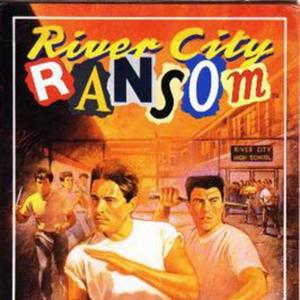
All right. On the sequels and spinoff side, Sean did mention the Game Boy Advance version of Super Dodgeball. There's a lot of, like, you got to remember, if it wasn't clear by the character sprites, this is part of that whole, like, Kunio-kun series in Japan, which they don't want people to know that in North America. For whatever reason, I still don't understand that. Like, the character sprites all look the same. These are the same guys from River City Ransom.
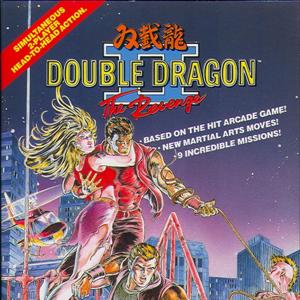
Like, that's a neat thing. Like, just, you know, the same guys from Renegade. Like, just do it. Like, embrace that and have it be, like, one of the first video game universes. But instead, in the States, it's just its own separate thing, not part of those beat-em-up games and Double Dragon and all that. Anyway, there was a Super Dodgeball for the arcade.
To be honest, though, if you look at the arcade version of Super Dodgeball and you look at the NES version of Super Dodgeball, this might be one of the, like, closest cases we have of, like, the pixel art matching each other. Yes, the arcade version is noticeably maybe a little more higher fidelity. But the overall, like, difference isn't there compared to usual arcade games. I mean, last week we had Strider, and that was a very beautiful-looking game compared to the NES one. Super Dodgeball also came out for the Neo Geo. It came out for the DS as Super Dodgeball Brawlers. It was apparently another thing, Crash and the Boys Treat Challenge. Crash and the Boys. Crash and the Boys, like, N, like the letter N. Crash and the Boys.
Which we will be playing on the NES. Let's see. This is a 1992 sports game, so it's going to take some time. But the game featured Olympic-style contests without rules or regulations between five teams. It's very Olympic. So it's basically their version of track and field. Yeah. And River City Soccer Hooligans also for the Nintendo DS. So Super Dodgeball, you know, get that Game Boy Advance version because that's probably the most, you know, Super Dodgeball Advance is probably the best you've got in terms of, like, actual successors. The games I listed off are just more like Kunio-kun games that North America chooses not to embrace.
Technos Japan. I don't get it, guys. But, you know, this was before the whole, like, everything is a universe, right? Like, that's a more recent movement. So maybe they thought, like, it actually was better. Like, oh, you know, there's a risk here. If they don't like Renegade. We don't want to associate it with that. Right. We don't want to associate it with River City Ransom. Now we have a second chance. Yeah. Or maybe they'll be like, you know, they'll be like, oh, I already played River City Ransom, so do I really need to play Dodgeball? It's probably the same. Yeah. Mostly the same game, right? They did name them differently, Joe. They're not all just called Kunio-kun.
Anyway, that's really it for the sequels and spinoffs. I do need to mention that I posted on the Twitter earlier this week an advertisement for Super Dodgeball that teased a game in, like, the lower left-hand corner. Teased a game called Super Sushi Pinball. What? Which sounds amazing. Tragically, never came out. It was stuck in development hell. CSG ImageSoft allegedly spent nearly a million dollars developing Super Sushi Pinball. And they even had their marketing tagline, finally a game that tastes as good as it plays.
But, yes, it was canceled. I think they even showed it to Nintendo. Wow. But it was all canceled. It's never too late, though. I want to live in that timeline where it actually came out.
Super Sushi Pinball has a chance now to get, like, a cult following and people being like, we want it. And who knows? Maybe at E3 2033, like, we'll finally get the Super Sushi Pinball. No, it starts with us. I want everyone, I want someone that's listening to this podcast to start a change.org petition to get this game back into development. This is what you're going to use your one change.org request on? Everybody gets one. Every podcast gets one request. That's my request. To have someone start a change.org. That's how important it is to me.
I would argue the only thing more important could be that fourth Donkey Kong game that never came out. That we were talking about in the other list of canceled games. But Super Sushi Pinball. Super Sushi Pinball.
Don't keep that in. Super Sushi Pinball is just, like, for me, a highlight that has nothing to do with Super Dodgeball. I don't even think they're made. Maybe they're made by the same people. But, like, they're definitely not related. Would you even, like, forget about how cool the name is. Would you be interested in playing Super Sushi Pinball? I mean, if it was. It's really more just, like, the history of it now. Like, if this is a game that made, like, a company go bankrupt or something.
Then I need to play it. I'm not a pinball guy, personally. But I love sushi. So maybe this would be my entry point to pinball. I'm just picturing, like, remember Nintendo made their own pinball game that was part of the original 1985 run. And that was a pretty bare-bones game. And I'm just picturing, like, the same thing. And now, like, the bumpers are Negroes. You know, it's just, like, just the most uninspired stuff you could think of. And meanwhile, they're spending a million dollars developing it. They're, like, going all in on the art style.
Anyway, something that we are building but did not cost us a million dollars is a little thing that we call the Essential Games List. And that's something that we're going to do right now.
Sean, I feel like I haven't had you go first in a while. You haven't. And since, you know, we're on our, you know, we did the first 200 episodes and you were rarely ever first. Maybe now we'll switch it all up and you'll be first more regularly. Maybe. So go ahead. Okay. Super Dodgeball is one of those games that I, like, it didn't feel like I was playing an old NES game. Aside from, you know, some of the sprite flickering that was kind of annoying.
And it was something that I genuinely had fun with. I didn't want to put the game down. There's a lot of games that we review here that I just can't wait to put down because I have to play them. Um, this was not one of them. There are a lot of faults in terms of, uh, difficulty. Um, but I think that it's just a satisfying enough experience that I can look past that.
Um, not saying that anyone else will. And I know that there is, uh, a, there are a couple more recent versions of this game, but this, this seems the purest. Um, so I'm going to extend a vote for Super Dodgeball to be placed in the essential games list. Very cool. That is one vote for Super Dodgeball. I will chime in and I will say that, um, you know, the game had, uh, overall a very, um, pleasing rule book and a, uh, a new sport and a nice take on a new sport. It's fun to see like when a, um, you know, when you're not just playing basketball and it's just basketball again or something like that.
This, this was a fresh new take on, uh, a familiar gym game, but the, the pacing of the game itself, uh, and the, the way that the computers played against me, I'd argue that this is actually just a game best played with another person. Probably where two people who like really like this game probably go up against each other. It's not that the computers are poorly programmed either. It's just that it didn't, it felt more like I was just waiting.
I was in the waiting process whenever they had the ball. I was just, you know, anticipating what they were going to do. I was going to, uh, you know, either catch the ball or, you know, maybe they were going to do a power throw and I'd be hit by it or something like that. It just felt like it was slowing down the play when I was playing against a computer rather than another person. Uh, for that reason, since that's such a big chunk of the game and because I don't feel that beanball really adds anything, I'm going to say that this is not an essential game, but that doesn't mean it's over. There is a chance for super dodgeball on the essential games list and it comes down to Joe.
Well, it's funny because the two of you, between the two of you, you've, you've sort of both said like one half of what I wanted to say. So, so for one, I will say, yeah, I think as far as like a sports game on the NES, this, this is, this is top tier from what we've played so far. Um, I think that it, it just plays so intuitively and it's just, it's just fun. It, it almost calls back all the way back to episode four when we were talking about duck hunt, where that's like, it's just a skill based thing and it feels like just something you can, you do. You don't have to worry. You don't have to, you don't feel like you're just playing a video game where you have to remember the controls or anything like that.
Um, and that makes it really fun. And I did have a blast playing this game. Um, I'll say that my, my flaw that I talked about a lot during the, um, during the episode is that it does start to feel a little simple to win after a while. Like after, after I was still having a good time, but it, it felt like it wasn't, it wasn't pushing me enough to like feel like I'm that satisfaction of winning.
It just felt like I, you know, if I'm always, you know, for me personally, it was, it was just kind of alternating between like a running shot. And then if they're close enough to me, a running jumping shot. And like, it almost felt like I, I just, even when I missed, I so rarely got hit because it's so easy to catch the ball that it never felt like enough of a challenge.
Now that the other thing that factors into it for me is, is I do think that like, there's a good chance I would vote this essential. If I had played two player, I haven't played two player, so I can't say for sure, but you know, I think two player is where a lot of the value could come from in this game.
But right now, having played against the computer, it's just, it's just shy of it for, for me. So I'm going to say, say no. And it does make me kind of sad because I do sort of want to see this on there, but I just don't know if I, if I fully believe it, that it goes on there. But I'll say this, Sean, at the, at the best of 89, bring this back up and I'll have tried to play two player and maybe I'll have changed my mind by then. But for now, I can't put it on.
All games are up for the running in the best of 89 and you'll have to just replay all of them. You'll have to listen to every episode, replay every game. It's never too late for Street Cop. Am I right? Right, exactly. Yes. And you know, we can, we can play this two player and decide based on that and whether or not Zelda 2 went on, if this will go on. Oh, okay. So it's a, it's a quid pro quo. I didn't, I'm just saying that, I'm just thinking out loud. I don't know, it certainly sounded like that.
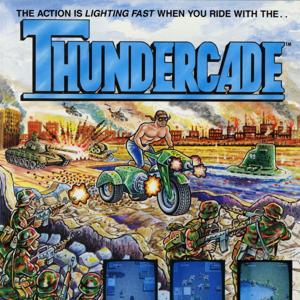
Anyway, this has been another episode of Nostalgia. If you're looking for more Nostalgia, don't worry. We have a Twitter page at NostalgiaCast where we post stuff all week. If you're looking for more than that, you're like, hey, I want more episodes. And you already listened to 201 plus episodes. Don't worry. Next Friday, there's another new episode where we will be playing Thundercade, which sounds pretty intense. Thundercade. It's an, it's an arcade during a storm. I don't know. Okay. What do you got? What do you think? I mean, I think it's, it's a motorcade of, of other, of things that are loud.
Okay, great. Joe, what do you think Thundercade is? I don't think, I think you guys are mishearing it as Thundercade. I think it's, it's a, it's like a Kool-Aid knockoff with the guy whose last name is Thunderc. Thundercade. Oh, Thundercade. Like one of those songs from the 80s where they're like, it's a song for a certain charity.
You know, like Live Aid. Oh, yeah. Oh, there, yeah, there you go. Absolutely. Who could forget the great thunderstorm that then required the greatest rock concert of all time.
Anyway, you know, we have that, but we also have, you know, new, we have our own Patreon. Patreon.com slash Nostalgia. You can join. Money. Yeah, well, that's true, Sean, but also it's not just giving money because you also get things in return. For $5 and up patrons, they get an episode of Nostalgia Bites.
Our very first episode, as a matter of fact, is coming up soon. It is the game Nuts and Milk. And you're like, wait a minute. I don't want Nuts and Milk in my cereal, but I do want that as an episode. But I don't know what the heck you're talking about, Mike. Don't worry. We'll explain it on the podcast. But Nuts and Milk never came out for the NES. See, it's a Famicom exclusive. And that's the whole idea behind Nostalgia Bites. They're bite-sized episodes where we play Famicom games that you can play, no Japanese required. Sean, isn't that just a miracle? I mean, I'm still not convinced that you didn't make that title up.
Yeah, I'll say that if you, you know, if you think you can find three or four people having a long conversation about Nuts and Milk anywhere, in any context, whether it's the game or not, go for it. Yeah. But if not, you know, maybe this is the place to go. Yeah, maybe for just $5 a month, that dream can be fulfilled. Money. And until then, we'll see you guys next Friday for Thundercade.
Thank you.