
018 · DONKEY KONG
Ranked #5 in our Top 5 NES Games of 1986 →
We're going APE for Donkey Kong in the first episode of 1986 for NEStalgia. You don't want to miss this extra long episode where we cover one of the greatest arcade games of all time (but not one of the greatest NES games). For links to EVERYTHING we talked about here, check out the shownotes on www.NEStalgiacast.com
This is the first episode of 1986, and a small one: just Mike and Sean at the mics, with Joe's vote sent in as a note. Donkey Kong was a Japanese launch title alongside Donkey Kong Jr. and Popeye, and the NES was finally rolling out beyond New York and L.A. with "now you're playing with power" commercials. For a lot of kids, this was the arcade game they knew, at home. We liked it, and we also noticed how much went missing on the way.
What it gets right
- A jump that behaves. Mario can only jump, and falling from too high still kills him, but the NES version is more forgiving than the arcade cabinet, where a tiny gap could count as a fatal fall. We rarely felt clipped on a barrel's edge. The arcade's difficulty was built to eat quarters, and this version is easier to beat.
- Three different stages. The first is the zigzag barrel climb, a clean way to learn the jump, with well-placed hammers (Mario's first power-up). The next makes you choose between ladders, elevators and springs, and one trick is to stand above a ladder and let the springs bounce right over you. The last has you clearing yellow pieces while fires corner you, and it was deceptively hard.
- A story. Mario climbs an unfinished tower to save Pauline, and there is a heart before she is taken again on the same quarter. We called it one of the first games with a real story, and the first to require jumping over obstacles.
- The Mario trivia. In 1981 he was Jumpman, named after the Nintendo of America landlord. Here he is a carpenter, not a plumber, and Donkey Kong started life as Popeye until the rights fell through.
Where it falls apart
- A quarter is missing. The NES version has three of the four arcade stages. The cement factory with its spinning platforms was cut, which we put down to ROM space, not hardware. We kept coming back to "three quarters of a pie."
- Thin presentation. The scene of Donkey Kong climbing the building is gone, replaced by an ominous title theme. Mario's footsteps are loud and squeaky, and the explanation we heard from a Miyamoto interview is that Pauline yelling "help" sounded like "kelp," so the shoes got loud enough to be heard in a bar.
- A cold finish. Touching Donkey Kong at the top just kills you, and when you clear the last piece he falls on his face while Mario is magically next to Pauline.
- Short. Joe's note called it a very short game with controls that work but don't feel great.
Beyond the game
We covered the Universal lawsuit over King Kong, which Nintendo won; the lawyer was John Kirby, and Nintendo thanked him with a sailboat named Donkey Kong. We also looked at Crazy Kong, a palette-swapped version with green ladders and wet-sounding shoes, and the Saturday Supercade cartoons, where Donkey Kong is Mario's escaped pet.
The bottom line
Play it. Sean landed on an essential arcade game but not an essential NES game, Joe voted no, and Mike called it important and worth playing but not essential, so it went 0 for 3 on the Essential Games List with Sam not on the episode. It is still the best way to have Donkey Kong at home, and still fun, but it is not the whole game.
Written from our conversation in this episode.
Auto-generated transcript. Each paragraph starts with its timestamp. Speakers are not identified.
Can you save Mario's girl from the clutches of Donkey Kong?
And welcome to NEStalgia, the only podcast exploring every NES game in chronological order. I'm Michael Esposito. I'm Sean Tresmond. And that's it today. It's a very intimate conversation between me and the Sean. That's me. Yeah, that's me. I really feel bad, though, because your voice is pretty good. No, no, no, no. You got a great voice. So it's nice to have like a very deep guy and like, you know, hey, it's me. You guys waiting for a podcast?
So we're talking Donkey Kong today. Talking Donkey Kong. But most importantly, too, welcome to 1986. Oh, yeah. It feels so different now. Yeah. Things are different, especially in Japan. By this time in 1986, The Legend of Zelda is out in Japan. And Super Mario Brothers 2 is being released this same month as Donkey Kong is for NES. Even weirder, Donkey Kong was the launch title for the Japanese version. So that was like that. Donkey Kong, Donkey Kong Jr.
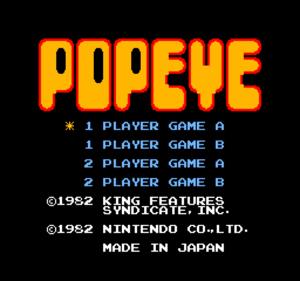
And Popeye. Okay. That sounds really random. If you don't know, Miyamoto loved Popeye. And actually, Donkey Kong was going to be Popeye first. Wow. That was like a thing. Like, if you actually think about it, right? If Mario was Popeye, olive oil was Pauline, and Bluto would have been the guy. Yeah, the big guy with the guns. The big Donkey Kong. He would have been Donkey Kong. So it makes sense. But they didn't get the rights in time to make that. So they were like, oh, I'll just make something funny instead.
So he made Donkey Kong. And this is a funny story, because Donkey Kong actually doesn't translate well the way that Miyamoto thought it did. When they sent it over to Nintendo of America for testing, they were like, okay, but why Donkey Kong? And he was like, well, you know, Donkey means stupid. So it's like he's a stupid ape. Oh, is that what that means? Yeah, and they were like, well, no, Donkey doesn't mean that here. Like, that donkey's an animal. Like, you know, it's like they were associating it with, you know, Jack, blah. But we can say jackass. You can say jackass. This is jackass. We gave people enough warning, too. And the mom had time to turn off the podcast when I said jackass.
So that's Donkey Kong in a nutshell. Also weird for 1986 is this is when the now you're playing with power. Oh, okay. That's when this catch line kind of like kicks off. Catchphrase, tagline. Catchphrase, tagline all together at the same time. It really kicks off here because now they're doing commercials because it's no longer just restricted to New York and L.A. It is now all throughout the country. You can finally get your Nintendos. So to most people, this would almost seem like it was also a launch title.
Yeah, I think so. Like, yeah. In a weird way, though, too. Like, I think by this point, enough buzz has been generated by the New York and L.A. launches that like Electronic Games, which was one of the big magazines at the time. It's not the same as Electronic Gaming Monthly. Yeah. But Electronic Games was one of the big ones at the time. Did like this whole cover story on like Nintendo NESes are finally coming like around the States.
And they were like, you know, you've been bugging us about it long enough. Like, so clearly like kids around were definitely interested in NES already just by what they were seeing. And I think part of the draw is games like Donkey Kong, which were huge hits in the arcade. But then also like seeing Super Mario Brothers and hearing about it and all that buzz was probably like another reason to want to own the console.
Totally. So can we do first impressions? Like how I don't know how new you are to Donkey Kong. Well, I mean, like, well, I guess first we should sort of describe Donkey Kong to whoever. It might help to do that. Yeah. Would you like to give that a stab? I guess I could give that a shot. So in Donkey Kong, you play Mario as he tries and saves Pauline from the titular Donkey Kong who has run into a construction site. Yeah. Mario is like essentially in this game a carpenter. He's not a plumber. He's a carpenter. Yeah. Okay. Is there any wood? No, but they described him as a carpenter in this game. Then he's also like doing the, you know, like in Wrecking Crew. Yeah. He's doing all that stuff too.
Yeah. So an all around construction worker guy. Yeah. I think plumber only came into the equation with Mario Brothers. With the pipes and all that. So, yeah, you have to go up this incomplete tower to save Pauline from the giant ape. And you have in this version only three levels, which are all different. Very strange. Yeah. But it's a quick, it shows a quick story.
Yeah. I think this is actually, I don't know if this is bold to say, but this might be like one of the first examples of a game with a story. Really? I mean, Pac-Man kind of has like that, they meet and everything and like those little cutscenes. But this is very complete. Yeah. I think prior to this, probably you could say that every game had justifications. Yeah. Like, I guess I understand the plot of asteroids. Yeah. You know, like you're in this space shuttle trying to shoot off asteroids before they hit Earth. But I mean, like Kung Fu, well, you're right. Kung Fu is not as.
Yeah. Donkey Kong is. But no, that's a good point to bring up is that like if you're doing this chronologically, it is weird because it's like this game seems really primitive. Yeah. The only thing you can do in this game is jump. Yeah. And jumps from certain heights will kill you. Yeah. That was kind of annoying. But yeah, this. Yeah. So this actually was my first impression. If we're just going to jump into first impressions. First impressions is cool. I mean, I had thrown some quarters into the arcade cabinet before and immediately pretty much got run over by barrels. For some reason, I had very bad reflexes when I played this game in the past.
So this is the first time I've ever actually played through it. On the NES hardware. Because I just, you know, I think it's worth throwing out there at this point. They are different. Yeah. I would actually argue, too, that there would be a disadvantage to being an NES player thinking you're good at Donkey Kong and then playing the arcade version. Yeah. So you're saying you had the arcade version experience first. I had the arcade version experience first, but I never got past the first stage.
Okay. Yeah. And that would make some sense. Yeah. So everything after that was completely new to me. I mean, I've seen footage of, I mean, I've seen the documentary King of Kong. King of Kong. So I know a lot about. We'll have to talk about that later. Yeah. I know that there's a lot of lore behind that. So I've seen the other stages played out, but I had to learn it as I played, which I think a lot of people, when this game came out, were just like, oh, here's the levels that I know.
And I thought it was fun. I thought that the jumping is, it's not Super Mario Brothers, but it's definitely also not Ice Climber. Yeah. And I think that's how we judge our jumping in games right now. It's like. On a scale from Ice Climber to Super Mario Brothers, where are you? Yeah, exactly. Because it's like Kung Fu, you jump, but it's not necessary. You don't need to jump. You jump to dodge low knives, and that's about it. And snakes. The snakes, yeah. But if I could just jump in for a minute. Some things that I just wanted to touch off on my first impression is I can't really give a first impression here because I did play Donkey Kong a lot in the arcade.
And playing this NES version, this is, I guess, my NES first impression, is it's a bit of a revelation because it's a little easier. The jump feels better. The jump, by all means, is definitely like over the barrels. I very rarely like clipped into one at just the edge and felt like I got screwed by that.
The other thing is I think even the jump of like the we were talking about how like a jump from a far height will will kill you. I think that like they were a little more lenient on that here, too, because in the arcade version, certain times I would jump just the smallest of gaps between two things. And they would register that as a kill. So I thought that was kind of cheap.
But I'm definitely missing the inclusion of that third level. Yeah. Because it goes in the arcade game. It's like how high can you climb? And it's measured in Donkey Kongs, which are really strange. It's measured like 25 meters. I didn't know he was 25 meters tall. Yeah. So he's 25 meters tall. And so we're missing the 75 meter stage. It goes right to the 100 meter stage. But we'll talk about that when we go through the stages. One thing I just wanted to mention is Miyamoto, not exactly directly related to the port here of the NES version. So I don't know if he was actually a fan of this.
Most of these, he was more concerned with like baseball. And because that was another one of like the Famicom early games. He was more concerned about making those games and getting them right for the system launch. That Donkey Kong by that point in his career that was like, oh, that was two years ago. Like I'm kind of done with that. They had a separate team that was porting those games. Well, it's kind of like why would you work on the remaster or along those lines.
Yeah, exactly. And so I don't know how he would feel about the game being a little easier. I don't think he ever intended to make it challenging. So do you think that the game is easier because of improvements to the system? Improvements, yes. I think these are improvements. Okay. I do feel like. I don't think that you don't think that's like a dumbing down of the game, though. Yeah, I think that the. Yeah, I don't think. Well, I mean, obviously, if you remove a level kind of is that. But in terms of mechanics, I think Donkey Kong, the arcade game has that. We need quarters feel to it, you know, where similar to like if you've ever gone to the arcade recently and you play Pac-Man and it starts on speed 3000.
Yeah. And you're like, I don't remember this. Like, the ghosts are only blue for half a second. It's like because they're eating your quarters. It doesn't have to be that way, but that's the way it is. Another fun thing that we didn't talk about that I just want to get out of the way before we go deeper into the game.
Mario at this point is established and well known. But when this game came out in 1981, he was Jumpman. Jumpman. They only named him Mario when they when it went overseas to America because the landlord of the Nintendo of America building, his name was Mario and he looked like Mario. So they're like, oh, yeah, Mario. There you go. See, I didn't know that little bit of tidbit stories. Yeah, it's well, I'll have a little more tidbits later, but we we should probably get into the game and start with 25 millimeter.
20, 25 meter. We should probably leave that in so everybody can know how silly I was saying that I was imagining, too. I even saw it on the screen like 25 mm, you know, like I don't know. Dungie Kong got really small. They removed all that stuff, though, from the game, too, which is weird because there's not even the awesome setup of him climbing up the ladders to the top of the building. There's none of that. All they do is they just they play that that very ominous theme over the title screen.
And and I do like that, but also weird enough, they play the at the time, of course, it wasn't, but they play the now Donkey Kong Country theme song as well. The do do do. Oh, yeah, yeah, exactly.
Obviously, like at the time, they weren't thinking of that. No, but there it is. There it is. Donkey Kong Country theme song starts there. Not in Donkey Kong Country. Yeah, it's very it's, you know, just a little sidebar. It's very strange to see to see these games. Well, right now it's only Donkey Kong, but like as somebody that grew up on Donkey Kong Country to see the the origins of this character and how unestablished he was in like any of his traits. And I would just like to offer the reverse opinion of a guy who didn't grow up with Donkey Kong Country. The CGI graphics did not.
They didn't do it for you. They didn't do it for me. So I ignored those games and I only know knew of Donkey Kong for the longest time as this version, you know, like this is how I thought of Donkey Kong. And it's something I do want to talk about after we play all the Donkey Kong games, one, junior three. And we have to talk about math. We will talk about the junior math. But I want to talk about is like Donkey Kong almost fades into obscurity until the Donkey Kong Country games like they're what revive him, essentially. But Donkey Kong at this point is Nintendo's first character because Mario's just jump in.
They didn't have big plans for him. We talked about in the Super Mario Brothers episode that that game wasn't even supposed to have Mario until they were just like, oh, the sales of Mario Brothers is doing well. You know, it's like it's really funny how things work out for Nintendo early on for things that they didn't intend.
Yeah. So let's talk about 25 Meter. The very first course, it's very simple. And I like that, you know, the the zigzag approach to the stage. Everybody who's anybody who's played video games knows this level. Yeah. I can't imagine not having seen it. You know what we're talking about. There's a little barrel that's soon going to be lit on fire. And why do you think that barrel is on fire? I don't know. You know, it's it's weird because I never really noticed that barrel until I was playing because it just seemed like, oh, that's the start point.
Yeah. And it's like to enforce that you have no escape. Yeah. Must go up. Yeah, exactly. Like you're going to go up like in some in some way. If you can figure out a way to get over the barrel before it gets set on fire by the blue barrel that gets thrown down. If you can figure it out. Maybe that's an alternate ending where Mario just leaves. And he's like, peace out. It's like Pauline. Yeah, I could. I can do better than Pauline.
But, you know, that's the 25 meter level essentially is just like a good way to figure out the jumping controls. It's a pretty straightforward design. I mean, it can get difficult. Especially after you've beaten the game a couple of times. Yeah. The difficulty keeps going up.
And eventually you'll. You start throwing in different arcs. Yeah. There's that zigzag. Yeah. Which is only in the front half of the level though. So it's not too cheap. It would be really cheap if that barrel just zigzagged across the entire screen. Exactly. But the barrels, you know, for the most part they're pretty fair. I did find though sometimes that you have to have a really good jump when there's two barrels directly next to each other. Because it could be doubling the thing you have to clear. Right. And so if you're not kind of like in a perfect jump running scenario, you're not really going to be able to clear that one. And so that was the only. That's my only gripe. Yeah. With the 25 meter level.
Because other than that, I think it's great. And I think that the hammers are well placed for where they are. The power up to actually allow you to be offensive. Mario's first power up. Yeah. And according to my sources, so I can't say this with 100% validation, but this was the first platform game to require jumping. To require jumping. Yeah. Like there were other games that you could say had platforms in them, but they were not platforms in the, you know, in the sense that we think of them today. Where like now that's, that's how platformers are. It's like the whole idea of platformers.
Yeah, exactly. Can it be. So this must be like the proto platformer that you're talking about. Yeah, exactly. It's like we were kind of talking about is Super Mario Brothers the first platformer. And I would say that, no, this is the first game that like requires you to jump over obstacles.
Okay. And, you know, yeah, this is, it's a big deal for game design. And just kind of shows you that like, even though you think you could do this today, think about Miyamoto like coming up with this idea in 1980, in 1980, because that's when they were made. Yeah. And this had never been done before. And just the idea of like obstacles that you have to jump over. And I know that he wanted to do even more complicated things like change sizes and stuff like, yeah, things that wouldn't be incorporated until all the way into Super Mario Brothers. Exactly. Yeah. So I think that's, that's pretty neat.
Yeah. I guess when we talk about like, cause when we talk about these ports of arcade games, there has been a lot of in the early days of this system. Uh, we have to think about it, not even in terms of just 1985 or 1986, uh, like design philosophies, but also like when they originally came out in 1980, like just the idea of having, um, the, like the directional movement and also an action of some sort.
I guess that was new back then. But we do also have to think about like, now this game is releasing in 1986 and does it still hold up in 1986 and now in 2018? Just because one, that's the point of this podcast, but also like, you know, are you getting the best bang for your buck? If you buy this game in 1986 and you could be playing, you know, excite bike, duck hunt and Super Mario Brothers, you know, it's like, I think, I don't know. But for me, I think owning my favorite arcade game at home would be pretty novel. So let's, uh, let's move into 50 meter.
Yeah, this is a little different because I didn't know how to approach this level at first. And it's completely different than the, like, easily thought out 25 meter level, which is like, go left, right to left, right to left, you know? You have some choices here. Yeah, here you have to think about like, am I going to go up the ladder? Am I just going to jump over to the platform where the fire currently is?
What's going on with these like elevators? Yeah. Um, I remember the first, like when I, when I first came across the level, I'm like, okay, I'm just going to try and like circumvent all of this. And I go up the elevator and then one of those infamous, uh, like jumping a centimeter too low ends up in his death. So I'm like, okay, maybe I should try, uh, the low road. And then I just kept getting whacked by the, uh, um, the, uh, the springs.
Oh yeah. The springs. Yeah. That's what I would call them too. Yeah. What else would they be? Yeah. I guess they'd have to be the springs, but you, you found them challenging before you even got near Donkey Kong. I, um, I just remember them. Wait, no. Cause you know, they do like the, they do the diagonal, uh, back and forth on the platform and then they just drop straight down between the two platforms that you have to climb up. Maybe I need, I need, I need a, a visual hold on. Yeah. We can pull up a visual.
All right. So I guess looking at the level right now, I, I know now that the obstacle that was getting in my way were the, uh, the little, the little flames, but yeah, I think just the addition of different obstacles and mechanics, uh, sort of threw me through a loop because I am just, when I think of Donkey Kong and everything that I've thought about as Donkey Kong has just been that one stage. Yes. So, and that's funny. Yeah. Cause this is your first time experiencing that stage. Yeah. Uh, not the same for me. The, the 50 meter stage is also something I'm familiar with.
And, uh, there's a very, I just do the same thing every single time. I know I should challenge myself to try it a different way, but if it ain't broke, don't fix it. Okay. So what I do is I climb all the way up to the top at the very beginning of the stage, the fire comes up with me. I wait for the fire to go back down the stairs cause he's stupid. And even though he sees me directly across, he's like, Oh, I'll just go back down. I jump across. I see the next elevator coming down. I jump on that one. I jumped to the next elevator. I jump over to the platforms.
And then I skipped that whole, like, what is it? A telephone or a purse or something over there. Yeah. I'm like, okay, I don't need Pauline's purse. I never, I just put it together now, by the way, like saying it in out loud. I never realized you're collecting Pauline stuff. Yeah. Well, she dropped it. Yeah. Like her umbrella though, too. And stuff like that. Like I never realized. I was just all like, that's a really weird collectibles. Look in 1986.
Chivalry was not dead. And I was killing it. You were killing it. I was responsible. But anyway, so then, yeah, then you just go up. And if you stand directly above where the ladder you climb up is. You can't get hit by those.
They perfectly go over you. So you spend a little time and you watch it out. And you're like, okay, now where's another safe spot like this? And it's just a little bit after the ladder to go up the stage. So don't get greedy and run right for that last ladder to climb up. Instead, go forward above the ladder. Let it bounce over you once. And then immediately climb up that thing. See, that was not something that I was thinking about. I just kept trying to bolt for it. It's something that I learned through years of experience. Well, I ended up like once I started to get a rhythm for it. And I started to repeat the levels and get to harder iterations of them.
I did fall into basically what you just described of going up that platform. Waiting for the fire to leave. Going up the other platform. But I would just do my best to chance just booking it for that ladder. Right. And it worked most of the time. But, yeah, no, I kept getting clipped by that stupid spring. Yeah. And so I think that that level is pretty interesting. I think it does offer something way different. Yeah. Than the 25 meter did. I'd like to talk about 75 meter just for a second, even though it's not in the game.
Yeah. Just something that we should remorse over is the fact that, one, it's not in the game because it's really sad. Like, that they couldn't include four levels. Like, it was like, no, we're eating up all the ROM space on this cart. But also, like, it's a cool thing in that level. Like, it's not the best level in the game for me. That's actually the 50 meter level. I do think that's the best level in the game.
But what's cool about the 75 meter level is that it has the spinning platforms that, like, move you. So you kind of have to go, like, against the grain and stuff like that. I just thought that was interesting. I don't know if they weren't able to, like, emulate that at the time of the Famicom. And this was just a lazy port to the NES. I don't think it was actually a problem of could they do it. I think it was a memory issue. And it had nothing to do with, like, oh, can we make this the exact same way? It was just somehow these levels took up too much space. Yeah. But, no, I mean, I watched footage of it because, obviously, I haven't played it.
But I like that it adds a little level of flavor because, like, they actually have, like, concrete moving. And that, like, oil canister. Like, it really shows that, yeah, this is a construction site. And it's not just a just blank platforming space. Yeah, yeah. And it's nice when you take those little thoughts into the game. Yeah. Because, you know. That was kind of rare back then. Right, rare back then.
And Pac-Man doesn't make any sense. Yeah. It's in some weird world. But they manage to then extrapolate into cartoons and Christmas specials and all this other stuff. And the whole world. Baby Pac-Man. Pac-Man Jr. Miss Pac-Man. So, Baby Pac-Man I don't know too much about. And I kind of want to keep it that way. I just want to really talk about that very fast, all right, since I have to now.
Baby Pac-Man is terrible. Pac-Man Jr., on the other hand, really cool because it was half arcade, half pinball machine. Oh. So, if Pac-Man was like, you know, he's on the maze and he's going through and everything like that through the maze. If he exits out through the bottom, then a pinball Pac-Man comes out and you play a little pinball game. A physical pinball. And see, now that's the only thing I don't know because I've never been able to play one in the wild. Remember, like, where the fuck do we live? Yeah. Like, where do we live?
You can't really, like, find these things. I need to go to, like, that place in Ohio that has all those arcade games. Wow. It's an amusement park. So, we don't even know if this is an actual pinball machine. I'm willing to look it up right now. Okay. Let's wait.
And that took no time at all. That was, we clearly took a break for a second. It's Baby Pac-Man, not Pac-Man Jr. It's a physical pinball machine. And, to make matters worse, this whole time we talked about the levels out of order, which really just goes to show how much we played the NES version of this game and not the arcade version. So, just to be clear, we were talking about 50 meter as the spring level. That is 75 meter.
Yes. And Cement Factory, as I think it's known, is the 50 meter, not the 75 meter. That's okay. Who cares? Yeah. It's not actually canon. It's not on NES. Yeah. If we wanted to be smart, we would just talk about level one, level two, level three. Yeah. Because that's all they included. But we're not smart, and we allow mistakes on this podcast because you accept us as your imperfect hosts. Thank you so much. Thank you so much for being our special guest listener.
So, I think since we didn't play too much of that level, or meterage, we can move on. Let's move on to the final level. Yeah. Which is, I think it's filled with drama. It's an exciting level. Yeah. And I don't know about you, but this level is deceivingly hard. Yeah. No, I think at first, I didn't know what I was supposed to do.
Those yellow things didn't give a hint at all? I mean, once I realized that they were disappearing when I jumped over them, I'm like, oh, okay. But it took, it was embarrassingly, it took embarrassingly long for me to realize that I had an objective here. Right. Aside from just getting up to the top platform.
But after that, yeah, the, just the patterns that the flames are, there's an actual word for them, right? I'm sure there's an actual word for them. I didn't look it up in the manual. We don't have Sam the manual smith with us.
But I'm sure there's a name for them. Yeah. But the, I get what you're saying. The pattern for them is random. Yeah. To me, at least, you know, like I'm sure there is a pattern. But they kind of just corner you really fast. And depending on the way that you go about clearing the sections, you might screw yourself. Yeah. You might have a really tough time getting the last, like the final one or the final two even.
Because you found yourself in a space with three fires and no hammers. Yeah. But I think that while the payoff isn't as cool as in the arcade version, because I feel like you have to make that comparison. Yeah. It's still, it's still satisfying when you get the last one and he falls down immediately through space and time to a prone position.
So, I don't know if you have any other thoughts on the level. Yeah, just two straight thoughts here. One, have you ever tried to, like, confront Donkey Kong in this level? I did go to the top and I don't remember what happened. You just, in the NES version, you just die. You just touch him and you go, you know, that's it. But in the, now I don't remember if it's the arcade version or the Donkey Kong Game Boy game, which we'll be talking about later too. Well, that's got a lot of new stuff. Yeah, that's a must talk about game.
And in one of those, if you get close to him, he will pick you up and throw you to your death. You will die as well. Like, it's a... That sounds like a Game Boy. That sounds like a Game Boy thing. I would love to have seen that in the arcade version. Yeah. But I never dared tried it while my quarter was on the line.
But I think also one really weird thing, but again, it's 1981, what are you going to do? Is that no matter where you clear it, you just magically spawn on the top with Pauline and Donkey Kong just falls on his face. But I do think it's wonderful. It's obviously King Kong inspired. Yeah, exactly. With that whole thing. And that might as well be the Empire State Building that you're undoing. Yes. You're, like, undoing the Empire State Building. Wow, this is really bad.
Mario's, like, a terrorist? No, no, no. Okay, so if it's any building, it's just a building inspired by the Empire State Building that isn't even finished yet. Right. And nobody's working on it. And as Mario lore has established for us, that's actually New Donk City. Oh, they're retro-conning this. Yeah, they're not in Brooklyn. They're not in New York City. This is New Donk City. Wow. Because in Super Mario Odyssey, you see all those levels and stuff that they did. That's true. I, you know, to each their own. I liked it when it was New York City. I did, too. Okay.
So that's the game in a nutshell. Mm-hmm. And then you just continue to do the same thing over and over. Yeah. And it gets a little harder. It gets harder. But you're basically Groundhog Day-ing the entire, like, you are just reliving this traumatic experience of having this woman kidnapped and having to save her over and over. Yeah. Oh, I never thought of it like a Groundhog's Day game. It's like every arcade is kind of like that. Like, every arcade game is just Groundhog's Day. Well, yeah, but, like, I think it's different because it does show a story developing.
Oh, yeah. Whereas other arcade games were just like, okay, wave one, wave two, wave three. Right, right, right. This one, it's just like, oh, now we're reunited. And there's a heart implying that, like, she's my girlfriend. And then she's being taken again immediately on the same quarter. Yeah. So, Sean, how much do you think it would cost to make a game like this? How much would it cost? Like, what was the budget for Donkey Kong, if you had to guess?
I don't. They made it in three months. Four months. Okay. This was a team of, like, 15 people. If we're lucky. Yeah. 15 people over four months. I'm going to say, I'm going to say, like, a million dollars. $100,000.
And it made, like, a billion dollars. You're not exaggerating. Like, I'm not exaggerating. Like, worldwide, all time. Up until now. Yeah. Like, worldwide, all time, a billion dollars. You know, like, in quarters. Oh, you're just talking about the arcade cabinet? Yeah, like, the arcade cabinet. Jeez. No one realizes how much money, like, arcade games were making. Wow. Because you wouldn't just play once. No. You know, there's a reason why Hong, like, set off a video game, like, what's the word? Freenz? Freenzy? Yeah. Freenzy? I don't know where I was going with that. Are you okay, Mike? Well, you know, I'm having a stroke, but it's no big deal.
But, like, yeah, they make so much money. And I think that, like, people don't realize that, like, the reason Nintendo got into video games, like, this was just a thing they were doing on the side was arcade games. They were all about the toys. Yeah. And the cards, the Hanafunda cards, now all of a sudden they're like, oh, never mind. Yeah. We like video games. Like, Miyamoto, what else do you want to make? And he's like, I'd like to make Donkey Kong Jr.
Cut to. Smash cut to. Smash cut to the next episode. No, no, no, we'll get there. We're not done yet. We talked about the King Kong influence. Mm-hmm. Real quick, I just want to go over that Universal Studios did sue them. Oh, wow. Yeah, they sued Nintendo and lost.
Wow. Yeah, believe it or not, as long as you don't call the character King Kong and you don't actually be on top of the Empire State Building, it's not that big of a deal. I mean, I can see that because of all of the, like, the Asylum movies that are basically like Transformers had transmorphers. Right, right, right. So I think it's a similar situation there.
But what I thought was fun about that case, because, I mean, like, we don't just talk about every lawsuit Nintendo goes through, is that the lawyer on the case was John Kirby, okay? Oh, yeah, I've heard this story. And when they won, they thanked him with a sailboat, which they named Donkey Kong, and weirdly enough, on the Wikipedia page, it also mentions that they gave him the exclusive rights to having Donkey Kong as a sailboat name.
I didn't even know that you could have that power. So, like, I can't go out and name my sailboat Donkey Kong. Um, well, that's something we're going to have to experiment with. Right, I feel like, you know, sometimes Wikipedia is really on it, and other times some people are just like, like, John Kirby wrote that in himself. Like, and I now have the exclusive rights to Donkey Kong as a sailboat. But also, uh, what would have been cooler, actually, now that I'm thinking about it, Donkey Kong should have been installed on the sailboat. Oh, yeah. That would have been cool.
Like, being able to play. But, obviously, what I'm really alluding to here is that John Kirby... Is the namesake. Is the namesake of Kirby, uh, which will come much later in the NES's, um, in the NES's lifespan. But something worth talking about now, because it just goes to show you, you know, if your landlord looks like your character, you might get, you know, you might name him after him. And if your lawyer helps you win a big lawsuit against Universal Studios, you might name him a character. That's great. So, really, if you want to be in a Nintendo game, ask yourself, what have you done for them lately? You know?
You should really do something for them if you want to be in their games. Oh, my God. Well, I have some straight thoughts. I'd love to hear them. So, I would like to say that as, as much as I, I enjoyed playing Donkey Kong, um, I would say that it is the most annoying footstep sound in video game history. It's got really squeaky shoes. I, I, I...
like, I can't understand why they thought that that, at full volume, was a good idea. I actually do know a little something about this. Really? So, Miyamoto did an interview, uh, oof, I think it was for the NES Classic. Okay. And he did this, I'll try and link it in the show notes, there's no guarantees here, I could be making this whole thing up. Uh, but he said that originally they wanted to have, like, Pauline constantly shouting, like, help. Oh, God. And they were trying to do all this stuff, but, like, it wasn't sounding good, it was sounding like kelp.
The seaweed? Like, kelp, kelp! And, like, they weren't, like, so the people in Nintendo of America were just like, don't do this. So instead, they added the shoes and the, you know, uh, the music and stuff like that, and Nintendo of America agreed that it worked better because it was so noisy and loud that in a, in a bar or something, you could hear it over everybody talking and stuff like that. And so you'd be like, hmm, what's, what's making all that sound? Exactly. You know, like, whereas Pong... What is that annoying noise? What's with all the ruckus in the back? Uh, you know, with Pong, all you're hearing is bloop, bloop. Yeah. Bloop, you know, and, and in Pac-Man, you're, you know, you're hearing, like, wah, wah, wah,
So at least in, um, Donkey Kong, you have a bunch of different sounds. That's true. Maybe, uh, I answered your question without realizing that, that I was even going to be able to. Wow. You know what, Mike? You're, you're, you're a maestro. No, I read that article, uh, to prepare for this actually, and I didn't think that that was ever going to become useful. I skipped that part. I didn't even put it in the show notes. Uh, I'll add a straight thought. Okay. And then we can, you can do another one if you'd like. Okay. There are so many ports of this game. Yeah. This, this thing got on Atari 2600.
It was on, uh, ColecoVision, Intellivision. Yeah, all the varying, uh, varying levels of faithfulness to the original and just quality in general. Right. Yeah. The, the quality is really strange because I will argue that the NES version is the only one that does a serviceable job. Yeah. Uh, especially because that was kind of its idea. Like the Famicom was like, um, I, uh, I can't. Well, it was, they wanted to design something that would be able to play a good game of Donkey Kong. Yeah, exactly. Uh, I can't remember who that quote is attributed to. I think it was the president at the time. Um, but that's beyond the point.
I just think that it's funny that like all of these other versions come out and some of them come out just because Nintendo just wants the cash. Like they just want to cash in on the name and people are willing to port it. And I don't even know how involved Nintendo was in those porting processes of the Atari 200. I'm sure, I'm sure Miyamoto didn't care. I'm sure he didn't be like, yeah, this is all right. Like, you know, they probably didn't even ask him. Yeah. He didn't care. Uh, but that leads me to one particular clone that is worth talking about because it's, um, it's not Donkey Kong. It's not Donkey Kong. It's crazy Kong.
Oh, and it was only really, it wasn't released in the States, but it is the Donkey Kong game. And it's pretty much all the same stuff except for the music is way more terrible. They added like some extra things here and there, but Nintendo like officially said, like, go ahead and make this. Like they couldn't, they were going to collect the profit on it. They were just paying the other company to make it, but they couldn't make Donkey Kong arcade cabinets fast enough around the world. And there was such a demand for it that they didn't want to miss it.
So they just, they just released this crazy Kong and it happens. Okay. Well, um, Mike just showed me a bit of crazy Kong and it is pretty ridiculous how much it is. Just a slightly tweaked version. It's like a colors. It's a palette swapped version. Yeah. For some reason they decided like it needed to be green instead of red ladders. And instead of the squeaky shoes, he's got like vaguely wet sounding shoes and the barrels bang around and like, why?
Yeah. I don't know like what Falcon was like at that. The Falcon's the developer of this version. I don't know why Nintendo trusted them to make it or whatever, if they were the only option, but this is just bad. Like it probably, I have to take a guess just from looking at it, probably doesn't control the same. The jump probably doesn't like feel as intuitive and stuff like that. So it's just another like weird step for Nintendo in this early stage where they're like, I don't really know how to commercialize my stuff and make money. So go ahead. Like we used to just make zapper toys. Like, yeah. And you had a straight thought.
I don't remember what I was going to say. Because I have another one about how Nintendo has no idea how to commercialize their stuff. Okay. So on this journey through Donkey Kong, we have to talk about Saturday Supercade, which was. Do we really have to? We have to talk about this very fast because I think this is incredibly interesting. Saturday Supercade was a TV show in the 80s that like was about Pac-Man and Donkey Kong and Donkey Kong Jr. So yes, there was a Nintendo animated shows before the Super Mario Brothers Super Show and Super Mario Brothers 3 and The Legend of Zelda. All that stuff came after these other two shows, which are really strange because I don't know how much of it you were able to watch, Sean.
I skipped around a bit. In the Donkey Kong show, Mario and Pauline are now chasing Donkey Kong trying to capture him because, of course, that's Mario's pet. Oh. Yeah. Okay. Right? Of course. You didn't know that? Donkey Kong is Mario's pet who's now like escaped on the loose. How does a handyman have the not only just the know-how or the money or anything? How does he have a pet gorilla? Well, clearly he went to Skull Island on a boat.
You know, I'm pretty sure it's illegal to have a pet gorilla in Brooklyn. Yeah, I think it is. But the crazy part is that Mario has like the most generic like American accent in this show. Like he's not Italian at all. He just talks. He's very annoying. I feel like we have to find Donkey Kong. Yeah. Like Donkey Kong is just like, you know, like a Looney Tunes like character, like just doing this crazy stuff. And then the Donkey Kong Jr. show, which I don't want to talk about in the Donkey Kong Jr. episode. I'd like to just get it out of the way here. The Donkey Kong Jr. show is a direct follow up to the Donkey Kong show where Donkey Kong Jr. teams up with a greaser. Yeah. You know, like just like a Fonzie like character.
And he's got this annoying like scrappy do voice to him. And he's looking for his father, Donkey Kong, who is being chased by Mario and Pauline. So it's like in a way. It's a rat race. Yeah, exactly. It's like a there's a timeline to the Saturday Supercade. But where does it follow in like up to golf? I have to imagine that Donkey Kong is the very first story in the Nintendo universe. That was beside the point. But OK, so here's what I think happened. I think that Nintendo was either approached by or approached a company that makes cartoons and like, here are these characters. Here's a couple basic things about them and relationships.
You can do what you will with the rest of it. And just said like this wrote a check and like, here you go. Right. They had no idea what they were doing. Yeah. I have to imagine they were making money. Yeah. But I think that they let some people that didn't even hadn't even played the game just decide what all of this was about. Yeah. It's it's pretty scary. And I mean, like they did all sorts of weird stuff, too. There was Dungie on plushes that don't look anything like Donkey Kong. I only have ads. I don't have commercials for those, but it's worth checking out.
And that's just like this is just the beginning of Nintendo's weird relationship with cartoons. Because I'm just going to spoil it right now. I like the Super Mario Brothers Super Show, but even that one's not great. Like there were really no good Nintendo cartoons. And so hopefully this new movie that Mario's getting with Illumination.
Oh, yeah. That's the thing that's happening. A full length feature length Mario movie made by the guys who make minions. OK. Hopefully that's good. Yeah. I would hope so. Hopefully there's no minions in that movie. But yeah, I hope that that's something. I think we have, yeah, we've, you know, talked to talk a little bit. We've talked to talk. Talked to talk a little bit. And I think it's time to move into the Essential Games list.
All right. It's time for the Essential Games list. And if you're new and you're just tuning in for the 1986 series because you're like that 85. You're like, I don't want to hear what they have to say about launch games. I only care about the real games. The second year. The stuff where all the good stuff is, right? Wrong. Go back. Listen to the 1985 one. I explain what the Essential Games list is. You're making me do double work here by saying it again. But I'll tell you, OK, you got Final Fantasy 15 on Steam. You've heard terrible things about that game.
And you're like, it's incomplete. There's some random multiplayer stuff. I don't know why I'm getting this game now when it's still not going to be done for another year. And then I'll play it, I guess. So should I bother with that? And if you're like, well, maybe there's some old NES games. Never really looked at Donkey Kong. Saw it in the arcade. Saw it at my local bar. But it's also available on the NES. Is that essential, Sean? Oh, see, I don't know if it's essential. I'm very... Because it's a good game. And it's definitely a good time. It's not Ice Climber.
But I think it's an essential... No, you know what? I've come to a decision. Oh, OK. It's an essential arcade game. Oh, I love it. It is not an essential NES game. It's definitely the best way to play it at home. But I wouldn't put this on the list of best NES games. We really understood your thought process there. I love it. You took us through the whole thing. And I'd like to read what Joe has to say before I say my vote. Just because I think it would be great to have another person vote.
Two is a little lopsided. So Joe has this to say about Donkey Kong. This is a very short game. The controls work fine, but they don't really feel great. While Donkey Kong was probably pretty mind-blowing in its day, overall, it just doesn't have enough to offer by today's standards. I vote no. Thanks, Joe. Thanks, Joe, for that wonderful insight. I can't help but agree with Joe here on the fact that it just really can't hold a candle to today's games and definitely can't hold anything to what we've seen from 1985.
It's just three levels. I mean, if they would have given me all four, I might have considered that Donkey Kong is important. Don't get me wrong. Donkey Kong is still important. It is important. I think Donkey Kong is worth playing. Yeah. But I don't think it's essential because it's not even the complete version of this game. It's three quarters of a pie. I will agree with Sean that I still had fun. Good. You know, like going back and playing it today, I still had fun. And I think out of the arcade games that we've played, even though it was like the fastest and the one that you're most likely to beat, even though like, you know, technically beating it is playing like all 22 levels, I think, before you get to the kill screen.
I think that, you know, it's still... Do we have a kill screen over there? We have a kill screen coming up in aisle 13. It's not even the quote, but I love like attributing it like as if it's a grocery store. For those of you that don't know what we're talking about, we're talking about the King of Kong there. It's a great documentary. Great documentary. Apparently... About a cheater. Yeah. Apparently not that true.
Apparently like since its release, we've been deceived a couple of times and that guy, Billy Mitchell, has actually now been found of like... Emulating the game. Yeah. He was playing on main. Emulating the game. So whatever. And apparently that whole section with where they were looking at Steve Weeby's boards and they broke into his garage and looked at the boards. That was all fake. Apparently they just staged that. Wow. And like he actually like invited them in and said like, yeah, take a look at the boards. Like there's nothing going on here. Nothing fishy. But then the movie was like, that's not a movie. It was an entertaining movie. So the movie's not essential. And neither is the game.
that's how i feel about donkey kong
sean you bring up a great point though that is all the time we have for this episode of nostalgia join us next time for donkey kong jr uh which really doesn't sound great it's it's you know don't you know jr it's like that should have came first like you know it should be done absolutely not like do you know how junior works i just mean like it sounds like it's a mediocre version of this game of course like you know this one only included three levels dunky jr is just the first level um no but seriously we're gonna be talking about dunky jr next time in fact this whole month is pretty much the month of donkey kong because we have dunky kong three and dunky jr math coming up
as well so uh that's what we'll be talking about there but if you want more nostalgia in the meantime don't forget to subscribe wherever you're listening right now i mean you are listening somewhere if it's on the website it's not ideal because you have to keep checking back every friday for the new thing but if you're listening on like itunes or overcast or google play you know just maybe give us a little subscribe you know it doesn't cost anything and we're not really doing anything to you know we're not i'm not facebook i'm not tracking you oh yeah you know actually yeah
if you haven't noticed they're in trouble nostalgia is not we are better than facebook we have never and never will meet with cambridge analytica and also on the website there's like some fun stuff too there's articles that we do every now and again with like you know the best rom hacks and is haunted games is nes baseball haunted i bet you're wondering check out the article section for that we also do like in-depth reviews there and lately i've actually been putting the show notes in the articles as well with just like direct links to check out other websites that are probably have ads on them which our website does not great isn't that interesting i'm sending people to websites that
have ads but here we are no ads altruistic why do we do it sean why don't we have ads because we are altruistic and we love the listener george george george we love you specifically you and no one else yeah you can tell this is a lot less formal than how i usually do goodbyes but that's because somebody emailed me and told me i was being ingenuine so uh now here i am as my new goodbye guy sounded so angry mike so if you'd like this new goodbye george why don't you email us at contact at nostalgiacast.com i'm michael esposito you can follow me on at esposito film on twitter and we'll talk to you soon you