398 · Puzznic
The challenge in each level of Puzznic is to manoeuvre a selection of blocks into place so as to clear them all, by making them make contact with blocks of the same design. You control a cross-hair, which can move a block left or right, which can cause it to fall if there is no block under the space it would occupy. Support NEStalgia directly by becoming a member of our Patreon at https://www.patreon.com/Nestalgia Members at the $5 and above level get access to our brand new show NEStalgia Bytes. A look at the famicom games you can play without any Japanese knowledge! For More NEStalgia, visit www.NEStalgiacast.com
Puzznik is a match puzzle that is not Tetris, Dr. Mario or Palamedes. You slide blocks around so identical ones touch and vanish, and you have to clear every block on the screen. Leave one stranded and you start over. The arcade original revealed naked women as you progressed; the NES version clears all of that out and lets the puzzle stand on its own. We liked it more than we expected.
What works
- One big puzzle per stage. There are 16 stages of 10 puzzles each, 160 in all. You can't just match what is in front of you, because two of three identical blocks leaves one behind. Elevators, fixed blocks and narrow shafts make it an order-of-operations puzzle, and a bad first move can soft lock you.
- Forgiving retries. Run out of retries and you only lose your score, then pick up where you were.
- Gravnik, the second mode. One D-pad press shifts every piece at once, with gray blockers that move with them. Sean and Joe both preferred it. It made us think of 2048 and the ice-path puzzles in Pokemon Gold and Silver. There is a move limit and no timer, which is Joe's favorite part, and we were amazed that some stumpers take only two moves. It is more intuitive, though we couldn't plan two shifts ahead.
- Uneven difficulty. A hard puzzle is sometimes followed by a gift, so going on instinct works more often than you would think.
What doesn't
- The timer. We agreed Puznik doesn't need it. These are puzzles you want to sit and think about, and the clock pushes you into trial and error.
- Sticky cursor and elevator timing. The third block of a match can land while the other two are clearing and still count. It feels a bit cheesy, but it is the design. The sticky cursor makes it twitchy.
- No extras. Nothing special happens when you match symbols. No bombs, no bonus moves, no combos like Bejeweled. We would not need power-ups, but they would have been interesting.
Beyond the game
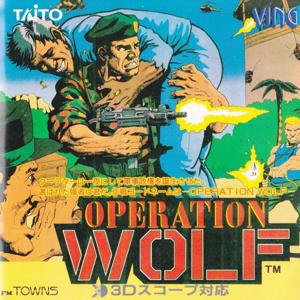
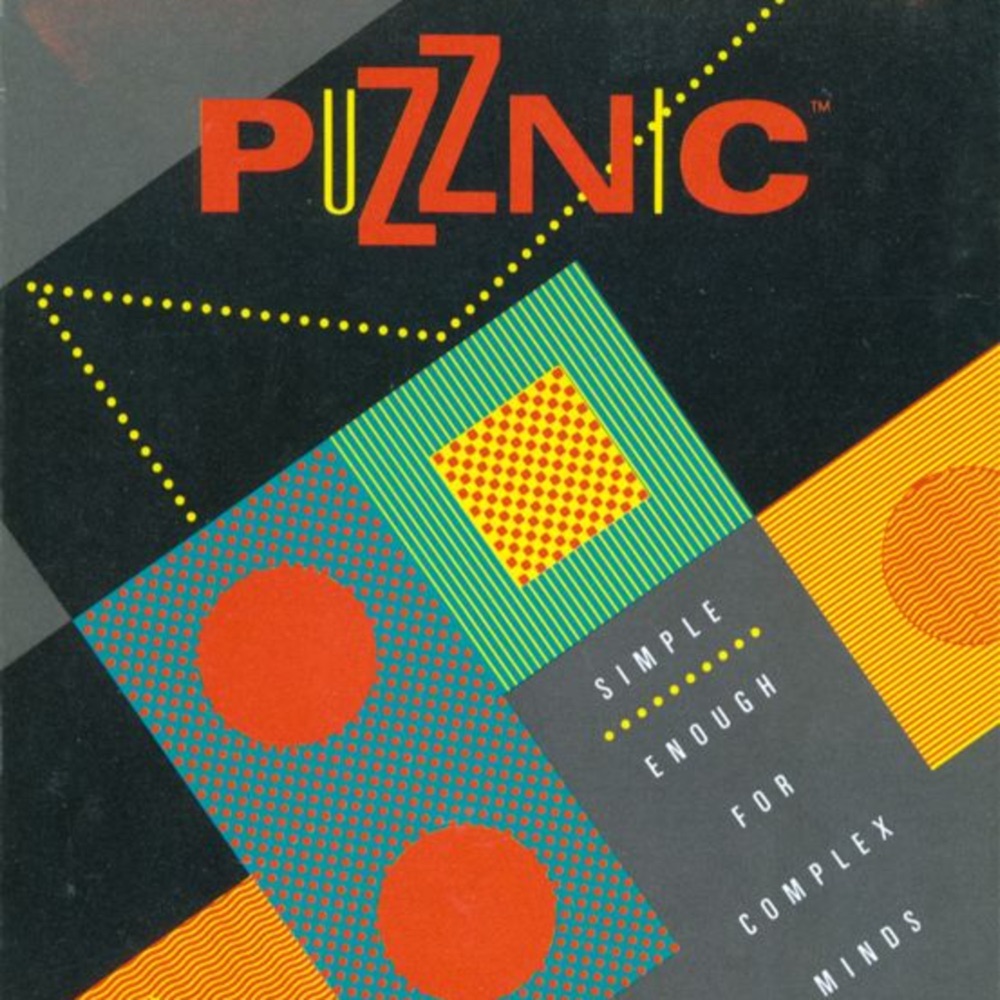
The manual's story says you have shot your last terrorist and beaten every game you own,. The arcade original came out a year earlier, and versions followed all the way to the PlayStation, nearly unchanged. The FM Towns version kept the adult content. The NES box art looks like a 1960s jazz album cover. Our theory is that Nick is like beatnik, a picnic for your brain.
The bottom line
Play it. We called it a solid puzzle game that Mike thinks holds up better than Dr. Mario. We all said it is not essential, because neither mode has enough in it to be a full release, and Joe has outgrown sitting down with something this frustrating.
Written from our conversation in this episode.
- Be Prepared for Many long nights of frustration and excitement
- Introduction
- Do you want to describe your game as Frustrating?
- What it is: Taito’s 1990 NES port of the 1989 arcade tile‑matcher. Slide pieces so identical shapes touch and vanish while gravity and stage gadgets rearrange the board.
- LIGHT STORY: You apparently play as someone maybe even yourself who has solved all the other video games and now its time for Puzznic. Its like you’re retired.
- Why it matters: A pure logic puzzler on NES with two distinct modes (Puzznic & Gravnic), generous continues, and a 160‑puzzle campaign.
- On‑air openers
- Are you a “count the pairs” methodical solver or a “feel the cascade” improviser?
- Release, Credits, and Context
- Arcade by Taito (1989) → NES/Famicom by Taito (1990); home computer ports by Ocean around the same time.
- NES cartridge: single‑player only, password support, unlimited continues.
- Modes & Core Rules (teach early; ask questions inside each)
- Mode 1: PUZZNIC (classic)
- Goal & structure: 16 stages × 10 puzzles each (160 total). Clear every piece by matching like symbols in 2 or more combos. before the timer hits zero.
- Input/flow: Move the red cursor onto a block, hold A or B, then press Left/Right to slide that block horizontally; release to drop. Gravity pulls pieces down, creating cascades when supports disappear.
- Matching rule: Any two or more identical shapes touching (adjacent or stacked) vanish. Odd counts require a three‑in‑one move or creative cascade.
- Shapes you’ll see: diamonds, cubes, plus signs, grids, spheres, pyramids, X’s, shields. (Icons vary by level theme.)
- Stage widgets: ledges, wells, one‑tile shafts, and moving platforms that ferry pieces across gaps (timing puzzles).
- Safety nets: Retry the current puzzle up to two times; unlimited continues (score resets) and passwords between levels.
- Discuss now
- Does the timer enhance focus or discourage experimentation? How often do you burn a Retry versus ride out a bad board?
- Strategy beats (sprinkle while solving on-air)
- Temporary pairs: Make a pair just to drop a third into place, then cash all three.
- Trap awareness: Avoid sliding a unique piece into a dead pocket you can’t reopen.
- Mode 2: GRAVNIC (gravity shifter)
- Goal & vibe: No direct block sliding—you change gravity to move all pieces at once.
- Input/flow: D‑Pad sets gravity (Left/Right/Up/Down); tap A or B to activate gravity so every free piece slides/falls in that direction. Repeat to steer the pile into matches. (No per‑piece movement.)
- Win/fail: Same match rule (touching identicals vanish); some layouts have fewer “safe” states, so one bad shift can strand singles.
- Discuss now
- Which mode clicks faster for new players? Does Gravnic feel clever or chaotic on a first play?
- What’s one mental trick for predicting where the whole field will end up after two shifts?
- Difficulty & Mastery (insert after first tough board)
- Read ahead: Before moving, count symbols and mark where a third piece could land.
- Edge play: Use ledges to stage two pieces, then drop the third from above.
- Platform timing: In moving‑platform puzzles, set passengers before toggling the ride; don’t chase it.
- Fail smart: Learn when a board is unwinnable (e.g., solitary symbol sealed in a pit) and tap Retry.
Auto-generated transcript. Each paragraph starts with its timestamp. Speakers are not identified.
Puznik, be prepared for many long nights of frustration and excitement. Can't wait.
Every NES game released in North America. I'm Mike. I'm Sean. And I'm Joe. And that almost has to be like a poor translation or something, right? There's just no way you want to describe your game as frustrating ever, right? Well, I just like, you know, just the fact that it's also like a night of frustration. Yeah. Just a little, just a little sexual is all. Many long nights. Yeah. Oh, wow. It's been a while. Yeah. And I guess like the frustration is that you can't solve the puzzle correctly, but like it could also just be described as like, I'm so frustrated in my purchase, right? Yeah. There's no, it's open for interpretation. I mean, also just, you know, taking all the, any sexual undertones out of it.
It's video games are often very frustrating and it's never like, oh yes, I can't wait for another frustrating game. Like I feel like I get it. It's a puzzle. You're going to be like, oh, I want to figure it out, but you don't want to associate it as a negative. You just want to say challenging. You just want to say challenging and then you're, you're done with it. Right. Joe, you actually can't take out any of the sexual subtext though, when talking about Puzznik because the original arcade version of this game, which came out just a year prior,
did have a sexual component to it. Whereas you solve puzzles in the arcade cabinet, it would slowly reveal naked women on your screen. I have seen screenshots of this now that you mentioned it. And I actually wasn't sure. Now that you mentioned it. Now that you mentioned it, I'm not always, I'm not always looking at these screenshots just every day, but I wasn't sure when I saw it, if it like, is this an official thing or is this like a bootleg or, you know? So this was, this was. No, that's the OG. That's before this one, this version of it. Yeah. That is the OG, like Sean said. And then this is like the get your act together. We're about to be on a family console.
Can we, can we clean this up a little bit? And their option was like, well, what if we just don't show them anything at all anymore? And that's weird. Right? Like, what do you mean? You're going to show us any kind of reveal puzzle? Well, that's why you're so frustrated.
It is weird. I guess it's, I mean, you have to be kind of confident to make that kind of decision. And just like, oh, I guess the puzzle kind of stands on its own. Right? Right, right, right. Where you are already designed the game to be like, well, the puzzle doesn't stand alone. So we might as well show some naked women.
And you see, you won't see these naked women in the NES game. You will in the arcade. But the way to see them or move on to the next stage is you basically just slide pieces so that, pieces, squares of different shapes so that all identical shapes touch and disappear together when you have two or more. And you want to clear off every symbol on the screen so that there are no squares left. And that's how you move on to the next stage. So it is very much one of those match games with the puzzle component.
But we really are in full puzzle swing here. Right? Like, we keep running into puzzle games. And I think it's interesting that we call these puzzle games and not some more like a lot of adventure games are technically like puzzle games. If you think about it, they have real puzzles. This is just one big puzzle. But this isn't like the same board as like Tetris or even Palamedes or Dr.
Mario. It's a different kind of puzzle game. Yeah. I mean, it does, again, I don't remember what we said this for last time, the Dice game, Palamedes. But it does, again, give me right away, like reminds me of Tetris. But this is even more different than Tetris once you play it. It almost, I've never played this, but I'm assuming this is a lot closer to something like Candy Crush. No? Oh, that's interesting.
I don't think, I only know enough about Candy Crush from just seeing my mom play up to like level 100, level 694. Yeah, I was going to say level 100,000 probably. Yeah, or something along those lines. I feel like this has a bit more going on. Yeah. But I could be. Candy Crush is more like Bejeweled. I've also never played.
in order to successfully pass them. Before we get into the puzzle mechanics, though, or the gameplay, there is some light story, some lore behind why you're playing Puzznik. Did you guys read the manual at all? Yeah, I did. I don't remember what the hell they said about it. So please enlighten us. Yeah. So there's a, the first page after the table of contents is the story. So we have to take them at their word here and believe that this is part of the intended lore, even though it's more or less flavor copy and doesn't, you know, doesn't really say that this is the mechanics behind the game. But the story that they give you is, you've shot your last terrorist.
What? You have, you have beaten the bad guys. You've rescued the kingdom from the evil wizard and restored peace to the galaxy. What's an arcade warrior supposed to do now? Yeah, this isn't the lore. This is, this is not lore, Mike. No, but they're saying this is the story. Like the reason that you, the player or the person you're controlling, making the moves inside the game is playing this game at all is because you have beaten every other video game you own.
So, all right, that your first sentence, you've shot your last terrorist was very shocking to me. But now I actually, I kind of like the, I like that direction of like, yeah, yeah, we know you like to run around and jump and shoot the guns and save the princess and all that. But like, try this out. Yeah. And we all know you like exciting stuff. Yeah, yeah. Like, why don't you try something else, okay? I don't know. You've shot your last terrorist sounds like a threat from Al Qaeda.
You know, you just get like something in the mail. You've shot your last terrorist, buddy. We will be taking you down now. You get that in the mail? Well, yeah, it would be strange if you get any mail from it.
But I guess it happened at some point, right? Before email? Before they could spam you? Was Al Qaeda doing that? Yeah, they were sending handwritten letters. Dude, you never got one? That's so weird. Lucky. All right. So let's talk about Puzznik because there is a whole other game in here too, which is weird. But like, let's just talk about Puzznik for a second.
There are 16 stages, 10 puzzles in each of these stages. So it's kind of like a 1-1, 1-2 kind of deal. So clearing one particular puzzle doesn't make you a genius. You have to clear all 10 to kind of successfully clear the stage. It makes 160 stages in total. So there's certainly a lot of game here. You clear every piece by matching like symbols and two or more combos. But you have to do it before the timer hits zero. And the timer is pretty aggressive in this game in the sense of like when more things happen on the screen. Like I do agree that they ease you into it because you get, what is it, usually 90 seconds?
No, it depends on the size of the level, right? Yeah, I've seen 70. I've seen 60. Okay. So then, but it's still mostly forgiving early on. But later on, when you have to actually think about what you're going to do, that clock is probably the most intimidating part of the game.
It's not just like, sure, given an infinite time scale, you could move these pieces around and figure out how to clear them so that you clear all of them. Because again, that's the hook, right? It's not just about matching symbols together all the time. You have to make sure that you clear everything. You can't leave a piece behind. So if there are strategically three symbols of the same block, you can't clear two of them because now you'll be stuck with one. And, you know, that's a fail state. So you'll have to start over.
The matching, though, in general, the real thing behind it, right, is that there's placement of the remainder of the screen so that certain blocks can't be moved. Or there are elevators that kind of move up and down the screen to transport blocks. There are blocks that have to fall into other blocks. It's the design of the specific level that makes it maybe a little bit hard to talk about this game in like a as a dialogue discourse. But ultimately, that's the interesting hook of the game is the is the setup and then you having to solve it from that. Right. They're always giving you they're kind of leading you with the way that it's set up.
Yeah, it's very much like an order of operations sort of puzzle. I guess a lot of most puzzles are can be boiled down to that. But it's very important here because you can very easily like soft lock a puzzle within like the first move. And then you have to use a retry. And that's not any fun. But, yeah, it's a little.
But then there's also like some twitch reflex going on here, too, because of that, like movement and the fact that it's gravity based. And sometimes you need to like move things while gravity is acting upon something else. It's it's not as intense as that might sound, but it it can get a little tricky. I'm curious what you guys think about my take on this. But I think that this doesn't need the timer. I get that it's like for that, like excitement or whatever. I think that this is these are fine puzzles without the timer. You're just going to keep retrying anyways when the time runs out. So I don't know really what the timer adds personally. I just want to look at the puzzle until I solve it with a game like this. I know that that might not be the.
I agree. Like the intent of the of the developer. But like to me, whenever there's a game like this and there's a timer and it feels unnecessary, I just I don't know. They had something here where it was like, oh, this is different enough from Tetris because it's not about like, oh, my God, what's going to happen? What where can I put this? You're not panicking. It's more like let's sit and think about this puzzle. And then they added the timer to kind of add that back in anyways.
Yeah, I agree. Because like, again, you can fail without running out of time. I guess isn't something right yet. Like, oh, it's all about like just experimenting. And and like, no, if you do something wrong, you're screwed. So. Right. I think you're right. Yeah, I would agree, too. I don't think I can think of in their defense is that the, you know, 160 total puzzles.
The timer is designed to make these kind of quick bursts. But that doesn't really matter if you wind up failing them anyway. Like it's just going to take longer. The game is incredibly forgiving, though, when it comes to retrying and starting over, because the only thing that happens is your score resets. When you run out of retries, you don't like start back at the beginning of the stage you're on. You just start right where you are and move forward. I guess that that sort of balances it out, because if maybe the only reason you would care about the score is if you're trying to do it fast, like, you know.
Right. And the amount of time you have left is what, you know, boost your score the most. So it's like all twitch reflex stuff. Right. Because I've never solved a ribbix cube in my life. But the people that do do that tend to have some pride with how fast they do it. So, yeah, that's what I'm going to go with.
Now, this game doesn't have exactly that bejeweled candy crush thing that we were talking about, where, you know, there's like a cascade where you switch two blocks and they clear, but then more blocks fall down. So they clear things that you didn't know, you know, like and all of a sudden it's like, wow, that caused a chain reaction of match threes and then a match four. And then, you know, now there's these new symbols popping up. It's not really this game, but you can design this game where, like, you match certain things to create other matches as well.
What's your play style here? Are you, before you're even, like, before you're making moves, are you kind of counting the pairs and thinking about, like, where's the best piece to start? Or are you just more of a, like, feel the movement, like, you know, solve the first pair in front of you and then deal with the next one and so on and so forth? Just vibe it out? Yeah, exactly.
When I started, it was more so just vibe it out, just move stuff around, it'll all start to click. Then once I started to get those, like, straggler blocks, I was like, okay, I gotta actually, like, try something here. So I did start counting, like, oh, do any of these have odd numbers? Or are they sort of grouped in a way that you're going to have to do, like, a couple three-in-ones? And, yeah, over time, once you start to learn the ways that the game is going to try and trick you, you become a bit more cognizant of it.
Yeah, I like to usually, like, try to just, you know, go with my gut on a first attempt. And then on a second attempt, if I failed, I look at how I failed, and I also, like, really will pull back now and, like, look at, okay, if I put this here, like, where is everything going to line up? Where am I going to accidentally put two things against each other that I don't want to disappear just yet? And, like, I really start thinking a few steps ahead, but I do usually, because there's no real punishment for getting it wrong, I do usually try to go intuitively at first.
Which surprisingly works more often than you think, because I do feel like the game definitely gets more and more difficult, but I don't feel like it's a perfectly linear difficulty. I feel like sometimes I'm like, okay, now we're getting difficult, and then I get, like, a real, like, lob ball in there. Like, just that's super easy, and then another hard one, and then, like, one that's a little easier. So sometimes I can just kind of solve it intuitively, and then when I fail those ones, that's when I'm like, all right, really sit back and, like, think out my moves before I actually make them.
But, like, when you do fail, like, do you have that moment of, like, goddammit, Joe, you're so stupid, like, how would you think that, Joe? And then you just sort of beat yourself up for an hour or so? Yeah, but I'm normally, like, thinking that way about myself at all times. Oh, okay. Yeah, yeah, yeah. Just making sure. For the record. Just kidding, everybody. No need to call any, like, support lines. Can we get a check on Joe?
Yeah. And then, I think, Sean, I think you were alluding to this earlier, but this is something I'm calling temporary pairs, where, and this feels like the only part of the game that, I think, like, at a, sooner than later, it is necessary, but I feel like it's also wrong. There's this ability to create a pair and then just drop the third one into place to cache all three at once, even though they didn't all, like, match at the same time. Like, you're given, like, a few frames to kind of, like, get that third piece in there. And that just doesn't feel right. Like, I'm happy I solved the puzzle, but it doesn't feel like I correctly solved it. Now, wait a minute, though. Well, that's designed.
And I think, unless you're telling me otherwise, that it's only, like, yeah, the pieces didn't fall into place, but they were still as a result of your same last move. It's not like you can make a move and then quickly make another move before something falls into place, right?
You kind of do have to do that. Like, in some of these levels, the, like, there, you have to use, like, an elevator to move some, to move one piece into place that would then make contact with the second piece. But in order to get the third piece in there, you then have to move that as well while the other one is on the elevator. And so, like, there's some Twitch reflex stuff going on, and it's not entirely great with the way that the controls work because your cursor is super sticky. And, like, it's like, I don't know. It's odd.
I know the type of situation you're talking about, but I didn't take that as, like, oh, I kind of just cheesed the game because I snuck something in there before. Oh, yeah, no. That is the intent. That's the design puzzle. Yes, but I guess I was saying it doesn't feel like it because it's this weird thing where, like, if you did, you know, like, you only made a pair, and then the third one just kind of, you know, to the point of the elevator, like, just popped into place.
Not even at the same time. Like, you don't have to necessarily wait until the third ones are exactly lined up as long as it's clearing the other two still. If the third one ever touches, it adds it as part of the match. But isn't that so fast that that's still sort of hard to do? I think that that's what, like, what I'm saying is that even though it's like, yeah, I put it there, and now I'm seeing the other one come down and touch it. It's like, yeah, that's all part of the same move. Like, yeah, I guess it is weird because, like, it's like, yeah, I already had the thing on the elevator. So it's not like, oh, like, I lucked out. It's like, no, I put that there because that's where it's supposed to go.
Yeah. I feel like it's the game being, like, forgiving. I'm like, yeah, you're not going to know the exact timing of the cycles. So it's like, if you figured out the puzzle and you put it there, we'll let the cycle complete and see if you got it before we, before your stuff vanishes. If anything, honestly, it's kind of impressive that they were able to program it that way to, like, know that, like, yeah, you got it right. It just hasn't fallen into place yet. Right, right. I mean, most of this game is, you know, more so than you making the groupings or, you know, strategically placing the blocks.
It's also avoiding the traps that they're setting up because while those elevators and such might be useful, they're also very easy to create, you know, like a permanent lock where you'll have to retry because you now, you know, you fell below the elevator or you locked a piece into one of those, like, one tile shafts that now can't come out of it because, you know, gravity is always forcing itself downwards in this game so you can't lift that piece out. You have to now retry the stage.
That's, like, that's the tough part of the game is avoiding all the traps that they've laid out, especially in the later levels. Yeah, and that's why I was describing it as, like, it's mostly order of operations and only sometimes does, like, precise timing matter. Uh, because if you get the order of operations wrong, you have now failed the level.
Thank you.
Thank you.
Thank you.
or making these very narrow passages, that idea kind of remains the same, and instead it's more just like, can you match all of these different shapes? Which again, that explains why they have to have the timer, because otherwise it's just going to be a more tedious puzzle instead of a more difficult puzzle. I don't know. Yeah. It's still tedious. Yeah. I think I'm also just, I like this kind of puzzle. I find them kind of fun, but what I like about it is the satisfaction of sitting there and figuring it out before I do it, and being like, okay, wait, if I do this,
the difficulty to me lies in thinking enough steps ahead and keeping it all straight in your head, and then being right about that when you actually execute it. The game kind of encourages you to not do that, and to just kind of go with trial and error almost, because it's like, well, time's ticking, so you don't have time to just do it twice. You don't have time to go over it in your head and then do it on the thing. So that's just like the one thing that kind of keeps, I guess maybe they warned me about it, about it being frustrating, but that frustrates me.
And then there's a completely other mode of this game, which is not different enough to be like packaged as a sequel, but it is very kind of them to include it in this game, I feel like, because it is different enough and branded different enough, right? The first mode is called Puznik, and the name of the game is Puznik. This second mode, Gravnik, is Puznik, but instead of directly controlling the blocks to slide them along and match them, you use, get a little of this,
gravity for Gravnik to move all of the pieces at once. So you have this giant directional pad on the screen that you can see, and it shows you which way you're pushing your directional pad, and that moves every piece in that upwards, left, right, or downwards direction. Now, of course, that has a lot more implications than the first game, namely that there are some directions that are just going to cause an immediate fail state, depending on the way that the levels were designed. So even though it's the same match rules, touching identicals, vanishes the pieces, I feel like some layouts just have, like,
one bad shift can strand an entire potential match for forever and create an unwinnable stage that you have to reset. So this one's even, like, a little more limiting in, like, what's possible for your brain versus what's the correct solution. I think this one reminded me a lot of, like, was it, like, 2048 or... Yeah, that was... I forget what the original... I think the original one was called Threes, but yes, 2048 is what I love. Yeah, whichever one. Because it has that, like, you've got to make sure that you're not blocking yourself because you're moving everything at the same time. I don't know. I actually think that with what Joe was describing of just sort of visualizing before acting, like, this actually lends itself to that even more.
Um, uh, but maybe that's just me, but... No, I completely agree. I played this one much longer than the other one, because I was really enjoying that. I think this is an actually, like, more interesting concept. Maybe it doesn't have the same kind of, uh, not ability, but, like, the same potential for super complex, um, like, like, gameplay, but I think it's a cooler puzzle design. And you'll notice that, uh, it's also Joe's favorite because there is no timer anymore. I was just going to bring that up, and I do think that giving you a move limit makes a lot more sense than a timer. And granted, the move limit, I do think, um,
lends itself to this style puzzle more than the other style, but, like, yeah, some of these, some of these that are stumpers that take me a while, I'm shocked that it only takes, like, two moves to actually complete. You know, like, that, that's really cool to me because I don't, I have a hard time wrapping it around my head, wrapping my head around how
this can be so difficult. You know what I mean? Like, I'm just like, look, and I'm like, yeah, I should just be able to look at this and figure it out. But that's, that's the beauty of the puzzle mechanic. So, which mode clicks faster for a new player? Does, does Gravnik feel clever or chaotic on first play compared to Puznik? I think it's more... Yeah, I mean, I don't think they're, either of them are super, are super high concept. I think that Gravnik is more intuitive because you are just, you're seeing your input affect everything in such a predictable way. Whereas, with Puznik, like, you're using a cursor
and, like, the fact that gravity works and, like, there's twos and threes, like, there's a lot of, like, wrenches that get thrown in, whereas I think that Gravnik is a lot more elegant. But, I don't know. Are there any mental tricks or reading ahead strategies for, like, figuring out not just where everything's going to move on first input, but, like, after two shifts? Is there a way to visualize that? I don't have that capability.
Yeah. I can't think two steps ahead of that. No, I, you know, and that's, like, what I was thinking, too, is, like, I cannot picture that, like, no matter what I was doing. But, in the earlier levels, it was a little easier to view, like, okay, if I move everything to the left, then the, you know, there are certain pieces on this board
that just act as blockers. They don't have to be matched. They're these gray tiles. And they move with everything else as well, but they just kind of block where things are going to be placed. And so as they're moving along, it's like, okay, I can kind of see that that's shifting everything to the left. So now my,
let's say I need to match two red pieces and two green pieces. It's like, okay, so now they're all, like, next to each other. And so then when I move down, they'll all touch. Like, that felt easier in the beginning, whereas in the later stages where there's a lot of easy ways to lock yourself out if you just go in the wrong direction, I wasn't sure how to, like, get to that point. And so even though, again, very friendly system of retries and unlimited continues, but I didn't feel
maybe as, like, as a master planner here as I was able to, like, when I was looking at the whole board in Puznick. I wonder what that says about your brain. I know, right? I can't think ahead. Don't hire me. You know, what's funny is that, like, there is, like, something about, though, those blockers and just the designs of the puzzles about edge play in this game using those ledges or... Edge play? Yeah, you know, You're gonna be frustrated. Yeah, yeah, I did say that.
The box told this, too, so we should be worried about that. You know, just, like, riding the corners and stuff like that so that you hit everything like, that's really the game and then the matching part can just kind of be, like, coincidental at times. Like, I was shifting these pieces around just to try to get them closer to each other but then it just wound up matching? I can see that now that I think I understand what you meant by that.
Other than that, though, there's not much that separates Puznick and Gravnik because it isn't, like, there was never a, they, oh, if you match these two symbols, they act as bombs that blow up surrounding symbols, too, or, uh, if you match these symbols, they give you an additional move, you know, from your max limit. Like, neither game kind of makes anything special of the symbols, they just make it so that you have to match like symbols.
What's, like, an example of, uh, a puzzle game that does do that? Uh, don't know on the spot but I feel like surely, uh, that's not an uncommon thing, right, to have, uh, well, for instance, you know, if we're gonna say Bejeweled, right, if you match four in a row of something, then it doesn't become just a, it doesn't go away, it kind of creates this, uh, crystal, the diamond, you know, and now it's like, oh, well, if you get the diamond to match with anything, then it, uh, creates a larger, uh, cascade. It doesn't just match the three in a row, it matches, like, a box in a row or whatever and if you match five in a row, sometimes it creates, like, uh, that's the one that creates the diamond, not the crystal, so on and so forth and then it's like,
you know, it basically creates these additional power-ups, if you will. I'm not asking for power-ups in this game but I think it would have been interesting to explore that, you know, uh, there are bomb symbols and there are, uh, extra retry symbols, right, where, like, you're incentivized to clear those in order to help you, like, maintain your score or, um,
or just, you know, blow up, uh, pieces that you didn't, that you couldn't figure out another way to solve. I like, I like the idea of those things and I wouldn't, I wouldn't be opposed to having them, like, if someone were, like, I'm going to add that to this game, I'd be like, that sounds, that sounds great but I don't think it needs it. I do think it, like, the simplicity, at least Gravnik, the simplicity of it, like, I do think, I'm just surprised at, like, how many levels I can be playing and how different each of them feel. Um, but yeah, I mean, like, I would never turn away, like, having new little features or new ways that it works, but, uh, but yeah, I think it's like, and maybe, you know,
it's, maybe it's like, that's why they package two together because maybe it's a tough sell because it's so simple, but like, I think that maybe there was a, if this were a mobile game I just downloaded, I'm very satisfied with it. And I don't think Gravnik had the elevators. It did not. So, would that have been an interesting thing to include? No, I think that would mess with it too much. You got, you got like a turn,
you got like a certain amount of turns and it's, it's like this sort of turn-based thing and then you've got some kind of real-time element to it. I think that's a little, I don't know. Unless they redesigned the elevator so that it doesn't go up in real time, it moves one tile every time you make a move or something like that, I could see it working. Almost every version of Puznik that was released and it goes on for a while, Puznik was released all the way up to the PlayStation. So, starting with the arcade in 89, NES in 90, there was, there was a Puznik,
pretty much almost exactly, like there weren't like new features or anything, but I guess there was like a story mode, maybe where you finally took down your last terrorist. Was it always for perverts? In the PlayStation? You know, that's interesting. I'm glad you brought that up, Sean. No, it wasn't always for perverts. They pretty much got rid of that part of the game until the, remember that weird console that we talked about one other time, FM Towns? Ah, yes, the FM Towns. That version did keep the adult stuff because I guess they figured if you can afford $800 or whatever it was for an FM Towns back then, you probably were an adult.
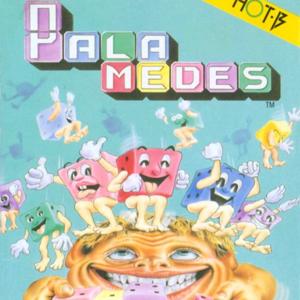
Okay. But there, it's weird that like the PlayStation version didn't get like a, I don't know, I'm not asking for 3D, but like just not even much change from the NES version of Puznik. It's kind of funny to think that you would pay for that, but almost every version includes this box art that is like, kind of like what Palamedes was for the dice, but it's for the blocks where it makes them, it makes them characters. Oh yeah, they don't have really creepy human legs though. Yeah, yeah, exactly. No, they do. Well, not, yeah, they're cartoon legs, not like, cartoon legs, not anatomically correct human legs. And I don't want to critique the box art too much because I'm not sure how many people look at the,
the chapter art or whatever for our episodes, but like, if you're looking at it with us, it's weird that some of the blocks have faces and then there are also blocks on the screen that don't have faces and are just those same blocks, you know, it's like, what, what's going on there? Why, did they not become real people yet? That's what I was going to say, like, you know how there are some people that you know
have like, cogent thought within their, their brain, but then there's also those people that don't actually exist. Yeah. And then if you look at the NES box art by comparison, uh, it's like, it's like some 1960s jazz album cover. Like, it's very like postmodern, uh, minimalism, like geometric shapes. I think Puznick needs to be, like, they're, they're really tooting their own horn here. Like, this is like, is, if it was something
so ubiquitous as a Tetris, you can get away with this, but, I mean, and maybe I'm underselling, or I just don't really know how big Puznick was back in the day, but I think it's kind of tooting its own horn here a bit. And then forgive me for this, but I have to ask it. I genuinely do not know the answer, so have fun with me here. Is Puznick supposed to be like a picnic for your brain? Like, is that, is that what Puznick, what's the Nick part? Uh, yeah, I don't know. Uh, yeah, I don't, I don't think it's, sorry,
picnic for your brain, but, uh, well, I mean, I added that flavor because it's, you know, it, no, I understand that. yeah, I'm adding, I'm adding the tagline, you know, their tagline is, this will frustrate you to no relief. Like at a picnic. Yeah. I'd say like, he's like a beat Nick, but, Oh, I like that. Yeah. I like that could be what the Nick is for. And then for grav Nick, it's like a beat Nick, but for gravity. I should have known. It's gravity for your brain.
And, uh, nostalgia is nostalgia for your brain. Um, and somehow that's going to tie into the essential games list.
I had a pretty good time with Puzz Nick. I'm not, uh, ashamed by that. It's pretty, it's pretty straightforward, but it also can get very, uh, complex. And I enjoyed, like, I wouldn't say like I was stumped on a puzzle necessarily. I just kind of like ran out of time. Uh, it wasn't like, Oh, I'll never beat seven dash three. Like they got me. Uh, but at the same time,
I probably stopped because of the, like just the time limit that I have in life. Uh, and not necessarily because I stopped enjoying the game. I think it's a pretty good game. I don't think it's like enough of a game to, and especially because it's put it on so many things to be like, Oh yeah, this is like an essential NES game. Like when I think of the, the library of the NES, this is right up there with the greats. I don't think it's that, but I think it's a pretty solid, uh, puzzle game by all means. And, uh, probably holds up in the, in the realm of puzzle games better than,
you know, shoot me for saying this Dr. Mario. Like, I don't know. I don't, I don't really like that game, but Puzznik, I'm enjoying it. Joe, uh, this game has unlocked memories of, of types of games that I liked when I was a kid. There's two in particular that this is, that kind of reminded me of one is a Game Boy game called Boxel,
where you're playing this, you're, you're pushing boxes. You can only push them forward. You can't pull them back. So you're like, you can get stuck in a lot of ways. And it's a, it's a puzzle game kind of similar to this. Um, a little aside, I have a crazy Mandela effect. I swear the game was called Box It, but there's no record of that online. It's always been Boxel. Um, second, uh, it reminds me of the, uh, ice path puzzles in Pokemon Gold, Silver and Crystal,
where you, Gravnik reminds me of that, where you, you, you move in one direction, you slide all the way across in that direction until you hit a barrier. So you have to kind of use the barriers to decide like how to get yourself into the direction you want to go, which is kind of what Gravnik is doing. And I love both of those things. And I've, I've really enjoyed those. I remember like long car rides playing Boxel forever and everything. I just don't know if, uh, I think that like now as an adult,
this is just, I don't know. I just, to me, as I've grown up, like, I don't want to sit down and just play this all the time anymore. You know, I, I think it needs for me personally, I need a little, I need a little more stimulation because I'm just overstimulated at all times. And this game is too frustrating with the edge play and everything. So, sorry, I just didn't know where I was going with that. So I'll just like go onto the edge play.
But, um, yeah, I think that, uh, I really liked this game. I recommend it if you like puzzle games, but I mean, you know, it's not, it's not anything to write home about is what I'm trying to say. So I don't think I would call it essential. Sean. Yeah. I'll echo that. I, neither of these games have enough to it to really,
uh, at least in my opinion, be a full like release of something. Uh, I'm glad that they added Gravnik. I think I prefer Gravnik. And if it was, if it was just Puznik, there'd be even more of like, uh, what do you take me for? Uh, you know, like I, I wonder how much this game MSRP for, I guess, but I, we've said that about a lot of these puzzle games or just a lot of these like simpler games. So it's, that's not anything new. I did, I did like them as they stood. There just really isn't that much going on here, uh, in terms of content. So not essential. One last thing about the arcade version of the game. Keep going. Yeah. Uh, I don't know how to say this, but the, uh, so it, it gives you the name of the person that's going to be revealed first.
And you, you clear that part of the stage and then you see just the face and then you see, um, the private areas. And then you see, and then you see the full picture. It's a little strange, right? The order there. Oh, wow. Like, shouldn't the, you would think that like you would be teased with everything and then get the, the delicate area. It's like anti censorship. So I thought you were saying we should go like name last.
Yeah. Well, I mean, you know, we should at least get the name again. It's kind of weird that the name comes off, right? Like the name is revealed. Then it's not revealed any longer. And then it's like, okay, now just here's a naked person. It's like, well, I'd like to know. Gotcha. So really we should have talked about this during the bubble bath babes episode on the nostalgia bites. Why? Why would we talk about that? Oh yeah. Yeah. Thank you.