182 · Operation Wolf
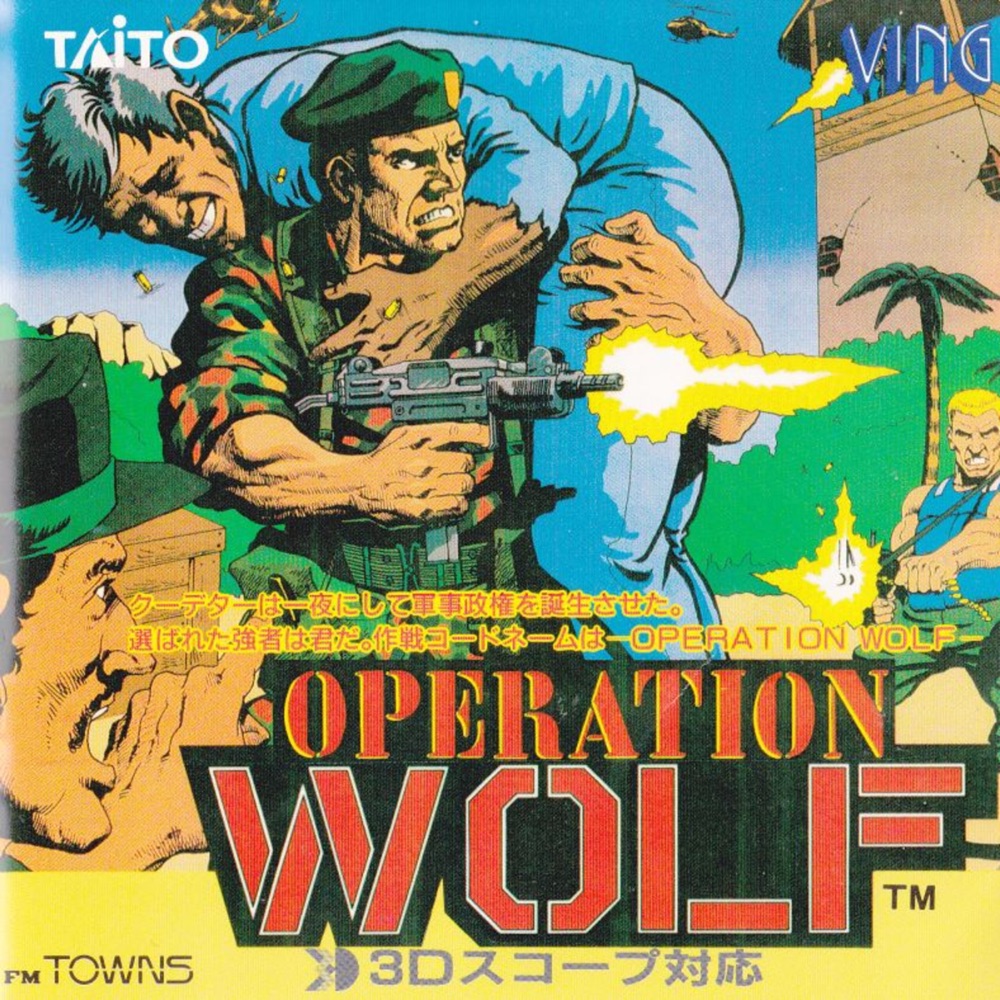
A group of desperate terrorists is keeping hostages in their jungle fortress. As a member of the elite tactical squad Operation Wolf, you must invade their hideout, destroy their operations, and get the hostages out alive! Maneuver through a series of missions and fight off soldiers, patrol boats, helicopters, and more.
SHOW NOTES
Operation Wolf NES Longplay
Arcade Gameplay
Time Crisis
House of the Dead
VirtuaCop
Mad Dog Mcree
Operation Thunderbolt
Operation Wolf 3
Operation Tiger
- The time has come for someone to teach the terrorists what terror is all about
- NES Longplay - https://www.youtube.com/watch?v=H-0WGRf1gEw
- Introductions
- Gameplay
- Autoscrolling Zapper Game
- Would it be better off fixed?
- The Stages
- Communication setup—Mission: obstruct. Completing this stage reduces the number of enemies the player must eliminate in all other stages.
- Jungle—Mission: intelligence. Completing this stage allows the player to access the concentration camp.
- Village—Mission: rest. Completing this stage heals a large amount of the player's damage, as opposed to a small amount after all other stages.
- Powder magazine—Mission: ammunition resupply. Completing this stage grants the player a full supply of ammunition (nine spare magazines and one loaded into the weapon) and either five additional grenades or a total of eight, whichever is less.
- Concentration camp—Mission: aim (a poor translation of "objective"). The player must protect the five hostages as they run to safety. In order to advance to the airport stage, at least one hostage must survive.
- Airport—Mission: getaway. The player must protect the surviving hostages as they run toward the open hatch of an airplane taxiing down a runway, then shoot down a final, heavily armed helicopter. Skipping the powder magazine or village stages adds two helicopters or two armored vehicles to this stage, respectively.
- Losing
- The damage bar fills completely, resulting in the death of the player's character.
- The ammunition and grenade supplies are exhausted, resulting in the player's character being taken prisoner.
- None of the hostages escape the concentration camp.
- None of them successfully board the plane at the airport, resulting in an infuriated rebuke from the President for failing the mission.
- Duck Hunt is a game we consider essential, this adds a lot more action to the screen...does that make it better?
- Who followed the storyline?
- US President Alternate Ending (depending on Hostages saved)
- At the time considered a very violent game
- Autoscrolling Zapper Game
- Thoughts
- Is this the start of the Time Crisis, House of the Dead, VirtuaCop?
- Sequels and Spinoffs
- Operation Thunderbolt (1988)
- Operation Wolf 3 (1994)
- Operation Tiger (1998)
- Some versions of this arcade port don’t have Light Gun Controls
- VC re-release does not feature any kind of light gun support (including the Wii Remote's pointer functions), making the game only playable with the standard controller mode.
- EGL
- The Golden Joystick winner of 1988
- Next week -
Auto-generated transcript. Each paragraph starts with its timestamp. Speakers are not identified.
Operation Wolf, the time has come for someone to teach the terrorist what terror is all about.
And welcome to NEStalgia, a chronological exploration of every NES game released in North America. I'm Mike. I'm Sean. And I'm Sam. And, you know, the listeners won't know this, but it's been a minute for the three of us to get together and record an episode. Yeah, psych, guys. We don't always record them live. We do some pre-recording, but this one is fairly live. We're recording on Wednesday, August 4th, and I think it's going live on Friday, August 6th. Sixth. I swear I know how to say six. Sixth. You're really pulling back the curtain.
Yeah. We usually don't do this. A lot more wide open than I thought it would be. It's a whole new show now. Yeah. You know, when you take a break, you take some time. I was, you know, I was sitting on the sands and I was listening to the waves and I was like, maybe that's the podcast. Maybe it's just- Can I tell them, Mike? Mike got shipwrecked. Oh. What do you want to tell them, Sean?
Mike was shipwrecked for a full month. And that's sort of what put us behind. Thank God we had some backup episodes while the Coast Guard was looking for you. Yes. And I spent, I was actually shipwrecked on the very island where Town & Country Surf Designs Wacky Water Rage takes place. Yeah. And I don't even think that's the name of the game, honestly, at that point. I think I combined the game with like a Hanna-Barbera cartoon. Yeah, probably. Yeah. Rocky and Bullwinkle. I don't know. But no, yeah. I spent some time. I was listening to the waves and I was like, oh, maybe this is the podcast. Maybe it's just gameplay audio. Maybe we don't talk anymore. It's ASMR of Hawaii.
Oh, there you go. Yeah. Sam, what should the podcast be going forward? Hmm. I think we should be a shipwreck podcast. Oh, and just talk about all the best shipwrecks? Yeah. Might not have been done yet. Yeah. You know, I mean, everyone knows the Titanic and there's like Spanish galleons off the coast of Florida and stuff, but I don't really know anything beyond that. I don't really know a lot of little shipwrecks, but I'm sure they're there. That is copyright. You can't make a podcast about that unless we do first.
Any listeners that are getting that's true. And you also can't do any podcasts about the movie chipwrecked the the Alvin and the Chipmunks. I think that was the third movie in the quadrilogy. That is the Alvin and the Chipmunks movie series because chipwrecked is so close to shipwrecked. I feel like, you know, we have some kind of, you know, intellectual rights as well. Definitely like a waiver of some sort. But I want to I want to go back. I want to go back.
That is probably one of the coolest back of the box phrases that I've ever heard, Mike. It's true. I actually thought at first it was a little cheesy, but then I'm thinking like, wait a minute. Put yourself back in 1989 and imagine you're seven years old. I think I'm sold on that back of the box. I'm entirely sold. At that point, you know, who first off, who likes terrorists? Nobody. Not me. But who would like to teach them what terror is about? I would. Okay. So then you were probably yeah, you were probably somebody who bought this game. I would have bought this game.
And then like, I feel like, you know, that on its own is a lot more interesting than probably what the game actually is in the sense of like, you know, there is a story in this game and you're traveling along. There's a plot. Yeah, there's a plot. Do we want to talk a little bit about that plot before we get into the actual gameplay? Yeah. So, you know, in in this game, you are a rescue force or a dude in a rescue operation in some undisclosed tropical country that I imagine the United States or some Western nation is at war with. And you are trying to locate and then rescue prisoners of war while using your Nintendo Nintendo Entertainment System light gun. Otherwise known as the zapper. Otherwise known as zapper.
That thank you for that account. I and you know, at the end of the game to the US president does either congratulate you or frown upon you based on your performance in the game depending on how many hostages you saved. But, you know, the idea of like you're going in to save these hostages, I felt like and maybe it's a little bit too much in the gameplay section that we haven't covered yet. But I felt like there wasn't a lot of creative solves, especially, you know, something like a zapper on how to save these hostages. They kind of boil down to the same thing almost every single time.
Yeah, I mean, I really. Okay. So if you're gonna make a light gun game, I don't know how many creative ways you can solve like save the guys that are surrounded by people that you can shoot. That doesn't involve shooting.
But you can shoot people. For instance, you know, yeah, they're tied to a rope and it's about to they're going to be like, you know, feed feed to the sharks or something. But you can use the light gun to shoot the rope and cut them away before they get into the pool of sharks. This is your idea.
That's my idea. Right. Yeah, it doesn't happen in the game. I feel like if you shot the rope, if they're hovering a bunch of pool of sharks, you just No, no, no, the crane hasn't moved them there yet. It's a timed thing. You have to do it before. You're saying you shoot the sharks. You shoot the sharks. That's the alternate ending. You could shoot the sharks. That's mean. Well, yeah, it's like the president would frown upon you. They'd be like, great job saving the hostage. But you killed three endangered species. That's that's a big deal. I feel like what you're describing is the Vietnam War equivalent of Orlando Bloom throwing a
Orlando Bloom throwing a sword for Captain Jack Sparrow to just sort of like stand on for a little bit. It just seems very unlikely to actually occur. You know, I'm not questioning the heroic nature of saving hostages or prisoners of war or anything. But this seems to be like, you know, the most main objective in all these NES war games were playing. It never comes down to just like just defeat the opposing side. It's always like, you know, whether it was Jackal or the one with the Stallone movie Rambo, you know, it's always like saving hostages.
Well, it's more heroic. It's more heroic to defend than it is to attack. I would say you would have a you would have you would be OK if the game didn't have like a big bad or a villain at the end that like you do have to take down as well, like some kind of climactic finale instead.
I would be OK with that as well. I'm I think that it fits with the design principles, like I guess more of the storytelling tropes of the day to be like a just, hey, just just like, you know, get these guys back. You know, they're good guys. We don't want them to to feel bad. I think that that fits. But I wouldn't be like against an actual like villain. Villains are cool.
So let's talk about, you know, the Zapper portion of this game. It's an auto scrolling Zapper game, which I feel like we've only seen one other time in or sorry. No, we saw it twice. So with Freedom Force and we saw it with the game where Gumshoe, Gumshoe was an auto scrolling Zapper game, whether we want to believe it or not.
But all right. So this is a game where the you know, it moves for you and you just shoot the enemies as they come on screen. And, you know, the enemies vary between just foot soldiers and tanks and helicopters and all that. The question I pose to you guys here is, you know, we played games like Duck Hunt where it's just the cameras fixed and the enemies kind of roll on to screen. Did the auto scrolling enhance the game or would it have been better off as a fixed camera? I don't know if it really mattered because it's not like they interact with the background too much.
So I like it in that it's different and you see different things like they're in the you see like warehouses and things like that. And it kind of gives you a larger sense of scope. But I don't really think it affected gameplay that much or at all.
I'm going to say that it's it's definitely a question of taste. And I'm going to kind of bring this into left field a bit and do a comparison between like like an on rails shooter in an arcade like let's say Time Crisis.
And and a more you are just a turret kind of arcade game like let's say Big Buck Hunter or something like that. I think that like whether you are just sort of standing in a field and shooting things in sort of a shooting gallery versus whether you're on a moving mission is definitely like what like whatever kind of game you feel like playing.
I kind of see that as like a 1989 equivalent for like a duck hunt versus Operation Wolf. Does that kind of make sense or is that a little far fetched? No, I hear that loud and clear because, you know, I actually have this for later in the show, but we should just talk about it right now since you're bringing up Time Crisis. I feel like in some ways Operation Wolf, whether it's this NES game, you know, because it's the first time we're experiencing it like this or the arcade version of Operation Wolf.
This is like the prototype for a lot of those, you know, Time Crisis, House of the Dead. Yeah. Style arcade games that obviously like, you know, those ones become more like in your face and deal with like duck and cover tactics and stuff like that. But for the most part, the actual like action, reaction, movement thing, it starts here with the fact that it is an auto-scrolling zapper game and not just like a, you know, watch the ducks fly across the screen and make sure you shoot the correct ones.
You know, like I think in that regard, I agree with Sam. They should have done more with the backgrounds. I think they could have easily implemented some duck and cover stuff into this game. Maybe not for the player because they would have asked you to use the control pad and the zapper at the same time, which is, I think, an idea that I'm perfectly fine, you know, okay with using.
Like I don't think you can't have it where like the control pad is held like a remote and you maybe just use like the D-pad and then the zappers in your right hand. Like I think most people could manage that. But forget that, I still feel like the backgrounds should have been able to use like, you know, oh, if you shoot this thing, you know, it's actually like an explosive barrel and it hurts a couple people around it. Instead, that's like it's a power-up item that you shoot.
And it's like you could have communicated that in background design. But the movement aspect of it makes the game a lot more fun because your eyes are always wandering with the screen moving. And as characters rotate in and out of that screen, it's more, you know, visually pleasing. And also it makes for a more engaging gameplay experience. It's more twitch. It's more of like a twitch reaction sort of thing. I have to describe my experience real quick as like a disclaimer.
It's been a while since we've played a light gun game. So I don't actually have access to a light gun at all times. Thankfully, this game does have a controller mode. That was how I had to play this game. But I would imagine that the light gun game is a bit more engaging. But I also...
Does the light gun have a button on it that isn't the trigger? That is a question that I can't quite remember the answer to. Nope. It's just the trigger. So you do need... Yeah. You do need another... You do need to use the controller during this game to use grenades.
Yes. You press B and then you use the trigger on the light gun. So you do have to dual, you know, have the controller in one hand and the light gun in the other hand. Which is an interesting way to play. I don't even know how I can visualize somebody playing it that way. Yeah. My stupid ass didn't even think about the grenades ever because I just... You know, like there's just one button on the capper. So were the grenades any good? Oh, yeah. Grenades take out vehicles. They really worked. Yeah. Vehicles are easy with those.
That's funny. But, you know, that kind of like created my wishlist scenario there. I feel like, Sean, even if you, you know, because you've held a zapper, you know what it's like. Yeah. I can't imagine it being like that disorienting. Like most... The average person can play DDR, a game that requires you to move your feet onto arrows that don't necessarily like look like dance moves. I feel like we can handle holding two different kinds of controllers. So when I play these games, and we're kind of getting a little off topic and now we're just talking about the zapper in general again. But when I play zapper games, I'm holding it like... I'm holding with two hands. I'm looking down the sights.
Sort of like, you know, you'd be trained to shoot a handgun. Whereas I know that some people might do it like one-handed and they could just hold the controller out to the side with another hand. Or you could hold the controller up to the zapper and sort of play it that way. I don't know how you guys did it. I know that, Mike, you didn't use it. But I don't really know. I guess there are a few styles you could use. But all of them feel kind of...
Kind of handicapping. I don't know. Well, Sam, how did you play? So I did the controller version first. And I had a pretty good time with it. I thought that it was really smooth. I like that you can change your sensitivity, which you wouldn't think would be an option in an NES game. But they have a lot of different sensitivity options, which I think is a pretty forward-thinking addition to have in the game. Absolutely, yeah. I was thinking, all right, this is fun. Let's see what it's like with a zapper. Now, I don't have a zapper. I had to emulate this game.
And so I'm just using a trackpad. And I got my butt handed to me when I tried to play that way. There was just no way I was fast enough with the trackpad. So I could barely get through the first level.
It was just not fun. So I switched back to the controller and had a much better time. I think it says something, not about the trackpad and not about your skills with the trackpad, but that you both played controller mode and it actually worked out fairly well. Like it wasn't a total disaster because the idea of using your D-pad to navigate the cursor to where you want to shoot these enemies sounds awful on paper. So I think that's like some credit to the developers that they managed to be like, well, not everyone's going to own a zapper and we still want them to buy our game.
Yeah. I mean, it was surprisingly well made for the controller. I don't know if it's just because it gives you a bit more leeway. Um, I did appreciate those, uh, sensitivity settings, but even though I was kind of, I set it to where I was moving a little faster than I would have liked to, um, it still felt like I wasn't like getting, like I was missing shots that I definitely should have made. Like it actually was a pretty solid experience. Um, though it probably would have been 10 times more enjoyable had I actually had the gun in my hand.
So let's go around to the, uh, the stages in this game, uh, which I'm, I was always confused by every single time they present it. Like you're going to get a choice, you know, like you shoot, which, which stage you want to go to. Not the case. You have to play them in a specific order. I don't know why they would lay out the level map like that. Like it's not even in the right order. Like, right. It's just like a series of boxes. It's like, Oh, it's this box. Now it's always going to be this box, even though it's not like in sequence. Yeah. It starts in the top right and then goes to the bottom, right. And that's not what I thought. Yeah. What is this? A clock? I don't. Yeah.
It's a clock, but the, where like, if you're going to do a clock, right, it's like make it more like a circle. It's so strange how they, how they fill out these boxes, but the actual like missions themselves and what happens within them and the reward for completing them is all like a pretty neat idea for an arcade style game, you know? So like, uh, the first level when, um, when you complete the, uh, the stage, it reduces the number of enemies, uh, that you have to, uh, eliminate and all the other stages. And then like in the jungle stage. Yeah. In the jungle stage, when you complete that one, um, you, sorry, not the jungle stage, the village stage.
Uh, that's like at the end of that, now you have a chance to rest. And it actually is like the only stage that heals you in between, uh, that and the following stage. So like they put in like some progress points into the gameplay parts of this too, other than just like the story advancing.
But you know, it's, it's not like it's never enough to make you notice it. It's, it's almost like they should have put a point to make these a bigger deal. And that's why also selecting where you go probably would have been better off because then you can choose like, okay, well I really need to rest to heal up. So I'd rather save that for later in the game or something. Yeah. Oh, I need to resupply my ammo. So I'm not going to go to this one because then after that, like they give you all the weapons, uh, replenished. It's like that would have been the smarter thing to do. I feel like, you know, the rewards themselves are nice, but you don't really notice them because you don't always need them. So I have a comment and I have a question.
Um, so my comment is the, the one that I noticed an actual, like it kind of fit with the plot of, uh, like how you moved through the levels. Um, and I, I did notice, uh, in the next level that it did affect my status, uh, was when like you're raiding the ammo depot and you complete that level and now you have more ammo, um, than before. Um, so I guess my question is, do they, it doesn't matter how you perform on these levels. It's just like, did you complete the level and then it gives you more ammo or it, or it gives you more, it gives me more health. Is that how it works?
That's how it works. Yeah. So it's, um, again, like there's probably a more intuitive way to do that too, because I can't imagine, you know, branches of rewards being that hard to program into this game. But like, you know, the, um, the level where there's the five hostages and you have to try to protect them, it poses it like you must protect these hostages in order to get to the final stage. But it's really just save one and you can advance to the final stage. There's no like varying reward other than the alternate ending. There's no like varying reward for like, well, what happens if I save three? Like, does the airport stage get a little easier? Like that, that would be a nice reward.
Yeah. I think this would, um, I, I do like the integration of, again, I'm not going to call it a story. I'm just going to call it a plot because it's just like, yeah, you, you first, you figure it out where the hostages are and then you go get the hostages and then you get on a plane.
Um, but I do like that they sort of have gameplay effects, like gameplay changes that reflect the story. But I feel like if they're going to do that, if they're going to give you more health, if you can, when you rest at whatever point, they're going to give you more ammo when you get to the ammo field or whatever. Like, I think that that would be really cool to be like, oh, you did well in this level. Now we're going to give you more ammo or like, oh, you got all the dudes instead of missing a few. Now you can rest. I think that would have been a better implementation of this. I'm not saying that it was bad the way it is, but I think that would have been a really cool, uh, a really cool addition if they did do it that way.
Yeah. And it adds even more replayability to it too, because, um, you certainly get better as you continue to play this game. I wouldn't say that it's always the same, but like in terms of enemy patterns and stuff like that, but I did find myself, uh, you know, the more I played the first stage, like over and over and over again, the better it was to like, not even come close to taking damage. Yeah.
And I guess I also had sort of a weird, um, situation where I thought that the way that I performed changed like whatever the, cause the game does have not a cut scene, but it gives you like a screenshot, like a pretty well rendered pixel art thing, um, as like your story beat. And then it moves to the next level.
I thought that because I had taken, I had died in one of the levels and then it lets you continue like, oh, you sustained, you sustained, uh, uh, like a terrible injury, but then you get to continue. Then the next level said that like, oh, okay, you healed your wounds and now you move on to the next. I thought that that was only there because I had actually, uh, lost a life and then continued, but it sounds like it was just going to show up regardless.
Right. That's your imagination telling the story. Yeah. Which is something we, you know, a lot of people rely on and stuff like that. And I'm sure, you know, the game, like, I wouldn't consider that a negative thing, you know, like I don't, you're, yeah, no, no, I'm saying you're right. Like you were saying these are all like bonus things. We're not saying that the actual like gameplay loop itself is bad, but like when you're going to throw these things into it, here's how you actually take them to the next level. Like, it's nice that you put them in there, but here's how you do it even better.
Yeah, exactly. Um, so Sam, Sam, yeah. How did, I was going to ask, how did you feel? Um, like, you know, just not in any particular level, but just in the actual light gun experience and the enemies on screen, was it a challenging experience? Was it a fun experience? It could, it can be both things can be challenging and fun. I'd love to hear your thoughts. With my, you're asking specifically with my trackpad light gun?
Um, oh, actually, no, no, because you play with the controller, like just your controller experience, like just with the gameplay in general, like thinking about how they built these levels out. Is that, is it fun to take down the enemy soldiers and advance through the stages? I would say, yeah, I think it's really fun. I think that it is challenging as you get to, you know, higher levels, but it's, I, once you get used to the sensitivity and kind of the, the rhythm of the game itself, the rhythm of the gameplay and the loop, I think they do it really successfully. And I think it's fun. It's fun to, you know, decide when to use your grenades.
It's fun to shoot the little, I feel bad about shooting the birds in the background to get more grenades. And I feel like also this is, this is an aside, but you know, playing Zelda growing up where if you hurt the chicken, the, the, the cuckoo, um, you die in Zelda.
Whereas in this, it's like, oh, you got to keep shooting the chicken to get more grenades. And I'm like, really? Like this isn't, this isn't some kind of trick. So I, that, that threw me a little bit, but I got, I got over it. Uh, anyway, I, it didn't help that the chickens looked exactly the same though. Yeah. Those are like, those are Legend of Zelda chickens. Yeah, they are. Maybe Legend of Zelda. I mean, those are like, that's like an Ocarina of Time thing, right? Or Link to the Past or. Link to the Past. Yeah.
So maybe they got it from this. I don't know. But, um, uh. I played too much Spyro as a kid to not want to harm the small animals moving around. Oh, I gotcha. Um, but to answer your question, I think that it's fun, it's satisfying, and it is hard. And I think that all, all those things, you know, go into, go into a really, a really solid game that I wasn't really expecting. What about you, Sean?
I, I, you know, I just don't think that I can judge it fully having not played the actual experience. Like, I can't play a VR game, mouse and keyboard, and say, this is the game that it was meant to be. Um, I, as the, like, sort of, um, the sort of handicapped version of the game that I did play, it was surprisingly well controllable, um, knowing full well that this wasn't, like, what it was designed to be. So, it was a cool, like, like, backup mode that I played. And I thought that, like, okay, as a backup mode, this is pretty good. Um, but knowing that it was a light gun game, but I wasn't playing with a light gun, I, I, I don't know if I can give a full review. Um, and I know that, you know, it's kind of useless that I'm here for this.
But, yeah. You're never useless. Oh, thanks, Mike. And, you know, just speaking again on, like, the, the, the gameplay and storytelling mix, uh, there are two different ways. I mean, there's a couple of other ways, but those are more specific to the levels that you're playing in. There are two very distinct ways to lose in this game, and that would be your damage bar completely, uh, damage bar, your health bar, uh, filling up with too much damage. I guess that's what I was trying to say.
And that causes you to die, and the, and the screen does tell you that you died. Um, but then, also, if you run out of all supplies, uh, you lose as well. But in a twist of things, you don't lose because you didn't have anything, like, you know, you just got shot at until you died. You were actually taken as a prisoner, uh, as a result of not having your supplies. So I think that's, like, uh, uh, an interesting way of, like, creating another kind of game over scenario, um, that actually, like, makes sense and is, and is agreeable. Like, I thought, like, wow, that's really cool because the whole idea is that you're taking, you're taking back the hostages, and now you've kind of become one. Yeah, it's a very thoughtful choice.
Yeah, I'd say that this is sort of, like, the most immersive NES-like gun game because of, uh, the different fail states and how it presents that to you after each, uh, each level, um, not, not to say anything bad about the FBI simulator, um, or, or even, uh, Joe's favorite Duck Hunt, but I, I did like that this has a little bit more, this, this has a little bit more bells and whistles than we're used to in the light gun game. Which makes me ask, okay, Duck Hunt, you know, you're saying Joe's darling, uh, that is a game that we consider essential. Yeah. So this is just adding a lot more action onto the screen, um, you know, and more to do, if you will, than Duck Hunt was ever offering.
I'm, I'm just leading a question here, so don't, you know, don't say like, oh, Mike's, you know, like, I'm just trying to make the conversation. Does that make this game better just because there's more stuff to do and it's basically still Duck Hunt? I mean, even to get to shoot ducks, as Sam mentioned. I don't know if I can say that. But, but. No, there's ducks too. Oh. Oh, well. Yeah. Uh, I, I can't say that. That's, that, that's like, I don't know if more of that. Well, take the question, take the question here then, okay? So forget that I said Duck Hunt and this game specifically.
I guess, you know, the leading question there was, does adding more things just make a game better? Like, like, like the more features, like, is it just inherent that eventually, like, if we ever get to Super Nintendo games, just the fact that they have more to offer and that they have more features. Every game's essential. Right. Like that, like those games are essential and these games, you know, like all these NES games just kind of get wiped out because they're not as feature rich. No. I don't, I don't think so. I think that the, go ahead, go ahead, Sam.
I think, uh, I think that there's, you know, there's a certain degree of polish that you have to take into account and how much, you know, how much all the elements of the game kind of create the game's identity. And if you're just throwing a bunch of stuff and kind of seeing what sticks, that's not as clean and it's not as, you know, as good and immersive as a time as a game that only has a couple of things, but they have it extremely catered to one specific kind of gameplay like Duck Hunt, where there's not a lot that you do in Duck Hunt, but what you, you know, the game that you do play is so refined that it's a great time. So I think that there's something to be said about for, for that.
And I also think that like, as, as the people that are on this podcast, like that hyper mass maximalist approach, sorry. That hyper mass maximalist approach that you sort of seem to be describing, Mike, uh, nobody
that's doing a review of, of games that are 40 years old, um, would actually be like well suited for because everything's going to suck. Cause I think if you, if you bring that to a logical conclusion, that just means that like, oh no, it just has to be modern games that are all modern games are better than all old games because they have more going on. Uh, but I mean, that's, that's just sort of taking it to the extreme. I was going to say, take something like new Assassin's Creed games. When they come out, they're just so full of stuff that if you actually want to compete them, it's going to take forever and you're just not going to have a good time doing it.
So it, you know, quantity doesn't equal quality. Agreed. Yeah. I think that's a, I think that's a great point, Sam. And, uh, you know, both of you brought up a great point of like, I don't know if it's a consequence of us doing this podcast or not, but like, I actually can't enjoy most modern games because of how much there is to do in them and how much of it feels like
it's just added. It doesn't actually mean much in completing it. It's just like, oh cool. This is how we, this is how we get people to justify our $60 now, sometimes $70 game, you know? Uh, so I agree that Duck Hunt and this game probably shouldn't be compared, but the idea of like, you know, adding more things to make a game better is a topic worth talking about. And I think we did it pretty well. Yeah, we did a good job. Pat ourselves on the back. This episode's over.
No, no. We have a little more to talk about. Uh, and the thing I wanted to talk about last about the gameplay, unless you guys have other things you want to bring up is, you know, we were talking about like, oh, there should have been, or maybe there could have been a bigger bad or like a, you know, a final boss thing that actually like builds up to, or, or happens in each stage.
And that really only happens as far as I can remember, really only happens twice in the game. Other than the most prominent time is the one at the end where you're like taking down the helicopter and everything, which I guess you could consider a boss, but it's just part of that stage, the jungle stage had this weird moment where like there actually is a female being taken hostage by an enemy soldier.
That was weird. And you have to like, you know, like you have to be a really good marksman because it's really easy to shoot the girl because of how close they are together for, for, you know, for a game that's basically just measuring squares to determine if you hit the right square or not. I could see a lot of people screwing that up myself included. I screwed it up a lot. Okay. Um, I want to say, go ahead. Yeah, go ahead. Um, so I, I took a couple of pot shots at him and I definitely hit him and not as hostage because there was some like screen jitter or whatever. Um, and then I accidentally threw a grenade over his right shoulder and then he died in his hostage state alive.
So I guess sometimes making, uh, a mistake of, of thumbs, uh, in a completely different direction, like use, let's use explosive, let's use explosives for this, uh, precision target. Um, that can work sometimes too.
That's really interesting to think that they maybe never considered somebody would throw a grenade in a hostage situation and didn't program a death for her. I don't know in that situation. Um, I guess what I mean is like, I'm, I would have just taken even that at the end of every single stage, like some kind of hostage. Some kind of challenge. Challenge. Yeah, exactly. Like, like, okay, you, you defeated all like the generic enemies that we littered through the stage. Now here's like the actual moment to save a hostage or a prisoner of war or what have you. And, uh, it's weird that it just kind of happens in the second mission and then just doesn't get brought up again. Yeah. It's strange.
So real quick on the sequels and spinoffs here. Um, there are actually quite a few sequels to Operation Wolf and there, there are true sequels. They're not just like, you know, Oh, made by the same, uh, people or what have you. So the first one is Operation Thunderbolt. Um, and this is, I, you know, it went to the Super Nintendo instead of the NES. So I guess that brings up the same argument again of like, if you ever got around to the Super NES version of playing this game, would that defeat the purpose of going back? I think the three of us would argue, no, like try both.
Um, especially if you're interested in trying old video games. But from, from what I can tell, this one is mostly, um, you know, just a, a follow-up in every, in every sense, uh, of the imagination, except for there are some more like one-on-one moments with boss fights, uh, which just essentially come down to two people shooting at each other, which might be too ridiculous of an idea when you think about it. Like just two people constantly shooting at each other and they can take multiple bullet wounds before either one of them goes down. I mean, I like it. It's very eighties action movie, even though I'm sure these are in the nineties now.
Operation Thunderbolt is actually was, uh, first released in 1988 because they, they would go to the arcades. But yeah, I think the Super NES version, yeah, it's like way late. It's like 94 or something like that.
That makes sense. Oh, you know what? Fun fact though, looking at the Super NES version here works with the super scope, right? The zapper like level up, but also works with the, uh, the mouse for the Super Nintendo. Oh, so. Mouse and keyboard gang. Yeah. And right. And that's like an interesting thing. Cause like, I know some modern NES emulators allow you to use a mouse to like act as your zapper. And in a way, so could the Super Nintendo. So after that, we have Operation Wolf 3, which, um, also came out in 1990.
Yeah. Uh, I guess like technically, um, you know, Operation Thunderbolt was Operation Wolf 2. Yeah. So Operation Wolf 3, even though you would never know that, uh, is an arcade only game. And, um, I think the, uh, the, the only difference here that I can tell is that, uh, cast players as counter-terrorist operatives. And it's the only game in the series to feature graphics composed of digitized photographs.
Okay. Yeah. And only game in the series to do that. Yes. Yeah. So, but I'm saying like, you remember that? Like that was a popular thing in arcade games for a while. Like Mortal Kombat. That kind of deal. Right. Yeah. Mad Dog McCray was another like shooter game that did that.
Yeah. Was it Mark or is it another? I don't remember what the name of it was. I don't remember. There's a, they're referencing Lethal Enforcers, which is really funny. Um, I'm just looking at this now, but, uh, that's like, that's like a movie that got turned into a video game, you know? Um, but digitized photographs as an idea. I think they could try that again. I think we should see. I, I think it's a cool thing for nostalgia. Yeah. Like regular nostalgia. Not. Yeah. Not nostalgia. Nostalgia. Yeah.
Um, and the last game Operation Tiger, which is funny that like, you know, it's like Operation Wolf is just like, no, the kids need something new. And then they're like Operation Tiger. Like what's like, where was Operation Lion? I want that game. Where's Operation Bear? Or Operation Tiger 3.
Um, Operation Tiger, uh, otherwise known as Operation Wolf 4, we'll call it. Um, it came to the arcades only. And, you know, I really couldn't find too much about this game, but it says you're a, you're a soldier who has to shoot his way through six rounds of battlefields in an attempt to rescue captured soldiers. Yeah. So I, you're a bad enough dude.
Yeah. But I just think I gotta wonder, like, did it, did the like idea of these games weren't like four of them? Like, it seems like every time it's just the same thing, but like now with the latest graphics and features in mind, like, you know, now it's 1998. So we gotta make another one that looks like a PS1 game.
Yeah. I mean, I don't know what the, what the legacy of this game is. I don't know if it was any pioneer of any sort of kind of any sort of gameplay, but like just looking at these in sequence, it's definitely each, each game is a pretty significant step, uh, moving from a, an NES light gun game to basically time crisis. Like operation tiger is just basically a time crisis clone. I don't know which came first. I imagine time crisis, but, uh, that you can see each step gets closer and closer to what we recognize now as an arcade, uh, physical gun shooter.
Yeah. And I could, I could also see that, you know, in some ways, I'm sure this operation wolf franchise is also responsible as we mentioned earlier, like four games, like time crisis, house of the dead, virtue of cop, um, mad dog McCray. Like I'm sure in a way operation wolf, like, you know, started some things. Yeah. I'm not going to say that it was the only one responsible, but, um, and you know, I definitely don't believe like, you know, well, you know, time crisis wouldn't exist without it, but in a way it paves the future for those kinds of games.
Yeah. Possibly. Now, now, yeah, possibly. Now some versions of this arcade game, operation wolf, the one we reviewed today, some versions like for like the Sega master system and stuff, like they don't have light gun controls. You just use the D pad and you just play the way Sam did, which apparently not too bad of a, of a flaw. Obviously people who want to take the arcade experience home would also want the light gun experience. But here's where things get really strange. The virtual console re-release of operation wolf does not feature any kind of light gun support. You mean virtual console on Wii? On Wii, including the Wii remote. Like why wouldn't you be able to just use the Wii remote?
That's a missed opportunity right there. On this game, which, which, but if you remember, you know, I think like three years ago, I, me and Joe played, um, I think Hogan's alley. And we played that on the virtual console using the Wii remote because we didn't have a zapper yet. And that's how we experienced that game. So it's like almost, you know, Nintendo cared about their own, but not when it came to like any zapper NES game. And they're like, no, we're not going to build in this functionality. So the game is only played today with a standard controller.
And I got to say like, you know, on, on the developer's side, like that's pretty neat because this is a game you can still play today, even though it was intended to be used with something that, you know, arguably nobody just has at the ready other than people with like massive garages. Yeah. It's also kind of disappointing though, because I mean, I guess one could argue it's like, oh, it's not as simple as just putting the data on online and having an emulator ready because you also have to like basically port the controls of the Wii remote. But, but like you could say that, but we already saw it done. We already saw it done with Hogan's alley. So there's less of an excuse for that.
Um, but I guess like, you know, you're right. It's like, it was their own game. They're obviously going to prioritize that. It sucks that you can't really experience it in that same way without having the old hardware. But I guess, uh, that's why they have the, uh, alternate modes. All right. I think that about covers operation wolf.
Uh, we're talking about this a lot longer than I expected. I don't know about you two guys, but, um, I think the only next logical step in the, in the podcast, something that has not changed, even though I heard the sounds of the waves and thought about what the podcast should be and could be. It definitely still is a podcast where we, at the end of every episode review, whether it should be in a, uh, list of games that we think are still worth playing today. And that list is called the essential games list.
Now I feel weird saying this to start the essential games list, but I think it just, it needs to be said because it's still technically relevant to the episode and I don't want it to sway anyone's opinion here, but operation wolf was the golden joystick winner of 1988.
Wow. And that's a very prestigious award. Um, you know, that the last of us part two is the most recent recipient of that award. Wow. So it's in good company. Um, it's also, I think God of war and, um, red dead redemption too. Uh, all those things, um, are the golden joystick winners. But that's not the essential games list. Right. That's not the essential games list. And now we're going to find out. Okay. Starting with Sam, we're going to find out if operation wolf makes it onto the essential games list. Sam.
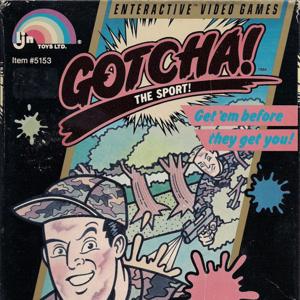
I think that this game has a lot going for it. I think that it's very polished. It has interesting story beats. It has interesting fail states like we talked about. Um, and I think it's also got a great, really good core loop with a lot of different features involved. And I'd rather play this than gotcha the sport, you know? Um, so I think because of how innovative it is as a kind of on-rail shooter, that's 8-bit that is still fun to play with tight controls. I'm going to say this is an essential NES game. And that is one vote for an essential game. Now, uh, either if Sean or I puts it on the essential games list, it will become an essential game. And we will do, we will find that out right now with Sean.
Um, all right. So like I said before, I, I haven't experienced this game entirely as it should have. And I, and I know that like it's, it's designed to be played with a light gun or with a controller moving a cursor on the screen. But I still believe that this game is meant to be played with a light gun. Um, I, I did enjoy playing this game, uh, with the cursor.
I don't think that I can in good consciousness say that it's essential based on that experience, but I would 100% be willing to revisit this in our best of 89 episode. Um, if this doesn't get on the essential games list today, uh, having played it in the other state. Um, but as of right now, I cannot put it on the essential games list just because I played half the game pretty much. I think that's a fair assessment. It's like an abstain. And, uh, yeah, yeah, yeah, exactly. I don't know how, I don't know how that affects like what percentage of people need to vote now, but it's a no, it's a no, it's a no. Well, here, here's the thing about Operation Wolf.
Everything that, um, I complained about in this episode was just like from my mind running wild of like how they could have taken it further. And that's really because I enjoyed my time with the game a lot. And I feel like, you know, I just wanted more almost out of selfishness. Like they definitely provided, as we were talking about in the game, they, they provided a polished game here, uh, that yeah, like at times are there a lot of enemies on the screen?
Sure. But do they give you a large health bar and plenty of time to take out these enemies? Yes. Like you always get resupplied. Like power-ups just drop all the time. It, it feels good to keep playing the game and it does feel like you're making solid progress as long as you keep playing. I'm not saying you're going to beat this on your first time through, but what kind of game is that? Who wants that experience?
Babies. Where this, yeah, where this stands on like Zapper games, this is the best one. This is, look, a lot of people know this. I was never too hot on Duck Hunt to begin with.
Um, it's like, it's like. Only comfortable to say that when Joe isn't here. Yeah, yeah, yeah. That's true. But, um, you know, I think with Duck Hunt, that also, you know, it's on our essential games. Listen, I'm not saying like only one Zapper game can survive. I guess what I'm saying is, is like through the six or seven levels, however many there are in this game, I felt like I was getting a, a good experience as I was going through them. And there are some different, you know, like there's some different rewards for completing the levels. There's some different things that happen in the levels. It's not just the same, like shoot them all and move on to the next.
It's the right amount of like action in a eight bit light gun game. I can't say like how the arcade game version plays. I didn't play the arcade one. And so I can't tell you if it's better or worse, but for an eight bit NES game, I feel like this is the Zapper game to play. This is the one that's going to resonate most with people who play video games today. And for that reason, it's on the essential games list. We did it, Sam. Yes.
And I will say. We don't have to, we don't have to wait till the 89 episode. I will say that like, uh, of any of the light gun games post, I guess, gumshoe, uh, this has been the most interesting, regardless if I was able to play it correctly or not.
So I, I don't feel bad that it's on the essential games list. I almost wish that I could have been a part of it, but you know, I have, I have more morals to uphold. Yeah. But you know how like every, I want every game to have like a big bad and a villain and stuff like that. The podcast, I was thinking about it when I was hearing the waves and what the podcast should be and stuff like that. I was realizing like, you should really be the enemy of the villain. I'm the villain. You know? Yeah. You should be the villain who like pulls the rug from under us every essential games list. I mean, I think, you know, if you were to go into the statistics of the show, I think I'm a vote on 90 something percent of all the essential games list.
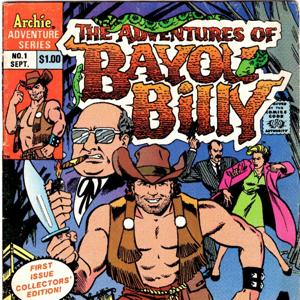
Just if you, you know, if you want to get to the brass tacks of it. So you're trying to say I'm the enemy. I would say that you're the enemy. I would say so. I mean. I'm the enemy of all Zelda 2. Yeah. That's what I, that's exactly what I was going to say. Yeah. Which speaking of, I will tell you right now, I think Operation Wolf being on the essential games list and Zelda 2 not makes perfect sense to me. I would say the same. Yeah. There you go. Okay, great. Great. So we're in agreement. Next week we have the adventures of Bayou Billy.
Ooh. You know, now I don't know, I don't know enough of, I don't know enough words in the English dictionary. So is there something I should be able to tell about this game based on that title other than it potentially being a like adventure game and a Western setting? Bayou is Louisiana.
There you go. So it's already, I'm already wrong. Yes, you are. So it's like, what would be like, are we going to be in the mud? I would say this is probably going to be closer to, no, I was going to say Deliverance, but that's more Appalachia. It's a 2D swamp platformer. Yes, there you go. That's a perfect explanation of what I imagine this game to be. Sam, final guess. What is the adventures of Bayou Billy? Hmm. I'm also going to guess 2D swamp platformer. I'm guessing lily pads are going to have something to do with it because that seems like, you know, that seems like a gimme for, um, is it going to be a math based game with like fractions? Oh, I hope not. I hope they don't trick me like that.
Yeah. I think that's probably like the PC spinoff game, uh, the math adventures of Bayou Billy. Like, did you ever notice that there were so many like computer math and reading games based on like beloved IPs? Yeah, I still have some memories of the Sonic, uh, the, the hedgehog one. Yeah. I mean, I, I, I'm not even talking about just video game characters. I'm talking about like, you'd buy like Lion King on PC and it turned out to be like a crossword game. It's like, yeah, shut up.
I wanted to play as Timon and Pumbaa. That's true. Uh, all right. Well, you know, maybe one day we'll play as Timon and Pumbaa. Probably not on the NES, uh, cause Lion King didn't come out as in 1994 and the console ends in 1994, but we will be playing a lot of other games and we'll be reviewing them and we'll be doing the essential games list. And it's all up to you people, the listeners to tell us just how wrong we are. And I'm not saying how correct we are because you guys really only tell us when we're wrong. Yeah. I never really get like a, oh my God, you guys nailed it. Uh, it's never happened. It's never happened. No, not much praise from the, from the listeners out there. No, that's okay.
Yeah, it is okay. And, uh, another thing though, we do like hearing from you guys, whether it's a positive or negative. So please tweet at us at NostalgiaCast, um, where, you know, after this episode, I'll be posting a image of all of the games that we voted an essential game so far. So you can see that Zelda two is still not on there and that, um, you know, balloon fight will never leave. True that. Yeah. Because I believe in it. And if you believe in the fight of balloons, you can believe in almost anything. Yeah. Thank you.