
262 · The Miracle Piano Teaching System
The Miracle Piano Teaching System teaches piano to beginning / intermediate players using a combination of scripted lessons, dynamically created lessons, and piano-themed video games.
- You’ve got the keys in your hand!
- NES Longplay
- Introductions
- Not a real back of the box, because this games box was actually the whole piano.
- Which is a great segway into the elephant in the room, this is not playable via any other NES controller or even emulation. Well unless you’re really skilled with emulation and can configure MIDIs properly.
- Overview
- This is not a game, it’s a teaching system. There are some minigames we’ll get to later. Oddly not labeled part of Nintendo’s Education line (which only had DK JR math). They abandoned all that.
- Here’s the thing though, by all accounts this will actually teach you the piano. This isn’t Guitar Hero. This teaching system wasn’t just on the NES and the way it works under the hood is pretty cool.
- The video game component of being able to receive lessons and watch videos, but also be told you’re pressing the right or wrong button is the key difference between this and those teaching keyboards with red lights
- With the exception of the metronome that is used in the Miracle system's lessons, the Miracle system does not ever generate sounds through the video game console hardware. All MIDI information (including backing tracks, menu tracks, etc) from the console is converted into audio by the instrument's built-in ROM and played through the instrument's stereo speakers, allowing the keyboard to be used independently of the console.
- The Piano
- Very bulky. Requires a separate power source and you have to plug the piano into the 2nd controller port on the NES. There are 6 different effects for the piano and you can toggle the effects to split them on the keyboard. One half synth, one half organ for example. You can also use a “select” button on the keyboard in combination with the volume keys to get different piano sounds like New Age, Rock, Jazz, etc. There was a foot pedal, which I didn’t get, but that’s being very generous calling it a foot pedal. It’s a little thing with a button that you push down for the pedal effect.
- Teaching
- Over 100 lessons starting from just learning the keys to the chords, to the pedal, to playing full songs.
- The way it teaches you is that on screen it shows the keyboard and a bunch of numbers on the keys, so rather than saying E flat it just gives that #2. Then there’s a bunch of numbers on screen and you have to press the keys that represent those numbers in the same order. It also tells you which finger you should be using for each key so you’re not just hunting and pecking with your index fingers.
- But you can’t just slowly play the keys, you have to play to the beat of the metronome. The metronome only comes out through the TV while the piano notes comes out of the miracle piano.
- THEN it flips that number system into the letter system so you learn that the key that was #2 is now E.
- THEN it starts showing sheet music with the numbers next to the notes so you know the number, the key, and now what the note looks like on the sheet.
- THEN you can imagine where it goes from here, it literally starts teaching you the nuances of playing the piano and reading sheet music. Different time signatures, quarter notes, eighth notes, rest notes, ties, etc.
- Minigames
- Robo Man where the player has to press the correct keys at the right time to create a bridge. If they miss, Robo Man falls and the player loses.
- In the duck hunting game, the player has to press the keys that correspond to the positions of the ducks on a musical staff to shoot them.
- In the Ripchord game, players must press the correct combination of keys for a chord to land paratroopers onto a target.
- Success
- The Miracle system failed commercially with its high price of US$299–US$419 (equivalent to US$561–US$786 in 2021, depending on format),[10] but it was overall well received by critics.
- Sequels and Spinoffs
- There’s n
- Around 1995, technology from the Miracle system was incorporated into the Piano Discovery System, an interactive PC software application that works with any MIDI keyboard including the Miracle keyboard.[6][7] By 1997, the Miracle product had been discontinued in favor of the Piano Discovery System.
- Video games as education tools
- Why we didn't see more of this with other instruments or crafts
- EGL
- If we’re just judging this on minigames, then no its’ not an essential game. If we’re judging this based on it’s merits of teaching you the piano (which I DON’T think is EGL criteria) then I’d say this is a pretty neat way to learn an instrument. Not a video game though in the traditional sense and therefore not something I would recommend in the present time.
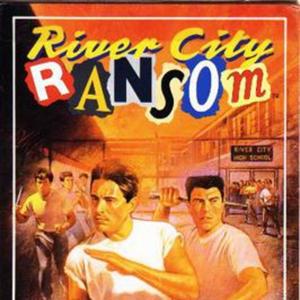
- Next week - River City Ransom
- NEStalgia Byte - Captain Tsubasa II: Super Striker
Auto-generated transcript. Each paragraph starts with its timestamp. Speakers are not identified.
Miracle Piano, the keys are in your hand.
And welcome to NEStalgia, a chronological exploration of every NES game released in North America. I'm Mike. I'm Sean. And I'm Joe. And that was not a real back of the box because this game's box was actually the whole freaking piano. There's no like separate like Miracle Piano cartridge only box sold somewhere. So it was just a bunch of jargon on the back of the box. And I thought that was clever. So I'm going to give myself a point there. Yeah, I was going to say that was a good back of the box, but you've come a long way. And if you want more creative back of the boxes, we do that all the time on the Bytes episodes because I can't read Japanese.
You could if you tried, but that's not why we're here. We're here to talk about learning how to play piano on the NES. Yeah, the ultimate video game experience. Yeah. Like this is an actual like application software.
Yeah. And so, you know, great segue, Sean. This is this is not playable via anything other than that giant piano with the box and everything that I was talking about a second ago. That's the only way to play this game. You do need an NES controller as well. But you need the piano to actually register that you're hitting the right keys so that the program, the application can continue to move along and recognize that you're playing the notes correctly. So the only way to play this game, unless you're really skilled with emulation and configuring media outputs and stuff like that, you know, there's M-I-D-I. I think those are called media.
It's really like most NES emulators cannot do this. You definitely need the actual miracle piano. You can't like fake it with even like another keyboard. So it just takes a lot of effort. So the really the only way to really experience the miracle piano is with the actual hardware,
the NES, a CRT, an NES controller, like you need everything. You need to basically find someone's old game room and hope that they have all that equipment so that you can get your hands on really checking this out because otherwise this is now what the kids would call like a Twitch experience where you just go on YouTube and you watch someone else play the game and you say, hey, that's how it's done. And that's what it was like. And I'll never experience that. I mean, but you did though. You did. I did what Mike said, but Mike, you did some real real shit.
Yes. So, you know, unlike the power pad, the miracle piano works pretty well when you buy them and people have them on the reg. I was kind of surprised to find out that like when I typed it on eBay, it's not like you're competing with the other bunch of other bidders for the one working miracle piano. It's just like how much you're willing to spend on it and adjusted for inflation. These things were like $500 back in the day. So to get them for a hundred is kind of like the steel. Oh, wow. Yeah. I'm also surprised that like, you know, just by the market, uh,
ebbing and flowing with NES games and paraphernalia, uh, along with the NES chronological exploration that there wasn't like a long lead up in price, uh, culminating on like yesterday, you know? Yeah. No, knowing the amount of listeners that we have, you would think that they would all be buying miracle pianos to properly experience this at the same time as us. And for the most part, everybody who wanted to get their hands on a miracle piano could have based on what I saw, uh, in terms of listings and stuff. Now I've never seen one at a thrift shop or anything. So people who have these things seem to know what they have. It was something you definitely had to be like, make an educated decision to buy again, $500
back in the day. So you're not like, you're not getting this unless you can convince your parents that you want to learn the piano. Right. I see it. First of all, I want to say that I do, I do quite regret not, not buying one of these and trying it myself as I've been looking into it this week and watching some streamers and stuff, uh, learning. Uh, I'm like, oh, that could have would have been fun to try. And like, maybe I guess it was a little more accessible than I thought it would have been, but is it confirmed that you need a CRT?
I know like, light gun games and stuff you do because of the way the light gun works, but are the inputs like in some way only? No, you would need a modded, you would need a modded NES though, right? Like how else would you, I'm thinking about the inputs on the back of an NES. Maybe I was, maybe I just didn't look at mine, but mine's hooked up to a CRT. So I just didn't think you could hook up an NES to an HDMI.
I think there used to be a coaxial, but I also thought, isn't there actually like, aren't there some that have the, um, what are they called? Video audio? What are those called? Auxiliary? Oh, the, uh, yeah, they have red and yellow.
Yeah. Yeah. So, I mean, so a lot of flat screens still have those. Oh, okay. So I guess I just wasn't thinking about it logically. So you don't need the CRT per se, but, um, you do need a red and yellow, uh, what are those called, Sean? You know, you must know. Yeah. Component cable. You need, component cable. You need a, uh, a TV old enough to still have those. Or a modded NES that lets you play on HDMI that stretches out the image to 16 by nine. And then everybody yells at you on the internet when you post a screenshot of it.
So, uh, do either of you guys have any history with playing piano or keys or anything like that? We had at my house growing up, my next door neighbor was getting rid of a piano. And for some reason, my mom was like, yeah, we'll take it. And this piano sat in my parents' house like my whole life.
No, none of us played piano. No one knew how to use it. It was always just sitting there. My sister tried to learn when she was little, right around the time we got it. Um, but then like that went away fast. And then we just had a piano for like 25 years and then finally got rid of it. No one ever used it. So like I would mess around on it and I could like play a couple of like things by ear by just screwing around. But like, I never actually learned any, uh, real piano. Was it like on display or was it in like a storage room?
Yeah, it was a piece of in our, in our front room. And it was, I don't remember, I don't know if my mom bought it off my neighbor or if she was just gonna throw it out and we just took it or whatever. But I know that like shortly after getting it, she was like, we gotta get rid of that thing. And then we just kept it for 25 more years. Joe, the same thing happened to my family.
No way. They were throwing the people like our next door neighbors were throwing out a, you know, grand piano or not a grand piano, the, uh, you know, a real full size, yeah, an upright piano. And my parents were like, oh, this will be great. Mostly as furniture, right? Like, but hey, if the kids want to play with it or whatever, but they decided to go a step further and move it down to the basement.
Um, which is just not a good spot to get rid of, you know, like to put something if you ever want to get rid of it. Right. So we, we brought it down to the basement. And I remember our neighbor helped us and the piano like slid too fast down the stairs and hit him in the head. And he was like bleeding out of his head. I was like, this is, it's like, this is not worth it for this piano that, you know, and then it was out of tune the entire time we had it. Well, yeah, it's just like, no, we also had keys that didn't work.
Get it tuned or something, right? Like if you took the effort to bring it into your house and then it just doesn't work, it was the craziest piece of furniture we ever had. We had to like hack it with an axe to get it out because we weren't going to take it back up the stairs.
Um, so that was my like, you know, regular traditional piano experience of just not playing anything. But we did have a keyboard that had all sorts of, you know, not unlike the miracle piano, it had all sorts of fun effects. Yeah. It could teach you songs with a, uh, it would highlight the keys in red of the notes you were supposed to play and then it would play the next note.
And weirdly enough, I have never touched the, or, or seen the miracle piano like learning system before I got my hands on this. And I learned in my own brain, the same way that miracle piano teaches you at the beginning by just attributing numbers to keys. And then just remembering like, you know, this song goes one, three, five, three, one, you know, like just something like that. And like using the numbers in my head, that's how I came up with it on the keyboard.
And then that's how miracle piano at least starts to teach you the placement of the keys by giving them numbers. And I thought that was crazy. I was like, Whoa, I haven't thought about this in 10, 15 years. Yeah. I, my experience was closer to that second experience. You said, Mike, where we did have like a Casio keyboard that had like 99 pre-programmed songs with different, uh, with different MIDI effects or whatever kind of
like tint, sorry, canned synth effects in there. And it also had, um, different layers of like tutorial where you could just play any key and it would play the song or then, then it's like you could play any key, uh, then you could play the key, but it would wait for you to continue the song. And then it would just keep going where the song is playing with, with, or without you. Uh, and you have to actually be good at playing the piano to keep up.
So stuff like that is what I'm used to, but, and so it's good to hear that this miracle piano actually comes with tools that let you learn. And while we've mentioned that it's not a game, it's a teaching system, there are some mini games, but we'll get to them later. Um, that, you know, cross the line into video game, but this is kind of a weird thing for us to cover.
We are out of our element as we all just described our piano experiences and stuff. So this is not going to be the episode where we try to, uh, explain how to play piano or, uh, really get into depth on any of that. We're going to talk about it, you know, as much as the game covers it. But if anybody was expecting to learn or think that we learned how to play piano for this episode, you will be disappointed.
By the end of this episode, you will be, you will be able to play piano. You will be able to play hot cross buns. Yeah. Listen to this in your sleep for a month and you'll be able to play piano.
Oddly, this was not labeled as part of Nintendo's education line. The, you know, the thing that only had Donkey Kong Jr. math and nothing else. Um, they, they just abandoned labeling those games altogether, right? Those were just the black box games that got labels. It's no, no longer do we hear like, this is part of the action series. And this is part of the zapper series. I mean, I think the world's a better place for it. Yeah. You can't categorize your life like that. Exactly. That leads to, uh,
mental asphyxiation. And even though we're not going to teach you how to play piano, my understanding by all accounts of, you know, people who have had this thing for many years and, um, people who have played it on YouTube to show how it works and stuff like that. And the, probably the most famous example of the miracle piano is, uh, the speed runner, the Mexican runner who completed every NES game ever actually completed and pretty much learned the piano in order to do so completed all the lessons in miracle piano as part of his like objective to beat every NES game. This isn't guitar hero. This isn't like making,
you know, like fun ways to like see the notes and then hit the right keys at the right time and just learn gimmicks. This is an actual teaching system that wasn't just on the NES. The miracle piano was a whole line of things for computers, for other consoles, uh, you know, and the way it works under the hood is actually pretty cool. So I think like, you know, it's just different than we've ever talked about before, because I, I, I don't know if you guys were even thinking guitar hero or rhythm game equivalent, but I'd argue that, uh, you know, like I've always argued Mike Tyson's punch out is more of a rhythm game than this game.
Yeah. Yeah. I mean, when I first, uh, watched any content from this game, all, I, all thoughts of guitar hero were pretty quickly out of my head because I mean, so I watched like the main thing I watched, I watched a couple of different things, but the main thing I watched was the Mexican runner stream.
And, um, it is actually pretty remarkable to see him start. And I mean, it doesn't seem like he has any, uh, knowledge of playing piano. And at the end, like he's not a, you know, he's not going to be like at some like grand piano recital or anything, but like the guy, it, it sounds like he's playing the piano. Like it actually kind of blows my mind. So like when you watch the regional thing, like they are like little, you know, I would equate them to like online lessons or something. I, it feels like that. I'm curious, um, how you felt actually with the software Mike, but if you felt like you were learning anything.
Yeah. Cause the, the video game component of this or the, you know, the lessons, uh, it's not just watching videos. Like I feel like some of these Casio keyboards that you would have got would have came with like an instructional DVD that you would have had to like follow along.
But the fact that now you have an input that not only tells you whether you press the right or wrong key, but also the difference in timing. So, you know, if you play like, if you play a little bit off the, there's a metronome that just constantly keeps ticking, play a little bit off that, that also doesn't count. So it's not just waiting for you to hit the right notes. You have to be in time. That kind of direct feedback is what makes this probably more impressive than other ways to learn the piano. That that's gotta be the sell, right. Is that there's this interactive component.
Yeah. And like sort of to bring it to a modern equivalent, this reminds me a lot of Rocksmith, which while it didn't give you, um, like this is something that I had on the PS3 back in the day, it was a fun little oddity that I sort of like my last gasp to try and continue to learn guitar.
Um, but it was, uh, it was the disc and then it was a USB to a quarter inch jack and you would just plug your actual electric guitar into it. And I don't know if it was like spectrum analyzing or something, but it could tell what you, what string you were playing, what fret you were at probably just by telling like the actual note you were playing. Um, and it would have like a guitar hero ask like fret, but it was an actual, like, this is the actual music you're supposed to be playing, not this rhythm game, uh, input button.
Um, so it, it also had a lot of like teaching mechanisms, not so much game stuff. So that's like how it, that's what it sounds like to me, at least for piano. And you, you're saying any guitar would have worked. You didn't have to buy like Rocksmith's guitar. No, any electric guitar. That's amazing. Yeah. That's like, that's what I feel like was missing here was either, either one of the other things should have happened either,
you know, the miracle piano should have been the software and you could have plugged in via the power of a MIDI to NES controller, like plug in any keyboard of your choosing, or it could have had the NES controller like built into it. And then you could have a lot of fun playing other, like, you know, trying to beat Mega Man on your miracle piano.
Yeah. I guess what, what, what, from what you're describing and what I've seen in videos from the game or videos of people playing the game, uh, is that there's a lot more information coming to and from the keyboard. Like the audio of the game itself comes from the keyboard. Like nothing comes from the TV, right?
Right. Not, well, the metronome comes from the TV. So that it's an interesting distinction to like just pop that out. But yes, the metronome comes from the TV and everything else comes out of the keyboard. So it's not just the keys that you're pressing. It's actually like menu music also comes out of the, uh, speakers on your keyboard. So it's like, I don't, I'm not sure why, um, they make that distinguish, but yeah, it is nice to have the metronome not be like interrupted as you're playing keyboard sounds because you're using that to keep time.
Yeah. I mean, I think it's a, it sort of calls back to, you know, you wouldn't have the metronome right in your ear. It would be somewhere in the room, but not right there. Right. I don't know. But on that, on that Casio keyboard, or I don't know what I had, I don't think I had a Casio, but like on that keyboard you were talking about, um, and the one that I had that lit up the red lights to show which keys to press that one, the metronome was also on the speakers.
So you would run into that problem. Yeah. That, I mean, that's more so out of necessity because Casio or whoever isn't just going to make another plugin of like, okay. And then the, the clicks will come out over here. I guess like with this game, they could have a second output. So it would make sense to put that somewhere else. I do like the idea though, that like your whole giant blocky CRT TV, in 1990 was just functioning basically as the metronome.
Like, like, I guess there's also text on the screen, but, or like stuff you're seeing on the screen, but audibly the metronome. And the piano itself is pretty bulky. It's definitely not, uh, you know, the piano that I brought down to my basement and that my neighbor hit his head into, but it's just a bulky full size keyboard. It's not a, not a midsize or like, you know, just one set of keys that then you have to like toggle to get to the next octave.
Uh, this is, this'll do it all. So it does require a separate power source that you have to, uh, plug both into the piano and to an outlet. And then you also have to plug, uh, the piano into the second controller port on the NES because the first controller port is your NES controller that you use to cycle through the menus and decide to take on the next lesson. There are six different effects for the piano and, uh, you can even toggle the effects to split them on the keyboard. So like half is like synthesizer and half is organ. Thought that was pretty cool.
Um, but you could also just have the whole thing be a synthesizer and the whole thing be an organ or the whole thing just be electric piano. Uh, and then there's the select button on the keyboard, which if you use that in combination with the volume key, you can get different piano sounds, like new age rock jazz. That was less cool than the, um, like synthesize, like turning your computer, your keyboard into a synthesizer, but still impressive options. And I didn't have this, but apparently there's an overlay that you can put over all these, um, these buttons and lights to explain like how to access those other things, but you can just look it up online. So it's not necessary.
There was a foot pedal, but that's, that's the crazy expensive thing. And when I say foot pedal, I'm being generous. So I didn't have it, but I saw it online. Yeah. It's a little button that you push down for the pedal effect. Like you could almost like, you could hold it in your hand instead, you know, if you want to play like one handed keyboard and then just push this button or have somebody else push the button.
Honestly, like it's weird that it's like, it's actually just a clicker. Yeah. I feel like the, from what I've seen, uh, the fragile construction and just how little of, like, if you're going to be wearing shoes and you're going to use this thing, you probably are going to have like press the button down without even realizing it. You might crush it. I'm pretty sure a lot of these just didn't survive the first user.
Yeah. And I think that's got to be, or, or it's just so small that it went missing, you know, or, you know, who, who can say, but that is the, um, as one of our Patreon members said, that is like the Holy grail of this thing that like, that's what, that's what brings this thing back to its $500 price tag is if you had the foot pedal.
What did, what prices are the foot pedal? Did you see? Well, the thing is like when you see complete, right. With like a nice box and the piano and the foot pedal and the controller and every, uh, cartridge that is like some people are, you know, buy it now, 1500. That doesn't mean they're going to get it. You know, that doesn't, you know, they're just putting buy it now's at those prices. I didn't see one go for auction. I don't know if I would have even toyed with it because spoiler alert, I didn't learn the piano here. I never got to the foot pedal lessons. So it's not like it matters.
Um, but like, Oh, so there are actual lessons. Oh, it's required. Yeah. Yeah. Oh, okay. Well then that's a, that, that sucks. Yeah. It does suck. But again, you know, we're just, it's like Duolingo, right? When you join it, you don't think about beating Duolingo, right? Like you don't think about like, Oh, I can't wait to get to that very end of the scroll and learn the most complicated words in that language. Like most people just stop after like the fourth series of lessons.
Right. But, but I guess I'm curious, like, yeah, you're, if you're trying to be like a completionist and, and beat the game, then that sucks because you can't, but can you just like skip the foot pedal lesson or is it like, okay, from now on in order to pass these lessons, you're going to need to be using the foot pedal or in order to like not pass these lessons, but even get anything out of these lessons. Right, right. You need the foot pedal to achieve the effects. Does that make sense? Right.
Yeah. Yeah. But I, you know, so I'm assuming it'll like not, it'll like say nope, wrong, like you failed or whatever. If you're not using the foot pedal and you're not going to get anything out of the lesson. Yeah. The nicest it might be to you is just like, you know, say that you messed up a little bit, like, because it's not just pass or fail. It does tell you like, if you played it perfectly or if you played it really poorly, but it also tells you like, you know, not bad. Like, so, so there's a spectrum of things. So at best you would get like a not bad for not using the foot pedal, but on, you know,
on the later songs that it's teaching you and the later techniques it's teaching you pretty much required. Right. And so another question, uh, it's because it's not this like, um, you know, not really supposed to be a gaming experience. Can you just choose any lesson or do you have to go like progressively, like you have to unlock each lesson? Yeah. So when you start the game, you actually get to choose not only what section of lessons you want to join from, uh, I think one to 36, you also choose whether you're a child or an adult.
And that, um, you know, changes like, I guess what they think, you know, about the piano. I chose child thinking that that's the beginning lessons. So the way it teaches you on the screen is that it shows the, it shows the keyboard and then it puts a bunch of numbers on the keys. So rather than saying E flat, it just gives you, you know, this is number two and the key next to it is number three. And there's a bunch of numbers on screen, like a floating above the keyboard that you have to press in order, um, that, you know, that represent those.
So first it starts it off, just press the one, which is your thumb in this case, then two, three, four, five, four, three, two, one. And it waits for you to like push those buttons and you, you know, it's, it's just neat to see that it's recognizing your keyboard with the NES.
But that's like that, you know, that is just the first thing that it tells you. Then it says like, all right, well now do it, you know, in time. And then you do it with the metronome. Then it's like, all right, well now we're going to speed that up. And you keep, you know, you just keep slowly learning information.
I use Duolingo as like a reference earlier, but this thing, honestly, it teaches you way more efficiently than Duolingo does. I would think it's strange for lesson, a language lesson learning when they're like, the first thing you need to know is like this particular animal and how to say like mother. And it's like, I'm just trying to go abroad and understand like the, you know, just the general phrases that I need to know. And you think I need to understand how to say owl in French.
I'm never going to say that to anybody. I don't know. I can't really respect this game. If, if, if you're going through your scales and get to like actual music that quickly, because from what I've been told, uh, music lessons and piano lessons, especially have to be scales for like at least the first year. Yeah. You're playing a song by like lesson four. I think, I think they give you ode to joy, um, as your first song. Oh, the, the get the drink milk song. Yeah. What's the drink? Is that, is that, is that what you call it?
Drink milk, love life. Yeah. Yeah. Yeah. Yeah. We, we, we might get demodized. Yeah. Absolutely. But, oh, I didn't know. I didn't, I don't know that. I don't know that reference. Wow. Okay. The drink milk song? Yeah. Western New York stuff. Crazy. West. No, no, no. Not Western New York stuff.
Everybody knows it except for you. Well, to get back to the teaching, um, it's not, it also teaches you which fingers to use for each key. So you're not just doing the hunting and pecking with your index fingers. Like some people do for keyboards, uh, mechanical keyboards, like you type on a computer.
Um, and then, you know, it evolves from there. So like we were saying, you, you start to learn songs and stuff like that, but you also have to learn chords, you know? So imagine the system starting with the numbers, then it flips the number system into the letter system. So you learn that, Hey, that key that was number two is now that's actually E flat, you know? And then it starts showing you sheet music with the numbers next to the notes. So, you know, Oh, Hey, that number was that key, which is now what that note looks like on a sheet.
And then, you know, you could see where it goes from there. It literally starts teaching you the nuances of playing the piano and reading sheet music. There are eventually not lessons I got to, but there would be different time signatures. There would be the understanding of the quarter note and an eighth note, um, rest notes, right? Like actually counting your own rhythm instead of the metronome. Like it's, it's pretty damn advanced, but to Sean's point, I felt like it got there pretty fast too.
You were, you know, you were saying like, you need to know scales for a while. Like I felt like I needed a lot more before I was, uh, thrown into it. Yeah. I mean, I wish I could remember how to play, uh, how to read sheet music. And it sounds like you got to this point where it was somewhat legible pretty quickly. Um, so do you think like, maybe you can't read it, read it, but like, do you have like an idea of it right now? Sure. But I would, I would say that I did band for like, um, probably at least, at least eight years in, in school, uh, elementary school through high school.
So, you know, I knew I actually played trombone. So it was a different, instead of the like, um, I forget what it's called, but whatever that clef is that starts the sheet, mine's the bass. Yeah. So mine was the, yeah, mine was the bass, um, clef. So, or I don't even, clef is the right word. So this is how bad I am with music, but basically my notes didn't translate exactly. So what was a for me wasn't a for the
piano. So it actually took a little bit of like rewiring and maybe confused me a little more. So I just literally started remembering the numbers more than anything, which is probably not the way that they want you to know the piano. Probably why I didn't progress that fast, but I already had an idea of like how sheet music worked. It doesn't quite get into the nuances of that in the game.
Well, speaking of like band lessons and stuff, I mean, I, I wonder if this is a tool best used as like homework for your actual in-person music lessons. Like, I feel like that's, as someone who didn't play it and also doesn't play the piano, but like, it feels like that would be the best combination is like, you're going to your lessons and this is how you practice,
you know? So it's like, you're getting some of that in-person stuff. That's like maybe taking that time in between your first scale and suddenly ode to joy. Yeah. I'd say that this is less, uh, the, the situation that Mike described of like, you're a kid and you're like, mom, mom, I want to learn how to play piano. Spend $500 on me. This is more the mom saying you will learn to play the piano. And I know you hate going to your lessons, but we're going to make the NES another version of your piano lessons. So here it is.
Yeah. We're going to take the thing you love and make you do the thing you don't want to do. And just to be clear, like, you know, there are many songs that you learn, but the ode to joy that they throw you into on like the fourth lesson or whatever, you're only playing the melody. You know, they haven't taught you, uh, the chords yet or how to even play with two hands. So it's not like, I didn't want to make it seem like all of a sudden they were like, great, now play this full song. Yeah. This is like, play that one thing from the Lincoln Park song and like fourth grade everybody tried to do. Yeah. You might work your way up to like the Rugrats team or something.
And then for the mini games, um, there's, there's three mini games and they are thrown into the lessons as well. But, uh, the first one you're, it kind of reminded me of gyromite just maybe like graphically, but you're this like Rob style robot that is moving to the beat. And then there are, um, you know, the, the note is presented above his head at a certain point and you have to hit the key at the right time. And you are playing this like to a song, which is kind of nice, right? But you're, you're hitting those keys at the right time to create a bridge for the robot to continue to walk through. If, if you miss the robot will fall and then you'll lose.
So that kind of like gamifying, it's like, I'm not quite sure that should maybe should have just been like its own thing entirely, not like part of the lessons. Cause I get like, in a way you're having fun and learning, right? But that just feels like it's all three of these games that we're going to do, just feel like they should just be their own thing. Oh, wow. I only saw some footage of the first one. Please describe the second. So there's a, there's a duck hunt one as well, where, um, you have the ducks populate and then they have the, um, you know, they have like the key that you need to press above them. And then you click that key and it shoots them.
So again, just to, just to get with it, you know, that's not different than the robot game, right? Like they just gave you a different graphic way of understanding. It's like different sheet music. Well, isn't it kind of different? Well, one's different because the other one is kind of rhythm based and this is specific keys. No, no, no. You have to, this is like, you have to, the robot one, you still have to hit the right key though. It's not just hitting any key to the time. You have to hit the correct key.
I see. I still think now what you've got like four or five inputs, maybe this is just like a slightly higher difficulty. Yes, that makes sense. Yeah. More difficult. Right. Yeah. Cause the, the, the duck hunt thing looks a lot more like a bar of music. So I feel like maybe it's like getting you a step closer to like associating it with the reading music, you know? Yeah, I, I, I guess I think Sean's more right that like each one of these games is just like increasing the skill level. So like Robo man was playing like one note at a time.
The duck hunt game is more like, you know, managing all the, you know, the ducks on screen. And then the final one with the paratroopers is about pressing the correct combination of keys to make the cord to land the paratroopers onto the target. So it, it is kind of teaching you, but again, it's, it's really just the same game with like, it's almost like the, the, the Sesame street style of remember how like it presented itself as like an option menu with seven different games. But really it's just like now instead of letters, it's words. And now instead of words, it's matching words. Like it was just taking like one extra step.
This one at least was nice enough to change the game at least. So it's not like it's just the robot building bridges, but this time you press cords instead. So I give them kudos for that, but it just felt like it was against the learning. I still gotta, gotta, I still gotta say though, I do think that the duck one, I mean, looking at it, it's the, the ducks are on the bar in the act where the notes are. Like I think that's what makes it like the next step. That would make sense. Yeah, no, of course you have to. Yeah. You have to do it in order. Oh, okay. From left to right. Then yeah, it's, you're doing, you're playing a melody or you're playing a bar. Yeah. And then also like with the robot one, it's just like, it's, it's just like totally,
it looks to me totally isolated from anything that's like music related visually. The duck one, like it's a bar of music where the ducks are on the bar. Like, oh, this is a B plus or a B flat, a B flat because it's like where, you know, it's on the B line or whatever. And this is, this is an F note because it's on the F note. It has a triple A rating. Yeah. It's a B plus, it's a A minus. No, I like that. I give that explanation an A plus. An A flat. It fell flat. Wow. I'm right.
The miracle system, right? Like not even just the NES version, but just all versions of the miracle system. Apparently it was a commercial flop because they wanted anywhere from 300 to $419, which is the equivalent of 500 to $800 today.
Depending on which, like which console you bought it for computer you bought it for, you know, I think they were asking way too much, right? That's why I was saying like, I'm kind of surprised they didn't just like shrink this down to like half a keyboard to get this thing rolling because that's a large, like the NES, I don't even think was that expensive. $299? Wasn't it like 200 and you also got a zapper and duck hunt? Like that's crazy that like, you'd have to convince people to. I mean, can you use it?
Can you use it unplugged from the NES? Like, is it a working keyboard outside of the game? You know, that's the one thing I didn't, I wish I would have tried that. I'm sure it would work, right? Because it has its own power source and the sound is coming out of that. So that makes sense. Yeah. That would make sense to me to be expensive if you're also getting a functional standalone keyboard. Right. That's what I didn't consider, but I guess I'm just, and sorry for cutting you off there, Joe, but I guess what I'm getting at is like, you know, for this thing to work as a commercial success, you kind of just wish that they produced a cheaper accessory, right? Like people were used to paying,
you know, the console should have been the most expensive thing. So you kind of have to at least come in under the console price, right? Yeah. It would be nice if there was like a cheap, I'm thinking of like a piano that you would get like a toddler version that comes with the NES, that comes with the game or the option to buy like the advanced actual keyboard for $500 or whatever it was. Yeah. I mean, and also like even in modern parallels, like you can build a computer for $800 and then buy a $1,200 VR headset or something like that. I mean, it's not on, it's not completely.
Yeah. And that's, but that's true, Sean. And also though, VR headsets while not being like, you know, gigantic profitable enterprises aren't commercial failures either. Right? Like the valve index by all things that I've read, isn't like valve is now struggling to make a profit off of it. No, I mean, I think their business model makes it so that they're somewhat profitable and they sell out. Right. So I guess I, I, I think like Miracle Piano shot, uh, you know, they, they, they dream too big for, for starting off.
And it's why we didn't see a lot of this with other instruments or even just like other crafts. Like, I feel like it is cool that the video game, especially back then, it was probably even cooler that the video game is the teacher and is able to actually explain to you, like what you did right or wrong. Like that was maybe the one thing I should have talked more about is that it is cool that timing matters, not just pass fail.
And that that's something you can't get off of a instructional YouTube video. Like there's no feedback there between you and the person you're watching. You're definitely going to get that on a DVD back in the day, but even the keyboard I had, it was just like, it, it was either the keys, the, the glowing red keys kept moving along to the next set of keys that you had to press, or you could set it to this way. It would wait. And the song would just stop completely until you pressed those keys. And neither one of those is really teaching you anything either. This is the first one that I feel like it's actually saying like, you know, yeah, you are, you are, you're getting it. Like try that again.
So it'll give you like a statistical feedback. No, I wish it would have actually said like you hit 80% of the notes. Like I do think it should have incorporated some of that stuff. Um, and, and it does kind of only give you a pass fail reading while it's actually playing, uh, the song that you're playing back to it. It only gives you that, but it, it, the actual, you know, when it goes to the green chalkboard screen, like that is customized to based on how you played.
Got it. I mean, plus just the fact that there's literal like instant feedback while you're playing, even if it's not feedback, like it telling you what you're doing right or wrong. I mean, you can see on the screen what you're supposed to be doing and you can hear that you're doing it wrong. You can hear that you missed this note in real time. You can hear that you're not, you're not in time, you know, a sheet of music.
You can't do that unless someone, you have a metronome or someone else is there telling you, Hey, that, that was out of, out of time or you missed that or whatever. Like this is a lot more precise in that way. Right. So I want to know like, where's my NES cross stitching game where, you know, like where's my NES basketball game where, you know, it teaches me how to shoot my shot better because that's one thing I cannot do with a basketball. I always shoot like left. I don't know how that's possible, but I, if I line myself up just a little right to the net, I know I'll have a better shot. I won't make it in every time, but I'll have a better shot because for whatever reason, my hand just throws the ball to the left.
These are things that like after seeing the miracle piano, I just wonder like what other crafts, not even musical instruments, what other crafts could they have included to teach you using the power of video games? I really don't know what's even possible aside from music. I think music is input output, like digital enough that it can be Hey, the game boy had that sewing machine. Okay. Yeah.
You got me, but you're right. No, it's true. Even like, you know, the Wii had an opportunity, right? To maybe get people's golf better, but it didn't, right? Instead, it just treated the Wiimote as something you swing, but it could have taught you like how you're swinging, right? Mm-hmm. You know what I think could translate well is just typing. Oh. Just get a keyboard. Like, see, it's always got to be some sort of keyboard, but learn how to type, learn how to type that. We should make it like horror zombie themed.
Well, that's what I kind of thought that, you know, when I was explaining the duck hunt game on this, I thought that that's what it sounded like was, you know, because you're shooting the ducks, it sounded like typing of the dead, but it's not. And also, Mario Teaches Typing is a game that never came to the NES, but, you know, Joe, it should have, right? They could have done it. I'm ahead of my time, except I'm actually behind my time.
You're smarter than the people from yesterday. It's true. Some of them. Around 1995, the technology from the Miracle System was incorporated into what was called the Piano Discovery System, which did not get, like, console ports or anything. It's not like, oh, this one's on the N64. It's, this was just PC only, but it worked with any MIDI keyboard, including the Miracle Piano Systems. So, they did get the memo eventually that, you know, Rocksmith, you just, you can't force people to buy a keyboard, but you can force them to use your software. And that's also, like, the time where, like, software was king anyway, right? Like, Internet Explorer domination and all that.
So, by 1997, the Miracle Product had been discontinued, and the Piano Discovery System took its place completely. And to be honest, I didn't look up if, like, that Piano Discovery System even made it out of that year or not. Maybe it's, maybe it's a big thing, maybe it's dead. Who's to know? Well, what do you think of video games as education tools? Is that, like, not even the same thing? Like, are LeapFrog systems and stuff like that, are those not video games? Or, is this not a video game? No, I mean, I think that, I think that video games as education tools can be video games. I don't think I would consider this a video game. I mean, maybe technically, but in some definition it is, but
The three mini-games, yeah. Yeah, sure. But overall, like, this is, I mean, this is, you know, obviously moving towards that category we've had for other things, where it's like, okay, this wasn't trying to do the same kind of thing most of the games we have are trying to do. But, like, I think that there's a lot of potential, even back in the 80s and 90s, of having, like, these educational games work and do well, and, like, be like, wow, this thing actually helped me learn piano. I think where it's,
I think the thing that something like this has going against it is that the Venn diagram of, like, everything that needs to happen has too many things in the center of, like, you need to have a kid who, or, you know, we'll say it's a kid, I mean, it's probably more likely children in the 90s playing on the NES, um, who has an NES, plays video games, is going to learn piano, and has a parent that is willing to spend the money on a piano, on a keyboard that connects to the NES, and an adult in the 90s who trusts the NES to be, like, a good tool for teaching something useful. And I just feel like all that stuff, like, probably a pretty rare consumer that fits all of those,
all of those bullets. Yeah, I mean, to answer your question, Mike, it is not a video game, those, those mini games not withstanding. It's just a piece of software that happens to have a video game system as its platform, I guess, you know, with the story of the naming convention of the NES, the Nintendo Entertainment System kind of, like, alludes to this, that there would be more like this. Maybe we will see more, maybe there will be a budgeting software that we have to review.
Um, but, uh... I thought that was, uh, Goosebumps. Very much. No, that was more, uh, that was more an allegory for, uh, late-stage capitalism, you know? Oh, right, right. Yeah, not so much an actual budgeting software. But, um, it reminds me of, like, nowadays you'll see on Steam, like, literally,
You Need a Budget is something you can buy on Steam, or, uh, like, 3D rendering software will be there. Like, it's definitely, it's obviously a video game marketplace, but the software kind of creeps in. It's sort of like that. Yeah, I think, Sean, when you were saying that just because it's on a video game system doesn't make it a video game, you made me think of old memories here.
Game Boy Advance Video, which was, uh, Game Boy Advance cartridges that contained, like, you know, The Adventures of Jimmy Neutron, and it had, like, four episodes on it. And you could watch them, and it was incredibly condensed. Like, I actually, I know they did it for movies, too. I have no idea how they crunched these things down to play, uh, on what are equivalent of, like, what, uh, 32 megabyte cartridges?
Um. They had movies on Game Boy Advance? That's how I watched Heat. Like, live action movies? That's how I watched Heat is a great line. Uh, they had Shark Tale, Shrek, and Shrek 2. Yeah. That is wild. I can't wait to see Shrek. I remember the video now. Yeah, the video now was a big thing, but this is actually the Game Boy Advance video now. That's wild. Uh, no, they didn't have the now in there. But, um, you know, those, if we were doing a chronological exploration of the Game Boy Advance,
I don't even know if I'd include those. Like, that's, like, Game Boy Advance Video separately is, like, branding it as a different thing, right? Like, there's Game Boy Advance games, and then this is Game Boy Advance Video. The NES, they didn't quite go there with this. They, they still, you know, they weren't, they weren't thinking about those kinds of nuances in terms of branding. The reason that I think that I would include this in, in our podcast, but not Game Boy Advance Video, is that Game Boy Advance Video has no user interaction.
Yes. Like, that's what I think sets it apart. I think anything that you are interacting with, other than, like, selecting something on a menu, uh, should be, you know, is great to be included in this. Uh, but yeah, if they were just suddenly, like, oh, they released a movie on the NES, I think, maybe we'd talk about it. It'd be fun to talk about, but I don't think that would be an episode that we would go to the Essential Games list with or something. All right, so, all this in mind about whether or not Miracle Piano is a video game, we'll take into account when we vote for it on the Essential Games list.
Sean might have already said this, but if we're just judging this on the minigames, which is the video game portion of the game, then no, it's not an Essential Game in my book. I didn't think that those were, I thought they were graphically fun, interesting ways to learn music, but defeated the whole, like, point about introducing sheet music and learning the nuances of that. So, if we're, if we're judging it based off of that, then no.
But if we're judging this based on its merits of teaching you the piano, which I don't think is EGL criteria, I never asked if Mega Man 2 taught me, uh, how to, you know, shoot an arm cannon. So, I'm not gonna judge whether I learned the piano or not here. I would say that this is a pretty neat way to learn an instrument. But it's not a video game, at least not in the traditional sense of what a video game is.
And therefore, not something I would recommend that you play in the present day when there probably, I don't know, there probably are better ways to learn the piano with, I don't know, maybe ChatGPT. Maybe AI can eventually teach us how to use the pianos and that'll be better. The Miracle Piano is a very, um, old, expensive, and, um, you know, I don't want to say outdated, because nothing's changed about how we learn how to play piano, but it's not complete. Sean? I would say that, like, this is a piece of software that, I think on the Essential Games list, I, it should, the game itself should be the rubric. Whatever it's trying to do, it should be eligible.
So, if this was the best way to learn a piano, then, and it was the, the best version of that experience on the NES, I'd say, you know, you could put it on the Essential Games list if you really wanted to, but I didn't play the game. Um, I'm just here sort of as an active audience member. Uh, so, I would vote not applicable.
All right, and Joe? Yeah, I have, I have voted not applicable for some, uh, of those Sesame Street, 1, 2, 3, ABC games, I think another one, too. Um, I'm not sure that I'm on the same page, though, as, like, the game should be its own rubric for this, because the only reason is because I, I still consider the Essential Games list as, like, something for gamers to look at and say, I love video games, what's on the NES I should still play? I don't think this scratches any sort of itch for, like, someone who's just a gamer. I think that maybe, again, I also didn't play it, maybe this scratches the itch of someone who wants to learn piano. Maybe it's a really fun, interesting way to learn piano.
Um, and if I were voting that way, I also don't know how I would vote it on or off, because I, I didn't, I, I mean, one, I didn't use it at all, and I certainly didn't use it for the amount of time it would take me to actually learn enough from it to, like, be able to review it in that way. But, um, so as it stands, I, I'm going to vote no, because of it, for me, it is not applicable in that sense. Um, and if it, if I were voting on, like, how good of a piano teaching teacher this is, uh, TBD, maybe, one day.
I can see you getting into it, Joe. I feel like I would actually really enjoy it. All right, well, next week, it was supposed to be, um, Rescue Mission, but we already released that episode because I wasn't feeling well, so next week is now River City Ransom, which is weird to say, because in the future, I'm probably going to rearrange these so they actually are in the correct chronological order. So, um, you know, just check out what episode you're listening to. Most likely, next week will be River City Ransom for most of you, but if you're joining us late, it'll be Rescue Mission, uh, Rescue,
the Embassy Mission. What was that game called? The Embassy Mission. Rescue the Embassy Mission. Well, it was called Hostages, right? Like, first, so that was, that was confusing. Yeah, let's do a whole thing all over again. And then our Nostalgia Bite episode coming up, because we've been talking so much about the Patreon and everything, uh, that episode is Captain Tsubasa 2 Super Striker. We're jumping right to the second one, because the first one is actually an NES game we will play, so that's a little confusing. We're going to play the sequel before we play the real NES game, but that's why we do weird stuff like that on the Bites things, is where we don't confuse the main listeners. If you want to join us, that's patreon.com slash nostalgia.
It's, uh, $1 just to get access to the Discord and all the other fun stuff, and support a great website, NostalgiaCast.com, but for $5 you get everything else. You get the Bites, you get, um, the bragging rights to the other Discord members to be like, hey, I heard the Bites episode, you're on the Discord, and you didn't get to hear it, which is weird, and would be toxic, so don't do that, but, you know, do what you gotta do, because Mountain Dew.
be由 be由 be由 be由