234 · 720 Degrees
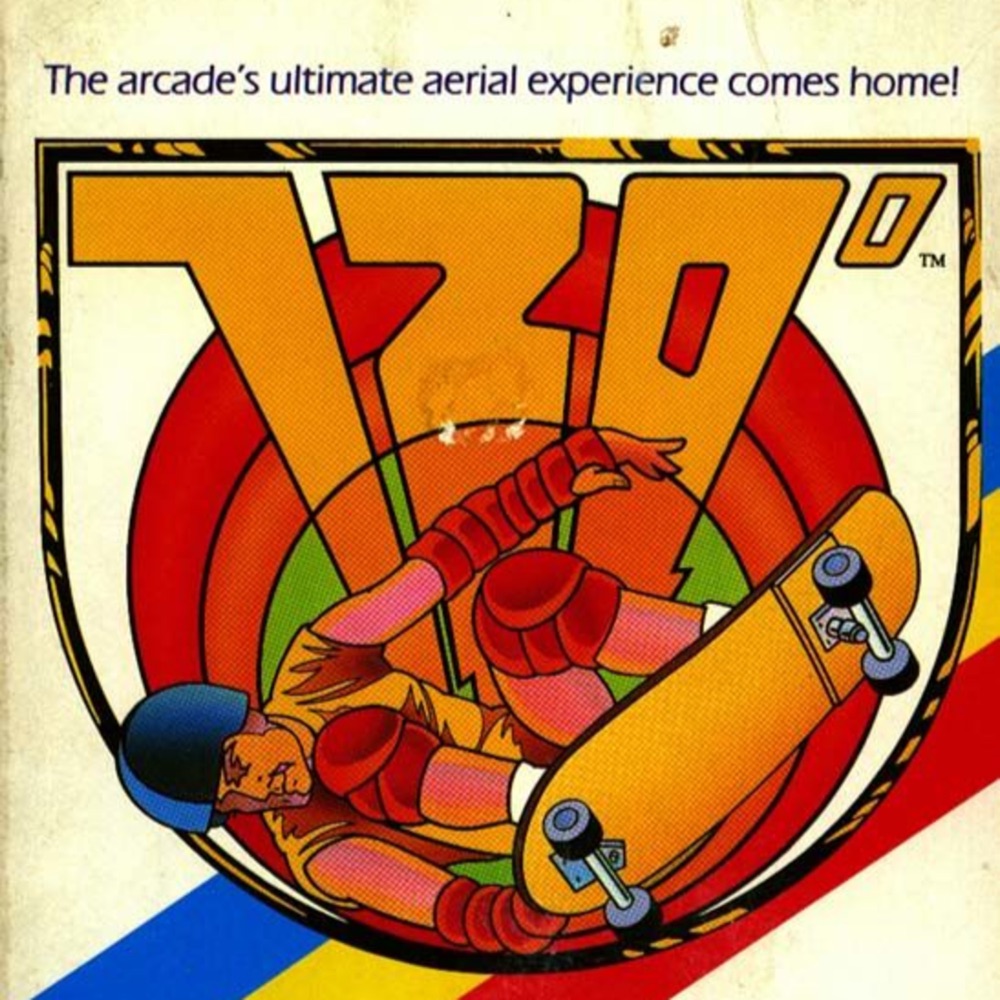
You're a skateboarder in Skate City, one of the largest skateparks ever built. Ollie off of ramps, grind on rails, and swerve past pedestrians as you bust out tricks.
- Be the skateboarding champion of the world
- NES Longplay
- Introductions
- We play the games chronologically, I’m sure everyone knows that by now. But some crazy people when checking out a console’s library via emulation might play it ALPHABETICALLY in which case 720 gets a lot of exposure.
- Overview
- Gameplay
- The overworld skate park hub
- Not quite exploration focused
- There's a ticket system, which feels like an unnecessary restraint since you earn more by scoring points
- Tight time limit. SKATE OR DIE
- Speaking of Skate or Die - What do we think about the decision to have the hub instead of just picking the minigames like in Skate or Die
- The mini games
- First lets talk skate physics
- slalom, jump, ramp, and downhill
- Could they have incorporated an Adventure game into the hub
- The overworld skate park hub
- Sequels and Spinoffs
- 720 was first an arcade game. Mostly the same game, better quality on the music and the arcade cabinet has a really cool boombox mounted on top of it for where the music comes out of.
- In 1999 (10 years later) it would be ported to the Game Boy Color but again mostly unchanged.
- No 720, 2. Or 1440 degrees. There was a 1080 degrees snowboarding game, but not by the same people. You get my point. Also reminds me of when people thought that after xbox 360 we were gonna get xbox 720. And instead we got Xbox 1 and that’s 719x less powerful than I was expecting.
- EGL
- Skateboarding games are fun when they focus on making YOU feel like you’re pulling off gravity defying stunts. In Tony Hawk games, there’s no need to understand how tricks are pulled off. Push the buttons, do the tricks. Repeat. In this game, pulling off the tricks feels sometimes just as complicated as how they look in real life. And getting to the places to pull off those tricks remains hazardous the entire time you’re playing.
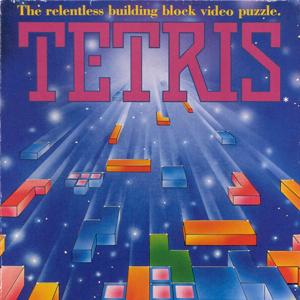
- Next week - Tetris
- NEStalgia Byte - Pac-Land
- Ramp: the player climbs around a half-pipe structure, trying to gain more and more height and performing tricks in the air to earn the most possible points. This ends when the timer runs out.
- Downhill: a long course consisting of slopes and banks must be navigated to reach a finish line. The quicker the player reaches the finish, the more points are earned.
- Slalom: an obstacle course in which the player is required to pass between pairs of yellow flags scattered across the course. Each gate passed grants a little extra time, and scoring depends on time remaining upon crossing the finish line.
- Jump: the player jumps from a series of ramps, attempting to hit a bull's-eye target off the screen. There are cryptic marks on the ramp before the jump that provide clues as to the location of the target. This ends when the timer runs out or the player crosses the finish line, whichever comes first.
Auto-generated transcript. Each paragraph starts with its timestamp. Speakers are not identified.
720, be the skateboarding champion of the world!
And welcome to NEStalgia, a chronological exploration of every NES game released in North America. I'm Mike. And I'm Sean. Sean, we play the games chronologically. I'm sure that everyone knows that by now. We, we, it's in the, it's in the intro.
Yeah, we, you say it a lot. And even when you don't need to, when we're out and about and not recording the show, you say chronological a lot. That's how I introduce myself, actually. I say, I'm Michael Esposito. I do a chronological exploration. However, some crazy people who have maybe explored the NES library on their own, they might be playing alphabetically through like, you know, through the means of having every ROM on their computer and just going down the line and checking out the games that way. In which case, 720 is a lot, that gets a lot of exposure in terms of people who play NES emulators.
Yeah. I mean, it's definitely not number one, right? Like there's definitely games with numbers lower than seven. Yeah. Well, no, there's eight eyes, which I think eight would be before 720, right? Like in terms of how a computer alphabetizes things, the eight is, comes before 720. Oh, okay. Okay. I gotcha.
Yeah. I mean, but if you're just, if you're just going by how the file explorer works, then yeah, this is definitely at the top of my list. And I was looking forward to it for a long time because of that. We're finally here in our chronological journey and we don't have too many other skateboarding games.
And that's kind of surprising, right? Like it's, it's the eighties skateboarding is kind of having a moment, at least in like television and film, not necessarily like on ESPN yet with the X games and all that. And there's a, I'm sure Tony Hawk is, is a thing and he's skateboarding and all, but it's not like he hasn't blown up completely yet. And so I just thought there would be more skateboarding representation on the NES by now.
What about you? I don't know. I think like in terms of how, I mean, I know it's not, it's not easy to compare then and now because skateboarding games are now overrepresented. I think not so much in the last few years, but in the last decade, skateboarding games are kind of overrepresented in terms of like skateboarding's impact in our culture. But I think like in terms of this early NES doc that we've had, it's, it's kind of been overrepresented as well. There's been like three or four games that have skateboarding at least as one of several California based sports, right? I love that. California based sports. It's, you're not wrong. I mean, what was that? That town and country surf designs.
We had that. Yeah, that had skateboarding as like, again, but it's always an obstacle course, right? It's never like, it's never like skateboarding the sport itself. It's always like as a gimmick thing. Back to the Future even had Marty on the skateboard in the game. But again, obstacle course. That's what I'm thinking of is like the most recent skateboarding adjacent property.
Okay. However, 720 is a skateboarding game where you are kind of in a skate park hub world where you must navigate to various mini games that take place inside this hub score appropriately in them to get either a bronze, silver or gold medal. And if you're lucky enough to gold medal in all four events, I think it's four. If you gold medal in all those events, you win the game.
However, as easy as that might sound, keep in mind that nobody in the skate park hub wants you to even get to those mini games. They'll be standing in your way, whether they're pedestrians, cars, flying bees that I don't know why I mentioned flying, but bees that will fly towards you and shout at you that you must skate or die. All these things happen to kind of deter you from being able to pull off any sort of skateboarding. Were you surprised, Sean, to be in a skate park hub?
Well, okay. So it definitely is. I get the layout and the way that things look. It looks like it's supposed to be a skate park. Like it's got the, I forgot the term that's used, but the like little ramps that are, I think they're like jumpers. I don't know. The little, everything is designed to look like it's in a skate park, but it like the way that it's interacted with by the, other moving objects in the game. It's supposed to just look like a street. Like there's, there's people driving cars. Like you said, there's people running crazily drug fueled. They just want to knock you over. And then of course the bees.
I was surprised that a lot of the things that, that you, that you see in this game in terms of the hub world and, and, and the events as well are actual like skateboarding things. Like in previous games that we've played, um, the things you'd be doing with your skateboard, weren't really the things that you'd be doing in a skateboard in real life. Uh, whereas like the, the events make sense. Like I can imagine that there is like a downhill skateboard.
There is the half pipe in the game. Um, it's, it, it, it seems more, more rooted in what skateboarding is instead of like what a Japanese developer that has just been tasked with making a skateboarding game thinks it is. Um, but then you have those killer bees and it's like, if you, if you're going to give me a skate park, let me skate in it instead of giving me like 30 seconds.
And, uh, sorry, I'm just, I'm just rambling now. No, you bring up a, you bring up a great point because I would argue that the skate park hub world, you know, or even just city street that you're in, uh, is not exploration focused at all. It actually is a little bit of a chore, uh, to, to, to navigate and to get around because they kind of just drop you off in the very middle.
And granted you might go in any particular direction and you'll find one of the mini games. Like it'd be hard to almost just be like, Oh, this whole world's empty or just fill people trying to kill me. That's weird. You'll most likely stumble across something, but there's no, like, there's no like missables or fun things that happen inside the hub itself. The time limit is very tight.
And like you mentioned those bees, they're going to come after you and force you to kind of either go to a mini game or take a death. And then there's this ticket system, which feels like an unnecessary restraint as well, since you can earn more tickets by going to score points, but it's hard enough. Like having the ability to get to the mini games and actually like pull off anything inside of them.
So then to restrict entry into those mini games too, is like another element that it'd be like, I could understand if they were things that you picked up in the hub. Like there was just tickets lying around and you had to pick them up or something, but that's not the case. Instead it's you by scoring points. And therefore it's a little strange that you have to get the, get to the mini games to score the points, to get, to go back to the mini games.
It's like a, there's duplicate gates going on here. Like I get that there should be either a time gate or a skill gate and like to move forward and to do these other events. Um, if you want the skill gate, make the player, uh, do tricks. Like, you know, you can only ollie and spin in this game. So your tricks are just those two things, but make the player do those things. And then once they do it enough, then they've proved that they can do the next event.
Um, or you can do the time gate and that's what the timer is for. And that's the, and it's more, it's less so like judging if the player is like getting good enough to be given the chance to do these other events. And it's more so like, uh, did they explore enough? Did they understand the map enough to get to these events? Um, so I don't really know what they're trying to do because putting two, uh, different things that you have to fulfill, uh, on top of a otherwise like open. In environment is very annoying. So they should have just gone with one or the other. I think that either would have been fine alone.
Yeah. Or even just making that skate park hub more of an obstacle course in itself to get to the mini game. So it was like its own game. And then by being able to successfully, uh, jump over obstacles or, um, dodge these enemies. That's like at the end of that, I'm thinking about like in paper boy, you know, like after you completed the game, they just like, they're like, Oh, random obstacle course. And it's just kind of a fun thing to score bonus points. If that was what this hub world was to bring you to the mini games, that might make more sense. But otherwise it's just a very, very open environment that, uh, does give you a map to reference.
If you skate over the words map, but there's nothing going on inside of there. There's like a place. Yeah. There's a place to buy elbow pads, a place to buy a helmet. Uh, I'm not even sure exactly what those things do. Do you know? Well, I know that I think the skateboard makes you go faster. I don't, I don't know what the other things do that it's explained in the manual, but the quick note on these, uh, on these stores where you buy one piece of equipment, they're very weirdly designed. Uh, when you skate up to them and buy something, uh, you get like a negative response, like, Oh, we're closed. But you actually just like, just bought the thing.
Um, I thought that that was very weird too. Yeah. Uh, so I, I did go to the manual here since you mentioned it and, um, the helmet shop, for instance, uh, with a new helmet, you'll be well protected when you fall and it won't take you so long to recover. Okay. That makes sense. Pretty, pretty cool. However, here's a weird thing. The shop is only closed because you bought the helmets and maybe they only sold one helmet and you're out. Right. Yeah. But no, you have to purchase when you purchase an equipment, uh, it just fills up a quarter of a pie of the picture of that item.
So. Oh, wait. So I actually never upgraded anything. Yeah. It says, although you can only purchase one of each item per class, you can upgrade your equipment when you move up to the next class. So there's like a, another, like a new game plus mode element to this where like after you've moved up in class from completing all the mini games, you then go to like a harder version where you must then, you know, like upgrade your gear and do all the mini games again. But now with a tougher difficulty, that's, well, I wouldn't call that new game plus. I would just call that level two. Okay. Yeah.
Much better. Why didn't they ever think of that? Right. It'd be cool if they, you know, cause they're thinking about buying gear and having tickets and stuff like that. The money in this game in general just kind of felt like a, um, a secondary element that I, I never thought about like, oh, I, where's, uh, how much money do I have? Can I afford this? I never really looked at the menus at all.
Uh, there's like a little UI that tells you your current, uh, score and your, uh, how much money you have. Be cool if there was some kind of not carnival, but like something going on as a reason to like have money and tickets be involved in this world and not just like, it's a very dangerous town that he lives in and every, everything costs money. And, uh, fun is, uh, fun is tickets.
Yeah. I, I mean, the, the whole question of, uh, like, are, do the tickets make sense? Like, why are we using them? Like it just really saying that there isn't a lot of content in this game. And if they just let you do everything one to one to one to one, uh, ramp, slalom, downhill and jump, uh, you'd be done with at least the first batch of this game in like 10 minutes. So I get that the tickets have to be there to at least make you like putz around in the open area for a bit.
Um, but at least in the manual, I feel like there's a little bit of context given, like it's not a carnival, like you say, but I think there's like some, like, it's sort of a, like you finally made it to like one of the big skate parks in the world. And you're going to prove it. You're going to prove to the world that you're a skater, a real skater boy. I think it's something like that, but I don't know for sure.
Well, Sean, the game's message, uh, if the bees come after you is to skate or die. And we have played skate or die on the NES. The two games are not, uh, at all related. Uh, they're not by the same developer. And that skate or die thing is just like a, a funny coincidence, but it makes me think about going back to skate or die for a minute. Now, I think we said a lot of nice things about that game.
We recorded that episode and that has the total opposite of a hub world where, yeah, you start in the skate shop and then you come out of it, but there's nothing else to do other than just skate to the event that you want to go to. So it's a, you know, it's like a very, very small, uh, one screen image where it's just all of the events and you just kind of skate down that road and then you're there.
You know, I think a hub world could have been a really cool thing and a way to differentiate yourself from skate or die, which is already on the console. But now seeing both of them in practice, I kind of just like that skater die just went forward and said like, yeah, just skate up right to the event you want to do. And then the focus is on the mini games. Now, granted they had more mini games, but still.
Well, I think you would have felt differently and I would have felt differently if there wasn't this pressure to get out of the hub world. Like that, that seems like a cool place to just like, like work on your timing for jumps or work on like, oh, can I get this many spins in before I fall? At least in terms of the mini games that share the same, uh, like perspective and, uh, controls.
Uh, it seems like a cool place to just like practice, but because these bees will come after you, it removes any actual usefulness, uh, or enjoyment for this hub world. So yeah, right now it's useless and I prefer just to go the skate or die method, but if there wasn't any, if it was just a place to hang, I think I'd like it.
And if you're me and you have a fear of bees and being, uh, being stung, this is a nightmarish game, even by eight bit standards, because it's not like bees are just chasing you or one big bee is chasing you. It's a bunch of bees chasing you from, from seemingly nowhere. In a cloud of bees. Right. As a cloud of bees, but they come out of nowhere. Right. And then they are magnetized to you. But then as they get closer, they turn into a giant syringe.
And then. Yeah, I could have done without that. Right. And then when they, when they do get you, they turn into the, uh, skull and bones. So it's like, wow, this is like really scary for, uh. Why the syringe though? Yeah. Why the syringe? Like, what was that? Was that poison?
I think, I think, I don't know. Well, they're stingers, right? So they're like, you know, the big needle. I'd never made the connection that it was injecting something into me. You know, I just like, oh, you don't want to be stung by a bee. Not like you don't want to have like cyanide injected into your bloodstream. That's, that's, that's sort of what I get from that. But I don't know. Yeah.
I just don't think we ever needed the bees, but the obvious reason for why we have the bees, and I usually save this for the sequels and spinoffs section, but 720 was first an arcade game. So that, you know, the bees were there to kind of implement like a put more quarters in kind of thing, uh, and play the game. You know, you couldn't just, uh, that's why the ticket system was probably in there too. All this stuff is from the arcade game. However, now I've paid the full price to have it at home. I don't think that I need the bee restriction anymore at all.
Yeah. No, okay. Now that you explained that, I did know that it was an arcade game before, but I, I didn't make the connection that this was sort of a holdover, but no, that's definitely it. And it should have been removed. Yeah. This game comes from Atari. So they always, you know, they were like the Kings of Arcade back then. And it, it's fine, right? Like that's a, that's great implementation of a way to get people to spend more money on your arcade games. And when they only cost a quarter, it makes sense, but you got to change that stuff when you port the stuff over to the NES.
Uh, one more thing about the arcade cabinet though, really cool arcade cabinet. If you guys get a chance to look it up, I'll try to include a link in the show notes here. It's a normal arcade cabinet. And then they just like mounted a big boom box on top of it where the music actually plays out of the boom box. So that's like a, a very pleasing late eighties, early nineties vibe. It's very radical.
But no cool control scheme either. It's not like, um, you know, you don't use, uh, it's just a joystick in the, in the center and then the two buttons for jumping and, um, and pushing forward. So you don't step on like a mechanical, uh, skateboard analog. No. And there had to be an arcade game that eventually did that, right? Like you step on a skateboard and didn't Tony Hawk eventually release something for consoles where you step on a skateboard? Tony Hawk eight or something. Yeah. Tony Hawk ride.
Yeah. Probably one of those. Um, something for like Xbox 360 era. I mean like, that's just when like, that was after guitar hero. The big idea was just sell your accessory to people. You know, Nintendo thought of that meant long, long ago with the zapper and Rob and all that. And then people were like, Oh, that actually worked. I think that was the first bad Tony Hawk game or, or at least like the, the, where it really went off the rails and there hasn't been a good one since. There you go. Sean, let's talk about the mini games.
You have ramp, downhill, slalom, and jump, and they all sound pretty straightforward to me. Uh, so I don't want to like really get into the nitty gritty of the, the rules of the games and such. Just talk about like what it feels like to skate in this game and knowing like, you know, uh, slalom is something where you kind of have to weave through the flags and be very like precision accurate with what's the skateboarding feel like in this game. And, and, and, and is it built for stuff like to be so different from slalom and ramp or two very different types of events?
Yeah. Um, it almost feels like slalom, the, the, the control scheme in the game. And because there's so much precision, like the game makes you precise, um, in, in like the default perspective control scheme. So slalom is insultingly easy. Uh, all you have to do is, is go through some flags. Uh, there's no like speed aspect to it really. Like there is a timer, uh, but you're probably going to get gold at least on the first one. Um, and it's not until like you get to, uh, downhill and jump where like the, uh, which are the other events that share the same control scheme and perspective as the free, uh, not the free play, the, uh, hub world, uh, section.
Um, but it just seems like the, the jumps and the, the gaps, because in, in downhill, you're, you're going down several ramps that change direction and you have to clear some gaps over water. But the fact that it's sort of hard to see depth and to know where the ramps are and to, uh, the, the camera doesn't really give you too much lead. So you don't know which direction you're going to be turning. Um, that's where it sort of gets kind of janky.
Um, and then you've got the ramp, which is just a half pipe. And I think we've played a game that had a very similar control scheme because I do, they do change how the game controls for ramp. Yes. And this was skate or die as well. Yes. Um, where it's just head on, you've got the whole half pipe in your view and, you, all the, all the things that you're used to for the other three events and for the, uh, standard hub environment, like that's all gone. And now you just have to relearn how to play. And there's a couple more, there's a, there's a couple more tricks. You could do handstands now instead of just jumping and turning.
Um, but yeah, that's, that's, you know, the, the nitty gritty of, of each, which I know you didn't want to do. No, no, I just didn't want to go too far in depth with them. I liked the overview. I think those are great overviews. And the only thing I'd add to that is it is nice that between the four mini games, none of them are like, oh, that's the same game, but now they added like a score component or, oh, this is just another variation of an obstacle course. Um, it is pretty nice that, uh, you know, the range of, I think downhill and slalom were both pretty easy and, and fun to play, but mostly because it was just about using your D pad and maybe tapping the jump button every now and again.
Ramp and jump are a little more confusing because they kind of want some, some trick component to be pulled off. You want, you want to score points, do tricks and that part, even after like seeing how to do it on like game FAQs and stuff like that. I don't know. I felt like I couldn't pull off these tricks at best on the ramp. I could see the trick start, but landing it was a whole nother thing for me. I couldn't get the timing down. And I, I know we've ran into that problem before just in other, uh, you know, not even just skateboarding, but skating in general, ice skating or, um, uh, I drawing a blank here, but, uh, other slalom like games, skiing games.
The timing is always a weird thing, but I wonder what that is now. Did you have that same experience? Like, Oh yeah. Yeah. So I wonder what that is that makes the timing. So I mean, if, okay. So if, if I put a Tony Hawk game in front of you and we played it, like you'd be able to play it, right? You have, you have a memory, you have the muscle memory for Tony Hawk, right? Yes. Okay. So let's say, um, you wanted to do a stall in a half pipe in Tony Hawk. You'd, you'd go up to the top and you'd press a direction in triangle and you would stall and then you'd give it some time and then you'd release and then you'd come back down.
We, I think we both have that muscle memory for a modern skateboarding game still baked in our head because if you were a release, so, so if you go up in this game, you do the stall, it kind of feels similar. You're holding, you press a button down with a direction and you stall. But in order to release in this game, you have to release the, these buttons in a, in their correct order. I think you have to release the directional first and then the face button.
And it's that whole, like, I'm, I'm trying to do a stall on Tony Hawk, but it's just making me eat shit in this game. Uh, I, I couldn't get past that too much. So I don't know if you had, if maybe that's the same thing you were doing. Well, I think there is something to be said though, about going back to the Tony Hawk games here. And I don't want to just make this a comparison between a game from 1989 and a game from 10 years later, but in Tony Hawk, there is this thing where even if, you know, I think the stall was a great reference by the way, cause that is a, at least like a two input, uh, button
press. But for the most part in Tony Hawk, even if you were playing for the very first time, it is a game where because the button to jump also then leads to like another button for tricks, right? Like you can just push that button and all of a sudden Tony Hawk will just perform tricks, right? Like it, it's not, there's no combo system. It's not a fighting game. I think a fighting game combo finisher is something that a lot of people also can't necessarily pull off, right? Like that is, there is some skill involved in being able to do a Hadouken or even, um,
you know, more complicated variations that have come out since in the newer street fighter games. Not everybody knows how to do those because of the inputs that you need to do. And I think that's where the barrier is on these skateboard games is like, it takes time to learn those moves and the, um, you know, the failure component, the crashing and the way that that works and the time in the mini game and how you don't really have that much time in the mini game. And you also don't have that much ability to do anything after you fail, like because of the ticket system and everything. I just feel like I'm locked off from some, from the learning thing that I need to do in order to play this game properly.
Like it never gives you the time to actually learn how to do the tricks because in Tony Honk, the whole thing is just do the tricks by pushing the buttons and having fun and making, making it up. You know, like I, I didn't, I didn't know complicated skateboarding moves when I was a kid and I would just have fun going back and forth on the ramp and just, you know, spinning around. Like that was enough for me to have a good time.
That whole, that thing you pointed out about not having enough time in the mode or time in the game, time in the mode to actually get a handle of something like that is, that experience has come up over and over in games like this that we played for this podcast. Like it's, everything is too segmented that it's hard to like just get into a groove and to actually feel like you're improving on anything. Um, and this game just illustrates that too well.
So what would you have done, Sean? Uh, you know, I was thinking like they could have incorporated some adventure game elements into the hub where, uh, you know, instead of using money to get the, the new skateboard or the helmet, you could talk to those guys and they give you like some kind of, uh, side quest or quest of like score this amount of points and come back to me, you know, or something like that. Uh, just, just some other reason to interact with people in the world. I thought that could have made it a little more interesting, but it doesn't solve the actual issue of the skateboarding controls in the actual mini games.
Right? Yeah. I mean, I guess if you were to change it so that either were no tickets, but there was like a higher barrier to consider it a success. It could be like these different upgrades can be the, uh, the reward for completing the ramp or the reward for doing a good downhill. Um, and yeah, you can have these quest givers be other skaters with their fun portraits or whatever. Um, that'd be cool. I mean, it's a completely different game, uh, but at least it seems to be more substantial than what they've actually put together here.
I wouldn't say it's a completely different game though. If you're just changing, uh, the reward system and, and the types of things you unlock because we're, we're not changing the actual mini games there. Yeah, that's true. I guess it's just, it's, it's like making it more of an RPG than it, than I think they ever intended it to be. Uh, funny cause I feel like I have that crutch in general when I'm thinking about like, how do I, well, how do I make that game? Yeah. How do I make that game better? Oh, it needs role-playing elements. Uh, that'll make it better.
And, uh, you know, I think we all know now that that's not necessarily true and that, uh, you know, longer games aren't even better games for that matter. I think there's an argument to be said that just strip out everything, uh, in the game other than the mini games, just have it be like a main menu screen that just says ramp downhill, slalom jump. And you just pick one and then that's what you do. That's the complete opposite. Like, I do agree that like, yeah, we end up making more of a, an RPG lean.
Um, and you know, we've got our old, our handy, like just make it open world X. Um, just because I think we want more context in things and the designing it that way, having actual people give you challenges would actually put more context in this game. So no, I agree. I don't think it's just a crutch.
Here's my final question. That isn't the essential games list. Uh, sorry, that will actually be my final question. Um, my final question on the gameplay side, can you do a 720 in this game? Does it give you enough time to do that many rotations? Um, I think maybe on the ramp, but I, I couldn't tell you. Yeah. I feel like at best on the ramp, you're getting like a room for a 360. It's just funny, you know, because I don't know when Tony Hawk actually did his legendary 900. Uh, but it just, you know, it just speaks to the times that they, they think that a 720 is hot shit, you know? Come on. Right. Now we're up to, uh, 3080 TIs.
I still, I can't afford one of those. You have, you can find those. No, no. Um, that was a, that was a graphics card joke for those of you, uh, still listening. For those of you listening in 2026. Yes. Who will be able to current graphics card. Right, right, right.
Uh, on the, uh, sequels and spinoff side, I already mentioned that 720 was an arcade game, but in 1999, 10 years later, it would be ported to the Game Boy Color, mostly unchanged. I don't know who was asking for the port. I don't know if Atari needed some money and they just started taking everything and putting it on Game Boy Color around the same time. I didn't do that much research here, but I don't think, especially knowing that in 1999, we were also getting Tony Hawk's Pro Skater on Game Boy Color. I don't think we needed, uh, this eight bit version, uh, that was mostly unchanged of, of, uh, 720. Well, this is, this is the grandma Christmas gift, uh, like opportunity. I'm sure they saw whoever, whoever published this.
It was like, Oh, the, the, the kid's going to want Tony Hawk, but like the grandma's going to see a skateboarder and assumes that this is Tony Hawk. So I think that's what was going on. I like that. That is devious. And you know what? You're onto something, Sean, because I believe that the 720 version for Game Boy Color removed the whole like cartoon box art and put a real guy on a skateboard on the box. So your, your marketing strategy is dead on. Oh, hell yeah. But there is no 722 or 1440. Uh, there was a 1080 snowboarding game, but not by the same people. While we were leading up to this recording, I thought that that's what we were playing. When I saw that this was a skateboarding game, I was like, Oh, I was mistaken.
720 also reminds me of when people thought that the next Xbox after the Xbox 360 was going to be the Xbox 720. And instead we got the Xbox one, which is 719 times less powerful than anybody was expecting.
Oh, wow. And then, no, because of 720 and then one. Yeah. Okay. And then, and then you got the, the Xbox one X and then it'll be the one, the Xbox one Xbox one. Well, it's the Xbox series X now. Yeah. Which is even still crazy. That's the Xbox sex. Ooh. I like that. Yeah. Well, you know that, that leads to something else too. So expect the Xbox kid edition. Leads to children. Oh, wow. Soon enough. Yep. God damn it. All right. We do have to now do my actual final question. I'm sorry for the tease earlier. And that is decide whether 720 is an essential game on the essential games list. Sean, you're up or you're on deck. No, wait, you're up.
Yeah. Neither of those, neither of those are great, but I, we've, we've been pretty negative about this game. And while I do think it has a little bit more to offer mechanically than the previous versions of skateboarding that we've seen, it, it's sorely lacking in, in personality and content. Like there's four things that you can do.
And I, it actually may be the same amount of content as like, as, uh, surf designs, water, rapid racing or whatever the hell it was called. But, uh, there's still not enough for this to be a game, like a game that you pay for. So I'm, it is not essential. Skateboarding games are fun when they focus on making you feel like you're pulling off gravity defying stunts and doing really cool shit. Not the bees, uh, in Tony Hawk games, there's no need to understand how a trick is pulled off. You push the buttons, you do the tricks, you repeat in this game, pulling off the tricks feels sometimes just as complicated as how they look in real life.
And then on top of that, getting to the places to pull off those tricks remains hazardous the entire time you're playing. So no, this game is not essential. And there you have it. That's it. Next week, um, we're, you know, we've been building up to this for a long time, but it's all falling into place. We have Tetris.
Oh, wow. That's like how they do it with the, with the pieces. Yeah, yeah, yeah. You get it. Um, better than my on deck joke. Uh, because first off you were up first, but also, uh, skateboarding decks. I don't think so. No, no. That's a, like a weird triple entendre or something.
Yeah, yeah. Uh, also Nostalgia Bites, uh, has Pac-Land coming up. Uh, you know, we've been talking about Pac-Man, the maze game in so many of those Nostalgia Bites episodes. Now it's time to get into Pac-Man leaving the maze and going out into the open world. We'll see what that looks like. Granted, it's not an open, it's not an open world game. Yeah. He just has a new, he just has a new job. Uh, Pac-Land, of course, is an episode that you can only get if you're a, um, patron, uh, on Patreon, patreon.com slash Nostalgia.
It's, uh, $5 a month for the Nostalgia Bites episodes. And we have, I think, like at least seven of those now, plus a bunch of other bonus goodies and a whole Discord for everybody to check out. But hey, say $5 a month, that's, it could be a lot, you know? So what about just supporting the show in general?
Well, the easiest way to do that is to just like rate us on the place where you listen to your podcast, because that helps the ratings go up and we would love to hear a five-star review, but we'll take a one-star review, right? We've given one-star reviews of games. So if you listened to 200 and something episodes of Nostalgia and you're ready to give it a one-star review, I'm, I want to hear about it. But just, just know, just know that, um, our one-star reviews don't affect anybody's livelihoods, you know? Like what, like how, I, I can't eat a one-star review. And that's the only way that I can eat is eating reviews.
So please give me a fruitful review. Right. We're only feeding Sean based off of the patron money. So, um, if, if people don't subscribe, he doesn't eat for the month. So thankfully there's also a $1 a month tier that does give you access to the discord as well. So, I mean, you get to meet a bunch of other Nostalgia heads and, uh, we, we play games together and we talk about the show and yes, today's games. And apparently now a lot of wrestling, there's a lot of wrestling on this discord.
So if that's your thing too, just that alone might be enough to convince you $1 a month and you feed Sean, although $1 is probably only going to buy him, um, like, uh, what is, what is that? Uh, tuna? I mean, it could get, it could get me like an apple, which should keep me going for, you know, 18 hours. Apple and peanut butter is really all you need, right? That's a, that's a great peanut butter is like, have you seen a peanut butter prices recently? Jesus.
Anyway, um, this has been another episode of Nostalgia. Um, join us next week for Tetris. Join us. And hopefully Joe. Yeah. Hopefully Joe. Right. Oh yeah. We can't forget about Joe. Uh, don't worry. He's, um, alive and well, and, um, we're taking good care of him. Yeah. We, he, he gets the, the other money that we get, like the money that isn't $5 increments. Yeah.