452 · Totally Rad
Totally Rad, known in Japan as Magic John , is an action-adventure game developed by Aicom and published by Jaleco for the Nintendo Entertainment System. The game was released in Japan on September 28, 1990, in North America in March 1991, and in Europe the same year.
Aicom built it, Jaleco published it, and Jaleco also rewrote the script into skateboard slang for North America. Jake, his girlfriend Allison and a magician named Zebediah Pong end up underground, and the manual spoils the ending in its first sentence. We expected a Winter Games for the 80s. We got a Mega Man style platformer with a very odd vocabulary.
The power-up pile
- Twelve powers, all at once. Heals, stop time, invincibility, fire, water, wind, earth, tiger, bird, fish, and one that turns you back into Jake. Several do real jobs: the bird flies, the fish swims, the water spell handles crowds.
- Everything arrives on day one. Mega Man makes you earn each weapon from a boss. Here the bird lets you float over most of a stage, so the best power makes the rest redundant.
- The magic meter is stingy. Enemies drop nothing to refill it. Only a mid-boss or end boss does, so waste magic early and you reach the fight empty-handed.
- Menu confusion. You pick an icon, hear a ping, and nothing happens. You have to press up and B together, the same trick as the Castlevania sub weapon.
The charge shot
B does everything, including the charge, which makes this our first charge shot on the NES, ahead of Mega Man 4 later this year. It is clumsy. Jumping releases the charge from the ground instead of at the angle you wanted, there is a cooldown before the next one, and most bosses have weak spots too high for it. The elemental spells are just screen clears, and the water one spirals a bubble around you for about ten seconds while the game waits.
The bosses
This is the part that is totally rad. They are huge, creepy, a little Cronenberg, and painted in pinks, greens and purples that read as shading on a CRT. Health shows as a row of heads that each lose half a head per hit, so a fight runs about 24 hits. Saving the bird and fish for the boss turns it into a shmup, and that helps.
The writing and the box
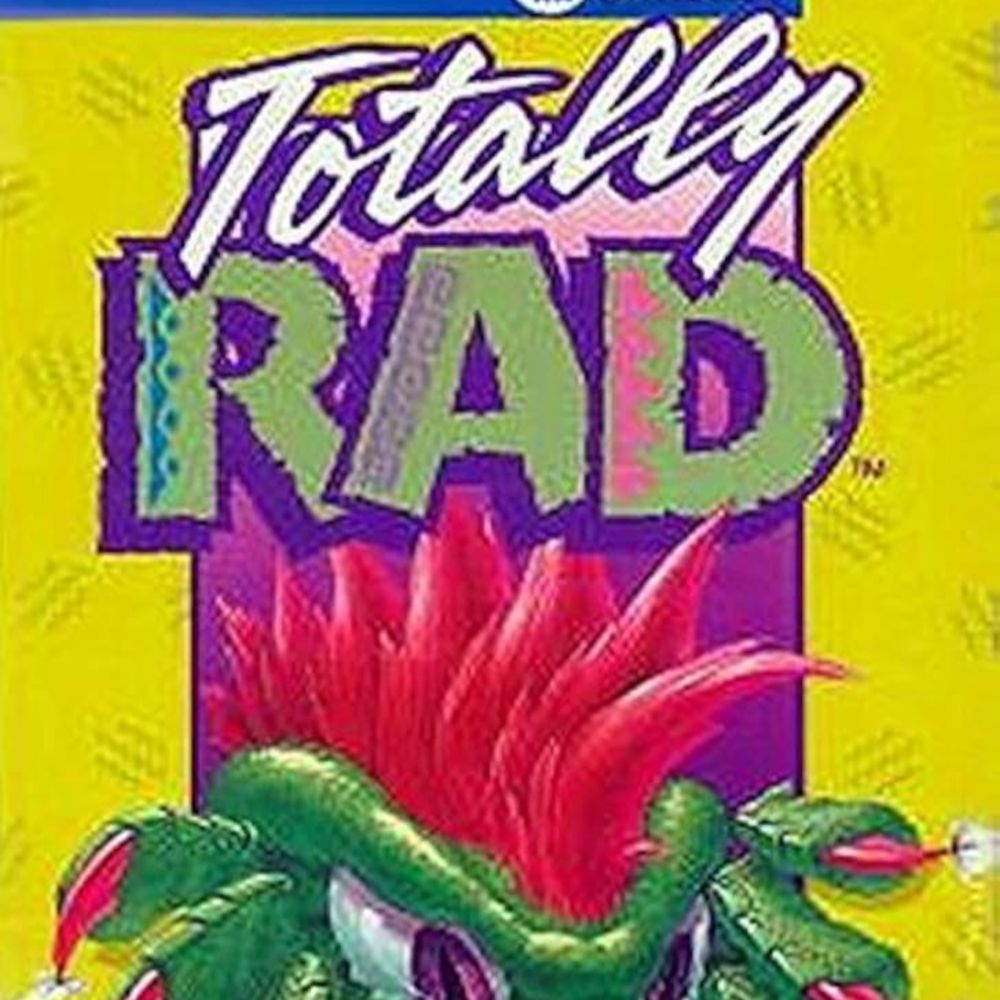
The cutscenes are the draw. "Zebediah the magician is totally decent" sets up a title joke that never quite lands. Zebediah looks like a Ren and Stimpy character next to two near-photorealistic teens, and the manual spends eight pages on story. The ending is a mess, and Allison gets waved off with "go skateboard." The cover is a mohawked monster bursting out of a mostly yellow box, in a dinosaur font.
Odds and ends
In Japan this was Magic John, with anime-style heroes, and the North American version hits harder: enemies do extra damage, which matters with only six bars of health. Nintendo Power gave it a 3.7. There is no sequel. Jaleco's next reskin is Wampum, with a Native American hero.
The bottom line
Play it. Nobody voted it onto the Essential Games List, because starting with every power means you never feel the thrill of earning one. It is pretty and playable, with great bosses and goofy cutscenes, but strip out the slang and it is a stiff Mega Man clone.
Written from our conversation in this episode.
- BACK-OF-BOX OPENING HOOK: Totally Gruesome Monsters
I. Setup & Premise
- The pitch
- A California surfer kid learns real magic and fights his way to the center of the earth.
- Mega Man style side-scroller with a spell menu bolted on.
- WHAT IS GOING ON IN THAT INTRO. Hyper detailed characters. Nonsensical sentences. And it ends on Jake saying Zebediah the magician is TOTALLY DECENT, followed by the TOTALLY RAD title screen. He should have said the title!
- The story
- You are Jake, apprentice to a stage magician named Zebediah Pong, whose magic turns out to be real.
- Jake's girlfriend Allison gets grabbed by creatures from an underground world.
- The kidnapping is bait. They actually want Allison's father, a scientist.
- The final villain is Edogy, an underground king coming for the surface world.
- Ending twist: Zebediah is one of the underground people, exiled. He goes home.
- The identity problem
- In Japan this is Magic John, Famicom, September 1990. Developed by Aicom, published by Jaleco.
- The American version kept the game and replaced the people in it.
- John and Yuu, big-eyed anime kids who are friends, became Jake and Allison, teenagers who are dating.
- Zebediah was left completely alone. Same sprite, same art, both versions. Nobody knows why.
II. What Makes It Stand Out
- The color is doing the absolute most
- HG101 calls it close to a virtual rainbow simulator.
- Purple walls, city lights, glowing underground crystals.
- One of the few NES games with parallax scrolling. Real technical flex for 1991.
- The bosses are the reason to play it
- They take up half the screen.
- Rubyllia: a crocodile whose torso is an ear of corn. Pink punk hair, earrings, platform shoes.
- It attacks by popping its own kernels at you. Weak point is the gem in its navel.
- Biclopter: one eye, one leg, and a spare eye on its backside.
- Nautikill: a rainbow fish that spits smaller fish.
- Fang: a giant cyber-skeleton.
- Edogy: final boss, and everybody agrees the design rules. Second phase is on roller skates.
- You start the game fully loaded
- Every spell and transformation is available on the first screen.
- The trade: there are no pickups or collectibles anywhere.
- Inverted Mega Man. You are not earning tools, you are rationing them.
- Short and it knows it
- Five acts, two or three stages each, five to eight minutes a stage.
- With twelve total lives, the brevity is a mercy.
- High Score Board
- Midway through, Zeb patches Allison in telepathically for a rescue update.
- She reports she has been practicing magic, and she will help as soon as she gets unchained.
- Out of the locked trunk. Which is submerged in a tank of water. Then she asks where the key went.
- The kicker comes at the end: she chained herself in there. On purpose. Mid-kidnapping.
- Jake's response is that they should probably stick to skateboarding.
III. Gameplay Structure
- Controls
- D-pad to move, Down to kneel.
- A jumps.
- B fires the energy blast. Tap for one shot, hold for a double, hold till Jake glows for a triple. (HG101)
- Up plus B casts the selected spell. Same input as a Castlevania subweapon.
- Start opens the magic menu. A selects. (GameFAQs)
- The charge shot catch
- You can only charge on the ground. Jumping dumps the charge automatically.
- Half the bosses are fought at head height, where a charged jump shot is exactly what you want.
- The base shot barely does anything. This is the worst decision in the game.
- Level structure
- Five acts, miniboss partway, full boss at the end.
- No time limit anywhere, and that is deliberate.
- The game punishes anyone playing it at Mega Man speed. Slow and methodical is correct.
- The magic economy is the actual game
- Twelve spells. Each cast burns 2 or 4 notches.
- The meter does not refill until a checkpoint or the end of the stage. No farming your way out.
- Health is six pips, and plenty of enemies hit for two. Effectively a three-hit life bar.
- So every screen-clear you fire is a heal you gave up. That is the whole loop.
- The twelve spells, honestly counted
- Four utility: full heal, half heal, time stop, invincibility.
- Four elemental screen-clears: fire, water, wind, earth. Differences appear cosmetic. (HG101)
- Three transformations: tiger, bird, fish.
- One revert to Jake, free, required before casting anything else.
- Twelve sounds enormous. Meaningfully distinct tools is closer to six.
IV. Unique Gameplay Elements
- The transformations are the good idea here
- Tiger: highest damage, invincible while jumping, short range, ground only.
- Bird: flies indefinitely by holding jump, throws boomerangs.
- Fish: swims properly, fast attack, high jump, throws stars.
- You cannot cast anything else while transformed. Every switch is a commitment.
- They also expose the balance problem
- Pick the right form and bosses fold in seconds.
- The Act 4 boss dies in about ten seconds to the bird. (GameFAQs)
- So difficulty is less about execution and more about guessing the right animal.
- The minibosses are harder than the bosses
- The GameFAQs author says so outright and gave them their own section.
- Best one: a drill robot whose eye pops out and bounces around.
- You ignore the eye and hit the body, but you have to keep the eye on screen.
- Let it wander off or reattach and the fight gets much worse.
- The offensive magic is basically decorative
- A screen-clear costs two unrechargeable points and most enemies respawn seconds later.
- Twelve spells, and the correct play is almost always heal, or turn into a bird.
- The mentor tells you your own spells are broken
- Second cutscene, Zeb warns Jake that some of his magic just will not work.
- Either a mistranslation or the writers being honest about the balance. Either way, remarkable.
V. History, Development, and Reception
- Who made it
- Aicom developed, Jaleco published. Music by Kazuo Sawa and Toshiko Tasaki.
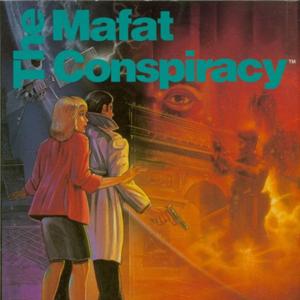
- Aicom also made Vice: Project Doom and The Mafat Conspiracy.
- The localization
- Jaleco USA rewrote the whole script into surfer and Valley slang.
- Aged the leads into teenagers, redrew the sprites, retitled the game.
- The manual got the same treatment, every page in the voice.
- The writer slipped a photo of his own girlfriend into the booklet, with commentary on how good she looks.
- The manual also spoils Zeb's ending twist, then tells you that you are not supposed to know that yet.
- Jaleco did this twice in one month
- Whomp 'Em shipped the same month, March 1991, same publisher.
- It is a reskin of Saiyuki World 2, which starred Sun Wukong, the Monkey King.
- They swapped in a Native American hero and changed almost nothing else.
- He still runs through visibly East Asian environments. Bamboo forests and all.
- The press liked it at the time
- Nintendo Power, Volume 23, April 1991. Strategy feature, graphics and sound score of 3.7.
- Mean Machines gave it 63 out of 100. Called it reasonable but oversimplified.
- Then the reputation flipped
- It got reviewed well when new and mocked relentlessly fifteen years later.
- The gameplay never changed. Only the jokes landed differently.
- Where to play it now
- City Connection put both versions on Switch in April 2025.
- Includes an English translation of the original Magic John script, plus rewind and quick save.
VI. What Actually Changed in the American Version
- It is harder on purpose
- A long list of enemies deal 1 damage in Magic John and 2 in Totally Rad. (TCRF)
- Foot soldiers, hover-pods, the 1-1 miniboss, the clowns, the drill riders, the Act 3 boss projectiles.
- On a six-pip health bar, that halves your effective health across most of the game.
- And the continues got gutted
- Magic John has unlimited continues. You basically cannot lose. (Wikipedia)
- Totally Rad gives you three. Fourth time out of lives, straight to Game Over.
- Three continues, three lives each. Twelve attempts at the whole game, no way to earn more.
- Nobody talks about this because everybody is busy talking about the word bodacious.
- Two hidden codes
- Level select and sound test: Up, Up, Down, Down, Left, Left, Right, Right, Start on the title screen.
- Staff credits: Right, Left, Left, Right, Up, Down, Down, Up on controller two, then Start on controller one.
- The credits are broken in the American version only
- They display fine in Magic John.
- The American logo is bigger, and nobody moved the scanline interrupt to match. The bottom pulls wrong tiles.
- The version that changed everything about the presentation broke the screen with the developers' names on it.
- Unused art
- Both versions have sprites of the hero in a raise-the-roof pose that the game never uses.
- A raise-the-roof pose cut from Totally Rad is almost too on the nose.
- Hardware quirk
- The Japanese cart skips a PPU warm-up delay the Famicom does not need.
- Run Magic John on an American NES and it only boots after the console has been off 30 seconds.
VII. Pop Culture
- The slang came from a very specific moment
- Bill and Ted's Excellent Adventure, February 1989. Saturday morning cartoon, September 1990.
- Totally Rad shipped March 1991. Bogus Journey did not arrive until that July.
- Jaleco rode the first movie and the cartoon and beat the sequel to shelves.
- Everyone who reviews this game says the same thing: Jake looks like Ted Logan.
- "Rad" was already a decade old
- Short for radical, out of skate and surf culture in the late seventies.
- Rad Racer was on the NES in 1987. The BMX movie Rad came out in 1986.
- So this was not cutting edge slang. It was the safe, slightly-behind version of cool.
- That gap is most of why the game aged the way it did.
- The economics of a late NES release
- March 1991 is the tail end. The Super Nintendo launched that August.
- Jaleco had a shelf space problem, not a quality problem.
- A loud yellow box shouting TOTALLY RAD was a rational answer to that problem.
- The California of it all
- This is specifically Southern California, not generic America. Nintendo Power called Jake a kid from Southern Cal.
- In the ending, Allison explains that she and Zeb got there by taking the Hollywood Freeway.
VIII. Sequels, Spinoffs, and Comparison Games
- There is no sequel in either language
- Magic John got no follow-up. Totally Rad got no follow-up.
- Comparison games
- Mega Man 4: Totally Rad had a chargeable shot first, in early 1991. Worse version, but earlier. (HG101)
IX. Essential Games List Vote
- Case for Essential
- It is the clearest artifact of the repaint-it-for-America era, and the repaint went all the way down into the difficulty numbers.
- Supporting: the bosses are memorable in a library full of forgettable ones.
- Case against Essential
- Strip the localization and it is a stiff Mega Man clone where the right play is always heal or turn into a bird.
- Supporting: reviewers said the same thing in 1991, before anyone was laughing at the box.
Found automatically from the transcript and checked, but it can miss things or pick the wrong page. Spot a mistake? Tell us.
Games
- Totally Rad mentioned at
The episode's game: Aicom's 1991 Jaleco NES action platformer with 12 starting powers and skateboard slang.
- Magic John mentioned at
The Japanese Famicom original, with anime-style characters, that Totally Rad was reworked from.
- The Mafat Conspiracy mentioned at
Earlier Aicom NES game, the Golgo 13 sequel, covered on the show before.
- Mega Man mentioned at
The action series Totally Rad is compared to, which also gives you power-ups differently.
- Mega Man 4 mentioned at
The coming game that introduces the charge shot on the NES.
- Castlevania mentioned at
Its sub weapon button (up plus attack) is compared to how Totally Rad selects powers.
- Final Fantasy VII mentioned at
Mentioned for its underground people, which Totally Rad had earlier.
- Monster Party mentioned at
Another weird-themed NES game with memorable cutscene lines, but one that commits to its theme.
- Whomp 'Em mentioned at
Jaleco's next reworked game (called Wampum on the show), with a Native American hero.
- Rad Racer mentioned at
1987 NES racer, used for the timeline of how long the word 'rad' stayed fashionable.
- Winter Games mentioned at
Multi-event sports game the host expected Totally Rad to resemble, but for the 80s.
Hardware
- Super Nintendo Entertainment System mentioned at
The console beginning to dominate as 1991 goes on.
Companies
- Aicom mentioned at
The Japanese developer of Totally Rad, also behind The Mafat Conspiracy.
- Jaleco mentioned at
The publisher that rewrote the script into 1980s skater slang for North America.
People
- Magic Johnson mentioned at
Basketball star the hosts guess the Japanese name Magic John may reference.
Film, TV and music
- The Ren & Stimpy Show mentioned at
Cartoon the hosts say Zebediah's gross animation style belongs to.
- I Think You Should Leave with Tim Robinson mentioned at
Sketch show the hosts compare the game's tone to, including a Scrooge sketch.
- Rad mentioned at
1986 BMX movie cited as peak 'rad' in pop culture.
- Teenage Mutant Ninja Turtles mentioned at
Discussed for whether the comics or the 1987 cartoon introduced 'rad' slang.
Articles, videos and sites
- Nintendo Power mentioned at
The magazine that gave Totally Rad a 3.7 score in its issue.
- Essential Games List mentioned at
The show's running list of games worth playing, which the hosts voted on at the end.
Other
- Mister Mxyzptlk mentioned at
Superman villain with a hard-to-spell name, which Zebediah reminded a host of.
- Squirt mentioned at
Citrus soda one host finally tried after the last soda episode.
- Sierra Mist mentioned at
Pepsi lemon-lime soda mentioned in the soda talk, now renamed Starry.
Auto-generated transcript. Each paragraph starts with its timestamp. Speakers are not identified.
Totally rad. Totally gruesome monsters.
And welcome to NEStalgia, a chronological exploration of every- is that what I say? What? Do I always say chronological exploration? Yeah. Okay. I don't know. Now I'm considering maybe we don't say that anymore. Maybe it's like- A chronological of every- A totally chronological exploration of every NES game released in North America. Cause I'm Mike. And I'm like Joe or something.
This is like- they figured out like three words that were hip during this time and they were like, what if we just kept spamming them? This must be like- I'm sure people also enjoy this game who grew up with it, but it also must have been around that time where like they were- the oversaturation of using words like totally and rad separate from each other was just at its peak. So it was also frustrating of like, man, they, you know, they're killing this by just using it over and over and over again. And I, I mean, I also got to get this out of the way early though, but like, do we, are we convinced that the, the dialogue in this isn't meant to be a joke?
It is definitely has to be a joke because they really, they really lean into it both in the game, but also especially in the manual. Did you get a look at the manual? I didn't. I'll pull it up right now though. Okay, please pull it up because I think that that is worth like, uh, uh, just to ground ourselves here. The manual for totally rad on the NES is crazy because it does this like psych out where it's like, you know, I'm not, we're not gonna tell you too much about the game and then proceeds to just tell you everything about the game and includes like random pictures of stuff that like, then the person who's writing it like comments on.
So I'll just give you a little, like the totally rad story of a most unprecedented regular dude, a very righteous babe, which they keep using that word righteous too, which is crazy. Cause I feel like gnarly, tubular, totally all that stuff. Like I've heard righteous is like, you know, I think of like the righteous gemstones when I hear that. Yeah. Yeah. I don't know. I guess I could see right. Right. Just seems like it's like an earlier, like early eighties or something like this is nineties.
So it's the totally rad story of a most unprecedented regular dude, a very righteous babe and a gnarly old magician who used to live in a most bodacious spread inside the San Andreas fault. It's like they just spoiled the end of the game right in the first line of the manual. That's kind of crazy. But I feel like if there's so much nonsense in there, I'm, I'm still thinking this is just like some weird slang, right? Like this is literally going to happen that I said that that's how the manual opens, but it actually even opens up crazier just for the, like, uh, the table of contents,
the table of contents, which is usually just like this page is controls this page is story. Instead it's, uh, you know, object of the game, awesome things that if not made, if not made known to fellow dudes like yourself would constitute a most egregious oversight on our part. It's like, this feels like AI before AI.
Oh yeah. As I'm looking at this now, yeah, this is all definitely like they, they are in on the joke. I mean, they're in on it, but I think they're over in on it, Joe. And so I'm not liking it. Like it's almost like they went around to cringy still.
Right. Right. Now it's just cringe because it's like, I'm not going to read like the fact that the story part, the story plus object of the game takes eight pages is just crazy because it doesn't take eight pages to know how to play this game. I do appreciate that they included a picture of their boss who doesn't have anything to do with the game, you know? Right. He doesn't have anything to do with the game. And then also Joe, if you scroll down to page 11, uh, there's just a photo, uh, of a girl and, uh, he says, excellent. I thought I lost this picture. I totally forgot that I stuck this in the manual. Very righteous babe for sure.
Like what is it? What does it have to do with anything? I mean, yeah. Is that just like a cameo for like the developer's daughter or something or what? It must be. Yeah. I'm going to put you in the game and I'm going to call you a righteous babe.
And the, the opening of the game isn't really much better. In fact, I'm, I'm, I feel like we have to start at the intro here now of the game too, where there's some pretty like great depiction, great NES art of these characters. Um, granted, they're not using the entirety of the screen. So that's how they're able to make it look so good and everything. But like, I thought like, um, Jake and, uh, his girlfriend, Allison, I thought they looked great.
And then all of a sudden it's like, is Zebediah belong to the same world as them? Like, why does he look nothing like them? Why does he look like a Muppet? Zebediah definitively. And I'm convinced that this belongs to the Ren and Stimpy universe. Okay. Go on. Look at him. I mean, it's not, that's it. He belongs in the Ren and Stimpy universe.
He's got that like kind of like, like there's, there's something like gross about the animation style. Whereas like, yeah, I'm looking at the, at the main characters. What's her name? What's the girlfriend's name? Allison. Allison. I mean, she looks like as close to a photorealistic person you can get on NES graphics. Right. And obviously they get a little more like cartoonish in the game, but they still look like humans.
I'm, I'm not convinced. And I know I get it at the end. It's revealed that Zebediah is like from, he's one of the underground people, um, which is just, you know, that, that, that I guess deserves acknowledgement here of, uh, they were doing the underground people before final fantasy seven was, but, uh, we, we have Zebediah who's promising, uh, uh, you know, real magic, not, he's not a magician in like the card trick sense. He's got real magic going on. And, uh, there's a lot of nonsensical sentences along the way.
And Allison kind of tease up Jake to say this, like, you know, to say the line, like, you know, come on, Jake, say the line. And he's like, you know, are you sure about this guy? And then Jake says Zebediah, the magician is totally decent.
That's not the name of this game. He's supposed to say the name of the title, right? Come on. Oh, I mean, and I think that's the joke, right? That's the, that's the joke that we got so close, but we didn't say it, you know, and then they immediately show you the title screen that says totally rad. So like, if that's the joke, you know, again, we'll have to keep questioning what the joke is, but if that's the joke, I'd still don't know if I agree that it was, that it was well done because I don't know the game well enough and doesn't have the comedic timing.
Like there's no like dot, dot, dot or whatever, and then reveal totally decent. I do think that like at first, you know, having not read the manual or anything, I was, I did think this was funny and I'm sure this wasn't their intent, but it's because there's still enough doubt in my mind that it's intentional where I'm like thinking like, this is this is what they really thought was cool. And that's hilarious to me. Now, the more I play it, the more I don't think that's true, but I think they made it in a way where it wasn't like,
it wasn't, it's almost ridiculous to say this now because it's very heavy handed, but it didn't feel heavy handed enough that I didn't buy it at first. Like I was like, okay, yeah, these people like really thought people would talk like this. That's hysterical how stupid this is. And then the more I played it, I was like, oh, okay. Like they're, they're, they, they get it. They're doing it on purpose. Yeah. This is now like an, I think you should leave sketch. Yeah. Yeah.
The one where, um, Scrooge has to go to the future, to the, to the very far future to save Christmas from a skeleton robot. Well, I mean, I just am concerned that Jebediah thinks I'm a piece of shit and thinks people can't change. Why? You have slick back hair? Well, you know, I've ordered some sloppy steaks.
So you're Jake in this game, apprentice to Zebediah, whose last name is apparently Pong. So is that like a reference to like the Pong, the video game, Zebediah Pong? I'm not sure what else that would be the play there, but, uh, Jake's girlfriend, Allison is, uh, grabbed by, uh, creatures from the underground, the underground people. And so are like a bunch of other people. Um, they, the, the kidnapping is like part of the bait, I guess, cause Allison's father turns out to be this, um, uh, scientist that I guess they really wanted, uh, for their big scheme, but Allison is their, uh, way to get to him.
And none of this matters from this point forward. This, this, this game doesn't rely on any of this information. Uh, it's very much like from here, it could just be just the same amount of information we got in super Mario brothers where it's like, you know, peaches at the end of the game. Sure. But that's not why I was playing, you know, I'm like, I'm not playing motivated by this story. I'm playing because of the, uh, you know, what do we have here? We really have like another, one of those mega man likes, but this one does it in a completely different way. Yeah. Well, it, it, it does it almost backwards. I mean, you start with everything that you would earn in mega man.
Yes. And, and that's, you know, maybe we should talk about what these things are before we get too much into our opinions, but I do think that that's a, you know, spoiler alert here, fatal flaw in this game as far as my opinion of it, because there's a, there's a lot of different power-ups to go through too. So, uh, you know, I, I could, I could list them all out now and then we could talk about them or whatever, but I think it's important just to know. Yeah. That it's like, there's different sections. There's, there's like the utility stuff where you can, uh, do a full heal or half heal, stop time, invincibility for a brief moment. Uh, there are elemental, uh, attacks, fire, water, wind, earth. There are transformations, tiger, bird, and fish.
And, um, oh, and then there's the one that reverts you back. I was like, what am I missing? The one that just reverts you back to Jake. So that, that, that feels like it's like, holy shit, like 12 different powers. Like that's gotta be, uh, this has gotta be like the best mega man game ever. Cause mega man doesn't give you 12 powers. Right. And they all have, I mean, I shouldn't say they all have, but a lot of them have like actual utility that's different than other things.
They feel like not just like a reskin of an attack or like a more powerful this or whatever, like, you know, the one you can actually fly one, you can swim better underwater. One's a better attack for crowds and things like that. So like they did a decent job of, of having, of developing this variety and making them all feel or most of them feel significant, but yes, the big problem that you have them all immediately.
And there's sometimes no reason to use something that was like designed nicely over like other things that just work better because you know, like that you should have gotten later in the game. The bird being the, I think that the biggest culprit of this, because you, it, it, it is a pretty cool transformation. You turn into this like winged angel armor looking guy. You can fly over entire stages. And yes, there are times where you got to land, you got to fight, but like, even as I'm watching a playthrough of this game, I'm like, I don't know why the person playing through this game
is even engaging in all this stuff. I mean, yeah, I guess because the journey is the destination sort of thing. But like for me, just trying to like optimize as much as I can, I don't really see much of a reason not to fly over most of this stuff. You know, I got to be honest with you. I agree with your point of view on that, but I was thinking that you were going to go with a different flaw, which is that, uh, you know, in Mega Man, not only is the, uh, the power meter for these different power-ups that you get, uh, more generous, but there are pickups along the way.
Yeah. And so you can kill enemies to pick up, uh, you know, additional ammunition for your, for your special so that you can continue to fire it. No such thing exists in this game. This, the only way to refill your meter is, um, I think you have to, either it's the mid, the mid boss or the final boss of the stage is how you recharge your meter. So if you use this thing carelessly throughout the stage, you won't have it for the boss at the end of the, at the end of
the level. 100%. And I, and I, I think those two complaints kind of go hand in hand too, because the way that the, that the magic meter works could be an interesting game design thing where you have to, you have to think about how you're managing your, your magic to use, use certain power-ups at certain times and whatnot, or the reverse of that is give you pickups throughout the game. So then you have more incentive to switch to different forms and switch to different magic.
But again, I'm not incentivized to even like really test out other things than the tried and true, because that'll waste magic that I desperately need by the boss. So I I'm, I'm really not incentivized to like experiment with other forms or other attacks. I just use the one that I know works the best so I can save as much magic as I can.
Now, here's why I went to the manual early. I had trouble figuring out how to use my power-ups. Was that something that you figured out on your own? Or did you look it up? I think I just button mashed until something happened and then, you know, realized it from there. Because you have to go into the menu and then the menu just shows you like icons. You don't know what these things do, but I mean, like, you know, you see a icon of a fish, you can, you can kind of presume what's going to happen.
Uh, and then like, if you, you have to hit the confirm button on the icon that you wanted. So it creates this like nice little ping sound effect and returns you back to the main menu, uh, back to the actual game, but then nothing happens. So it's like, Oh, okay. Did I select a new kind of, did I select like a fish shot? And now my bullets are going to be fish and nope, they were just still my regular bullets. And I think that would have been fun spam fish of people. Another snack that smiles back.
And instead, yeah, everybody could have ate in the underground. Then maybe that's why they were fighting in the first place. They're like, we're hungry down here. There's nothing but rocks. Anyway, the point being that, uh, no, you have to hit up and be at the, uh, at the same time, similar to what is that? That's like the Castlevania sub weapon button as well. So it's like, I guess it's a, it's a bit of a like learned behavior on the NES.
I think I probably tried to, cause B is also your fire button, your attack button. So I probably tried to see if I could shoot up at something above me. And I'm, I'm sure that's how I eventually figured out that that activates something. B does everything in this game. Cause it's also your charge shot, which is something that I know we are getting in Mega Man four later this year. So I guess in, in this respect, totally rad didn't copy Mega Man in every way because it also, uh, has the charge shot before Mega Man. Don't worry. I know that the Japanese version probably came out before this game and did the charge shot first, but for the sake of our, you know, experience chronologically here on the NES, this is our first introduction to a charge shot.
And I think that they really messed it up. I really hate this charge shot. Is this the first time we've, no, like we've seen the ability like charge up an attack, right? Or have we not? I'm sure, I'm sure we have, but just not in this Mega Man format. Right, right. Not in this kind of game. Yeah. Because in this kind of game where like, you know, uh, you're, you're on very deliberate
platforms on a specific screen where the enemies are placed in specific positions. There are times where it like is designed around using that charge shot. And so you start charging your shot up and then you go to jump to attack the enemy to land your charge shot perfectly as they're in the air. But it turns out you can't jump with your charge shot. You have to, uh, whenever you do a jump, you automatically let go of the charge shot.
It still fires, but it doesn't fire at, uh, you know, at the arc that you wanted it. It just fires from the ground. So you have, um, you have this problem where the charge shot, uh, can't be used in, in, in midair. And also it has like a bit of a timer delay on it so that like when you let one off, you can't just like start holding down for another one.
Yeah. I, I don't know if this bothered me quite as much, but I mean, I, I did, I did definitely have several times where I wished I could fire my charge shot up, you know, or like while I'm jumping, but I do. I think it just feels clunky though too, that it doesn't do either of those things that you can't just start your next charge shot right away and that you can't take it with you as you're like, like it, it makes sense.
Even if it's not an airborne enemy, it would make sense to like hold a charge shot with you and then like still do some platforming. Yeah. And I don't know if I noticed there like, you know, if it, if I noticed like not being able to start a charge shot right away or like, I just might not have tried to do that enough. But, um, I think that what the, what I didn't hate about it was that you can't move with it. Like that you have to kind of, I mean, you can move like that. It's that it's like, um, fickle to the platform you were on.
Yeah. That it's like, Oh, if you try to do too much, like it makes me feel like, Oh, this is actually some powerful thing, energy ball that I have in my hand. And if I like, it's like unstable and maybe I'm doing a lot of like mental gymnastics to make it, to make it work here. But it like makes it feel like, Oh yeah. Like if I jump, it's going to release this energy. You know, I don't think it's ideal gameplay wise. Like there might've been a better way to do it, but it did make it feel like this grounded, like there is a, an energy power involved in it where it's like, it made it feel like there's some weight to it or something. But even like the bosses in this game, which are so awesome and creepy to look at, uh, they're massive too.
So many of them, like their target, their weak spot or whatever is halfway above the screen, you know? So it's like, you can't even use a charge shot against them. And in the grand scheme of like charge shot versus just, you know, single fire, like the single fire shot is useless to most enemies. Forget about the bosses.
Yeah. I mean, that is true. There there's, there's not enough, there's not enough reason to use the charge shot throughout the game because even like when there's, there are some enemies, like there's like turrets that come out of the ground that like I, that take several hits and I'd like to have a charge shot ready to hit them. But like you have to move once they come out of the ground and things like, there's just a lot of times where I did want to use the charge shot, but it just, it wouldn't make sense. So instead I had to kind of like nickel and dime something with a bunch of regular little shots.
And I don't want to skip over these bosses because, uh, for, you know, design aside, even of like how it feels to fight them. I mean, these are some nightmarish looking bosses. They really went all out on these designs. I think this is the part that is totally rad. Yeah. And in the, the, I think that was at the back of the box, like specifically called them out, right? It said like, yeah, totally rad, totally disgusting monsters or something. Gruesome. Yeah. Totally gruesome monsters. But they, yeah, they are like heavily designed, you know, in a, in a, in a great way. Yeah. They look, uh, what is it? Like Cronenberg ish almost.
Yeah. I agree with that. And also like they use probably like in an overkill way, but they use so much color on all these guys. They're all like rainbow colored bosses where, you know, there's, they're, they all have green, they all have pink, they all have purple. Like they make use of this in a way the whole game for, for what it is, is like a pretty, like, it's not just the cut scenes. It's a pretty game to look at. Even if you're like character sprite is just kind of like a human boy. Yeah. Well, and, and I think that looking at the bosses, like there's a boss later on, um, it's like a giant angelfish. It's a green orange. Oh yeah, yeah. That's, that's not a kill.
Great name. Even better now that I know the name. Um, but like, that's, that's an example of something that we say this a lot, but like, it, I mean it, it looks like something that doesn't belong on the NES. Like it, it looks, and you know, when I look closely at it, I'm not looking at it like a paused freeze frame of it. Yeah. You can see that there's just like a section that's orange and a section that's like a, like a dark green and a section that's a lighter green. But like to my eye, when it's moving, it looks like shading, you know, it looks like shadows and, and, and highlights and everything. It looks, it's, it gives it like a 3d pop that looks almost super Nintendo ish, not, and this is NES.
Yeah. These are the ones that also get the extra benefit that a lot of people forget about of like how they look on a CRT as well. Like if you play them on an emulator with clean, uh, you know, no scan lines or anything, they don't have that like curvature to them that like helps build out that 3d effect. And on bosses like this, it really stands out of just how,
you know, amazing they look. And I, and I think that that's another like checkbox in the Mega Man category too of like, you know, the, um, uh, the yellow giant in Mega Man was like such an impressive enemy too, to fight off. And so like having other massive enemies in this game, it's another, uh, positive similarity between the two games. But as far as the bosses, what did you think about their health bars?
Can we have done with maybe a little less health? Well, I think, I think, I think actually it's not that they gave them too much health. It's again, that you don't have the charge shot that you rely on. So you have to keep trying to like one, obviously their hits, their weak spot isn't on the ground.
Uh, so you're not just like firing at them like crazy. And it's not like a spamming battle, but at the same time you're fighting, um, you're, you're trying to blast off all these shots and they're attacking you. So it's just like, they're just longer battles. And I think that's because most of this game is handled in pretty quick fashion because of the charge shot that when you get to a boss and it takes a while, it just feels like they have a lot more health. Yeah. I think that that's right. And maybe it's also because of the, the, um, the visual
representation of the health being like, I don't know, like little, like the way that your character in most games, it'll be like a little copy of their head is an extra life. It's got a bunch of those of its own head, but it's got like 12 of them, but each one doesn't go, you hit it once and it doesn't lose one full of those lives. It loses like half of one of those. So you got to hit each of them 24 times. And yeah, like you said, the, their weak spot is always moving. You don't have a ton of power.
It just felt like I would land a lot of hits and in it in like after I landed like six or seven or eight hits, it felt like, wow, I did like that. It took me a lot to get those eight hits. Each hit is taking me a lot of effort and like, I'm very proud of each one. And I'm like, Oh, like I'm not even like a quarter of the way through this battle. Right. Yeah. Although I did appreciate that this isn't like a super punishing game.
I do feel like this is a very playable, um, run through. There's no like, there's no sudden difficulty spike or something. I agree. Except I do think the bosses are quite a difficulty spike. At least they were for me. I mean that way like second boss. Oh yeah, yeah, yeah. Sure, sure. The bosses are tough. The bosses are tough to deal with, but I also feel like it is the kind of thing that now because we have game FAQs too, that you get kind of like the obvious, the obvious thing that I wasn't thinking of is like saving both the, um, the fish power up and the, uh, bird power up for the boss fights so that they kind of become these like shmup levels where you just have to like float in the space where their hitbox is and just keep spamming them.
And that's like, that, that does help the battle. Yeah, that makes sense. The offensive magic we were talking about, the, sorry, elemental magic, I guess, um, the fire, water, wind and all that. It kind of sucks that it's just like a screen clear effect. It should have been like a, a, a actual different type of bullet that does different things to the enemies. Right? Yeah. And, and like, it's a screen clear effect that like is maybe
fun to like fun to use the first couple of times. But again, I never really felt the need to clear the screen. Like it, it's, I could just fly over them. But then like when you, some of them, like it might be cool to use the water one the first time where it's like a bubble. I think it was the water one, the bubble spirals around you slowly and slowly takes out each enemy, but it takes like 10 seconds.
Like, I don't know. I don't, like I don't need to pause the game every, you know, it's a, it's a fast moving game. I don't need to, I don't need a giant long animation every time. I, I kind of wish it just cleared the screen, but, but also like, yeah, it's, it's not that fun to, if they all do the same thing and it's all just like automatic clear the screen. And were you expecting more like 80s stuff in the game? Because it is, you know, with the totally rad and everything, you might think like, oh, you'd get a skateboarding level or you'd have something with like
the, those solo cups that have the jazz design on them. Yeah. You know, like, like where is all that stuff in this? It's a weird story about like a carnival, you know, you go into like a carnival that then sucks you into an underground world. And there's all these like just scary looking
enemies and, and robots and stuff like that. Like none of that leans into the rad nature of like what Jake and Allison are selling. Yeah. I mean, I, I will say, I mean, you asked, uh, if I was expecting more 80s stuff. I mean, if we're talking before I turned this game on at all and did anything, and I just saw the name of the game.
Yeah. I was expecting this to be like, honestly, I don't know why I was expecting this to be like winter games, but for like living in the 80s. Like I thought it was just going to be like, yeah, like you're on a skateboard and then you're, you know, you're playing a cassette tape or something. I don't know. I thought it was just going to be like all kinds of like, oh, look how cool. Like, you know, I thought it was just going to be like cool, edgy, walking around like a suburban block.
I definitely pictured fighting in the suburbs. I did not think I'd be fighting in a circus tent and then caverns underground. Right. Um, yeah, I don't know. I, I guess maybe the cassette tape was a little bit of a joke, but like I was expecting like an extreme sports type thing, not this.
Now this game was developed by ACOM and Jaleco is the publisher. Um, ACOM, we already had once before with, um, the Moffat conspiracy that was, uh, the Golgo 13 sequel. Um, I don't really see much of the DNA of that in this. Yeah, definitely not. Yeah. It feels a lot different, but, um, Jaleco were the ones, uh, not ACOM. Jaleco were the ones who like took the time to do the, redo the whole script into this, uh, you know, skateboarding slang of the eighties and everything.
Uh, the original like sprites for this game in the Japanese version, the, all the characters are much more like anime. And I guess maybe that like leans into, uh, Zebediah looking that way because he wasn't changed. Yeah. Yeah. He doesn't give me anime though. I agree with that. He has like the big eyes though, that both, uh, Jake and, um, Allison have in, uh, in the Japanese version of the game. So maybe that's where it's coming from, but otherwise like, do we know what the P on his hat stands for?
Uh, I have no idea. Do you? Magician. Yeah. I have no idea what the P stands for and it's going to be, it's going to be so incredibly obvious, uh, to the listeners. Hopefully somebody will write into us. Because you know who this guy reminds me of? I don't know why. I'm not even sure that I'm remembering this character properly, but it's, it's a Superman character. It's like mix, mixale, pick bowl or whatever his name is. You know, there's no vowels in his name. You know what I'm talking about? You know what I'm talking about?
I don't. Sorry. People will definitely know. Someone will definitely know. No vowels in his name. There's no vowels. That's, it's like mix, uh, Mr. Mixel picked them. I, I wish I hadn't even started saying this because you can't say this without sounding like an actual idiot. Um, let's see Superman.
Yeah. Okay. Mr. Mixel picks. Yes. M X Y Z P T L. K. Oh. And now looking at a picture, it's not exactly like that, but it's like a little bit like he doesn't belong in the Superman world is I guess the, like, he looks like he's a loony tune in the, like, you know, in those like nineties animated Superman TV series. I'll show you a picture. Great. Yeah. Good content. Uh, show me the picture.
Yeah. Well, I'll tell you something funny about this because obviously Jaleco changed the game pretty heavily for, um, the North American release. They're doing this to us, uh, very soon. Like, uh, like another episode or two from now when we get to Wampum, um, which we're going to play in two weeks. And in that one, uh, they once again switched out, uh, the character with instead a native American, uh, hero in the game. Uh, everything else remains the same. Just now the, uh, the main character is native American. So look out for that. What was the way, what was the original before?
I think it was like all like East Asian themed. So there's like bamboo forests and stuff like that. Gotcha. They're not, they're not, they're not redrawing that stuff. That takes time, but we'll get to that episode. Um, Nintendo power, uh, gave this a 3.7 and that's not out of 10, but it also does feel like Nintendo power who was notorious for like rigging the scores of any NES game. It feels kind of low. I feel like this could have been a four. Yeah. This is out of five.
Yeah. I think back then, I, yeah, I'm surprised it's this low. I think, you know, we're looking at it through the lens of now as we, as we do. And I, I do think back then this would have been like up there. This would have been like a pretty decent game. I think it still is a pretty decent game. Totally decent. That's just like Zebediah. Yeah. Yeah. Yeah. Yeah.
I'm learning in real time that the power score might have been out of four from the looks of it. So that is that a 3.7 could be out of four. And then I'm going to find out later. Actually, you idiot. It was at a 10. Every if that's the case, everything in this issue bombed. And this is the power blade issue. So covers a lot of good stuff. I think maybe this would be a good time to, you know, look through the rest of the magazine and talk about things that our listeners can't see. That's the kind of content they come here for. Yeah, that's right, right. Well, yeah, honestly, let's stop recording and talk about it.
Now, you know, they did make a lot of other changes than just the visual changes. A lot of the enemies deal extra damage in this version of the game compared to the Japanese version.
Some of the enemy behaviors have changed. And specifically, if you think about it, you only have like six bars of health. So anything going from one piece of damage to two essentially is like a third of your life bar. That's a big decision to make for a game designer. And they didn't call him just Jake in the Japanese version either. They called him Magic John. What? That's so much cooler. Yeah, is that like also a reference to Magic Johnson? Yeah. Like. Also, like it. Yeah, it makes sense to the fact that like the game is about magic and learning magic. It's not about being rad. Nobody's rad in this game.
And by the way, like is by 1991 is rad kind of done? Like we've been talking about rad since rad racer in 1987. I don't know. I mean, I was. What month did this come out? This is. Don't ask me hard questions on the spot. I'm going to say March. Okay. I was not yet one year old yet. So I don't know if maybe rad was still was still, you know, puttering around for the last.
The first couple of years of the 90s before I have memories. But in my memories, no one was really saying rad by the time I was like four or five when I can actually have memories. I'm just thinking about like, I don't know when rad became, you know, the the word to say. But I do know that the BMX movie rad came out in 1986. So I'm not saying that invented the word rad. But like that feels like once a movie gets called rad, that is like peak for the moment, you know. And so that was that was a long gap between, you know, 1986. We were playing Gradius. Well, I also like you got to imagine that the Teenage Mutant Ninja Turtles, they were saying rad and that came out before 86.
Yeah. No, they were not. Were they saying no, I'm saying were they saying rad in the comics or was that a TV thing? Is someone a radical dude? Oh, maybe it's not in the comics. Right. Because I'm thinking like the TV show was 87. Yeah. Oh, yeah. But like, you know, when did the comics shift from the like original gritty thing to like whatever it became? That's a great question that I don't have the answer to. But I also if you would have asked me, I would have thought the answer was never. Not until the cartoon. That could be true.
But I thought the cartoon was like this crazy radical shift in TMNT world. Like they not that any like person who was reading the comics thought they were going to get, you know, a serious cartoon like that on Saturday mornings.
But, you know, the comics were in black and white. But I don't think that there was like this tonal shift until the cartoons happened and they wound up not even really using their weapons on the show. Yeah. And also rad is like rad isn't all of America. America. It's not really like representative of the entire country. I feel like rad is a very like East and West Coast thing. I'm not sure if kids in the Midwest were saying rad. In Kansas were saying rad. Right. Yeah. I feel like it gets surfer slang. It probably eventually like migrated over there, right? You know, probably starts in the coastal cities and then works its way into the, into middle America.
But you know how like we say soda and then like down south they say coke and then like you guys say pop. Yeah. Okay. I was, I had to stop you before we, you know, lumped me in with those soda people. Right. Sorry. Buffalo people say pop for some reason. Well, yeah. At least neither of us just say coke. Right. That doesn't make any sense. There's too much ambiguity there. Yeah. Yes. I agree. But also I think they say coke and they're just, they'll tolerate a Pepsi. I don't, I think they want a coke. I think that's where, I think that's where that starts from. They'll still say coke. Is that true though? I've heard that. Okay. I don't like that if that's the case. I mean, it's kind of like some places call sneakers tennis shoes.
Saying coke and expecting Sprite is like saying coke and expecting a steak. Well, I don't think. You know, like you can't just order coke for everything. I'm completely talking out of my ass now, but I would imagine you wouldn't like just say, yeah, I'll have a coke and expect them to know what you mean. You're just saying like Sprite is a category of like coke. Coke is just like saying pop. You know, I wouldn't go to a restaurant and order a pop. I hear you. Or a soda. And also Sprite is part of the Coca-Cola family. Is that true? I believe so. I think 7-Up is the Pepsi family and Sprite is the Coke family. Yeah. And also Pepsi had Sierra Mist, right? Pepsi had Sierra Mist. That's right. And now it's like starry.
Yeah. I like Sierra Mist. You know, it's been a long, it's been a lot of episodes since the last time we had a good soda pop talk. What do you got? This is, I mean, no, I'm just commenting. Oh, this is it. Yeah. Maybe I'll do a follow up here for everybody who was listening to the last soda pop episode. I did finally have a squirt.
Fantastic. Fantastic drink. Oh, I love squirt. Yeah. I haven't had it in such a long time. I was just. I had it in the bottle. I was just the other day. Like glass bottle. At, um, we have a local peach festival in my area. And my fiance and I went there and they had, there was a vendor there selling pop scented candles. And they had squirt candles. They had Mountain Dew Code Red candles. They had Baja Blast candles. And they smell very accurate to the actual pop they're based on. I don't know if I want a candle. I don't know if I would buy one to light it, but it was cool to just go sniff a bunch of candles for a little bit.
Yeah. I'm not, I'm not too hip on candles to begin with anyway, though. I'm the kind of guy who will just like light the candle I have, not like match it with the season I'm in. Oh, yeah. I've had. Yeah. I think, Mike, when we were roommates together, I got a candle and I still have that candle. It's not done yet. And I still light it every Christmas time. Like the one day a year I light a candle. So, so I, I'm, I'm not, uh, I'm not like, well, I need a new candle. I'll wait until this one burns out. It's funny. You should say that. I just finished a bottle of cologne. I bought 16 years ago.
Wow. So any, any people are not even going to recognize you based on your smell. I know I have a whole new smell now. I'm going to, going to try and use this one more regularly guys. I promise. All right. So look, uh, totally rad. Didn't get a followup game. There's no totally red too. Um, I say that would surprise cause power blade got a power blade too. Uh, and that was the last game we played. So totally rad. Feels like it was, it was all ready for a sequel, but maybe it just took so much work to re-translate this whole thing for an audience of 600 Californians that they were like, yeah, whatever. Like we're not going to do this again.
I just, before you, before we get into the main segment of the show, the, the big thing that I'll tell you off, I, I have a different question I want to ask. Let's hear it. Is this game totally rad? Well, I was going to address this in my essential vote, but I, but yeah, I'll, I'll, I'll break it up. I think that this game is rad. There are rad elements to this game, but by saying totally rad, you're saying that everything about this game is rad. And, uh, I think there are some things that I would like, I, I would consider decidedly not rad. We've talked about some of the flaws to it. I think it's, you know, maybe on the surface, you might think it's rad to start with all of these power-ups.
I think it kind of really hurts the game design and makes, you know, I think we're, we're forgetting that the true radness is the journey, not the destination. And we are starting at the destination of having our full, our full power set right at the very beginning, rather than like having that moment of beating a boss with less, with, you know, less as far in your arsenal. And then getting that reward of like, okay, I earned this power up or now I can turn into a bird or whatever. Now I can do this cool new attack. Jack, that's rad. And that's a rad feeling.
We're missing that. So while there's the, the bosses, everything's so rad, but the game not totally rad. Yeah. There are design elements of this game that I think are rad. You called out the bosses. I think just like a lot of the enemies in general, and there's just some crazy, um, sentences being put down in these cut scenes, um, that are not going to become part of my vernacular, but they are things that like are just amusing enough that I totally get why this would become like some kind of cult game.
I think on the rad side of things though, and this is not a part of the essential games list vote for me. I just think the game is like a little slow to be rad. Like, I feel like this one wanted to be like way faster. You wanted to like get through things quicker. You wanted your charge shot to like charge up faster. You almost want like a little bit of a platforming bullet hell going on here with, um, with Jake and all these enemies. It feels a little like, especially cause he's just like on foot.
I feel like there's just something about it that, that all of that stuff is not rad. And so I don't think that they committed to the totally rad bit, uh, to bring Joe's point home about totally rad has to be 100% rad. So that's the verdict on that, but we have a bigger verdict to reach. And that is whether totally rad is on the essential games list.
Joe. So if we took every game that we've played so far for the podcast and I, and I, and I charted them out based on what I think is the worst and what I think is the best totally rad would fall above the average line. It would fall. It would, it would land in the positive.
So I think that that's, that says that it's a, it's a decent game. I think it's, it's, it's worth checking out if for nothing else for the, the, the goofy cut scenes. Um, and, and the powers are cool to play around with, but like, even then I'm not sure that like I have a desire to finish this game or to keep going. And I think that it squandered most of its potential and I'm sorry to keep harping on this, but by just giving you everything right out of the gate, at least even its flaws would be a little more overlooked.
If it was like, if I was constantly wondering like, what am I going to get next? How am I going to be able to use that? And like it, it designing the game a little more around what, like me feeling the lack of a power up that lets me, you know, swim faster than earning a power up that lets me swim faster. Like that's, that's a cool gameplay design thing that will keep me interested. And, and I, I think that they just, uh, they just let it all let you get it all way too fast. So I think that overall, um, definitely not essential, but check it out.
Totally rad reminds me a lot of monster party on the NES. And that was another game that, uh, had like this weird, uh, theme and motif to it and had some pretty iconic, um, uh, sentences in their cut scenes that it was like, wait, what did they just say that? Uh, but monster party committed to its theme completely, uh, both in a story design, uh, gameplay elements.
I don't think totally rad is doing that here. And I'm happy to see totally rad. And I was happy to play through it these last couple of weeks because, uh, games like that and power blade make me know that like 1991 is not going to be a total wash that like people are still making good games for this system. Even as the super Nintendo starts to, um, you know, dominate, uh, the console space.
I feel like if you remove all of the stuff that, uh, gives it its namesake, um, you know, all the rad parts, then you really are just looking at like a pretty stiff Mega Man clone where the right play is usually just to freeze time or turn into a bird.
And I don't think, uh, that's representative of like the same things that make the Mega Man games. I mean, so far, all of them are on the essential games list. It doesn't make it, uh, what makes Mega Man good. Mega Man is good because all of those power-ups compliment each other. They don't compete with each other of like, oh, you know, well, now that I have this power up, there's no point in using this one. That never happens in those Mega Man games. And starting with all these power-ups should feel like Jake is incredibly overpowered, but you never really get to that point in the game. So it's a no. Who knows? Who knows what Sean would have voted? We'll never know what Sean would have said because he's in rad hell.
I think because he knew that this game was, uh, originally more anime-like, he just decided to sit this one out. Did you look at the box art for this game, Joe? I didn't. Let me look at it right now. Yeah, please go ahead. And, uh, listener, if you, you don't have to look it up, it's on the, uh, it should be on the album art for your episode. Um, but you won't notice it because I probably clipped it because the totally rad text is so far away from the rest of this that you're just going to probably see the Mohawk portion. Yes, I did see this box art now that I'm seeing it. But like, this is, this is a really strange box art for this game, right?
Yeah, I mean, you know, it's funny because until you really read the back of the box, it didn't like dawn on me that how much they were leaning into these monsters that are the bosses. So like now I'm like getting it more. But yeah, at the time it was just like, wow. Like, and that's like the second boss, right? And that's probably the most memorable one. I, I would say. Oh, you think that that's the giant rainbow one with the like exoskeleton and everything? Uh, the one with like the belly button gem.
Oh yeah, I guess you're right. Yeah. I think because it's got that Mohawk thing. Yeah. But yeah, they definitely like the, in, in the, the boss in the game has a more like rock like look to it. Yeah. This looks like lizardy. This looks lizardy. I would have thought that this might've been, uh, Jake's fish form. Oh yeah.
Not saying it is. I'm just saying like, what a weird, like what a weird shot to make your, your front cover here. Also just, I mean, I guess I get it, but like so much of the box is just not used. Just a yellow mortise.
The idea. Yeah. The idea that he's peeling. Breaking out of it. Yeah. Breaking out of the box or whatever. And then rad is written in like this, like dinosaurs font. So it also gives this idea of like, Oh, is this a dinosaur game? Like are the dinosaurs rad?
Yeah. There was a lot. Um, they, they, they had, you know, a lot of directions to go, you know, they, they didn't really pick like a full lane here, but, uh, honestly it's a, it's an eye catching box art. I can't, I gotta give them that. Yeah. It's kind of funny that the game had no radical agenda attached to it. They didn't, uh, I guess maybe they actually did have a radical conspiracy theory about underground people. Yeah, that's true.
Did you experience any of that? Did you look at the end of the game to find out what happened? Uh, yeah, I scrubbed to the end. I see that they save, um, what's her name's father, Alison's father. And, uh, and then he says something that Jake says something like, all right, like calm down, Alison or whatever. She hugs her dad or something like that. It's like, I thought that was funny with the, uh, yeah. I mean, I, I don't know if I know the, uh, the full ending story.
Yeah. Well, I was confused too, because there's this part in the end where, uh, you know, obviously Zebediah does the whole reveal of like, you know, he's. I gotta go back to my world or whatever. I gotta go back to the underground people and everything. And then Alison says that she's learned some magic from Zebediah as well, which like, when did that happen? She, she's been kidnapped since the beginning of the game. So like, what's the. No, you reunite with her, right? Oh, right, right, right. Yeah, pretty early on. So yeah, yeah. So when, once you find out that it's her father that's been actually kidnapped, that like, she was hanging out with Zebediah that time, that whole time.
Yeah. Okay. So she learned some magic. And I guess there's like a joke here about like, she locked herself inside a trunk, but like, we don't even get like a visual for that. So I couldn't tell if like, that was really what happened or if that's like a joke or something. Because then he's like, Jake is just like, oh, it's totally tranquil. And it's like, you can't just keep saying totally. And then like weird words. Yeah. Kids don't, kids definitely weren't saying, oh, totally tranquil, my dude. Like, no, nobody was saying that.
So I just like, I'm very confused about the ending because it's like, was that just like putting down Alison at the, like, where the writers just having fun being like a woman can't do magic? Like, what's going on here? Yeah. Cause he says, she says, oh, maybe you can teach me. And he's like, shut up. He's like, shut up and go away where I'm not teaching you magic. Go skateboard. Yep. It's true. Jake's a piece of shit. Yeah. The End