THE NES WALL OF SHAME
Twelve NES games that really suck, in alphabetical order, from Heroes of the Lance and Athena to Super Pitfall and Winter Games, with every complaint from our reviews and the show.
Welcome to the NES Wall of Shame. These are twelve games we reviewed, argued about and, in a couple of cases, could not finish, and each has earned a spot on this wall. Everything below comes from our reviews and what we said on the show, and we have tried to be honest about exactly what sucks.
The games are in alphabetical order, because ranking them would start a fight we are not ready to have. Every one links to the episode where we suffered through it in real time.
The wall
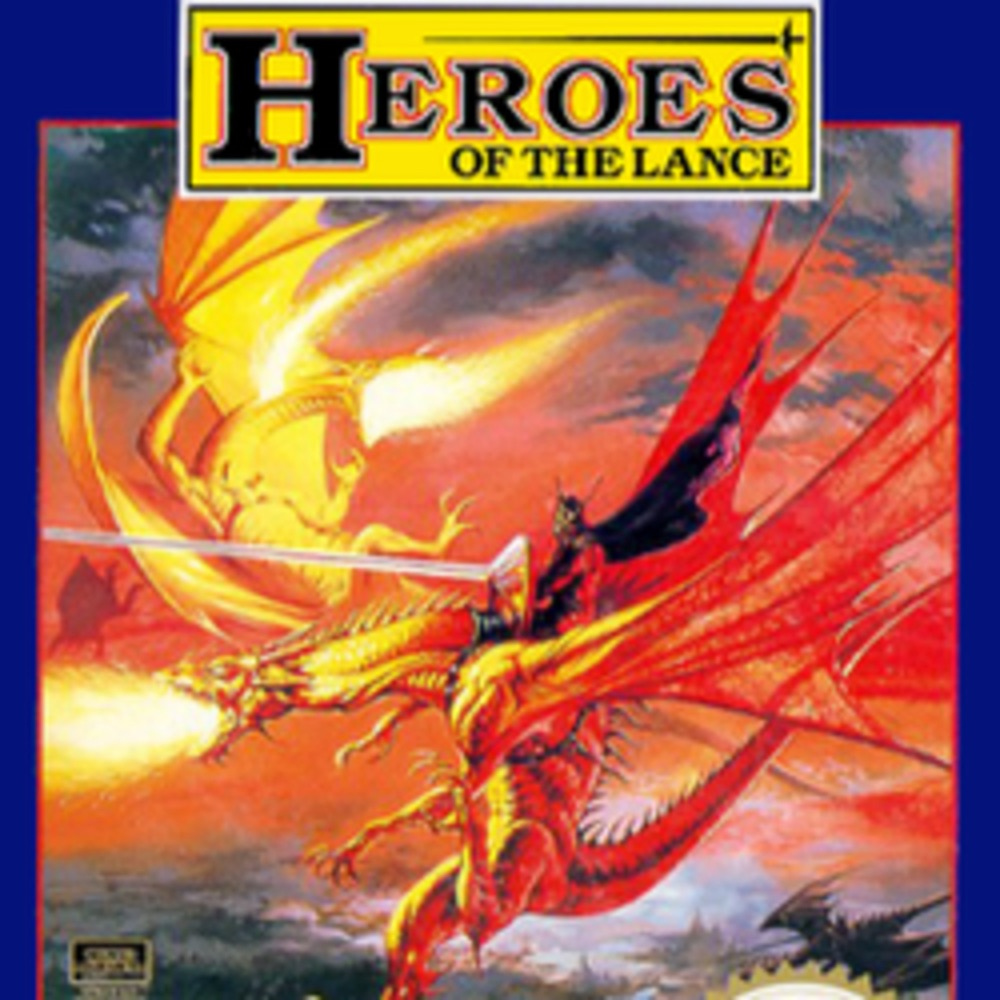
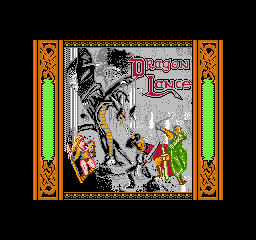
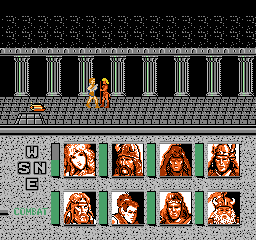
Heroes of the Lance is a Dungeons & Dragons game with no character creation, the one part of Dungeons & Dragons people actually finish. You get eight premade heroes and are expected to already know them. The rest is a side-scroller that plays like a menu with a few seconds of action in it. Picking up a dropped item means standing on exactly the right pixel, choosing who grabs it, backing out, and then digging through the inventory to use it. It is Super Mario, as we put it, if collecting a coin meant jumping at the coin, pausing, and finding "pick up coin" three menus deep. The buttons for confirm, back and exit seem to change at every layer, and it is one of the ugliest menus we have seen.
Combat is a mystery. Attacks only land with some combination of direction and button, and hits miss constantly, which looked to us like hidden armor class rolls with no log to show them. On screen it is two characters bopping each other, you with a sword and a grumpy dwarf kicking, and nothing happens. Getting through a door means holding the button for about three seconds, with no hint that this is what the game wants. The manual's "first five minutes" is two pages of plain text that tell you to equip each hero with the weapon they already carry, and the page about the crystal staff reads like a first draft, with a staff that "holds 200 charges." From a distance, the manual looks like the FCC compliance page. Exploring is no better: the dungeon is mostly empty rooms, a crane that killed a character, and a fork where north and south lead to the same fight. A full run takes someone who knows the game 23 minutes. We were not that person. Our verdict was that the developer, US Gold, made a game to hate the player.
Hear our episode: Advanced Dungeons and Dragons: Heroes of the Lance

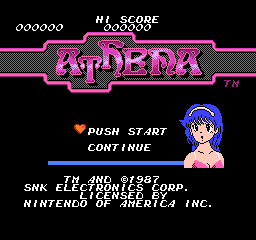
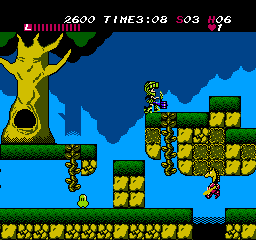
Athena is named after a Greek goddess and contains no Greek anything. She gets into this mess because, according to the lore, she was bored and opened a forbidden door, and the game makes her pay for it with eight worlds of enemies that spawn forever and look like they were placed with no plan at all. Horse-headed things crowd in on you, and since there are no invincibility frames, brushing past one drains your health every single frame, so a crowd of them is less a fight than a slow squeeze. Nothing tells you when you've been hit, either. When you finally die, the screen cuts straight to black, and we honestly wondered whether we had unplugged the controller.
The game also finds ways to trap you. In the first level, an archer's arrows can wall off the only way back, so the fix is to die on purpose. The final boss, Dante, can't be hurt without a bow you were supposed to pick up somewhere, and nothing mentions it, so missing it means starting over. The "RPG-like elements" are helmets and boots, which is about as RPG as text in a box. Kid Icarus had already done the Greek hero thing first and better, and we ended up with more to say about Athena's descendants in King of Fighters than about playing her. Our advice: "Please do not seek this one out."
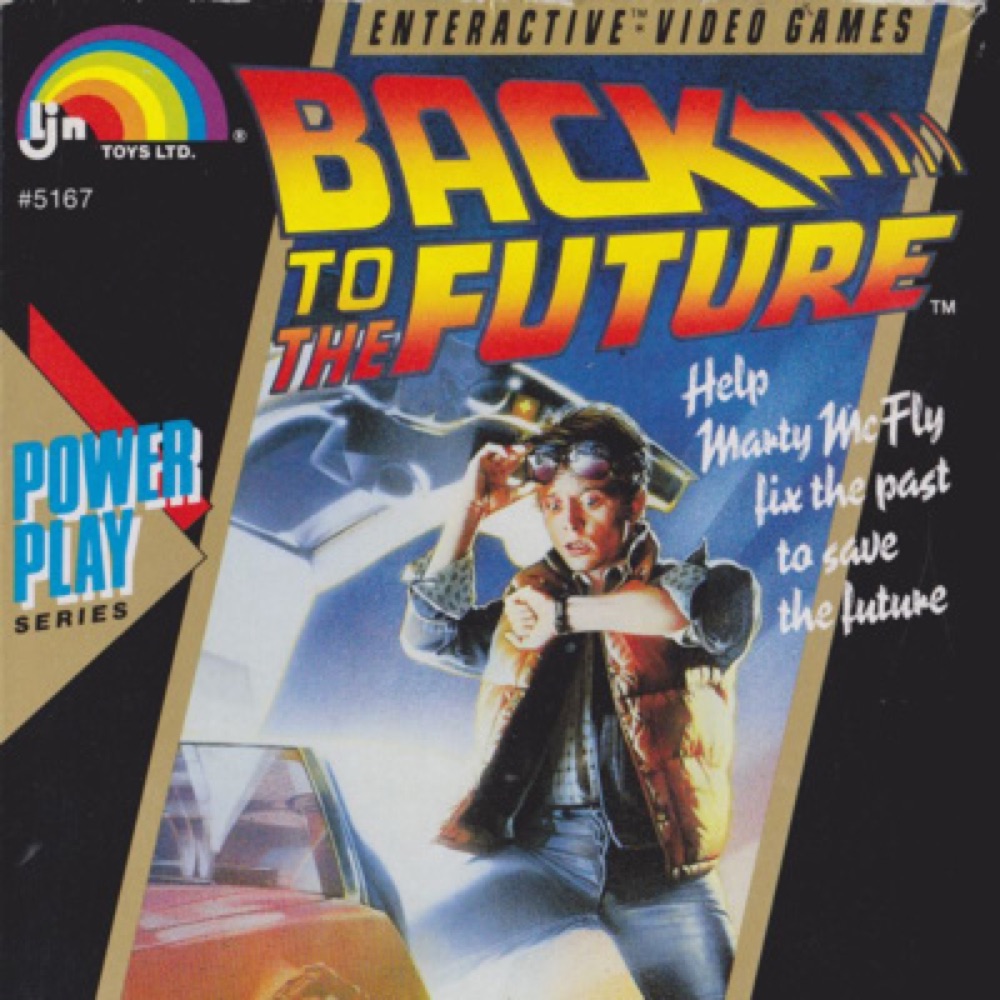
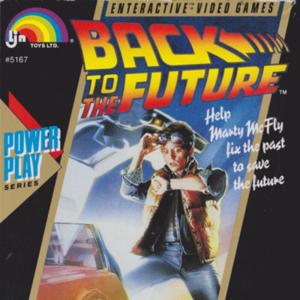
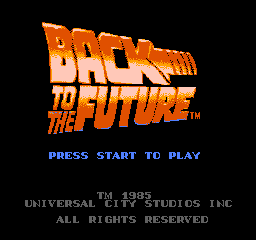
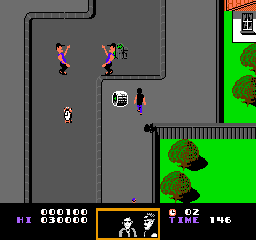
Back to the Future is a movie about a teenager accidentally wrecking his parents' romance, so naturally LJN made a skateboard game. Marty skates down an auto-scrolling street dodging pedestrians, sewer gaps and an unreasonable number of birds while collecting clocks to keep a family photo from fading. The clocks sit right in your path, so there's no pressure, and none of it comes from the movie. We joked about the classic chase scene between Marty and the killer bees, which is funny because nobody remembers it, since it doesn't exist. There are also bowling balls. Marty does not bowl.
The bonus stages are the only parts that feel like the movie, and they are deeply strange. In the classroom, Marty's mother throws a constant zigzagging stream of hearts at him, which we took to be kisses, and your job is to block them with a book. The confusing part is that you have to get in their way, and the objective on screen is, as best we could tell, to break your mother's heart. We said it felt like something The Simpsons would parody: instead of "watch out for that ship," it's "no, no, no, no, your mom is going to kiss you." Around all this, the same street is cut into six pieces with a map screen between each, Doc Brown is nowhere to be found, and the ending is a text box that says congratulations. Sean said he could feel himself fading away like the photo, and our recommendation is to listen to the episode instead.
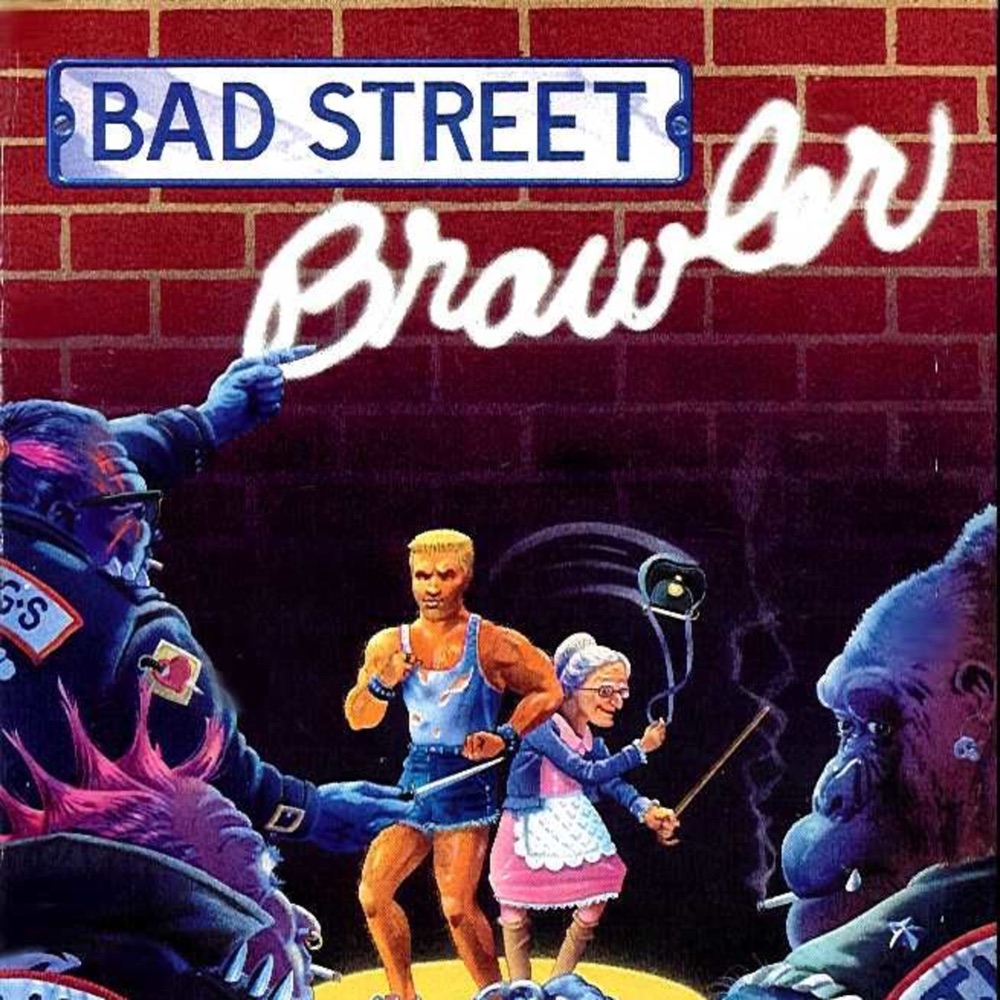
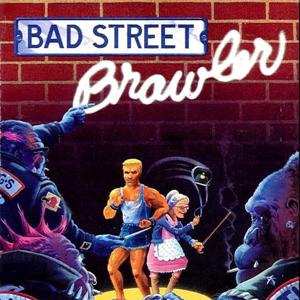
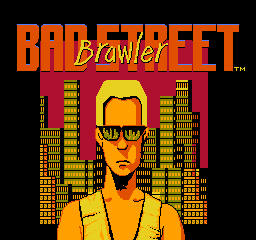
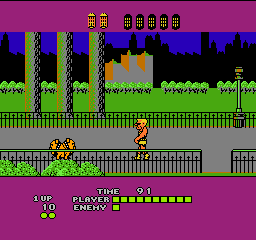
Bad Street Brawler stars Duke Davis, a former punk rocker in a vest and short shorts, who is somehow the best candidate to clean up a city overrun by thugs and, according to a manual paragraph that could have been one sentence, a circus. The game gives you about 100 seconds a stage and no way to add time, so most of our deaths were the clock, and our best strategy was sprinting right until the screen locked and forced a fight. Nothing tells you what is blocking you. The fighting itself is unreliable hitboxes, almost no feedback when you land a hit, and a jump that is up on the D-pad.
Every level hands you three new moves from a pool of fifteen, so just as you work out what you're doing, the game takes it away. The game was built for the Power Glove, and neither the game nor the manual says a word about it, which we only found out mid-show. The final boss is Duke's old sensei, who shows up with a bazooka, and then a victory parade where the confetti animates in the exact same spot. To be fair, the enemies are delightful, including a spy who opens his coat to reveal a smaller spy, and the jokes land. We just didn't enjoy the part where you fight. As Joe put it, the game lives up to its name.
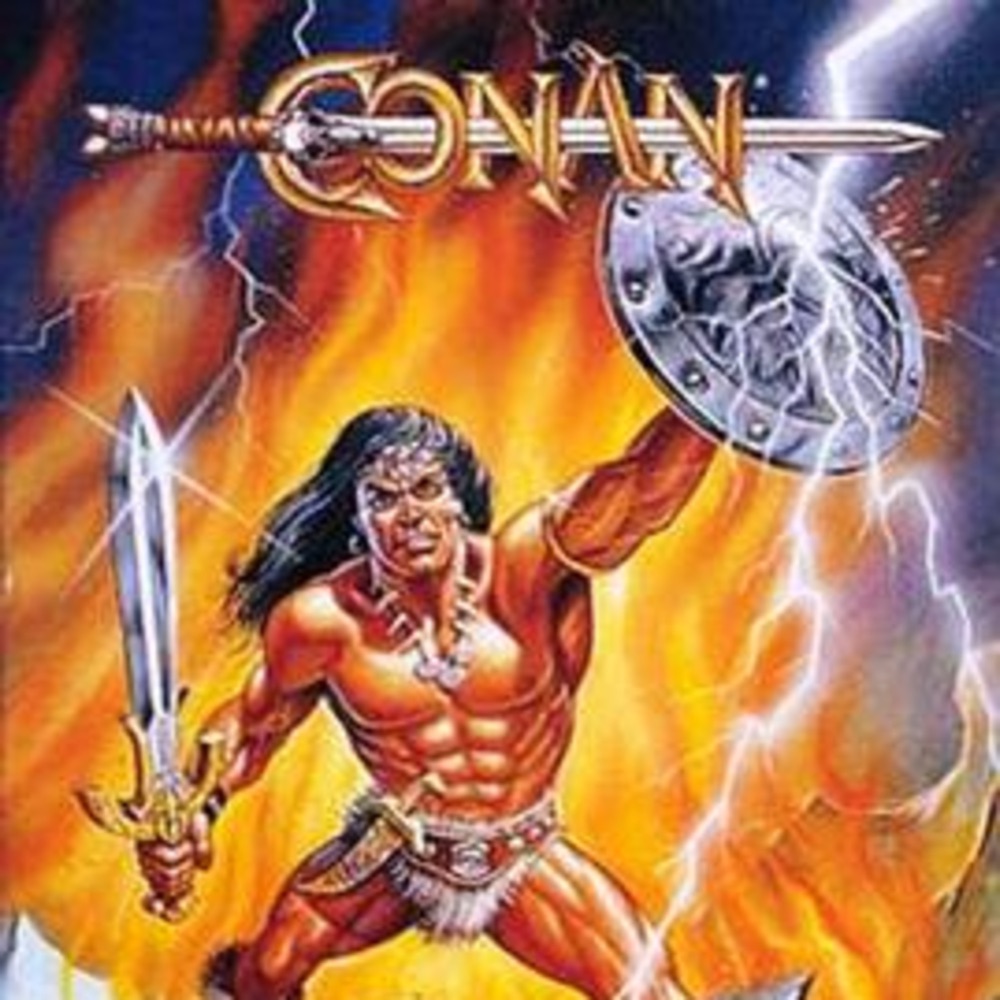
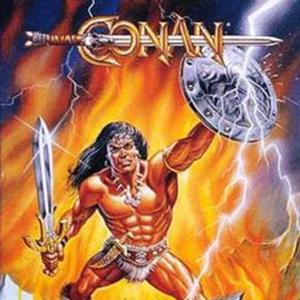
Conan: The Mysteries of Time opens with a manual that is a novel: pages and pages of story, followed by a page and a half of controls. Then you press Start, and the game has no plot at all. We said it plainly: "if you play the game, there's no plot." It also isn't a Conan game. It's a reskin of a British computer game called Myth: History in the Making, which is why the barbarian keeps running into Romans, Vikings and skeletons in hell.
The controls are the main event. Down is jump, and also a longer leap, and also pick up. Two attack buttons hit the same enemies, and Start only starts the game, so there are more buttons than ideas and the game still makes you press the wrong one. Fights give almost no feedback, enemies die silently, and the HUD looked like the game was leaking numbers through the screen. The "puzzles" include fighting a devil for a single-use pitchfork and hitting a statue in the background for a mirror shield to use on Medusa, which had us "really, really generously using the word puzzle." One-pixel pits trap you while a platform sits an inch away, and the lightning on the boat level could give you a seizure. We put it next to Advanced Dungeons and Dragons at the bottom of the barrel, and the nicest thing we could say was "at least they went for it in the manual."
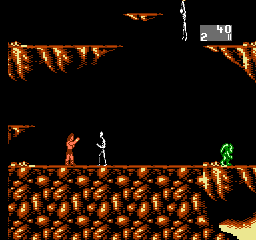
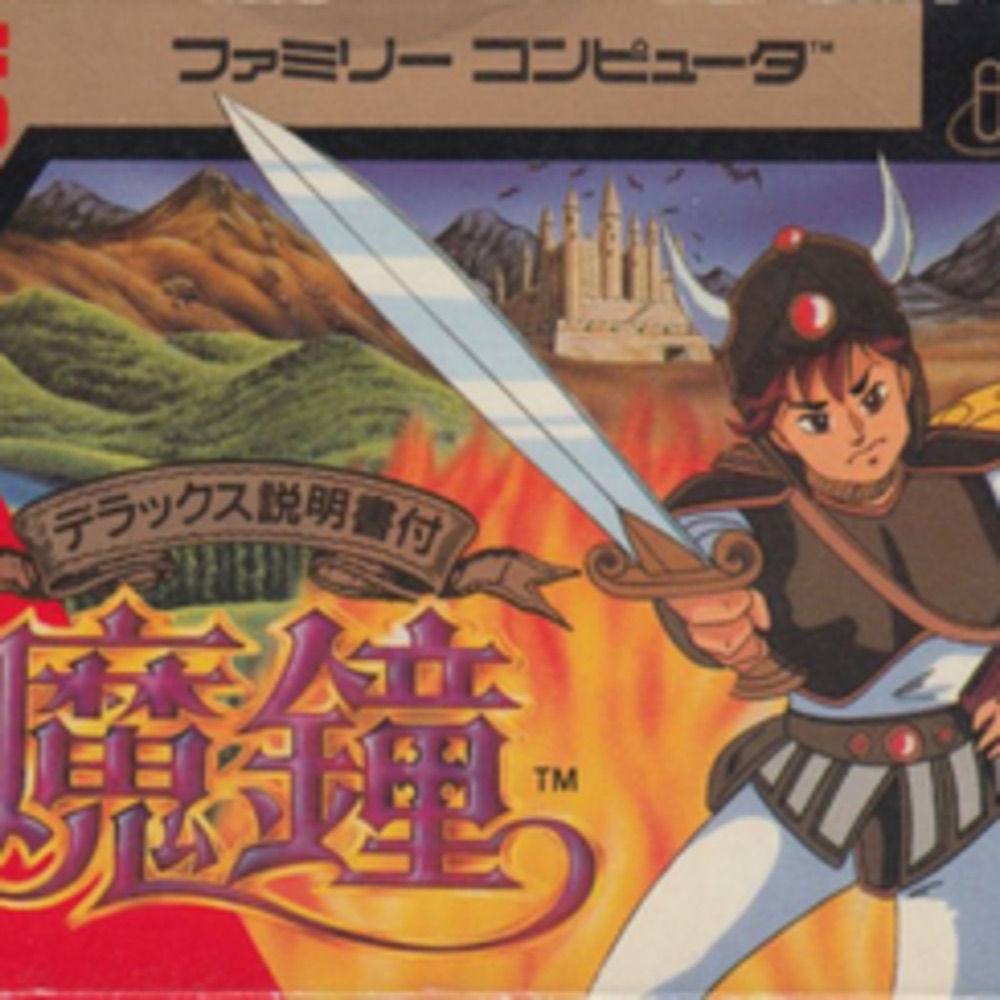
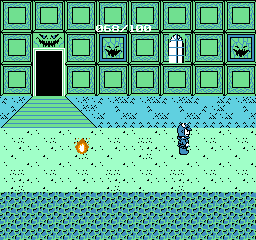
Deadly Towers has roughly 300 rooms, and one maze alone is 235 screens with no landmarks, in a design that seems to expect you to draw your own grid map. A speed run skips about 90 percent of the game, which tells you what the rest is for: as we put it, "fodder to get you lost." Along the way you throw a sword that does one damage to enemies with around 50 health, then stand defenseless until it comes back, and a wasp can kill you in two hits. The enemies are mostly single-color blobs in the default blue, as if someone filled them in with the paint bucket tool, and they're all dumped on screen at once in what we called an enemy salad.
Meanwhile the music restarts every time you change rooms, which happens every few seconds, so the last note just hangs there. The final boss, Rubas, King of Devils, is a frail old man in what looks like a black hoodie, minding his own business while you attack him. Broderbund's Alan Weiss said they didn't find the game that difficult in testing, and our reply was "what a bull thing to say." It nearly shipped as Hell's Bells, and the makers, Lenar and Tamtex, sounded to us like tax firms. The game is tons of content, none of it delivers, and it goes at the top of the jank folder.

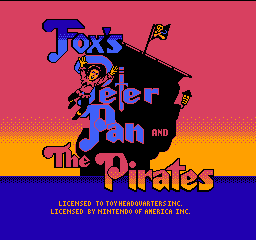
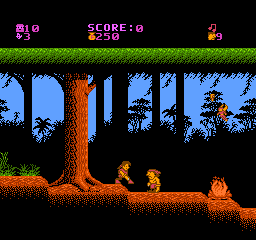
Fox's Peter Pan and the Pirates: The Revenge of Captain Hook has so much title on the front of the box that there was no room left for the back. The game inside felt like an NES bootleg, and by the end we couldn't argue. Peter's weapon is "the world's smallest knife," smaller than the pixels of his own hand, so every fight is a stab-off with no sign of who landed a hit, and touching an enemy drains your health for as long as you stand there. Flying and jumping share one pose, and landing takes forever. The health icons look like telephones. They're treasure chests. The manual says the flight bags are food, so in this game Peter Pan flies by eating.
You can't leave a stage until every pirate is dead, and Wendy yells at you if you try to skip ahead. Most stages reuse the same layouts and enemy placements with a new palette, the pause button doesn't pause the music, and the music is one thin beep going up and down. The pirates fire cannonballs so big we asked if they were bazookas. We said it felt like something that could run on an Atari 2600 with stick figures. The one thing it gets right is the ending, where you knock Hook down the plank to the crocodile. Joe said it was more fun with a friend to laugh at it with, and that he never wants to play it again.
Hear our episode: Fox's Peter Pan and the Pirates: The Revenge of Captain Hook
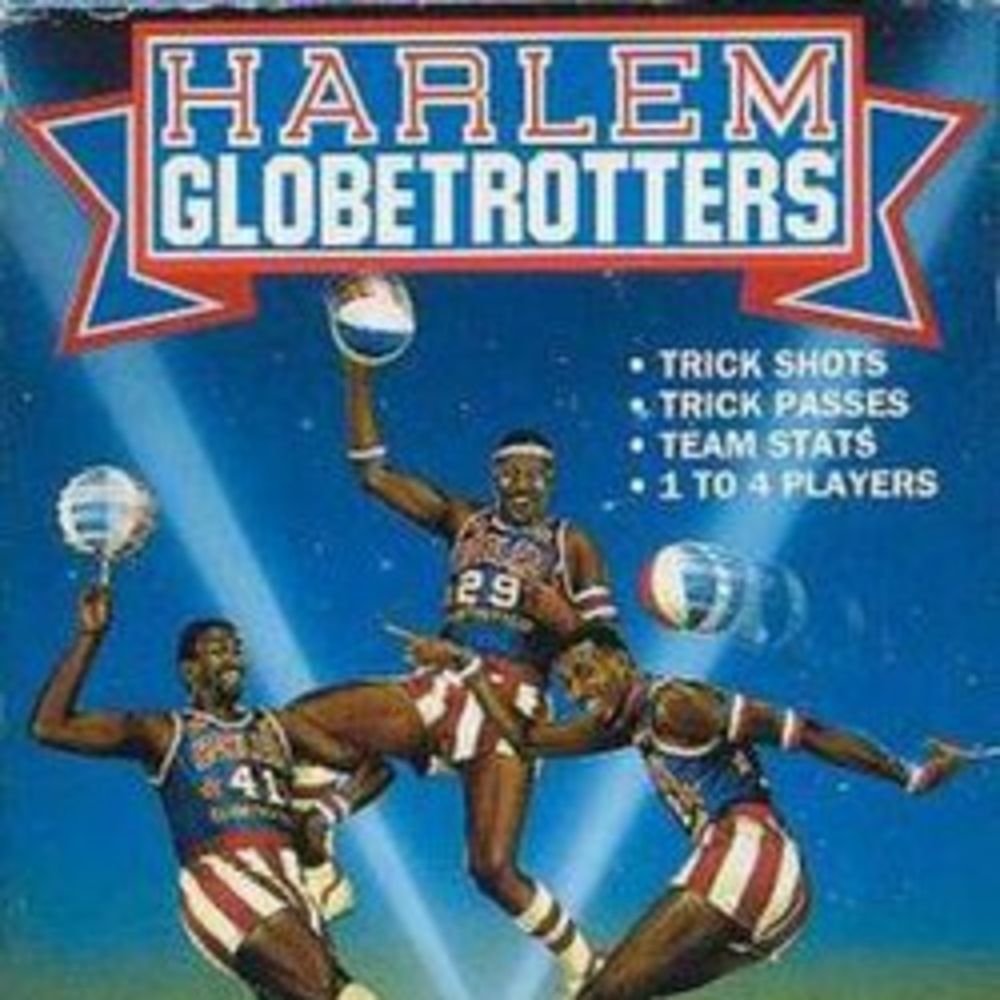
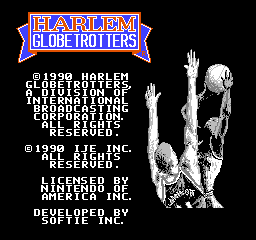
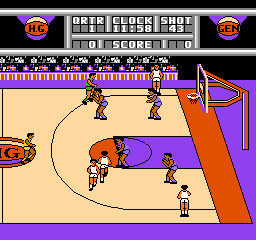
Harlem Globetrotters is a basketball game with almost no Globetrotters in it. Before you can play, you sit through two splash screens you can't skip, a demo, and a questionnaire where you press select to lock in each answer. The last screen says "press select to begin Harlem Globetrotters basketball," even if you picked the Generals. The manual made it sound like you'd direct the showmanship and stage the funniest plays, and there is none of that. The Generals get no trick moves at all, so playing as them is, as we put it, "just hard mode." The closest thing to comedy in the whole game is the referee tripping on his way to the foul line.
The basketball isn't better. There's no block button, so a jump shot is nearly unstoppable, but the computer always blocks you at the perfect moment, and the ball bounces in front of you with no way to recover it. We couldn't grab a single offensive rebound. When you finish your one exhibition game, it says that's it and offers to start over: no other teams, no playoffs, nothing. "It may as well be a demo version of a launch basketball game from the NES." We came away with a theory that the whole thing is a barbershop conspiracy, with a red, white and blue ball, a barber-pole spin and Big Barber behind it all. That theory makes more sense than the menus.
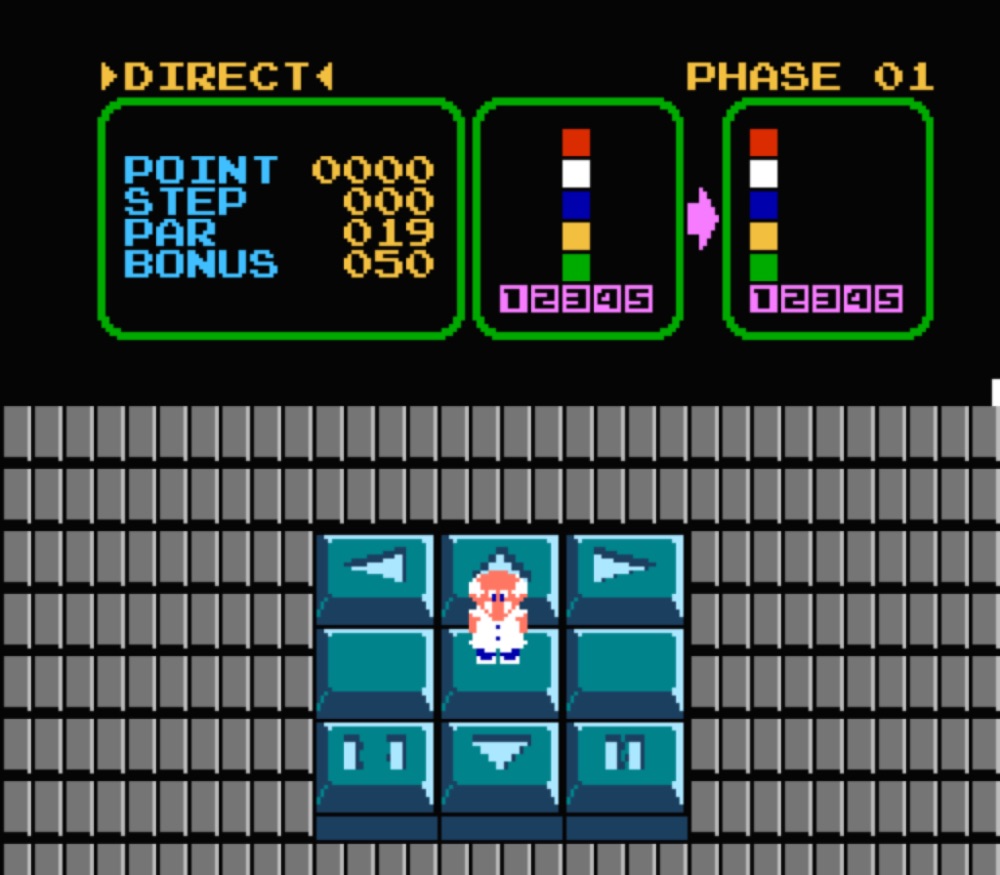
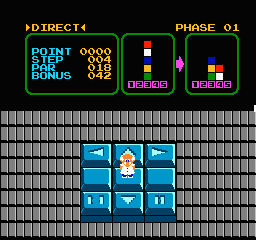
Stack-Up is a video game that doesn't need to be one. The point is to rearrange colored discs with Rob, the toy robot from Gyromite, but the game can't see Rob, so what you actually do is steer a little guy around the screen, who presses buttons on an on-screen controller, which tells Rob what to do. We called the game "a designated middleman for you to interact with your toy." When you think you've won, you press Start, because the whole thing runs on the honor system. If you wanted to prove a score to anyone, we said, you would need to record yourself on VHS.
The other modes are worse. Memory mode works fine on graph paper, which we tried, so the game and the robot are optional. Bingo mode is not bingo: moving Rob down one spot takes five inputs while enemies hop around canceling your button presses. A complete setup, with all the little plastic pieces that go missing, goes for upwards of $400. We compared it to Twister with no spinner and no one calling the moves, and to a plastic magnet fishing game that "each time would be better than this game." The vote was four no's, and the verdict was "this game doesn't deserve to exist."
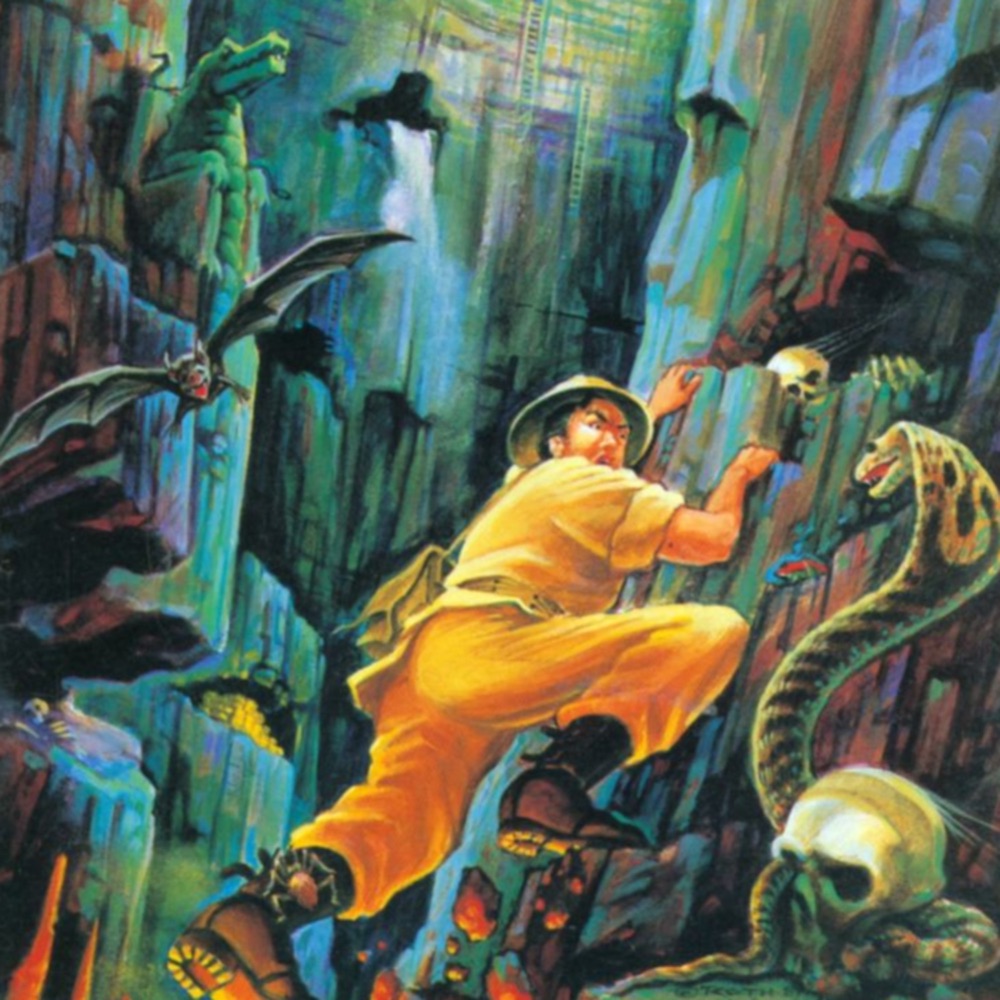
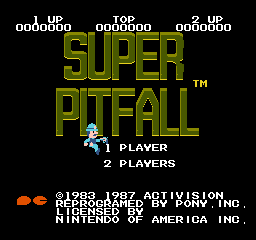
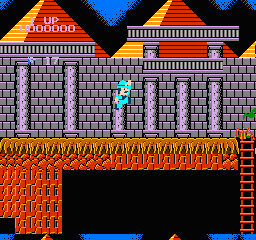
Super Pitfall opens with a ladder, and the first ladder drops you into a pit with a bat. The lesson is don't trust ladders, in a game that is mostly ladders. After that you're in a cave of more than 270 screens with no map and a manual whose big tip is that the best way to explore the cave is to explore it. The game won't even show you what you need: keys, doors and warps have no sprite until you jump and touch them, and enemies pop in and out as you step back. If you fall, you can't steer, so a long drop is a bathroom break. "You'll just fall for like 40 minutes."
You also get a gun with 20 bullets that takes three shots to kill a bat and sails right past spiders, so eventually we "just won't shoot anymore." To get back to some parts of the cave, you have to run into one specific bird that looks exactly like all the birds that kill you. Then the ceiling collapses with no warning, and when you finally win, the game hands you the same cave with the items moved around, which Joe compared to finishing a jigsaw puzzle and being given the same picture with new cuts. A speed runner beat it in seven minutes by dying three times on purpose. We called it a nightmare, and our second fever dream game after Burger Time.
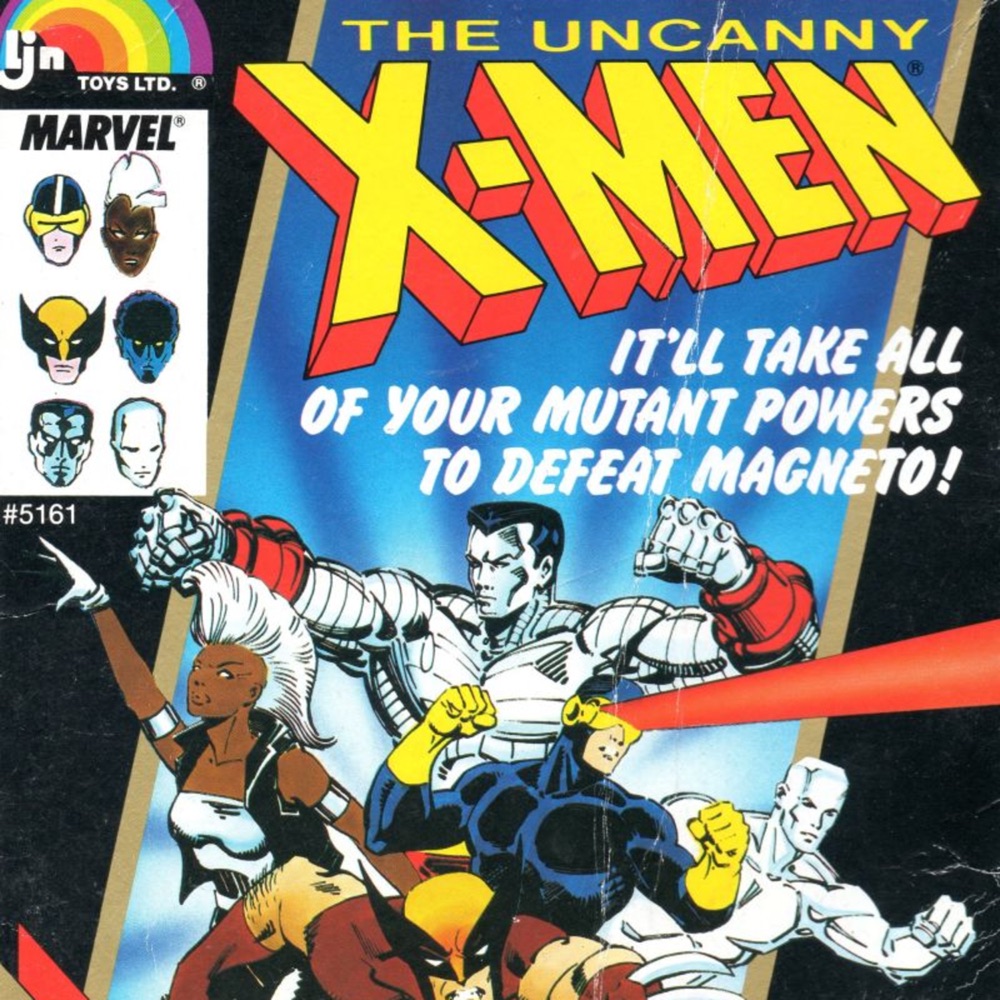
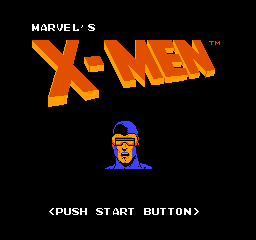
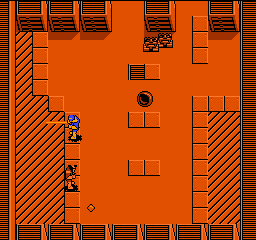
The Uncanny X-Men doesn't say Uncanny X-Men anywhere we could find. Even the title screen just says Marvel's X-Men. It doesn't feel like them either: every hero is either a "swiper or a spewer," one melee attack or one projectile, so "the difference between playing Wolverine or Colossus, it means nothing." Wolverine is cross-eyed, and the character portraits look like mug shots, which we called the lowest point of these superheroes' lives. The jump button does nothing in a top-down game, and the closing doors do more damage than the enemies, which respawn forever and die in a hit or two.
You also get an AI partner, which was the one thing that briefly impressed us. Then it paces back and forth firing at nothing, or gets stuck on a wall, or locks the game outright, which happened within our first 15 minutes. The stages don't feel "like a dungeon or a puzzle or a maze, it just feels like a mess," and the ship level has transparent tiles, so you can't tell what is floor, like a glitched Final Fantasy map. Magneto is locked behind a code: you kill 30 special enemies per stage to turn words in the ending text red, then combine them with a code printed on the cartridge label. We suggested they should have made it so you put a magnet up against your television.
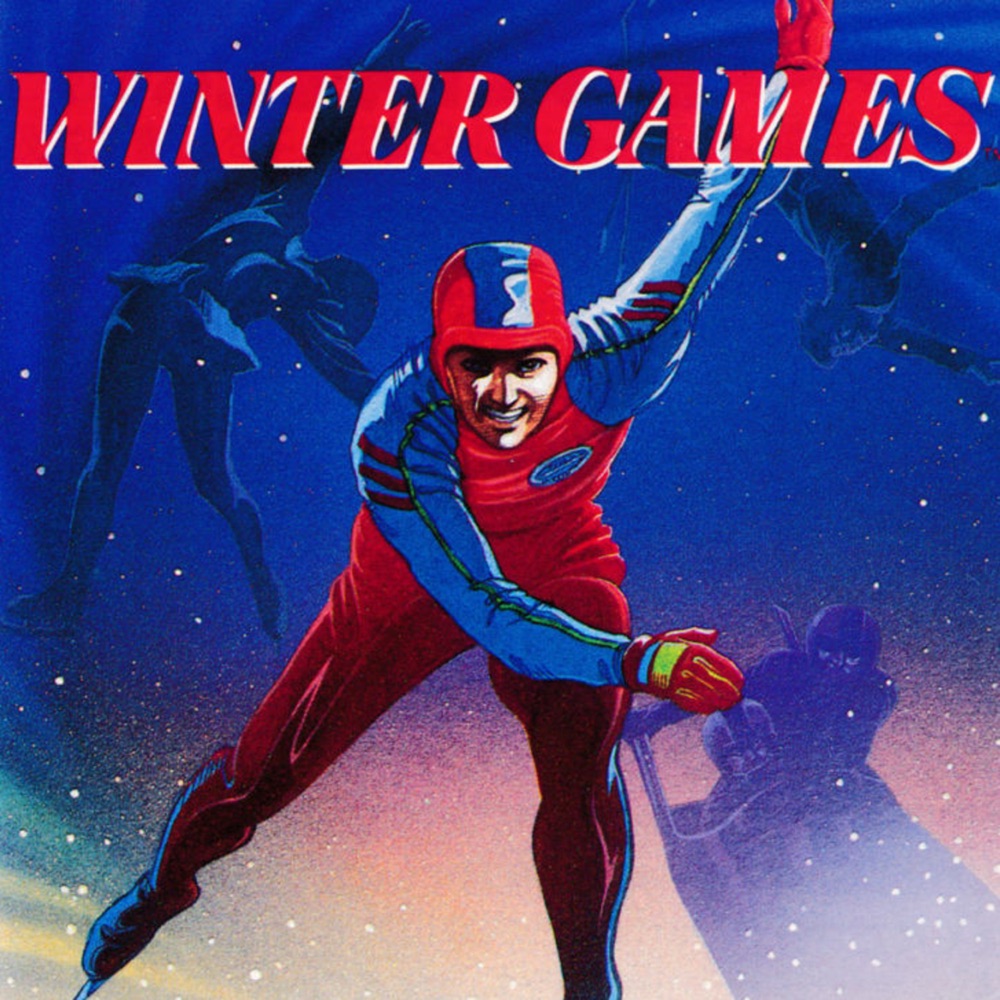
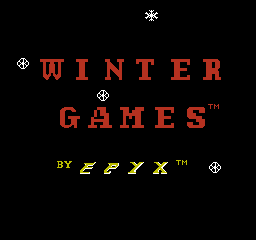
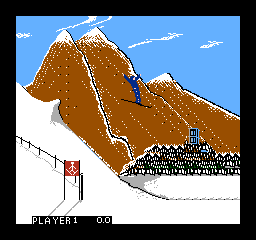
Winter Games has maybe a dozen minutes of content, and most of it is figuring out the buttons. Figure skating asks you to press A, hold a direction, let go, press A again to land, and keep skating forward, or you fall. We played four times and got zeros across the board on three of them. Our best score was a 0.7. A camel spin into a sit spin is worth 1.2 and takes a ridiculous chain of presses. Speed skating wants both thumbs mashing to a rhythm nobody ever cracked, and nobody once caught the computer opponent.
Bobsled throws a course map, a 3D view and a speed meter at you at the same time, and none of it helps. We capsized constantly until we figured out you lean into the curves, and as we put it, Mario and Peach could explain bobsled "better than an official Winter Games ever could." The hot dog aerials are over in a second, and a flip followed by a back flip scores a 10. The opening ceremony is "atrocious," with the same four doves and hair we described as spaghetti, and the game avoids the word Olympics until a history page at the back of the manual. We summed it up this way: "The only thing you're playing for in this game is to hear the anthem of your country."