169 · Marble Madness
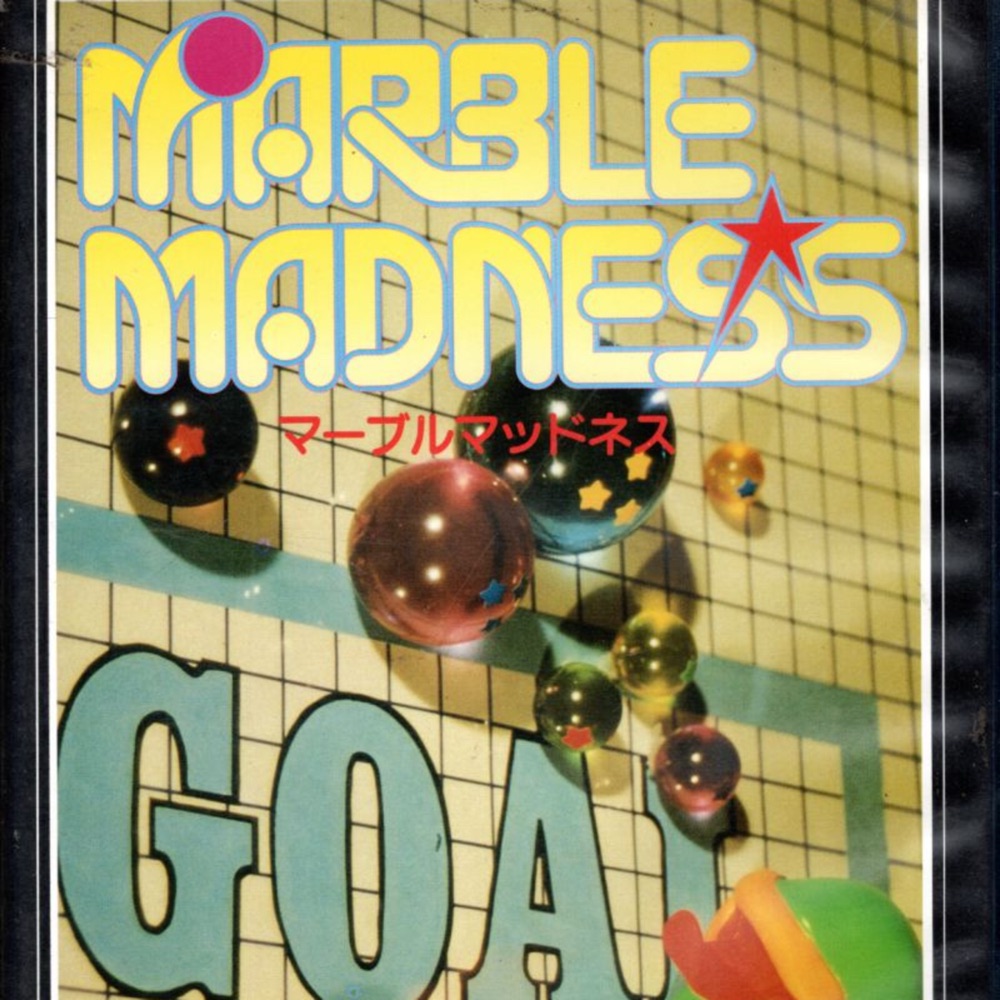
Steer your marble through each course as fast as you can without losing control!
SHOW NOTES
Marble Madness Longplay
Marble Madness Arcade
Marble Madness Gameboy
Marble Man: Marble Madness 2
Marble Madness Arcade OST
Marble Madness GDC Convo
Mark Cerny
Super Monkey Ball
Knack
- Roll to the goal in a race against time
- Introductions
- Overview
- A platform game in which the player must guide a marble through courses, populated with obstacles and enemies, within a time limit.
- Gameplay
- Movement
- Layout
- Obstacles and Enemies
- What if no time limit?
- More tricks?
- Development
- Mark Cerny
- The list of credits is underappreciated.
- Mark Cerny
- Sequels and Spinoffs
- Arcade Version first
- Trackball
- Tons of Ports
- An arcade sequel titled Marble Man: Marble Madness II was planned for release in 1991, though Cerny was uninvolved in the development
- Up to three players
- Pinball Minigame
- Power Ups
- It didn’t perform well enough for a full release
- Marble Madness has a few spiritual successors though right? Super Monkey Ball?
- Arcade Version first
- EGL
- Next week - Marble Madness
Auto-generated transcript. Each paragraph starts with its timestamp. Speakers are not identified.
Marble Madness! Roll to the goal in a race against time!
And welcome to NEStalgia, a chronological exploration of every NES game released in North America. I'm Mike. I'm Sean. I'm Joe. And I'm Sam. Sean, can we get an update on the Marble Madness Manic episodes that you've been having as of late? You mean you want me to talk about my psychological health right now? If, you know, I was wondering if... You want me to disclose this information on a podcast? I wanted to know if it's gotten any better now that you've played the game, if maybe that over... you know, like you overcame the disease. No, no, no. Exposure therapy does not work. I'm even worse now. But thanks for telling all of our listeners.
Well, for those of you that are like, what is Mike even talking about? Sean has been officially diagnosed with Marble Madness by a doctor pretty recently. And it's a lot like Pac-Man fever, if you will. Yeah. There is also a fever element to it. Joe, Sam, you don't have to be so quiet. It's okay. Sean's going to recover. I'm just... I just feel so bad.
I... yeah. Yeah, we got very little to contribute between the two of us. You'll be okay. It's just marbles. Marbles. Yeah, you don't want to lose your marbles over a game like Marble Madness. This is a platform game in which the player is a marble and you've got to guide this marble... Actually, wait a minute. That's a good question. Let's just hold the phone here on the overview. Are you the marble or are you controlling the marble as God? I think you're the marble in the same sense you're any other character you play like in a third person game.
Yeah, I think you're the marble. You bring up a good... you bring up a good point about like the theory of the self and of the mind. Like are we... are we just a complex interconnection of like ourselves or are we a person? Is the marble us or are we just pressing buttons to influence a marble? I thought of myself as localized wind.
Just blowing the marble here and there. I mean, that's kind of what I'm getting at Sam is that, you know, with Super Mario Brothers, you know, you're Mario. It's not up for discussion. You're not Mario's conscious. You know, like you're just... you are Mario. Mark Rider, you know, you are Mark Rider. Yeah, you are Mark Rider. The game told you that. Yeah. Joe specifically. I haven't forgotten. And in this game though, it's like it's a marble. So I don't think you should just immediately assume that you are the marble. And my theory is you're the marble, but... Maybe you just think you're the marble and that's why it's marble madness. And the whole thing is just a fever dream that Sean is having. You play as Sean.
See, I feel like if the stage were like tilting or something as you moved the way you control it, then I would be a little more, I'd be questioning, okay, am I the marble or am I the stage? Or am I just like I control it, trying to manipulate the marble? But since it's not, I mean, I feel like I'm the marble. Oh, you're talking about like Super Monkey Ball. Yeah. You're the stage. Or, you know, those little things that like that you can get for a dollar at a knockoff store or something. Okay, well, Sean, don't be ridiculous. If you can buy it in real life, you're obviously not the marble. This is part of his marble madness symptoms. He can't tell in real life if he's the marbles or not. I am the marble.
To get back to on track here, Marble Madness, platform game in which you guide a marble through courses populated with obstacles and everything. Like calling them enemies is kind of silly, but they're more enemy-like obstacles. Shapes. Yeah. And you got to do this in a set time limit per stage. I think like the faster you complete the stage, the more points you get. But also like that time, correct me if I'm wrong here, it kind of gets like added to your next stage. It carries over, yeah. Yeah. So it's also important to do this fast because you need to build upon your time.
Did you guys feel like that was a fair evaluation of marble madness? That is indeed what you do in marble madness, whether you are of the camp that you are the marble or if you're just influencing a marble.
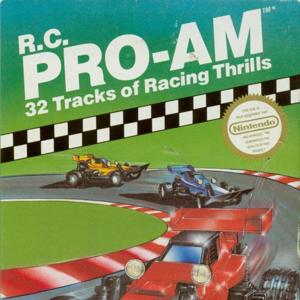
I think it's also important to say that it's like a 3D world too. It's not too much. It's like an isometric, yeah. Yeah. It's like a top-down isometric, not top-down, isometric 3D world. Yeah, that is important to say because that's going to control a lot of the movement in this game. The isometric is kind of similar to the kart racing game that Rare also made. Oh, that too. What's that? I was also going to say Q-Bert. Oh, Q-Bert. Yes, very true. I'm just linking Rare here together with RC Pro-Am, which was another one of their games. That is correct.
Now, Rare didn't originally make this game though, but I think it's just worth mentioning. You could see the parallels here. So, we're going to talk about the marble first. It doesn't matter if you are the marble or not. Don't worry about that. Unless you're going to have an existential crisis about it, in which case, you know, I'm sure there's a help hotline for that. The podcast can't really help you. You guys keep making light of the situation and I really don't appreciate it.
Anyway, let's talk about movement of the marble because that's pretty important, right? If the whole game is about moving the marble, how does it feel to control this marble? Joe, any immediate thoughts come to mind about controlling the marble? I'll say it takes a second to kind of get used to it. I mean, it's just the fact that you're playing, you know, you're controlling a marble using a D-pad and you don't have a joystick.
Right off the bat, it gives you like some little issues. But I will say that once you sort of get the hang of it, you know, once you get the feel and understand like the nuances of how it controls, it feels pretty good. Yeah, I'd say it's also a like a physics simulation too. It's not just like it feels very realistic. It feels like when you move, you're not just moving your character, you're adding force in a direction.
Yeah, there's definitely momentum and like a curve to the speed at which you move. The game does a lot of graphics work too to simulate that feeling for you, right Sam? You know, you were saying that it's physics based, but you can also kind of see the motion of your marble through that depth that they add on the top of the marble, you know, where the light source would hit it. But you can kind of see that move around as well, which helps let you know how out of control you are. Yeah, your marble also has what is it like a ring of stars inside of it or something. It's got some kind of design inside the marble itself, I think, that you can see move around that lets you know that it's a sphere.
Yeah, and that kind of gives you also some hints as to what direction you're rolling, though you can see the marble rolling anyway. But it definitely makes it feel a bit more like a solid object. Perfect. And like the way that the marble controls too, like you get like the two options of like sort of what perspective you want to treat it, where you can like sort of play it as if it were Q-Bert with that weird like 45 degree angle thing. Or just sort of like a one-to-one, what you see on the screen is the direction you're going to go sort of thing.
Right, it gives you the 90 or 45 choice. I personally could not handle the 45. I did try both and the 90 just seemed much more intuitive for my kind of play. Yeah, I'm the same way there. I looked it up in the manual and they say that you're supposed to kind of hold your controller like a remote and that's how you do the 45 degree grip.
It's a special technique. I'm not really sure what the deal is with that. Yeah, I saw that too, like holding your controller at a 45 degree angle, which seems like in principle, or not in principle, but in theory, seems like it would work well. But I feel like that's just even more confusing because even if you're holding it at a 45 degree angle, you just automatically want to treat the up button like the up button and not like the northeast button.
Yeah, yeah. I don't really get that either because like if you treat it like that, that's sort of just like saying like turn your TV upside down and also hold your controller upside down and it'll still work. And so that's sort of like how I was like, why is this even an option? But I guess some people wanted it or are used to it or I don't know.
Well, correct me if I'm wrong, but the original controller for the arcade version was a ball that you would move around, right? Yeah, it was a track ball. Yeah. So I guess it's obviously like the best option. Yeah, I guess they just like didn't know what to do to simulate that. They're like, I guess you could hold it like a remote and then that's like a ball, right? And people are like, yeah, sure.
It's the 80s. We did see this on Q-Bert though, me and Sean, when we did that episode. Q-Bert also suggested like, you know, tilt the controller a little bit different. So this way you can play with understanding the cubes better. I think we both ruled it out there too, right, Sean? Oh yeah. And it's also interesting that recently we've just been getting a lot of games that have some weird controller or like control issues like just coming from the arcade. Like between this and quarterback and Q-Bert.
We're getting a lot of things that aren't supposed to be on D-pads now on D-pads. Well, that's because the NES has established itself as the premier home console. So if your arcade game's worth anything, it would also be available on the NES. That's true. All right. Back to the marble for a second with the movement. We talked about that there is a time limit to each of these stages.
Does the marble feel like it is speed? Like do you feel fast using the marble? We mentioned that there's momentum and stuff. Do you, you know, does that hold it back? Does that help it? Did you wish the marble was faster, Sam? I think that I like the speed of the marble. I found that if I try to hurry through stages, I usually mess up and that it's better to just take it slowly and carefully and then get to know the stages a lot better that way than just trying to go down every path as fast as I can.
So, and if I took it carefully, I was able to get through stages pretty easily. So, yeah. Yeah. That was the, that was the thing that took me a little while to, to get my head around. Cause when you first play a game that's, you know, about a marble like this on a marble coaster, you're thinking speed, you know, you're thinking like you want that momentum, but the game's not really built around that idea. The game's more built around like, I don't know, I feel like the game is meant to be played.
Like you're supposed to be a little more cerebral about it and like think your way through and like the momentum can help you try and get through the course, but also it can, it can be an obstacle. Like, because there's, you know, the course is built with so many like very small, narrow ledges and whatnot.
It takes some time, some time to kind of start thinking of it that way. Joe, I think that's a great point because there's to the cerebral nature of it. I remember thinking that even just the penalty for falling off the stage was too forgiving. This is the, this is like a short burst of stages. I kind of feel like if you fall off a stage like that, it should be Super Mario Brothers level of consequences. Like that you got to go back to the beginning of the stage or you got, you know, like they're, they're not really like that.
Sort of surprised me. Like I would, I would agree that you're supposed to sort of take this carefully and be a bit more precise. But when it really just warps you back like a few inches and it, you get control of your ball again pretty quickly. Like you can kind of, you can kind of come at this haphazardly. I know that like in terms of score, I think you do get some penalties, but it's, it's, it's still very small penalty.
So I think that does allow you to, to try and get a little loose though. Like it's not, because, because there's so few levels like, and I would inevitably sort of run at a time by the end. And I played the first level pretty often. And by the end, by like my last playthrough, I could just sort of very quickly glide through it. And that does feel good.
It's just like a very short burst of that good feeling though. I actually thought that the, like how forgiving it was. I was kind of surprised, but in a good way that they were like willing to make it so forgiving. Cause it was kind of in an age where nothing was that forgiving on the NES, you know? And, and I do think that I do agree that it, it makes you maybe not think quite as carefully as you would if you like got sent back to the beginning of the stage or something when you fell off.
But I also think that, that it was a good choice to not do that. I don't know. I feel like, I feel like that would be too much. Like, I feel like the punishment is that you lose time every time you fall off. You lose a couple of seconds and while that might seem small, since your seconds all add up over the whole course of your playthrough. Like once you get to level six, if you screwed up seven times in level one, that might be the nail in your coffin. Like, yeah, we won't even be able to finish it if you'd have a perfect run.
And maybe this is just personal preference, but I feel like if I, if I were to fall off, every time I fell off, I went back to the beginning of stage. I don't think I would enjoy this game very much.
You don't think it would have taught you to play more cautiously though? I think it would have definitely taught me to play more cautiously, but I think that that would have been, I mean, again, this is like a preference thing, but I think that that's, that's across the line of what I, between like enjoyable and, and like.
Egregious. And yeah, yeah. Like there's, there's a level and there's a lot of things where it's like, you know, if you talk about like dark souls being punishing because it's punishing because you want to like learn. But with this, with, I feel like it would just be, there'd be more of a barrier to entry, you know? Like I would just be like, okay, like I'm playing as a marble. I die every time. I don't get anywhere.
That would take me so long to get to the next level that it'd be like, is, is it enough to keep me trying? Like, okay, I get it. I'm a marble. You know what I mean? Like after a while, if it's so difficult, I'd probably, probably put it down. And I, and I actually had the opposite effect giving me one thing that I think under, undercuts either play style, whether you're trying to like go for speed or go for precision and thinking more carefully about it is just the level geometry and the perspective.
I don't know about you guys, but there were a lot of situations that I feel like the, whether it's just like the, if you want to call it like hit boxes of the levels or just like the moments on the stage where it signals you're falling off now. Uh, it felt a little, like, uh, it felt a little weird to me and not like one-to-one. I think maybe there should, there should have been a bit more wiggle room if you could like sort of hop a ledge a little bit.
Um, because I just fell in places that I didn't think I'd fall. I'm all for, you know, being punished for, uh, miscalculating my speed and going barreling off of a ledge. But when it's, when there are so many situations where I didn't think that that would have happened and then it did, uh, it's not as enjoyable of an experience.
Yeah. To roll off that idea, uh, it's, it's also, it's also kind of interesting how easily your marble will shatter, uh, in certain situations. Like sometimes the marble's cool with the shortcut and you're fine, but, you know, if the game knows that you're kind of doing something it doesn't want you to do, like skipping a ledge or something like that, the ball just cracks in half and eats up a good amount of time and then you have to wait for it to reanimate back on too.
I was a little surprised by that. I thought the game was encouraging shortcuts. I mean, some of the layouts have it built in where you can choose your own path and stuff. I was a little surprised to see that they didn't want you to like clip down if, if it was possible. I'm not talking about jumping over in, you know, gaps or anything like that. I'm talking about like even rolling down ledges. If you can see the ground below you, I think that's fair game to force your marble to roll off into that.
Yeah. They definitely have to redesign these levels then because the game would be trivially easy. I feel like in a lot of situations, it gets a lot of, it gets a lot of its difficulty out of the fact that you kind of see where you're going. But if you were to take that shortcut, you'd shatter.
But no, I think in terms of like the game feel, I was, it was very unintuitive how little wiggle room you had for fall damage. It was kind of like that, that, that, this spelunker, like where you kind of jump half a foot and then your legs crunch from under you. It was that sort of feel to me. I had the same, the same feeling at first too. And then I kind of started to treat it as like, okay, well then the game is to just stay flat on the ground or, you know, flat or on an incline or whatever, but to not like leave the ground because then you, then you'll break and then you lose time.
But then there were a couple of times where part of the course was going off a ledge. Yeah. Where then I was, then it did feel a little bit troublesome because it was, it was like they had times where they, you know, they intended you to jump and times where they don't. And sometimes it wasn't that easy to like tell those apart. Yeah, I agree completely.
There isn't enough like internal rule following for it to feel all that quite right. But after a couple of playthroughs, like you, you, you end up learning, but I think that's sort of like a lazy way to approach it. The momentum thing also matters there too, though, because there's some where you can only reach those gaps if you have a good amount of speed built in too. And that's, that's a punishing thing to find out as well, that you have to kind of go back a little bit and recreate your momentum and dodge the obstacles in order to clear certain paths.
So these layouts with the, you know, the varying, the difficulty definitely shifts. The first level I think is designed just to, you know, give you a feel of how to control the marble. Then they introduce an obstacle here or there. And then they introduce different ideas of how to get through a course.
I personally found the difficulty in the later, I think there's, is there five or six levels? I found the difficulty in the later, like, yeah, the last like three levels have things in them that are also just so different than the beginning parts of the game that I struggle to think of how you're supposed to, you know, like uncover the idea of how to, how to conquer this stuff when you're only seeing it in glimpses, you know, because of your time. So you have to like keep getting back to them and then relearn them when you finally get back to that part.
I didn't enjoy that aspect of it. I thought they could have taught you everything that the game needed you to know about beating it throughout the entirety of the game rather than introducing it in a particular stage at its most challenging point. Yeah. The only time that you see a platform sort of move or kind of disappear and reappear is the literal like last stretch of the entire game.
And at first glance, you get to that jump or what looks like a jump. You think it's just a jump, but no, you have to slow the hell down and wait for the platform below you to materialize and then sort of try and stick with that. It didn't really have any, like, it's not like there were mechanics that built off of each other. It was just over the course of this game, there'd be an idea and then it would disappear. And then there'd be another idea and then you wouldn't see it again.
So I thought that that was, it just wasn't very, it didn't have a consistency to it. I, I'm willing to forgive it though, because there are only six levels. I think that the fact that they're so different from each other and that they have all these different, uh, all these different ideas that kind of come out of nowhere and catch you off guard. I think that helps elongate the game. And I don't think it does it in a cheap way that some games do, because I feel like it is kind of easy to get back to that point. After you find out this new thing that stumps you. And if you get there once, then you can get there again.
Okay. So yes, the, the shortness of the game, like the six stages, I'm not asking them to build any more stages. Like I think that actually, believe it or not, is appropriate because people who are amazing at this game will just continue to try to beat it faster and faster. And people who, uh, can't master a certain stage can get back to it relatively quickly. I think what I'm asking for is, you know, the designers to take a look at, you know, Super Mario Brothers level of teaching you how to do something. So to Sean's point, right? The invisible, uh, or the teleporting platforms that you learn at the very last part of the game.
That level could have had more of that just in a way where it's like, you know, one platform reappears and disappears first and you clear that section. And then it's like, you know, uh, three of them like appear on and off. And then finally you get to the one where it like staggers and you, you know, by that point it's up to you to take what you learned from the first two obstacles and bring it into the third. I'm a little surprised that the game only like really offers these things immediately at their most challenging. I think that's the argument I'm making.
I get that. I think that for that, I think that this game does need more levels because it's just such a short experience. Like I was able to not, I didn't actually, um, do this all in one sitting, but like over a short amount of playing period, like I did beat the game. I know that you're supposed to be able to beat the game pretty easily and it's all about like getting a higher score and having better times. But I just didn't think that there's enough content here. I think that like in able to like sort of implement what you're saying, Mike, you would need sort of sub levels or maybe like some, some levels between all of these levels, uh, to have like that, like lower stakes version of teaching mechanics.
And I think that the game would just have more value that way too. Um, because I, I, these, it's like a six minute, 10 minute game. If you were to just like complete it outright.
So, well, even if you pretend, if you're not even the best kind of player, right, it's still only a 10 minute game because that's how like, that's the max amount of time they give you to beat the entire game. So, even if you're not great at the games, I think what's funny is, is that it had the reverse effect on me where I was playing the game pretty fast at first. Like I was like, yeah, I own this marble.
And then I kept dying in the fourth stage, I want to say. So, I looked up the game on YouTube to see some things and I saw what the final stage was and I was like, well, I'll never beat that. So, I might as well take the rest of the game pretty slow and not care about defeating the game. So, I agree that, that it can only be a positive thing to add more levels and I, and I think that that, you know, that, that would be an improvement.
But I, it didn't bother me so much that like, like, all right, so the example that you guys keep using about the, those, those platforms that are appearing at the end of the level. Yeah, when you first get there, it probably would kind of suck when you first get there and, and that's what screws you because you didn't know it was coming. But, but I will say pretty quickly, you see what's happening and you understand what you're supposed to do. It's, it's mastering that ability that, that might take some time. But, you know, I, I kind of see these levels each as like their own little level to master.
And I think that one other thing that maybe we are not looking at, just because of the nature of the way we do this podcast, is that I think that this game shines mostly as a two-player game. Like, I think that that's where, where this game is like, has, has the most value. It makes sense because of the race, they can. Racing somebody else. So it's like, you come up to this obstacle and one of you's got to master it before the other one does. And it's just like a frantic race to try and, try and beat this obstacle.
So like I said, I do think it would be better to have more levels, but I think that just having, like, kind of like Sam said, these six levels that are each very unique from each other. And it's like, okay, this time I'm going to try and master the, like, reverse gravity level. I mean, I'm saying that fully aware that, like, the game doesn't let you just select whichever level you want to jump into. So you do have to, like, get there each time.
But still, I think that it, I still think it works. Were you able to play this two-player? I wasn't. So I'm kind of talking, like, I'm kind of talking out of, like, just my baseless opinion. No, usually you do find a way. But I agree that I would have more fun two-player probably.
But, yeah, I think that that's going to have to be the next time I approach this game is when someone plays with me. But going back to the six stages, I think, you know, having that in the home console version is understandable for the time period. But we're also talking about this game in 2021. And it's not really, like, forgivable anymore if we're reviewing it today. This home console version should have absolutely had, like, an arcade mode where you play these six and it's a race for time.
And then, like, you know, a hundred levels of various Marble Madness layouts. Because, you know, I'm not a game designer by any means. But I could imagine there's a lot more that you could add to this kind of concept. And it's shocking that they never did. Like, these six levels are Marble Madness always. Like, there's never more, never less. Yeah, it's not like this is just, like, no, we're only going to use the purest designs. And anything more would just be fluff. Like, no, there's a lot of interesting things you can do with these trial runs.
You could double or, yeah, add a hundred levels here and it wouldn't feel flat. Right. And so I think that's what the home console version needed because you could even, at that point, you could remove the time limit part. And just make it about navigating your Marble throughout those stages. And, you know, you could get even crazier with the amounts of enemies on screen or the narrowness of the passageways. I'm sure that in another universe that exists. But for some reason, Marble Madness is the only game in its franchise.
My God. Doesn't seem right. We're in the wrong timeline. Ha! Which brings me to my next point. What if there was no time limit in this game? Specifically for the home console version, too. Like, I get it in the arcade. You want to eat people's quarters.
We've been there. For the home console version, if there was a version of this game where you play the same exact layouts and everything. But now it's like a no time limit, easy mode of the game. Would you have welcomed that just to have another way to experience the game and take your time and learn the mechanics of the later stages? I think because the game is so short that if you take out the time limit, you take out really the challenge. It needs to have some kind of pressure. Whether it's a time limit or lives or some other thing.
You can't just sort of have it be a free roam racer. I don't know. Yeah. Lives would be an interesting alternative, though, because then that would give you the time to, like, really take your timer on a corner. I mean, maybe that would also be a very different experience. Yeah. Definitely, yeah. Maybe there's, like, a mode. There's timed mode and there's lives mode, you know? Yeah. Absolutely. And what about more tricks, too? And by that I mean, like, shortcuts, passageways.
You know, we're kind of designing new layouts. We can't really think about ways we would add to the current game. But, like, I think of this, especially even from the multiplayer side of it, too, you want to find the best way to race to the finish. And I feel like sometimes there's only one path, and that's not really all that interesting. Yeah. I mean, I think that that's another thing that goes with what we all keep suggesting is having more levels. I think this is just, this just inherently has the potential for so many different ideas to be implemented in so many different, like, crazy layouts and weird tricks and weird, you know, obstacles and stuff that, yeah, I think it would definitely benefit from, like, tons of creativity on that level.
And how about that music? Music is dope. It's great music in this game.
I would welcome more music. I feel like if you beat the last, like, the last level, then you should go back to the first one and have, like, new music when you play it or something. Or, hey, new levels means new music. You get the best of both worlds there. That's true. I'm telling these designers. I like that, though, Sam. The idea that, like, if you beat it, you get to go back and there's, like, crazier sound effects and stuff. A different aesthetic to the game. Like the Mock Rider kind of treatment where you get that new song unlocked after you make it to however many levels.
Yeah, that's a, and that's, like, it's not even a new song. It's, like, a slight adjustment to a part of the original song. So, like, yeah, I totally agree with that. The music in the NES version is really cool. And I think David Weiss, who's the rare composer guy who makes all your favorite rare game music, Diddy Kong Racing, Banjo-Kazooie, all that. He worked on the NES versions. But the arcade version where this thing all started, that version is somehow even trippier and, like, more out there in terms of the music and of the aesthetic of the game.
And just, like, the idea of, like, a marble in a, you know, in a CG world in space. Like, there's something very, that Treehouse of Horror 6, I think it is, where Homer goes to the CG world that he finds in his living room. Oh, yeah. It's like that, you know? Like, there's just something, it feels wrong to be in the marble madness world, you know? Like, we don't belong there and we're intruding on the marble's space. That's why those little green lampreys are trying to get us.
So you feel, like, an intense anxiety when you hear that music with this game. There's, yeah, it's definitely, like, Windows 95, it's now safe to turn off your computer box. Yeah, I know exactly what you mean. That's perfect. But it's funny, though, because I was going to say that some of the tracks in the NES version, like, give me this anxiety. I think it's the third level has, like, a very, like, rapid and, like, I don't know, anxious, like, circus-sounding soundtrack. And that makes it, like, you know, it's kind of cheating to say this because I didn't play two players. But the whole time I was kind of treating it like I'm practicing for when I actually play against somebody else.
And it seems like, you know, it's a frantic race where it's like you've got to, you're balancing, like, how fast you want to go with how careful you want to be. And, like, that music kind of, I feel like, makes, adds to that, like, tension and anxiety. And in the fourth level also where you get this, like, you get this, like, what sounds like a demonic, like, boss's dungeon in, like, any other sort of, like, platformer.
And, you know, all the platforms are, like, red and everything. And it just feels like, I don't know, I'm just imagining racing someone and being, like, your heart racing because you're, like, trying to balance that caution with, like, what's the opposite of caution? I forget. Safety? No. Rashness. What's the... It would be, yeah. I'm getting the vibe that we're all just very anxious people and my mental illness related to marbles is not the only one.
I wouldn't say that I'm anxious while playing this game. I think it just, it creates an interesting environment. And, yes, Joe, like, the NES version definitely has that. I was just giving the arcade a moment there because it definitely, like, is that times ten. Like, I think it's the fifth stage. There's something about it where you're now, you start at the bottom and you have to climb, like, up the mountain. And that also feels wrong even though I've only been playing this game for six minutes. All of a sudden I'm like, wait, now we're going the other way? Like, what is happening? You know, like, there's so much...
It's not dread, you know, but there's so much confusion going on in Marvel Madness in the sense of purpose and being and abstractness that I'm totally here for it. Like, I love that about it and I actually couldn't, even though I could never get close to beating the game, I couldn't put it down because of this feeling it gives. Yeah, and well, to add to what you're talking about with that level that's going up, just so the listeners know, too, that that level is particularly unsettling because not only are you going in the opposite direction as normal, but gravity on the inclines and declines is inverted.
So you, like, roll up inclines as if you're rolling down a hill, which really just makes you have to, like, think about... It's like when the left and right control is inverted in a game and you've got to think about, wait, am I going to go left or am I going to go right when I press this? It's, like, it's very confusing. And in such a... Now, you could just turn your TV upside down and then everything would be fine. But gravity when you're falling or on a flat plane still works normally, so that would still be confusing.
And to the listeners at home, you could have finished this game maybe three or four times in the time that we've been talking about it. If you're good at it. This took me, like, a couple hours to get to that. I didn't even beat it. I got to the last level, but I could not beat that last part.
So one thing that I thought was a little weird was the little magic wand that comes after your guy that resurrects you. Or I had one case where I was at the top of a hill and I couldn't go any further and my marble stopped. And then a magic wand came and tapped me and I got a little extra boost to make it to the top of the hill. Did anyone else have any weird magic wand experiences or want to kind of, like, deconstruct this weird magic wand? I thought that, like, gave you time. I really don't know. Like, it would randomly do it. I thought that it was sort of in the same vein as, like, the...
When you crush yourself accidentally, it'll come and sweep you up. But I don't really know what it was doing half the time. I just let it happen. Yeah, I only ever had it grant me an extra 10 seconds. But I have no idea what triggered it. It feels like it happens when you're, like, steering the ball really well. Because it was always appearing when nothing else was really going on. It just kind of halted my gameplay for a second. And I'm like, huh, what was that about? Like, I couldn't quite tell if I'd done anything right. But I definitely wasn't, you know... I was being cautious during those moments. So maybe it's, like, a reward.
Now, you reminded me, too, Sam, that, like, other than, like, adding time and stuff, there is another thing to do in this game other than push around the D-pad. And that is the turbocharging. Pressing the A button gives you a little extra burst of speed. Did anybody actually experience that extra burst of speed and use it to their advantage? I tried quite a bit, but I could not notice any burst of speed. I mean, do you need to, like, collect points before you can use it or something? No. And I tried a lot to use that. No, there were a couple times that, like, I don't know, I approached either a jump or an incline with, like, it just wasn't enough momentum to clear it.
But then if you just return and then hold the, whichever button, hold the turbo button down, you can... Like, it does make you faster. It was clear to me, at least. Just... Okay, because I did use it a couple times to, like, try and jump, but I could never tell, like, did I use it or did I just happen to get lucky that time? Like, it was never noticeable to me. But there was, like, one or two times where I jumped from one ledge to another, a jump that I'd been missing, and I made it. But visibly, it didn't look like anything changed when I pressed A, so I wasn't sure if it was just coincidence.
Yeah, it definitely gives you a bit of a... a bit more power there. It is a... it's a dangerous thing, though, too, because sometimes, depending on if you're going down a ramp or if you're in a narrow passageway, like, it's already pretty hard and easy to lose control of your ball and then to also be, like, turbocharging. I imagine that for speedruns, you're just constantly mashing the A button as you're going through the level. You definitely got to decelerate when, like, immediately after using whatever... using that to clear whatever obstacle you're trying to get by.
But that's a really satisfying part of the game, too, right? Like, there's something where you're going really fast and then you have to make a turn and you're, like, pumping the brakes. You know, whatever direction you're going in, you're holding the two buttons on the D-pad that, like, break in the opposite direction. And it's really satisfying to watch the ball, like, halt and not fall off the cliff and instead just inch its way back over. I really like that part. Yeah. And I think that's where it derives most of, like, the enjoyment of playing it is just getting that down and getting that flow. So, yeah.
An interesting thing I thought I found about, like, those physics is that it did feel, like, very, very realistic. Like, the way, you know, if you're inching towards a ledge and, like, coming to a halt has, like... You don't come to a direct halt immediately enough. You know, you still have that momentum going and it feels realistic. But the funny thing is when you really think about it, unless you're going down a decline or going up an incline, if you're on a flat plane, like, those physics don't really translate to anything in the real world. Because your motion is coming from you pushing the marble in some way or controlling the marble. Do you know what I mean? Like, it's...
Like, I'll be on a ledge and being, like, inching closer and it feels like, yeah, I can't just, like, with a character that takes a step, take one step closer. I press it and it rolls a little bit and it feels like a realistic amount of roll for, like, one... Or for the amount of time I'm pressing it. But I don't know what that actually means, a realistic amount of roll for what I'm... That doesn't... In real world, I'm not controlling a marble. That's only Sean. But...
Do you know what I mean? Like, I don't know if I'm even articulating that right, but it's like... I get what you're saying. It's... Because it's a physics simulation. So you're adding a little bit of... Just a tiny bit of force to it. Yeah. And then... It's well calibrated. Yeah. Like, the more force that you add, like, the longer you hold down a button or a... The more force is added. And it keeps adding force. And that's what gives you momentum.
Yeah. I guess I was just, like, impressed with how intuitive it ended up feeling. When, like, they were kind of starting from scratch. You know, it wasn't like they had to use the physics of, like, what a marble would do on a 45 degree angle. They had to just, like, make up, like, okay, how much pressure... How much force are you putting on the marble?
We'll be right back. The creator of Marble Madness is also the creator of gaming icon Knack from Knack and Knack 2. The Knack? That is Mark Cerny, who's now a pretty big deal at PlayStation, right?
I feel like he works on everything that they do. At least has a thank you in the credits. As recently as even that new Miles Morales Spider-Man game. I don't even know how you could be involved in something like that and also be busy working on Knack 3 at the same time. I don't think he should. He shouldn't be splitting his time on anything else but Knack 3 to make it the best game it can possibly be. But for real, Mark Cerny's credit list is really underappreciated and we were just kind of going over it before the show.
But I mean the guy is like Crash Bandicoot, Spyro, Ratchet & Clank, Uncharted. Like all these gigantic PlayStation games. But he started here with Marble Madness. And in fact before Marble Madness, I think he was trying to make a video game adaptation of Michael Jackson's Thriller.
And that just didn't work out. So he was like, oh, you know what? I'm also into marbles. So he made the original Marble Madness, the arcade version. Yes, he made the arcade version of Marble Madness. And other people worked on it with him, of course. But he was the game designer. He had a job at Atari and pitched a few different ideas at first. I think a lot of it had to do with like either miniature golf or inspired by miniature golf style controls.
And Atari was like, nah, we don't really want to do that. And he goes, okay, well what if I do miniature golf with racing? And they were like, tell us more. And somehow Marble Madness came out of that. I'm sure I should have read some more of the book. But that's the gist of what I got. So from that, I think once the game's objective became more around a race theme and a race against time specifically, the idea of what you could do with a marble became Marble Madness. And it was in the arcades. And it was a huge hit actually.
But now we think of – I don't think anybody thinks of Marble Madness and Mark Cerny together. But like this was his – I don't really think about Marble Madness that much. Well, I also don't think people think about Mark Cerny that much either, right? Like video gamers know who Shigeru Miyamoto is. I wouldn't say every video gamer knows who Mark Cerny is. I didn't until today. Okay, then I guess you're proving me wrong right away before I even said my point. Because I was going to say I thought we all would have known.
Never heard of him. Like I don't know too much about his resume. But when you said Mark Cerny, I was like, oh, yeah, Mark Cerny. You know, the PlayStation guy is what I think of him as. Right, right. Maybe just because I just remember hearing him from E3s. And I played a lot of Ratchet & Clank and Crash Bandicoot and Spyro and all those games. So why didn't Cerny go on to make Marble Man Marble Madness 2? So, wait, say that again? Like, why would it, if you're Mark Cerny, right, and you just made Marble Madness and it's a hit and everything like that, why wouldn't you go on to make Marble Man Marble Madness 2? Why is it called Marble Man?
Well, because Marble Man Marble Madness 2 was the arcade sequel that was planned for release in 1991. And although Mark Cerny was uninvolved in development, the game did get a prototype release in several arcades. And there is video footage of this game in action. It just was never officially released. So my question stands, why wouldn't Mark Cerny want to be involved in Marble Man Marble Madness 2? I think that the whole situation was just too personal to him. And to see it turned into this capitalist scheme to just make more money, like, I wouldn't want to see that happen to my baby Marble Madness either. You either die a Marble Madness or you live long enough to become Marble Man 2 or whatever it was. No, I think that, yeah. Marble Man does sound like the existential crisis that Sean is having. I've got Marble Man Syndrome.
I feel like it's like, yeah, Marble Madness is a game that is just exactly what it wants to be. It wants to be a game where marbles roll down these courses. You don't see somebody inventing football 2. It's just football. And there's no hockey 2. It's like a sport.
He wants those players to spend their time mastering it. Marble Madness 92. Yeah, yeah, yeah. You just get new marbles to play as, but it's all the same courses. Marble Man, Marble Madness 2 did have a couple of extra features, though, okay? Joe, you were excited about the multiplayer in Marble Madness. Imagine your excitement when they add a whole other player to the mix, up to three players in Marble Madness 2. Wow. I love it. Why couldn't they just do four? No, that's ridiculous. Yeah, I wouldn't do that at all. There was also going to be a pinball minigame in between levels, where I imagine you control the marble and not the actual pinball machine.
That's a cool idea. I like that. There was going to be power-ups that your marble could get. That almost gives me some, I know it's different, but it almost gives me some Kirby's Dream Course vibes. Yeah, that's true. That's true. I think the power-ups were going to include stuff like invincibility or invisibility against other players. And apparently flight was going to be another power-up that you could fly with your marble. Wait, invisibility or invincibility? Invincibility. See, I said invincibility, but I think it's invisibility, which doesn't sound like a power-up. How could you do that? Oh, this is the arcade. Are there two screens? Like, how could you do that? No, no, the marble would just be gone. Oh, so you can't see it either? You can't see it either? You're the one controlling it?
Correct. So the other person gets the power-up and then you turn invisible. It's a punishment that they set on you, I'm assuming. Right, I suppose. I suppose. I never played it because it never came out because it didn't perform well up against games like Street Fighter 2. So you could understand that, like, they were like, hmm, this niche marble game isn't really competing with the genre-defining fighting game. I don't know why I'm just cracking up right now. We got, like, really set on that invisibility thing. Well, I was so confused on that.
So because it didn't take off, the arcade system boards for the sequel were rumored to have been destroyed to clear inventory for tax purposes. Something about that sentence doesn't sit well with me. I don't think tax purposes are required. Make sure you burn those boards before the tax people find out. No, I think that Mark Cerny actually got his justice and convinced the CEO to destroy them and not to diminish his labor of love with this piece of garbage sequel. Yeah, I imagine it kind of like a seal door in Lord of the Rings, like, trying to throw the ring in. And Mark Cerny is, like, behind him saying, like, throw it in.
We have to destroy it. I understand. I think what wound up happening was at the time, Cerny wanted to work on Marble Madness 2, but he had huge gambling debts. And at the time, you know, Atari was like, you've got to leave the company for a little bit while you have these gigantic gambling debts. Travel to Japan, go work with Sega, make Sonic the Hedgehog 2 for, like, a year, and then come back and work for us when the gambling debts are cleared. And that's exactly what he went to do. So that's why he didn't work on Marble Madness 2. Is this, is that real? I thought you just made that up.
Well, so he did work on Sonic the Hedgehog 2. No gambling debts. That we know of. No gambling debts, but true believers will know exactly who I'm actually referencing in that story. Huh. I'll stay out of the loop right now. That's cool. All right, so that's Marble Madness. There are no other sequels or spinoffs of this game, although I guess you could say, you know, we listed Super Monkey Ball, and I'm sure there's a bunch of other games where you play either as balls or marbles or what have you. So Kirby's Dream Course 2 also feels like an inspired spiritual successor, right, Joe?
Yeah, definitely. I mean, it's, you got a different goal in Kirby's Dream Course, for sure, but it's, like, the same kind of, same sort of physics and the same sort of, like, it utilizes a lot of the same elements. The inspiration is definitely there, though. And, of course, Marble Madness would get ported to everything, not just the NES. Yes. Weirdly enough, it did get a port to the Game Boy Advance where they removed the last three levels. So there's just three levels. Oh, my God. And people paid for that.
That's bizarre. Obviously, six levels is better, but I still think that there's just something about this game that maybe, you know, maybe I'm the only one who kind of saw it this way, but it was, like, even with just so few levels, I think the fun of this game is, like, mastering those levels, getting better at, you know, at controlling this marble on the physics. Regardless of, like, you know, it would always be better to have more levels, but I think I could, I think, like, if I were to get really into this, I could sink a lot of time into these six levels and even three levels. What if it only included the title screen? I would play that. That's all I want. It'd be better than Stack Up.
It's true, because Stack Up is not a video game. Maybe by definition it is, but whatever. All right. That's Marble Madness, and that's Mark Cerny, and, yes, he does not have any gambling debts. Please don't sue me for slander. It's time for something that nobody on the internet will slander, and that is the Essential Games List.
Sean, regardless of the fact that you have Marble Madness and that you also may own a copy of Marble Madness, don't let that influence your vote on the Essential Games List for Marble Madness. Well, I'm not going to lie. It's going to be hard, because this game did ruin my life, and I'll feel the effects of this sickness for at least the rest of my 30s. But I think that just the size of this game, I know that it's all about mastery.
And I think that that is enough for me to say that this is not an Essential game. I can't just play the six levels over and over. I do like how it feels. I think that there's a lot that can be done with this. I don't know if it'll ever be Essential level, but it's a neat product. Yeah, so not Essential. Sam. All right. So this game, the second I started playing it, it hooked me. The music, the atmosphere, the level of control that you have.
It just, this is like my kind of game. NES game or any kind of game. This is like, I didn't know I was a Marble guy until this game. Well, no, I watched that YouTube series with all the marbles it raised. But, you know, I didn't realize I was a Marble video game guy until this game. Um, and I have not played a game like this.
And I am going to say that this is an Essential NES game. And a really great game that everyone should check out. So we have one no and one yes. Joe, would you care to put in your weight?
So, it was a tough decision. But, Sam, I'm with you, actually. I also think that this is essential. And I do see that there are plenty of places to improve this game. Um, and, you know, there's, there's, you can, I mean, not having a D-pad for one would, would, would definitely make this better. But, but, you know, I got used to the D-pad pretty quickly.
And I was just so impressed with how this did the physics of it. And I, and I, I feel like it's giving me like a little bit of a similar feeling to when we played Duck Hunt. Which I, I know it's obviously totally different. But, in the sense that Duck Hunt is just like, it's just the tools to do, to, you know, to like, do this target practice thing.
And this is just kind of like a tool to like, I don't know. It's like this, it's, even though it's the same thing over and over again. And you can like, master just this skill of controlling this marble and getting faster and faster, beating your time. But more importantly, I think that, I know, I know it's weird for me to say this because I haven't played two player. But I think that just playing two player in this game would be so much fun.
Because it's, it's all about like, it's all about that like management of, you know, of, of your risk, you know. And, and watching the other player and saying like, okay, I got to get ahead of them. So like, maybe I got to start playing risky because they're ahead. And if you're ahead, I can start playing, you know, playing more carefully. And, and, you know, mastering those physics in like a way that feels like it somewhat translates to like the real world. Like if you were, if you were able to control a marble, like with a remote control, it feels, it feels realistic. I'm rambling, but, but I'm going to say, I'm going to say yes. I'll give this an essential vote.
Okay, that's two yeas, one nay. And I am the final vote here. You know, there's something funny about Marble Madness. Because this happens a lot with when we experience a new kind of game on the NES for the first time. You don't, you don't have anything to really judge it against. And you're kind of like impressed. You're like, wow, I can't believe another person did something different on the NES. Like, huh, good company. Maybe a chance for the essential games list. Because usually with the essential games list, you look at the games that are on there and you say, okay, well, it's not better than this. So why would it also be on this list? But when games like Marble Madness pop up, you're like, well, there's really nothing to grade this against.
And I think that's something that's really cool about this type of game. It really still holds up today. The idea and the concepts that are laid out there. And yet at the same time, it, you know, I don't want to sound like I'm saying the exact same thing again. But it doesn't hold up today.
There's, there's, there's something going on here where like, there's just, there's not enough levels for me, especially on a home console version. I'm not really playing the way that I want to be playing this game, which would be with a trackball or like a mouse or something, at least like something that gives me a little more fluid control. And there's, there's not enough user driven decision here with the marble.
I was really expecting to take more advantage of shortcuts and, and potential risk reward systems than what the game eventually offered me as just like, here's what we've designed. Make your way through this. Even in a game as different as Super Mario Brothers, a lot of that game lets you choose to go above the blocks or below the blocks and based on where the enemies are and how you'll deal with that.
Yes, there are gaps in the platforms and you have to jump over those to continue the level. Same thing happens here in Marble Madness. I just think ultimately Marble Madness could have had a lot more user decision involved instead of just being a race against time. And that's why I'm not going to put it on the essential games list because there's, there's certainly a new idea here and it's awesome and it's great and everything like that. But they could have done a lot more with it and they didn't push it enough to be on the essential games list. It's absolutely a play it. It feels like I've got to track down an arcade version of this.
And Marble Madness is a place that I would just like to go. So I'd like to be there and just experience Marble Madness in, in their, uh, weird isometric world. And I would be some kind of isometric block there trying to chase down the marble. With anxiety. But I strongly disagree with that. I don't want to go anywhere near this place.
But at the end of the day, I cannot put it on the essential games list. Um, uh, knowing that the essential games list here is for, is for NES games. I just don't think it, I don't think it hit all the right corners for me on an NES game. Our essential arcade game remains to be seen. I definitely got to go, uh, check down a cabinet. Uh, so because it's two to two, the essential games list rules say that that is not an essential game. And so this will definitely be one that we will look at in our best of 89 episode, right? I would imagine. I'm against it.
What? Maybe you'll play two player and come around. Maybe. Yeah. Rare has a really tough time with the essential games list. Like, we, we always like get so close to putting their games on. Uh, RC Pro-Am. Slalom. It was on madness. Well, you know what I'm saying? No, it's just like, it was on, now it's off. It should be on it. RC Pro-Am almost had a chance. Then we changed the rules.
That's right. So we hate Rare because of what they did to Banjo-Kazooie. And I will never forgive them for it. And they can't be on the essential games list. It's political. I don't hate you, Rare. I want Marble Madness on. Bring me a port of Sea of Thieves to the NES and I will play. I'd play that. It's called Pirates. It's got to come out, right? Sid Meier's Pirates? Yeah. Great game. Good work, Rare. All right, next week we have a really big game as well. Marble Madness is a big game, no doubt. Again, like, I think we're all saying you've got to at least give it a try, which is something we don't always agree on. Yeah, I think it's essential that you give it a try. I think we all agree on that.
It's an essential try it. Essentially, you should give it a try. Oh, interesting. Okay. Now, next week, though, Ninja Gaiden. Okay? That's a big game that a lot of people have opinions on. And so I know that everyone on this podcast is going to do their homework. And we are going to deliver some crazy long episode that just gets into the philosophy of ninjas in modern times. No, but for real, we are going to be talking about Ninja Gaiden. Ninja Gaiden.
Ninja Garden. Ninja Gaiden. Yeah. His name's Dan. Ninja Garden Plants vs. Zombies. It could all happen. And it's going to happen next week. And you can read a bunch of cool Ninja Gaiden stuff on our Twitter, at Nostalgicast. I'll be posting a lot of promotional work and rare behind-the-scenes looks at stuff. Like, we always dig deep for these big games. So don't just expect to see the cover of the box, although that will be the very first post of the week. So forgive me for seeing the cover of the box that you probably likely have seen before in your lifetime. It's just to introduce the game of the week. Something we do every week on the Twitter, at NostalgiaCast.
Now, you know who else is on Twitter? Me, at Esposito Film. And that is a place that you can talk to me, too, if you're like, hey, just so you know, I think you made the right call putting Marble Madness on the non-essential games list. I'd say, wow, that's a weird way to word a sentence. But you've said it like that, and now I will reply to you. Or you could tweet at me and say, hey, I know Joe doesn't have a Twitter handle, but he's right, and you're an idiot. Now, that would be very rude. I'll make a Twitter if someone says that. Okay. Don't hold me to that.
Joe already has, like, four Twitter accounts that he's just hiding. He's actually all of the followers of NostalgiaCast are actually just Joe's other handles. Yeah, I'm actually also all four of us. Are you John B.?
I cannot answer that. John B. remains a mystery, but he is a very generous man. He is one of our donors, and you don't have to donate to the show to listen to it, but maybe, maybe, just maybe, you'll think about John B. tonight and say, wow, he is, like, pretty much single-handedly funding NostalgiaCast. So So So! So! So! So! So! S