244 · Knight Rider
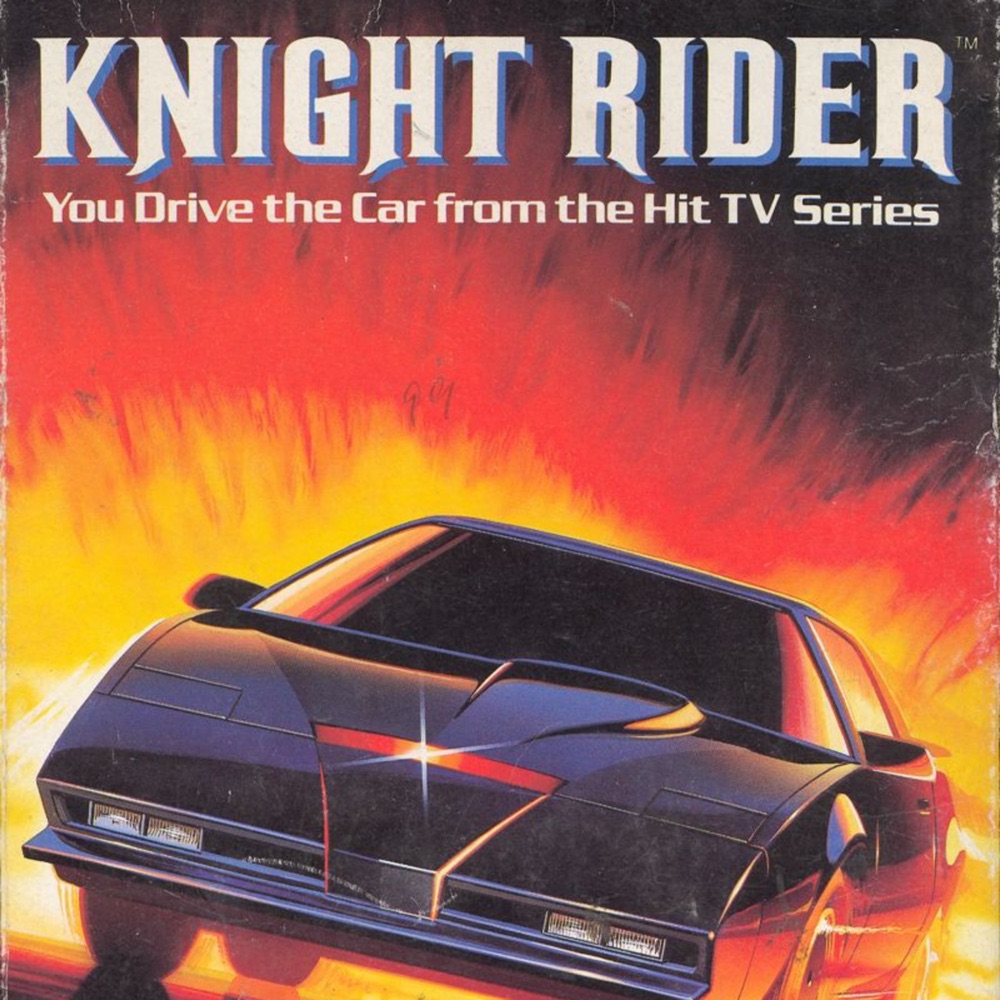
Based on the television show of the same name, Michael Knight and his special talking car K.I.T.T, aka the Knight Industries Two Thousand, are contacted by Devon with another mission. A U.S. military site has been raided and the P.I.V. bomb stolen by terrorists. By following their projected route, KITT and Michael must race across the roadways of the United States.
- Kitt is more than a car, it’s an extension of you, Michael Knight
- NES Longplay
- Introductions
- I watched the first episode of Knight Rider
- Plot
- Terrorists have raided a U.S. military site; only a man and his robotic car can chase them across the United States to stop their evil plan
- Gameplay
- Mission Mode
- THE MISSION BRIEFING
- THE WEAPON SELECT
- Chase down terrorists across 15 cities. Shoot the Red and Yellow. Don’t shoot the blue (civillians). Take em down before time runs out
- So how easy is to distinguish?
- An unbelievable UI. See below
- How easy is it to drive?
- Good use of buttons. B/A/Select all do things other than accelerate
- Should Kitt be invincible? And it just be more about time. What makes this car cool again…you know compared to other video game cars?
- Despite the non-violent premise of the television show, "Mission Mode" makes use of firearms as way to enhance play, similar
- BOSS BATTLES
- A cross country trip just to get back to California SF -> LA
- Never really embrace the Outrun aesthetic of the show
- Drive Mode
- Allows players to go on a simple drive through the game's stages without weapons or enemy fire.
- Does not include the iconic theme from the Knight Rider television show.
- Mission Mode
- Sequels and Spinoffs
- Knight Rider (1984) Computer Game by Ocean Software
- Kinda the same game, but you can also get out of the car and play as Knight
- Knight Rider: Special (1989 JP only TGFX-16)
- Almost the same as the NES, but in third person perspective
- Two PS2 Knight Rider games that just look exactly like you’d expect them to. Obviously more open than any of these games
- Knight Rider (1984) Computer Game by Ocean Software
- EGL
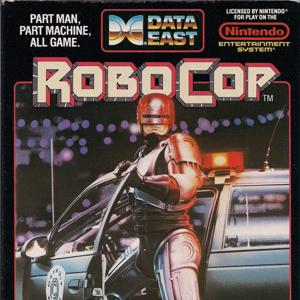
- Next week - RoboCop
- NEStalgia Byte - Star Luster
- A - Timer
- This indicated the amount of time you have remaining to catch up with the enemy terrorist before they escape beyond your reach. If the timer hits zero, and you have not made it to the end, KITT will no longer accelerate, although he will coast to a stop. On occasion, you can reach the boss by merely coasting to the end if you were traveling fast enough when the timer stopped. However if you roll to a stop before then, you will lose one life. Look for (T)ime tiles to gain 30 seconds of extra time.
- B - Score
- As you drive across the country, your score increases for every little distance you travel. Your score also increases for every enemy that you successfully defeat. Every time you score a multiple of 10,000 points, you also receive an extra life.
- C - Shield
- KITT's ability to survive enemy attacks and collisions is dependent on his shields. Every time he is hit by a vehicle or a weapon, his shield degrades. If his shield is every completely destroyed, you will lose one life. Watch for (R)ecovery tiles on the road to restore KITT's shield.
- D - Voice modulation
- In this show, this indicator would rise and fall along with KITT's voice whenever he spoke. However, he doesn't speak in the game, so this indicator is more for show. It does start to flash more when you are close to running out of time.
- E - Speedometer and Tachometer
- KITT is a fully automatic car (in more ways than just the traditional sense) so the tachometer is really just for show. But the Speedometer tells you KITT's current speed on the road. Keep it high on straightaways, but watch it when you take sharp turns. If Kitt is over 130 mph, he will start sliding off the road.
- F - Fuel gauge
- This shows how much fuel KITT has remaining. If you ever run out of gas during your trip, KITT will begin to coast until his speed reaches zero, at which point you will lose one life. Fuel is slowly used up throughout your trip, and normally you have enough to make it to the end of each stage. However, using Turbo Boost burns a large amount of fuel. If you Turbo Boost frequently, you will not be able to make it to the end of a stage without collecting (G)as tiles to refuel KITT.
- G - Radar
- As you drive along the highways of North America, you will encounter automobiles in three different lanes. KITT's advanced radar system allows you to track the appearance of other vehicles long before you can identify whether they are friend or foe.
- H - Distance meter
- This meter is as important is it is completely unassuming. It shows you how far KITT has left to drive before he catches up with the terrorist that you are trying to chase down. A red square indicates your position along a blue dashed line. It travels to the right as you drive. Once the red square reaches the far left side, you will locate the terrorists and engage them in battle.
- I - Weapons indicator
- The lower-right section of the dashboard indicates which weapons system is engaged. There are three possibilities, in order from weakest to strongest: Machine Guns, Missile Launcher, and Laser Beams. KITT has unlimited Machine Gun ammo. However, he can only hold a maximum of 99 missiles or lasers. When either of these is engaged, the amount of ammo remaining is also displayed. In addition to adding missiles and lasers before each stage, watch for (M)issiles and (L)aser tiles to add to KITT's supply.
Auto-generated transcript. Each paragraph starts with its timestamp. Speakers are not identified.
Knight Rider, kit is more than a car, it's an extension of you, Michael Knight.
And welcome to NEStalgia, a chronological exploration of every NES game released in North America. I'm Mike. I'm Sean. And I'm Joe. Did they intend for the back of the box to be read like it's a twist? Because that's why I read it like that in the front, like that revealing that you, the player, are Michael Knight. I appreciated more the front of the box that just says that you will drive the car from Knight Rider.
Which is the same reason why you would buy anything Knight Rider merchandise, right? Like, forget if it's a video game, like if it's a toy, you're not buying the Michael Knight action figure, you're buying the Michael Knight action figure that conveniently comes with Kit the car.
But you don't want a little bit of David Hasselhoff in your life? Don't hassle the Hoff. True. I think it was meant to be a twist, but it feels like they really put that twist in a little early on the first sentence you read before even opening the box. Right. Is the plot twist. Well, who else are you supposed to be? You. Right. You've hijacked Kit. Mock Rider. Yeah, no one's allowed to be. Yeah, Knight Rider is a little different than Mock Rider. But also, before we get into like the game and stuff, I feel like it's appropriate to talk about Knight Rider, which I knew almost nothing about other than the name of the car and that the car is pretty cool. So I went and watched the first episode of Knight Rider, which is available on Peacock.
And, you know, lately I've been confused because with all the networks getting their own streaming services and just adding their name and then a plus in front of it, we're being told that the golden age of television is over. And I think that's funny because it's like golden age of television.
Like usually the golden age refers to things like when they first started, you know, like we had the golden age of comics back in the 30s, 40s and 50s, the golden age of movies in the 20s and stuff like that. How can we be in the golden age of TV just in the 2000s? But then I went back and watched Knight Rider from the 80s. And this show is just like, man, people were willing to put up with a lot more garbage on primetime television back then. So you don't like Knight Rider? Just from what I watched in the first episode, I can't believe it even got renewed. Wow. I mean, I haven't watched it either.
Pretty much the same background as you where I just sort of know of it. In fact, I actually got Knight Rider and like Quantum Leap confused all the time. Uh, but I didn't think it was that bad. I thought it was at least like if you're into that kind of thing, like it's, it's cute and fun. It's got really low production values in my opinion. And it's also like this James Bond light going for it where, you know, James Bond movies in the 80s were already featuring Roger Moore and were pretty damn cheesy.
Now imagine if you have like one 20th of the budget of a James Bond movie and you also have to make a TV show for it. Yeah, I've never seen it either. But I always, I always imagined it and other similar shows kind of like having that like Batman syndrome where like, oh, people probably loved it at the time. You know, kids liked it or whatever, or people thought it was fun. But now if you look back at it, you're like, wow, this was not well put together.
Joe, I'm assuming I've never seen it. I'm glad you brought a Batman because that is something where like the Batman 60s TV show. It's, you know, it's funny. It's not, it's not like meant to be taken seriously. But that is one where like the Batmobile was so cool that it's still like translates today as if you see that like, you know, it comes to Comic-Con near you or something like people line up and they want to see that. I'm not saying that's not the case for Kit, but the things that make Kit cool are mostly the fact that he talks.
You know, otherwise it's like, yeah, sure. He is like, you could shoot bullets and stuff like that and jump in the air and all these other crazy things that only happen like for one particular episode and then are never brought up again or used to affect. But for the most part, it's not about like how cool the car actually looks. Whereas like the Batmobile is about the, you know, the shape and aesthetic of it. Knight Rider and Kit is more just like, yeah, it's a talking car. Like you won't believe it. The car talks. I mean, it's a character, I assume. Yeah, yeah, it has. But does the car in the show have a gun on it?
The car can do anything it wants to do, but as long as the writers allow it. Well, right, right. So it does, but it confirmed that it shoots. Because it also does every other cartoony gadget thing you can imagine. What I'm saying is the problem is, is that they use those things and then it's like, oh, we just forgot to use them later again when it would have helped Michael.
Well, you were talking about the most interesting thing about Kit being that it talks. Like, I know that, like, it's, it's said that it does that, but like, what kind of character is the car? Because I don't think we really got a good handle of Kit as a character in this game. It's more so like, you know, the people that look after Kit and like your boss, but Kit himself isn't really a character in this game.
Yeah. And I feel like that's a question I don't want to jump ahead, even on the character of Michael Knight, too, which was really a strange introduction to him where it looked like a guy who vaguely looked like David Hasselhoff in the beginning. But in a twist, he gets shot in the face and, and they think he's dead. But then they wind up doing some plastic surgery to him. And I don't know why that would help him come back to life. But they obviously I'm, you know, for fans of the show, I know I'm, I'm doing a huge disservice here.
He has a metal plate in his head, which bound made the bullet bounce off of it. But his face was damaged forever. And so they gave him plastic surgery that now he looks like David Hasselhoff. But I'm like, I don't know, he kind of looked like the guy looked like David Hasselhoff before. So now it's just a funny way of being like, you know, he, he, he's not himself anymore. Like he's a completely new identity. And it's like, it doesn't pay off. So I don't really know. I didn't get a good read on Michael. That didn't answer anything.
I didn't get a good read on Michael Knight. And I didn't get a good read on Kit because I can't tell if he's like, you know, like a witty wingman or if he's like, you know, cooler than Michael. And like, yeah, that's sort of the star of the show. I couldn't, I couldn't get that vibe from one. Yeah, that's sort of more what I'm asking. Whereas like, at least in the, the intermission briefings, like you can get an idea that like, oh, okay, this M guy, who I guess is Michael, really likes to take views.
He's like, he's like, he doesn't always like to go on the missions. Whereas like, you don't even get an inkling of what the car is. So, yeah. Gut check here on the Michael and Kit relationship is that Michael is Batman and Kit is Alfred. Okay. That was what I was going to ask though. So like, does, does like, I mean, does Kit like ever talk back or disagree or anything? Or is it like, you know, is it like Kit, you know, activate this. And he's like, yes, sir.
Uh, yeah. Or is it like character? Yeah. No, no, no. It's like interaction between them. Right. It's a character. And he does, he, he will suggest the things to do, you know, it's like, he's, you know, like might I make a suggestion, Michael, you know, like something, something like that. Yeah. Okay. I see. He doesn't overstep his boundaries. He asked politely to, to fucking do. He's very deferential. Okay. Yeah.
And, uh, you know, the one thing that really translates over between the video game and the show is that the show was also all about terrorists, uh, and committing treason and shit like that. And the video game sets up the same exact plot of the terrorists have raided a U S military site and only Michael Knight and Kit can chase them all the way across the country, all the way across the country. And I think, you know, you're going to keep in mind, you go from, from San Francisco back to LA. So really an unusual trip.
Yeah. Right. But you know, you do that. And, uh, I think, you know, traveling across country map makes the driving experience cool, but the, the whole like terrorists, uh, and this kind of car thing also made me think about back to the future with the DeLorean and the terrorists randomly being inserted into that plot as well. Well, that was just like an eighties thing where everything was terrorists.
Um, but what I, but the reason that you have to come back to LA after leaving LA is because there's just so much shit that goes wrong over the course of this game. Like they have terrible, uh, defense and counterintelligence measures between this Knight foundation and the U S government. There's just like, Oh, uh, you know, we, I know we just got you from this other mission where the, uh, where the terrorists stole the weapons, but like, actually while you were out there, these other terrorists stole this, uh, virus from Toronto. Can you, while you're on your way, can you go stop them? Like, Oh no, now, now something's going on in Miami. Like everything. It it's, it's pretty, is that maybe that's how the show is too, where we just have inept
counterintelligence measures all over the place. Yeah. But I mean, it's gotta be hard to deal with it when there's just across the entire country, there are just like caravans of terrorists on like residential streets or not residential streets, but like public streets. Yeah. It's pretty high ratio. Yeah. Well, Sean, you're talking about the, the various missions they'll give you, but what did you think about that? You know, like, uh, just from a presentation standpoint, the way that they brief the missions to you and then they bring you over to the, uh, I don't know the woman's name, but she's like the tech person and she helped you select like which, uh, you know, which stat you want to boost and stuff like that.
What did you think of the presentation, uh, of those, uh, of those elements of the game? I like that. Um, I like that. It sort of gives you, I know it's not really a home base that you actually are in, but after each mission, you have a sort of a breather and you get half of a joke from these people and, um, you like, it doesn't really matter how you performed, you get an upgrade.
And, uh, I think that even though what's happening in the game has really nothing to do with what's going on with these terrorists or whatever other plot stuff is going on, I think that this does a relatively okay job at telling a story within the game itself as, as long as it's not just in the manual, this is a step above the, uh, the, the normal stuff that we get, uh, throughout the course of this podcast.
Um, and even though you, you can upgrade many different things, I, uh, I, I learned that I can't control this game well enough to want to go faster. So I mostly just went into like shield and, uh, shield and gas. Yeah. That, that story, um, the story elements do the context there does kind of help in, in a weird way, like keeping me interested in each mission because without that, the only thing that's changing mission to mission besides like maybe the number of enemies on screen is, uh, is the background, which is another thing that helps. But like, I guess what I'm trying to say is if you strip those things away, the story and the background, it's, it's a very, very, very repetitive game.
And it's kind of, it's remarkable to me how, how far just like little story beats like that go in making it feel a little less, a little like unique each time. Yeah. I was going to say the same thing, Joe, that this is, this is just good branding for Knight Rider. Cause these are the elements that make it feel closest that you're playing Knight Rider and not just as any car.
And as any guy driving on highways that don't really to Sean's point, like the terrorist plot, you don't really feel it in the moment to moment gameplay. You're mostly just dodging blue cars and shooting red and yellow cars on your way between, uh, between cities. So this element of both the briefing mission, which kind of shows you your map and has a dialogue between Devin and Michael, uh, and Kit, you know, that that's good in itself.
Cause that kind of like sets up, Oh, it's the next episode of Knight Rider. Right. And then you have with, with Bonnie where they have like the schematics of the car that don't mean anything. Like you can't even shift over to them or look at them or anything, but I could imagine a kid. Super cool. Right. Yeah. A kid having a lot more fun with his imagination thinking about like, Oh, I've upgraded the shields. And like, what does that mean for the car?
Like, you know, like based on the blueprints, like I could see that being a lot of fun. So when you look at games that we've played in the past, like back to the future or who framed Roger rabbit, those were games that we felt, you know, yeah, like they were covering the story beats and everything, but they felt a little soulless against the IPs that they were actually, uh, replicating in video game form.
Whereas this one, I think does a pretty good job of at least, you know, inserting the correct characters and having like their, you know, personalities in the dialogue and including a little extra flavor in these two screens that yeah, it's like whatever at the end of the day. Right. You can just press the enter, uh, the start button on either of these and just to skip over them. But if you want them, they're there to add. Yeah. I'd say that this game has a little easier off though, because it's about driving a car fast against, uh, um, against terrorists. Whereas who framed Roger rabbit is a little bit harder of a concept to gamify. Um, but no, I, I definitely believe that even with that handicap, this, this game did a much better job.
And then you're brought into the actual gameplay where, uh, you're in the cockpit view of kit as you're driving on these highways and it kind of auto starts for you and then, you know, lets you take the wheel and you're on your own from there. Before we talk about, you know, gameplay or anything, I, I really just want to talk about this user interface that they've laid out here for kits cockpit, because this is the
thing that, you know, I guess like makes both the, the coolness of the car translate into video game form, but also just does things that I wasn't aware we could do, uh, on the NES. When you start thinking about like all the other ideas that come up for other games, this thing has a lot of features jam packed into a UI and yeah, it's taking up like at least a third of the screen, but it's, it has, you know, it has a timer as your score. It has your shield, um, HP measure.
Uh, kits voice has like, he can talk to you to warn you about things. And you know, that's indicated as well, the speedometer and the tech, uh, tachometer. I think you say, um, the fuel gauge, uh, for gas, uh, a radar that shows you like where other, uh, enemies are on the screen as they're approaching. So if you're either in the air and need to think about like where you want to land, or if a turn is coming up, it'll tell you about these things. And also like what weapons you have indicated and how far away you are from the next location. Like that is just so much information on one, uh, on one cockpit view that actually all works.
Yeah. The, the mini map is something that I thought was in terms of the HUD, the most impressive part and actually like kind of the most useful part. If you're spending a lot of time turboing and not exactly seeing the ground, it could do a lot of help to just knowing where you are in relation to all the other enemies or obstacles.
Uh, and the, the, the speedometer looks cool too, but in general, this game just looks really good. Like even the, like going past the dashboard, this looking at the, the road ahead of you, like it's very smooth considering there's a lot of different like angles that it's doing and the sprites for the vehicles. Like if it's a truck, you'll get several different versions of the view. Like how it would look if you're looking at a truck from behind like third quarter perspective. Uh, it just looks good.
Yeah. I mean, I, I agree. I think that the, the game looks great and that translates it to it feeling great too, because it, because the way the motion, uh, looks also kind of makes it feel good. Um, as far as the, as far as the HUD or the, like the dashboard and everything, I did feel like I was really impressed with how much they put on there. I guess I was a little less, um, impressed with the practicality of the, uh, mini map. I thought it was impressive, but, uh, and I hadn't really thought about like how useful it is when you're jumping in the air, but I guess I did that so infrequently.
It felt almost useless to me when I'm on the ground because everything you can see on the screen is, is everything you can see on your mini map is already on your regular screen at that point. Like it doesn't show you further out than your actual site. There's no reason for me to ever look. It felt like there was no reason for me to ever look at the mini map when I can just look at the screen.
I guess that I guess for not encountering the fact that like when you jump, you might need to check that because you can't see the road anymore. But Joe, I think it'll tell you if turns are coming before you could anticipate them, which is important because you need to slow down. Right? I mean, I'm watching right now and I think I can see the turns like in the distance at the same time as the, maybe I was just so focused on the radar in general that I was just using it as a, you know, as an actual, rather than looking out. Yeah. So you're playing this like a modern video game. Right. You just stare at the mini map the whole time.
Also doesn't help though that the radar and look, you know, it's, it's already advanced enough, so I'm not going to put a big complaint in here, but if the blue cars are supposed to represent like civilians that you're just not supposed to damage. And if you do blow them up, you are just given like a five second penalty. It feels like it should be a lot more severe for killing innocent civilians, but whatever, when terrorists are on the loose, I guess you get to do whatever you want.
Here's the thing. They show up on the radar as well. So yeah, I guess it really is only used for jumping because it's not an accurate thing to detect where your enemies are. It just shows anything that's on, on the map, on the highway with you. Yeah. I mean, this is sort of a, a think piece on why the human operator needs to be a part of warfare because to an AI, all humans are enemies.
It is reading those blue cars like enemies. No doubt. That's a good point. But the, the, the other reason that the, the, the fact that the, um, that the mini map didn't get, give me as much use. Like the reason that that stands out to me so much is because I felt like the, it was kind of the one major thing really missing from the game that would make a big difference in the gameplay and not to jump too much into the gameplay, but I'm sure we'll talk a little later about, and we already talked a little bit about like the, um, the kind of resource management of it. You got to kind of manage your, your fuel and you got to look at like how much time you have left and, uh, before you get to the finish line or whatever you want to call it.
But nowhere on this display is there an indication of how close you are to the end of this level. There is Joe. There is. Yes. But no, that's okay. There's no reason you should know that. But if you look at the manual, uh, it does have, uh, that, so you see that red square that's kind of like between the screens where your gas and meter is and where your, uh, weapons are below it. Isn't that like Kit's head? Like that's Kit's face, right? Uh, no, no, no. Sorry. So not the, that's like his voice modulation thing. You're talking about like the cross? Not the cross. So the, just the little red square that's between the gas meter and the weapons. Okay. So that is the distance meter. And so that is how far away you are from the goal.
That's what I needed. Cause this whole time I was like, well, I'm just going to really try and conserve gas the whole time because I have no idea how close I am and how, so that changes things for me. There's a lot of like, you know, between this game and Ghostbusters, like you can really tell that the people who made this game are children of the, the gas crises of the seventies, because you know, just conserving gasoline is a huge theme in these NES games.
Well, I'm sure that I assume that was one of the most exciting parts of the show is like when he's like, Oh shit, I'm almost out of gas. That's what I was going to say is like, is Kit really a supercar if he needs gas? Like they couldn't have made him just electric just for the sake of futurism as well. Nuclear fuel cells.
Anything right. I guess like, you know, that comes down to a lot of things too. There's just the, the vulnerability of Kit on so many levels. Uh, one that, you know, uh, he has that gas, right. But then also the shields and just, uh, the amount of time it takes him once he goes off road and like hits a tree or something, the amount of time it takes him to get back on the highway. Granted, it's incredible that he could continue driving at all, but still as a supercar and stuff like that, I feel like the coolest parts of the car were in the, uh, the HUD and, uh, the, the car becomes a lot less impressive when you see what you can actually do with it in the moment to moment gameplay.
Yeah. And then the car to, to make decisions and to, you know, like, it's just, it's just immersive in that sense where it's like, it's not just, it's not just a map up in the top corner of your screen or something. It's all feels like, Oh, this I'm able to do this because this car is so cool.
But do you know what I'm saying, Joe, you were talking about how later we do this thing where we always say like, I'm sure later on we'll talk about it and then we just go right into it. Right. The resource management part of this game makes kit a lot less cool immediately. Like it's, Oh, I agree. I agree. The presentation thing is great. And then you realize like, Oh, but the actual car isn't like that great. And it, trust me, it's not because you don't have all the upgrades that that stuff is not going to improve as you like continue to upgrade your shields. That's just what, what happens.
I don't know. I, I mean, I think that the car is still pretty cool. I think the thing that makes it uncool is that the, they tied your turbo boost to just something as mundane as how full your gas tank is. Like if they just made it like, Oh, you got like three or four turbo charges and that's just it. It's like a discreet number of times that you can use this feature and like, you don't have to worry about gas your kit.
Uh, and you're not just going to like slow down and die on the highway. It would be, I think it would do the exact same thing in balancing the gameplay because you'd still have a limited amount of times that you could do the super jump and it would, it would still be cool because you're not thinking about gas. So I think that, that one little design change could make this feel a little bit cooler.
Yeah. I think that the thinking about gas part like does definitely like takes away from like the cool factor that you're feeling. Cause it's like, that's such a like mundane, regular thing to think about. And it's like a little bit of a chore to have to manage your gas just from like driving quickly. Your gas goes down. Like, but, but I do get the idea behind like, if that worked, if the gas thing did work, I get the idea behind tying your turbo boost to the gas because then it makes it just feel all a little more connected.
Like it's all part of the car. Yeah. But the problem is that it just doesn't work in general. Yeah. It makes sense because it's like, oh, you would have to think about gas cause you're driving a car, but no, you're driving, you're driving kit, which from what we've, what we believe is a cool thing from the eighties. We may not know firsthand, but that's what we're going at.
I never thought of the turbo thing as a, you know, as you, you know, the thing that was using up my gas now it's so clear. And I did read the manual and it does mention, uh, that it's, that's part of his turbo boost or whatever. But I just thought that was like a jump ability that the car had. Like the car just had this amazing, impressive ability to just jump in the air. But I guess it's just that the turbo leaps it into the air or whatever.
Um, doesn't make too much. Otherwise would they give you not enough gas to complete a level? Like that would be something else. Yeah, no, it's true because I was spamming it my first playthrough just being like, oh, wow, this is great. I can just hop over all the blue cars. Don't even have to worry about that. And I ran out of gas very quickly.
Uh, so yeah, to your point, Sean, if you just limited the amount of times you could jump to like three, right? Like think about it. They're limiting how many missiles you have, how many lasers you have. Why not just limit these jumps or turbo boosts as they're supposed to be called, uh, limit those as well and lose this feature because there's just a lot of different like failure states, right? There's the, the, the failure of time, the failure of gas, the, um, the failure of your shields. Like there's three ways to lose and you're supposed to be the coolest car on the planet. Yeah. And also, I mean, am I, was I imagining this or does going faster, you know, realistically
guzzle your gas more quickly? Yeah. Cause there were times where I didn't jump at all and I still didn't make it with enough gas. And then I realized like, don't I like, am I really supposed to be like strategically managing like my speed throughout too, to, to, wow. That's just unrealistic. It felt like, uh, it felt that like it was like giving me this tool to go super fast, but then like, that was like really cool.
But then making me feel like, well, I shouldn't really ever do that. Yeah. I don't know why they would do it this way because going fast should be a self limiting thing. Like if you're skillful at driving fast and you can find a way around your obstacles, then you should be allowed to do that with no other like malice because like, otherwise you're being punished twice. Like you have more of a chance to run into shit and also your gas is just going to drain faster. That, that, that seemed, I didn't notice that at all, but that seems silly.
Yeah. I noticed that I actually, it made me like reluctant to go top speed, which seems like would be the most fun part about this game. You know, it reminds me of if we go all the way back to a very, very old episode from an alternate reality, it reminds me of when we talked about, uh, Sonic the Hedgehog, where I was like, well, the first level encourages you to go really fast. And then every level since then feels like it punishes you for going fast.
Yeah. It'd be crazy if we ever recovered that game. Yeah. I'm saying if we had, if we had recorded that, I'm sure we would have said something along those lines. Yeah. And another thing about the, the whole driving, uh, as a compliment, because I feel like, you know, maybe we're ragging on a little too hard. We said that the UI was cool and then we started busting kit. Now we're going to talk about a good kit things again.
So I thought that the use of the controller in this game and how they made every button count was, uh, was really impressive. It was a little like hard to like, as I'm driving and controlling my speeds, uh, you know, cause you have to hold up, uh, on the D pad to continue to accelerate faster. It was a little hard to like, also press select on that kind of controller. Like it's not as, uh, you know, it's not as fluid as I'm used to with like an Xbox 360 controller or whatever, but it all worked because they made every button count. So the B, A select all do things and they all do things other than accelerate.
Like it would suck if they made the A button, the acceleration button, and you just always have to like hold that down. And then the B is your firing, you know, thing. And then the select button winds up being jump or something. So I liked that they tied all steering and speed between the D pads. So left and right to steer and up and down to kind of control your speed.
And then the B button is your jump. The A is your weapons and, uh, the select, uh, cycles between the weapons. I don't know. I just found that to be, uh, a really impressive use of using every single button that's on the controller. There's really not much else they could have done. Yeah. I mean, it's refreshing compared to some games where I feel like even if they're, even if they are using all the buttons, they're using them in weird ways. And it does feel, you know, I will say at first it felt weird to me to use the, um, up on the D pad to accelerate. Like I wanted to use A, but yeah, as I kind of went on and was like thinking about the limitation,
the limited amount of buttons on an NES controller, it does make the most sense because it's all intuitive. Then it's like, you know, you're, you can, you can turn while holding up because you can kind of, you know, you can kind of roll your thumb over to the left side as you're, as you're still accelerating and whatnot.
Um, but then you can also like, you can shoot with, with your other hand or, or jump and whatnot. Yeah. And just going off of like the controls of it, that the game in terms of its sense of speed, aside from there not being too many like foreground objects has sort of, uh, to, to illustrate that it does have a, like a good sense of speed and like, like handling of this vehicle. Like it doesn't like if the control, if the controls allowed for, uh, acceleration and
breaking to be their own face buttons, it might feel even better because like in, in a more, you know, modern game, there'd be like this sort of balance between, uh, laying on the gas and breaking and sort of alternating between that. But there's like a version of that with what's going on here. Because if you take a turn, go like just screaming down the road, you're going to have to like kind of modulate a little bit to make sure that you don't run yourself off the road.
And there were some like nail biting moments when I was just at the, the actual shoulder of the street and trying to make sure that I didn't, I didn't go into a car or into a, you know, uh, an obstacle on the grass. Uh, the game feels good in terms of the actual acceleration car stuff. Yeah. It reminded me of another famous NES rider game, mock rider, uh, in that sense where you do have to be aware of the turns and, and figure out the course in, in that kind of way, because otherwise you will spin out and, uh, you know, it'd be impossible to, uh, break in time or slow down in time because you're at top speed or whatever. And you weren't anticipating a hard left or hard, right?
Yeah. And like the sounds, you know, they're not the best, uh, sound design of like a screeching tire, but they, they, they apply some good feedback when you know, like, oh, I need to slow down. Now let's not forget the mission of the game though. And that was to chase down these terrorists and, uh, you know, get between the destinations of the city along the way you are, um, you know, you run into these red and yellow cars. The red cars are, you know, they'll shoot it back at you. And the yellow cars are just this, they're basically act like red cars, except for you will know that they'll have a power up or something, uh, that they'll hand off to you.
If you manage to blow one of them up, there's a couple thoughts here from me. One is that the, the whole like red, yellow, blue color scheme, isn't like hard to decipher. This isn't like, um, you know, a zapper game where you're like, oh, I gotta make sure I don't shoot the civilian. Right. And this, it's very obvious. Like blue stands out like a lot against the red and yellow.
So it was never hard to, to dodge those guys. You'd have to, you'd have to really either ram into them because you have nowhere else to go or accidentally like misfire without, without, uh, because of the way that the cars are shooting at you, you have to kind of weave between traffic and accidentally doing it that way. So I didn't find it. The blue were just more like an obstacle in my way rather than something that I might accidentally destroy, but also the, the red cars and just the way they behave.
And I don't know if it's all cars in the game, but they, they shoot like one or two at a time. And then once they've done that, you just kind of have to come into the lane and shoot and then swerve back out. And I know that sounds either easy or frustrating or whatever. I guess it, for me, it landed on frustrating because you have to also keep about your speed.
And if you're not paying attention to how fast you're going and also focusing on, okay, well, these guys stopped shooting. So now I'm going to weave in and shoot at them. And, oh wait, it's not just one bullet's going to take care of them. It's going to be a few hits. It's, it winds up being something where I wind up passing a lot of these guys, or I wind up having to just move on from them, uh, and focus on the road. And so because the objective isn't taking down X number of terrorists before you move on and more about getting to the destination, there's not much incentive to, uh, play most of the course. Yeah.
I noticed that I wasn't skipping them like on intent. I wasn't skipping them intentionally, but I wasn't really worried if I missed them, but I thought that they were easy enough to sort of track where I would just match their speed and sort of ride the line between them and the, uh, the next lane so that my bullets could hit. But like there's missed most of the time, um, that I would still engage. But if, if I was going too fast or if the, if the actual lay of the land didn't allow for a safe, like from whatever term that you're going for, uh, a safe engagement, then I had no problem just driving past them.
Yeah. I kind of, whenever I saw any car that was going to shoot at me, um, I didn't really go out of my way to shoot them first. I was like, well, if I'm over here, I'm just going to drive past them. And then if, um, if I happen to see a moment where like, if I'm shooting at someone else and I see this car shoot and miss, I would take that opportunity to kind of like zip over there real fast and shoot while I know there's like a little bit of cool down before their next shot. But I certainly didn't go out of the way to put myself in that danger. Like I was pretty quick to adopt the strategy of like, if I don't have to shoot at this guy, I'm not going to put myself behind him.
And I suppose that to the developers, it made more sense to be a race against time. That would be more thrilling, you know, nail biting, if you will, to, you know, make sure you get to the next location, uh, in two and a half minutes or else versus make sure you defeat 15 red cars. And then the following level, make sure you defeat 17 red cars, like just upping that number. I suppose that's more exciting.
Of course they could have went the complete chaos route and just decided first destroyed seven cars. And then you'll be able to go to the next city, you know, like you have to do both X amount of reds and then you can drive on to the city and try to beat it in time, which would probably be way too frustrating. Yeah. I think adding two different things that you're being constrained by might be more trouble than it's worth. Yeah. It would get frustrating. And for the record, I mean, I didn't feel like it, my way of playing made it less fun.
I felt like it just made it like feel a little more, even a little more realistic. It was like, Hey, I'm trying to get here instead of attacking, I'm dodging, but I'll attack if I have to. Like, it never felt like I was like, Oh, the game lets me cheese it. But yeah, I don't like, no, this is like another, you know, way to avoid these things. I don't disagree with where they wound up. I think that's what I was saying at the end is that you have to kind of choose like which one's more thrilling to the player, the race against time or defeat 15 enemies. And to be honest, isn't it always the case, even in, you know, say beat them ups, right?
Other than the ones that I guess like lock you on the particular screen until you clear them all off. For the most part, it's about getting to the end of the level in games, not about like, make sure you take care of everybody. Like, don't let any enemies get through because then they'll probably get to the, the, you know, you're going to the bad guy's castle. So aren't all the enemies heading to the good people's castle. So you really shouldn't let anybody through, I suppose. But that's a problem for the toads, not for Mario.
Yeah. That's a completionist achievement perspective. There should be an achievement for killing every single enemy in a game. Like just in any game? Like most games? Every game should just have that achievement. You've killed everybody.
I didn't know what to say there.
And why should you?
Well, what do you want to say about drive mode? That's the other mode in this game. Uh, that is the same exact locations, the same highway system, you know, an amount of time it takes to get there and everything. Except for now, not about shooting and taking down enemies and everything. Now it's about driving that same course and practicing your driving skills.
Now, you know, I didn't play this. I didn't play the drive mode. I read about it in the manual. Uh, but I can see why one would want to because I know it's really just like a color scheme flip and a background like change out. But each, like just with those being the only two things that are changing, each level does have a different feel to it. Like some of them are at night. Some of them are in the clear blue sky. Some of them are weird. Like I guess Boston like was recently smoke bombed and it's just everything is like this ghastly purple.
Uh, but each level does have its own different feel. And in some levels, I think that traffic even behaves differently. Like I noticed in later levels, even the obstacle civilians were starting to like change lanes and swerve in front of me, which I thought was cool. It felt more reactive. So I think if you're really just going for that sort of thing and you want to experience the later cities like Miami or like, like, uh, maybe it was Dallas. I don't know the Southern ones. Um, but you, the actual game is too hard. Then this is how you'd experience it.
Yeah. I think we mentioned before, like where this game, I think like one of the, the bright points of this game is how it, how it drives, how it controls, you know, it, it, it's smooth and it feels, it feels a little bit, uh, ahead of its time. And the sense of like a driving game that, you know, a lot of times we see any sort of game that tries to do something in first person and it feels kind of funky or it feels like, it feels like, oh yeah, this was definitely made for the NES and it, and it, and it's kind of choppier and a little lot stiffer. And this moves smoothly and it kind of, you know, I can't imagine them improving on the motion too much from where they already are.
So like that kind of just gives you a chance to just experience that. And it, and that's fun in its own right. I only just questioned the drive modes, uh, you know, objective being too similar to the, to the base game. I suppose I I'm saying it's basically just stripping out the weapons portion and it's still about getting to the location in X amount of time.
And you still have gas and everything like in that sense, you know, that I, I feel like the drive mode should either just be like completely casual and just remove everything and just be more about driving as kit. Right. Or just trying to do something different, like, you know, not style points or something, but something that scores you based on how you drove as kit in that level and not just like a, make sure you get there in the same amount of time.
Yeah. Maybe the courses should be more swervy or challenging or something. I agree with that. Like it should be more like if it's, if it's about driving, then you should introduce something that makes the driving more interesting and more challenging than the regular game. I guess like my only defense of it is that you really wouldn't have to worry too much about gas because you're not going to have to, you're not doing like, uh, evasive maneuvers. And you're not going to be jumping unless you want to. And I guess the time limits not really necessary anymore, but like when you're removing all of the enemies, I think that that's a relax mode as much as it needs to be.
Well, you remove the enemies, but the cars are still there, right? Yeah. I mean, you still have to navigate traffic and jump over them and whatnot. Yeah. You're not going to get hit by any of them unless you run into them. And yeah, I mean, I guess that's the case in the regular game too, except the only difference is now you have one less way of dealing with them, which is you can't shoot them.
Yeah. You're going to shoot the civilians. Well, no, there are, but there are like, there are still trucks and white and red cars or at least white cars in the, in the drive mode. Whereas like in the regular mode, there's like, it seems like there's the same amount of cars, but the difference is half of them you can shoot. This is like the same thing, but now you can't shoot any of them. You have to dodge all of them. So it almost feels like it would make me more likely to use my turbo jump. Gotcha. Um, granted, I also did not play this mode. So just speculating based on what. Speculation on both ends then.
Yeah. I did play it. And that's, I guess, why I'm just feeling that it wasn't different enough. Uh, I definitely agree with you, Joe, that even if they just changed up the, you know, it doesn't have to be new backgrounds or anything, but just changing up the tracks themselves. But, you know, I guess I'm asking for a lot. The mission mode is the core of the game and the drive is just something extra. Where's my, you know, pass my international aid driver's license test with kit. You know, that's what I really want to do.
Uh, it's a Gran Turismo reference. Yeah. Where am I, why am I picking up other people from, from the Knight Rider series or from the spinoff show team Knight Rider? Why, why are not picking up these people and taking them around town? That's, that's, that's what I want. I want a taxi driver game. Do we get one of those, Mike?
No, I don't think so. Okay. Uh, oh, we didn't talk about the boss battles. Oh yeah. They're not really, boss battles is weird. Uh, they're more like just one-off enemies that are more intimidating. So bosses, yeah, sure. Why not? Like, there's a helicopter. There's a truck. There's a couple of other guys.
I don't know. Nothing, nothing special. Right? Yeah. I mean, you just shoot at them as they drive. You shoot at them as they drive closer and further away from you. They shoot at you a little more. They take a lot more hits. Yeah. Basically throughout a level, you'll have the chance of running into like a friendly, uh, which is like a truck that if you just stay behind it, it'll give you a power up and it'll give you like missiles sometimes or lasers sometimes, sometimes like something less fun. And in the kid, like in the pre game where you can choose your upgrades, you can choose to pick up missiles and, uh, lasers.
This is just preface to say that in the boss battles, this is where you just spam all those missiles and lasers so that it's as short as possible. And you guys wouldn't know because you've never seen the show, but, uh, the game doesn't include the theme song. So the one song in the game is not the theme song? Not the theme song. I don't even think that that's from the game. I from them from the show. I should say. Is the theme song iconic?
Like does everybody love it? Okay. I wouldn't say like everybody loves it, but, uh, people who, you know, it had a cool show. I would say in general, this game is missing the, uh, the kind of outrun aesthetic that the show might've been a little bit, you know, uh, you know, not as outrun as, uh, things are now in, you know, subreddits where it's like, everything is all like future retro and stuff like that. Everything's purple. Right. Yeah. This wasn't exactly that. And I would argue that maybe the Las Vegas stage does feel a little outrunny, but, um,
you know, the show had a, had a quality about it, especially in the, in the theme song. That's what made me think about it. That was kind of like, you know, missions at night, dangerous terrorists, like guy wearing sunglasses, even though it's dark outside, like anything can happen, you know, like that didn't, that wasn't really embraced in these broad daylight. Uh, I'm heading off to Seattle.
Yeah. They should have been thinking about us playing this 30 something years into the future. Uh, when we fetishize that, that whole thing, but weren't they fetishizing it back then? Like when it was actually relevant? No, I think that was just, I think that was just the way things looked. Like, got it. Okay. Well then in that case though, if that's the way things looked. Like stylized, like that was just the way that we were designing things. Right. But then why didn't they design the game like that too?
Cause it's 8 bit, man. There you go. Hey. Well, you know, outrun kind of gets that name is from the game. From the game. Yeah. No, no. They like, that's just funny in general too, that it's not really a, um, it's not really a style that the TV show would have been going for. But even outrun itself, is it like, if we're going to get into this conversation, even outrun from the game itself isn't, uh, holding fast to all of the, uh, the rules of, of the sub genre with the, the digital sun and all that stuff. So, uh, I'm going to hold my tongue though. I understand. And there's no reason, there's no reason to get into that because I have a question instead.
Okay. Would you like this game more if you could get out of the car and play as Michael Knight being like inside of, uh, you know, like a hostage situation or trying to run through a terrorist warehouse or something? No. I think that that could fall into the, like the trap of trying to do too much and then not doing enough with like, yeah. The thing that, the thing that it should shine at, which is the driving element. We've played many games that try to like go across genre. And I think like only one or two were any good. Well, surprise, it's the sequels and spinoff section.
Oh, Knight Rider 1984, the original game, the game, the game before this one, uh, it was a computer game was mostly like the same exact kit portions. Like it looked pretty close to what we see here on the NES, but also let you get out of the car and play as night. And I thought that was interesting that a game that came before it granted four computers, uh, wound up being, you know, maybe considered a little more advanced. Uh, you know, because people were comparing things up against back in those days, right? It's like what, how, what a game let you do.
Yeah. So yeah. So Knight Rider's first game let you do that. Uh, Knight Rider on NES does not. And then Knight Rider special, which was a 1989 Japanese only game for the TurboGrafx-16. So I guess Knight Rider was pretty damn popular in Japan. Uh, speaking of which too, I think that the Famicom version of this game, uh, changed only one small thing. It changed Bonnie's name to Bonnie with a V as if like, yeah, as if like that's like, that's gotta be just an accident, right? Like there's no reason.
There's no reason for that. Right. I don't know. Oh wait, another big change in the Famicom version. Sorry, I know I was about to talk about the TurboGrafx-16 thing, but this is a big update. The title screen's different. It's purple instead of blue. So, you know, kind of outrun vibes. And, uh, and they removed Michael up against the car. So it's just the car. It's just the car. They don't like Hasselhoff there. They're the anti-Germany. Yeah. I'm sure he felt very hassled by that.
It's kind of like Back to the Future with no doc. You know, there's two major elements to your show and you just include one. Right, right. So anyway, back to the TurboGrafx-16 game. That is, again, almost the same game as the NES with the idea of just driving between cities and stuff. Except for now, they said, screw the cockpit view. Let's do third person perspective.
Like, you're behind the car? Yeah, you're behind the entire car. Kind of like a Gran Turismo kind of view. I mean, like, that's been done. And so has the first person thing. But I think just looking at the ass of Kit is less cool than driving Kit. I never thought of it that I was looking at his ass. But you're right. Yeah.
I wish I could pull up an image of Knight Rider Special for you two to just react to. But it's just great pixel work. But otherwise, it's nothing crazy. And I agree. I think that the cockpit view is better. I agree, too. I guess if I wanted to play Devil's Advocate, I mean, maybe they want people to be able to see the car. You know? Because it's a cool design car. It's like when you create a character in Skyrim. And then you play the next 80 hours of the game never looking at the character you created.
So I guess I get that side of it. But I do agree that I think that it's just cooler to feel like you're behind the wheel. I will say, though, that most modern third-person games with this whole over-the-shoulder thing, less so than in older side-scrollers. You're really only looking at the back of a character's head most of the time. Sure. Yeah. And then there are two PlayStation 2 Knight Rider games, which is also just crazy to me. This one I did send you guys screenshots over to.
You know, they look just exactly like you'd expect them to. Obviously, they're more open than any of these games. But it looks like you're stuck in the car this time. So really, it's funny that... Is that the plot point? No, no. Yeah, that's funny. I think it's just... It's interesting that the only Knight Rider game where you got out of the car and played as Michael, David Hasselhoff, was the very first game. And they were like, oh, people hated that. Like, people just want to be the car. And we'll find out if being the car is enough when we decide if this game is on the Essential Games list.
Sean, is it enough to be the car? To drive the car? To be the... I think you are driving the car. You do see the dash. Yeah, you're definitely not Kit. You're not cool. You're not Kit. But is it enough to drive Kit? I do really like this game. I do think that the visuals are excellent for this sort of thing. The gameplay loop is, while not super...
While it's not super complex, it is still fun. And the intermission breaks with the map and the conversations. Like, they're cool. And you got, like, your little list of cities. Like, going to all these cities. A lot of the... A lot of the presentational stuff is on point here. I will say, though, that it just doesn't have the it factor that, for me, makes it an essential game. I think that it's got a lot of good stuff going for it. But it's just not quite essential. Alright. Joe? Yeah, this was a lot better than I ever expected it to be. I'll say that for sure.
I agree with Sean that the presentation is phenomenal. Also, I guess... Maybe it's just been a while since we played a game like this. But I was really, you know, impressed with how well it controls. So I thought that that was really cool. But ultimately, there's really not enough variety. I mean, there's a lot of variety in the imagery. And, like, some of the enemies, I guess. But, like, overall, the gameplay loop feels so much like a loop. It feels very repetitive to me. That I lose interest pretty quickly. I think this is a fun game to, like, pick up and play for a little bit. But not enough to kind of hold me. So I'm going to not vote it essential.
I also had a lot of fun with this game. And I think I actually had a better time playing this game than I did watching the show it's based off of. So, you know, it's held up better than its own TV show. That's a pretty good statement.
I think Joe was trying to talk about this earlier in the episode about just how smooth the gameplay is, too, though. Like, it doesn't feel choppy when you're driving. And I don't know if it's just the way they lock the background and not the highway. But, I don't know, I just felt like the driving experience was way better than I was giving you credit for throughout the episodes. I just want to, like, right that wrong if anybody thought that I didn't think that was impressive.
But the other elements of the game are what make it less than. I kind of wonder what makes Kit so cool again. And not compared to his character on the show or, you know, personality or just, like, those kinds of things. But compared to other video game cars. Like, I don't know, it feels like every video game car could also just be secretly Kit. Because he does, he has, like, the same vulnerabilities and the same kinds of things that we've seen in other video games. And so, while his HUD was really cool and, you know, the presentation was top notch, I just didn't feel like, you know, playing as Michael and Kit was the definitive experience of a Knight Rider game. And so, it loses a little point there for me, too. So, not essential.
You two already decided that. I'm just jumping in as well. But we've got another chance for a different intellectual property to be on the essential games list next week with RoboCop. So, it seems like everybody's just licensing everything they can get their hands on now as we kind of end out 1989. And who knows, because 1990 has so many more games than we've ever covered before. Maybe it's all just IPs and giant franchises and sequels of games. And we're going to think that, oh, will we ever see an original again?
Are you intentionally giving us a taste of things to come right now, Mike? I think it's more to do with the fact that, like, we're thinking about that now in 2022, where we're like, oh, yeah, everything's a sequel. Everything is a reboot. We'll never, you know, original movies can't be made anymore. And, you know, now I'm kind of having the same thought in 1989. Yeah, maybe that's always what it feels like. Yeah, everything's based off of the success of something, right? Everything's based off the Odyssey, right, Sean?
That is, yeah, that was the first and only story ever told. You know, it would be ridiculous if anyone on this podcast ever read that book. It would be absolutely insane.
Also, we have a Nostalgia Bites episode coming up. Star Luster, if that's not something that you lust for, don't worry. Because we have nine other episodes of Nostalgia Bites that are available for you right now. This is not a drill. Nine ready-to-go episodes. Weir-woo, weir-woo, weir-woo. Did you hear that, folks? That is the weir-woo telling you that there are nine episodes of another Nostalgia show that you haven't heard about available right this minute.
First off, I'm going to question, how haven't you heard about them? Because I've been plugging them at the end of all these shows. So if you haven't listened to the end of the shows, you should know that at the end of the show, we reveal some, you know, pretty crucial information. Like credit card numbers and social security numbers. Yeah. Locations of America's Most Wanted. Yeah. Yeah, Sean. Yeah, from now on, we're actually putting 30 minutes to an hour of dead space at the end of the episode. So no one will be able to tell when the episode actually ends.
It'll just end abruptly. Yeah. And I've been doing that. So this way I also make the file sizes bigger. So this way it's like a commitment that you make with the podcast where you accept the amount of space that we take up on your phone. So this way it's like a commitment that you make with the podcast.